Head to head · Norway's two famous cliff-edge hikes
Trolltunga vs Preikestolen: Which Norway Hike Should You Do?
Trolltunga and Preikestolen (Pulpit Rock) are the two cliff-edge photographs most people picture when they think of hiking in Norway. They are both in the fjord country of the south-west, but they are very different days out — and the difference in effort is the whole decision.
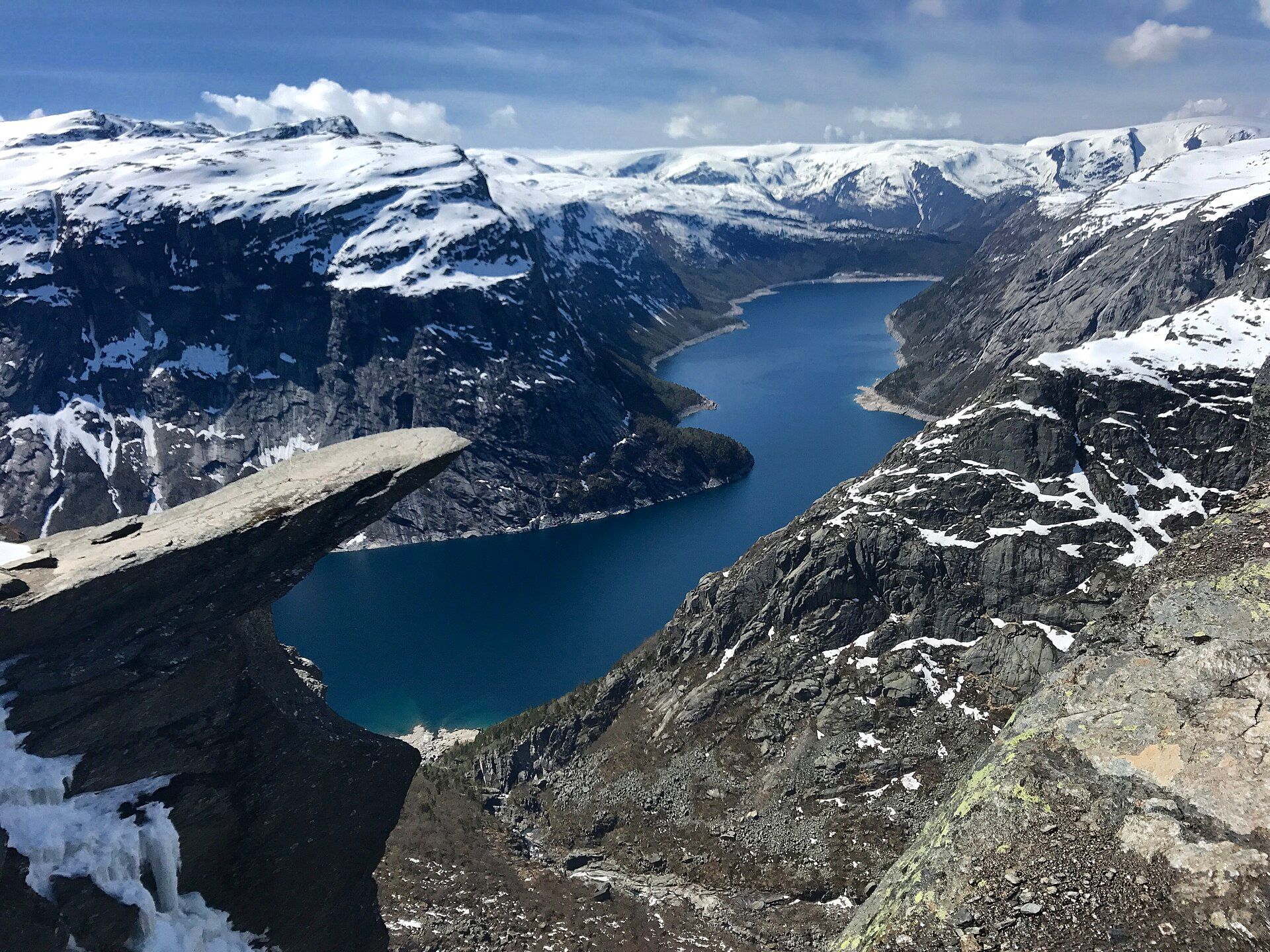
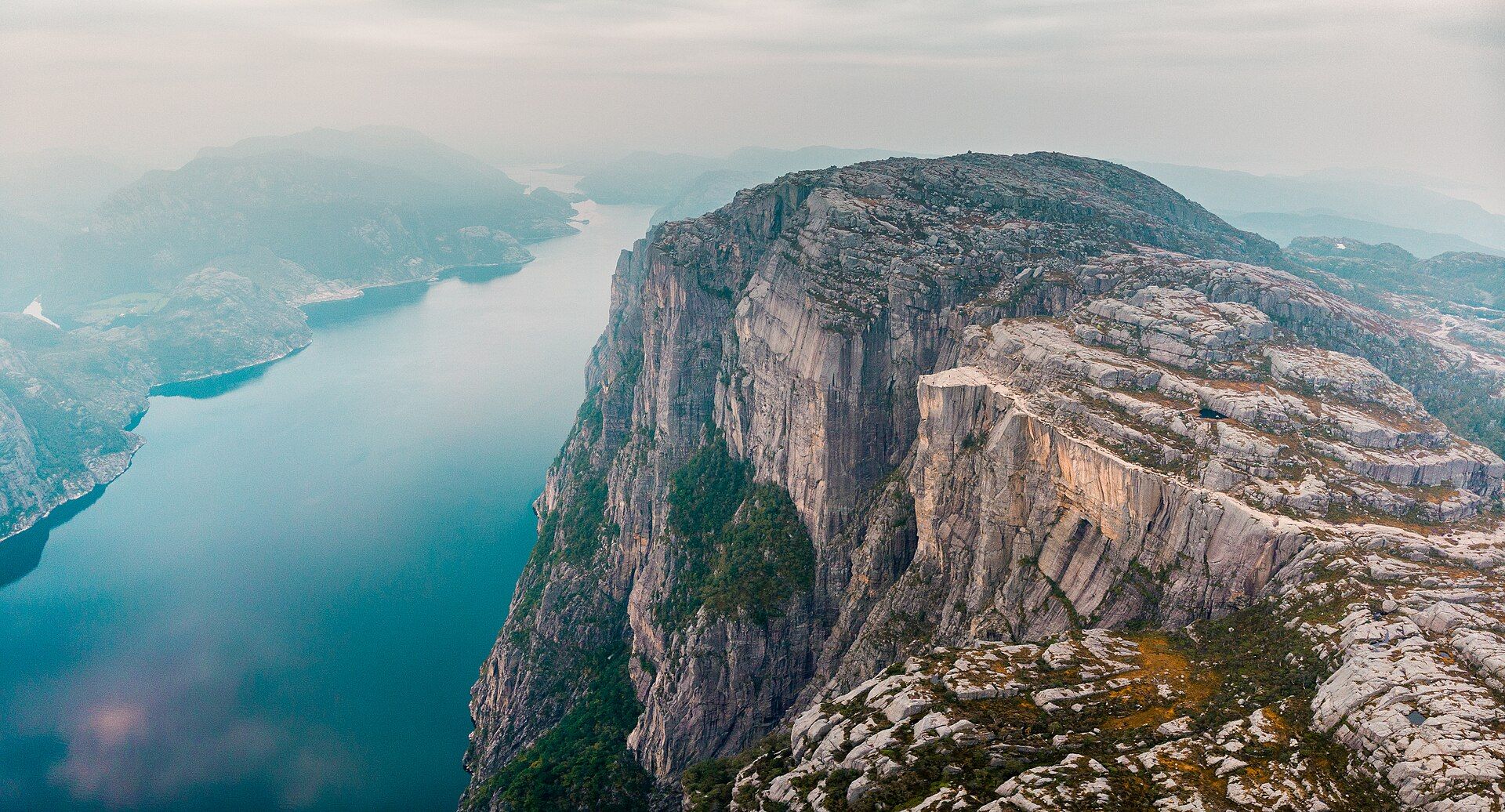
Preikestolen is a half-day hike of roughly 8 kilometres return to a flat platform 604 metres above the Lysefjord, about 90 minutes from Stavanger. Trolltunga is a full mountain day of 10 to 12 hours from the lower car park to a slab of rock jutting out roughly 700 metres above Lake Ringedalsvatnet, above Odda.
Trolltunga
A rock tongue at the end of a mountain day
A flat shelf of rock juts straight out from the cliff like a tongue, hanging in mid-air roughly 700 metres above Ringedalsvatnet. It was left when Ice Age glaciers plucked the rock away beneath it along natural fractures. The hike crosses a high plateau with bogs, snow patches into summer and no shelter.
- The more dramatic, improbable rock formation
- A real mountain day across high plateau
- Shuttle to Mågelitopp shortens the climb
Preikestolen
Pulpit Rock, a half day from Stavanger
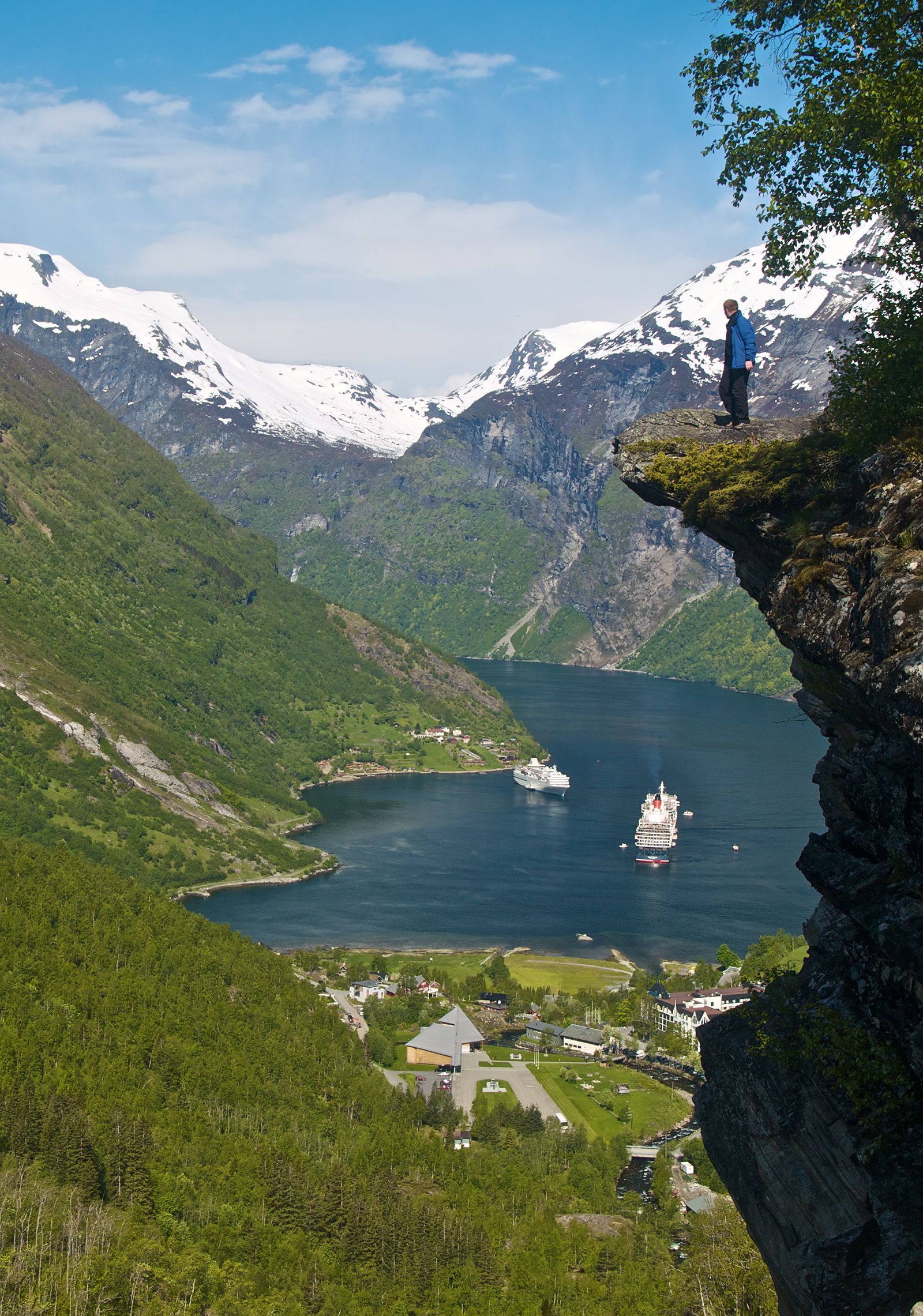
A great slab of rock ends in a near-flat platform 604 metres directly above the Lysefjord, its face sheared off along fractures by frost during the last Ice Age. A well-built but rugged path climbs about 350 metres from the mountain lodge, and at the top the rock simply ends — there is no railing.
- Reachable in a half day by most fit walkers
- A fjord view straight down to the water
- Lodge, café and toilets at the trailhead
Head to head
| What matters | Trolltunga | Preikestolen |
|---|---|---|
| The hike Edge: Preikestolen | About 27–28 km return from Skjeggedal with around 800 m of ascent; 10–12 hours from the lower car park, less from Mågelitopp. | About 8 km return and roughly 350 m of climbing on stone steps and boulders; about 4 hours. |
| Difficulty Edge: Preikestolen | Strenuous. Most rescues here are people who started too late or underestimated the distance. | Moderate, but muddy in rain and icy outside summer. |
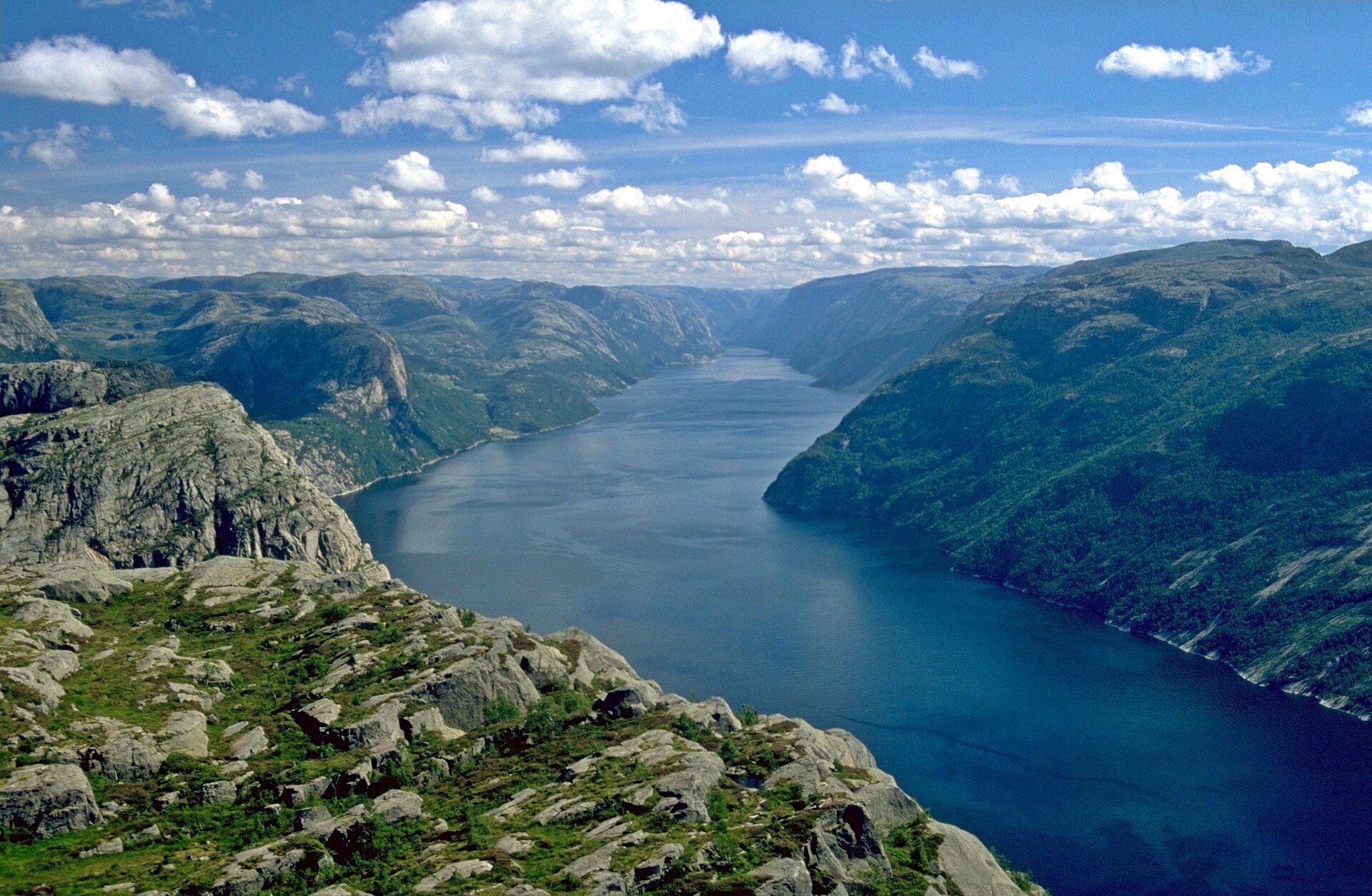
| The view Edge: Toss-up | Down a glacier-carved valley to a lake far below, from a slab hanging in space. | Straight down a 604-metre wall into the Lysefjord, with the fjord winding away between cliffs. |
| Season Edge: Preikestolen | Unguided only from roughly mid-June to mid-September; outside it a guide is required. | Roughly May–September without winter gear; in winter the official advice is to go with a guide. |
| Getting there Edge: Preikestolen | About 3 hours' drive from Bergen to Odda, then about 20 minutes to Skjeggedal. | Roughly 1–1½ hours from Stavanger by car, or ferry and bus, to the lodge. |
| Crowds Edge: Trolltunga | Busy in July and August; the queue for the photo on the tongue can run an hour or more. | Very heavy in summer, with thousands on the trail on good days and a queue on the rock. |
| Facilities Edge: Preikestolen | Car parks, a shuttle and toilets at the bottom; nothing on the route. | Lodge, café and toilets at the trailhead; nothing on the route. |
Which should you choose?
Choose Trolltunga if…
…you are a fit, experienced hiker with a full summer day, want the more extraordinary formation, and will start before dawn.
Choose Preikestolen if…
…you want the classic fjord view in half a day, are based in Stavanger, or are hiking with less experience.
The honest verdict
For most visitors Preikestolen is the better choice: half the day, a quarter of the distance, and one of the great fjord views at the end of it.
Trolltunga is the bigger achievement and the stranger rock, but it is a serious mountain day. Only take it on in the unguided season, with full kit and a turnaround time you will keep.
Neither summit has a barrier at the edge. Check the trail and weather status with the local tourist board before either, and treat wind or wet rock at the top as the main hazard.
Wonders mentioned here
Added