Mountains · multi-day trekking
The Best Multi-Day Treks in the World — From Two-Day Gorge Walks to Two-Week Himalayan Treks
12 places · every one real, mapped, and worth the trip
A day hike shows you a place; a multi-day trek lets you live in it — sleeping in huts, teahouses or camps and waking up somewhere a road doesn't reach. The twelve below are the treks in the atlas where the walk itself is the reason to go.
The list is unranked and runs from shortest to longest commitment. Each entry gives that trek's length as its own page states it, the season when it's safely walkable, and whether you need a guide, a permit or a hut booking. Several of these book out months ahead.
-
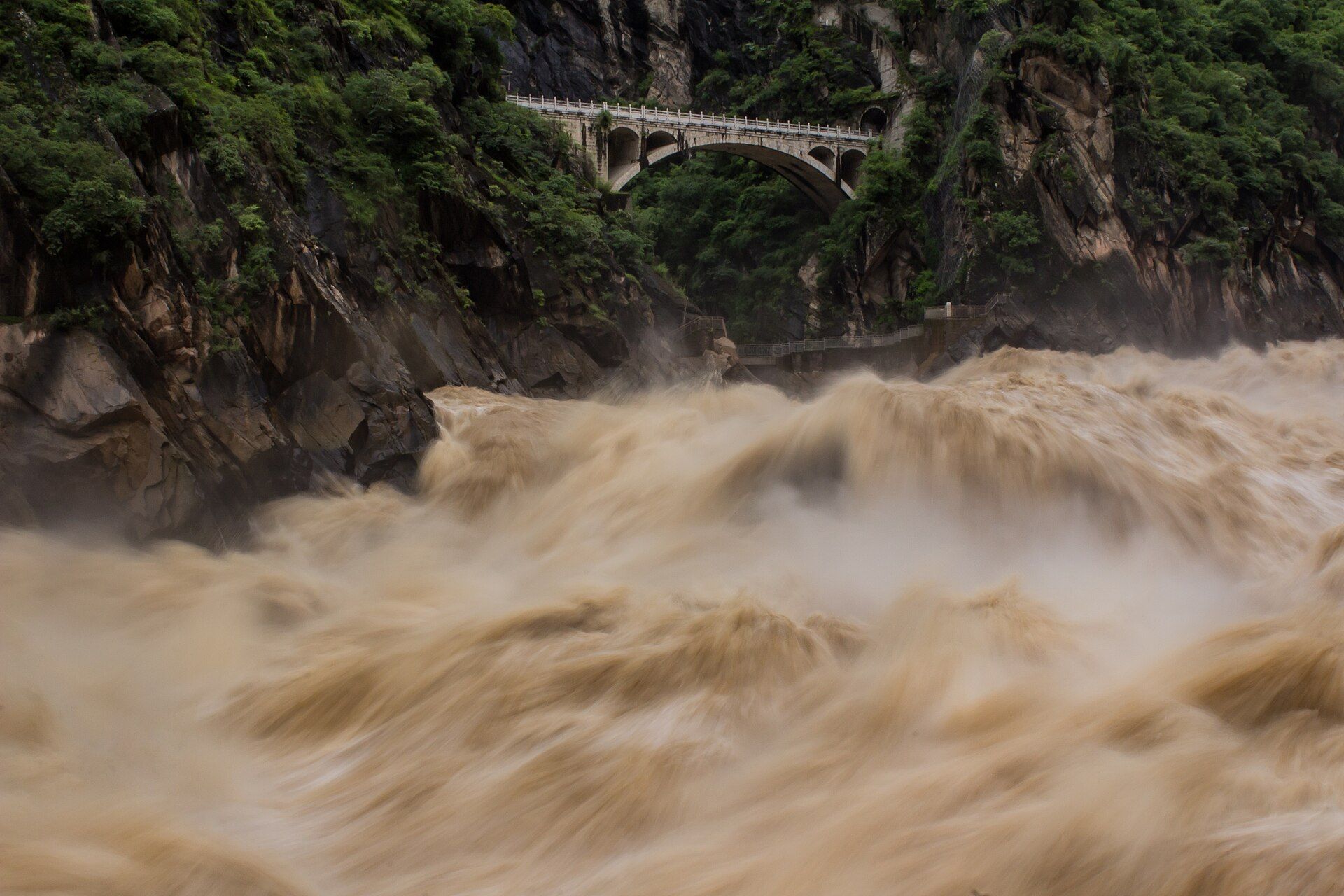
Tiger Leaping Gorge Two days on the high trail
Yunnan Province, China, about 60 km north of Lijiang
Guesthouses along the high trail above the gorge let you split the walk over two days. Spring (April–May) and autumn (September–November) are the seasons; avoid June–August, when the high trail can be impassable and rockfalls hit the lower road.
-
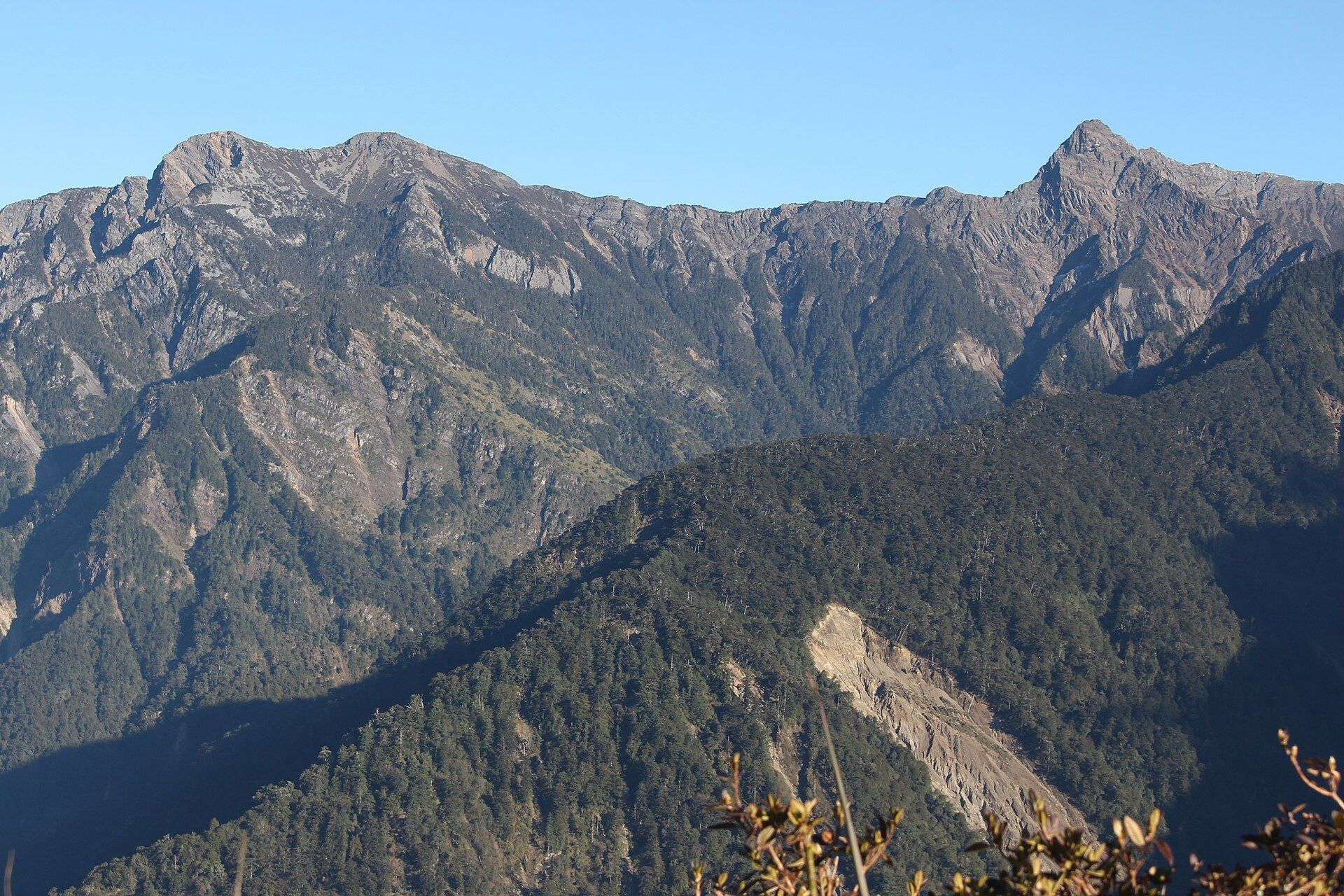
Yushan (Jade Mountain) Two days to Taiwan's summit, permits first
Yushan National Park, on the borders of Nantou, Chiayi and Kaohsiung, central Taiwan
The main peak route climbs 8.5 km from the Tataka Trailhead to Paiyun Lodge, then summits Taiwan's 3,952 m high point before dawn. A national park entry permit and a restricted mountain area permit are both required in advance. October to December is the driest, most settled window; typhoons hit from June to September and snow can lie from December to April.
-
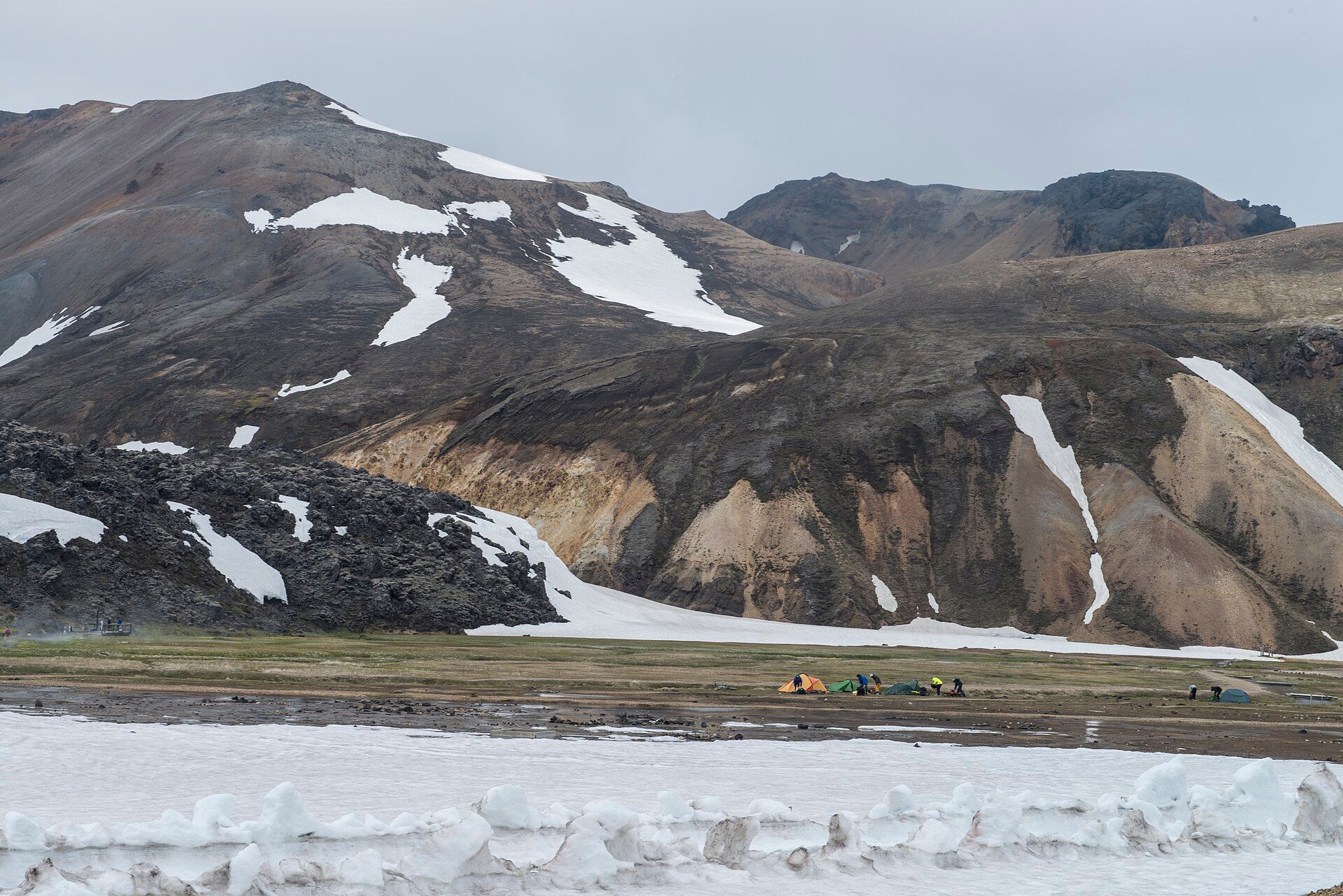
Landmannalaugar Laugavegur trailhead, late Jun–early Sep
Southern Highlands, Iceland
Landmannalaugar is the trailhead for the Laugavegur, widely rated one of the finest multi-day treks on Earth. The highland summer, roughly late June to early September, is the only window the mountain roads are open — by high-clearance 4x4 with river fords, or the highland bus. Huts on the Laugavegur must be booked well ahead.
-
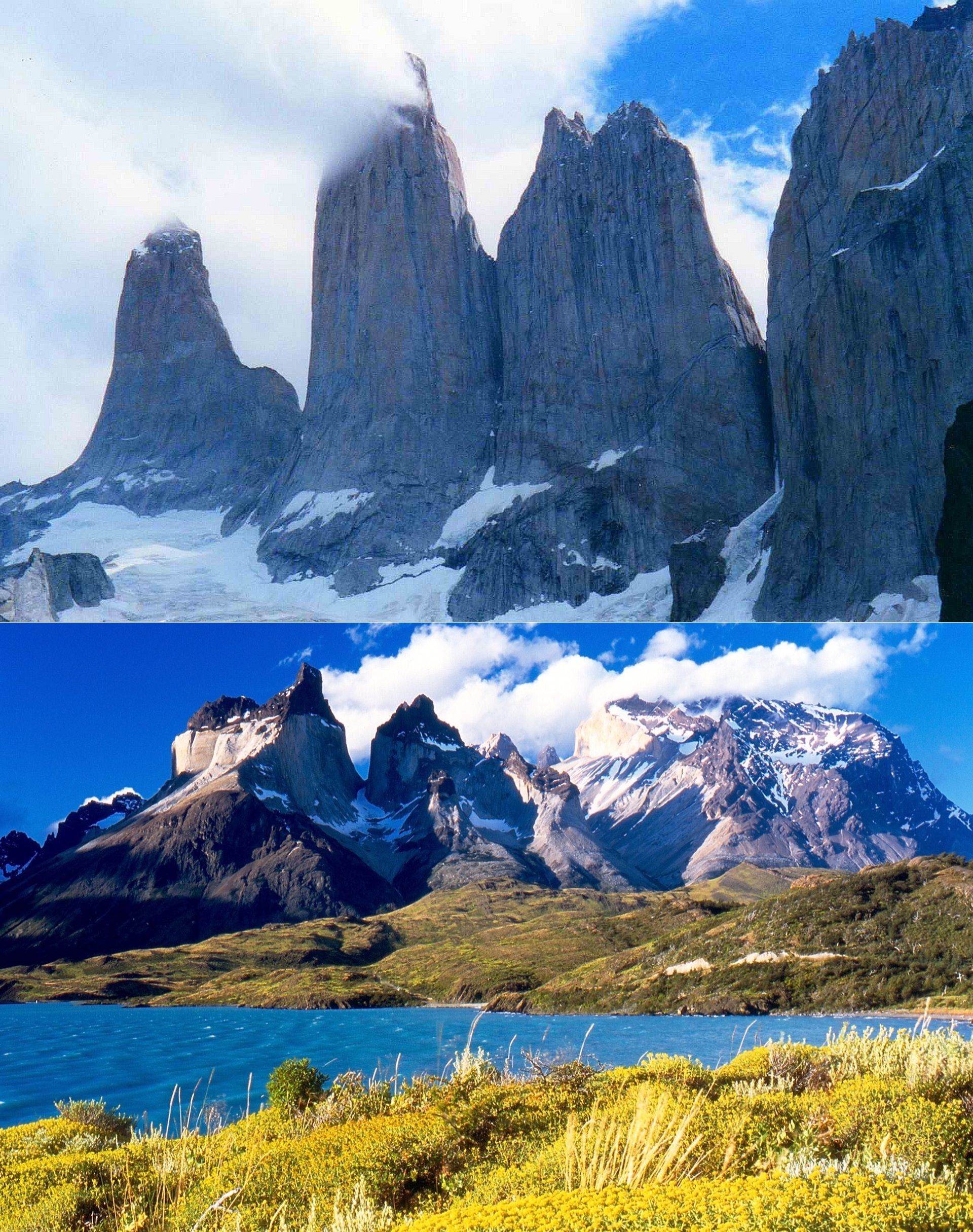
Torres del Paine The W and the O, Nov–Mar
Magallanes, Chilean Patagonia
The multi-day W and O circuits pass beneath the granite towers, alongside glacier-fed lakes and up to viewpoints at dawn. Refugios and camps support the circuits — book well ahead in season. The Patagonian summer, roughly November to March, is most stable, but the wind is fierce year-round: build spare days in.
-
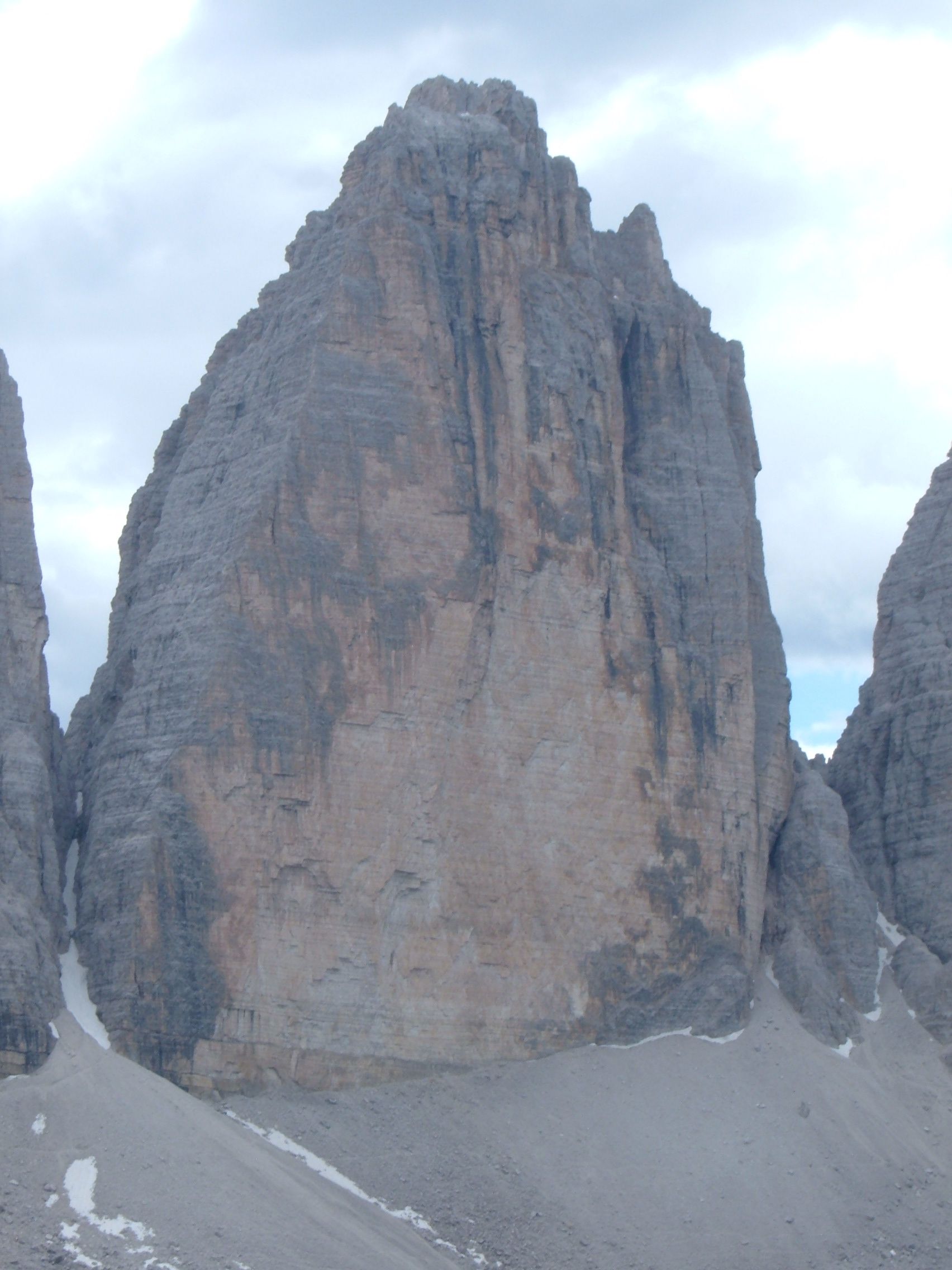
The Dolomites Hut-to-hut, Jun–Sep
South Tyrol / Trentino / Veneto, Northern Italy
A dense network of rifugi supports multi-day hut-to-hut treks among the sheer walls and spires. June to September is the hiking season, with open huts and wildflower meadows; book the rifugi ahead in summer.
-
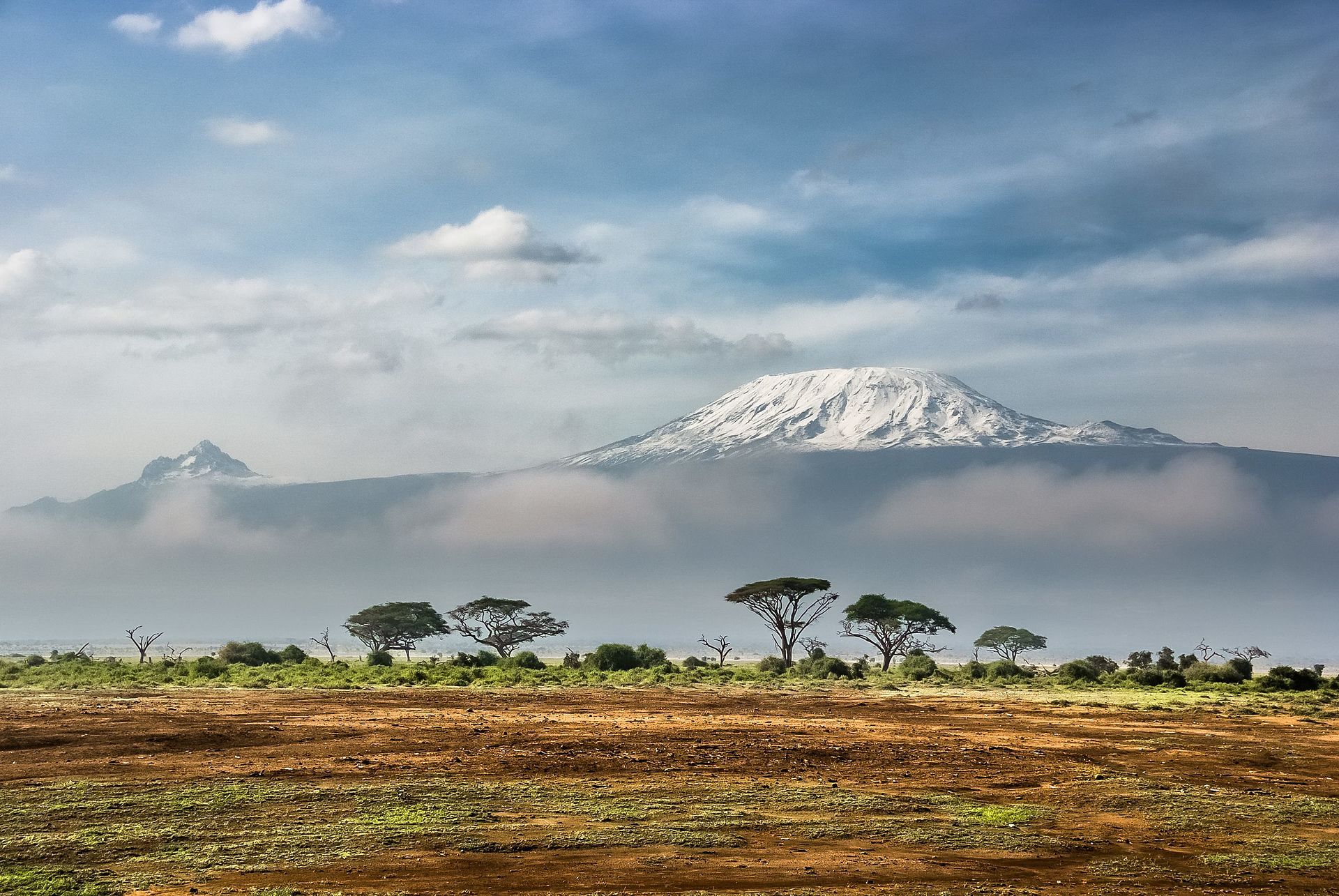
Mount Kilimanjaro 5–9 days, guide mandatory
Northern Tanzania
Routes such as Machame or Marangu take 5–9 days, with mandatory licensed guides and porters. Altitude, not terrain, turns people back: the five-day Marangu reports summit rates commonly in the half to two-thirds range, while eight-day Lemosho itineraries run near ninety per cent. January–March and June–October are the drier windows.
-
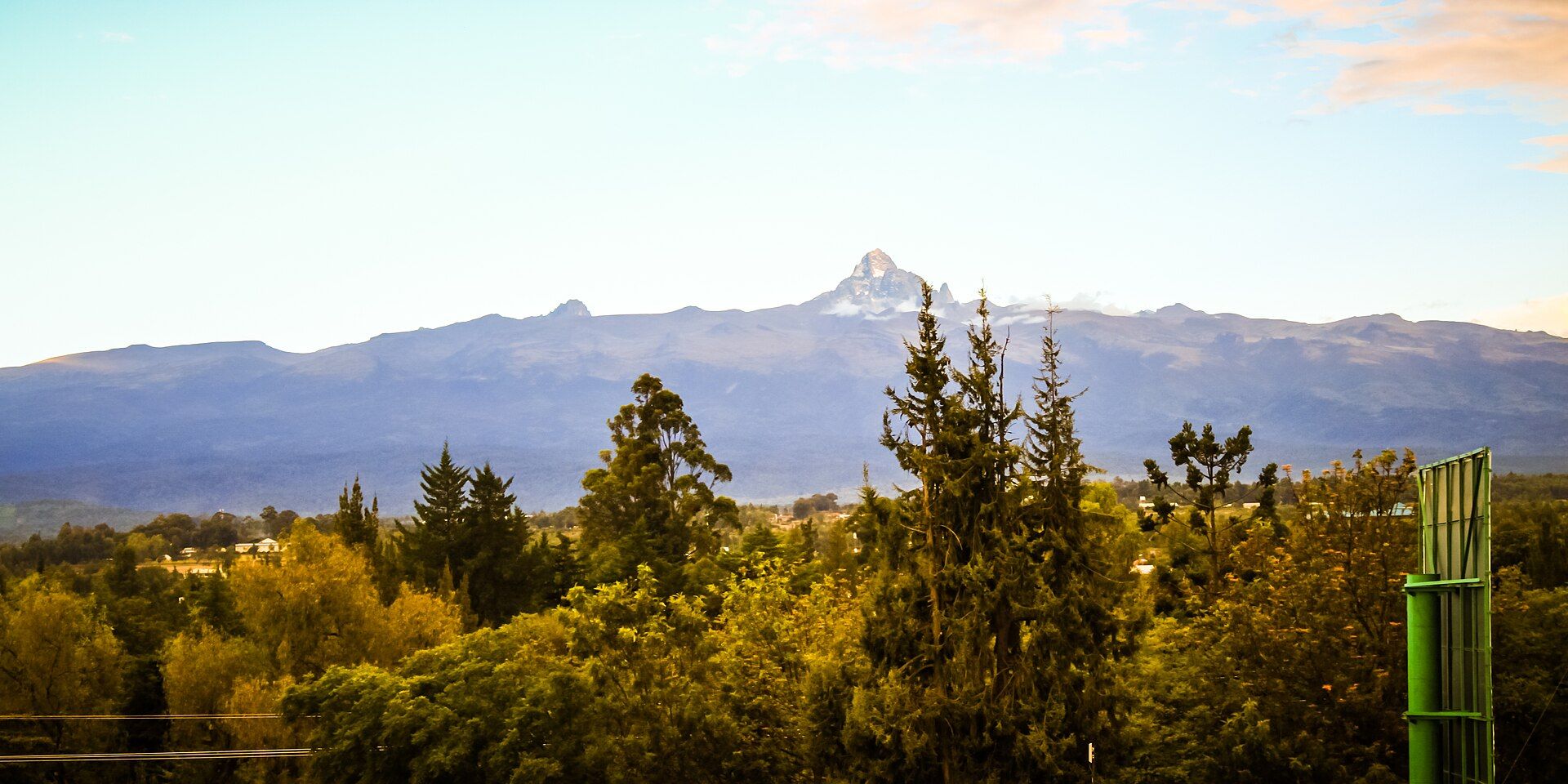
Mount Kenya Several days to Point Lenana
Central Kenya
The Sirimon, Chogoria and Naromoru routes lead over several days from equatorial forest to Point Lenana, the trekkers' summit — a quieter, wilder climb than Kilimanjaro. The two dry seasons, roughly January–February and August–September, give the clearest weather.
-
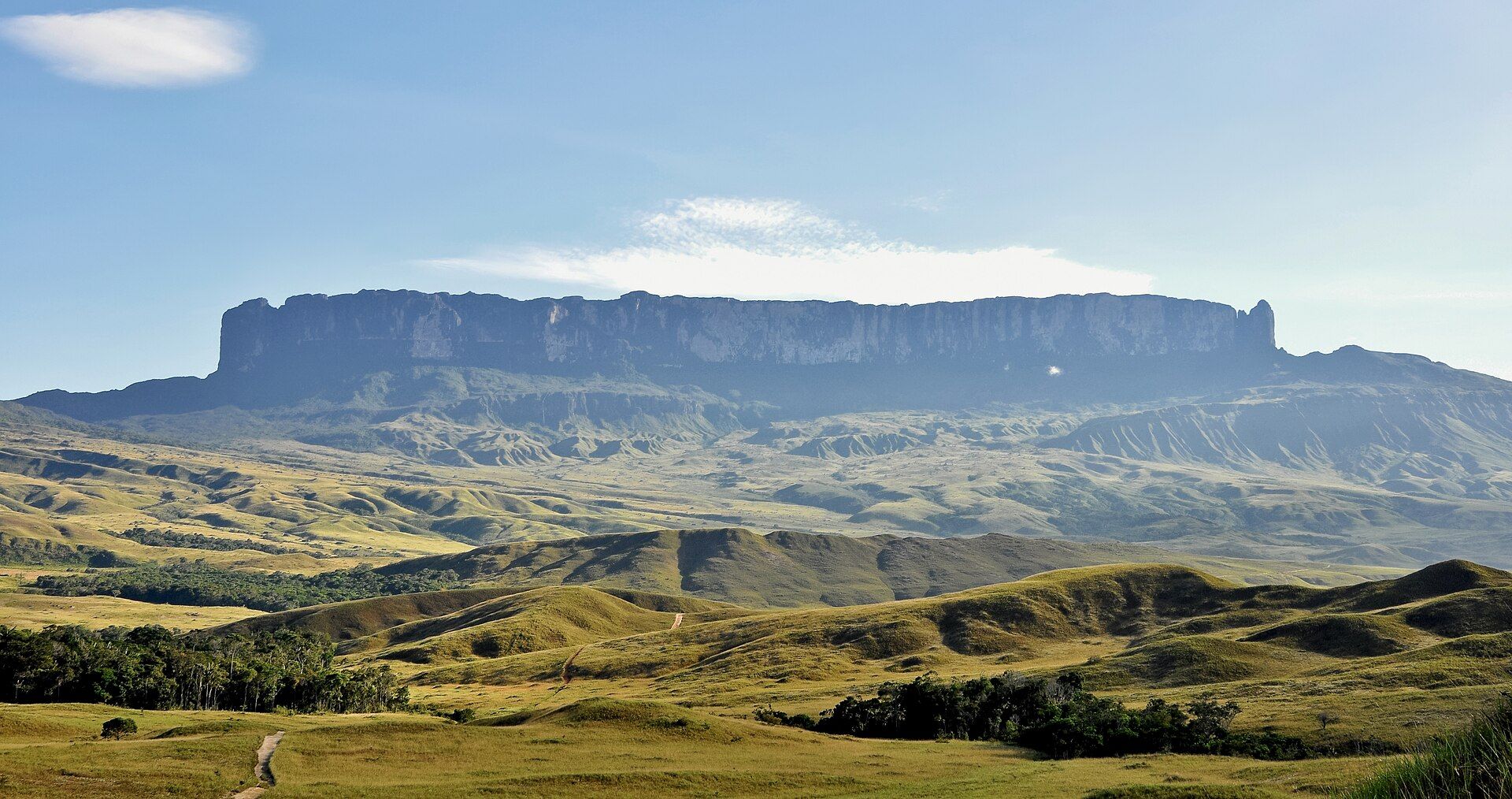
Mount Roraima Guided onto a tepui, Dec–Apr
Canaima National Park, Venezuela
The summit is gained on a guided multi-day trek up the natural ramp from the village of Paraitepui — the only non-technical way up — supplied by guides and Pemón porters. The drier months, roughly December to April, make it safer and the summit less cloud-bound. A committing trek: you may see only your own group for days.
-
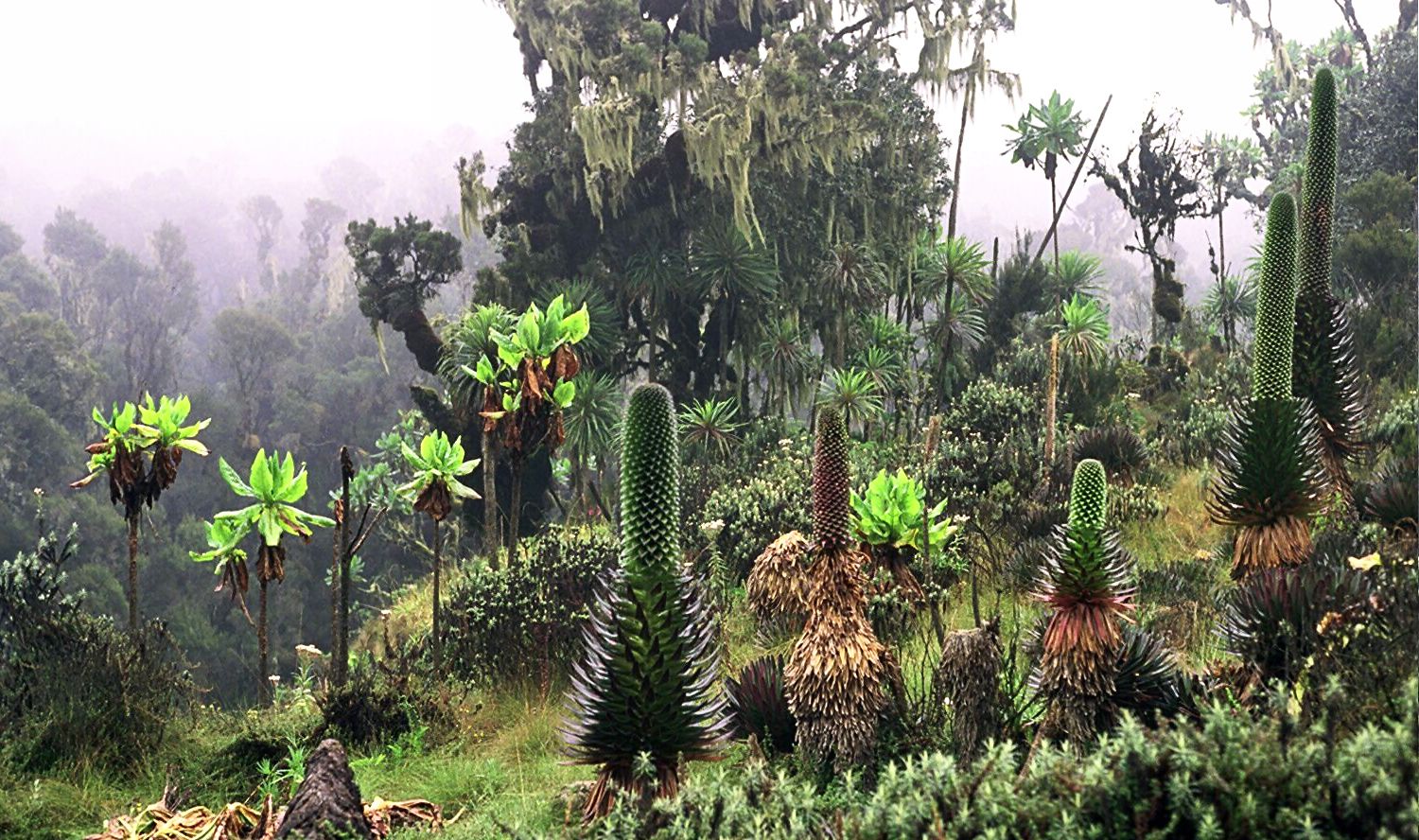
Rwenzori Mountains 7–9 days of mud and giant lobelias
Uganda–DR Congo border
The central circuit is a demanding 7–9 day guided trek with huts, through mud, mist and giant lobelias and groundsels; every trek runs through a licensed operator with park guides and porters. Reaching Margherita Peak means glacier travel with rope and crampons; the circuit to the huts and lakes does not. Drier windows: roughly December–February and June–August.
-
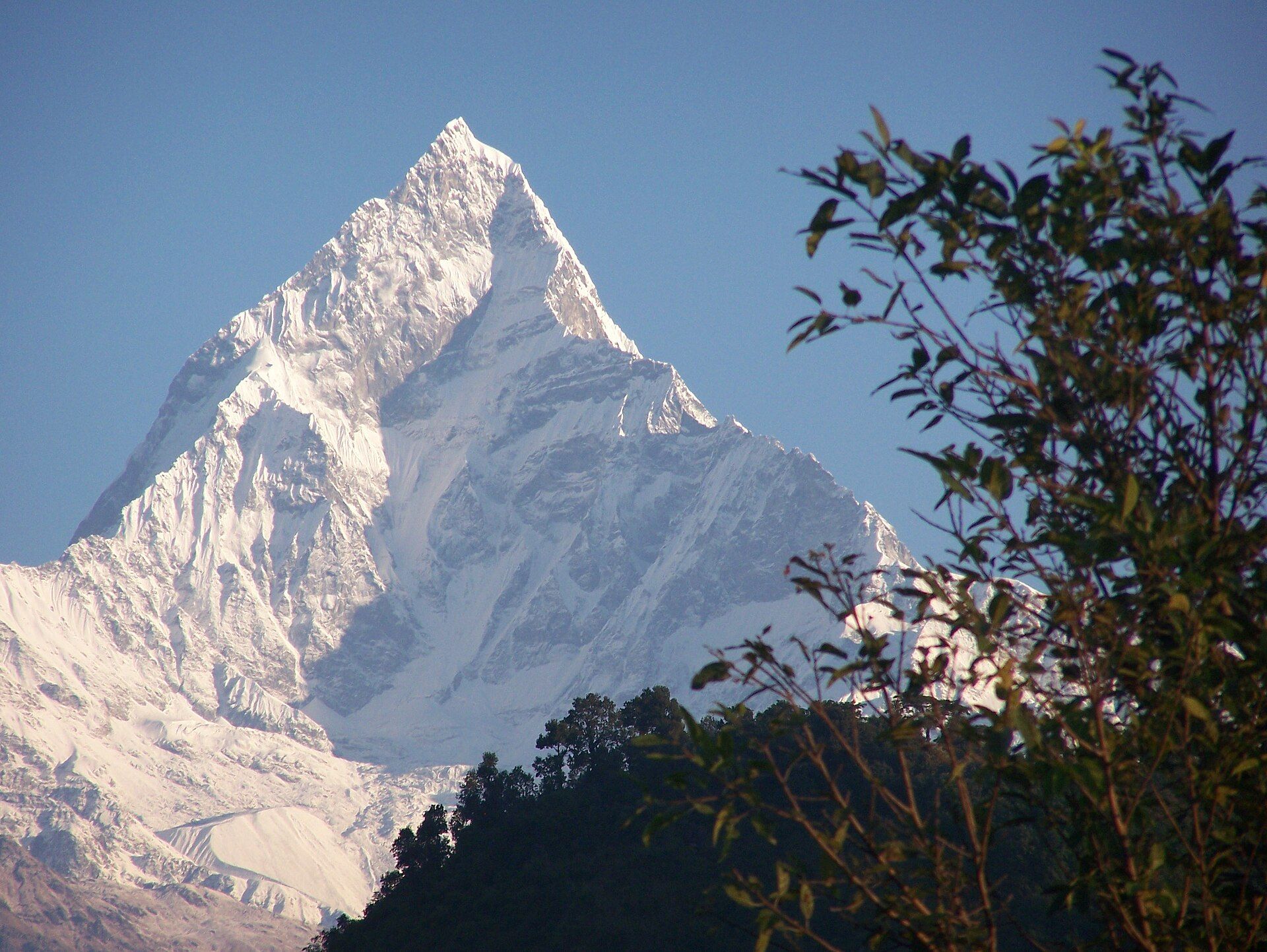
Annapurna Sanctuary Teahouses the whole way
Gandaki, north-central Nepal
From Pokhara by road to the trailhead, then a multi-day trek up into the amphitheatre of peaks, with teahouses for beds and hot food the whole way; guides and permits are required. Spring (March–May) brings rhododendrons, autumn (October–November) the most stable weather. The sanctuary is avalanche-prone and the route has been shut after slides — check locally in winter and early spring.
-
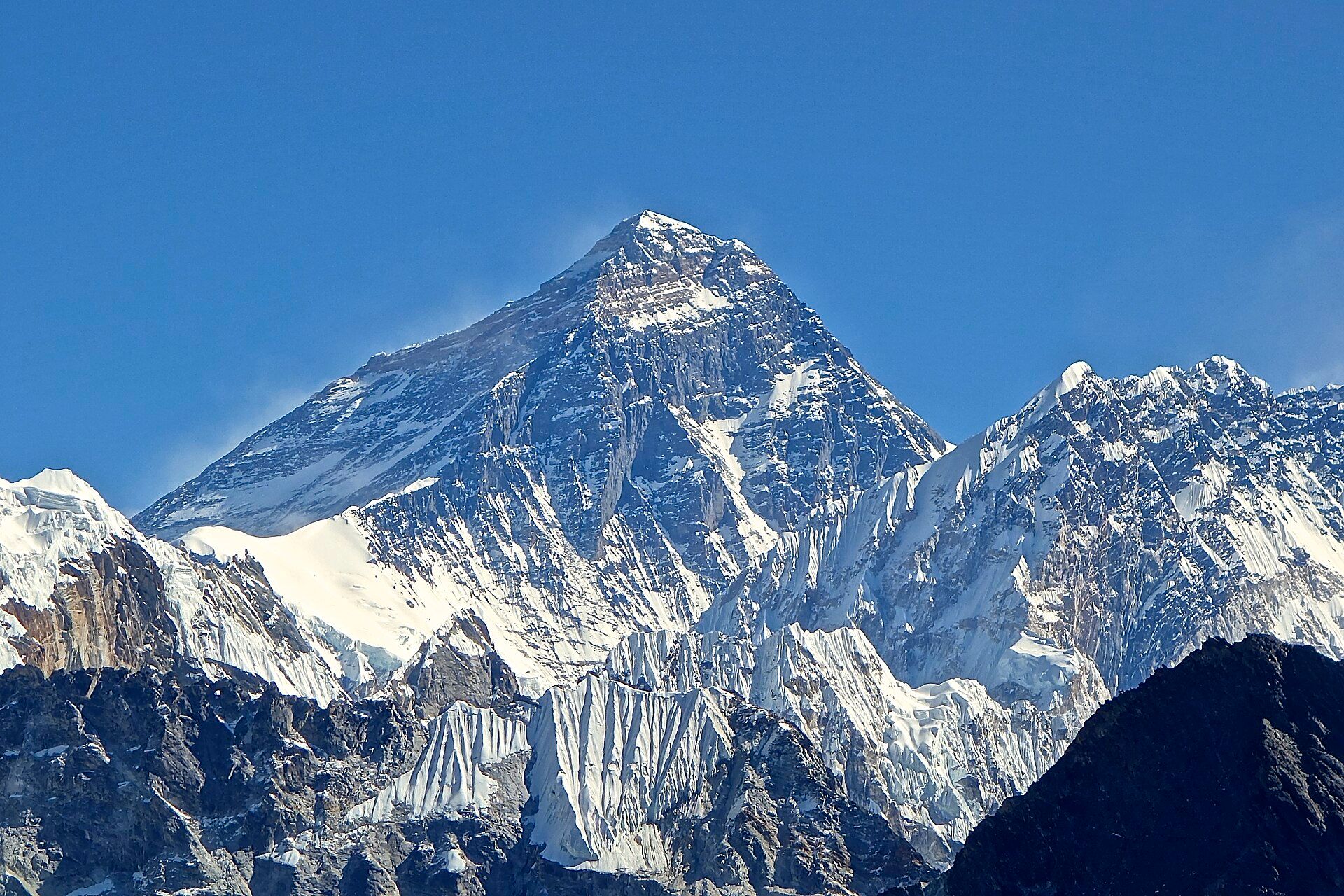
Mount Everest About two weeks to Base Camp
Mahalangur Himal, Nepal / Tibet (China) border
Most trekkers fly from Kathmandu to Lukla, then walk up the Khumbu valley through Sherpa villages and monasteries to Base Camp over about two weeks, with five to seven hours of walking most days. Pre-monsoon (March–May) and post-monsoon (late September–November) are the seasons. Lukla flights cancel for days at a time in poor weather.
-
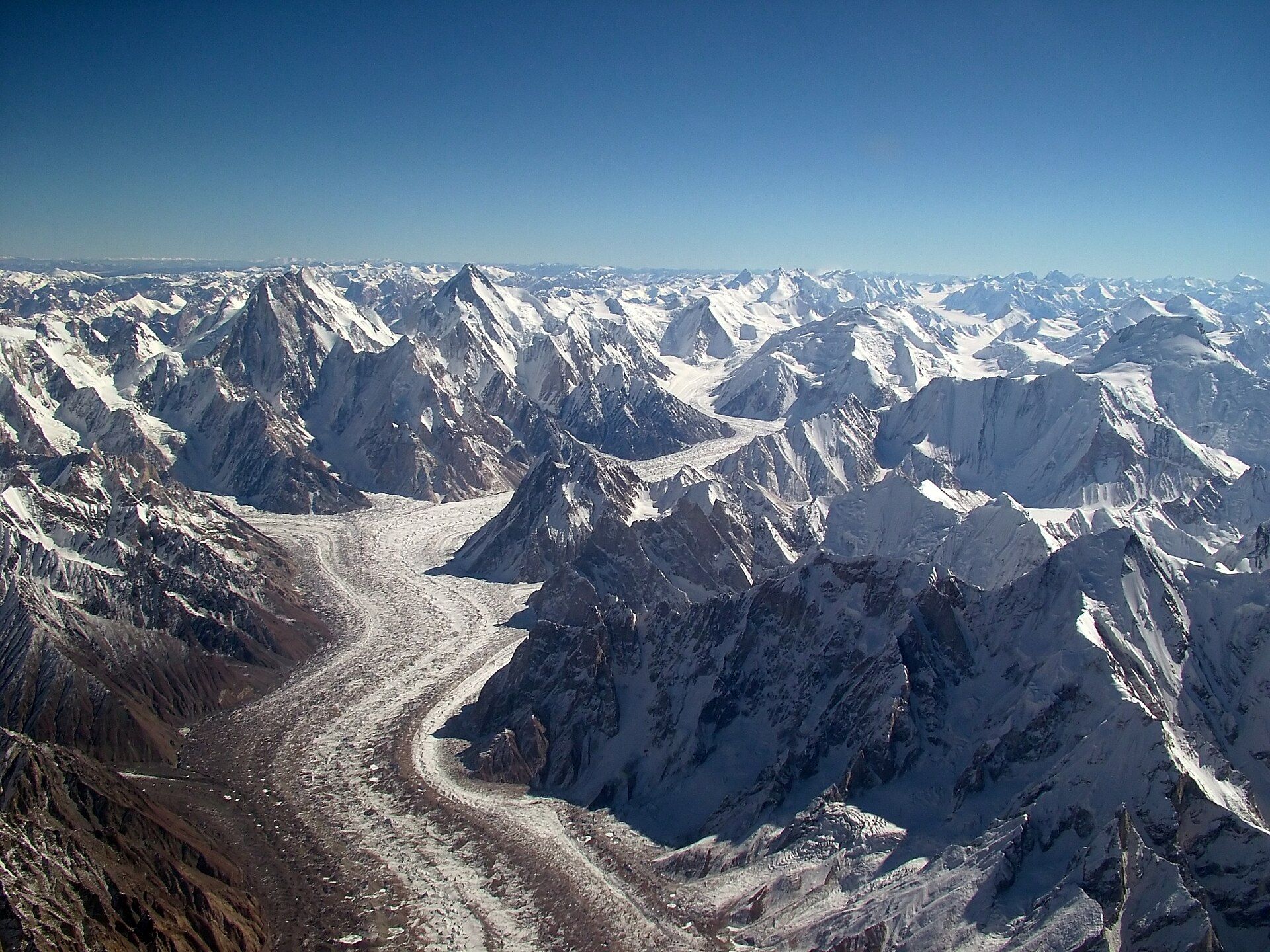
Karakoram & Baltoro Glacier 12–16 days to Concordia
Gilgit-Baltistan, northern Pakistan
Days of walking up the 62-kilometre Baltoro Glacier end at Concordia, where more of the world's highest peaks are in view than anywhere else. A demanding 12–16 day expedition with permits, porters and guides, from Skardu and the roadhead at Askole, only in the short summer window of roughly late June to early September. Skardu flights cancel routinely.
For a first multi-day trek, the two-day Tiger Leaping Gorge high trail or a few days hut-to-hut in the Dolomites; for a famous circuit, the W in Torres del Paine or the Laugavegur, both of which need beds booked early. The Himalayan and Karakoram treks are the biggest commitment in days and altitude. In New Zealand, the Milford Track is a Great Walk whose booking system opens months ahead and sells out within minutes.
Added Updated