Where the Earth is being born: the drama of rift valleys
We tend to think of continents as fixed, but they are not — they drift, collide, and split, and in a handful of places you can watch the splitting happen. These are the rift valleys, where the Earth’s crust is being pulled apart, and they are some of the most dramatic landscapes on the planet.
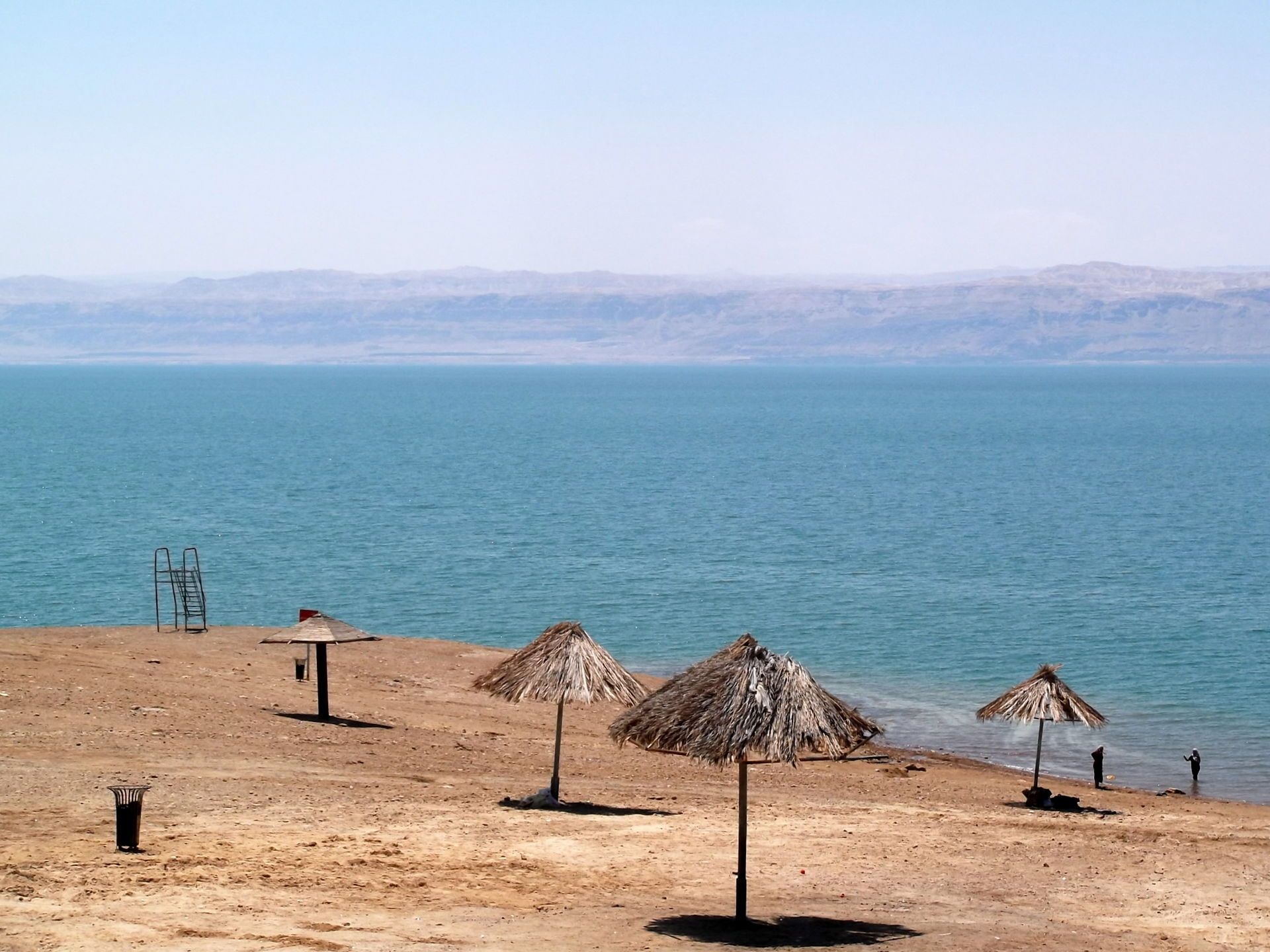
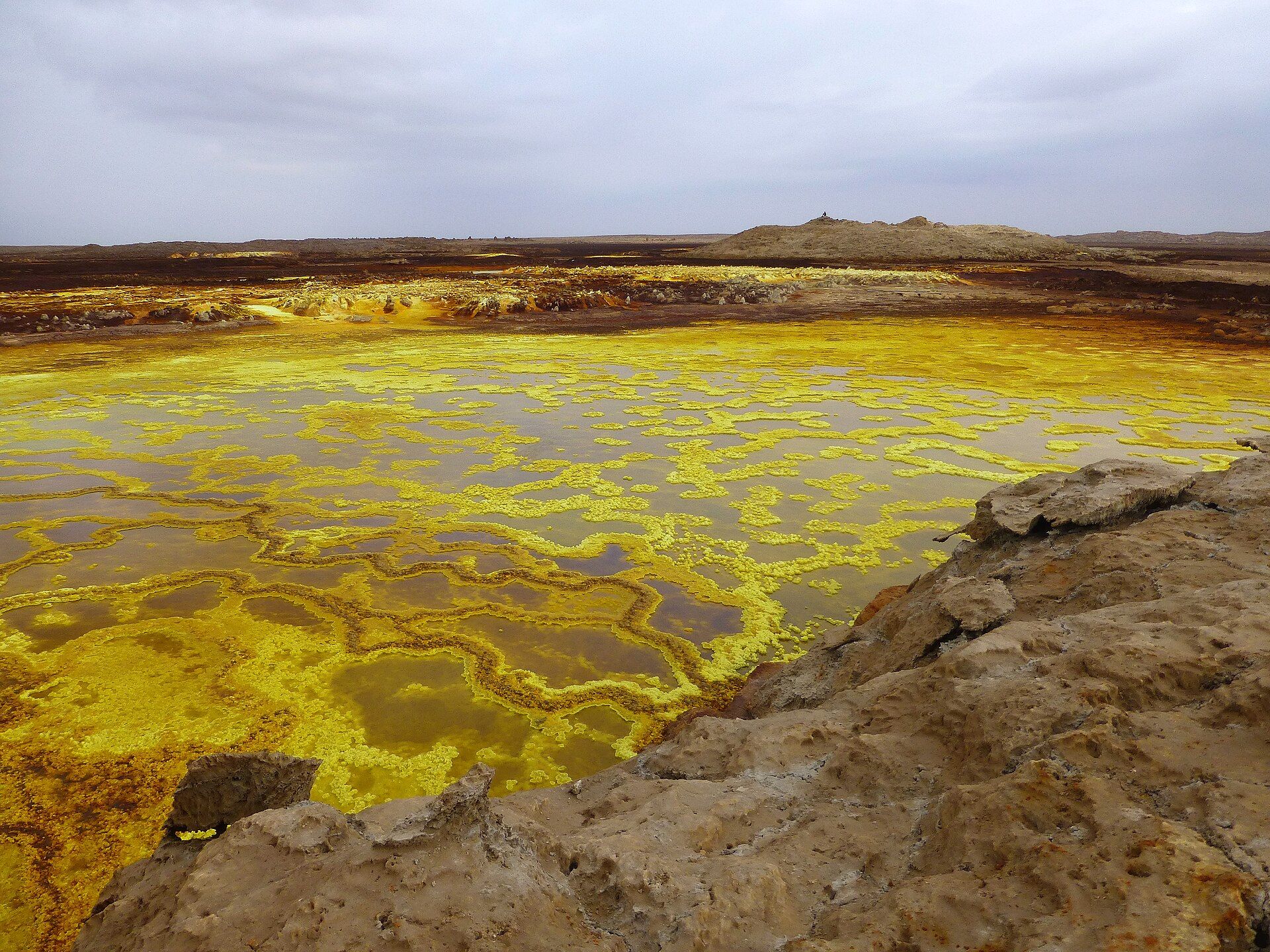
The most extreme is the Danakil Depression in Ethiopia, where three tectonic plates meet and diverge. The crust here is stretched so thin that molten rock lies close to the surface, painting the ground with neon sulphur springs, spreading salt flats to the horizon, and keeping a lava lake churning at Erta Ale. Geologists come here to study, in effect, the birth of a future ocean. The same great rift runs north into the Jordan Valley, whose deepest point holds the Dead Sea — the lowest exposed land on Earth, a lake so salty you float.
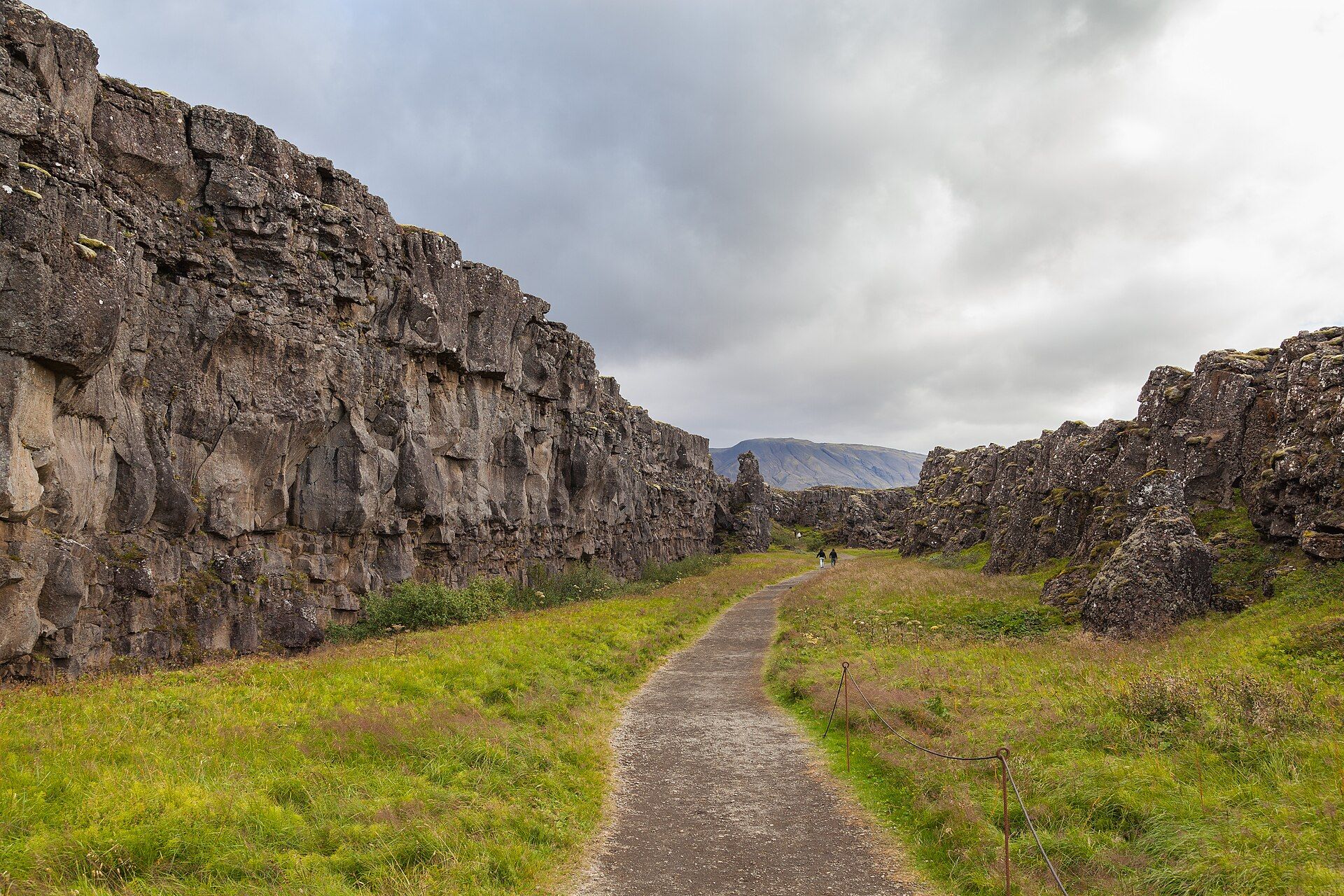
Elsewhere the rift runs under the sea, but at Þingvellir in Iceland it surfaces on dry land, and you can walk in a gorge with North America on one side and Eurasia on the other, the two plates pulling apart a couple of centimetres a year. Lava lakes, salt seas, and continents splitting on land — rift valleys are the closest we can get to watching the planet remake itself in real time.
Wonders in this article