Lakes · Europe
What Are the Most Beautiful Lakes in Europe? 13 Lakes, From Lake Bled to Plitvice
13 places · every one real, mapped, and worth the trip
Short answer: Lake Bled, with its church-topped island beneath a clifftop castle; Lake Como, a deep inverted Y under the southern Alps; Croatia's Plitvice Lakes, sixteen turquoise lakes stepping down over travertine dams; and Germany's Königssee, a fjord-like emerald lake so clean only silent electric boats may cross it. Higher up, Switzerland's Oeschinen Lake and Poland's Morskie Oko sit beneath sheer peaks.
Most are at their best from late spring to early autumn, when boats run, trails are clear and the water is warm enough to swim in the lowland lakes. The high tarns — Oeschinen, Morskie Oko and the Seven Rila Lakes — are ice-free only in summer and early autumn. The list is unranked.
-
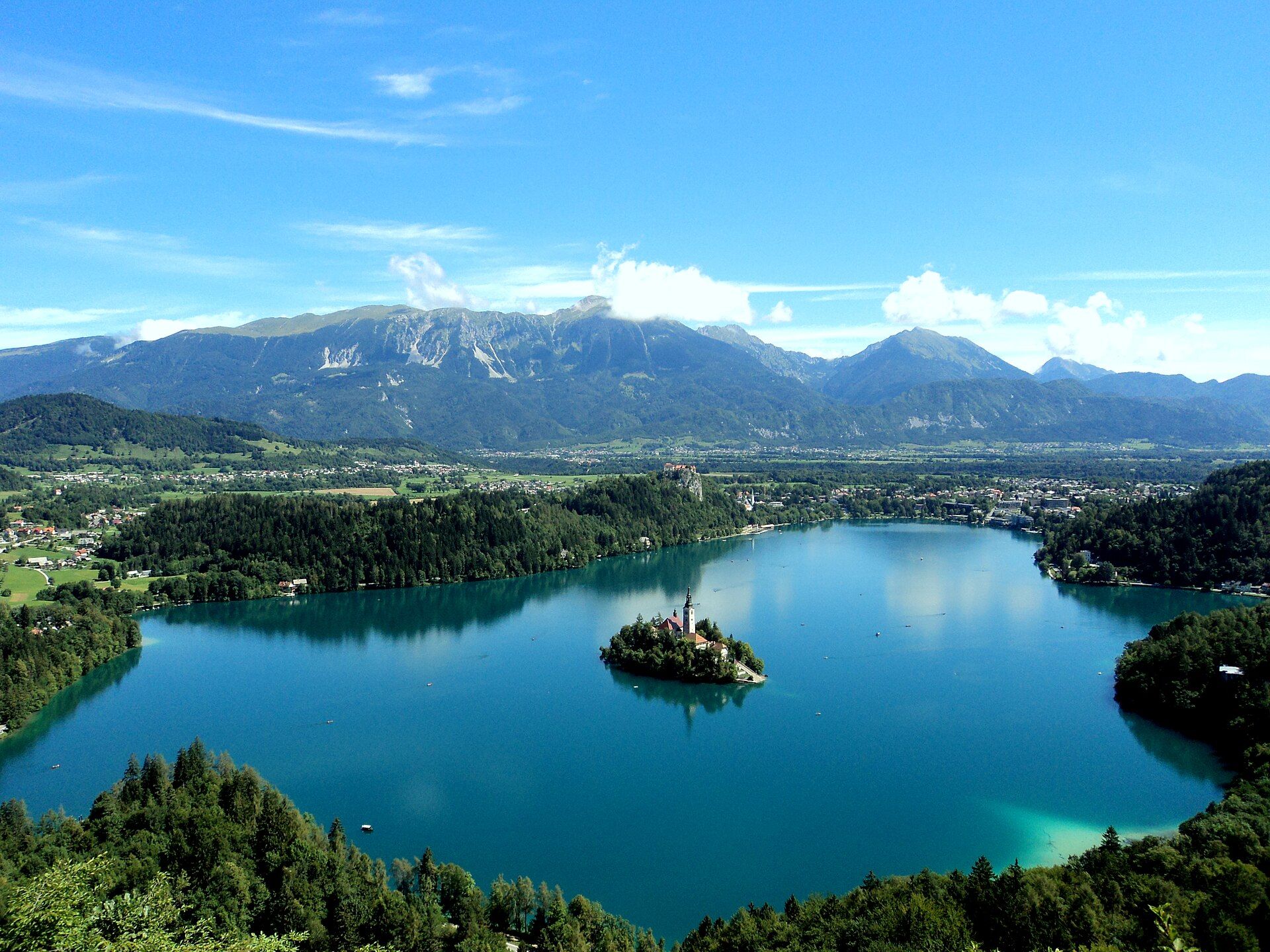
Lake Bled The island church
Upper Carniola, Slovenia
A glacial lake with a tiny church-topped island at its heart, beneath a clifftop castle and the Julian Alps. An easy drive or bus from Ljubljana; a lakeside path circles the water and pletna boats reach the island. May–September for swimming and boating.
-
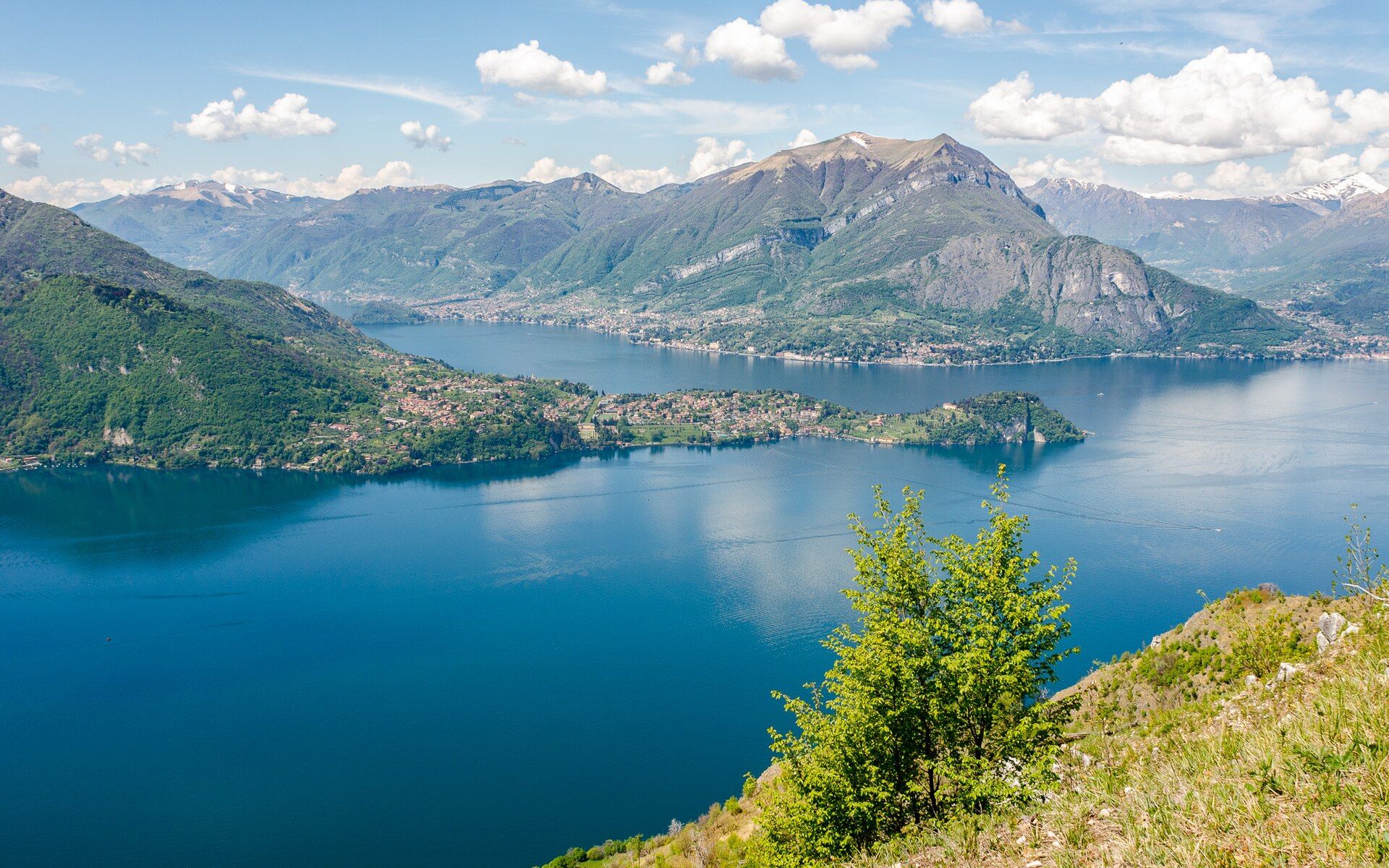
Lake Como Villas under the Alps
Lombardy, northern Italy
About 146 km² and over 400 metres deep, an inverted-Y glacial lake ringed by steep wooded mountains and cliff-clinging villages, less than an hour by train from Milan. Ferries link the villages. April–June and September–October for mild weather and fewer crowds.
-
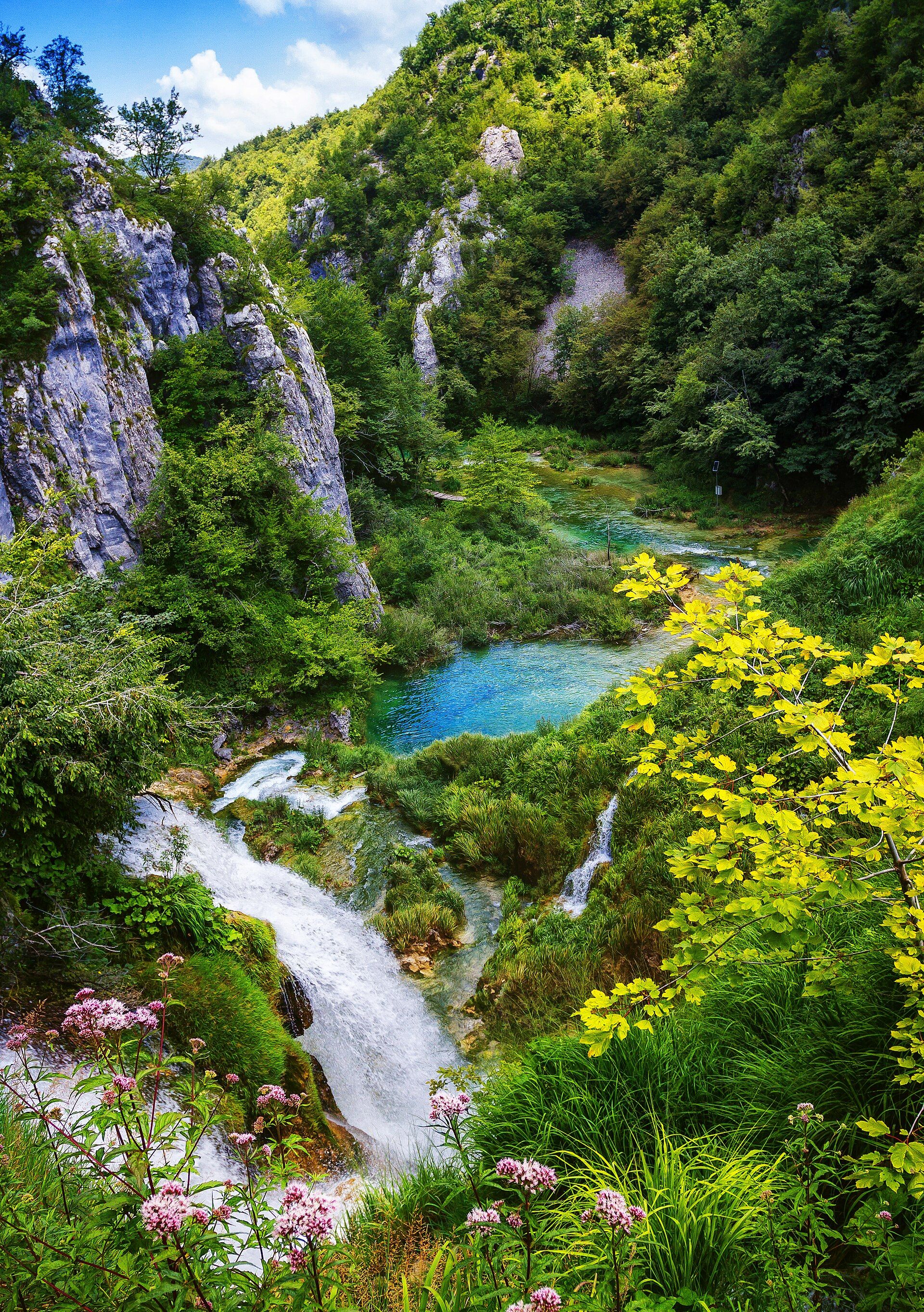
Plitvice Lakes Sixteen lakes on a staircase
Lika, central Croatia
Sixteen terraced turquoise lakes tumbling one into the next over travertine dams and countless waterfalls, threaded by boardwalks — Croatia's oldest national park, between Zagreb and the Dalmatian coast. April–June for full falls; autumn for colour; timed entry may apply.
-
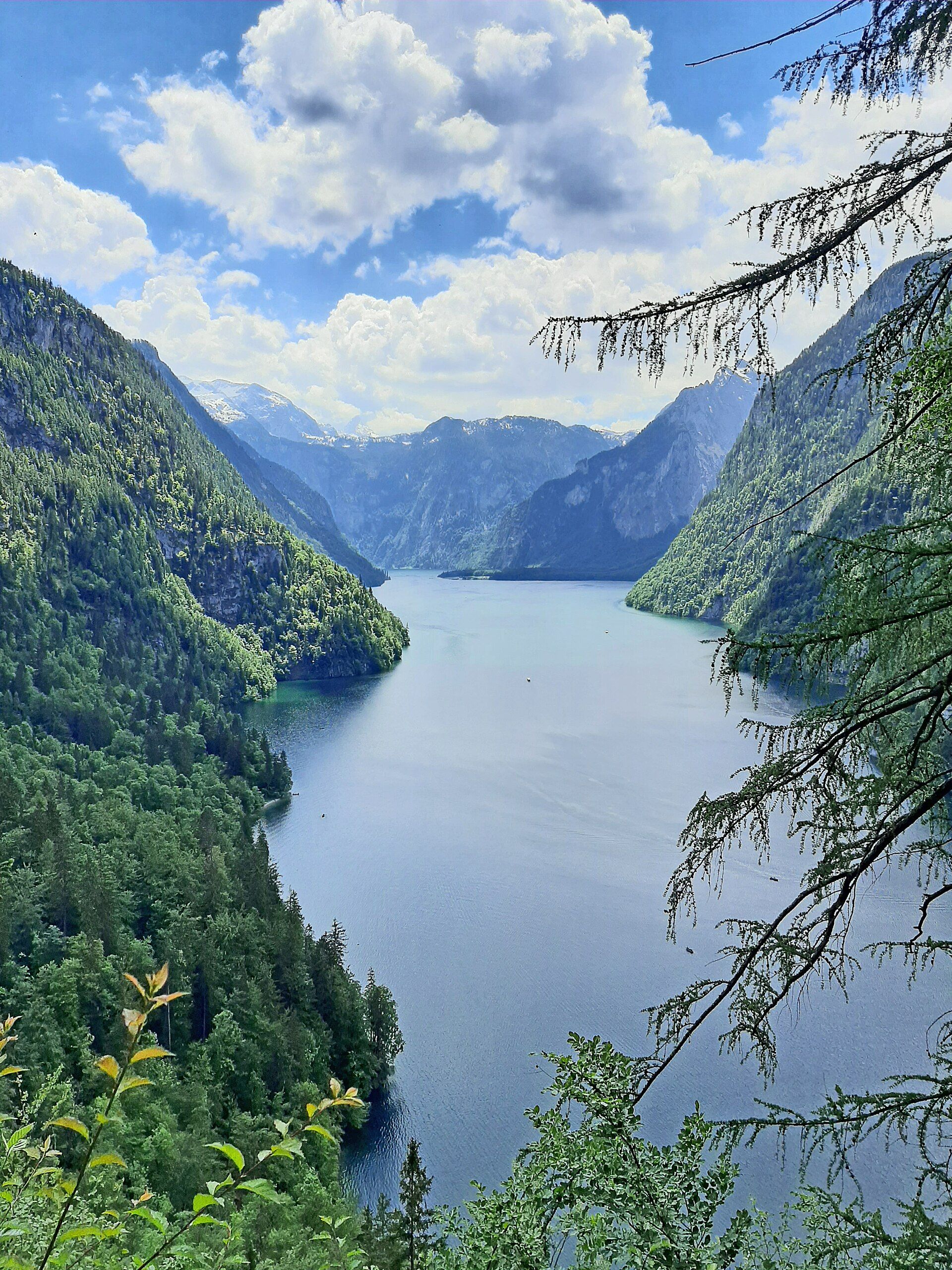
Königssee Silent electric boats only
Berchtesgaden, Bavaria, Germany
A fjord-like emerald lake about 190 metres deep, with cliffs rising over 1,500 metres, in Berchtesgaden National Park near Salzburg. Explored by electric boat from Schönau am Königssee. Roughly May–October, when boats and trails run.
-
Lake Lucerne Paddle steamers and mountain railways
Central Switzerland (cantons of Lucerne, Nidwalden, Obwalden, Schwyz, Uri)
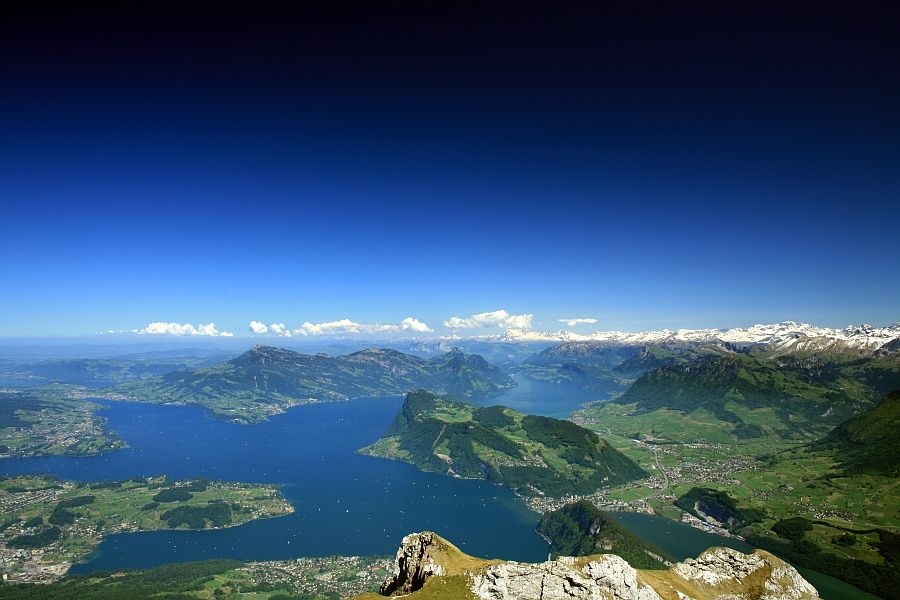
A many-armed lake of 114 km², 214 metres deep, winding between Rigi, Pilatus and the Uri Alps — about an hour by train from Zürich Airport. Historic SGV boats link Lucerne with Weggis, Vitznau, Brunnen and Flüelen. May–October.
-
Oeschinen Lake Turquoise under the Blüemlisalp
Kandersteg, Bernese Oberland, Switzerland
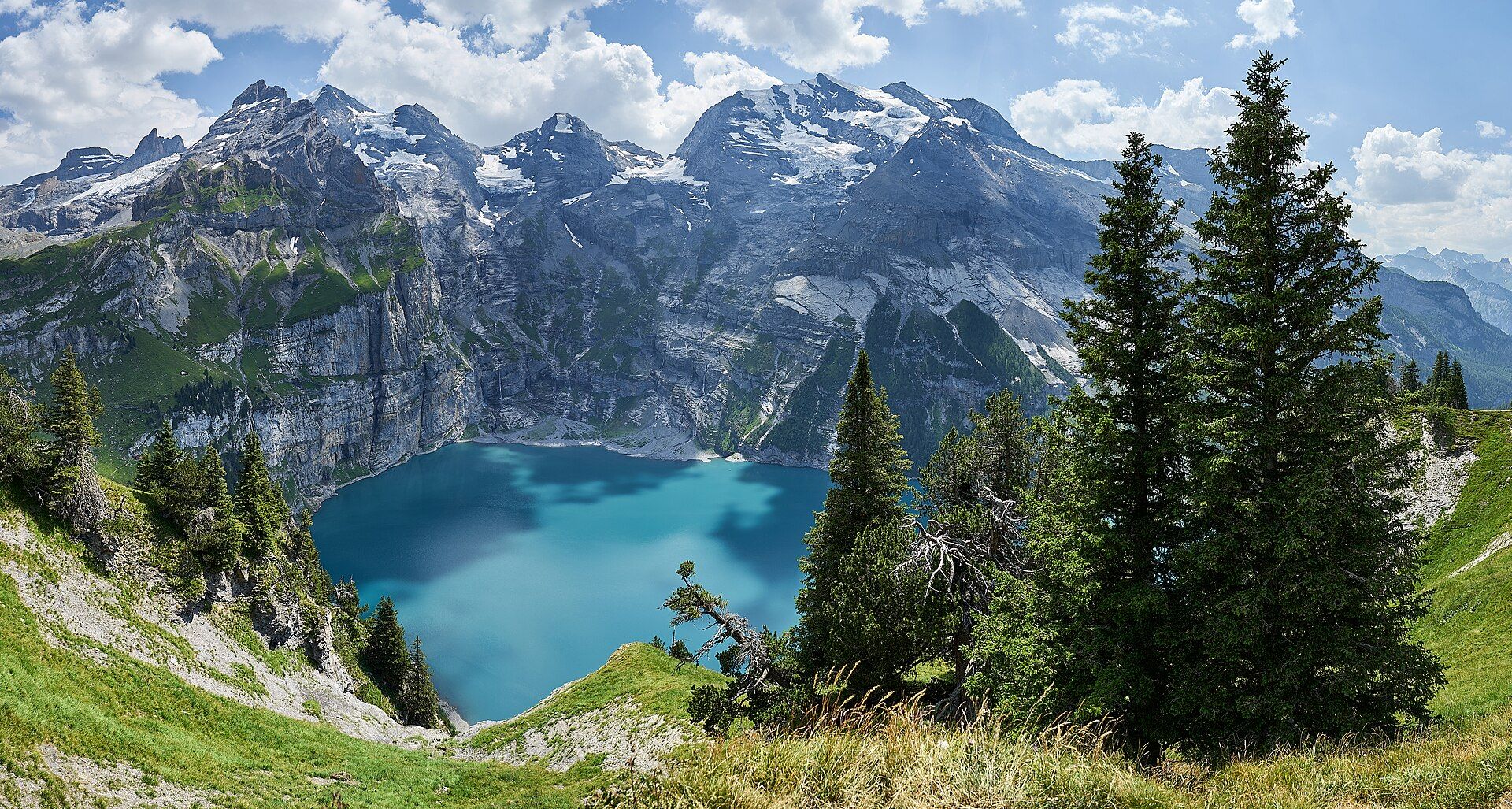
A turquoise mountain lake at about 1,580 metres, with peaks rising more than 2,000 metres above it, in the UNESCO Jungfrau-Aletsch area. Gondola from Kandersteg, then a 20–30 minute walk. June–October, once the trails are clear and the lake is ice-free.
-
Morskie Oko The 'Eye of the Sea'
Tatra National Park, Lesser Poland, Poland
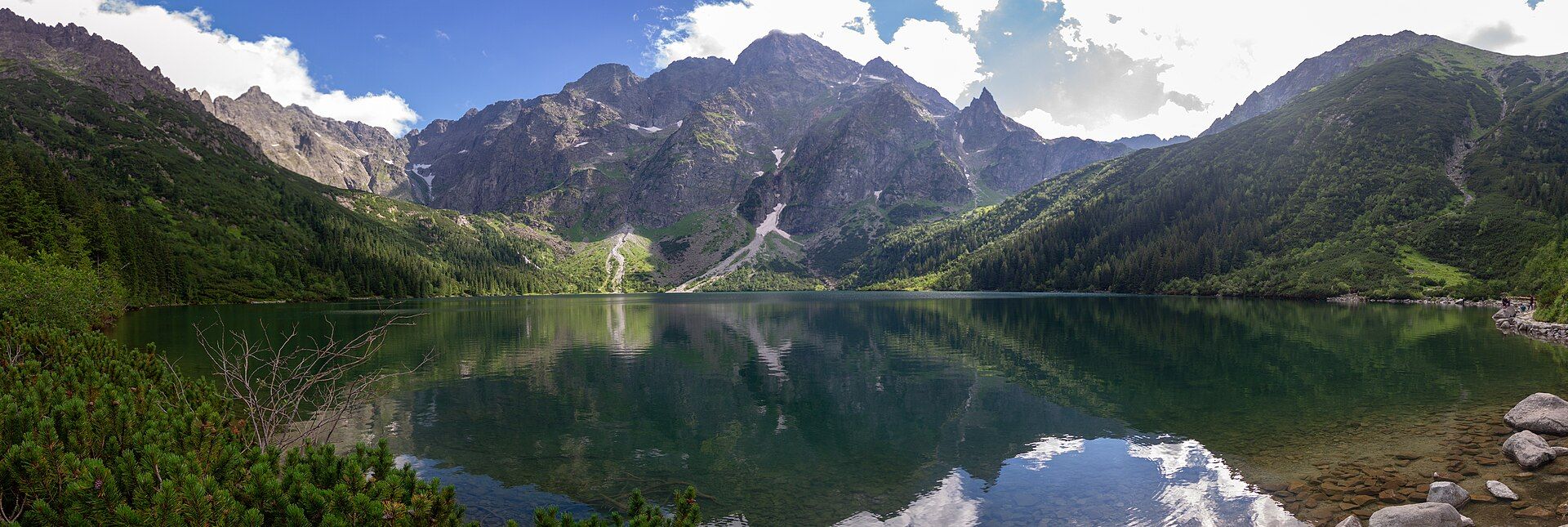
The largest lake of the Polish Tatras — about 35 ha and up to about 50 metres deep, at 1,395 metres — beneath the sheer Mięguszowieckie peaks. From Zakopane to Palenica Białczańska, then a paved walk of about 9 km. Summer and early autumn; it often freezes in winter.
-
The Seven Rila Lakes A staircase of glacial tarns
Rila National Park, Rila Mountains, southwestern Bulgaria
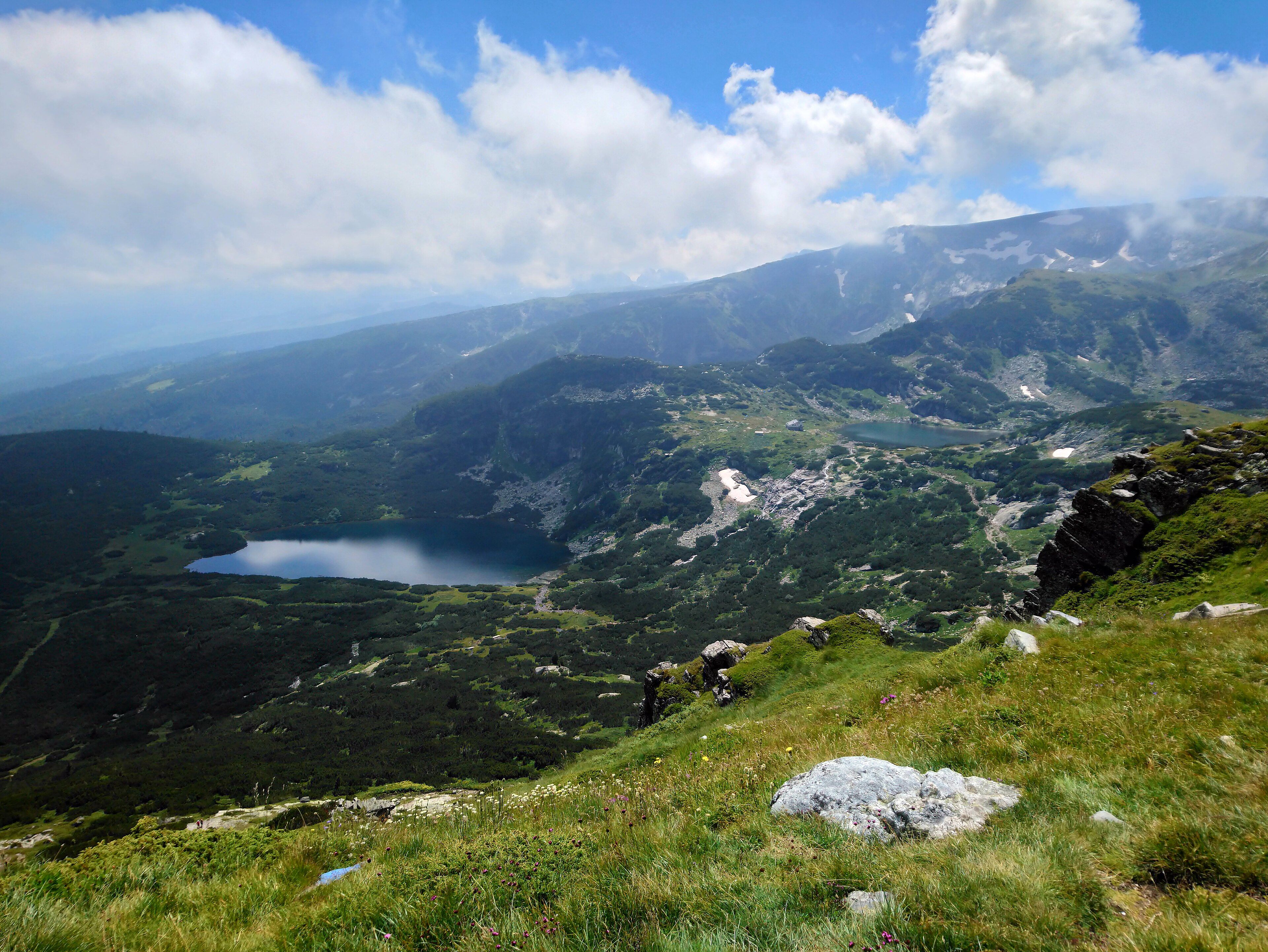
Seven tarns stacked between about 2,100 and 2,500 metres, named for their shapes — the Eye, the Kidney, the Tear, the Twin. About two hours by road from Sofia to Panichishte, then a chairlift and a walk of a few hours. July–September only.
-
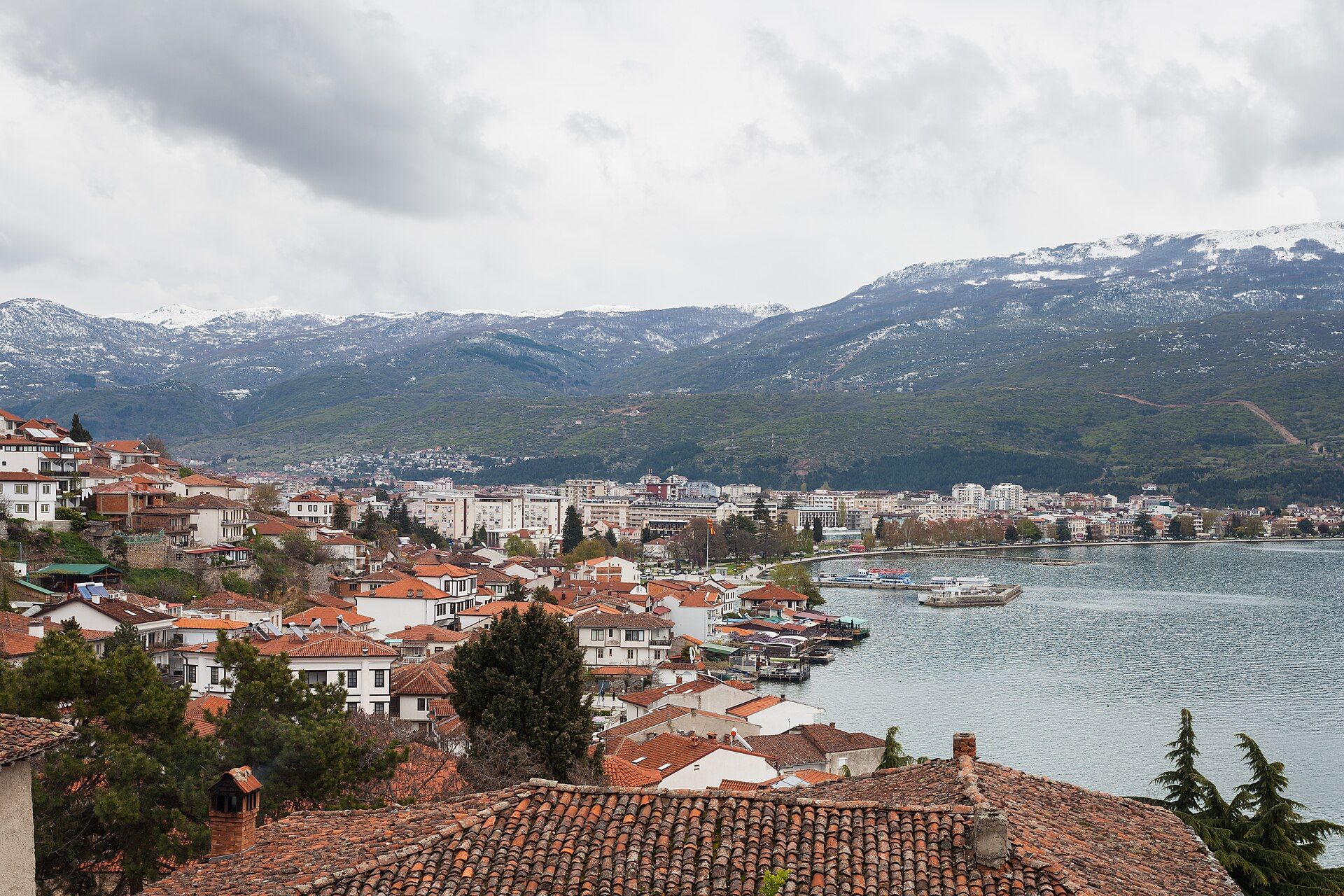
Lake Ohrid One of the oldest lakes in the world
Southwestern North Macedonia, on the border with Albania
Deep, clear water — 358 km² and up to 288 metres deep — on the North Macedonia–Albania border, home to more than 200 species found nowhere else. The town of Ohrid sits on the northeastern shore. June–September for swimming and boat trips.
-
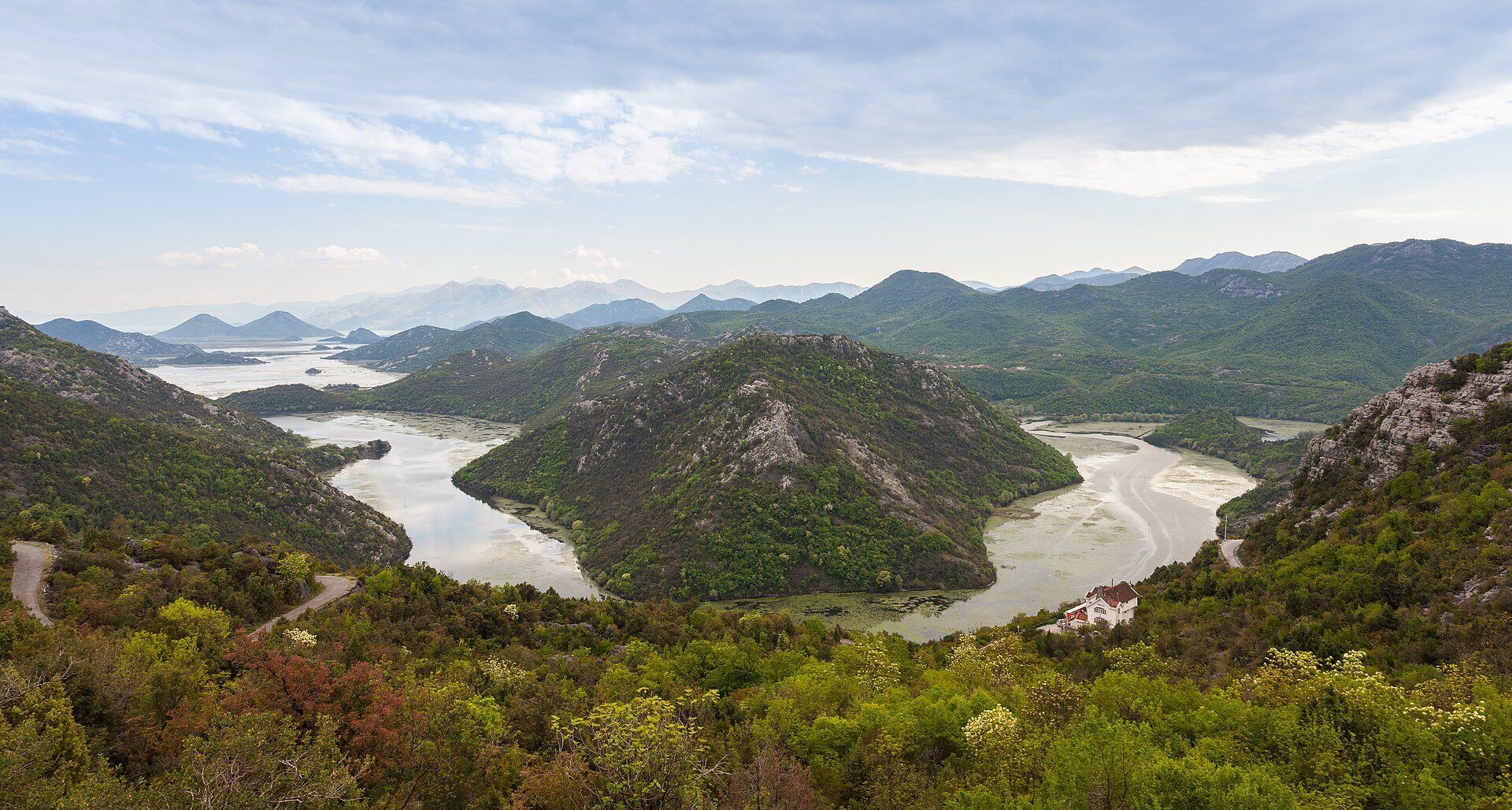
Lake Skadar The largest lake in the Balkans
Skadar Lake National Park, southern Montenegro (shared with Albania)
A shallow, reed-fringed lake shared by Montenegro and Albania, with some 280 bird species and Europe's Dalmatian pelicans. Boat trips and canoes from Virpazar, between Podgorica and Bar. Summer for cruises; autumn and winter for birdwatching.
-
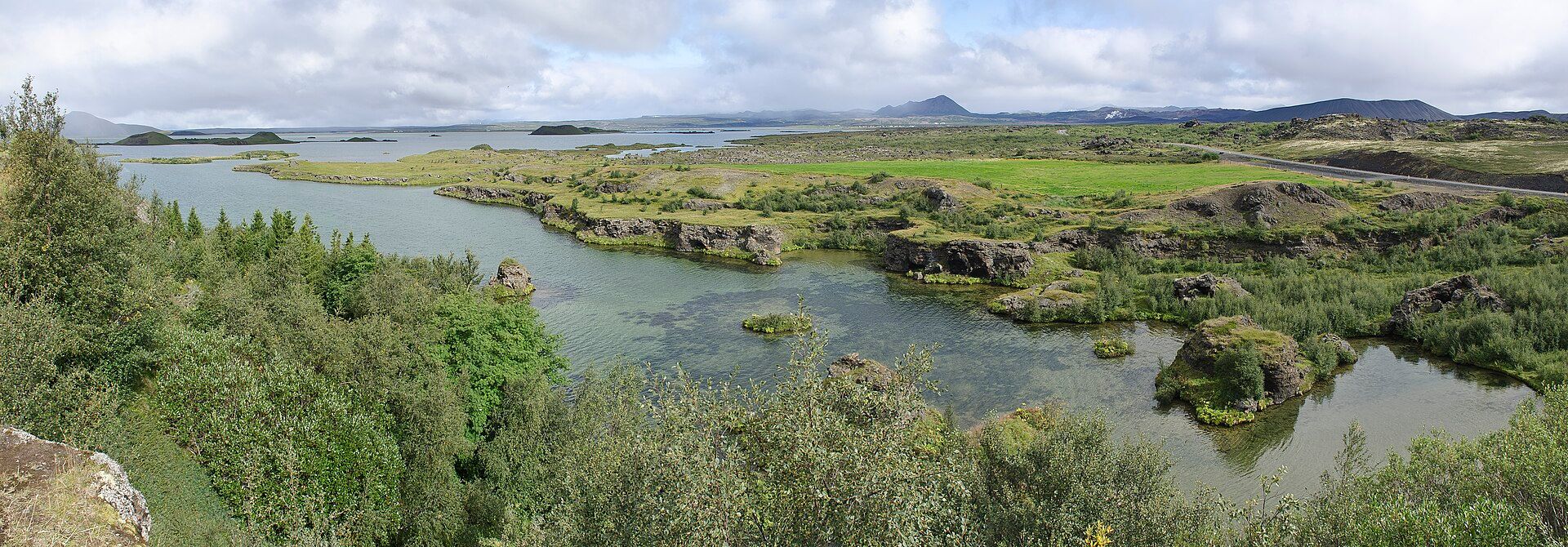
Lake Mývatn Volcanic lake of the north
Northeast Iceland, near Akureyri
A shallow volcanic lake of about 37 km² ringed by pseudocraters, lava pillars and steaming ground — one of Europe's richest waterfowl habitats. About an hour east of Akureyri on the Ring Road. June–August for birdlife (and midges).
-
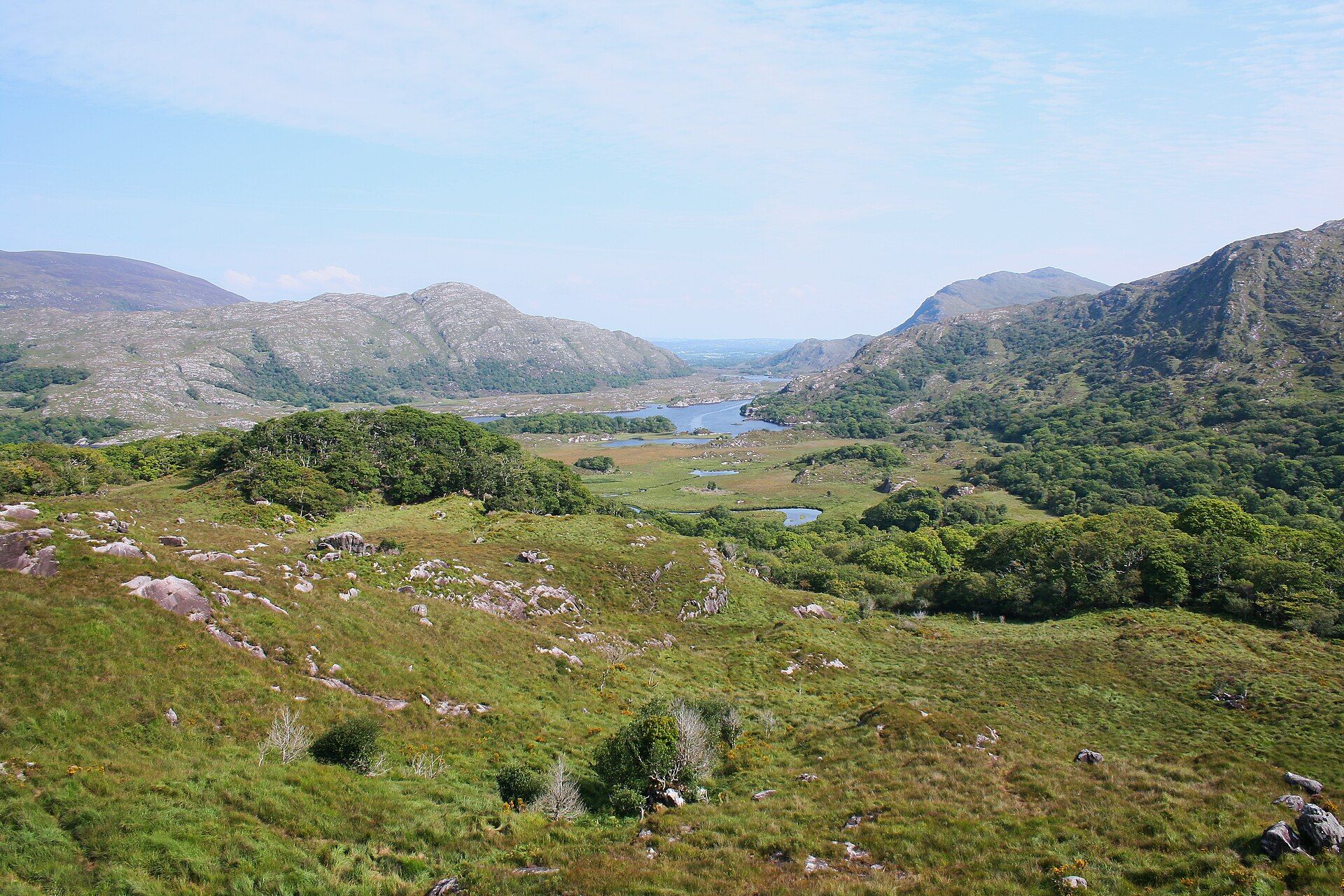
Killarney National Park Lakes, oak woods and red deer
County Kerry, Ireland
Ireland's first national park: over 100 km² of lake, ancient oak wood and mountain, home to the country's only wild red deer herd. On foot, by bike, jaunting car or boat from Killarney town. May for bluebells; October for russet woods and the red deer rut.
-
The Lake District England's ribbon lakes
Cumbria, North West England, United Kingdom
England's largest national park — glacier-carved fells and ribbon lakes, with Scafell Pike at 978 metres — and a UNESCO World Heritage cultural landscape. Rail to Windermere via Oxenholme; lake ferries on the water. May–September for long days; pack for rain in any season.
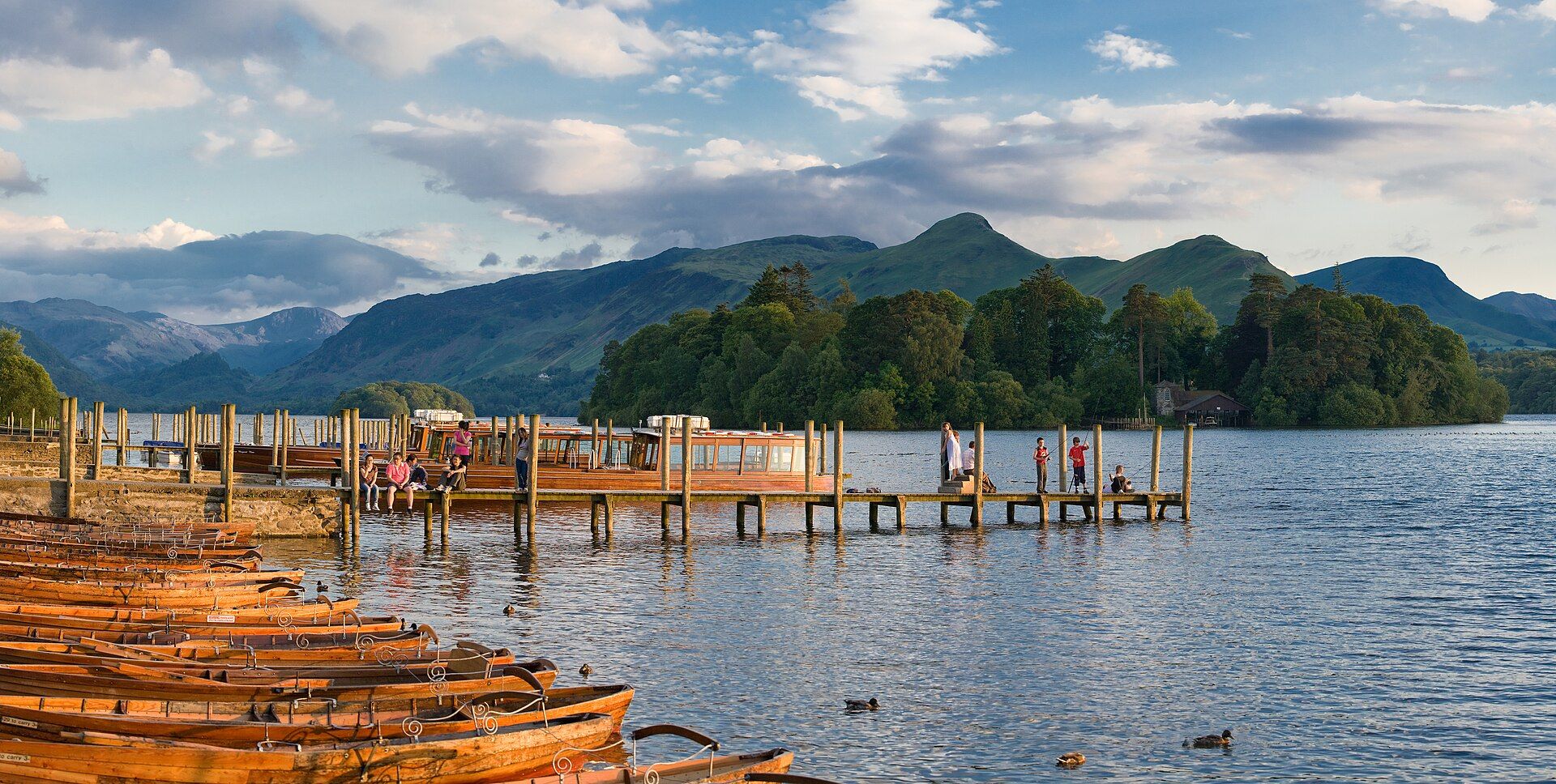
Late spring to early autumn is lake season across Europe: boats and mountain lifts run, trails are clear, and the lowland lakes warm enough to swim. The high tarns — Oeschinen, Morskie Oko and the Seven Rila Lakes — are ice-free only from about June or July into early autumn.
Added