Wildlife · flamingos
The Best Places to See Flamingos in the Wild — and Why None Is Guaranteed
9 places · every one real, mapped, and worth the trip
Flamingos follow water, not calendars. They feed on algae and tiny crustaceans in shallow salt and soda lakes, and breed where those lakes hold the right depth — so the same shore can be pink one year and empty the next. At Natron, Nakuru and Etosha the atlas says it plainly: numbers vary with the water, and no season guarantees the flocks.
That's the honest frame for this list. These are the places in the atlas where flamingos are a real reason to go, unranked and split into the great breeding grounds, the high Andean lakes and the wetlands where you're likely to find feeding flocks alongside other wildlife.
-
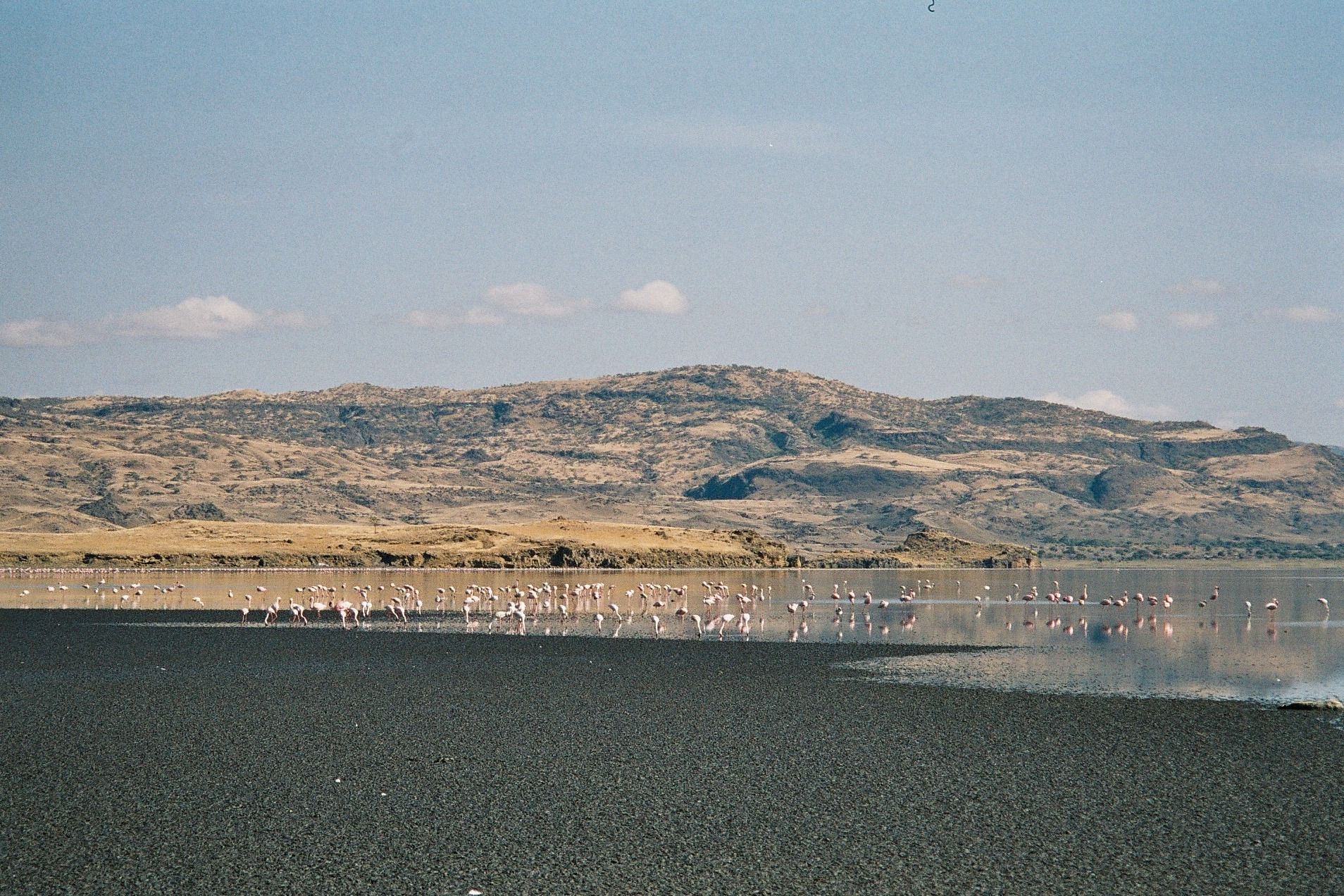
Lake Natron The lesser flamingo nursery
Arusha Region, northern Tanzania
A caustic, blood-red soda lake in northern Tanzania where around three-quarters of the world's lesser flamingos are born — the crust makes a predator-free nursery. Breeding depends on water levels and shifts year to year. Reached by rough 4x4 tracks from Arusha or the Serengeti, with guides; the dry season, June to October, has the most passable tracks.
-
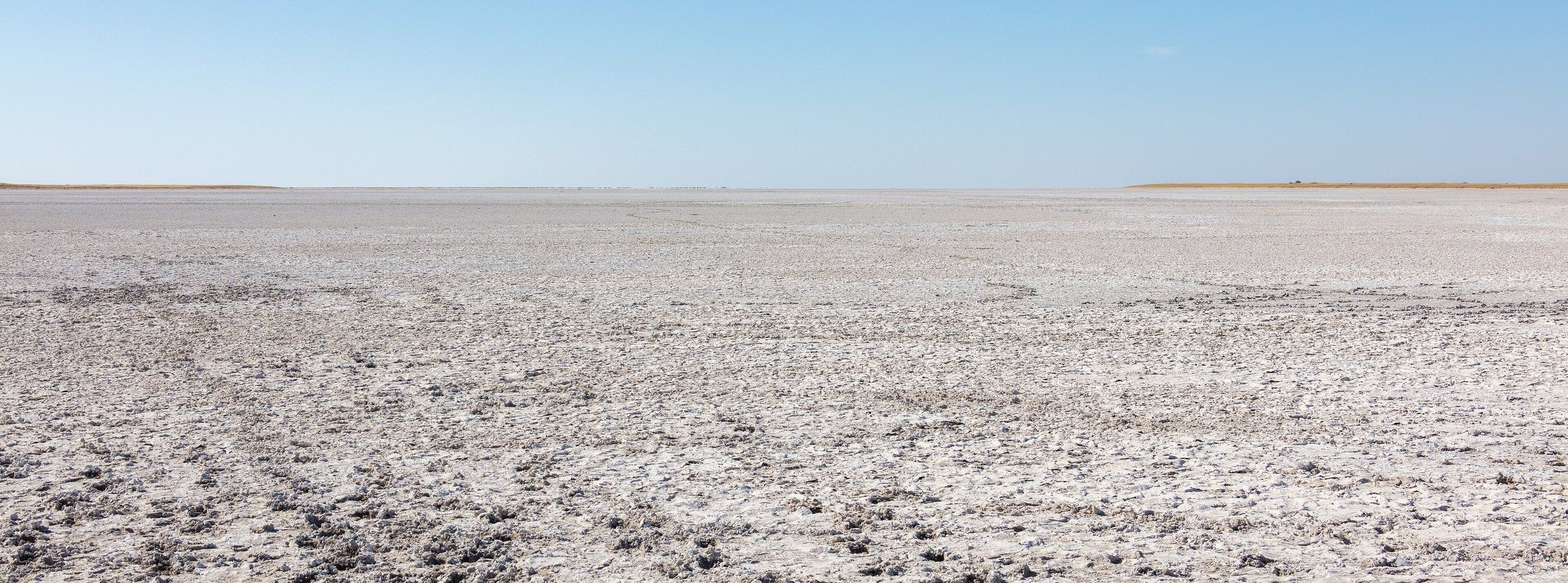
Makgadikgadi Pans Flooded pans, November–April
Northeastern Botswana, between Nata and Maun
When the rains flood these Kalahari salt pans, Sua Pan becomes one of only two breeding grounds for greater flamingos in southern Africa, and zebra and wildebeest arrive too. The wet season, roughly November to April, is the flamingo season; driving on the pans needs a 4x4, an experienced guide and great care, because the crust can hide soft mud.
-
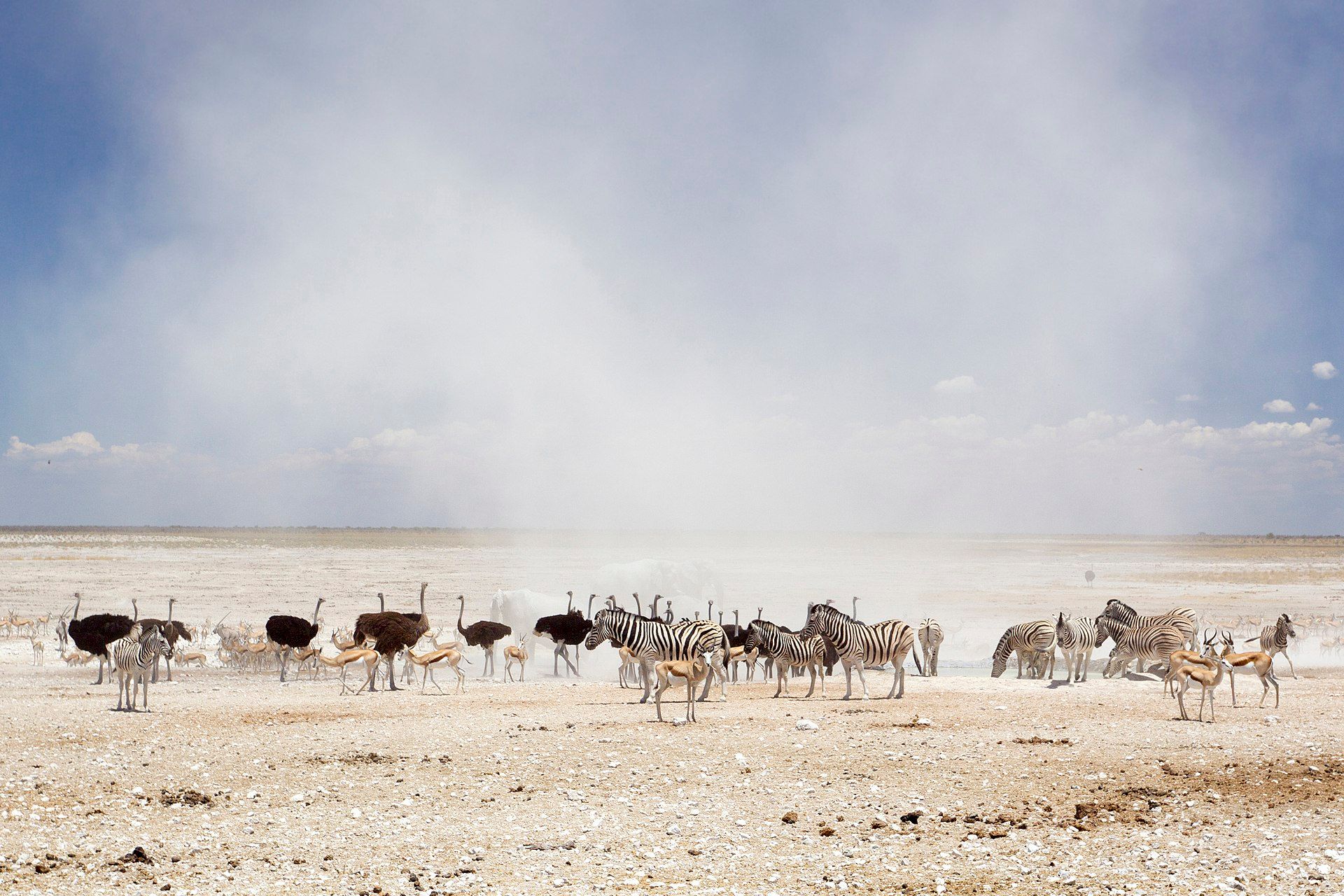
Etosha Pan Only in very wet years
Northern Namibia
A white salt pan that is usually dry — but in exceptionally wet years a shallow film of water returns and thousands of flamingos arrive to breed on it. Come in the dry season, June to October, for game at the waterholes; come after big rains for a different trip. An easy self-drive from Windhoek.
-
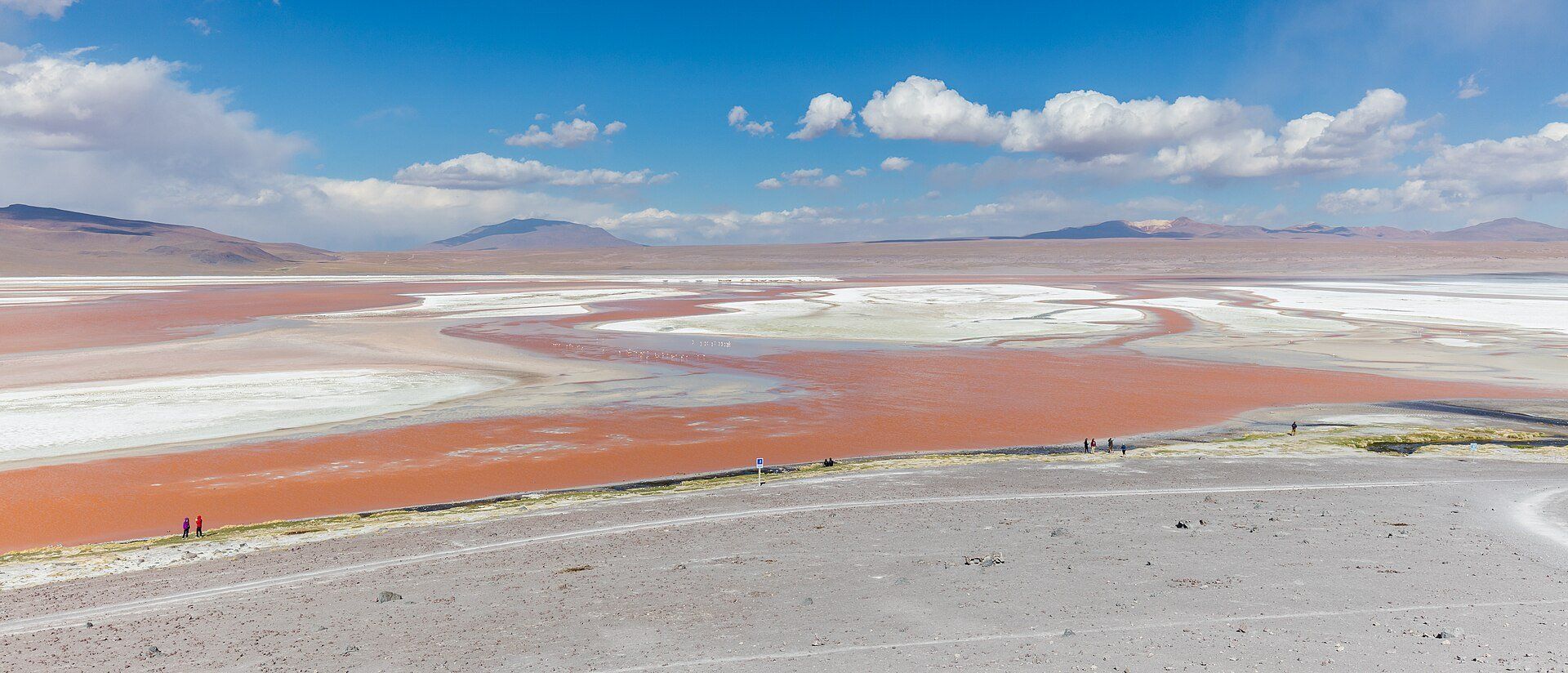
Laguna Colorada James's flamingo stronghold
Eduardo Avaroa Andean Fauna National Reserve, Sur Lípez, Potosí Department, southwestern Bolivia
A brick-red salt lake at 4,278 metres on the Bolivian Altiplano, one of the most important breeding sites for James's flamingo, with Andean and Chilean flamingos too; the surrounding Los Lípez Ramsar site holds about half of the world's James's flamingos. Usually reached on day two of the three-day 4x4 tour from Uyuni, or in reverse from San Pedro de Atacama.
-
The Atacama Desert Salar de Atacama
Northern Chile
Andean flamingos feed on the lagoons of the vast Salar de Atacama, a tour from San Pedro de Atacama that pairs easily with the El Tatio geysers and the Valle de la Luna. The dry climate makes it a year-round trip; acclimatise to the altitude first.
-
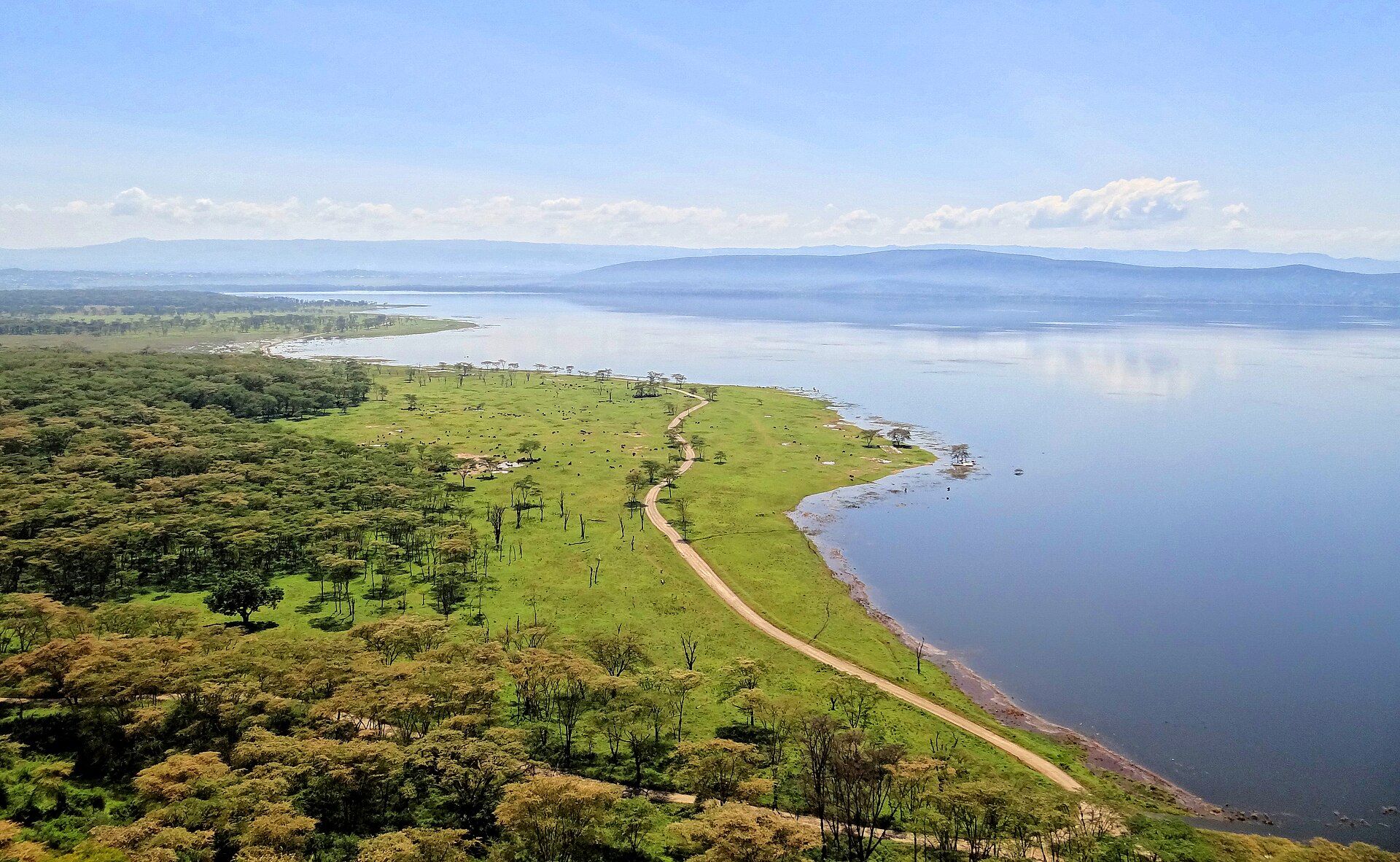
Lake Nakuru Flamingos and rhinos
Great Rift Valley, central Kenya
A Rift Valley soda lake whose algae once drew flamingos in millions; the birds now come and go with the lake's fluctuating level, alongside pelicans, both black and white rhinos and Rothschild's giraffe. About 2.5–3 hours by road from Nairobi, explored by safari vehicle.
-
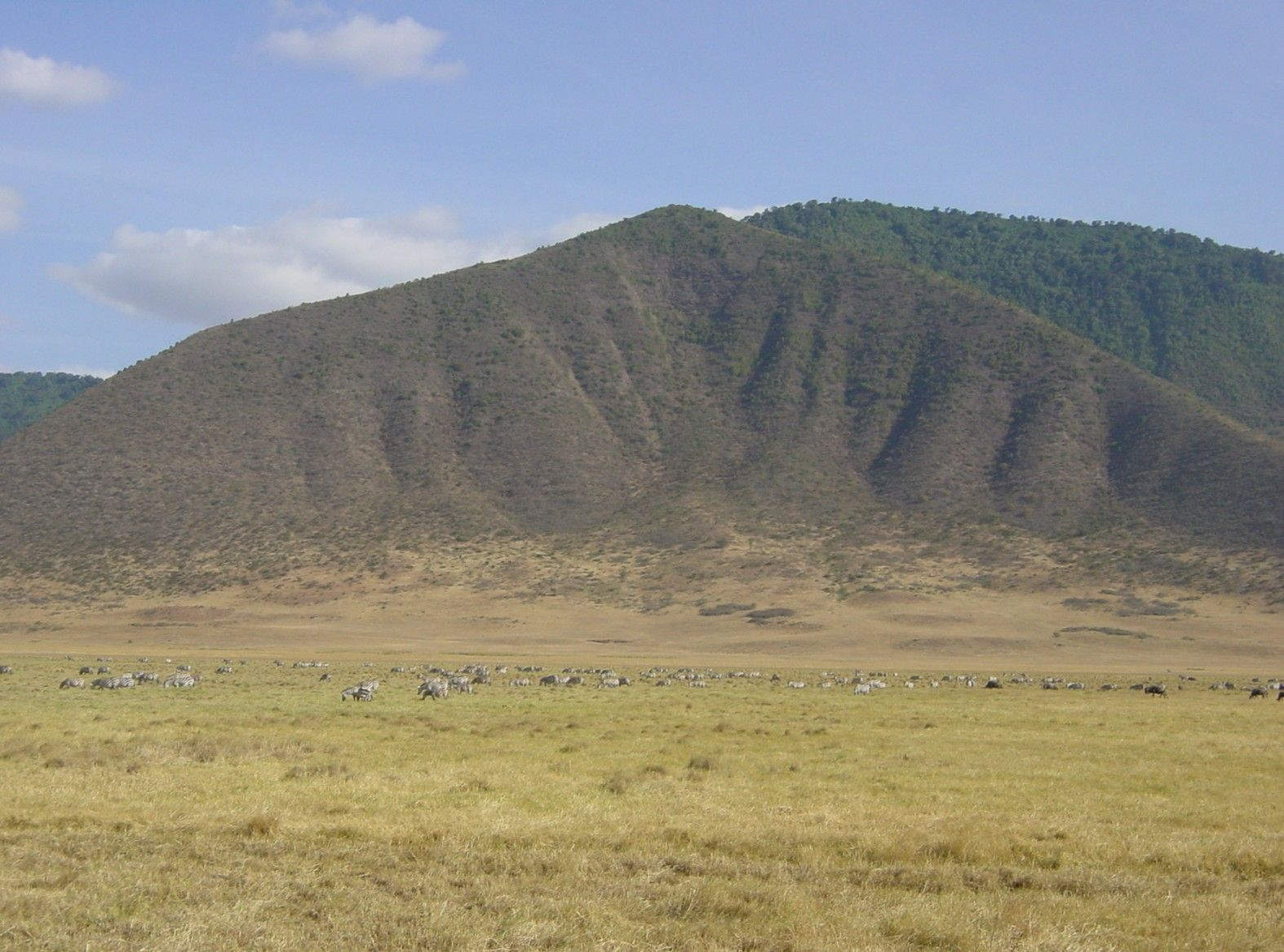
Ngorongoro Crater Flocks inside the caldera
Ngorongoro Highlands, Northern Tanzania
Flocks of flamingos share this sealed volcanic bowl with lions, elephants, buffalo, hippos and one of the surest chances anywhere to see a black rhino. Wildlife stays in the crater year-round; vehicles descend with licensed guides from the Ngorongoro Conservation Area.
-
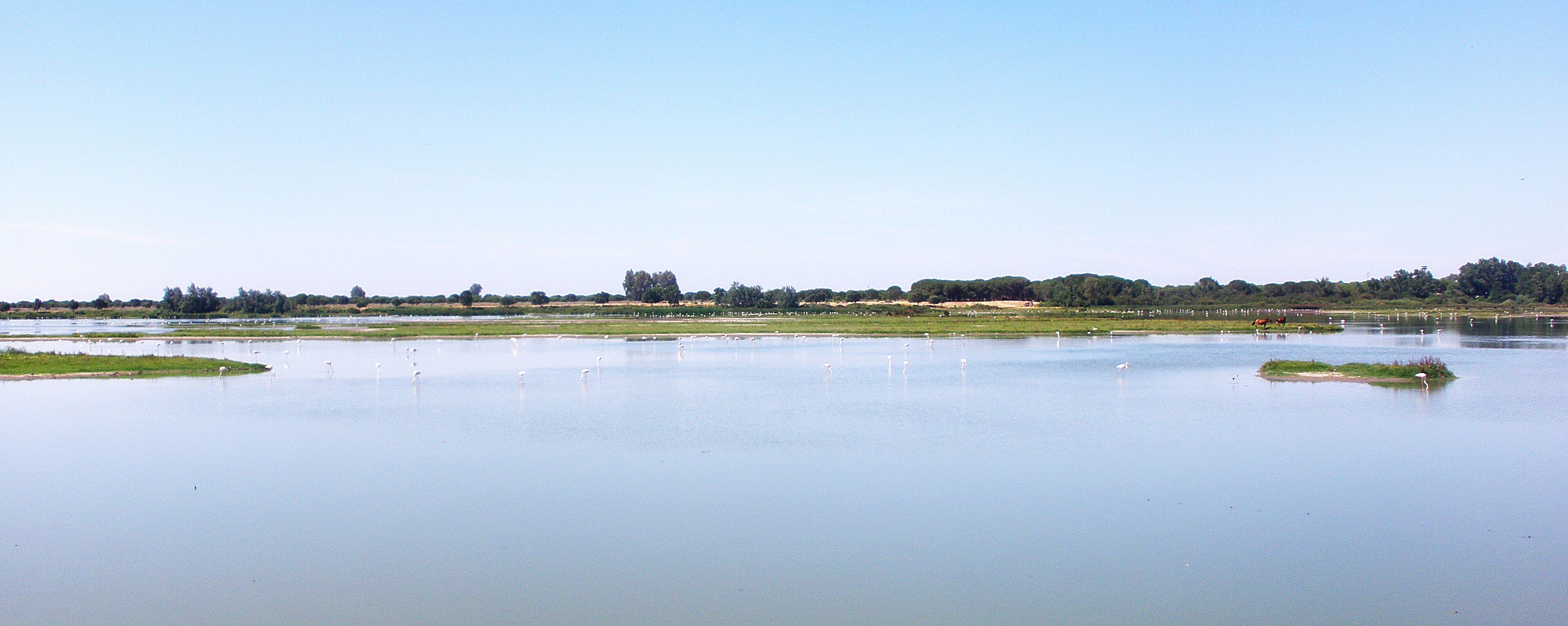
Doñana Europe, November–April
Andalusia, southwestern Spain
The best birdwatching in western Europe: from the visitor centres and hides you can watch flamingos and spoonbills over open marsh without a guide. Go roughly November to April, when the marshes hold water — by late summer much of it has dried out. About an hour from Seville; the protected core is entered only on booked guided tours.
-
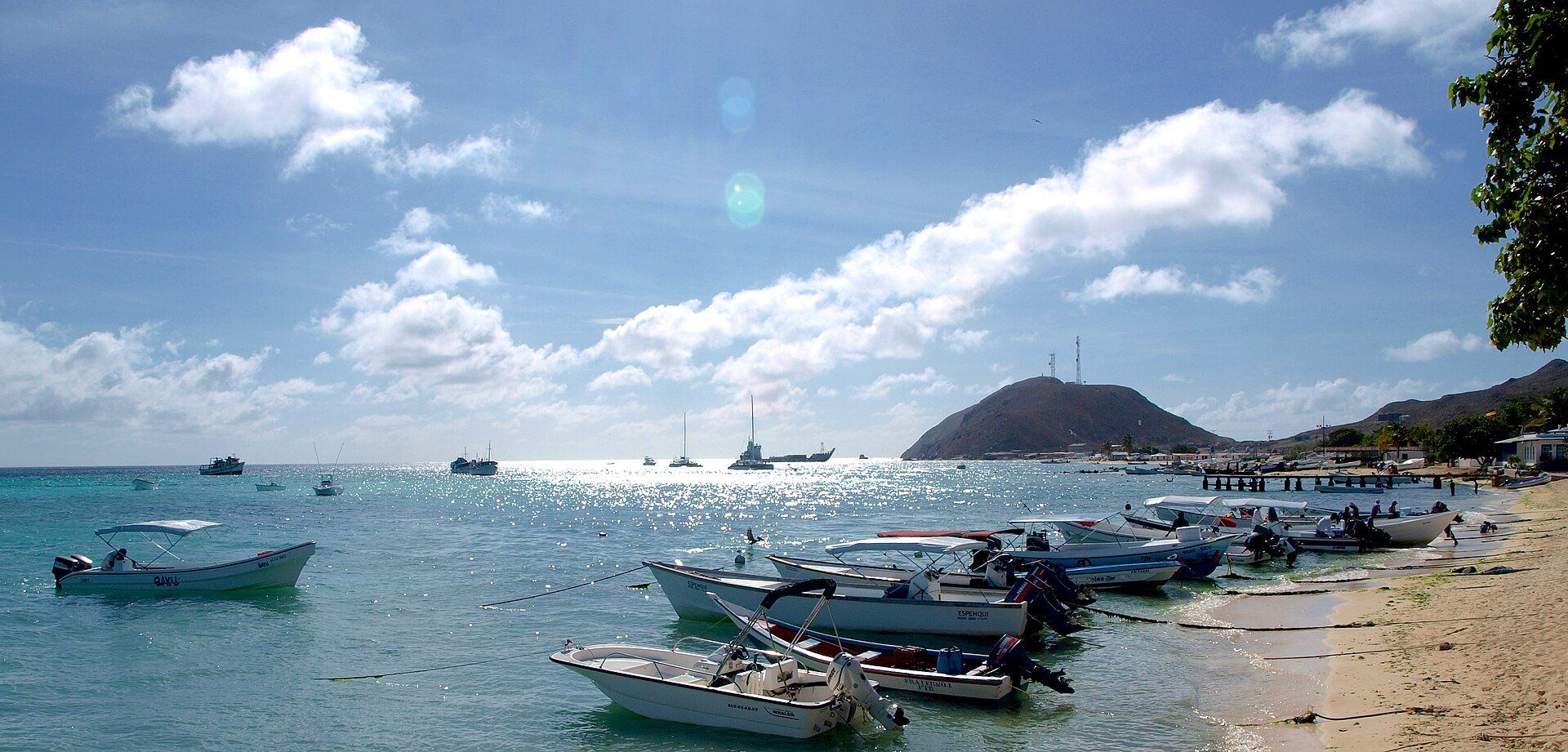
Los Roques Archipelago American flamingos in the Caribbean
Caribbean Sea, about 128 km north of La Guaira, Venezuela
Flocks of American flamingos breed on the outer cays of this Venezuelan coral archipelago, along with pelicans and boobies. Light aircraft fly from Caracas's Maiquetía airport to Gran Roque, and boats run day trips to the cays; the islands are warm, dry and windy all year.

Two rules hold everywhere: water decides, and distance protects. At the breeding grounds — Natron, Sua Pan, Laguna Colorada — keep to guided routes and give nesting birds a wide berth. The Kalahari pans and Etosha need rain, Natron and Nakuru need the right lake level, and Doñana needs a wet winter — so build some flexibility into any flamingo trip.
Added