Head to head · Nordic nature
Iceland vs Norway: Which Is Better for Natural Beauty?
Two Nordic nature superpowers, forever compared — and for once the rivalry is earned: both deliver world-class scenery, just of different kinds.
Here's how Iceland and Norway stack up across the things that actually decide a trip, and how to pick the one to build yours around.
Iceland
Fire, ice, and waterfalls on one loop road
A compact volcanic island where geysers, glaciers, black-sand beaches, and waterfalls line a single ring road you can drive in a week. Nature is dense, dramatic, and unusually easy to reach.
- Active volcanic country: geysers, lava fields, and geothermal springs
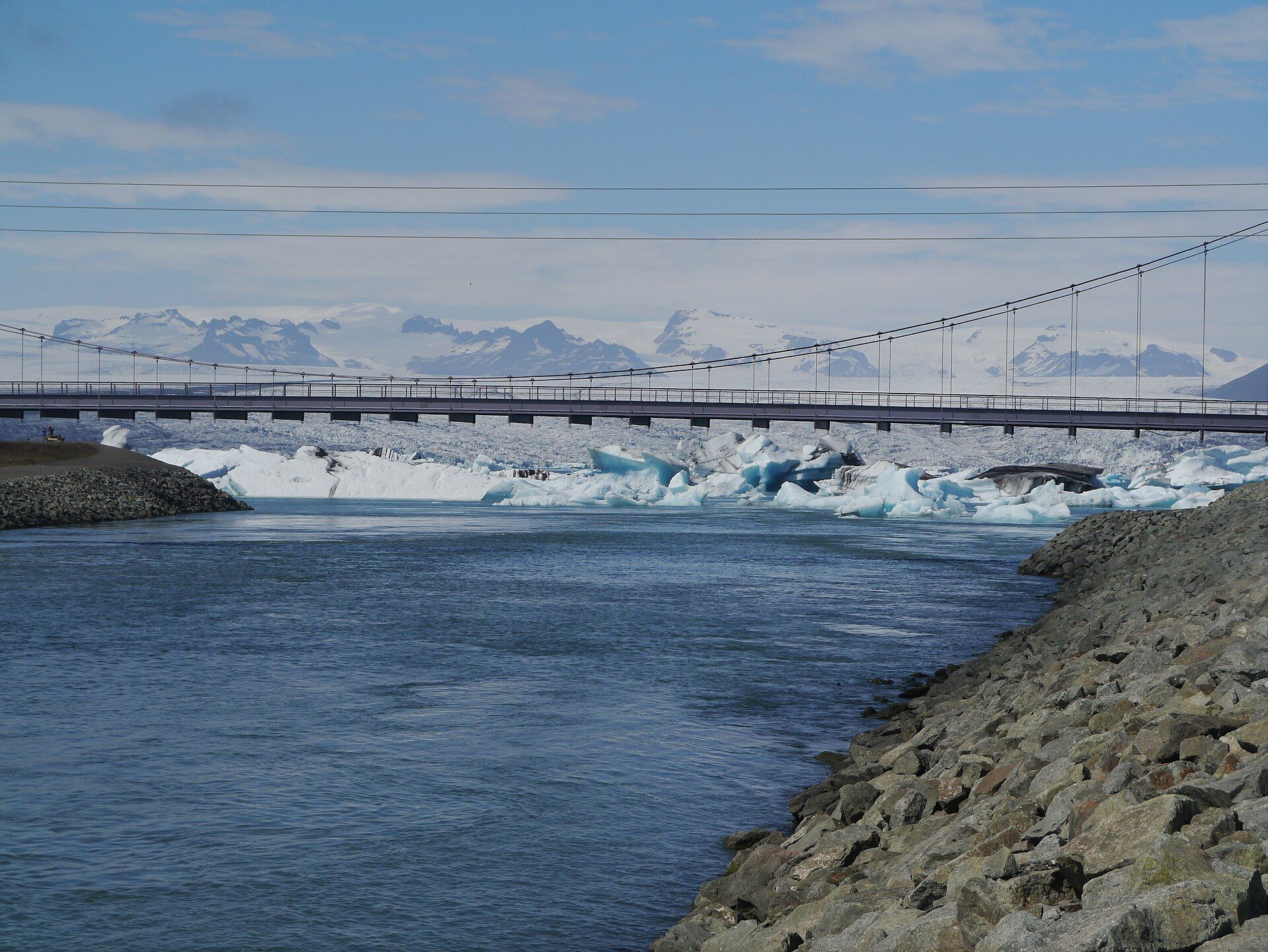
- Glacier lagoons and blue ice caves you can actually enter
- A famously drivable Ring Road linking most highlights
Norway
The deepest, most dramatic fjords on Earth
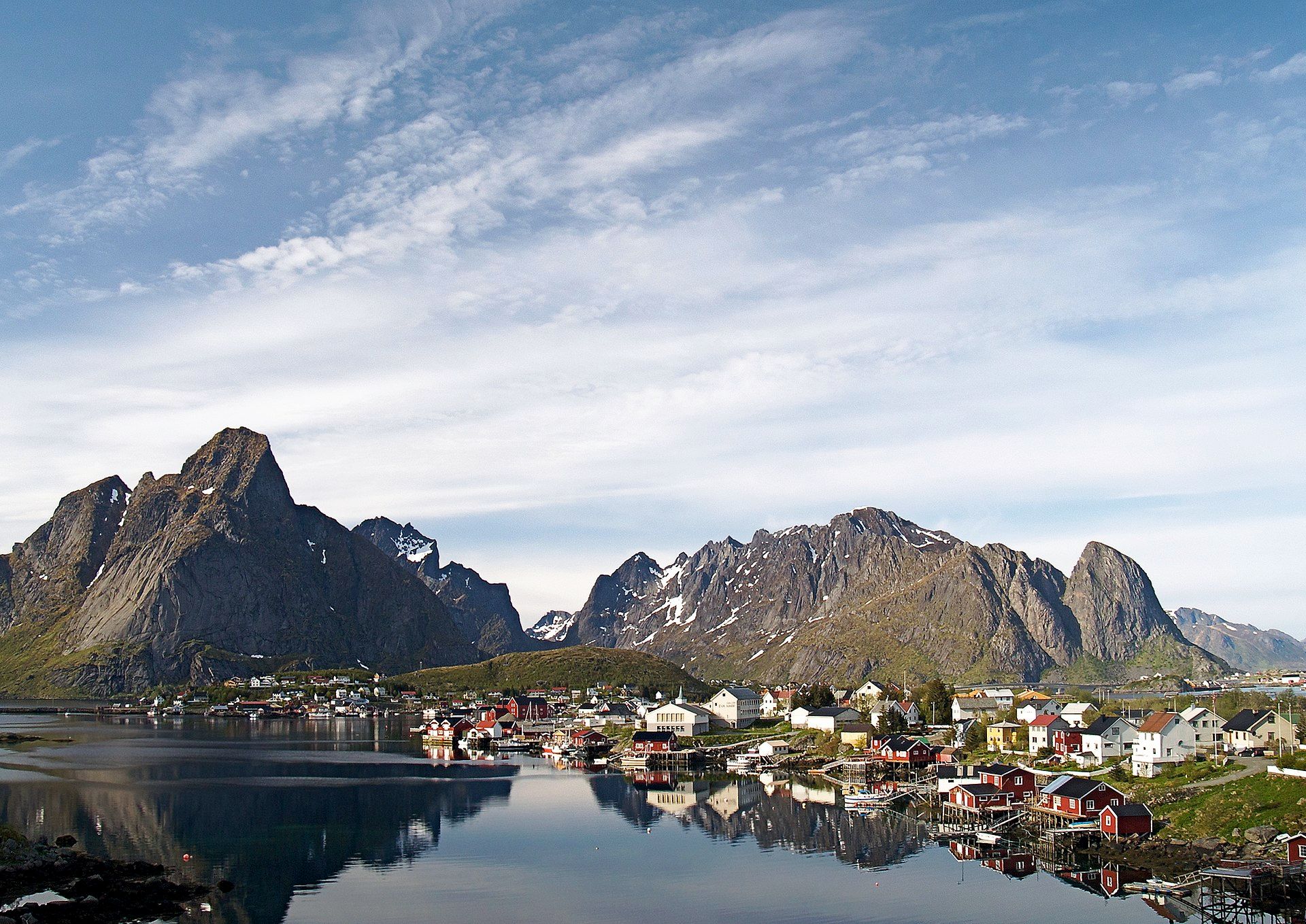
A long, mountainous coastline of glacier-carved fjords, clifftop hikes, and Arctic islands. The scenery is more vertical and more spread out — a country you road-trip and ferry-hop across in stages.
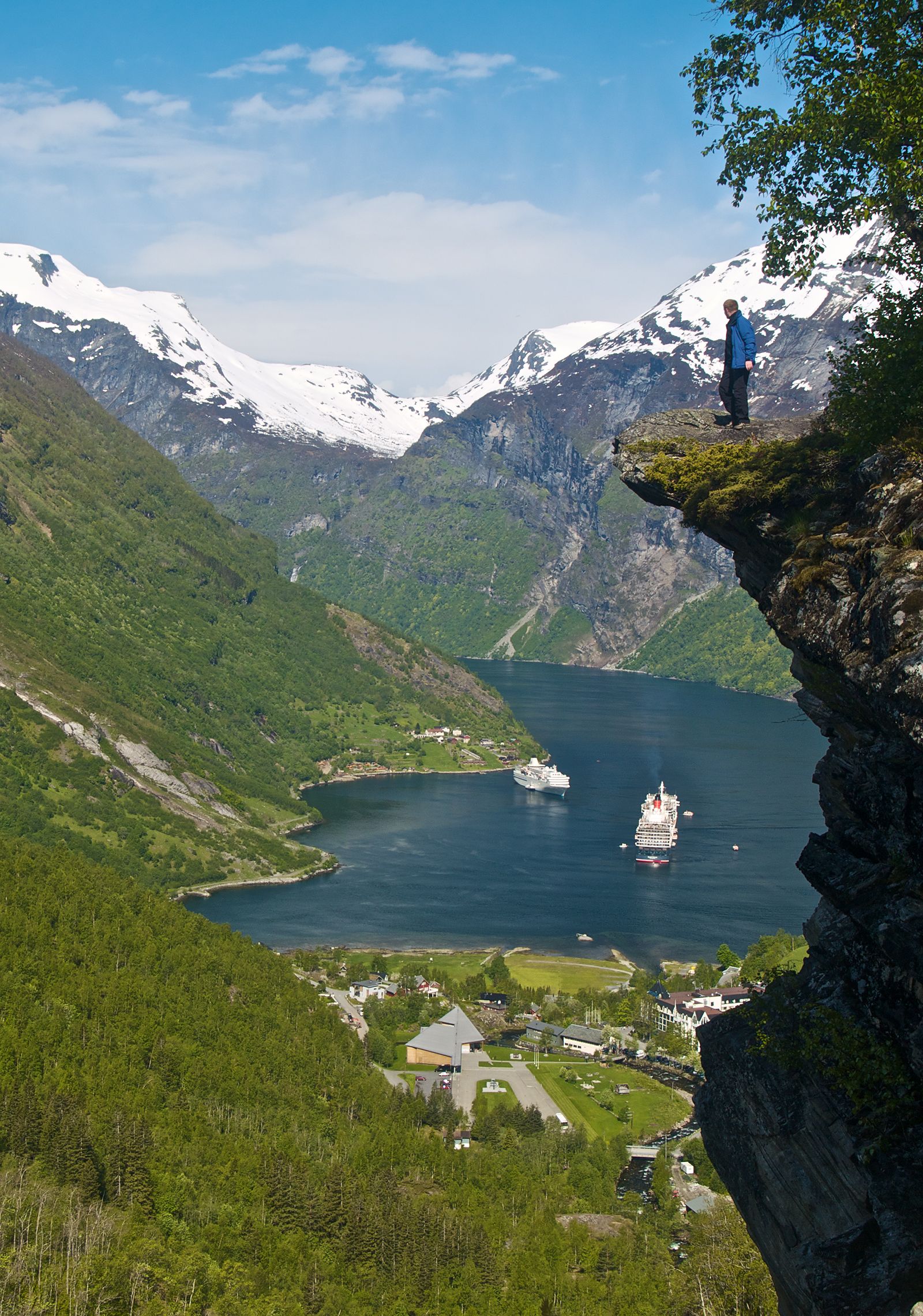
- The world's most celebrated fjords, sheer and waterfall-laced
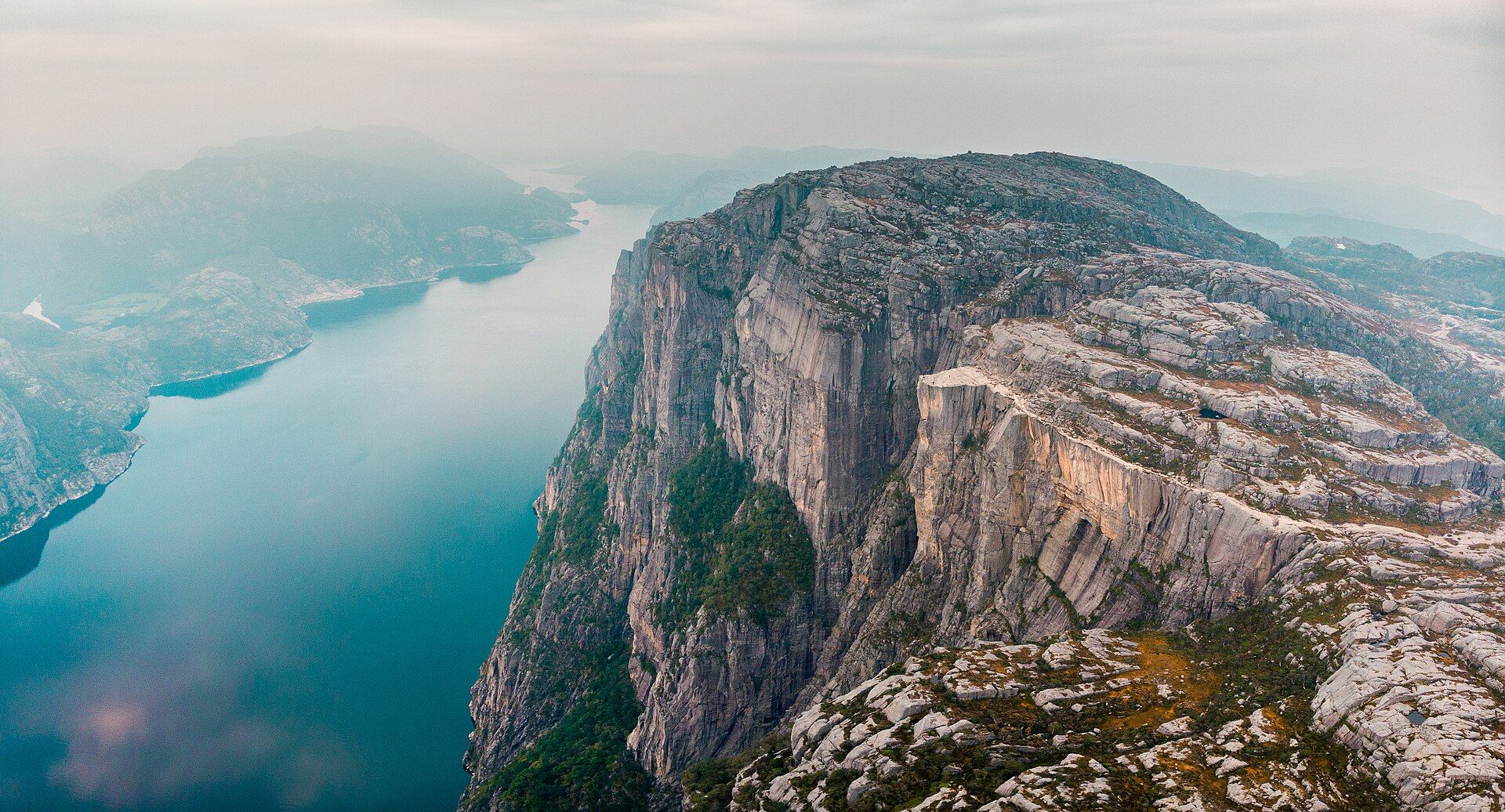
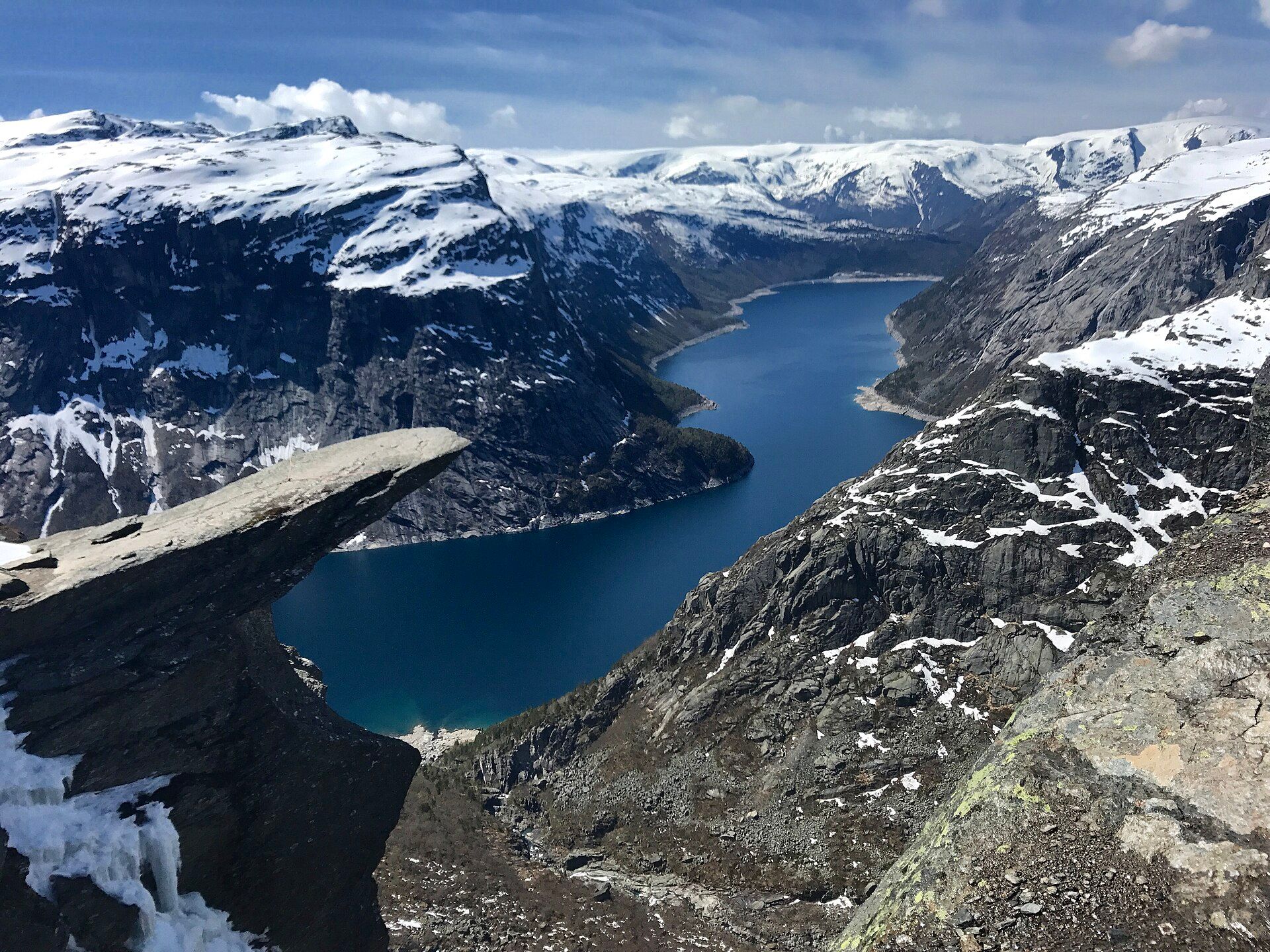
- Iconic clifftop hikes: Preikestolen, Trolltunga, Kjerag
- The Arctic north — Lofoten, and long summer daylight
Head to head
| What matters | Iceland | Norway |
|---|---|---|
| Signature scenery Edge: Toss-up | Volcanic and elemental — geysers, ice caves, black beaches, and endless waterfalls packed close together. | Vertical and vast — mile-deep fjords, sheer cliffs, and peaks rising straight from the sea. |
| Fjords Edge: Norway | A few good fjords in the east and west, but they're not the main event. | The best on the planet — Geiranger and Nærøyfjord are UNESCO-listed for good reason. |
| Glaciers & ice Edge: Iceland | Outstanding: Jökulsárlón's iceberg lagoon and enterable blue ice caves under Vatnajökull. | Excellent too — Jostedalsbreen is mainland Europe's largest glacier — but harder to reach. |
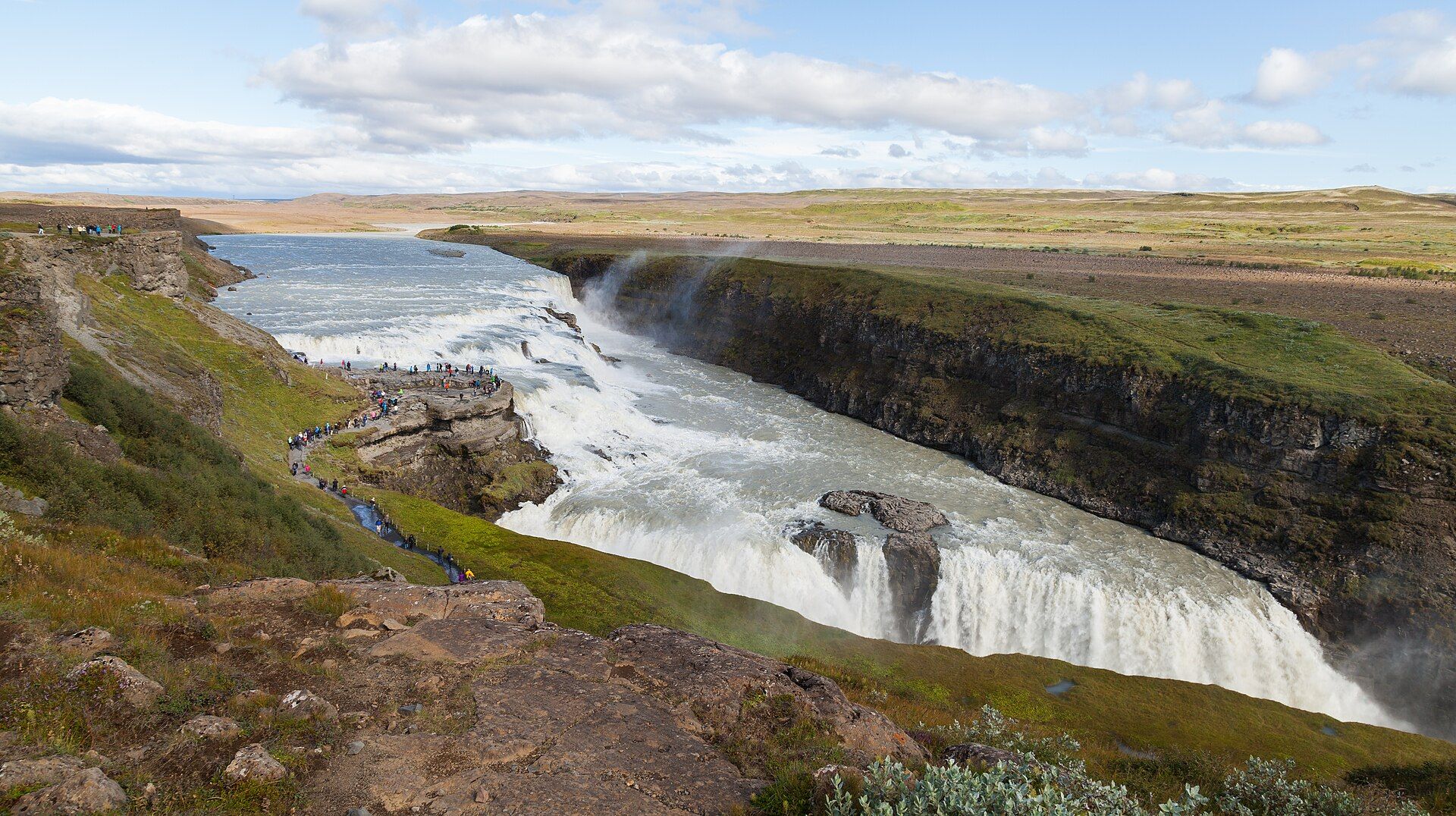
| Waterfalls Edge: Iceland | Everywhere, and roadside: Gullfoss, Skógafoss, Dettifoss, and dozens more. | Fewer but tall and fjord-set, like Vøringsfossen and the Seven Sisters. |
| Hiking Edge: Norway | Great walks, though fewer big-mountain days; Landmannalaugar is the highlight. | World-class — the clifftop trilogy of Preikestolen, Trolltunga, and Kjerag is unmatched. |
| Northern Lights Edge: Toss-up | Strong, roughly September–April, and easy to chase with dark skies close to Reykjavík. | Excellent in the Arctic north (Tromsø, Lofoten), but you must travel far up the country. |
| Ease of touring Edge: Iceland | Very easy — one ring road, short distances, everything within a week. | More effort — long distances, ferries, and a flight north for Lofoten. |
| Cost Edge: Toss-up | Expensive; self-catering and camping help a lot. | Also very expensive — arguably a touch more once ferries and distances add up. |
Which should you choose?
Choose Iceland if…
…you have about a week, want maximum variety per day, prefer to drive one loop rather than plan complex logistics, and are drawn to volcanic, geothermal, and glacial landscapes — plus easy Northern Lights.
Choose Norway if…
…you love big mountains and want the greatest fjords and clifftop hikes on Earth, have more time and don't mind ferries and distances, or you're chasing the Arctic and the midnight sun in Lofoten.
The honest verdict
There's no universal winner — they're both extraordinary, and the honest answer depends on what moves you and how much time you have.
For a first Nordic nature trip on a tight schedule, Iceland is hard to beat: more variety per day and far simpler logistics. For fjords, serious hiking, and Arctic drama — and if you have two weeks — Norway rewards the extra effort with the most vertical scenery in Europe.
Can't choose? They pair beautifully on one longer trip, and both are at their best in the same June–August window.
Wonders mentioned here
Added