Head to head · Europe's peaks & fjords
Norway vs Switzerland: Which Is More Beautiful — Fjords or the Alps?
One country is defined by the sea drowning its valleys, the other by railways climbing into the high Alps.
Norway versus Switzerland is really fjords versus peaks — here's how they compare, and which suits the trip you want.
Both are among Europe's most expensive countries to travel in and both are at their best in summer, so the decision usually comes down to landscape and travel style rather than budget. If you can only do one trip, the short version: Norway for wild coast and fjords, Switzerland for the highest, most accessible mountains.
Norway
Sea-drowned valleys and clifftop hikes
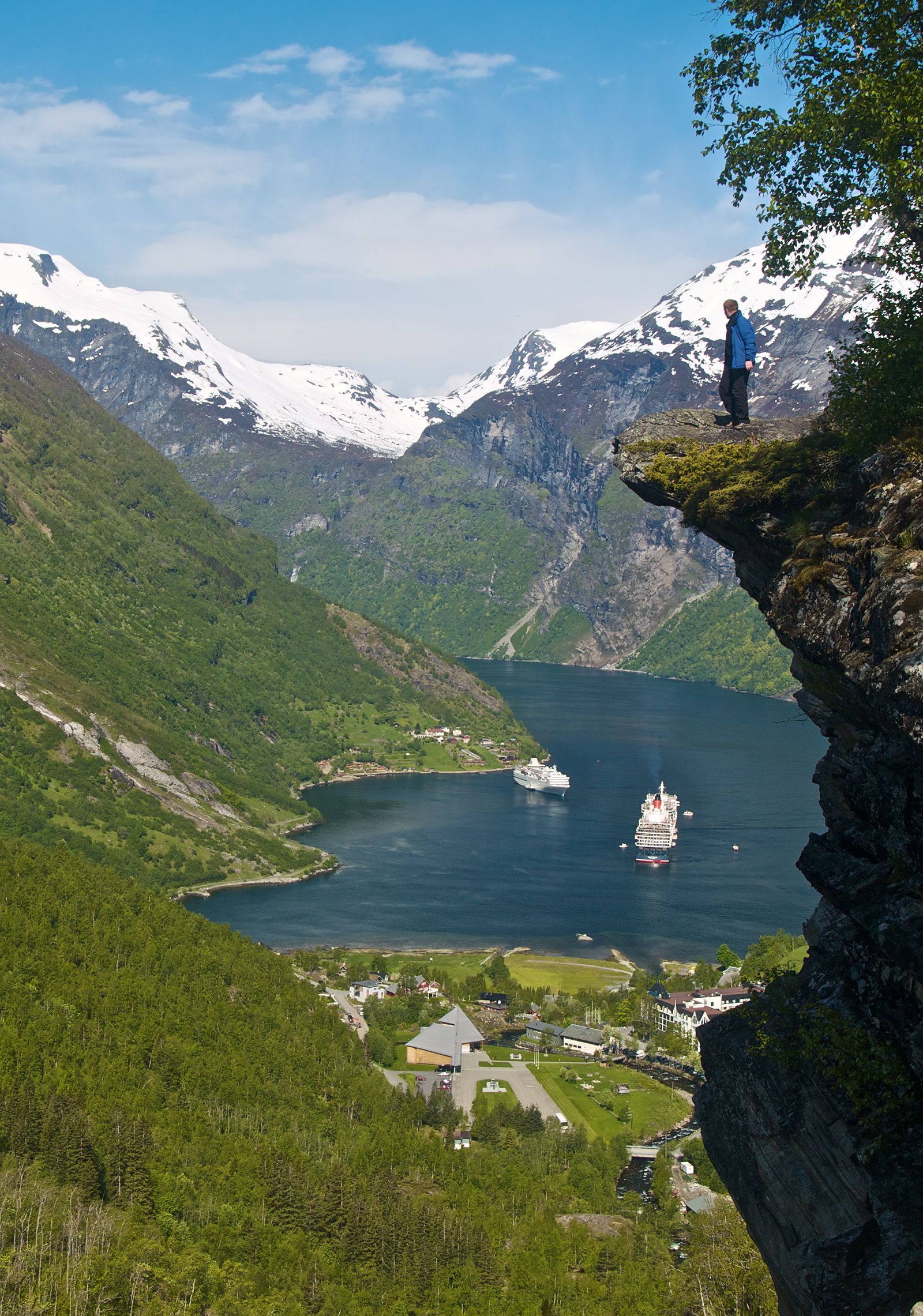
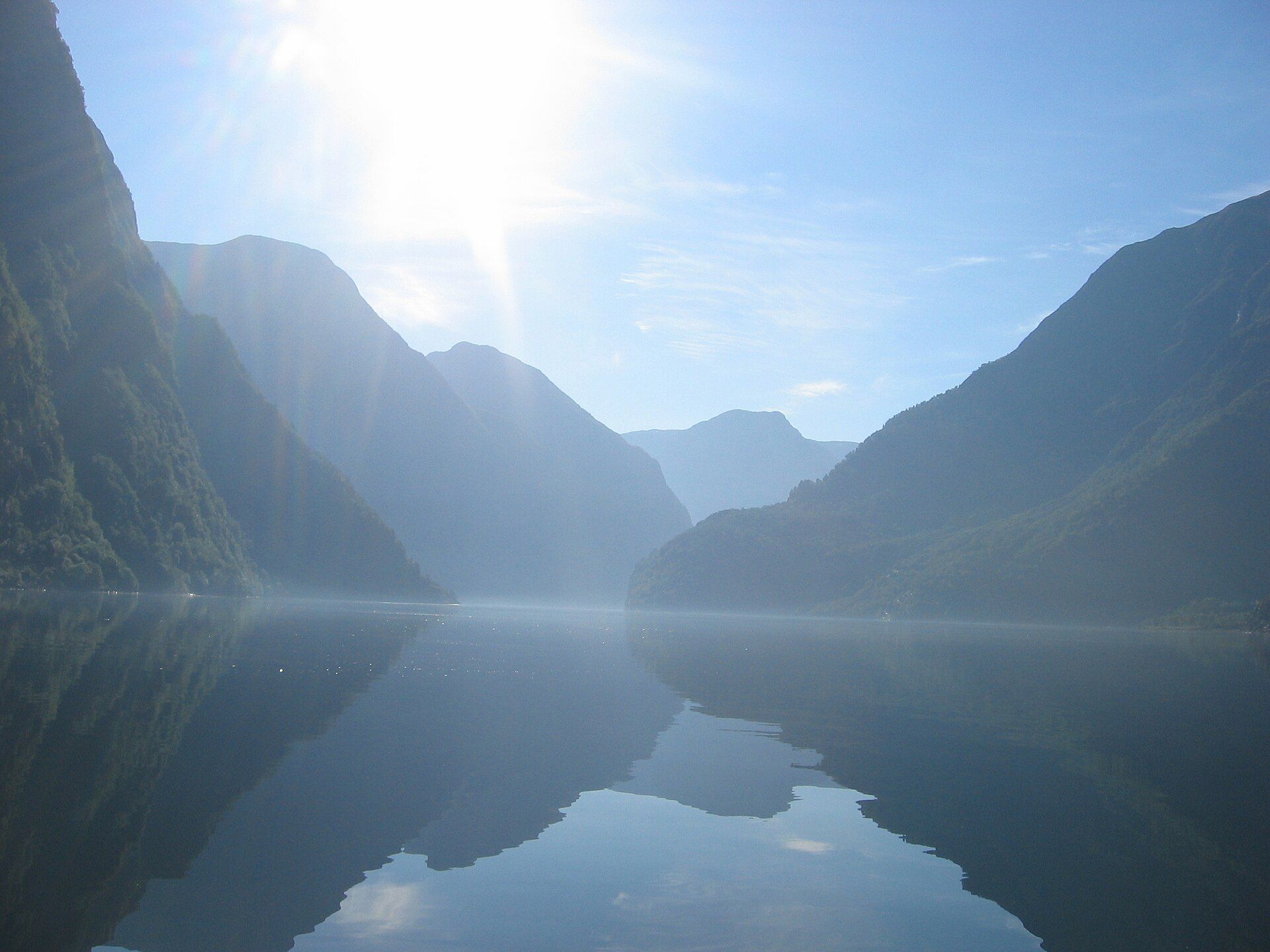
A long coastline of glacier-carved fjords, sheer clifftop trails, and Arctic islands. The scenery is raw and horizontal-into-vertical — mountains plunging straight into deep seawater.
- The greatest fjords on Earth, cruised by ferry
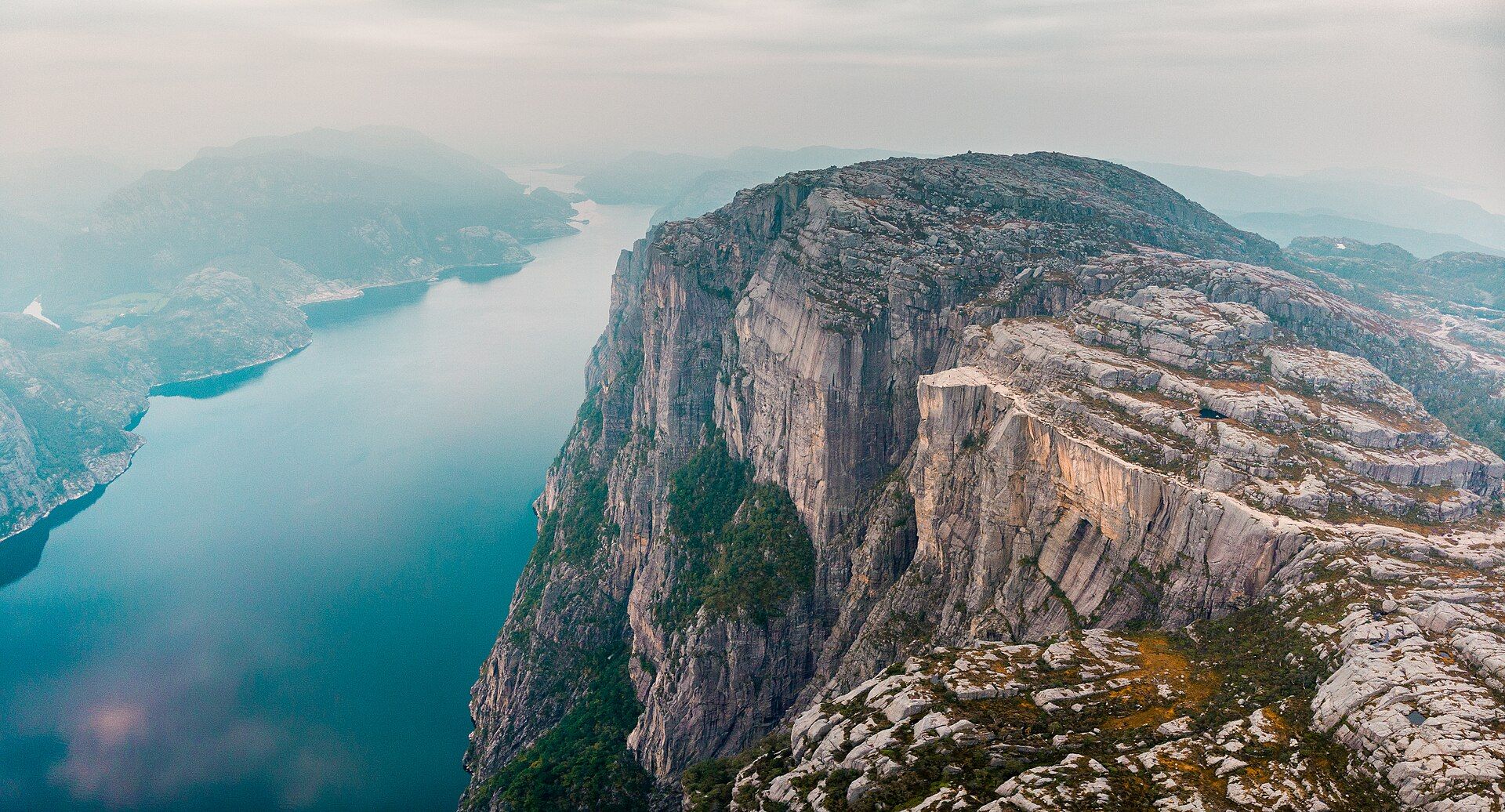
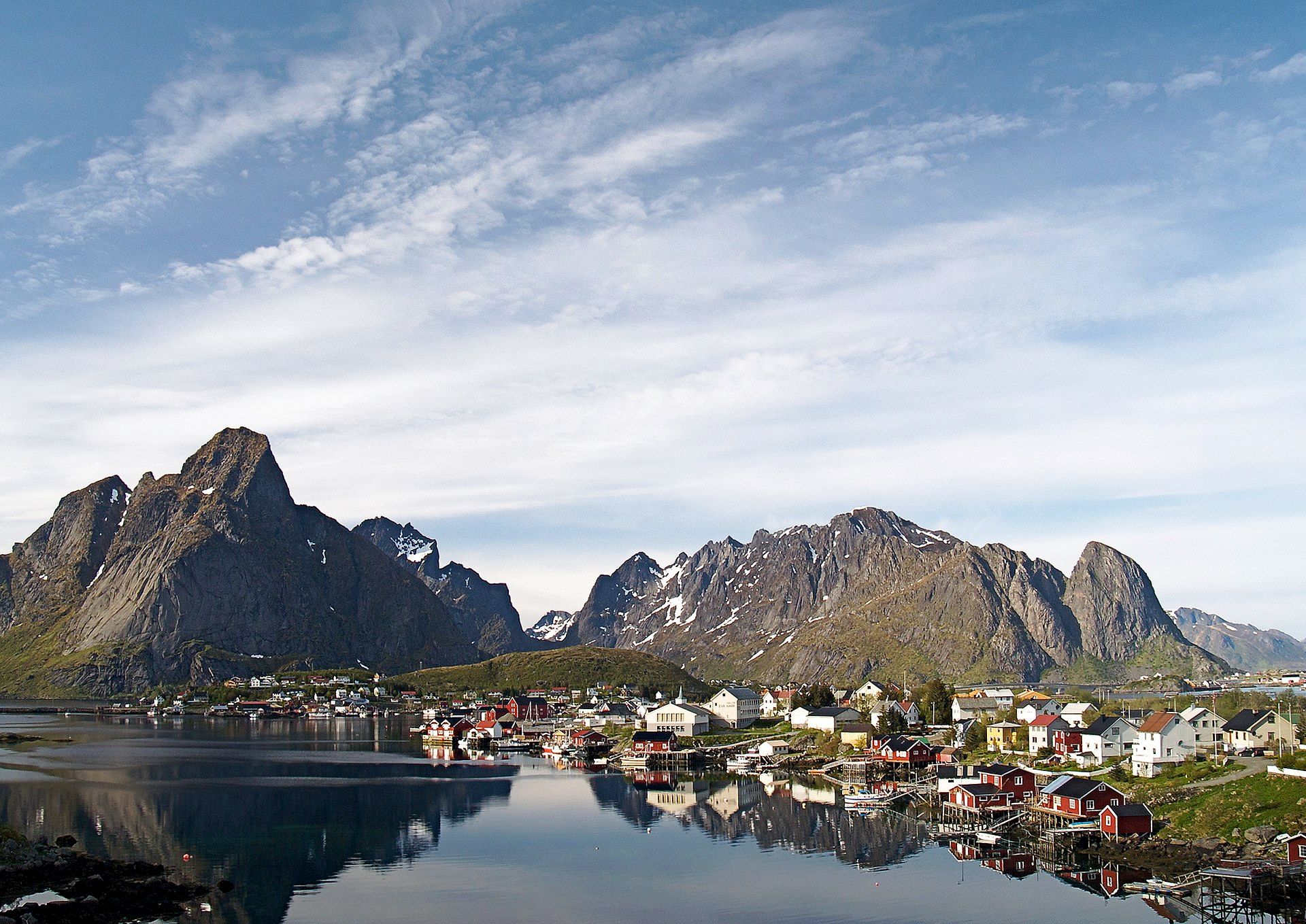
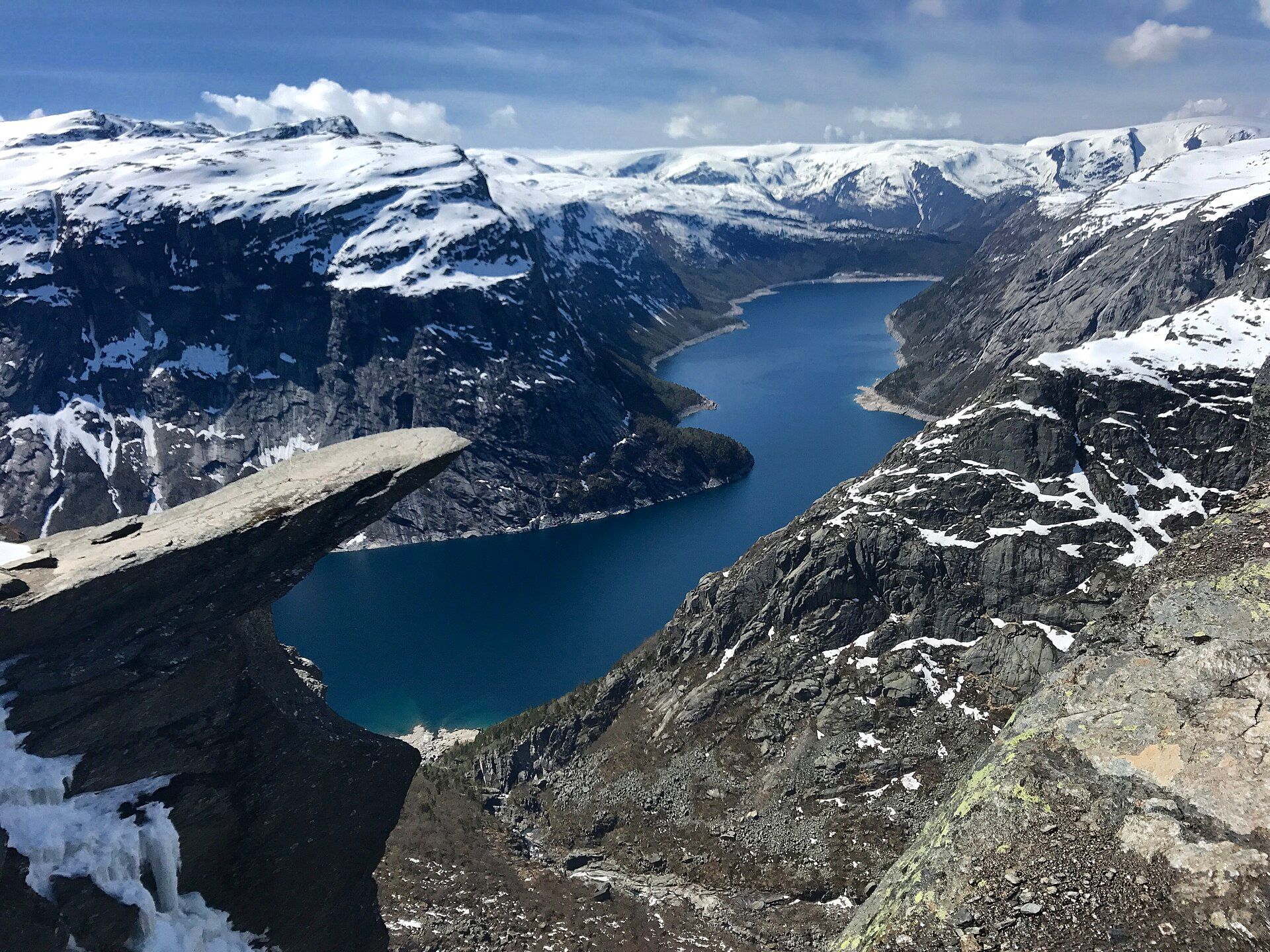
- Legendary clifftop hikes and the Arctic's Lofoten
- Northern Lights and the midnight sun in the north
Switzerland
The most accessible high Alps anywhere
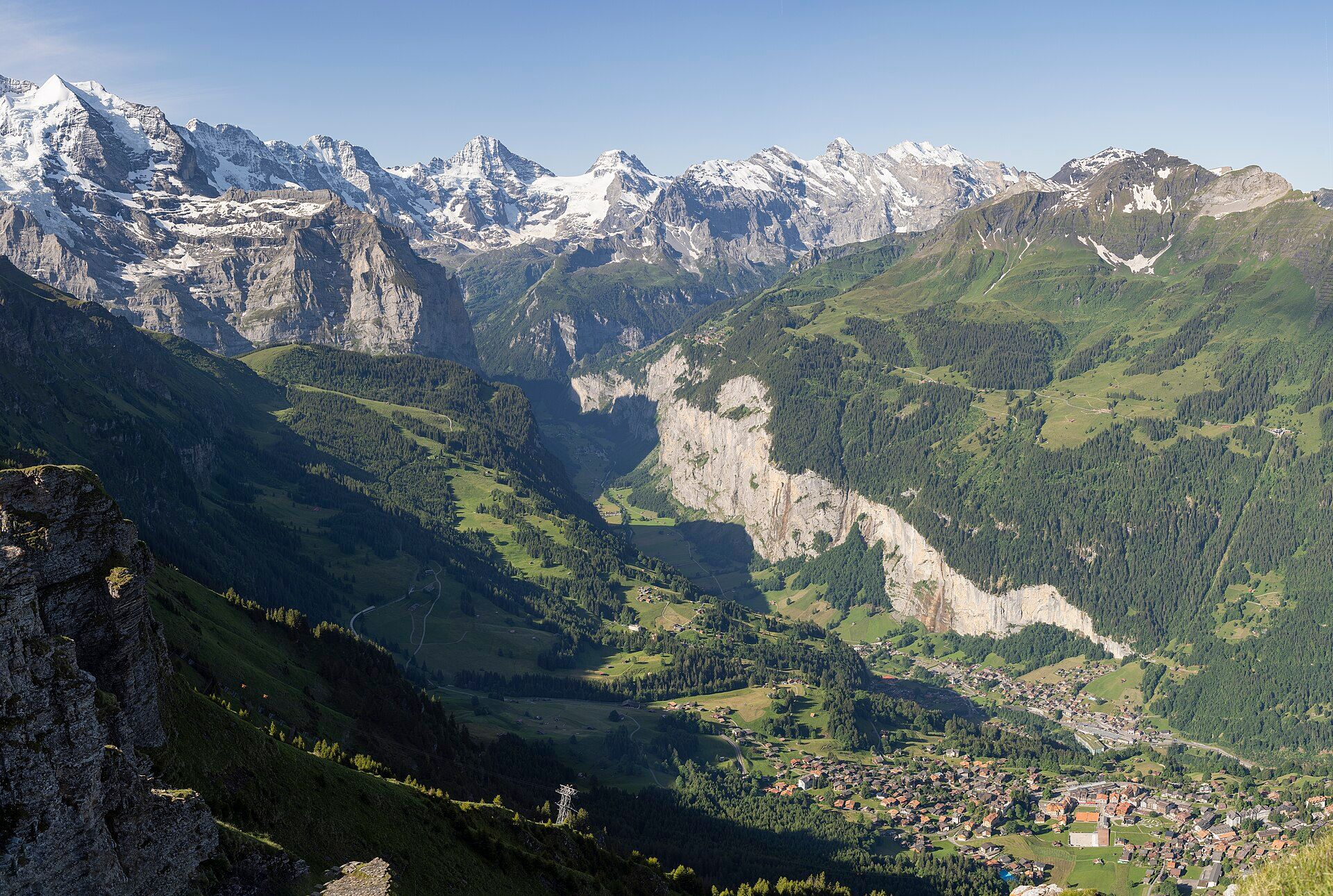
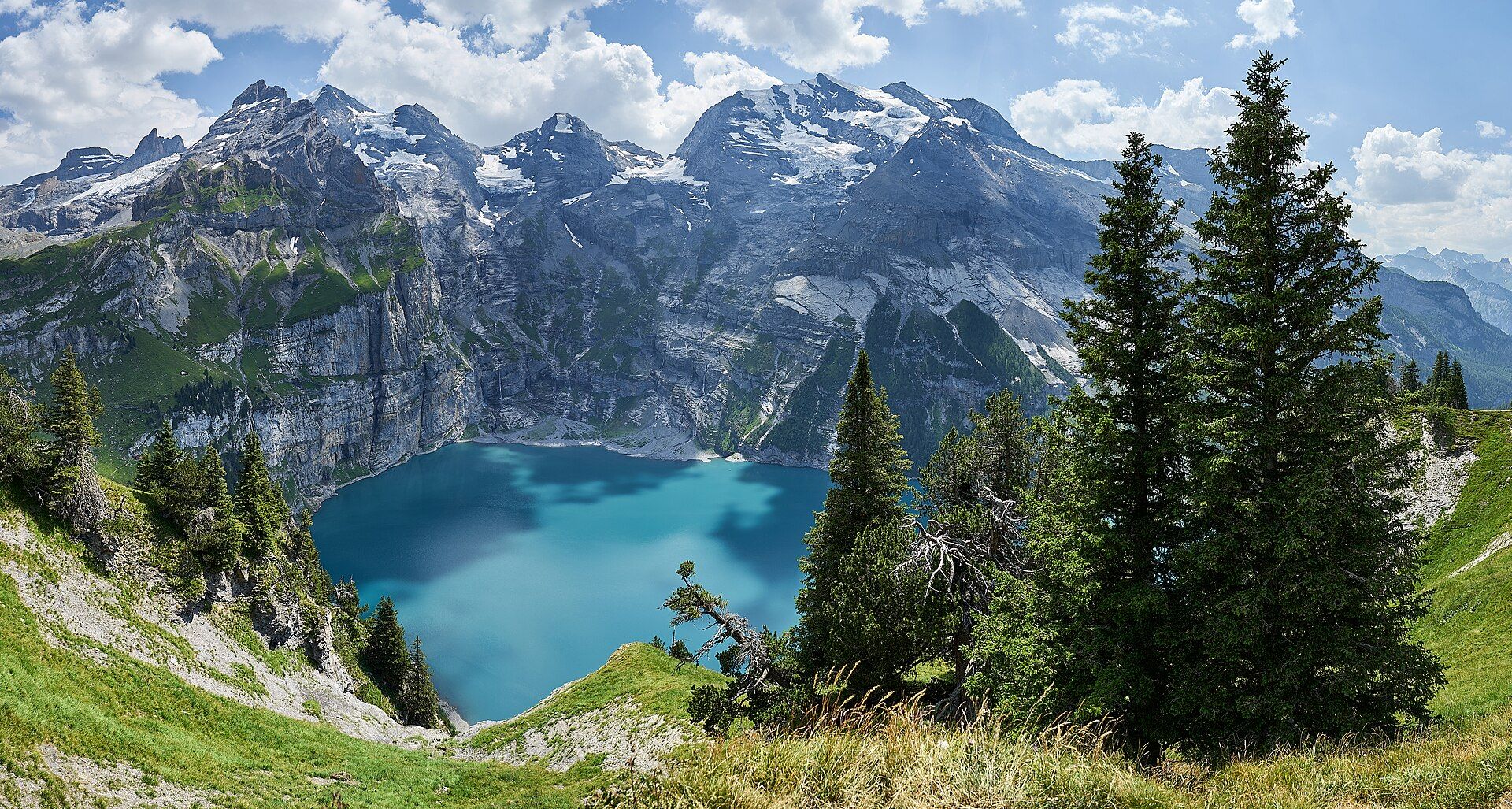
A compact core of glaciated 4,000-metre peaks, turquoise lakes, and flower meadows — laced with the world's best mountain railways and cable cars that put the high Alps within everyone's reach.
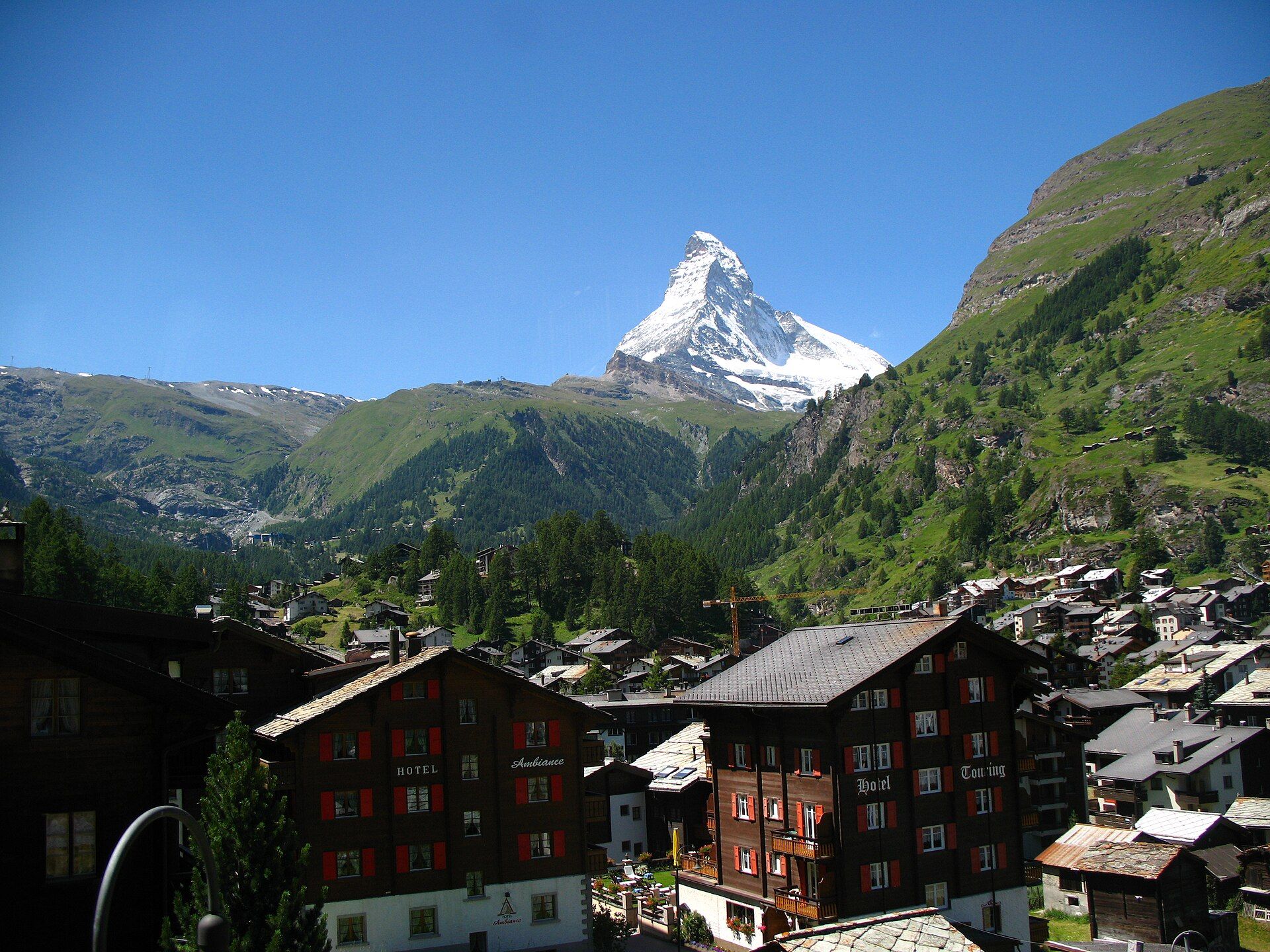
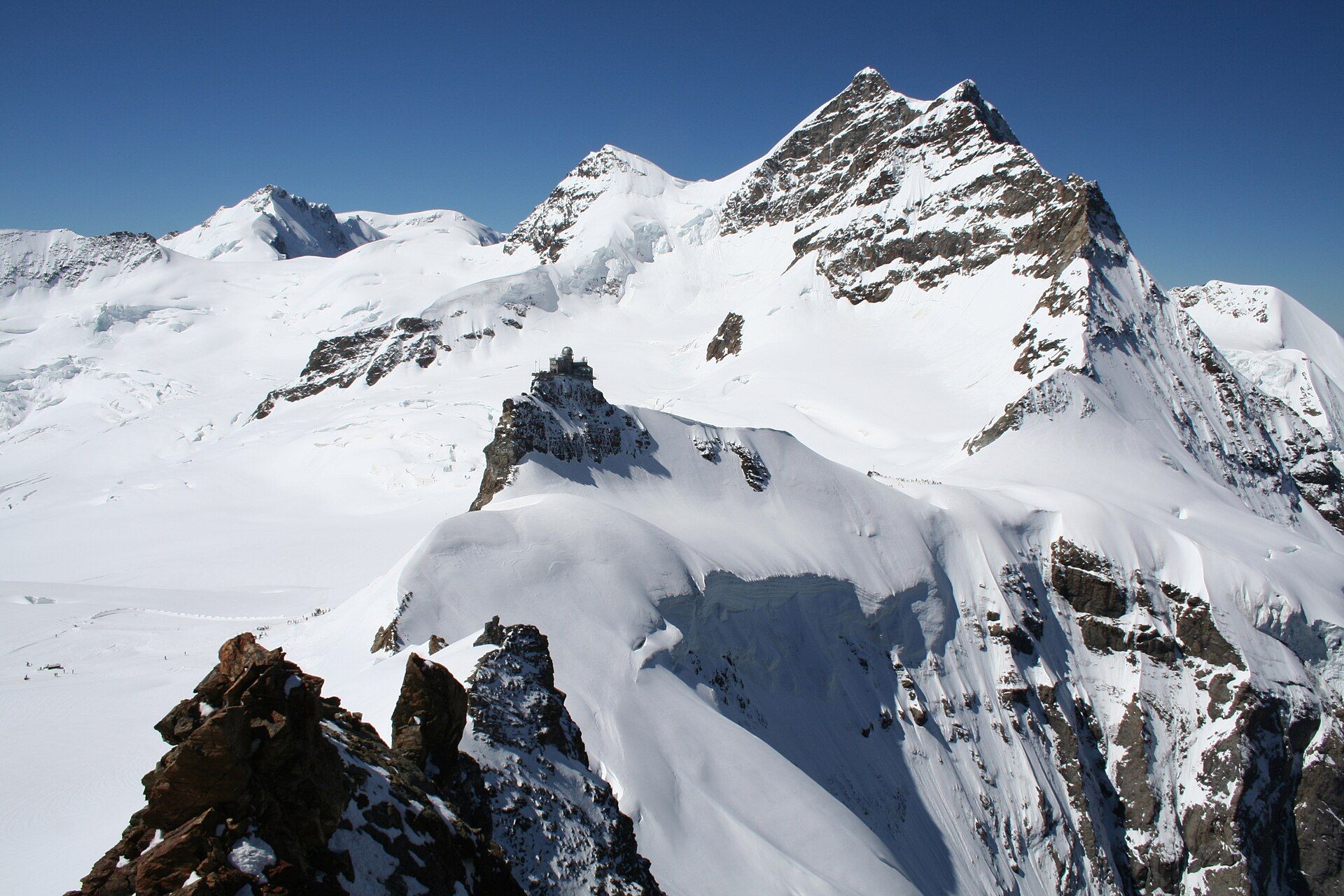
- Iconic peaks: the Matterhorn, Eiger, and Jungfrau
- Unmatched trains and lifts to high viewpoints
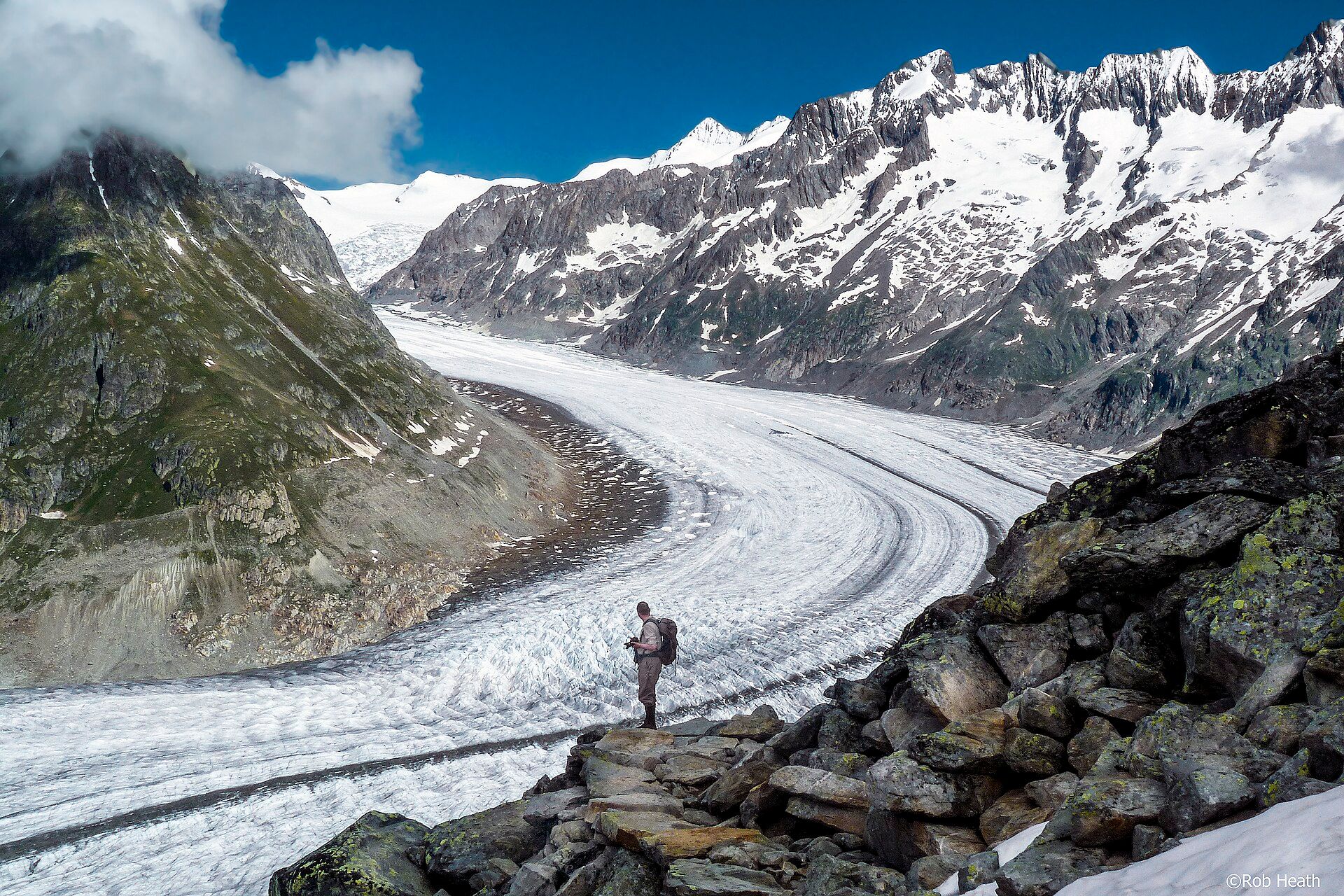
- Glaciers, alpine lakes, and postcard valleys
Head to head
| What matters | Norway | Switzerland |
|---|---|---|
| Signature landscape Edge: Toss-up | Fjords — sheer walls dropping into deep seawater, hung with waterfalls. | High Alps — a dense cluster of glaciated pyramids and turquoise lakes. |
| Coast & water Edge: Norway | A defining feature — endless fjords, islands, and open sea. | Landlocked; lakes are lovely but there's no coastline. |
| Access to the high mountains Edge: Switzerland | Mostly on foot — big hikes reach the best views. | The world's best — cog railways and cable cars to 3,000 m+ for everyone. |
| Hiking Edge: Toss-up | World-class and wild: Preikestolen, Trolltunga, Kjerag. | World-class and civilised: endless marked trails between mountain huts. |
| Glaciers Edge: Toss-up | Jostedalsbreen, mainland Europe's largest ice cap. | The Aletsch, the largest glacier in the Alps. |
| Ease & efficiency Edge: Switzerland | Ferries and distances slow you down; the north needs a flight. | Famously seamless — trains link everything, on time. |
| Northern Lights Edge: Norway | Yes, in the Arctic north. | No — too far south. |
| Lakes Edge: Switzerland | Fjords steal the show; the inland lakes are secondary. | A highlight — Lake Lucerne and turquoise alpine lakes like Oeschinensee. |
| Waterfalls Edge: Norway | Everywhere in early summer — Vøringsfossen and fjord-side falls like the Seven Sisters. | Lauterbrunnen's valley of falls and the broad Rhine Falls. |
| Best months Edge: Toss-up | Roughly May to September for fjords and hikes; the big clifftop hikes are usually done June to September, and Lofoten is at its best June to August. | Roughly May to October in the valleys and lakes; the high Alps and glacier viewpoints are best June to September, the Matterhorn trails July to September. |
| Winter trip Edge: Toss-up | Dark, snowy and Arctic — the season for the Northern Lights. | Classic ski season, with the trains and lifts still running to snowy viewpoints. |
Which should you choose?
Choose Norway if…
…you're drawn to fjords, coast, and Arctic drama, love self-powered clifftop hikes, and want wilder, emptier scenery — with the bonus of the midnight sun or the Northern Lights.
Choose Switzerland if…
…you want the high Alps made easy, prefer trains and cable cars to long approaches, are travelling with mixed abilities or family, or you want maximum mountain scenery with minimum logistics.
The honest verdict
This is fjords versus the Alps, and both are Europe at its most spectacular — so the tiebreaker is how you like to travel.
Choose Norway for coastline, wildness, and epic hikes you earn on foot. Choose Switzerland for the most effortless access to high mountains on the planet, and flawless logistics. Both are pricey; Switzerland is the smoother trip, Norway the more elemental one.
Wonders mentioned here
Added Updated