The world's great forests, and what each one does
We tend to lump the world’s forests together, but they are wildly different places doing wildly different jobs. Understanding what distinguishes them makes visiting any of them far more rewarding.
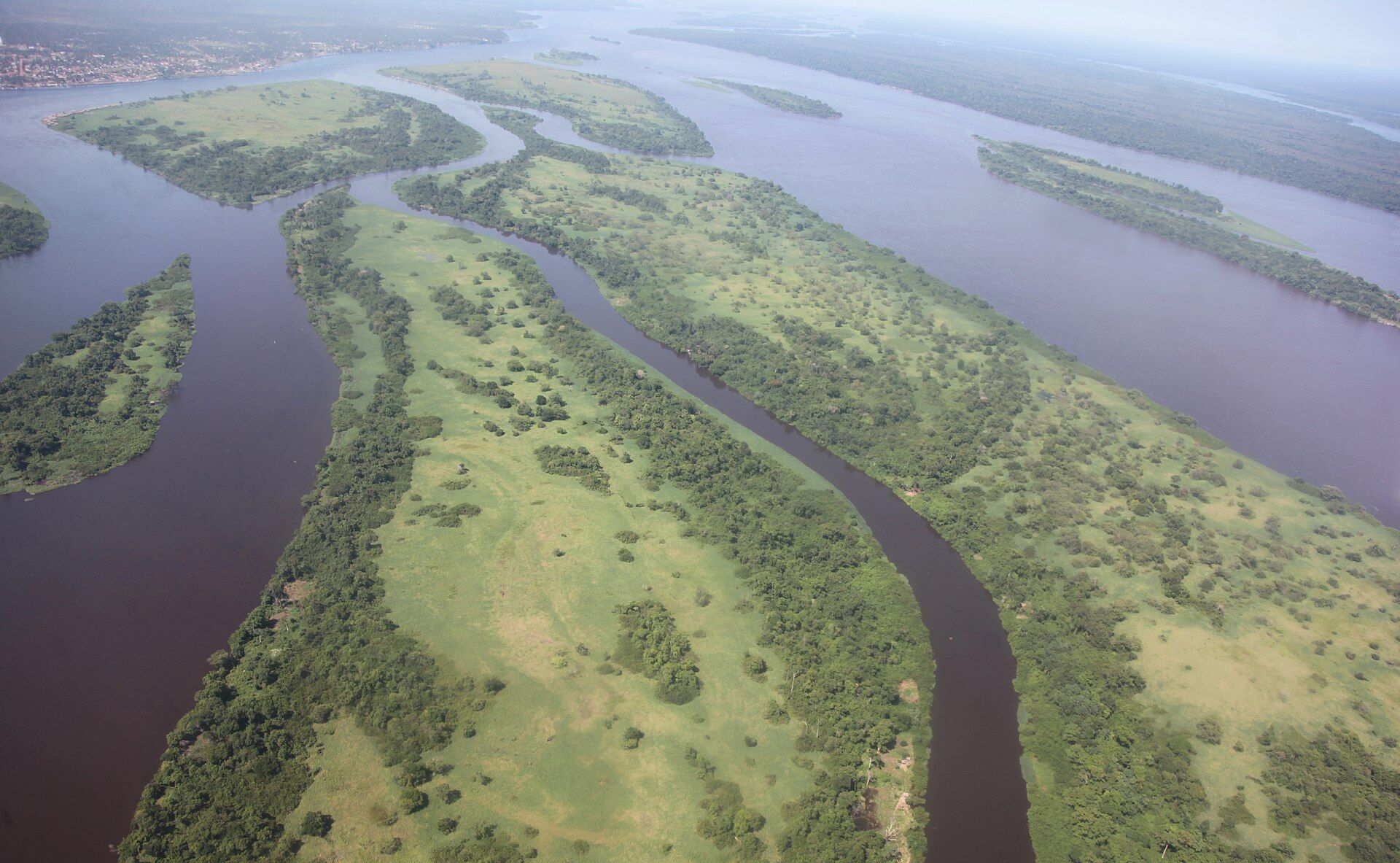
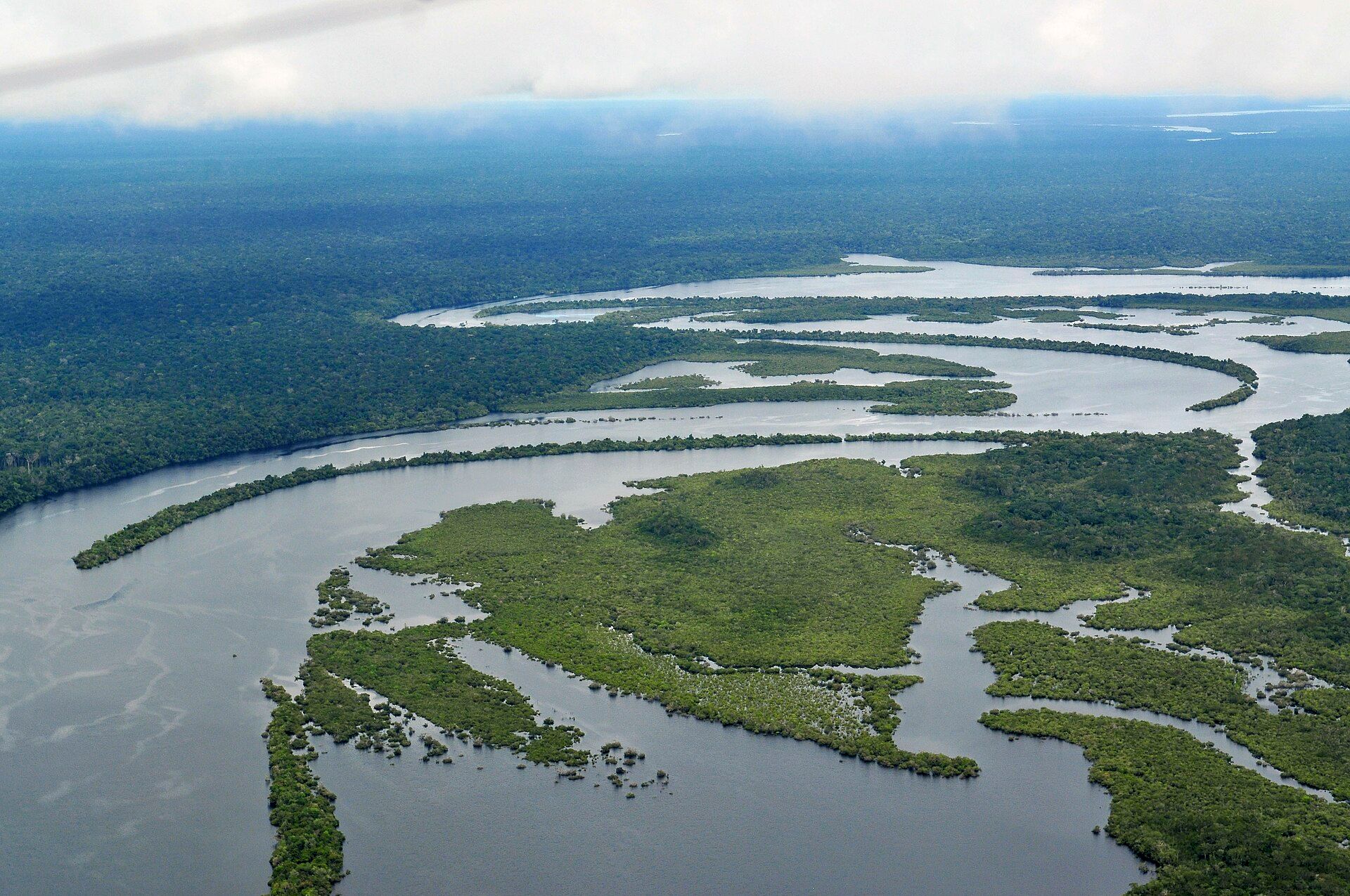
The tropical giants come first by sheer scale. The Amazon is the largest, and its role in generating its own rainfall — moisture recycled again and again across the basin — makes it a continental weather system as much as a forest. The Congo Basin, second in size, does something subtly different and arguably more valuable right now: it is generally reckoned the largest remaining net carbon sink among tropical forests, absorbing more carbon than it emits, helped by peatlands holding carbon locked away for millennia.
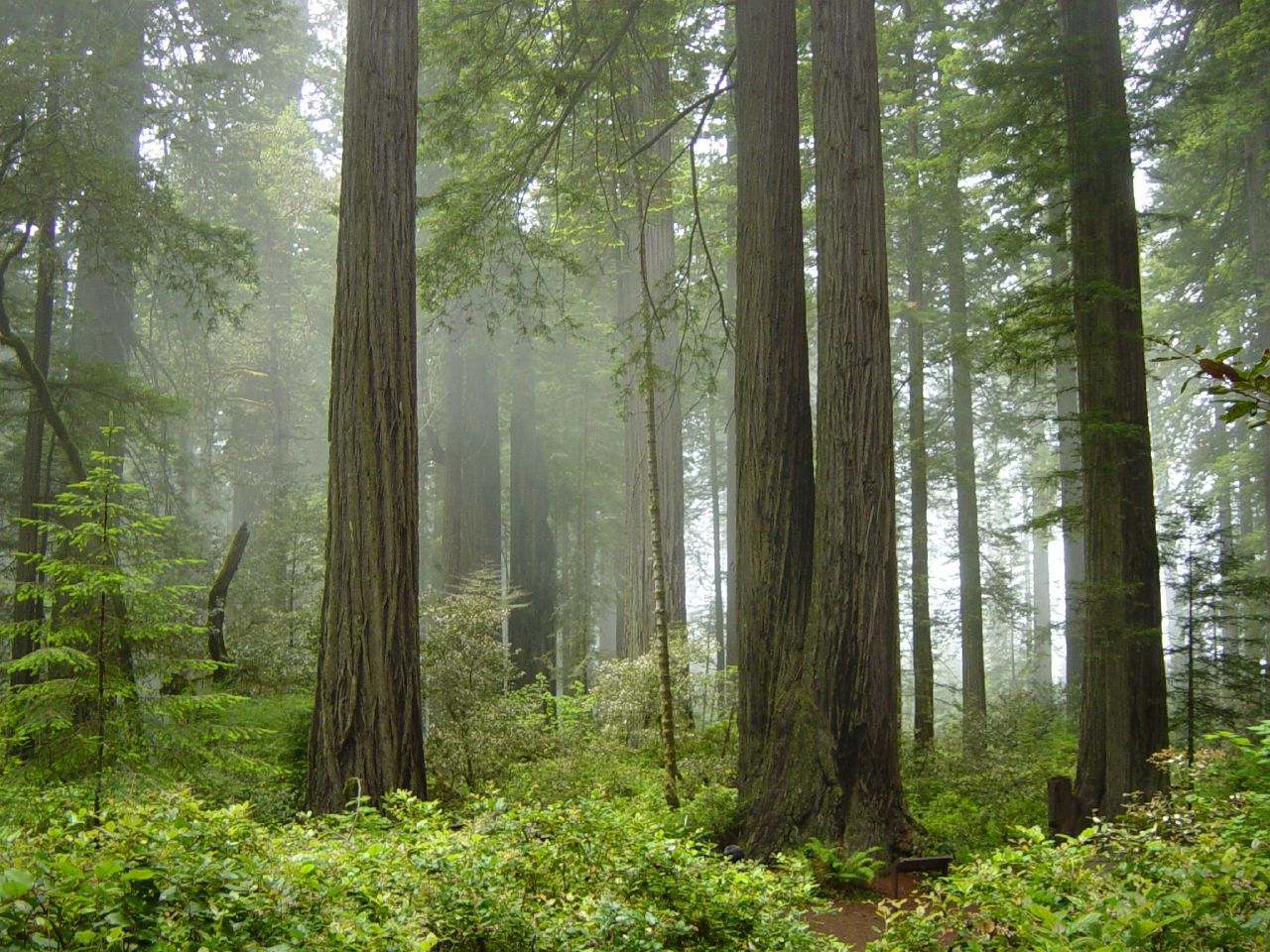
Temperate rainforests work on another principle entirely — not heat, but fog and rain. The redwood forests of California grow the tallest trees on Earth because summer fog drips moisture into the canopy through the dry months, while Washington’s Olympic valleys take up to four metres of rain a year. Scale here is vertical, not horizontal.
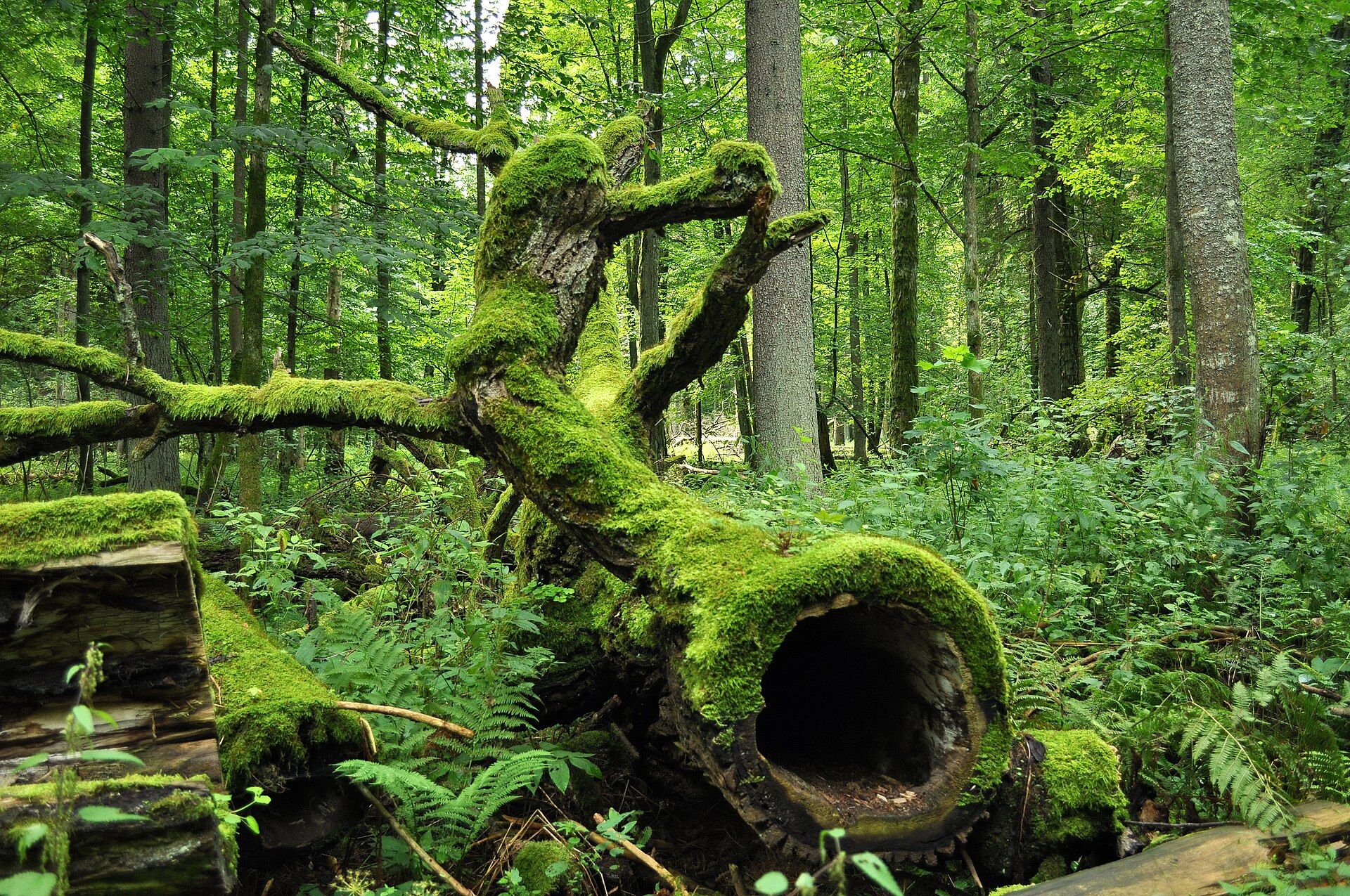
Then there are the forests that matter because of what has been left alone. Białowieża on the Polish–Belarusian border is Europe’s last great primeval lowland forest, and its value lies in its mess: enormous fallen trunks left where they drop, sustaining thousands of species of fungi, insects, and woodpeckers that a tidy managed plantation simply cannot support. It is the clearest demonstration anywhere that a forest is not the same thing as a lot of trees.
Which is the real lesson. Age, structure, deadwood, and continuity matter as much as area. A replanted stand and an old-growth wood can look superficially alike and function nothing alike — and that gap is exactly what the world’s great remaining forests still hold.
Wonders in this article