Head to head · tallest vs largest
Redwoods vs Giant Sequoias: The Tallest Tree and the Largest Tree Are Not the Same
These two get conflated more than almost any pair in nature, and the mix-up has a practical cost: they grow in different places, hours apart, so booking the wrong park means not seeing the record you came for.
Coast redwood holds the height record. Giant sequoia holds the volume record. Neither holds both, and no single grove has them together. Here is how they actually differ, and how to choose.
Coast Redwoods
The tallest living things on Earth
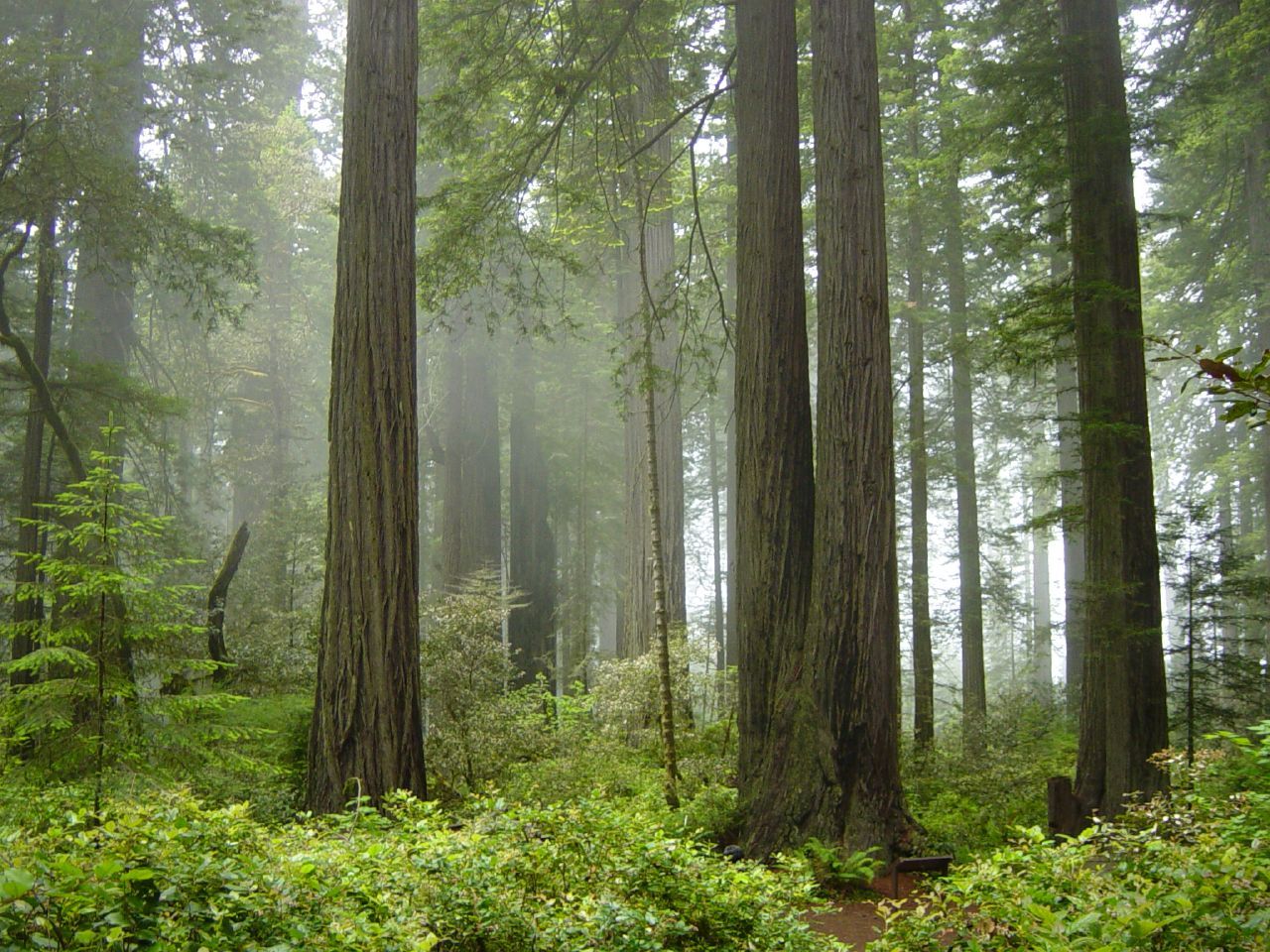
Sequoia sempervirens grows in a narrow band along the northern California coast, where summer fog condenses in the canopy and drips moisture through the rainless months. The tallest known individual, Hyperion, exceeds 115 metres — taller than a 35-storey building. They are comparatively slender trees; their record is entirely about height, and the groves feel like tall, dim, fern-floored corridors.
- The tallest trees on Earth, past 115 m
- Atmospheric coastal fog forest with dense fern understorey
- Cool, damp and green year-round
- Close to the Pacific coast for a wider road trip
Giant Sequoias
The largest trees on Earth by volume
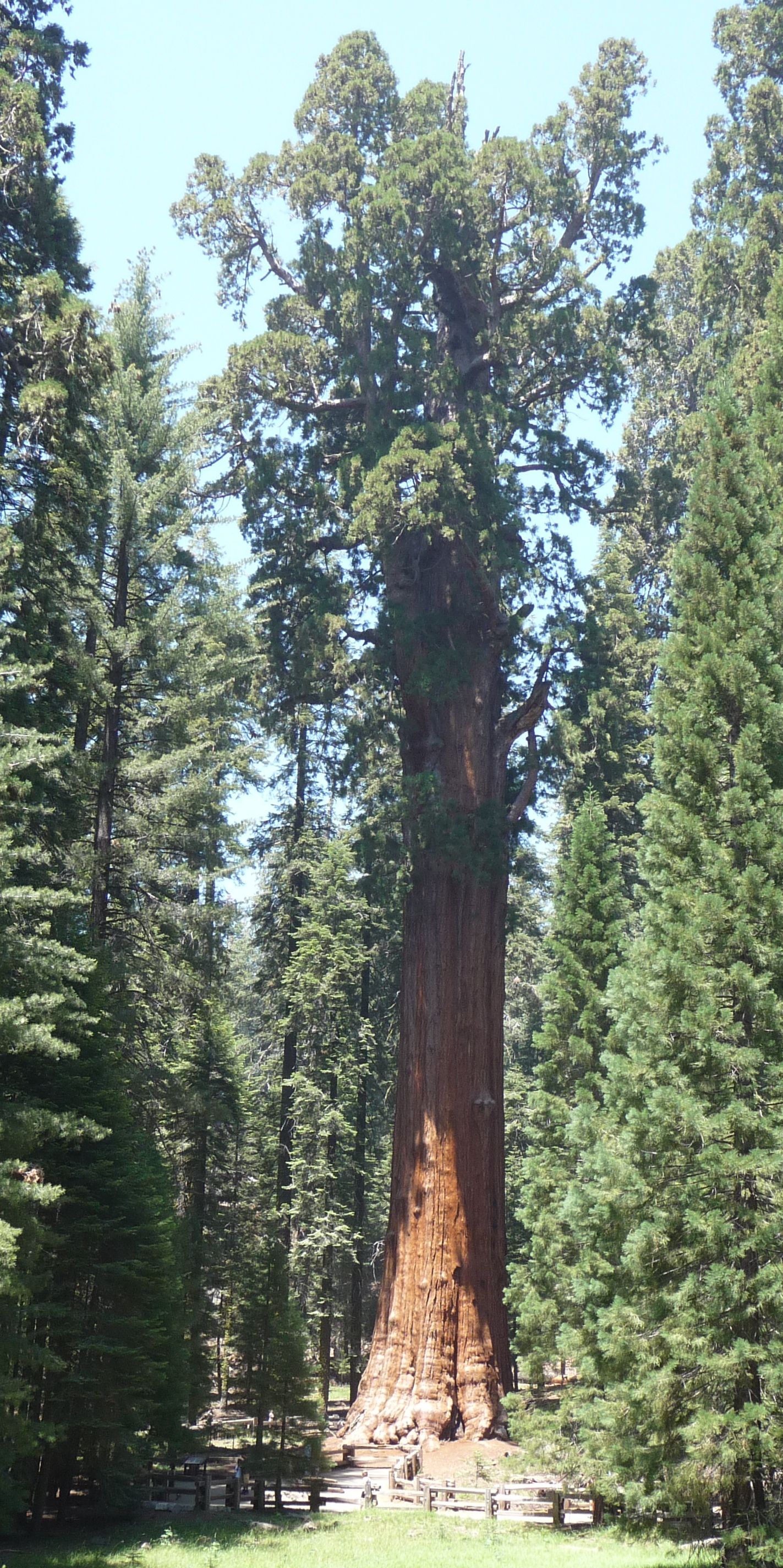
Sequoiadendron giganteum grows inland, on the western slope of the Sierra Nevada at altitude, in a scattering of isolated groves. They are shorter — General Sherman, the largest, is only about 84 metres — but massively thicker, with cinnamon-coloured trunks so broad that no single-stem tree on the planet matches their volume. Their groves are sunnier, drier and more open than the coastal forests.
- The largest trees on Earth by wood volume
- Enormous trunk girth and vivid cinnamon bark
- Higher, drier, more open mountain groves
- Snow on the ground in winter, which is a spectacular contrast
Head to head
| What matters | Coast Redwoods | Giant Sequoias |
|---|---|---|
| The record held Edge: Toss-up | Tallest — the height record, and no sequoia comes close. | Largest — the volume record, and no redwood comes close. |
| Where they grow Edge: Toss-up | A narrow fog belt on the northern California coast. | Inland groves on the western Sierra Nevada, at altitude. |
| What the forest feels like Edge: Toss-up | Dim, damp and vertical — ferns, mist and trunks vanishing overhead. | Open, sunny and monumental — fewer trees, each one enormous. |
| Best season Edge: Coast Redwoods | Reliable year-round; summer fog is the point, not a problem. | Late spring to autumn for easy access; winter is beautiful but roads can close with snow. |
| Combining with other stops Edge: Giant Sequoias | Pairs naturally with the northern California coast. | Pairs naturally with Yosemite and the wider Sierra. |
| Ease of a short visit Edge: Coast Redwoods | Groves sit close to the highway; you can see giants within minutes of parking. | Longer drive up into the mountains, but the marquee trees are near the road once there. |
Which should you choose?
Choose Coast Redwoods if…
Anyone whose goal is the tallest trees on Earth, or who wants the atmospheric fog-forest experience and a coastal route.
Choose Giant Sequoias if…
Anyone whose goal is sheer bulk — standing at the foot of the largest living thing by volume — and who is already heading for Yosemite or the Sierra.
The honest verdict
There is no winner, because they hold different records. The mistake is assuming one place gives you both.
If you only have one stop and want the superlative that reads most dramatically in person, the giant sequoias arguably win — height is hard to perceive from below, whereas a trunk you cannot see around registers immediately.
They are roughly a full day's drive apart. Treat them as two separate trips rather than a detour off one another.
Wonders mentioned here
Added