Superlative · sea cliffs
The Most Beautiful Sea Cliffs in the World
11 places · every one real, mapped, and worth the trip
The coast is where rock meets the full force of the sea, and the sea keeps cutting: at Étretat and on the Twelve Apostles' coast it has carved arches and free-standing stacks; on Rügen the chalk erodes fast enough to change within a lifetime; and on Sweden's High Coast the land is still rising out of the water.
This is our editors' pick of eleven sea-cliff landscapes in the atlas, unranked. One warning applies to almost all of them: much of the edge is unfenced, chalk and wet ground give way, and paths close after collapses — stay behind barriers and on the path.
-
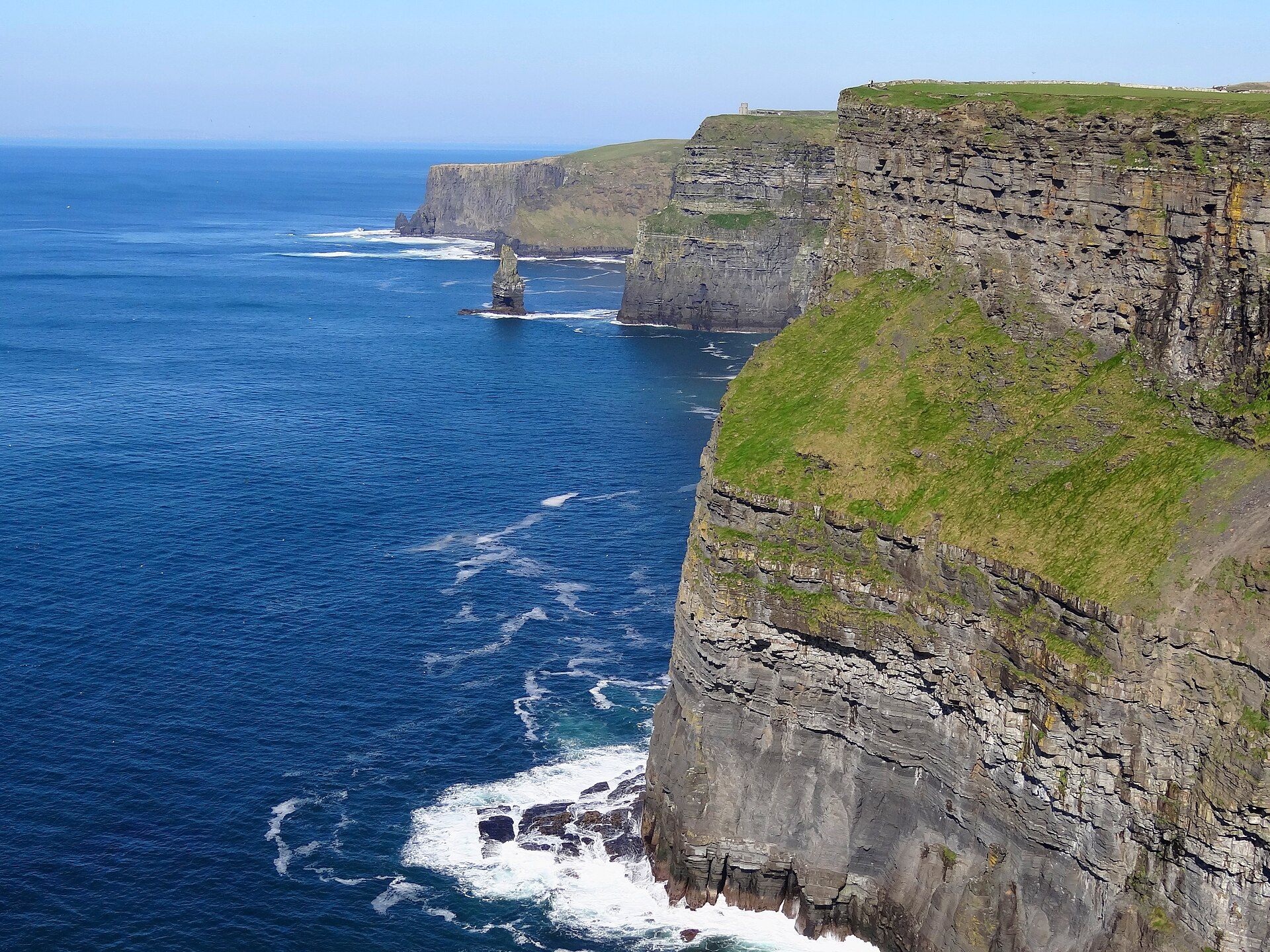
Cliffs of Moher Up to 214 m above the Atlantic
County Clare, western Ireland
A wall of sheer cliffs in County Clare rising up to 214 metres from the Atlantic, alive with seabirds — puffins are usually present spring to midsummer. April–September for milder weather. The visitor centre gives railed viewpoints and O'Brien's Tower; beyond it the cliff-top trail runs for miles toward Hag's Head and Doolin with long unfenced stretches.
-
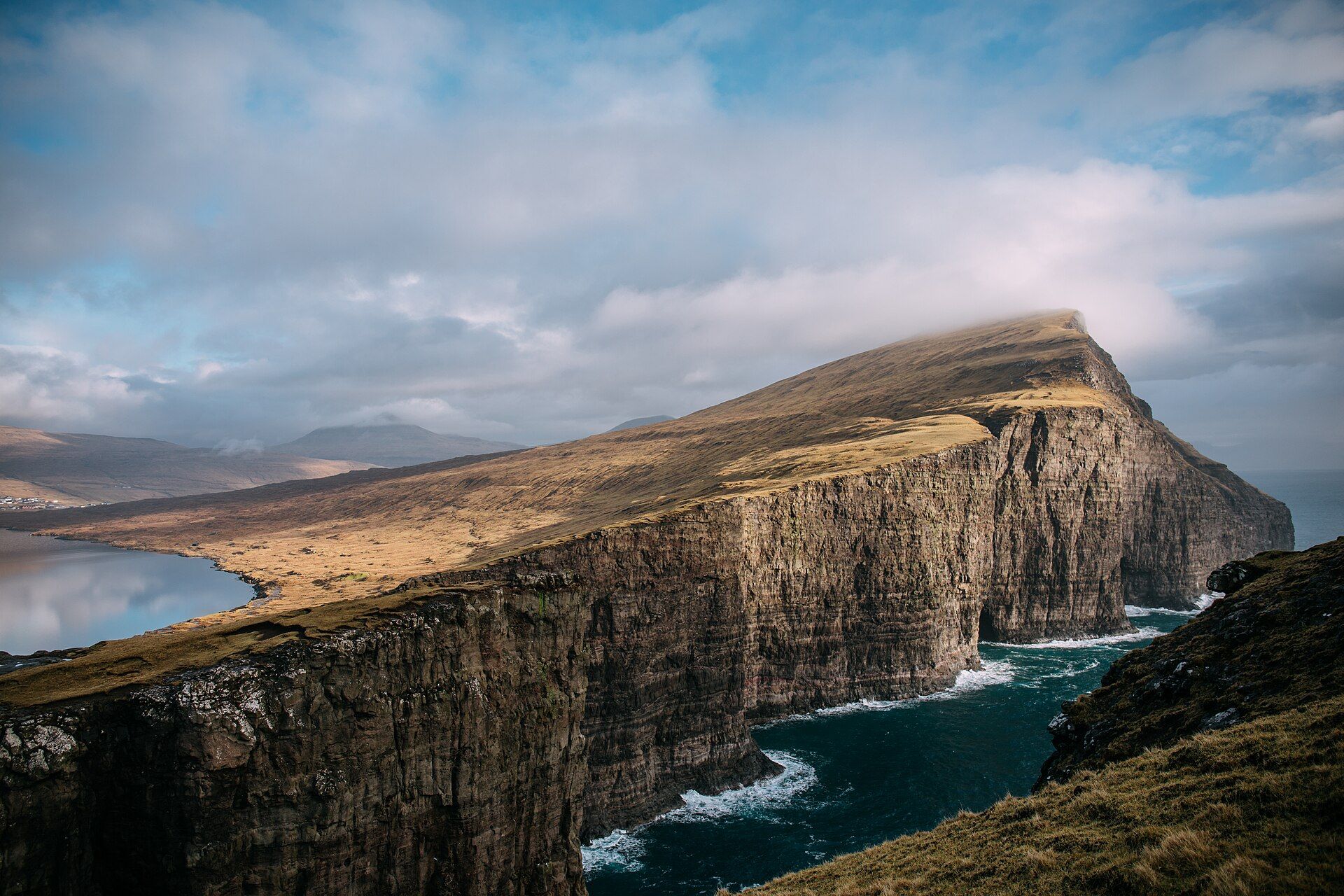
Faroe Islands Basalt walls hundreds of metres high
North Atlantic (between Iceland and Norway)
Eighteen steep, treeless islands where layered basalt cliffs plunge hundreds of metres into the North Atlantic, with Sørvágsvatn appearing to hang above the sea and the Drangarnir stacks offshore. May–August for puffins and the mildest weather. Most land is privately owned, and walks such as Kallur lighthouse, Sørvágsvatn and Drangarnir charge a fee or require a guide.
-
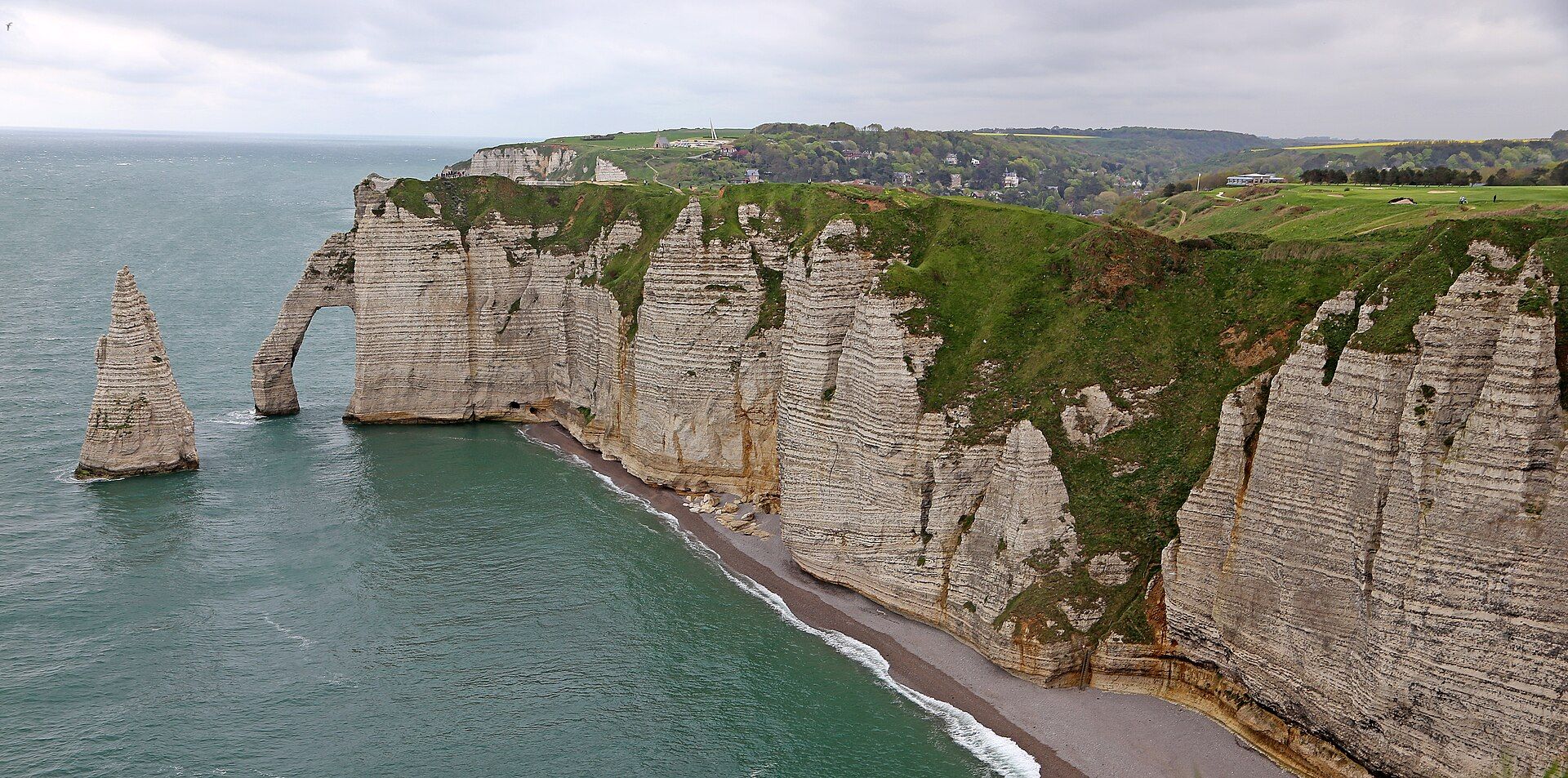
Étretat Cliffs Chalk arches about 90 m high
Étretat, Seine-Maritime, Normandy, France
White chalk cliffs up to about 90 metres on the Normandy coast, carved into three arches — the Porte d'Aval, the Porte d'Amont and the Manneporte — and the Aiguille needle. Late spring to early autumn. Clifftop paths are free, but much of the edge is unfenced and the chalk erodes; beach walks toward the arches depend on the tide. From Le Havre.
-
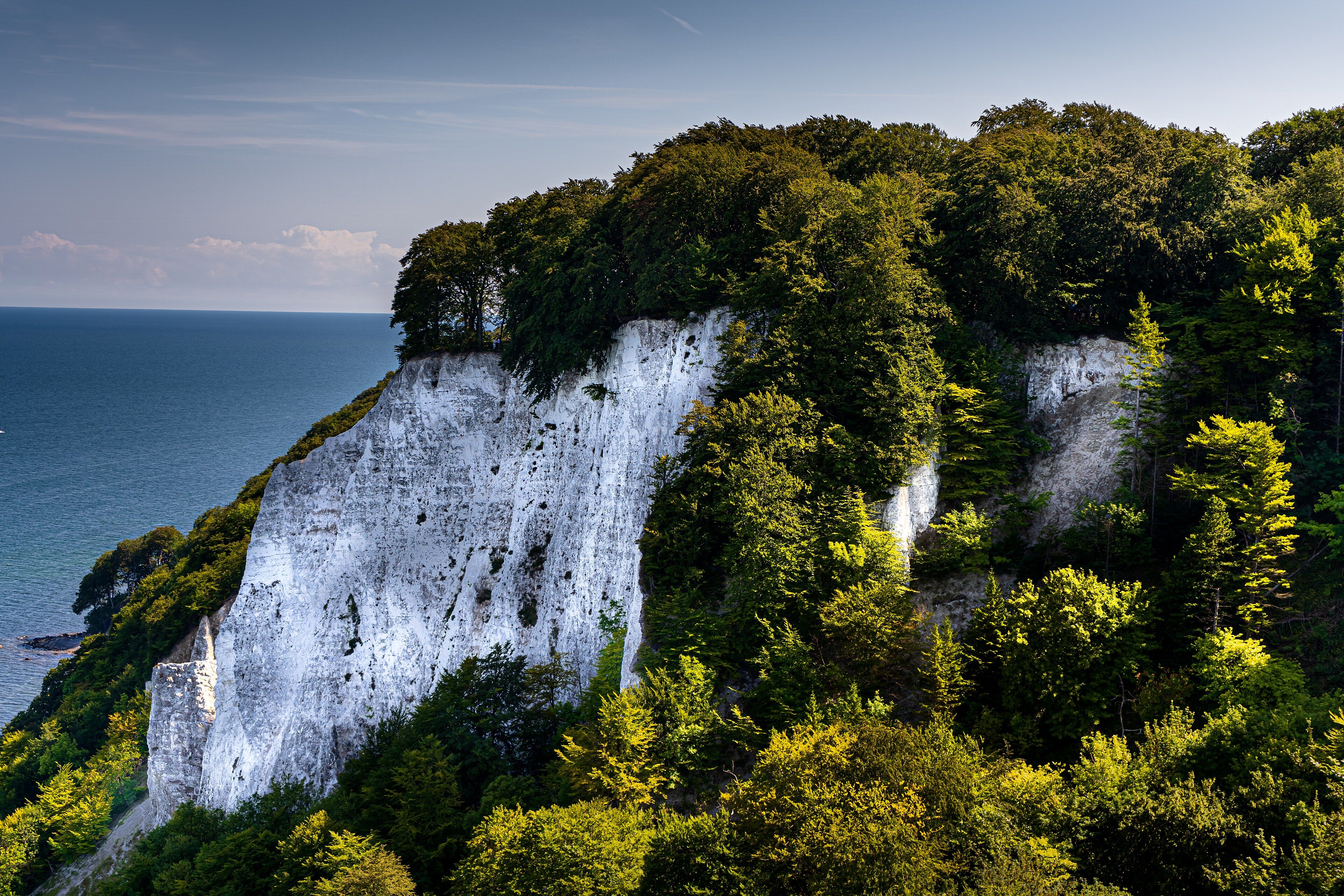
Jasmund Chalk Cliffs Germany's largest chalk cliffs
Jasmund National Park, Rügen, Mecklenburg-Vorpommern, Germany
White chalk dropping into the Baltic on Rügen, topped by beech forest and eroding fast enough to change within a lifetime. May–September, or autumn for colour and fewer people. The Königsstuhl platform is ticketed and crowded in July and August; the cliff-top and forest trails are free, and sections close without notice after collapses.
-
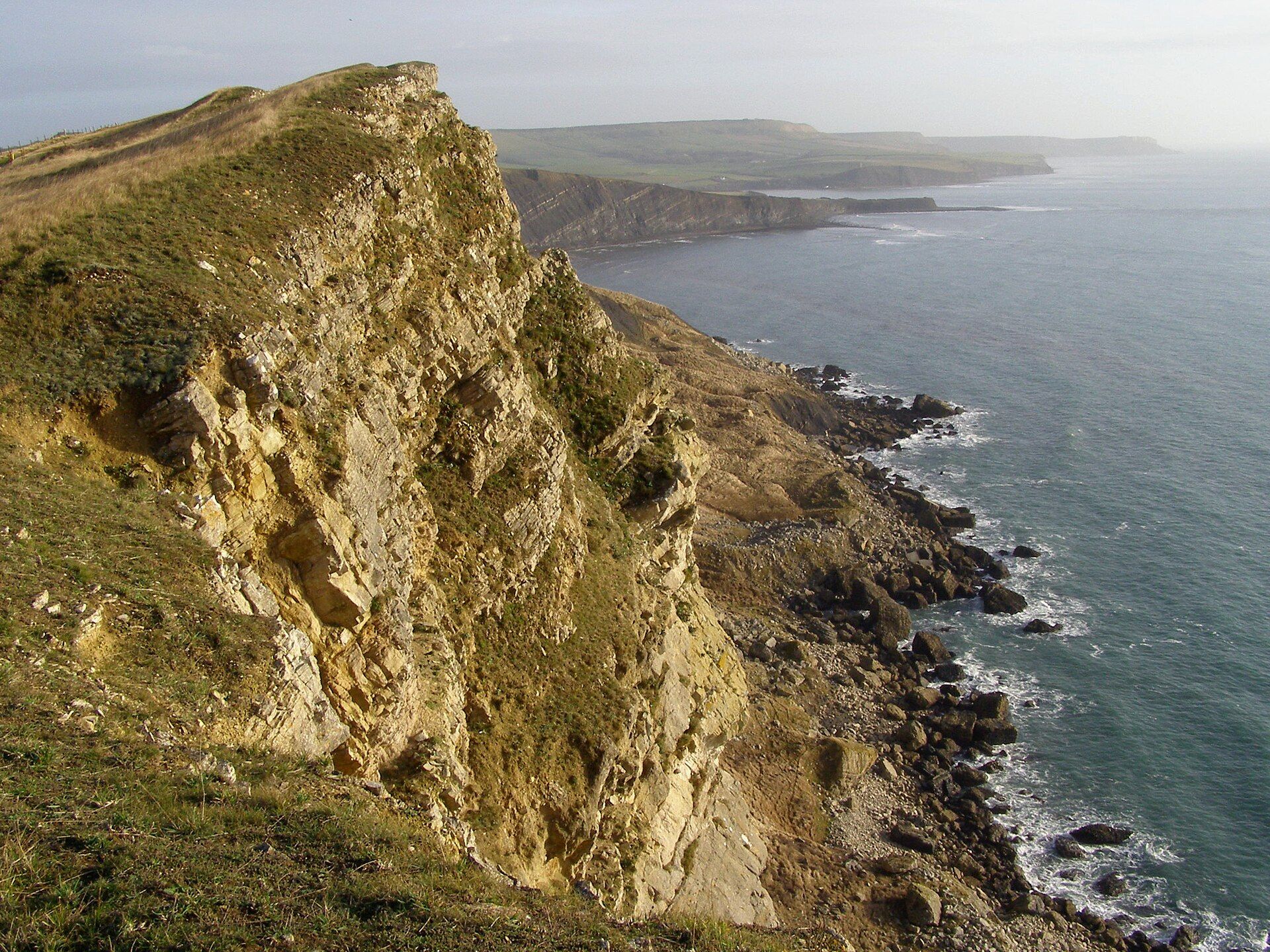
The Jurassic Coast 95 miles of cliffs and fossils
Dorset and East Devon, South West England, United Kingdom
A 95-mile (154 km) run of cliffs whose tilted strata lay out the Triassic, Jurassic and Cretaceous in order — England's only natural World Heritage Site. May–September for safe cliff walking; winter storms expose the best fossils but make the cliffs hazardous. Free and open, with the South West Coast Path along its length.
-
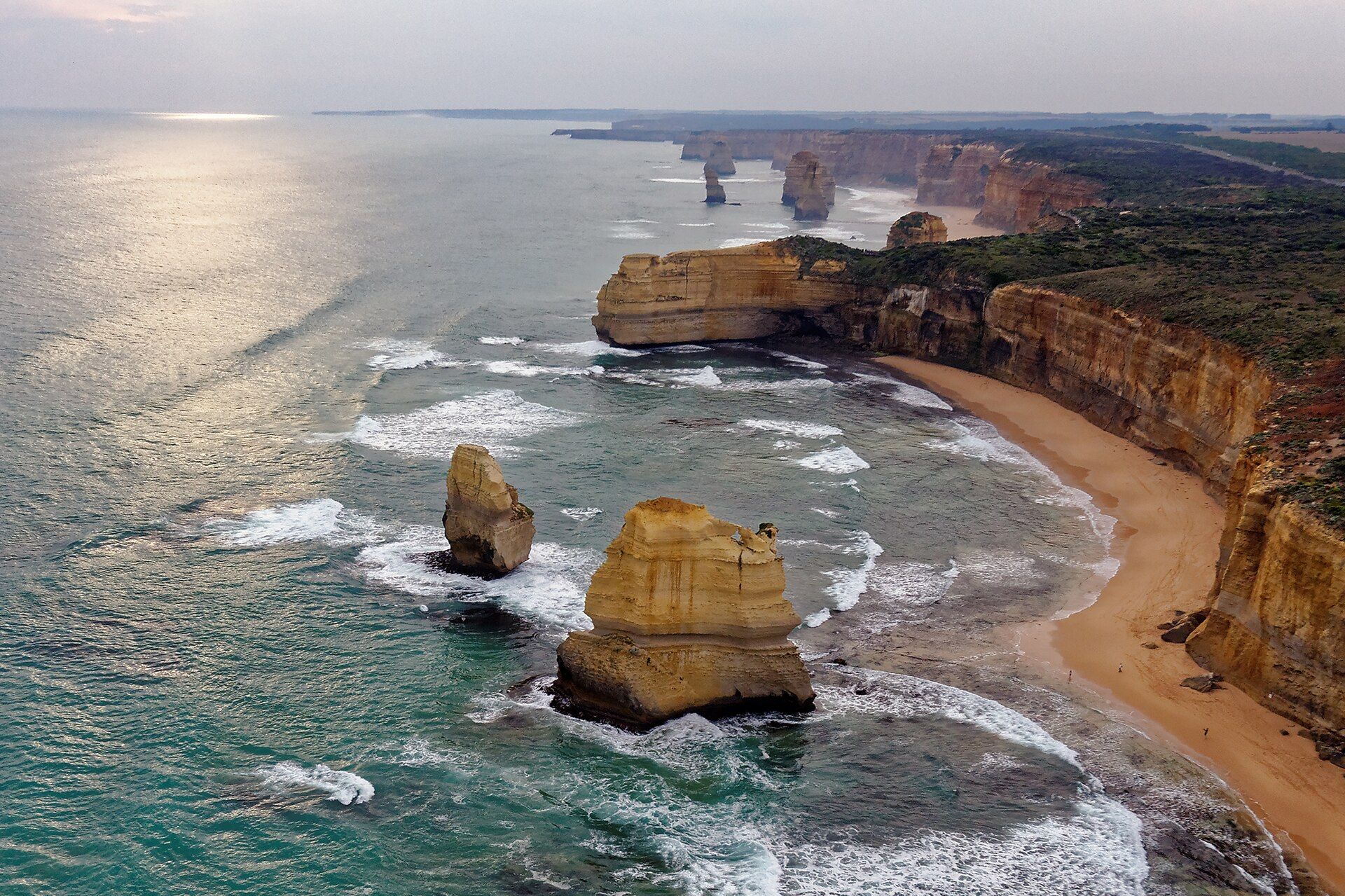
The Twelve Apostles Limestone stacks up to 45 m
Great Ocean Road, Victoria, Australia
Free-standing limestone pillars up to 45 metres tall, cut from the mainland cliffs by the Southern Ocean swell. Year-round, best at sunrise and sunset. Viewed free from clifftop boardwalks; the Gibson Steps drop to the beach beneath the cliffs, but that access depends on the tide. A few hours' drive southwest of Melbourne on the Great Ocean Road.
-
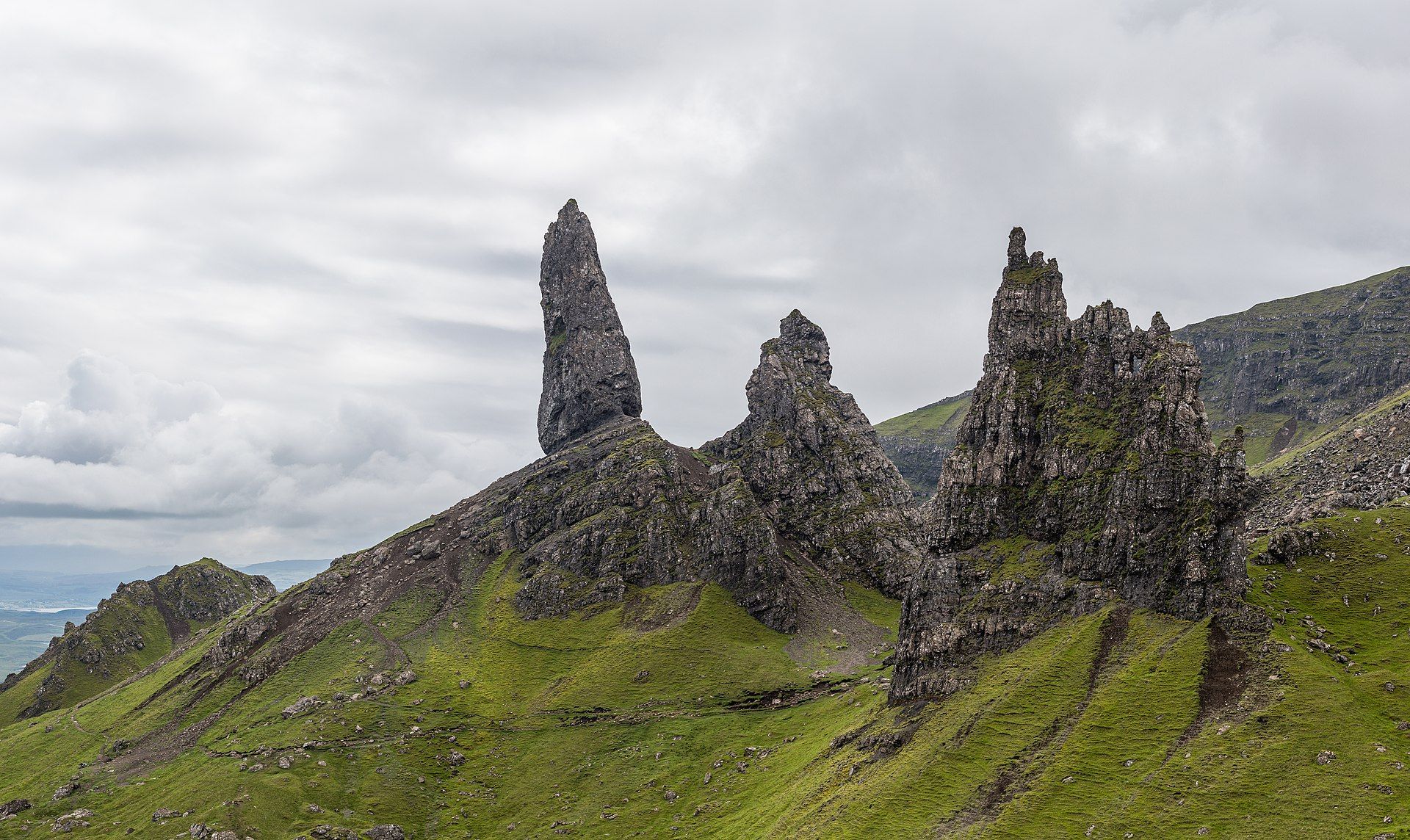
Isle of Skye Kilt Rock's basalt and waterfall
Inner Hebrides, Scotland
Sea cliffs, skerries and hidden bays around the Cuillin, with the basalt columns and waterfall of Kilt Rock plunging straight into the sea, and the Quiraing and Old Man of Storr above. May–September, with rain, wind and summer midges. Open access under Scottish access rights; car parks at the honeypots are charged.
-
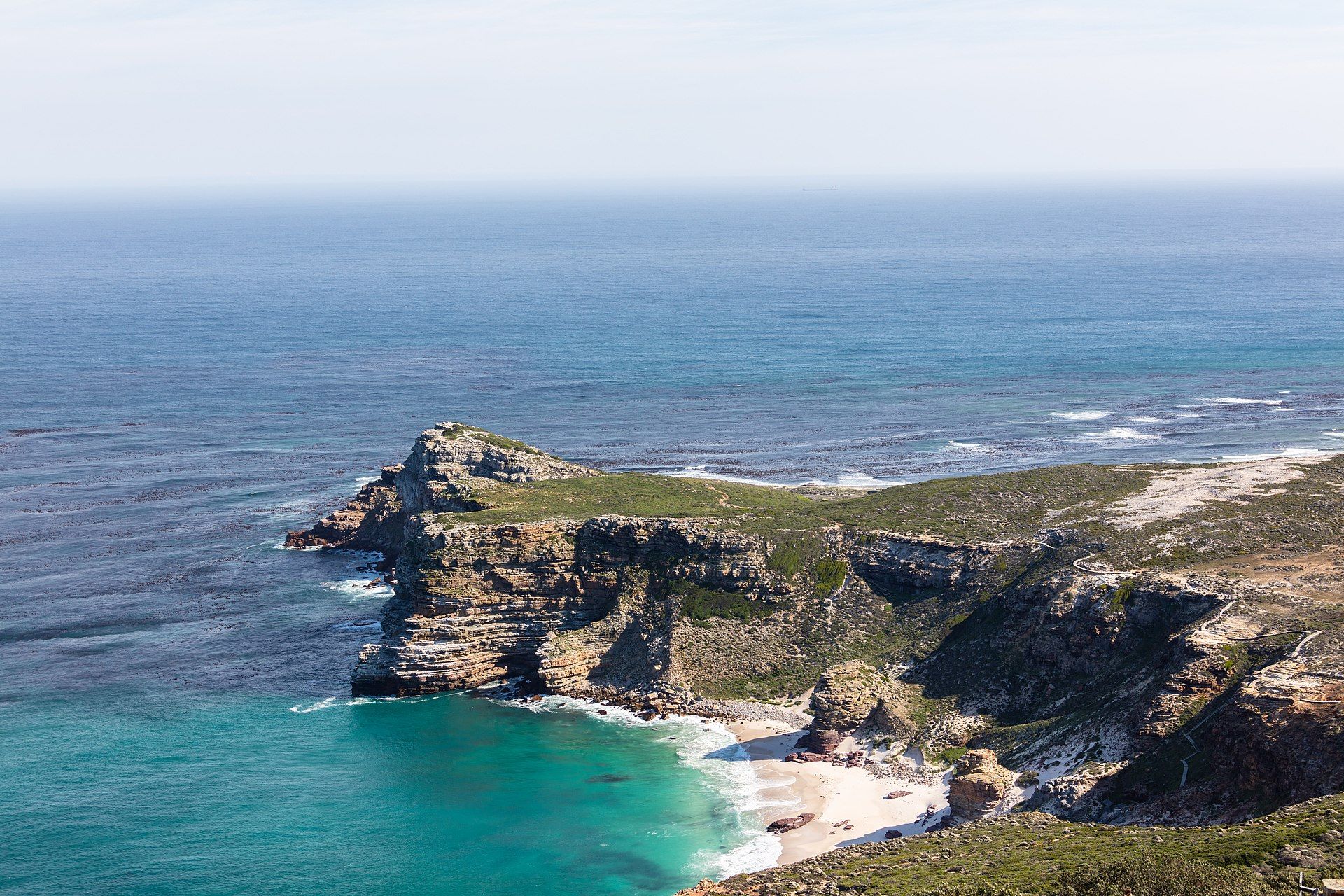
Cape of Good Hope Cape Point's cliffs
Cape Peninsula, Western Cape, South Africa
At Cape Point the cliffs fall sheer to a sea that has wrecked countless ships, at the wind-blasted tip of the Cape Peninsula. Spring (September–November) for wildflowers and calmer winds; whales pass offshore roughly June–November. A conservation fee at the gate; the funicular is optional. Busy midday with tour buses — go early or late.
-
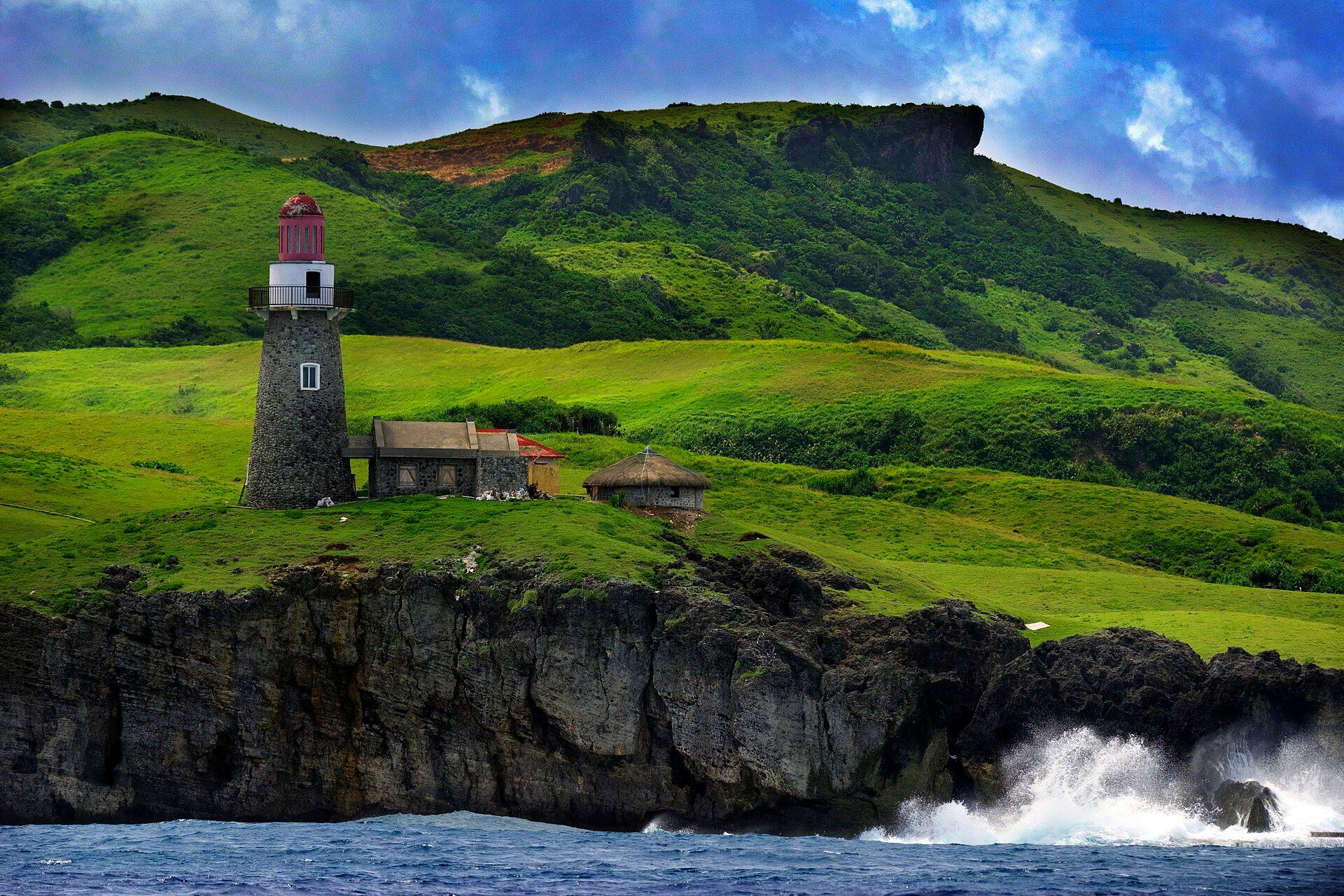
Batanes Green hills to the cliff edge
Batanes, northernmost Philippines
The Philippines' northernmost islands, where treeless hills roll to high sea cliffs above a wild sea, with lighthouses on the headlands and typhoon-proof stone villages. March to June, before typhoon season. Register with the tourism office in Basco; flights depend on the weather.
-
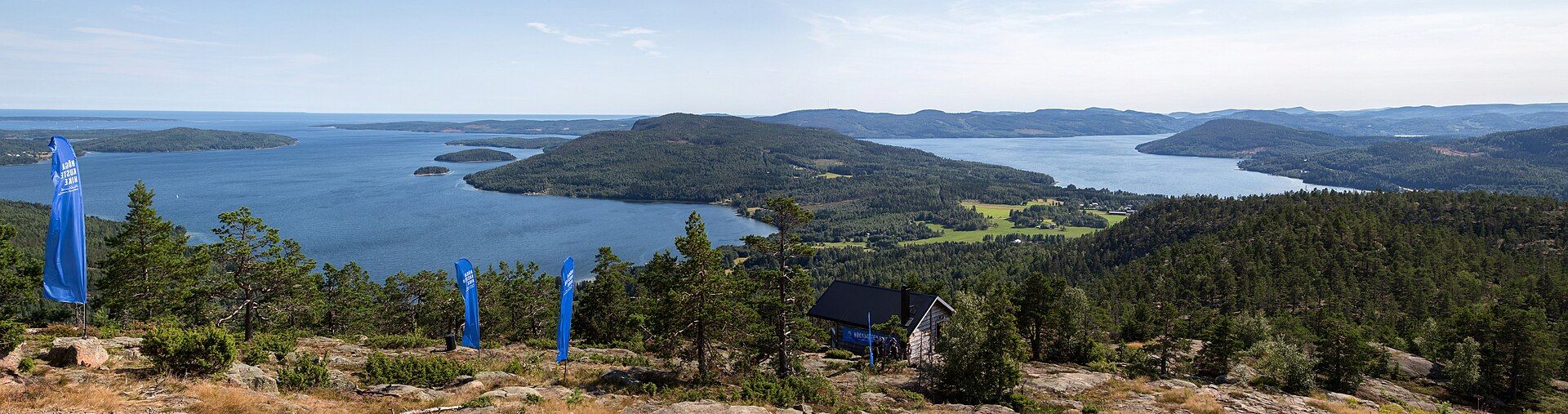
The High Coast Red granite, still rising
Gulf of Bothnia, northeastern Sweden
Red-granite cliffs, forested hills and an archipelago on the Gulf of Bothnia, where the land has risen around 800 metres since the ice retreated — more than anywhere else measured on Earth. May–September; the national park is free, island boats are seasonal and ticketed.
-
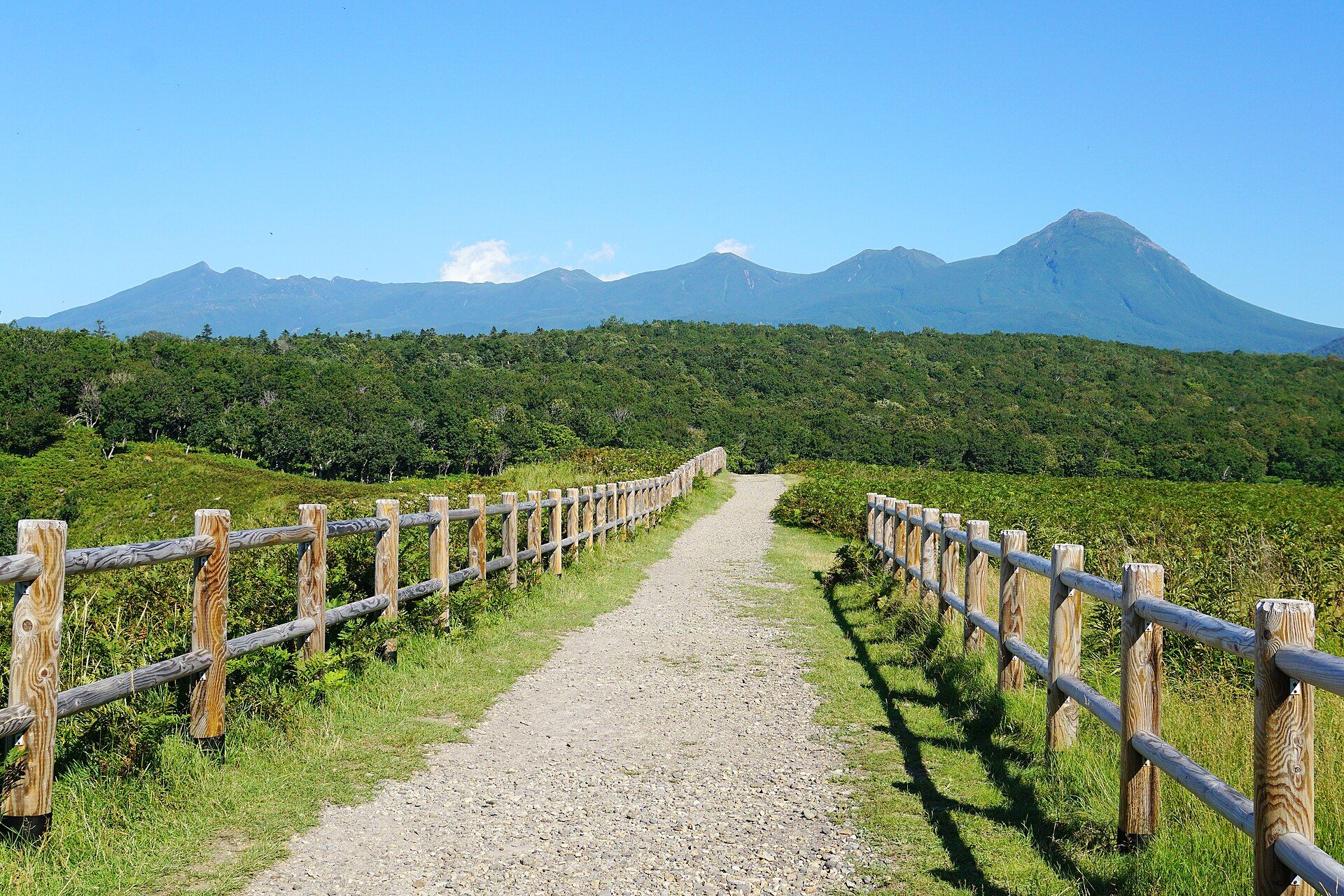
Shiretoko Bears beneath the cliffs
Hokkaido, northern Japan
Cruise boats from Utoro run beneath sea cliffs where brown bears forage on the shore, on a wild peninsula where drift ice arrives each winter. Summer (roughly June–September) for cruises and hiking; February for drift ice and eagles. Serious bear country: the Five Lakes ground path needs a registered guide in the bear-active months.
Most of these are late-spring-to-early-autumn coasts — Moher, the Faroes, Étretat, Jasmund, the Jurassic Coast, Skye and the High Coast are at their best between May and September, with puffins on Moher and the Faroes in early summer. Batanes is the exception in the north: March to June, before the typhoons. The Twelve Apostles work year-round. Wherever you are, the cliff edge is the hazard: stay on the path and behind the barriers. For the pillars the sea leaves offshore, see the most beautiful sea stacks. For Europe's cliffs and rock formations, see the most beautiful rock formations in Europe.
Added Updated