Coasts · sea stacks
Where Are the World's Most Beautiful Sea Stacks? 10 Coasts of Rock Pillars
10 places · every one real, mapped, and worth the trip
Short answer: the Twelve Apostles on Australia's Great Ocean Road, limestone stacks seen from boardwalks and lookouts a few hours from Melbourne — there were never actually twelve, and one famous stack fell in 2005. For the most unusual visit, the Bay of Fundy's Hopewell Rocks let you walk on the ocean floor around 'flowerpot' stacks at low tide and watch the same spot drown hours later.
A sea stack is what is left when waves cut a headland back and leave a pillar of harder rock standing offshore. The list is unranked and runs from the famous lookouts to stacks you reach by ferry, kayak or boat. On wild Atlantic beaches the sea is the hazard, not the rock: at Reynisfjara, sneaker waves have killed visitors.
-
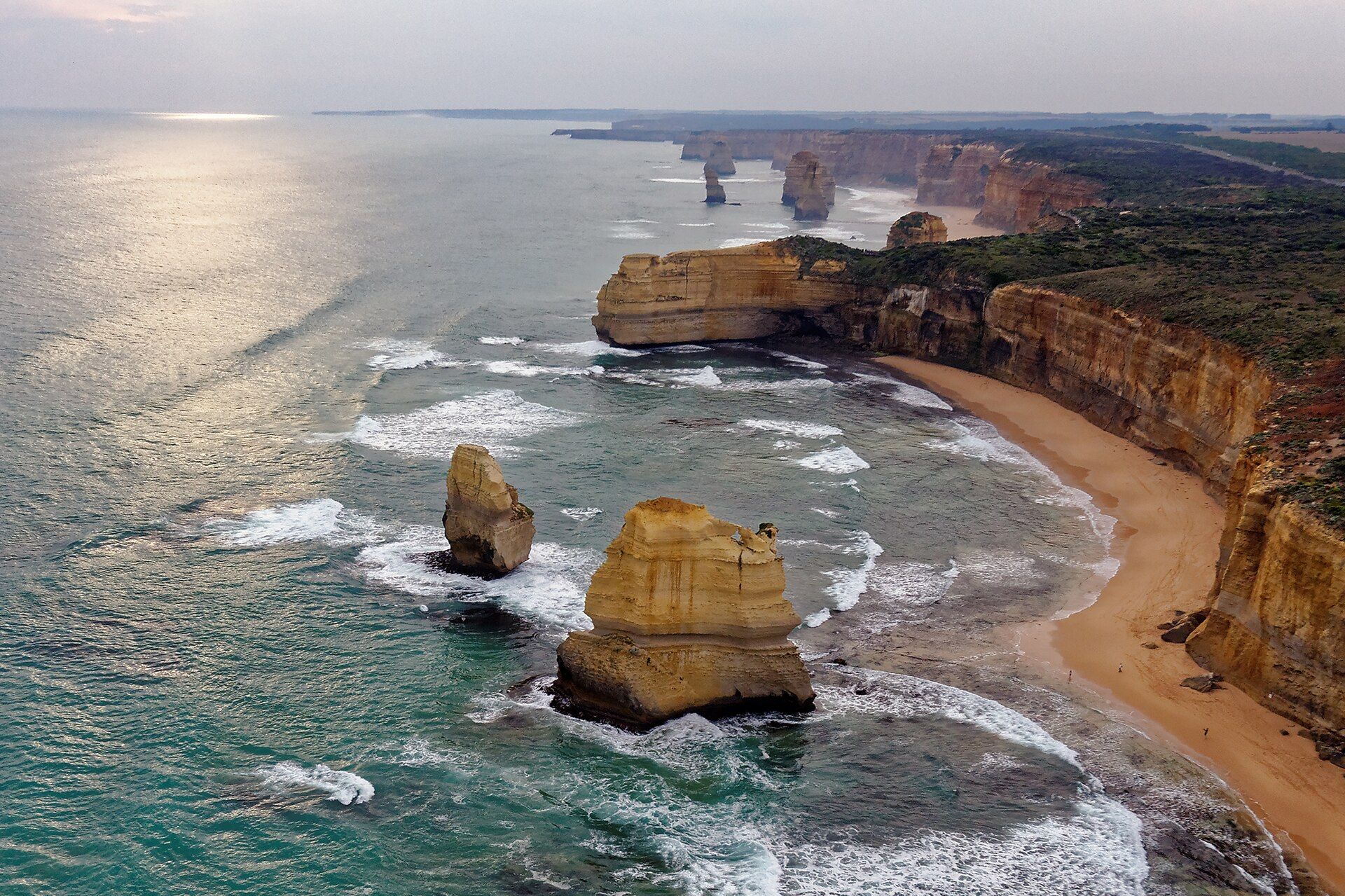
The Twelve Apostles The famous lookout
Great Ocean Road, Victoria, Australia
Limestone stacks rising from the Southern Ocean beside the Great Ocean Road in Victoria, a few hours' drive southwest of Melbourne, with a visitor centre, lookouts and boardwalks — and many more stacks, gorges and arches along the wider coast. It is erosion caught mid-act: stacks still collapse. Year-round; sunrise and sunset give the best light.
-
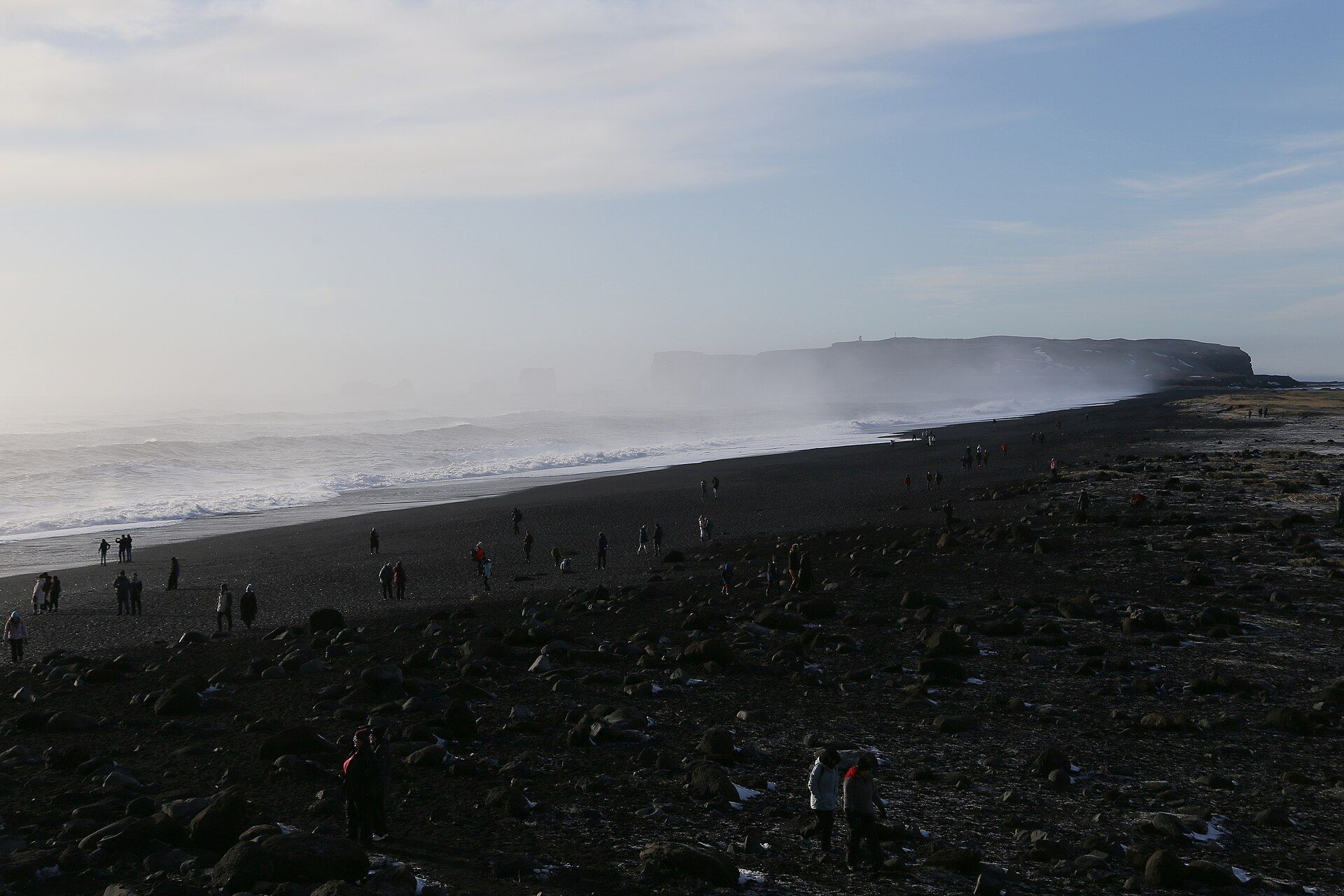
Reynisfjara Basalt and black sand
Near Vík í Mýrdal, South Iceland
The Reynisdrangar sea stacks stand off Iceland's black-sand beach beneath Gardar, a cliff of hexagonal basalt columns, a short flat walk from the car park west of Vík. Never turn your back on the sea: sneaker waves surge far up the sand without warning. Year-round; summer is calmest.
-
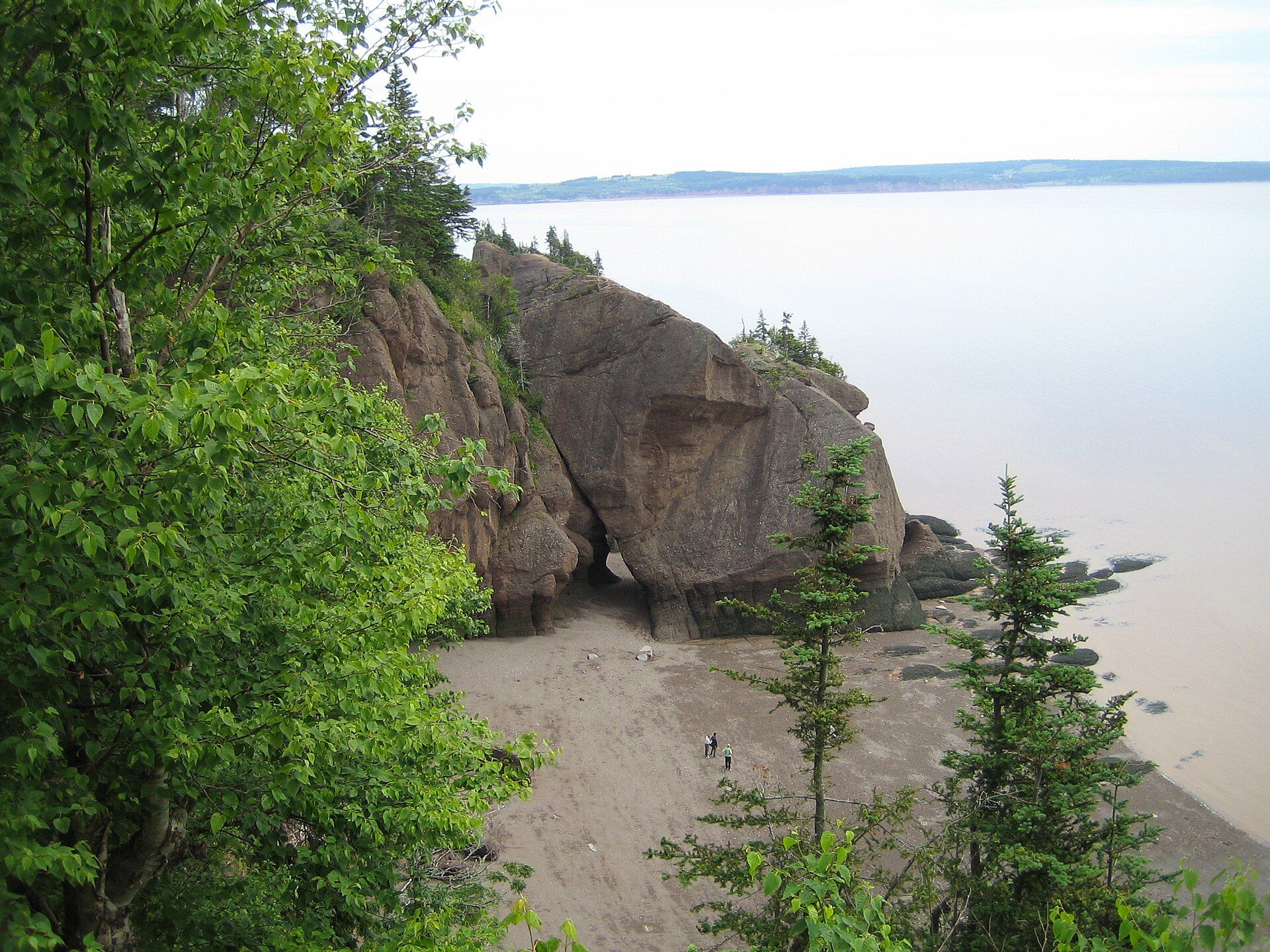
Bay of Fundy Walk around them at low tide
New Brunswick & Nova Scotia, Canada
At Hopewell Rocks the highest tides on Earth uncover the seabed around towering 'flowerpot' stacks, so you can walk between them at low water — allowed only in a window either side of low tide — and return hours later to see them standing in the sea. June to September; plan around the tide tables.
-
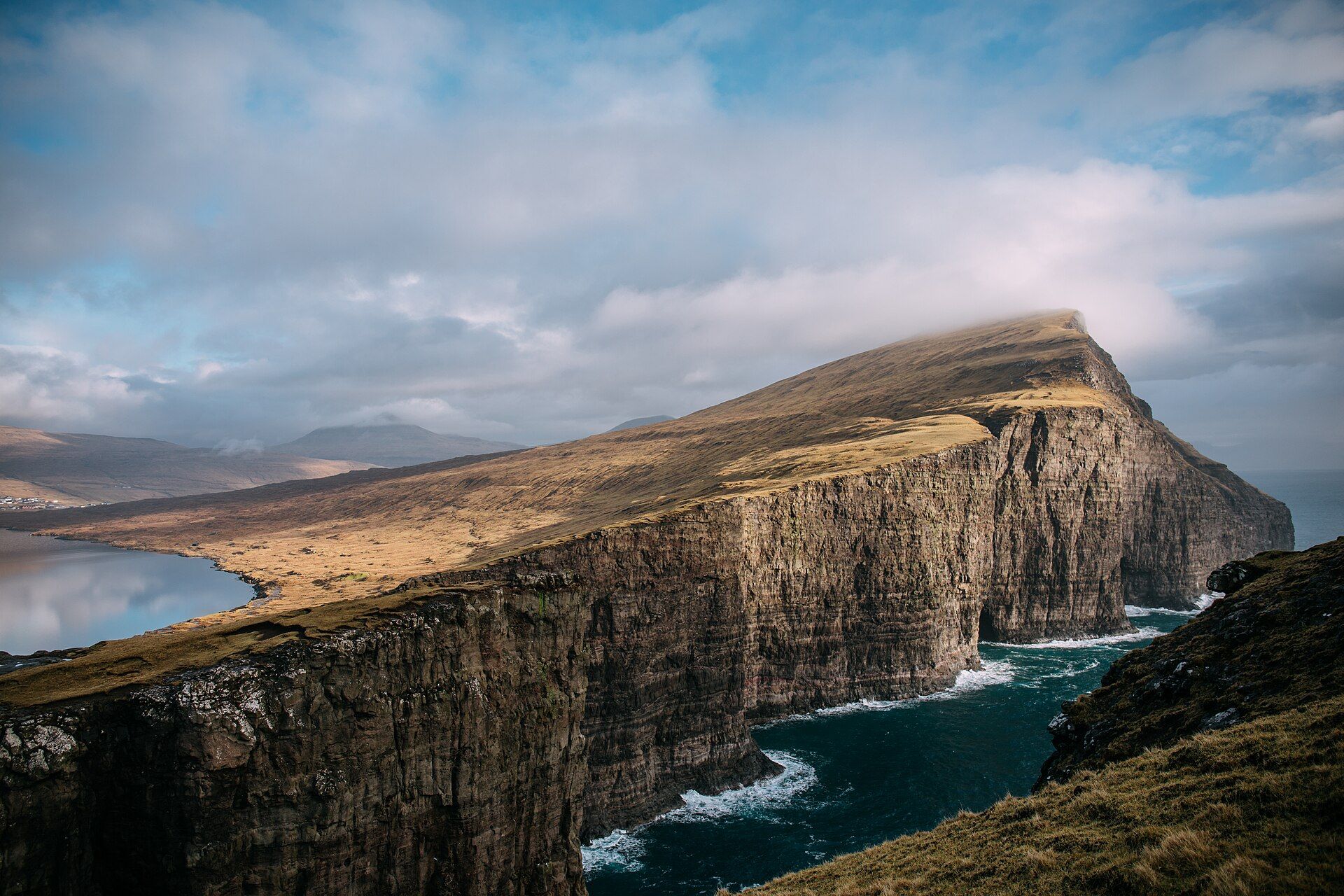
Faroe Islands Drangarnir on the horizon
North Atlantic (between Iceland and Norway)
The sea stacks of Drangarnir frame the horizon of islands where a lake seems to hang above the sea at Sørvágsvatn. Explore by car through sub-sea tunnels and small ferries; late spring to late summer (roughly May–August) for the mildest weather and nesting puffins, but expect wind and rain in any season.
-
Olympic National Park Fog, driftwood and stacks
Washington State, USA
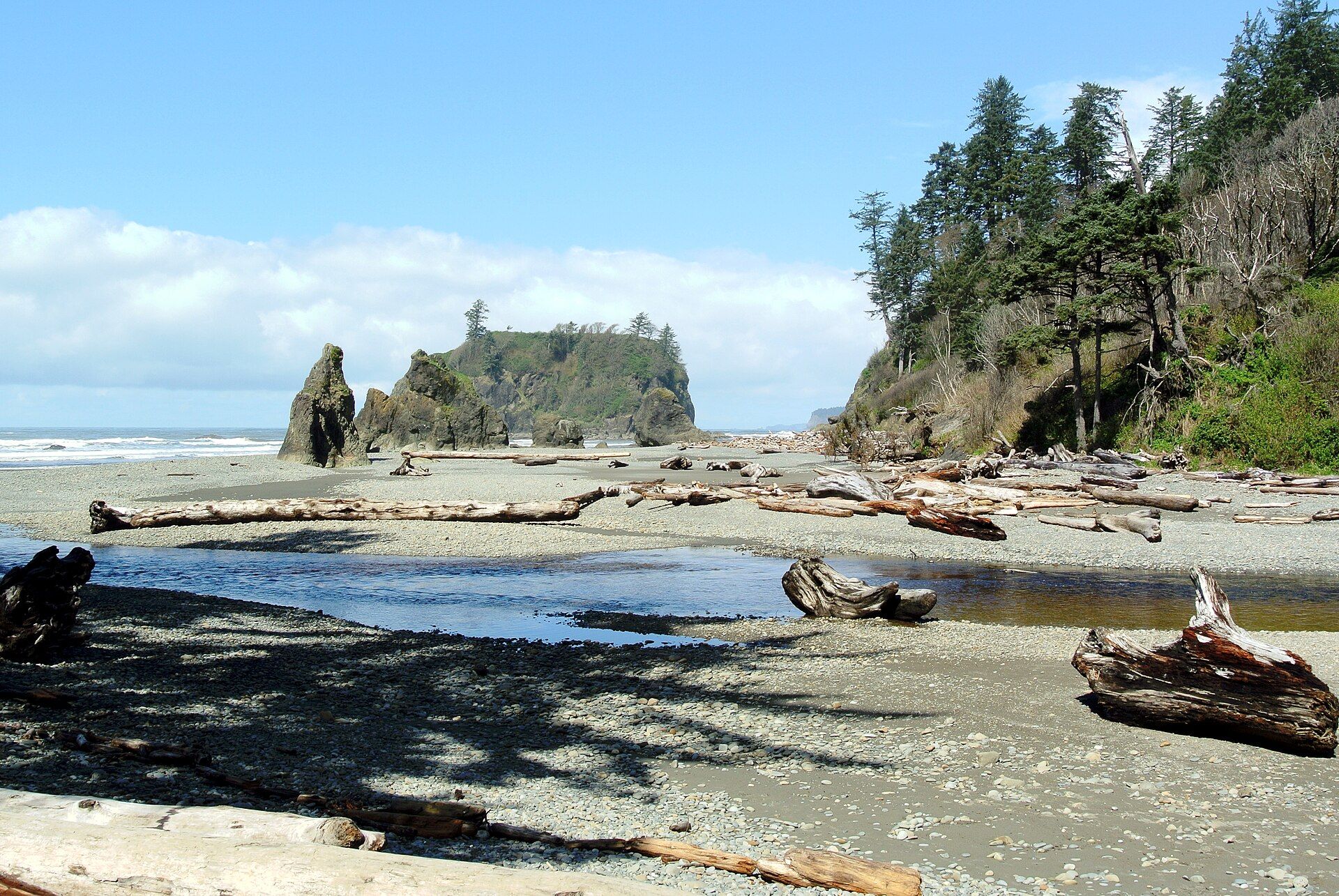
One of the wildest coastlines in the lower United States, with giant driftwood, tide pools and sea stacks offshore — the classic shot is Second Beach or Ruby Beach in fog at low tide. Ruby Beach is busy in summer; July to September is driest.
-
Gotland & the Raukar Raukar — limestone figures
Baltic Sea, southeastern Sweden
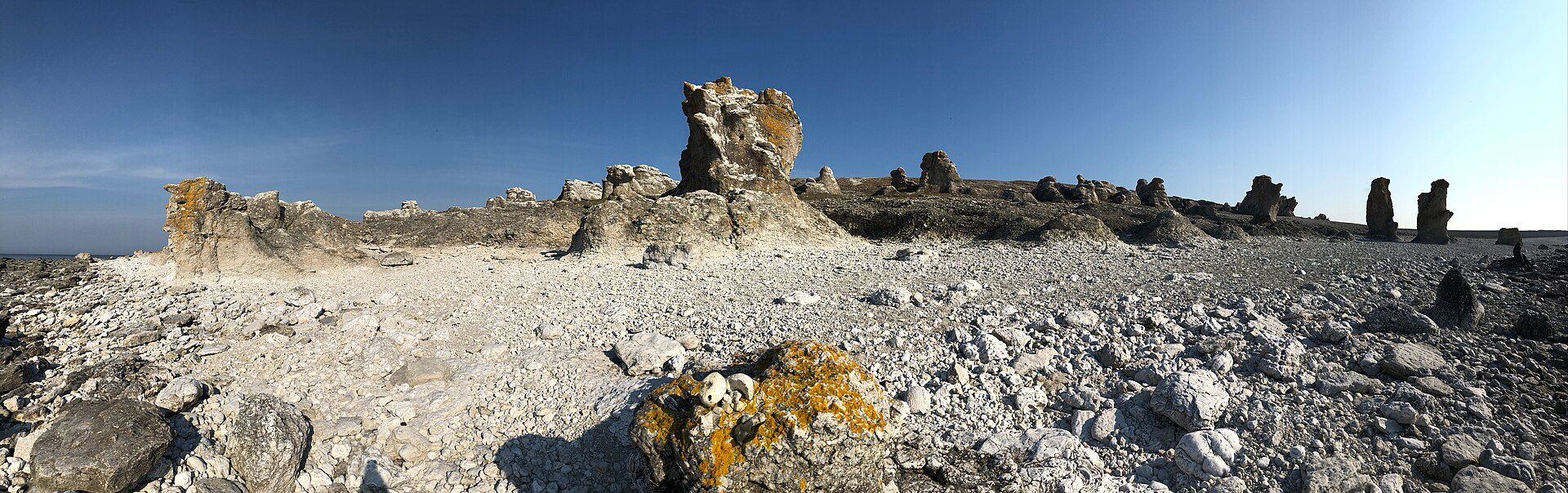
Gotland's raukar are weathered limestone sea stacks standing along the shore like stone figures; the best fields, at Langhammars and Digerhuvud on Fårö, are reached by a free car ferry from northern Gotland and are rich in fossils of an ancient reef. May to September for full ferry and island services.
-
Lord Howe Island Balls Pyramid offshore
Tasman Sea, about 570 km east of Port Macquarie, New South Wales, Australia
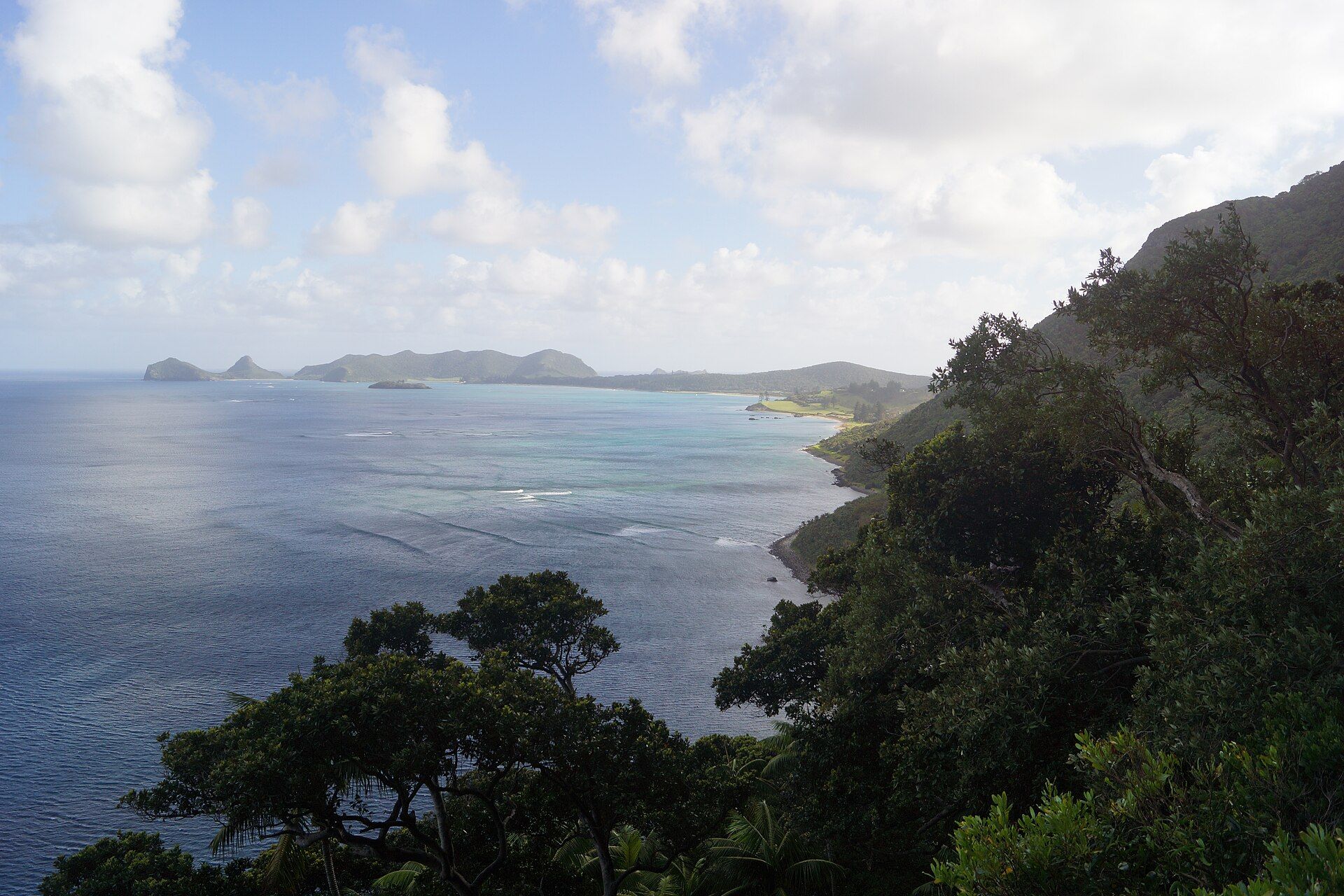
Balls Pyramid, a volcanic sea stack just over 20 km from Lord Howe, is where the world's largest stick insect was found surviving after being feared extinct — and dive sites run out as far as it. Only 400 visitors can stay on the island at a time, so book early, especially for summer (December–February).
-
Benagil Sea Cave Golden stacks by kayak
Benagil, Algarve, southern Portugal
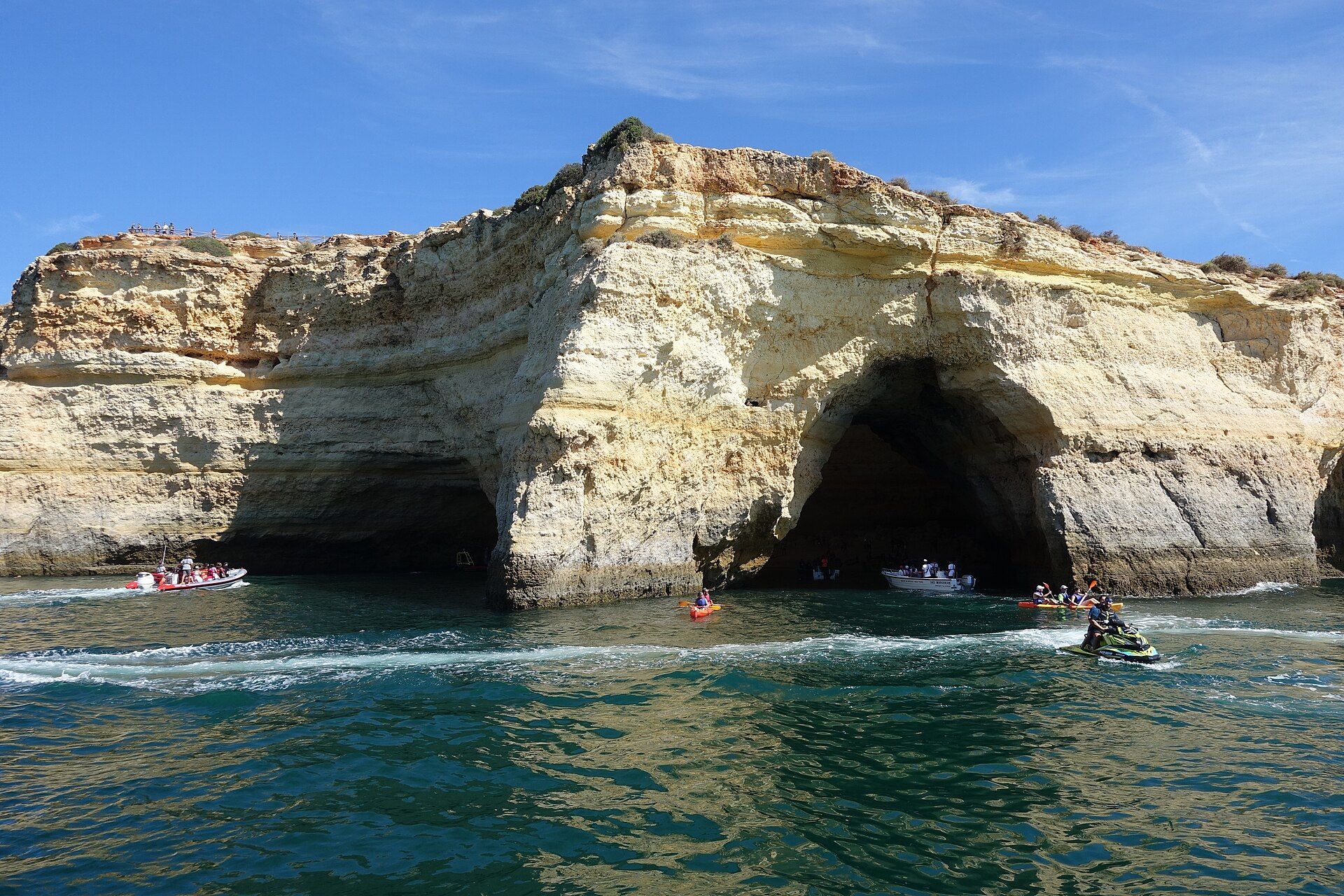
The Algarve coast between Benagil and Praia da Marinha is a run of honey-coloured stacks, arches and grottoes, best seen by guided kayak, paddleboard or boat. May to September for calm seas; the water must be settled enough to paddle safely.
-
Hạ Long Bay Some 1,600–2,000 islands and stacks
Gulf of Tonkin, northeastern Vietnam
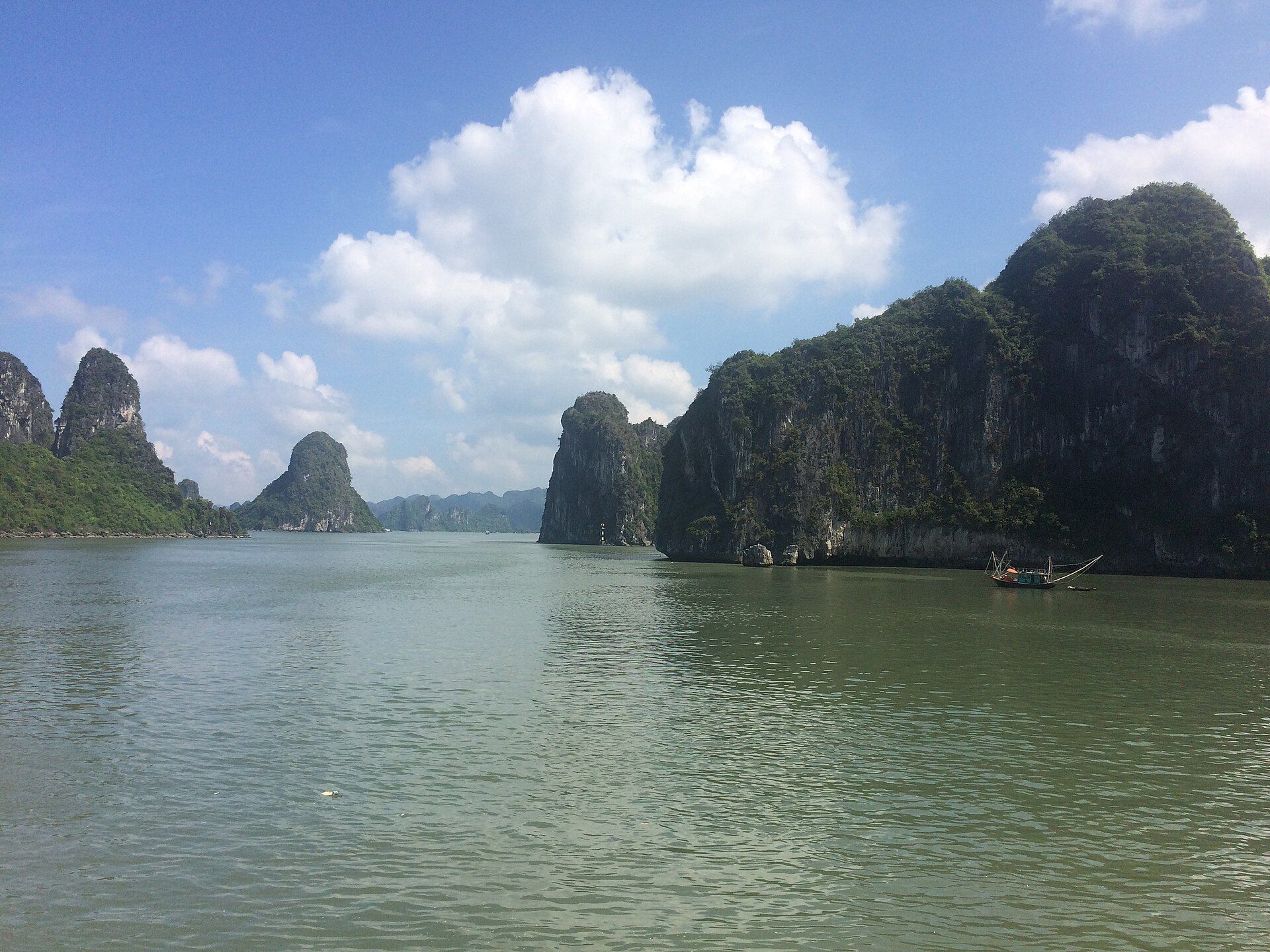
Some 1,600–2,000 limestone islands and sea stacks, the remains of a karst landscape drowned by rising seas, seen on day or overnight cruises 2.5–3 hours from Hanoi. Lan Hạ and Bái Tử Long bays next door are quieter. October to April for cooler, calmer weather.
-
Étretat Cliffs The Aiguille needle
Étretat, Seine-Maritime, Normandy, France
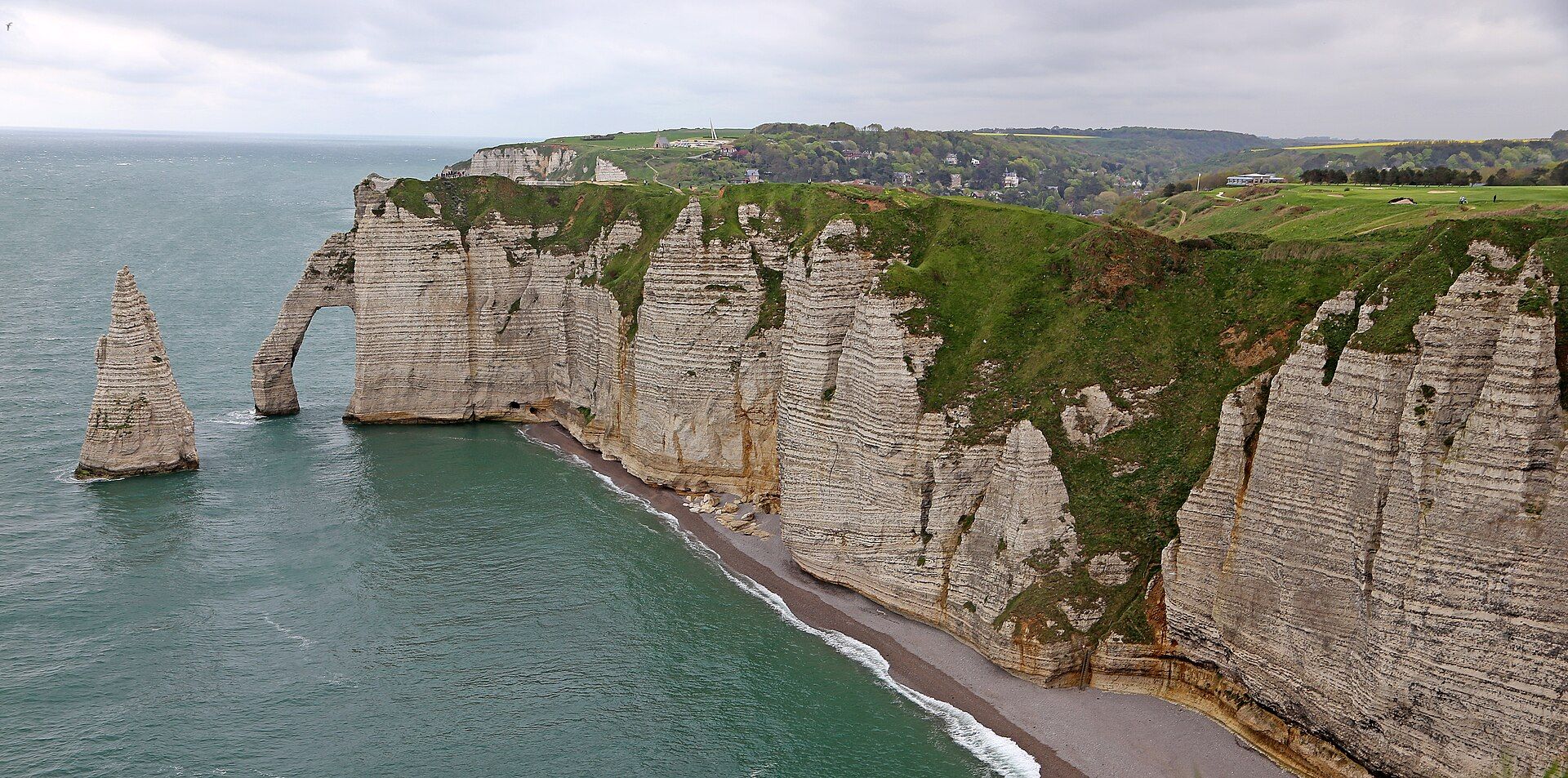
The Aiguille, a slender needle of chalk, stands alone in the sea beside the Porte d'Aval arch on the Normandy coast — the seascape Monet painted again and again. Late spring to early autumn for clifftop walks; check the tide before walking the beach, as the rising sea cuts off the shore.
Every stack on this list is temporary on a geological clock — the Twelve Apostles lost one in 2005 — so stay behind barriers and off cliff edges, and on open-ocean beaches keep well back from the water. For the cliffs these stacks were cut from, see the most beautiful sea cliffs; for stone spans, see the most beautiful natural arches.
Added