Region · Britain and Ireland
The Most Beautiful Places in the UK and Ireland
10 places · every one real, mapped, and worth the trip
The beauty of Britain and Ireland is Atlantic beauty: mountains carved by ice, sea cliffs and basalt columns battered by the ocean, limestone pavement and bog, and weather that can change by the hour. None of it is high by world standards, and almost all of it is easy to reach.
This is our editors' pick of all ten places in the atlas across Scotland, England, Wales, Northern Ireland and the Republic of Ireland — unranked, and short on purpose. Each line comes from the place's own page.
-
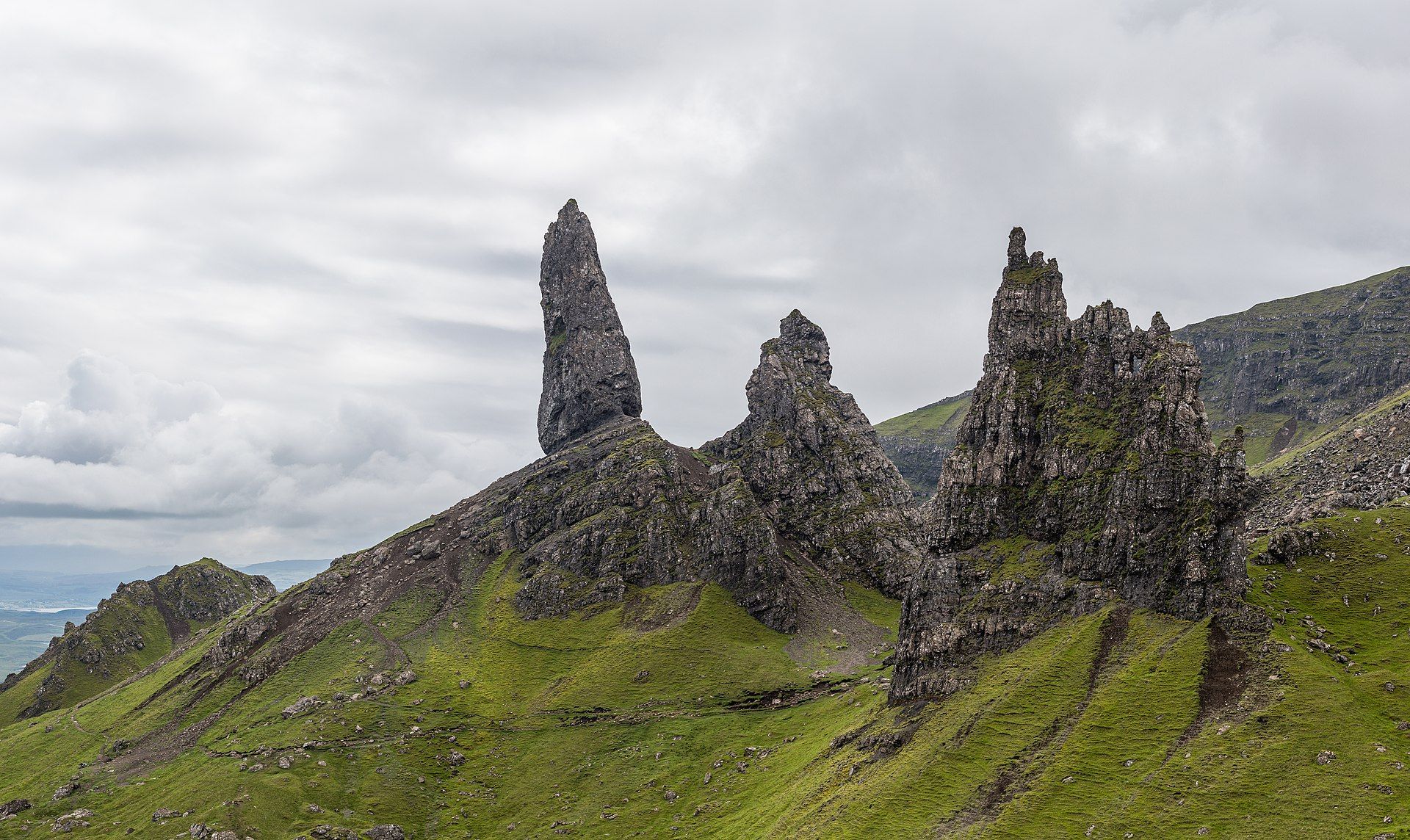
Isle of Skye Scotland's wildest island
Inner Hebrides, Scotland
A Hebridean island of jagged black peaks, mist-wrapped pinnacles, sea cliffs, waterfalls and lochs; May to September for the longest days, with rain, wind and summer midges to prepare for.
-
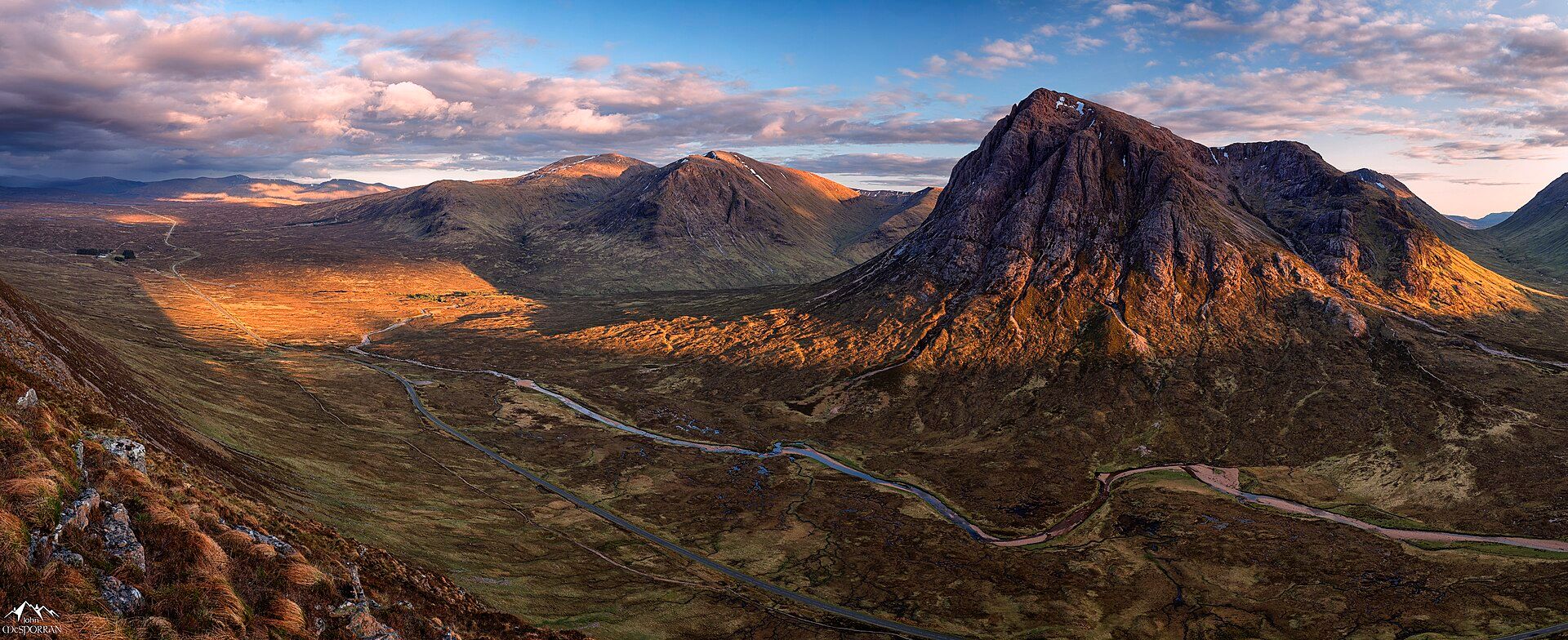
Glen Coe Scotland's most dramatic glen
Lochaber, Scottish Highlands, Scotland, United Kingdom
A deep, glacier-scoured valley walled by peaks and knife-edge ridges; May to September for firm paths and clear tops, while winter turns the ridges into serious mountaineering ground.
-
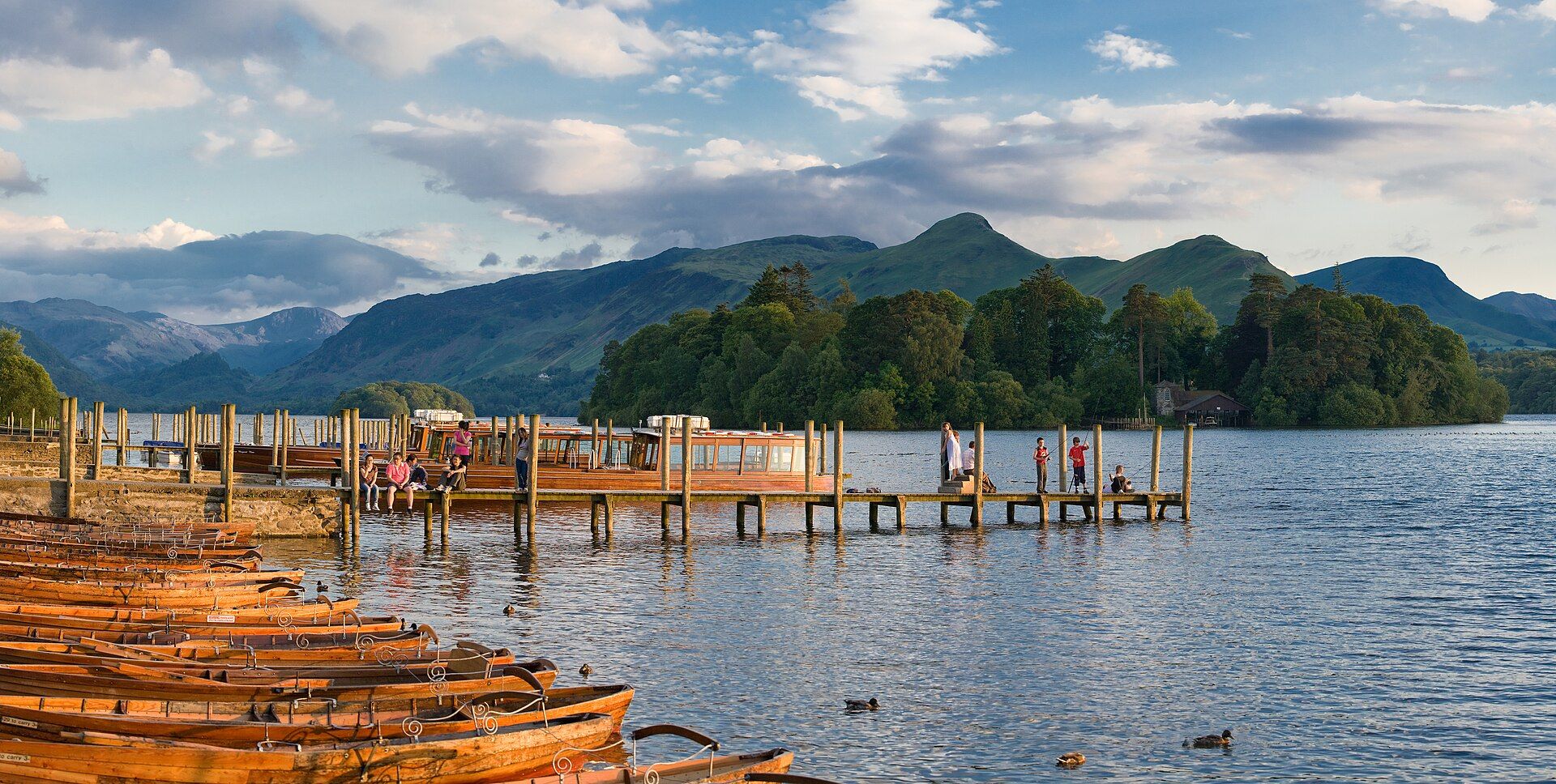
The Lake District Fells and ribbon lakes
Cumbria, North West England, United Kingdom
England's largest national park, a compact country of glacier-carved fells, ribbon lakes and stone-walled valleys; May to September is most settled, July and August busiest.
-
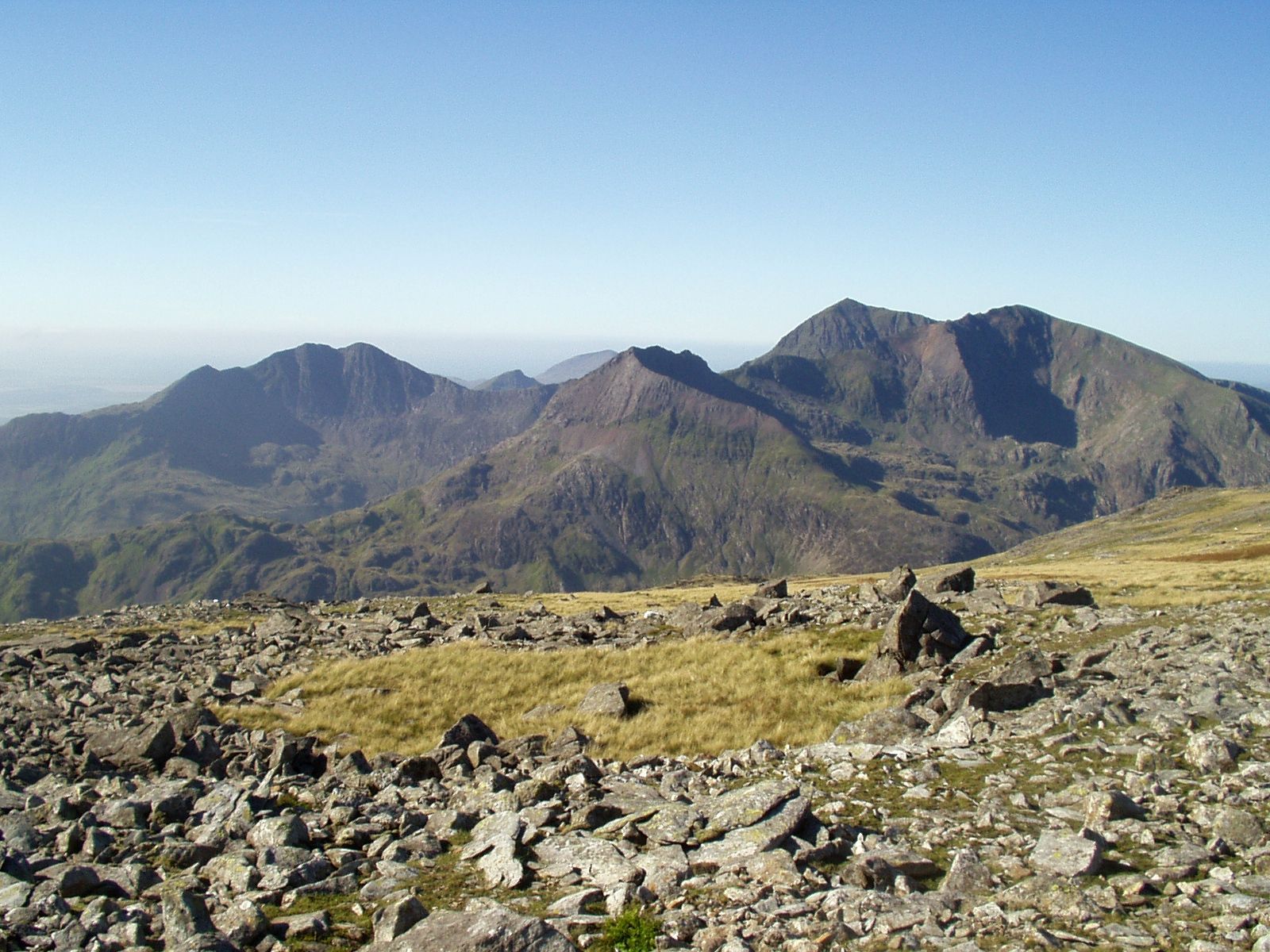
Yr Wyddfa & Eryri (Snowdonia) The highest summit in England and Wales
Gwynedd, North Wales, United Kingdom
Glacier-hewn peaks, glacial lakes and Welsh-speaking valleys crowned by Yr Wyddfa (Snowdon); May to September for the best chance of a clear summit — busy in summer, serious in winter.
-
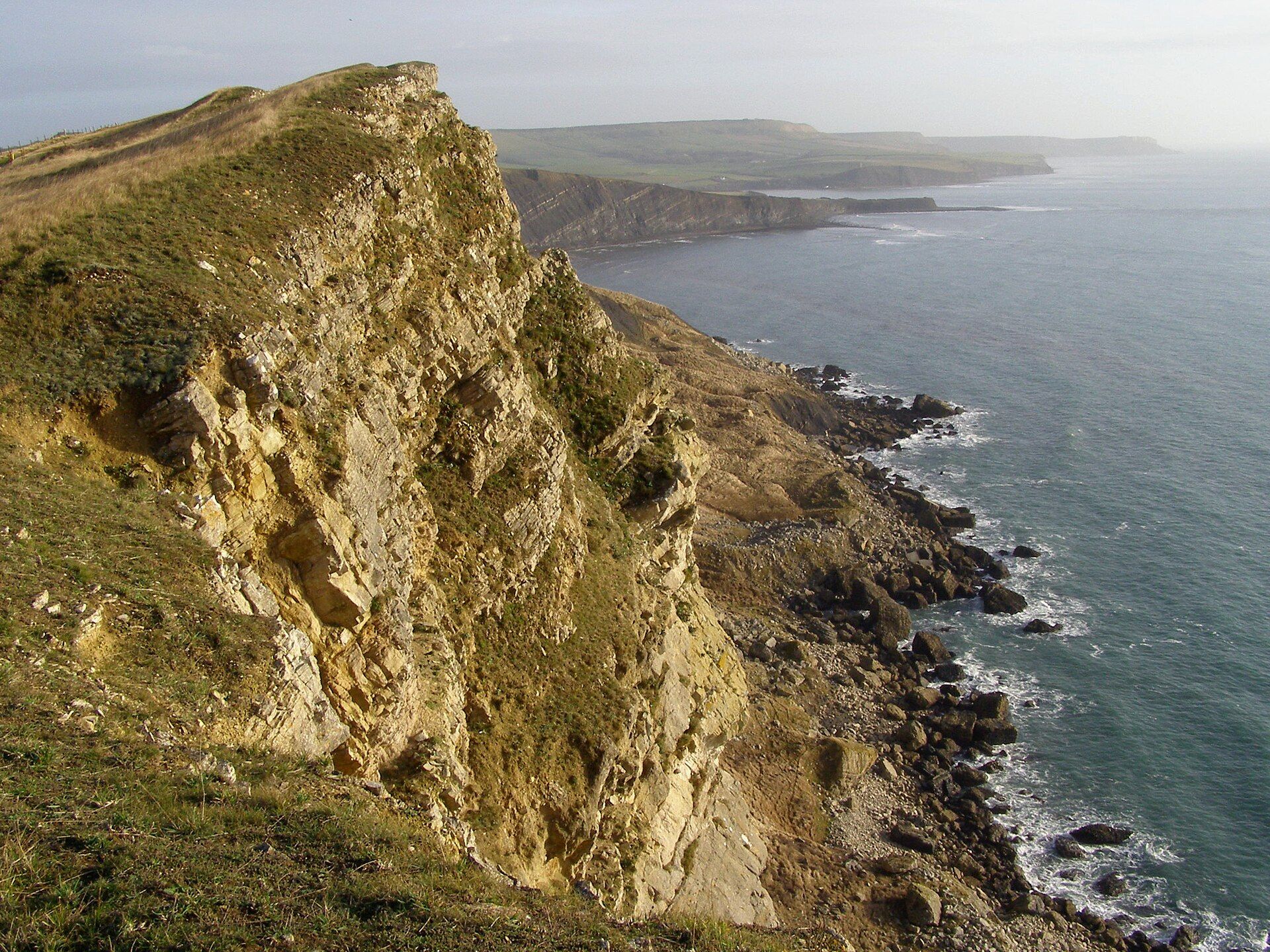
The Jurassic Coast 185 million years in the cliffs
Dorset and East Devon, South West England, United Kingdom
England's only natural World Heritage Site, a 95-mile coast from red Triassic rocks to the sea arch of Durdle Door; May to September for safe cliff walking, while winter storms expose fossils but make the cliffs hazardous.
-
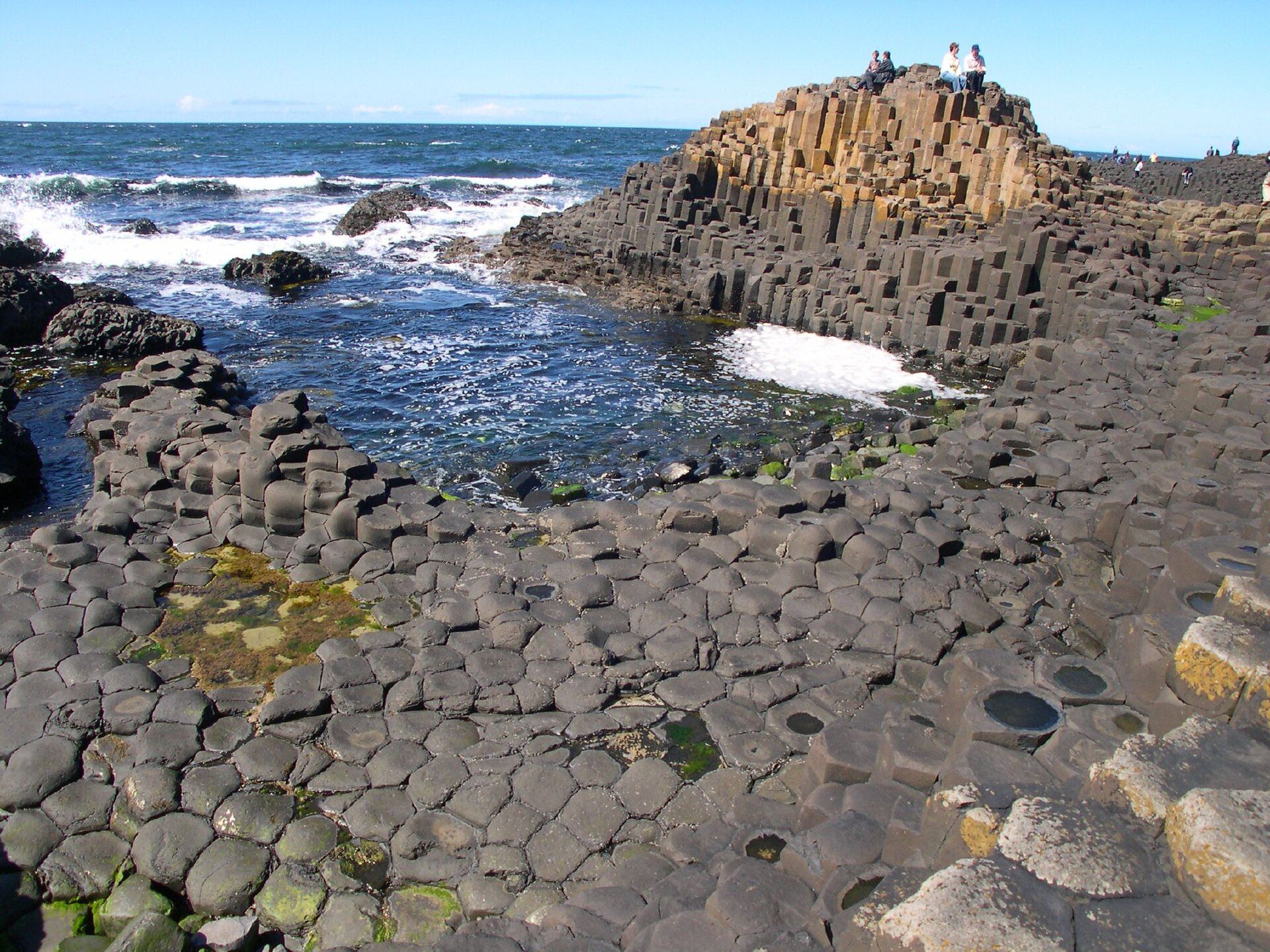
Giant's Causeway 40,000 basalt columns
County Antrim, Northern Ireland
Interlocking basalt columns, mostly hexagons, stepping down into the North Atlantic on the Antrim coast; open year-round, mildest from May to September, with dramatic seas in winter storms.
-
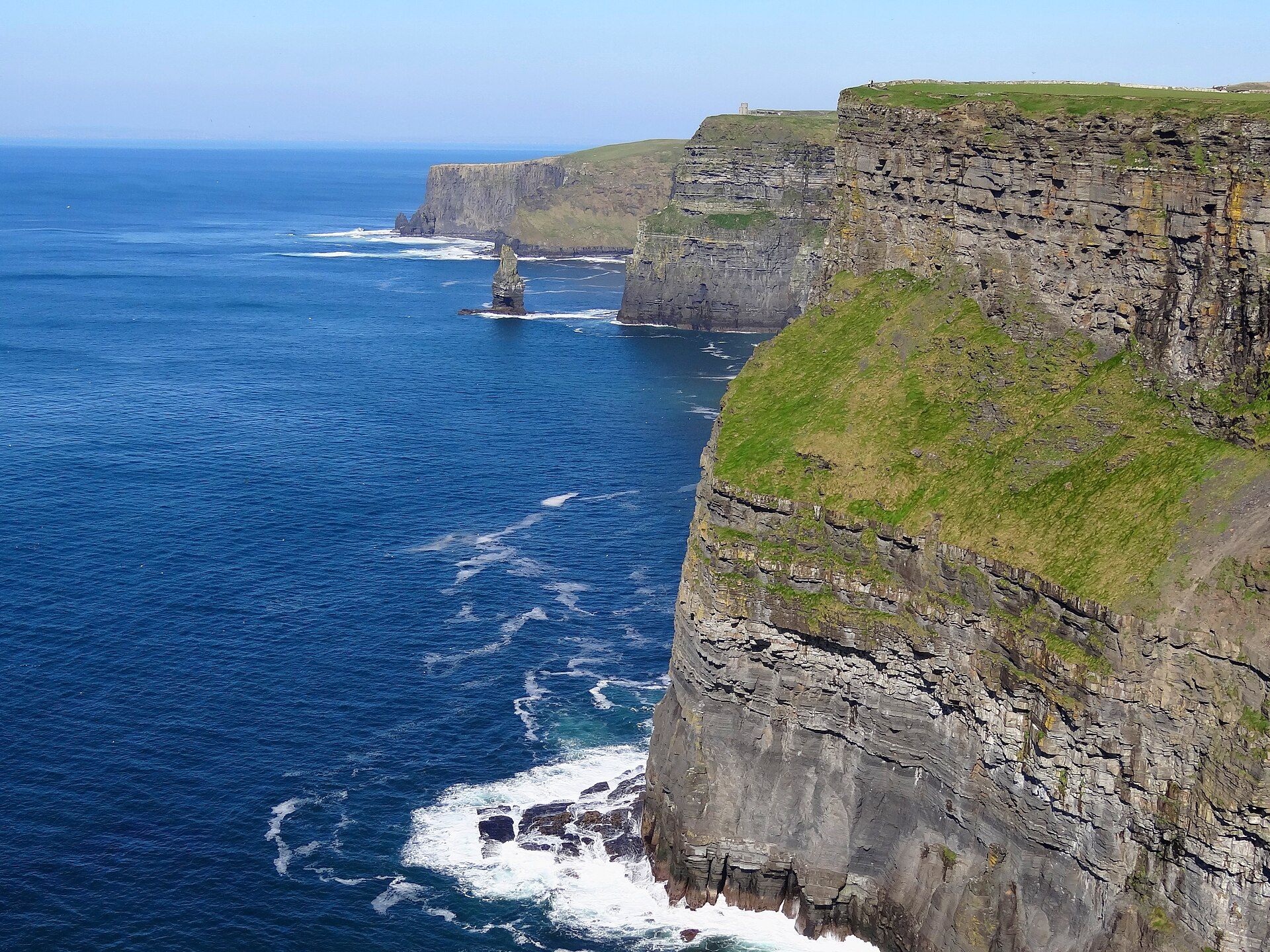
Cliffs of Moher 214 metres above the Atlantic
County Clare, western Ireland
Sheer sea cliffs rising straight from the Atlantic on Ireland's west coast, alive with seabirds — puffins are usually present from spring to midsummer — and spectacular in any weather.
-
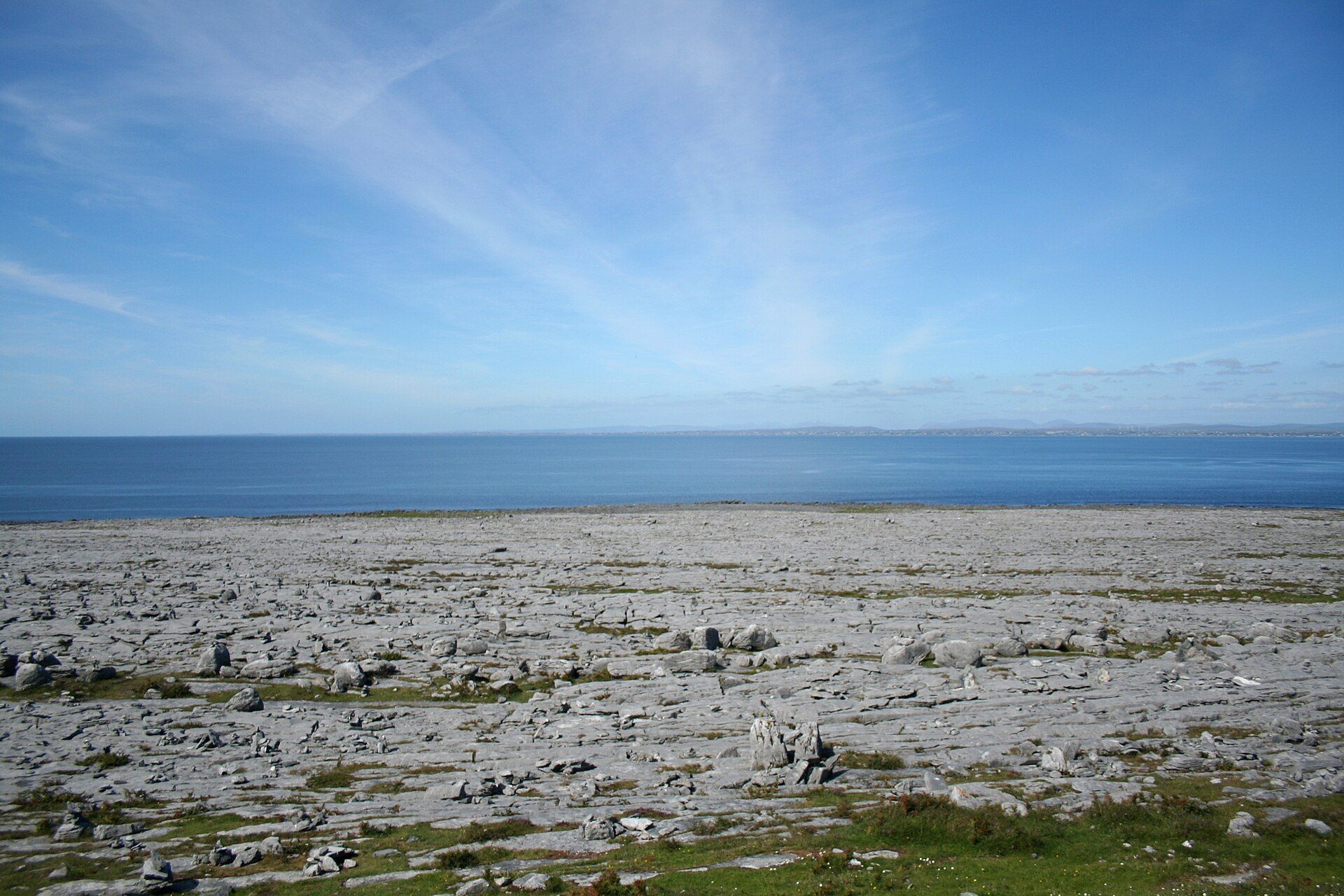
The Burren Flowers in bare limestone
County Clare, Ireland
A silver-grey moonscape of limestone pavement in County Clare where Arctic, alpine and Mediterranean wildflowers bloom together in the cracks; May and June are the peak.
-
Connemara National Park Bog, heath and the Twelve Bens
County Galway, Ireland
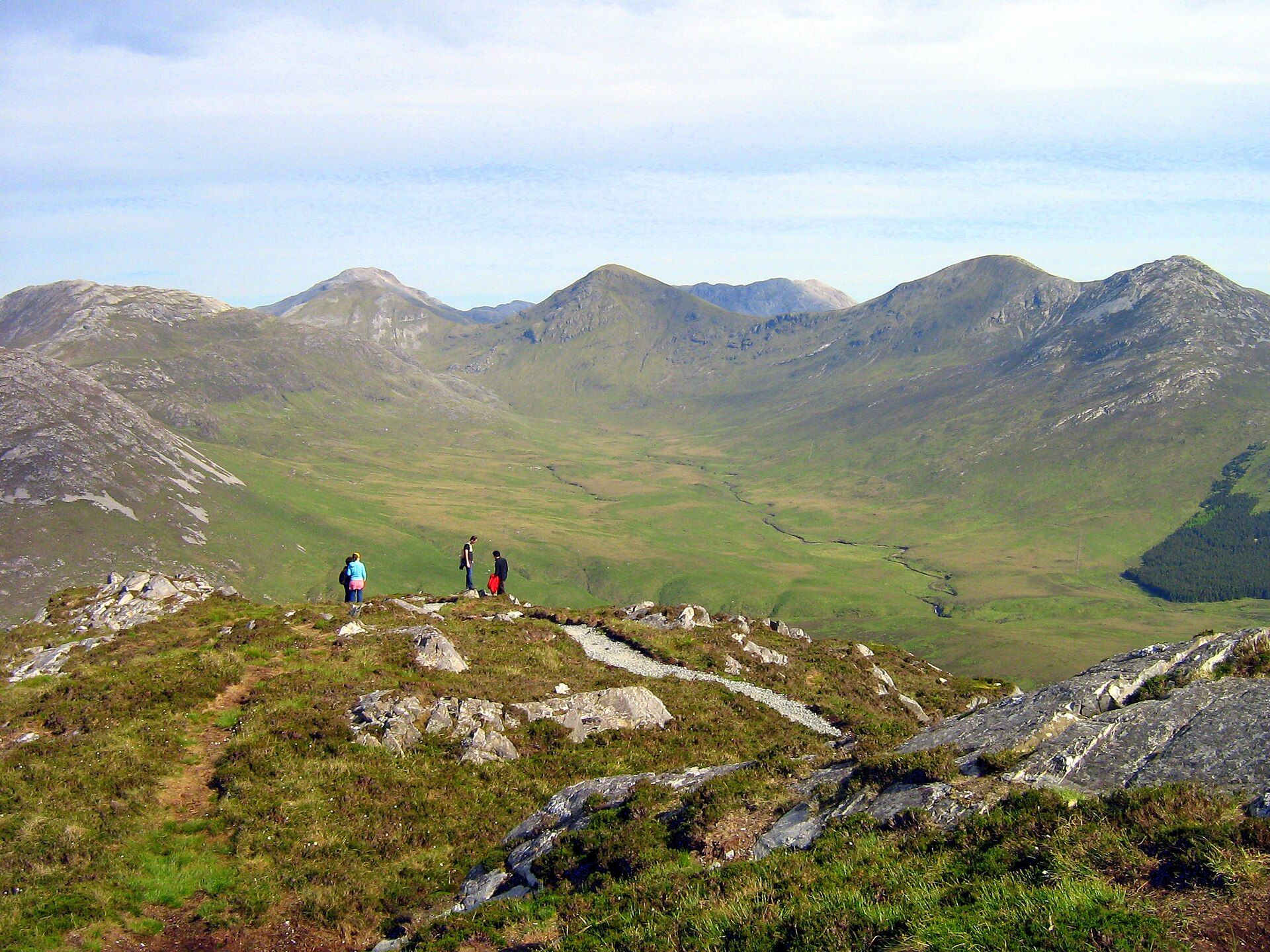
Bog, heath and quartzite mountains on Ireland's west coast, with boardwalk trails up Diamond Hill for Atlantic views; heather blooms purple in August, and rain is possible in any season.
-
Killarney National Park Oak woods and red deer
County Kerry, Ireland
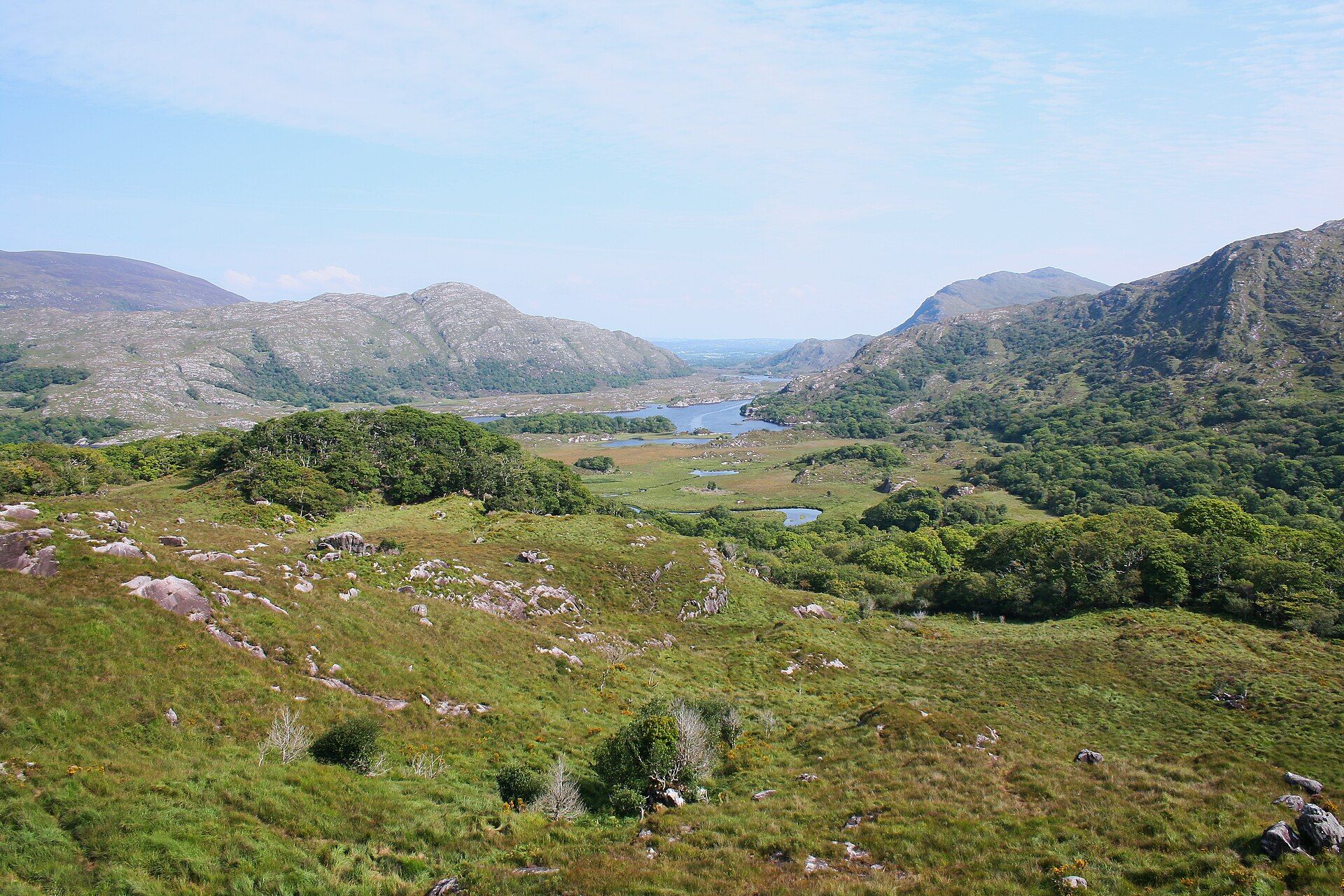
Ireland's first national park — lakes, ancient oak woods and mountains, with the country's only wild red deer herd; bluebells in May, russet woods and rutting deer in October.
Late spring to early autumn, roughly May to September, is the season for almost all of these: long days, firmer paths and the best chance of clear summits — but pack for rain whatever the month. The Burren peaks earlier, in May and June, and Killarney is at its best in spring and autumn. In winter Glen Coe and Yr Wyddfa become serious mountaineering terrain, and storms make the Jurassic Coast cliffs hazardous.
Added