Mountains · Europe
What Are the Most Beautiful Mountains in Europe? 14 Peaks, From the Matterhorn to Kirkjufell
14 places · every one real, mapped, and worth the trip
Short answer: the Matterhorn is the one most people picture — a near-perfect 4,478-metre rock pyramid above car-free Zermatt. Mont Blanc is the highest in the Alps and western Europe, the Dolomites are the most dramatic range, glowing rose and gold at dawn and dusk, and the Jungfrau is the one a railway tunnels right through. In the Caucasus, Elbrus (5,642 m) is Europe's highest peak, and Kazbek and twin-horned Ushba rise above Georgian villages. Smaller mountains make the list too: Iceland's 463-metre Kirkjufell, Scotland's Glen Coe and Wales's Yr Wyddfa.
For almost all of them the season is roughly June to September, when the high trails, huts and cable cars are open. In winter most become ski areas or serious mountaineering terrain. The list is unranked.
-
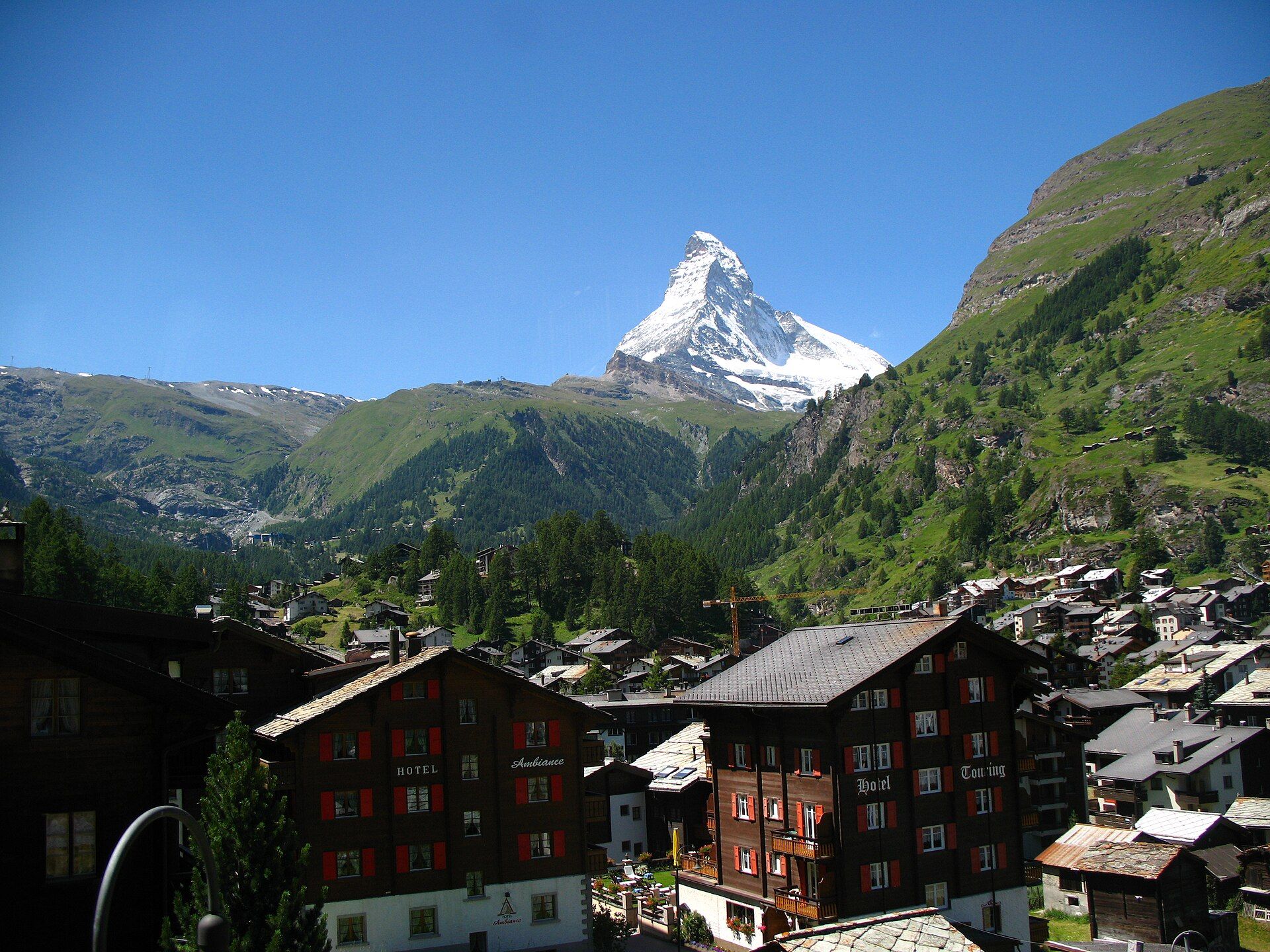
The Matterhorn The pyramid
Zermatt, Valais — Swiss/Italian border
A 4,478-metre rock horn standing alone on the Swiss–Italian border, its four steep faces aligned almost to the compass points. From car-free Zermatt (by train), the Gornergrat cog railway and the Klein Matterhorn cable car reach the classic viewpoints. July–September for hiking and clear views; the summit is for experienced, guided alpinists only.
-
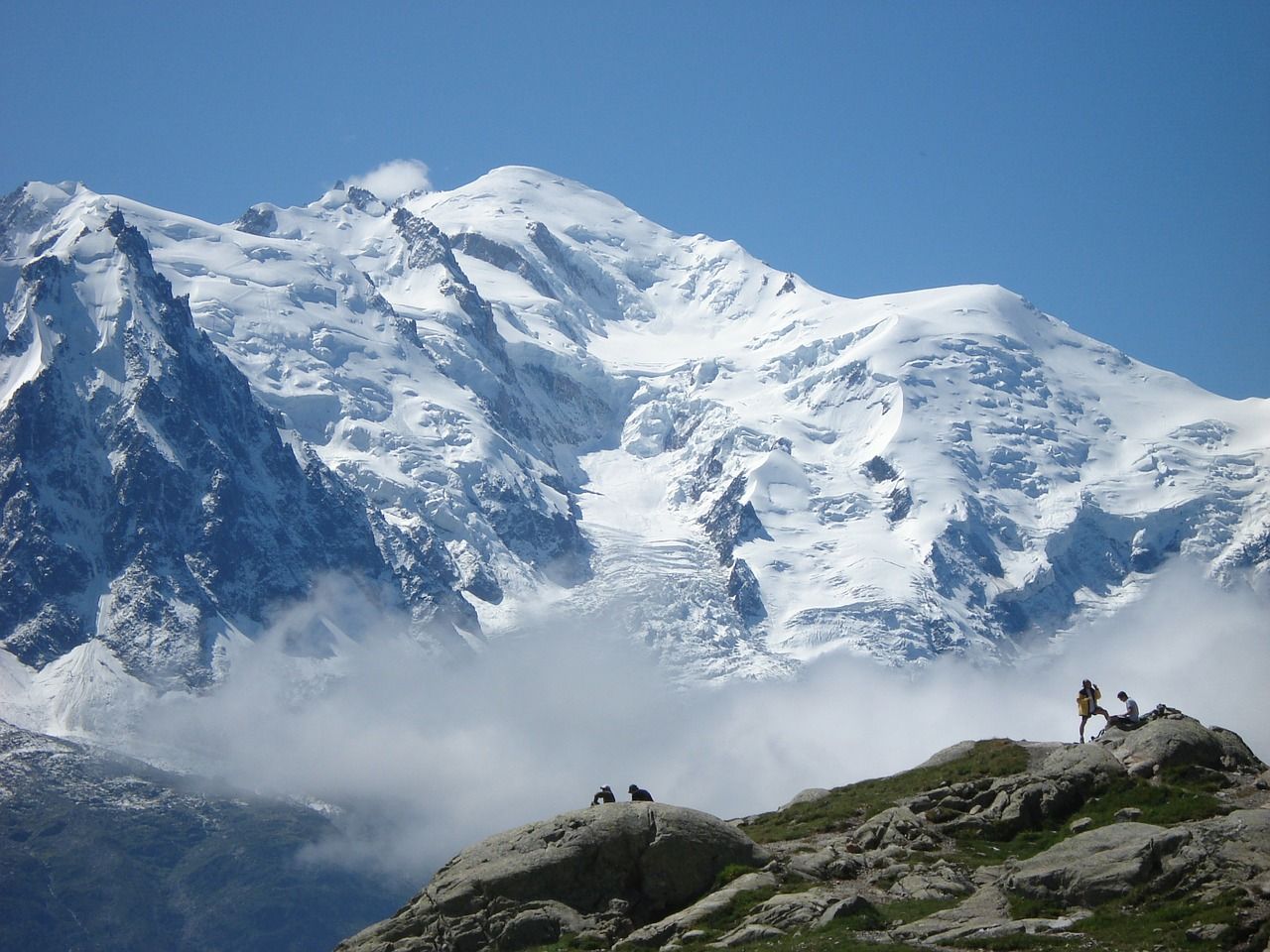
Mont Blanc Highest in the Alps
French Alps (France–Italy border)
The great snow dome over Chamonix, more than 4,800 metres high and ringed by glaciers like the Mer de Glace and granite spires like the Aiguille du Midi. The Aiguille du Midi cable car and the Montenvers railway take you into the high massif without climbing. June–September for lifts and hiking; December–April for skiing.
-
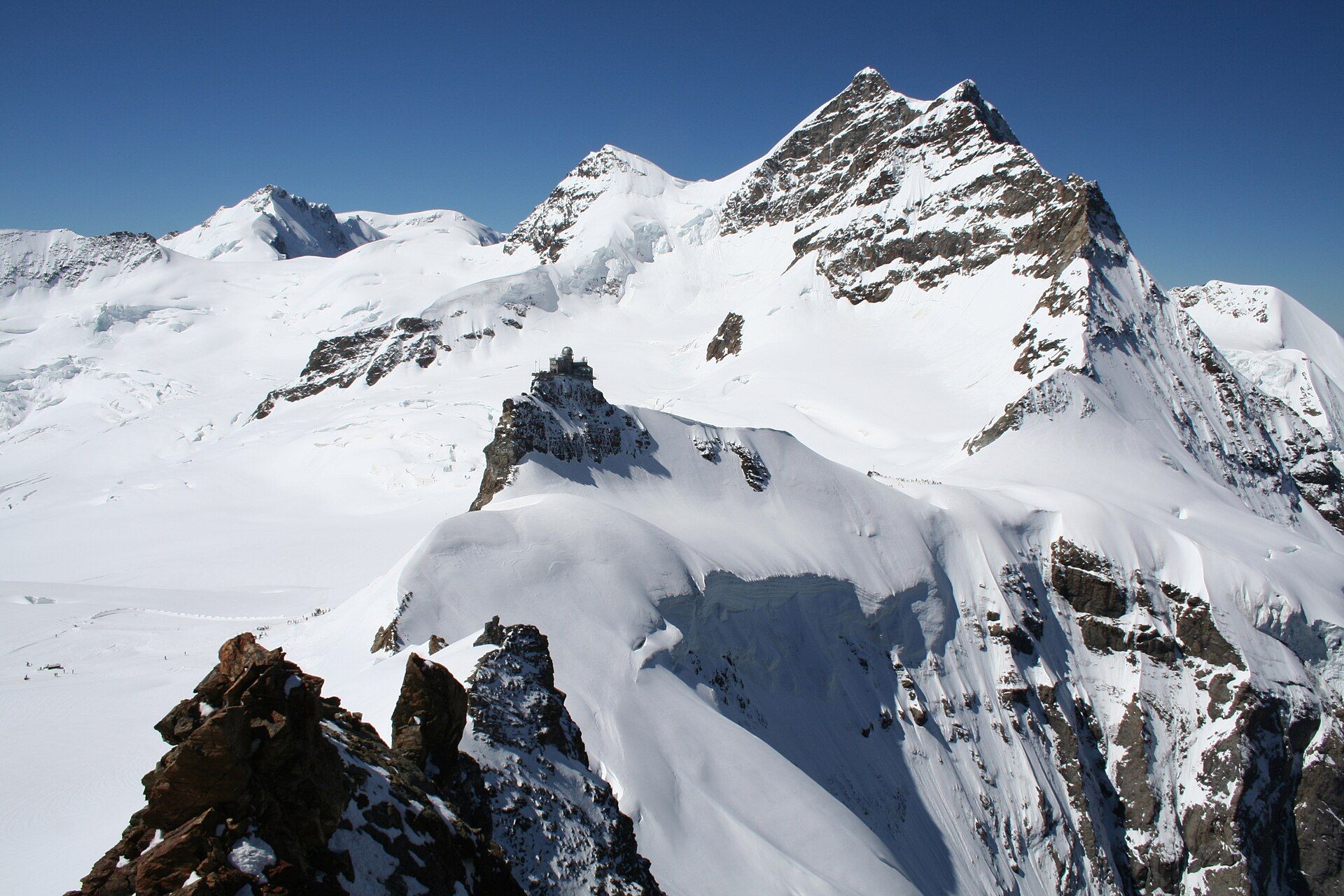
Jungfrau A railway through the mountain
Bernese Alps, Switzerland
A 4,158-metre Bernese Alps peak with a cog railway tunnelled through the mountain to the Jungfraujoch station at 3,454 metres, overlooking the head of the Aletsch Glacier. From Interlaken via Grindelwald or Lauterbrunnen and Kleine Scheidegg. The railway runs year-round; late spring to autumn has the most reliable weather.
-
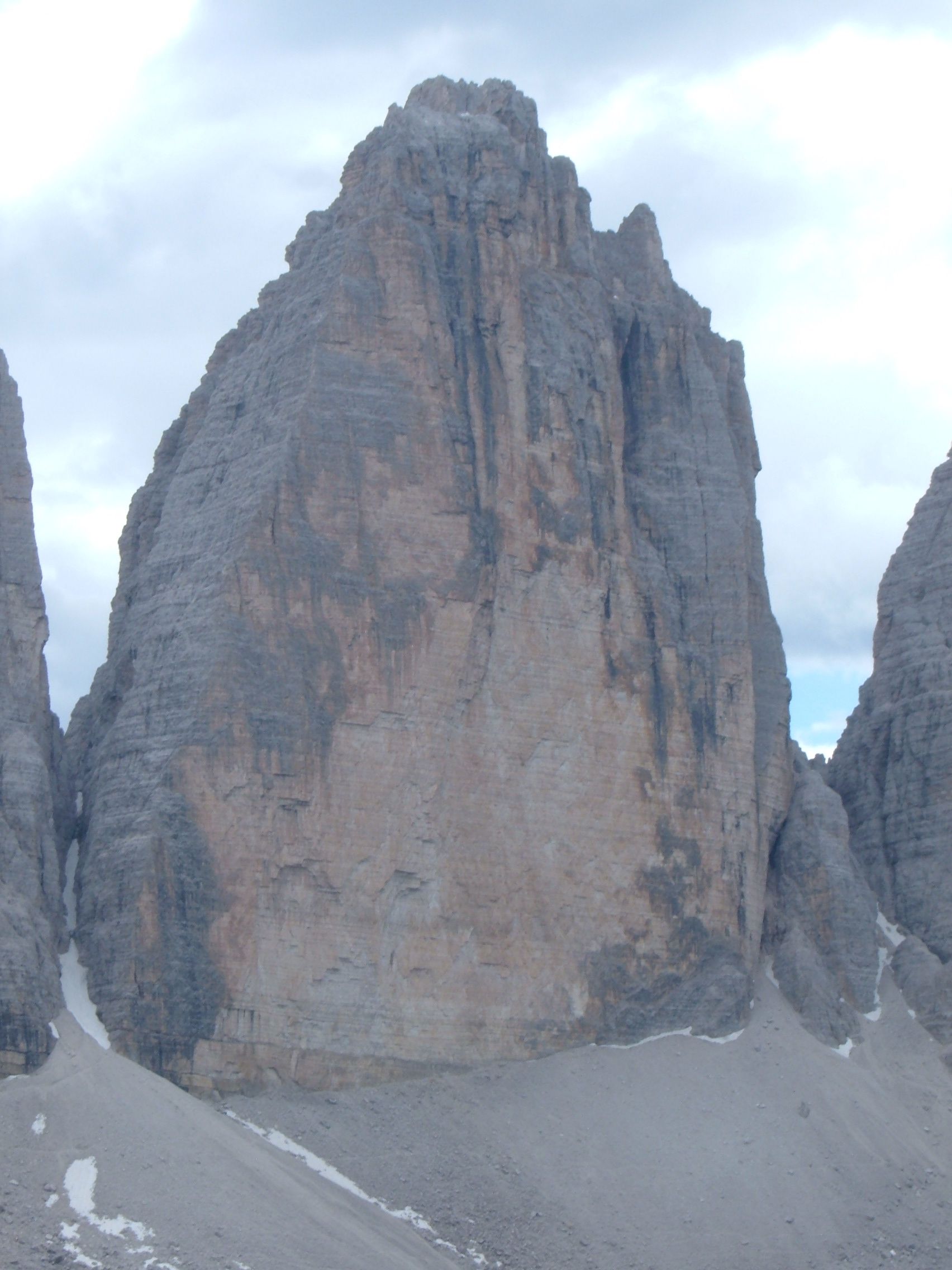
The Dolomites Towers that glow at dusk
South Tyrol / Trentino / Veneto, Northern Italy
Pale limestone towers and walls in northern Italy, 18 peaks above 3,000 metres, that turn rose and gold at dawn and dusk (the enrosadira) above meadows and turquoise lakes. From Bolzano or Cortina d'Ampezzo by mountain road and cable car, with a dense network of huts. June–September for hiking; December–March for skiing.
-
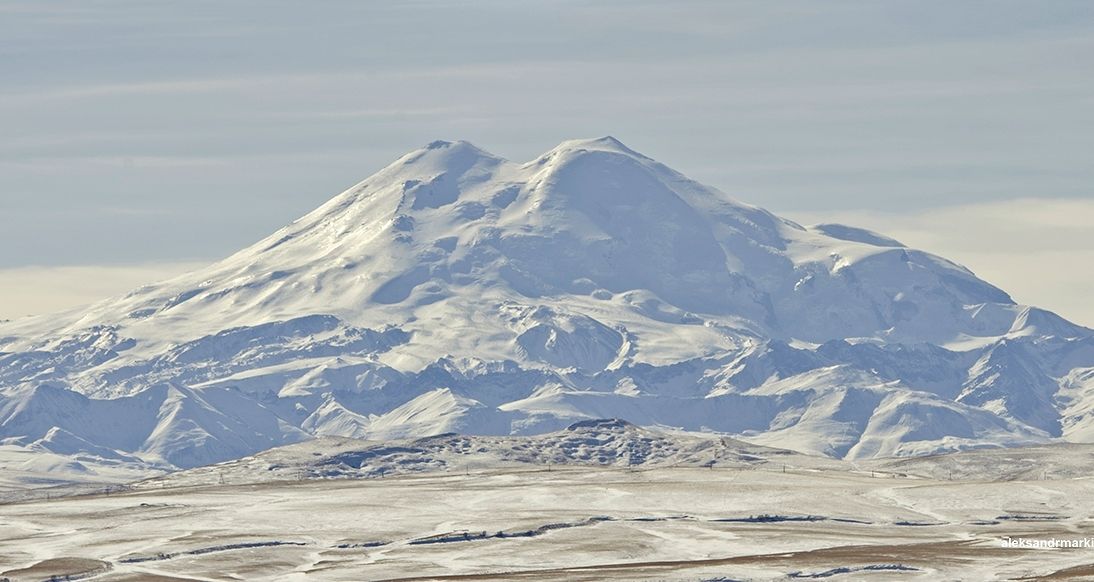
Mount Elbrus Europe's highest peak
Kabardino-Balkaria, Caucasus, Russia
A twin-coned dormant volcano rising 5,642 metres above the Russian Caucasus, wrapped in 22 glaciers. Reached via Mineralnye Vody and the Baksan valley; cable cars climb to around 3,800 metres, and summit attempts need guides, acclimatization and permits. The climbing window is roughly June–September.
-
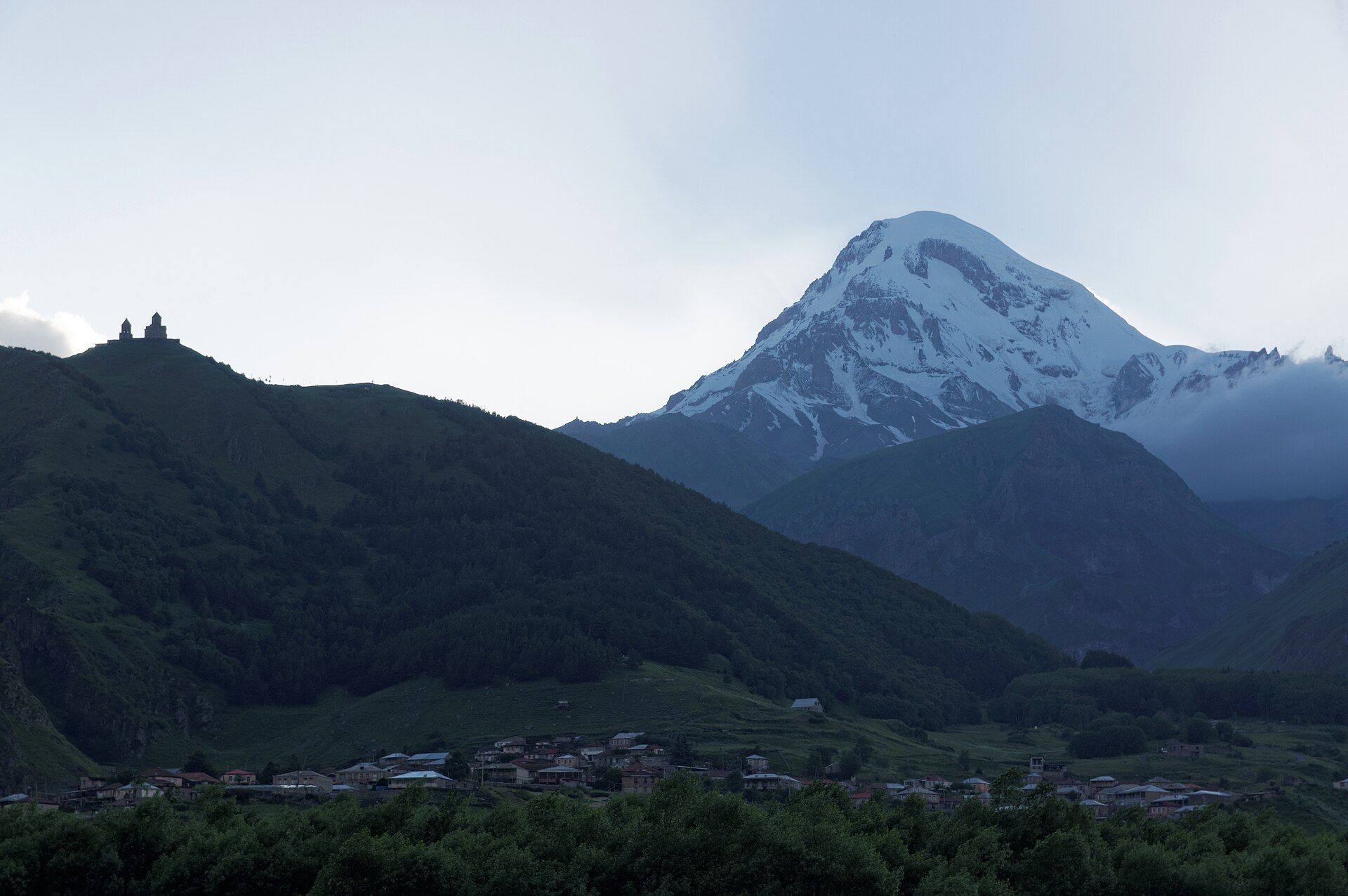
Mount Kazbek & Gergeti A church beneath a glacier
Kazbegi, Greater Caucasus, Georgia
Glacier-clad Mount Kazbek (5,054 m) above the lone Gergeti church on its green ridge at about 2,170 metres. About 3 hours north of Tbilisi on the Georgian Military Highway to Stepantsminda, then 1.5–2 hours uphill on foot or by 4x4. June–September for the clearest weather.
-
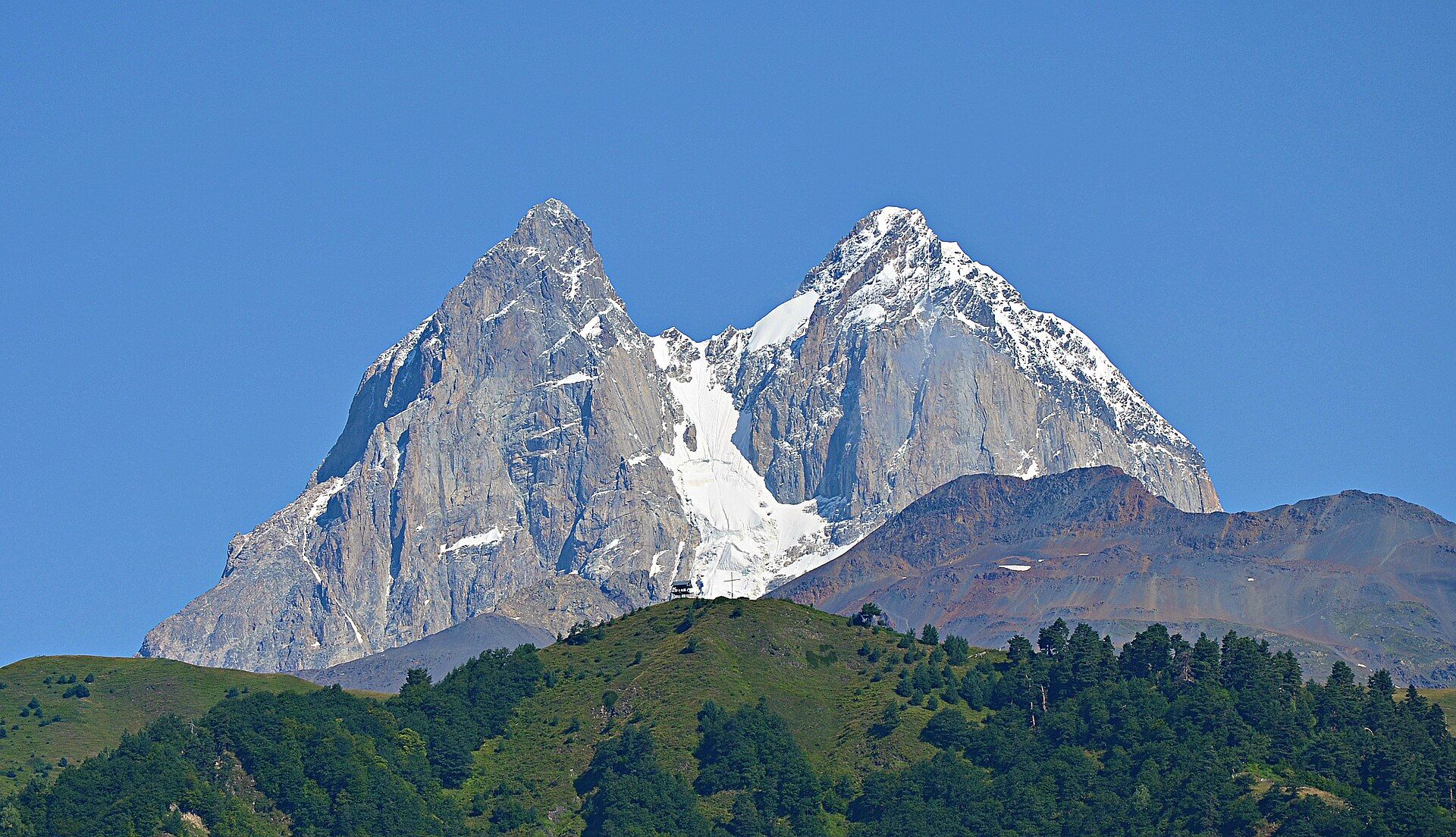
Mount Ushba The Matterhorn of the Caucasus
Upper Svaneti, Greater Caucasus, Georgia
Twin granite horns, 4,710 and 4,690 metres, dominating Upper Svaneti in Georgia — widely held to be the hardest serious climb in the range. A slow 3–4 hour mountain road from Zugdidi to Mestia, then on to Mazeri beneath the peak; valley walking needs no permit. Roughly June–September.
-
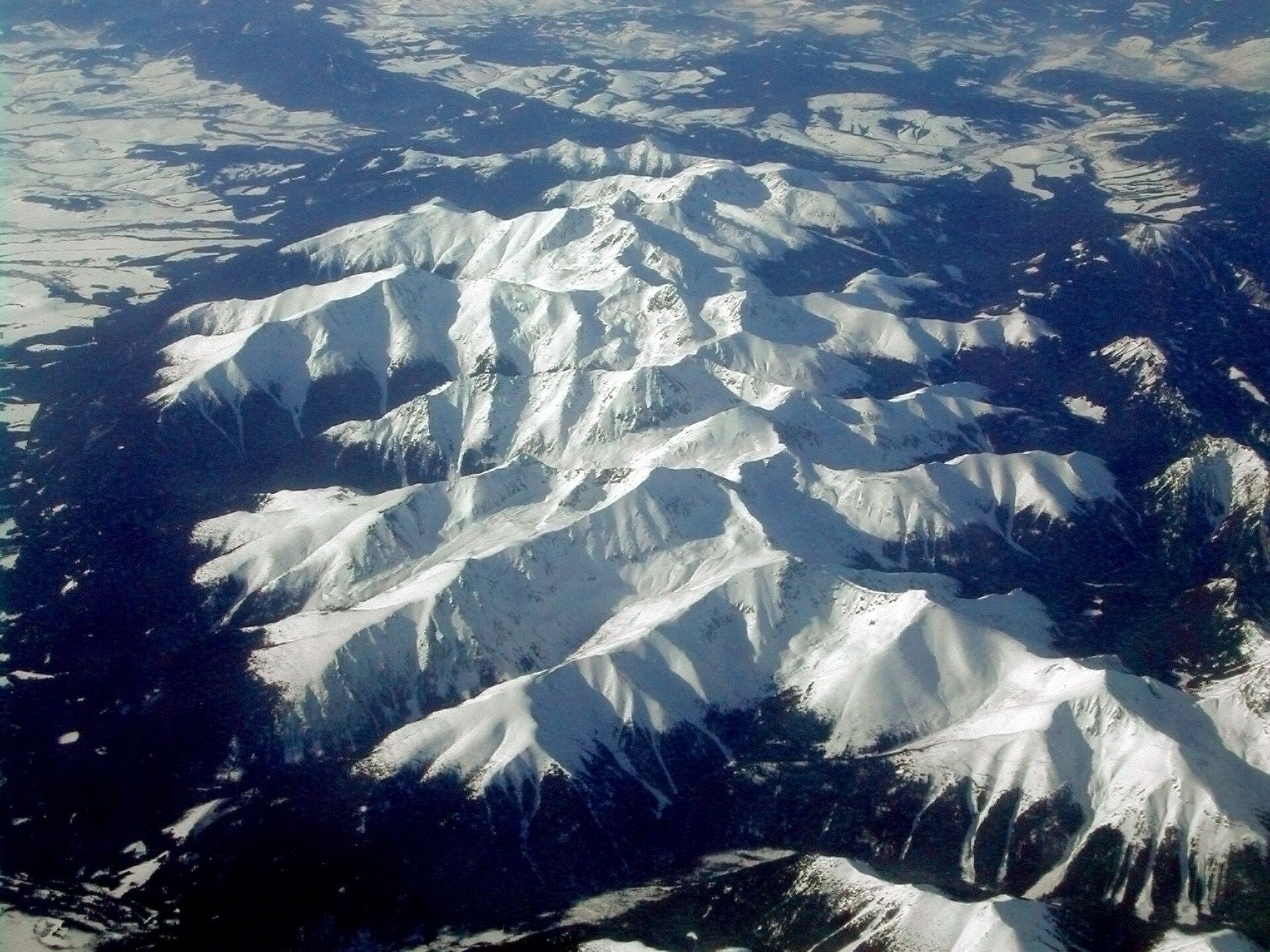
Tatra Mountains The Carpathians' alpine heart
Poland–Slovakia border
The highest range of the Carpathians, peaks to 2,655 metres, packed with granite spires, glacial lakes and deep valleys on the Poland–Slovakia border. From Zakopane or Štrbské Pleso, on marked trails between mountain huts. June–September for snow-free trails.
-
Triglav National Park Slovenia's highest peak
Julian Alps, north-western Slovenia, on the border with Italy and close to Austria
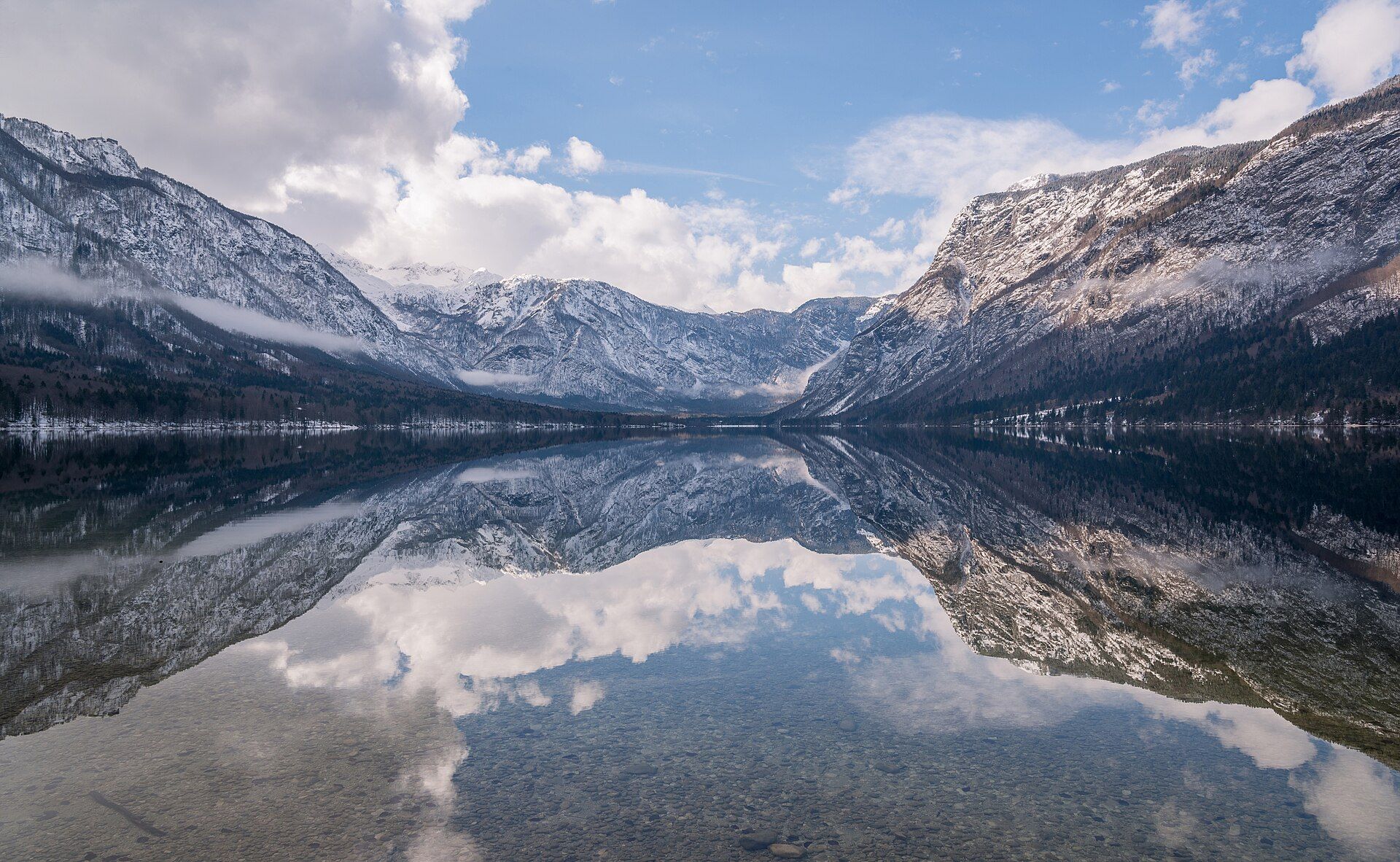
Triglav (2,864 m) in the eastern Julian Alps, with Lake Bohinj and the Savica waterfall below it, in a national park protected since 1924. Gateways are Bohinj, Bled, Kranjska Gora and Bovec; the summit is a demanding climb for which the park advises a guide. June–September for the high trails.
-
Picos de Europa Limestone peaks by the Atlantic
Asturias, Cantabria & León, northern Spain
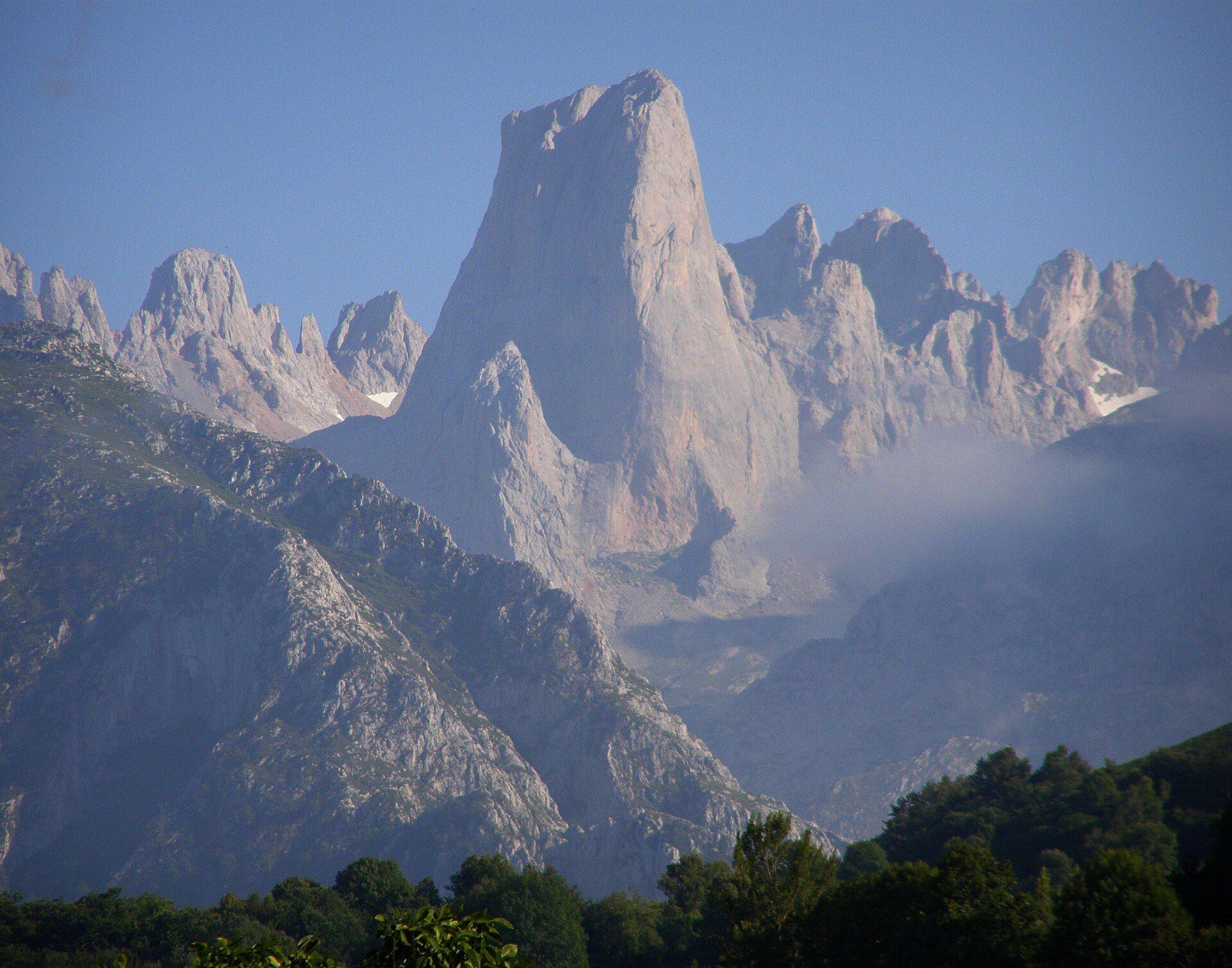
Sheer limestone peaks rising to about 2,650 metres barely 20 km from the sea in northern Spain — Spain's first national park. The Fuente Dé cable car and the Cares Gorge trailheads are the main ways in, from Cangas de Onís, Potes or Arenas de Cabrales. June–September.
-
Mount Olympus Greece's highest
Between Thessaly and Macedonia, near Litochoro, Greece
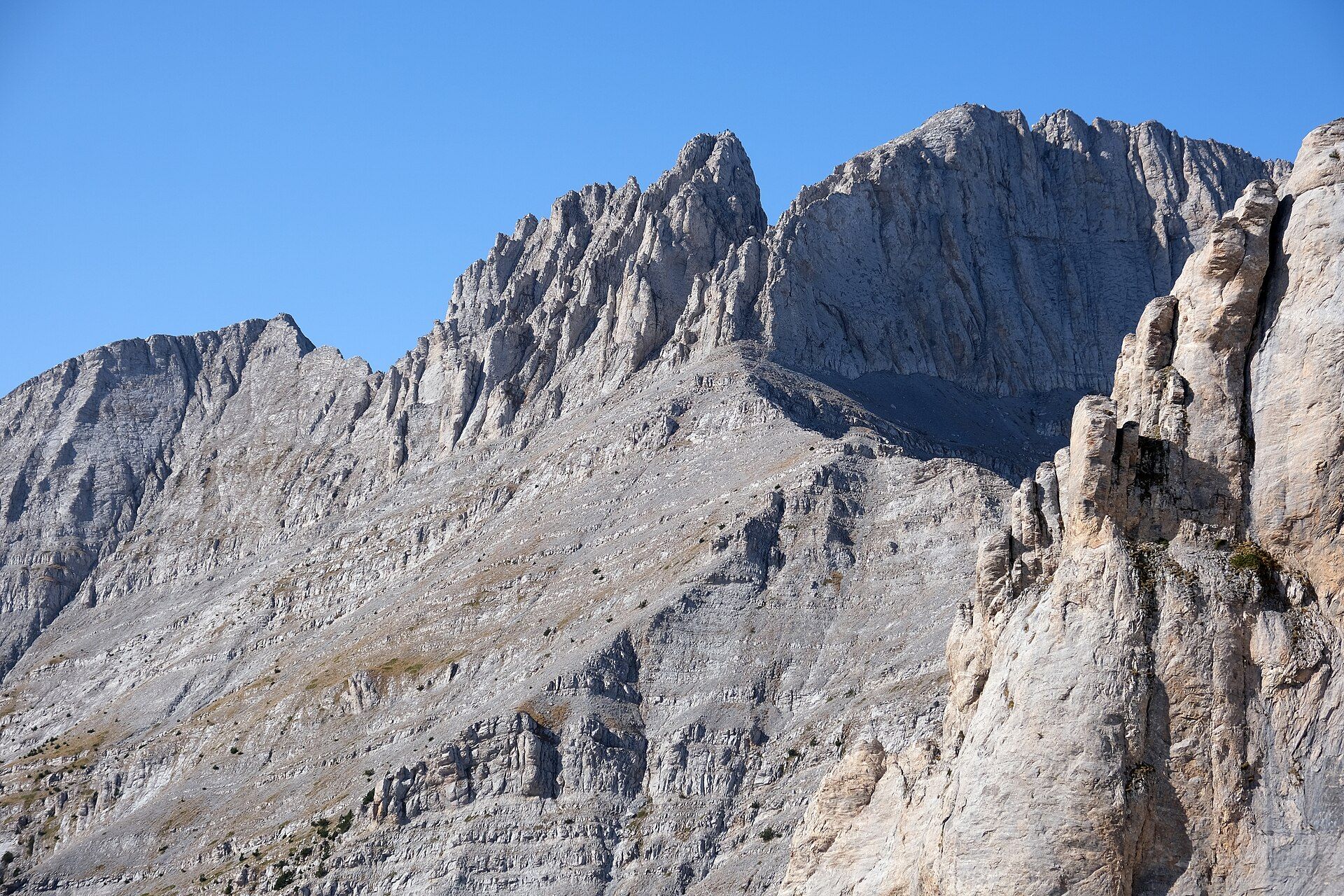
A limestone massif of more than fifty peaks topped by Mytikas (2,917 m), climbing almost 2,900 metres within about 20 km of the Aegean. From Litochoro a road climbs to the Prionia trailhead and paths to the refuges. Late June to early October for the high trails and summit.
-
Kirkjufell Iceland's most photographed
Grundarfjörður, Snæfellsnes Peninsula, West Iceland
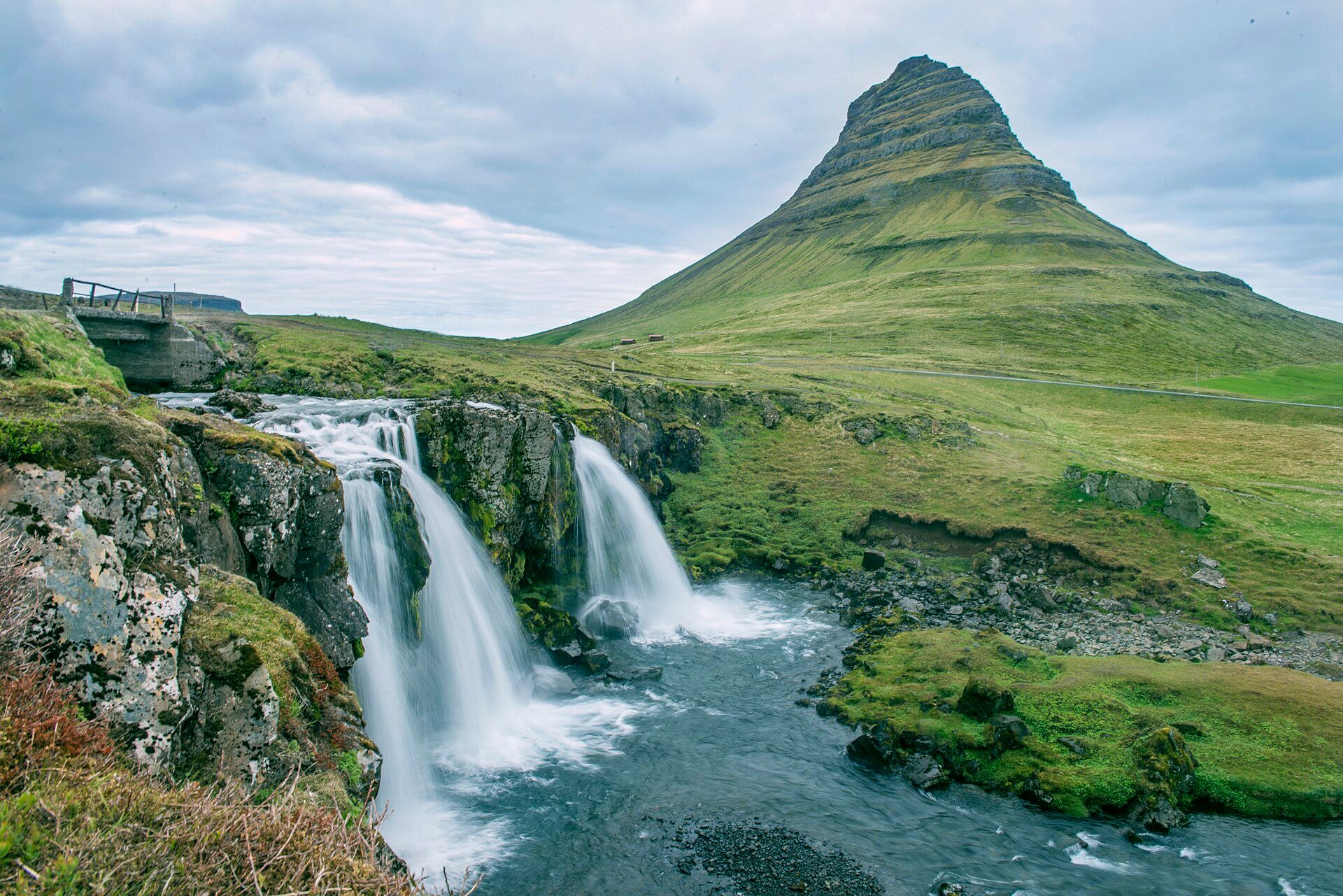
A steep, symmetrical 463-metre peak rising alone from the sea beside Grundarfjörður, usually photographed behind the small Kirkjufellsfoss waterfall. About 2–2.5 hours' drive from Reykjavík on Route 54. June–August for green slopes; September–March for a chance of northern lights over it.
-
Glen Coe Scotland's most dramatic glen
Lochaber, Scottish Highlands, Scotland, United Kingdom
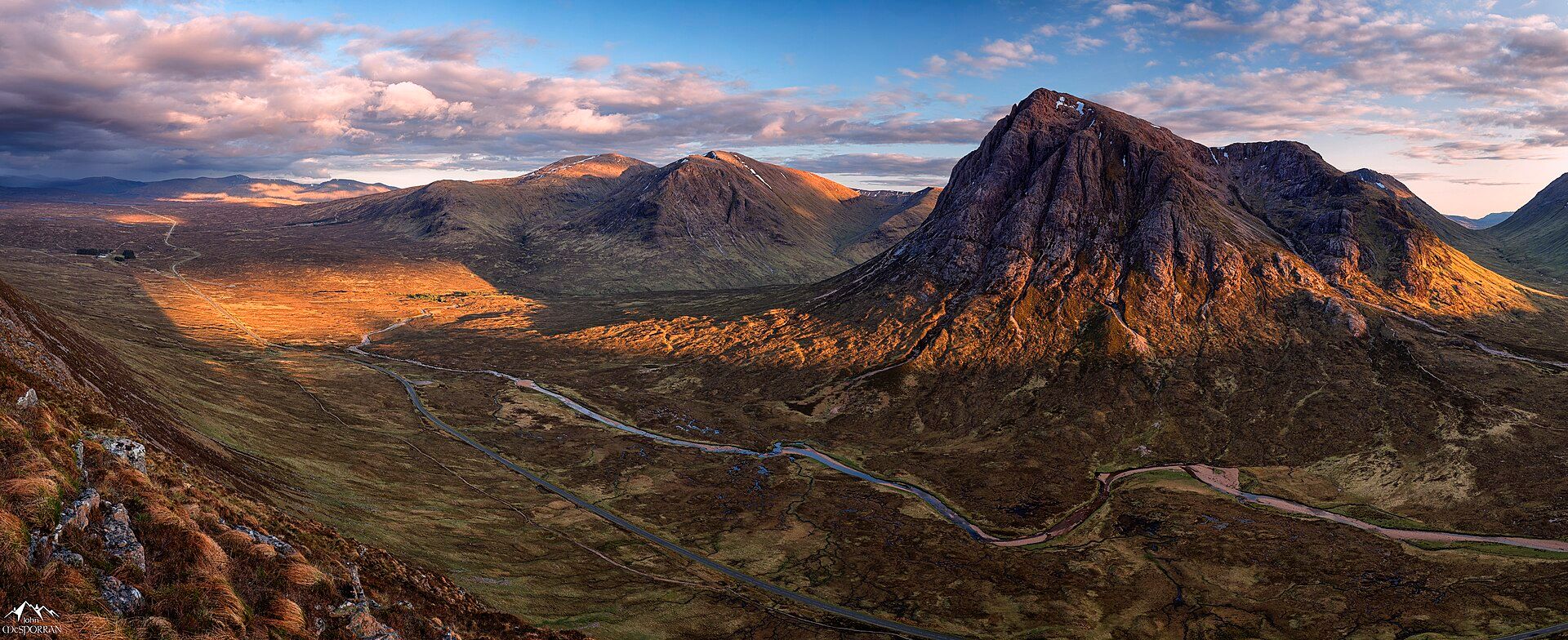
A glacier-scoured valley walled by peaks and ridges over 1,000 metres high, guarded by Buachaille Etive Mòr (1,022 m). The A82 between Glasgow and Fort William runs right through it; no entry fee. May–September for long days and clear tops; winter ridges are serious mountaineering.
-
Yr Wyddfa & Eryri (Snowdonia) Highest in England and Wales
Gwynedd, North Wales, United Kingdom
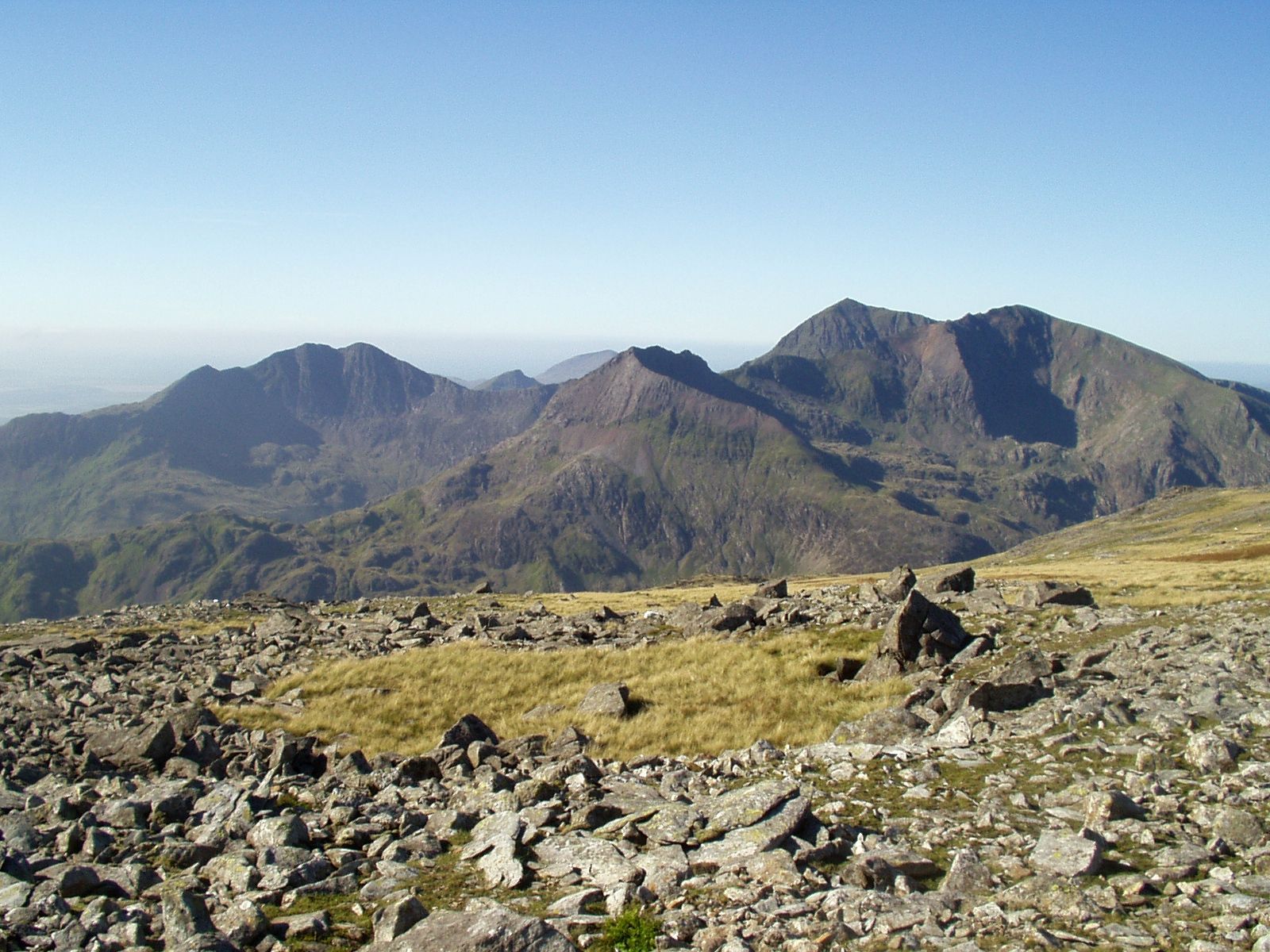
Yr Wyddfa (Snowdon), 1,085 metres, crowning the glacier-hewn peaks and lakes of Eryri in North Wales. Bases are Llanberis, Pen-y-Pass and Betws-y-Coed, with Sherpa'r Wyddfa buses to the trailheads. May–September for the best chance of a clear summit.
Go in summer — roughly June to September — for open trails, huts and lifts; book Alpine cable cars and huts early in July and August. For more, see the most beautiful mountains in the world, the most beautiful places in the Alps and the Caucasus, or compare Matterhorn vs Mont Blanc and Mont Blanc vs Mount Elbrus.
Added