Wildlife · whale watching
The Best Places to See Whales in the World — and the Month for Each
12 places · every one real, mapped, and worth the trip
Whales keep a calendar. They move between cold feeding grounds and warm calving waters, so every good whale-watching coast has a window — and outside it the sea is empty. Get the month right and the place matters less than you'd think; get it wrong and no boat will help.
These are the places in the atlas where whales are a main reason to go, unranked and grouped by when they're there. Sightings are wild and never guaranteed, and the species differ: belugas at Churchill, sperm and blue whales in the Azores, southern right whales in Patagonia, humpbacks almost everywhere else. Whale sharks are fish, not whales — they have their own list.
-
Los Haitises January–March
Samaná Bay, Hato Mayor, Monte Plata and Samaná provinces, Dominican Republic
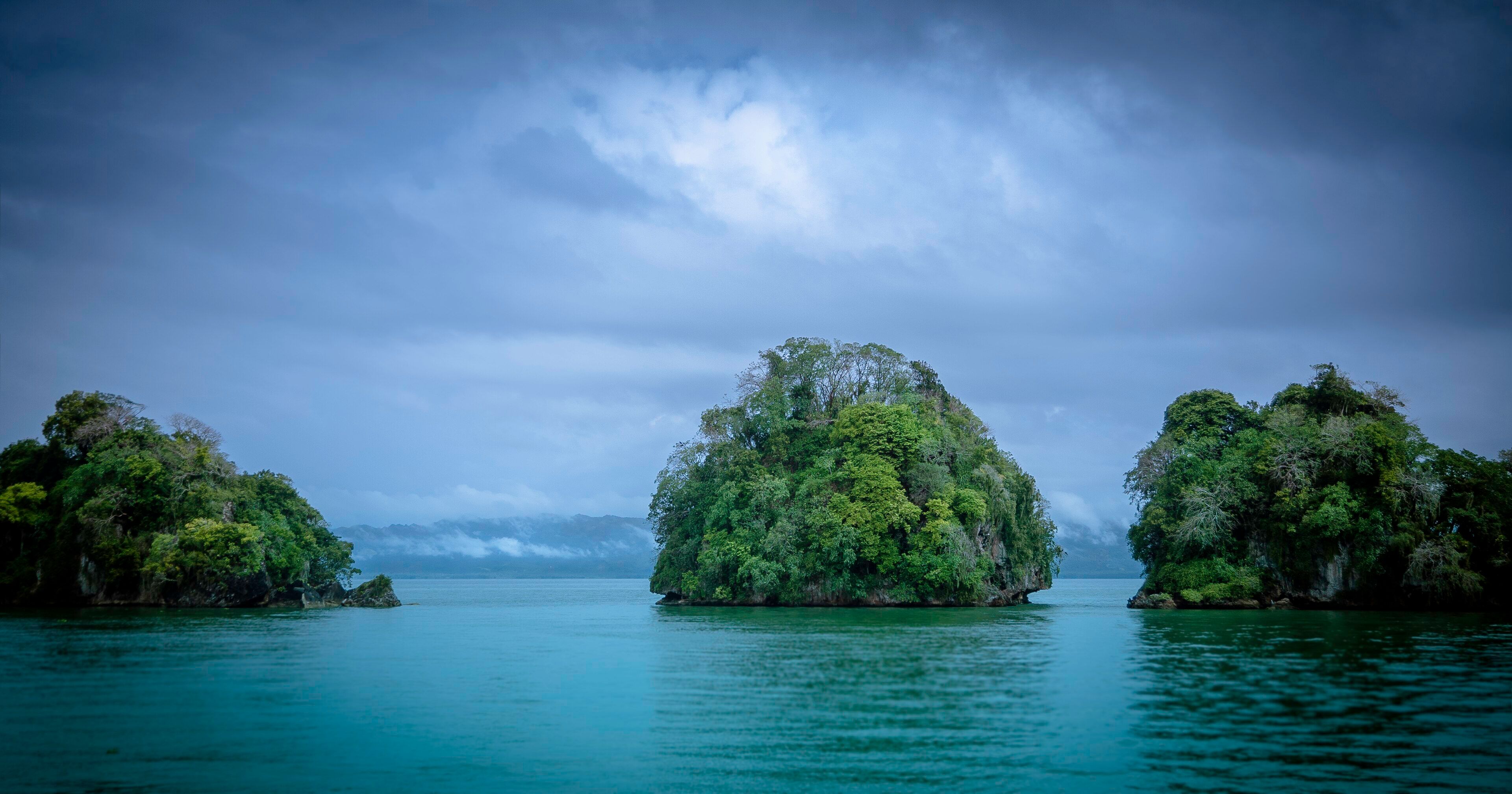
Humpback whales fill Samaná Bay in the Dominican Republic from roughly January to March, and the boat trips into Los Haitises — mangroves, karst islets and caves — leave from the same bay. It is the busiest time of year for the park; entry is ticketed and capped, so book rather than turn up.
-
The Azores May–September
Azores archipelago, Atlantic Ocean
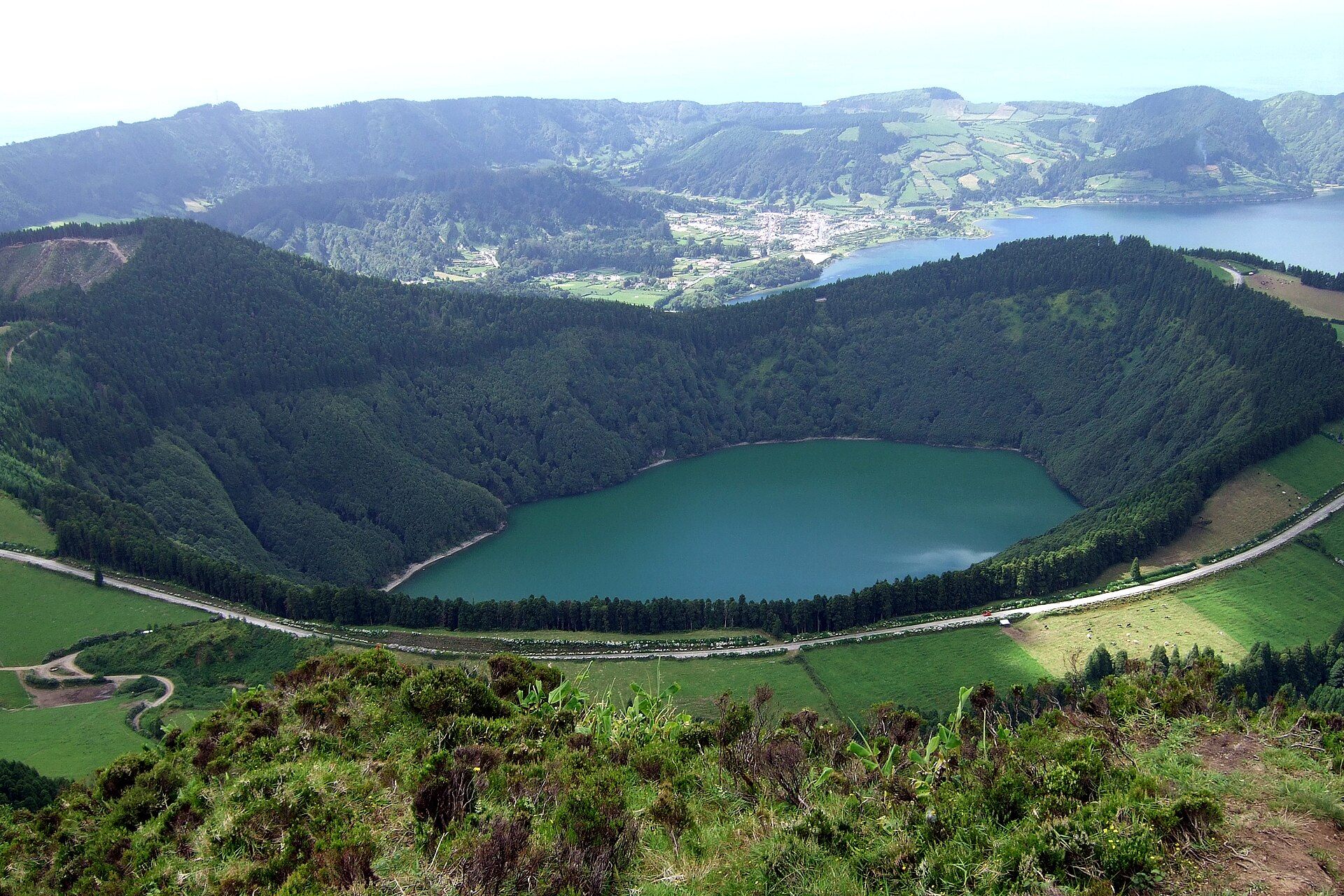
Around a third of the world's whale and dolphin species pass through these deep mid-Atlantic waters, making the Azores one of the finest places anywhere for sperm whales and blue whales. Late spring to early autumn is peak whale-watching season and the warmest, driest weather; São Miguel is the hub, reached by air from Lisbon.
-
Kenai Fjords National Park Late May–early September
Kenai Peninsula, Alaska, United States
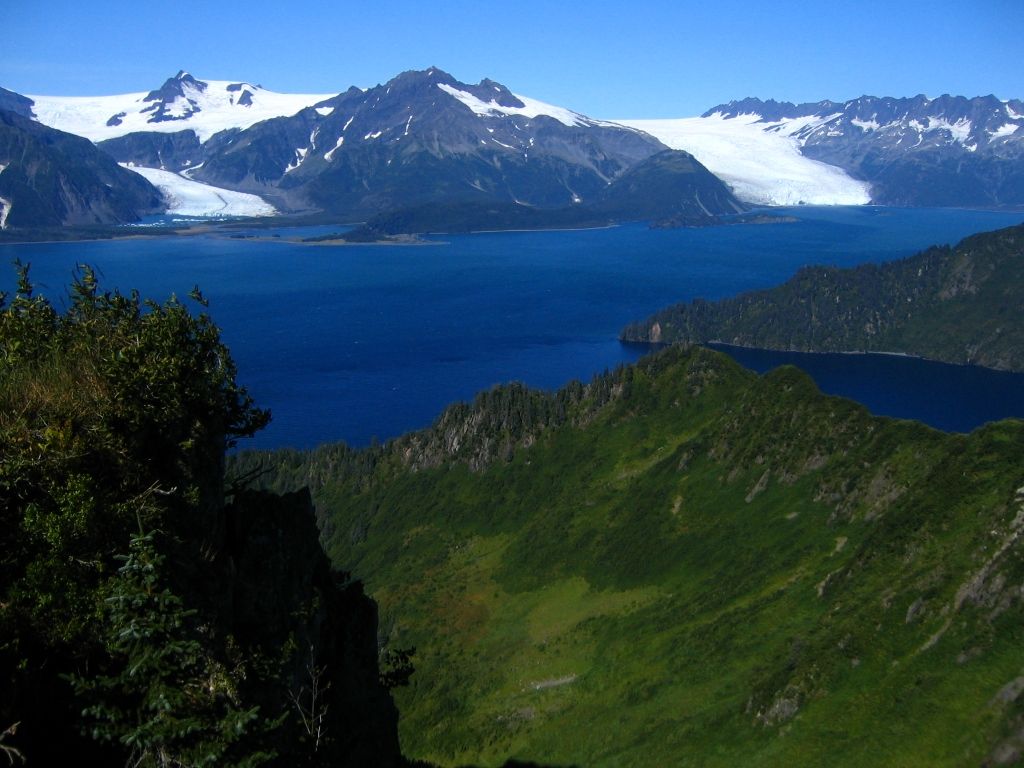
Humpbacks and orcas feed in the cold Gulf of Alaska waters below tidewater glaciers, alongside sea otters, Steller sea lions and puffin cliffs. Day cruises from Seward run from late May to early September; a 6–8 hour full-day boat reaches the glaciers. Seward is 2–3 hours by road or rail from Anchorage.
-
Churchill Belugas, mid-June–August
Churchill, Manitoba, western Hudson Bay, Canada
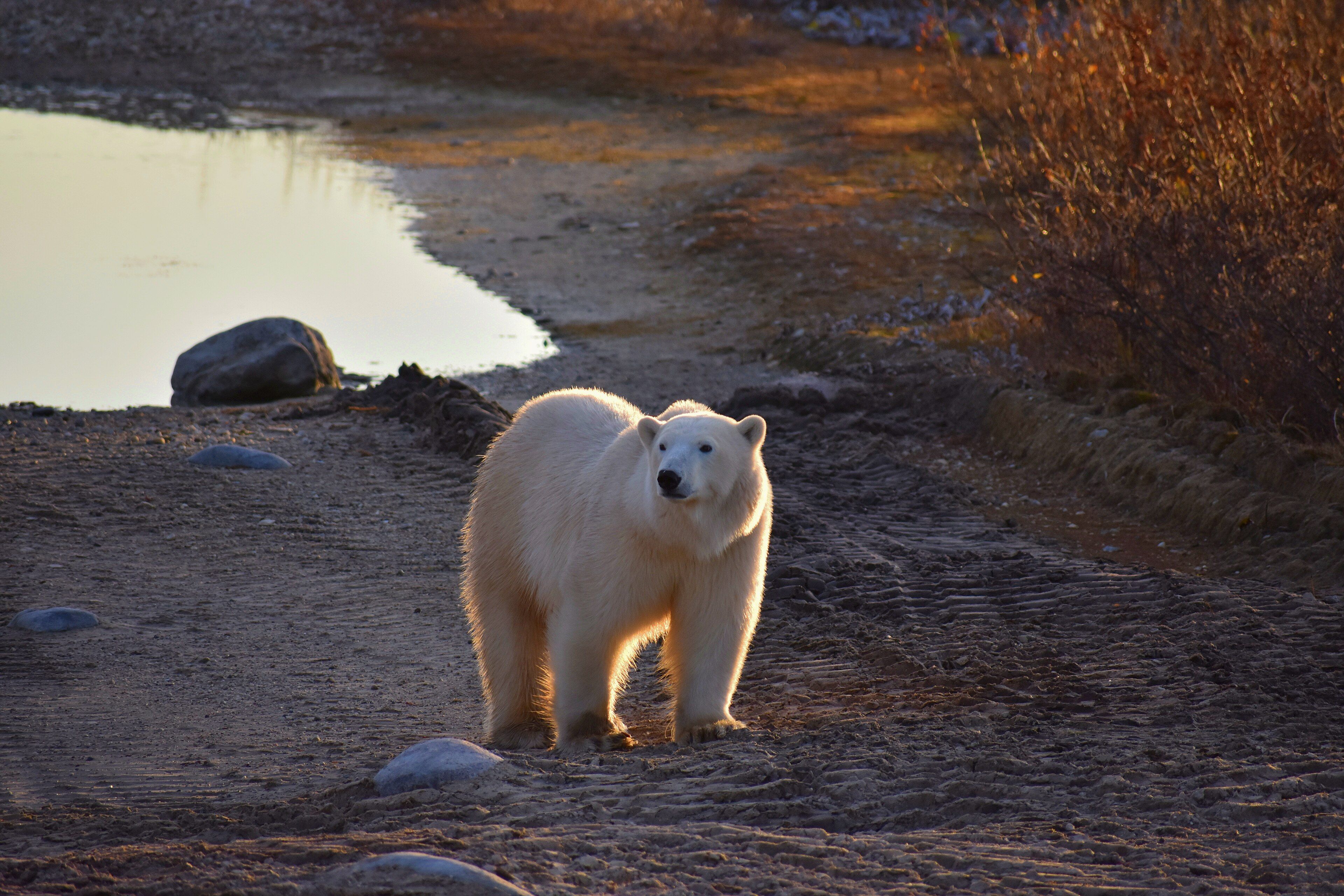
From roughly mid-June to August, thousands of beluga whales move into the warm, shallow Churchill River estuary to calve and moult — among the densest gatherings of the species on Earth. The same town draws roughly 900 polar bears in autumn. There is no road: fly from Winnipeg (about 2.5 hours) or take the two-day train.
-
Bay of Fundy June–September
New Brunswick & Nova Scotia, Canada
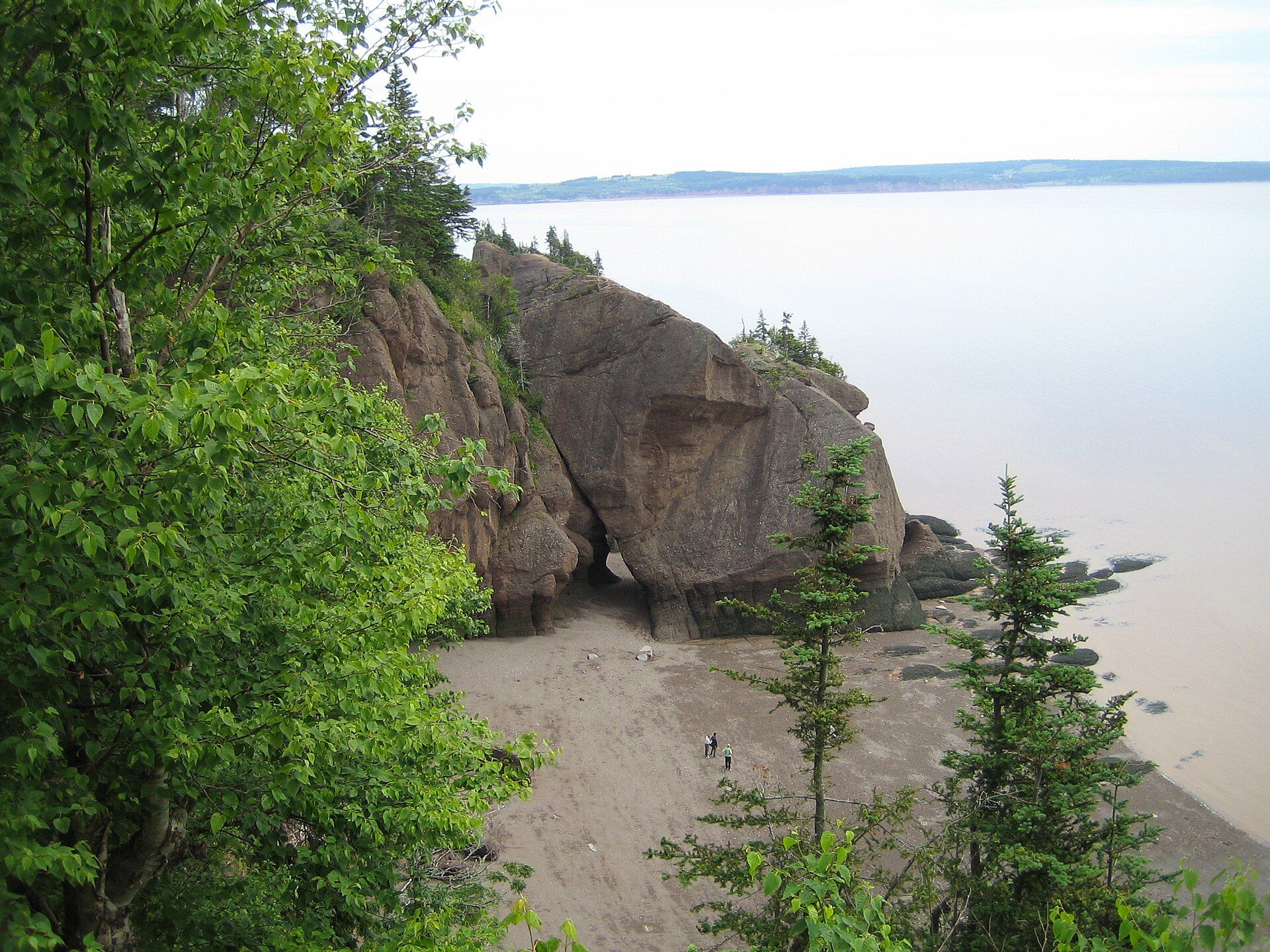
The world's highest tides stir up nutrients that draw whales into the bay, including the endangered North Atlantic right whale. Whale tours leave from coastal towns in summer and early autumn, with feeding at its peak in late summer; plan the rest of the trip around the tide tables at Hopewell Rocks and Burntcoat Head.
-
Shiretoko Summer cruises
Hokkaido, northern Japan
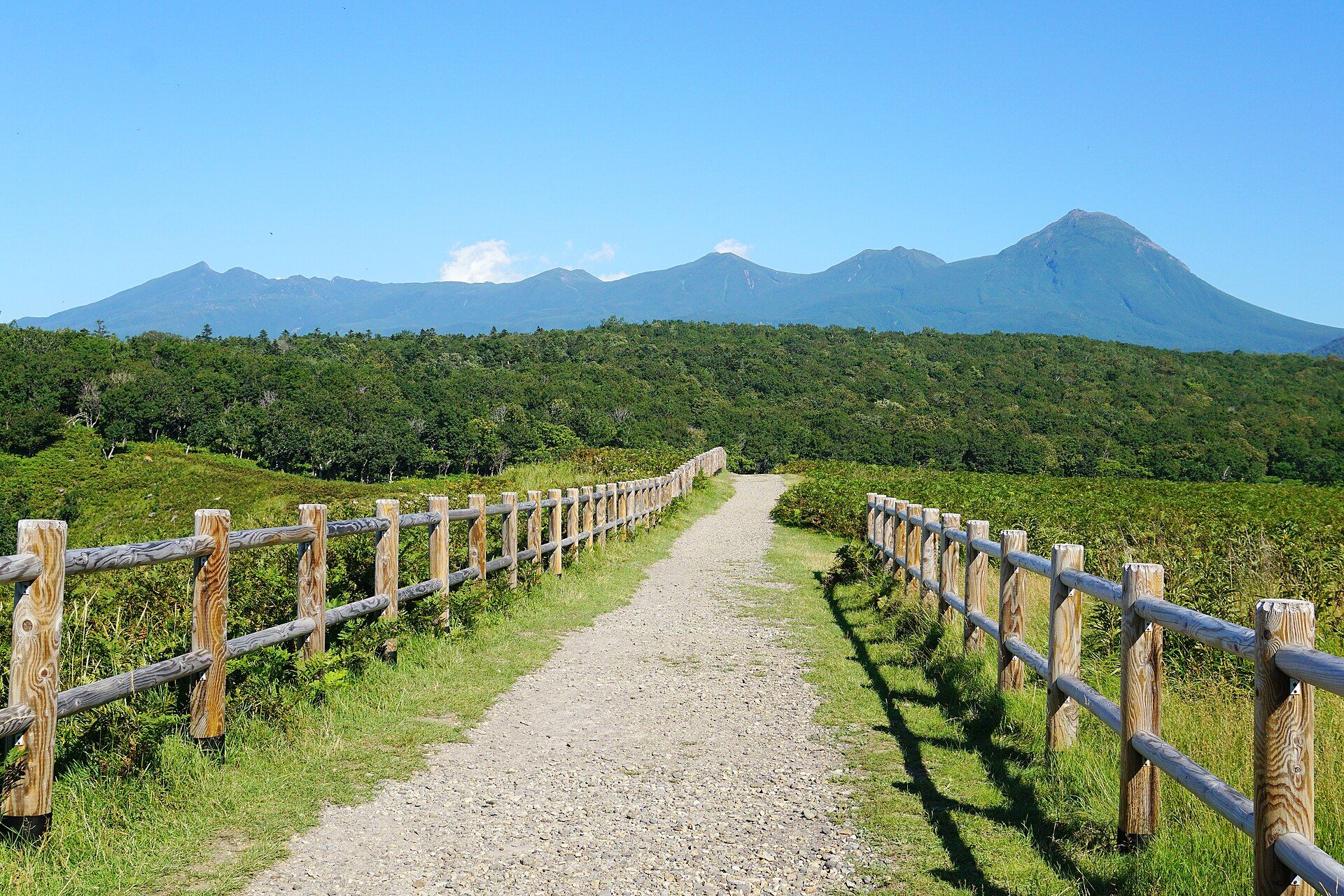
Whales, orcas and seals work the coast of this roadless Hokkaido peninsula, fed by the plankton bloom that follows the retreating drift ice. Summer boat cruises from Utoro and Rausu are the way to see them — and the brown bears on the shore — from the water. Fly to Memanbetsu.
-
Svalbard June–August
Svalbard archipelago, Arctic Ocean
In the short High Arctic summer, whales feed in the cold waters around the archipelago's glaciers, seen from expedition ships alongside walrus, seabird cliffs and, with luck, polar bears. Fly to Longyearbyen from mainland Norway; beyond the town, every outing is guided because of the bears.
-
Península Valdés Southern right whales, June–December
Chubut, Patagonia, Argentina
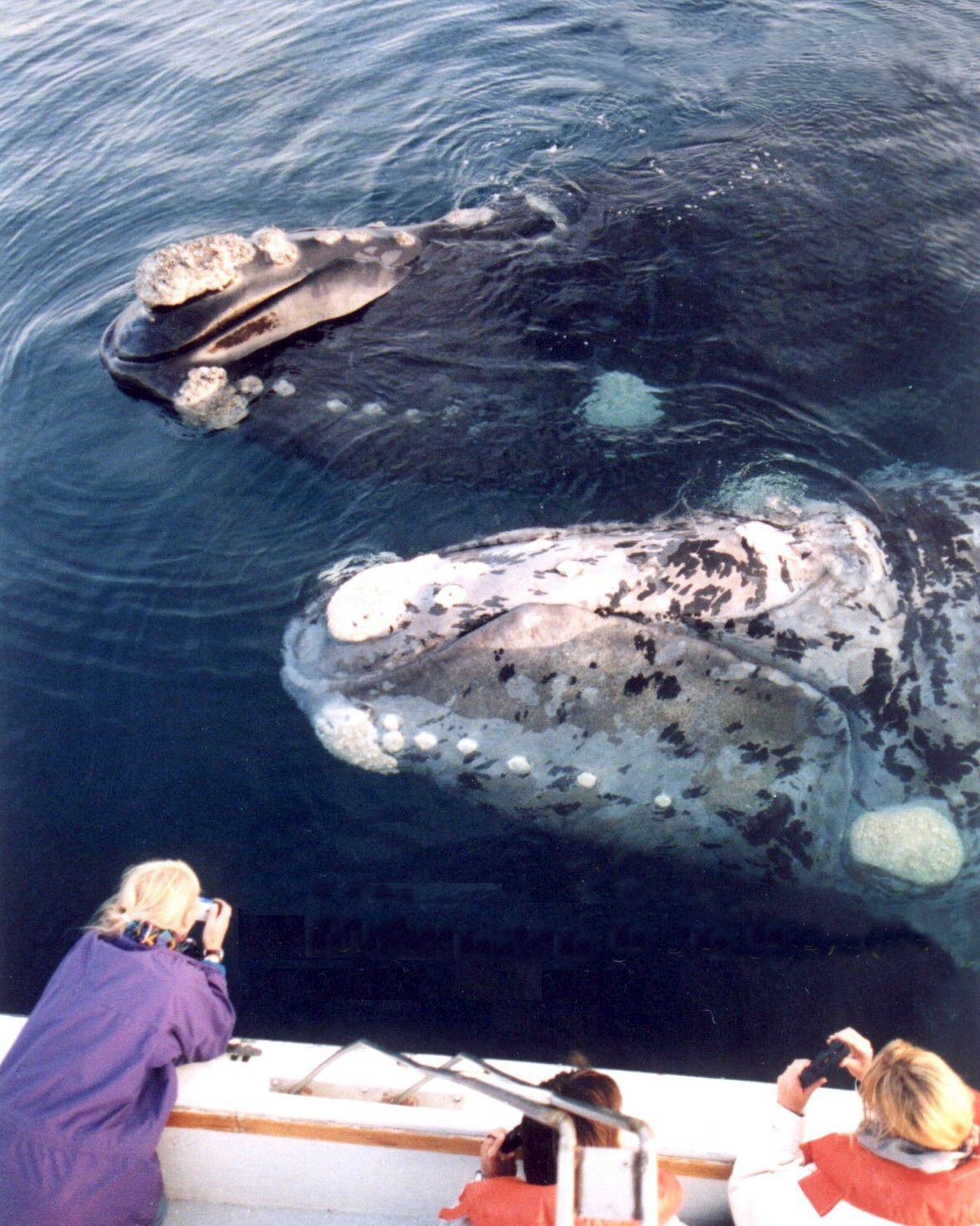
Hundreds of southern right whales gather in the sheltered gulfs to breed and calve, so close to shore they can be watched from the beach or a small boat. They are present roughly June to December, peaking September to November; licensed boats leave from Puerto Pirámides. Orcas hunt seals on the beach around March–April and October–November.
-
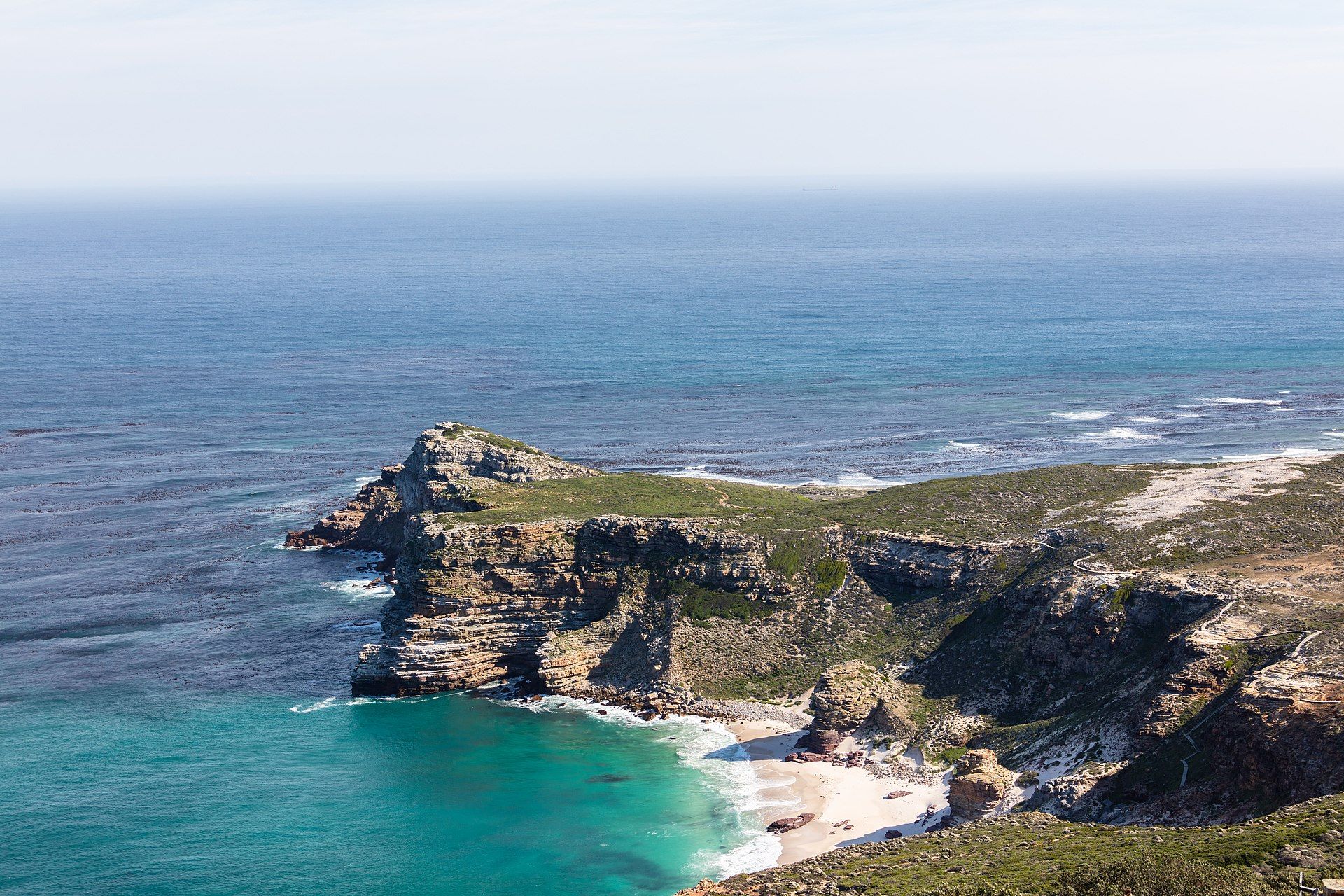
Cape of Good Hope June–November
Cape Peninsula, Western Cape, South Africa
Whales pass offshore at the southern tip of the Cape Peninsula between roughly June and November, spotted offshore from the reserve's coast. It is an easy 60–75 minutes' drive from central Cape Town, so a whale sighting fits into a day trip.
-
Ningaloo Reef Humpbacks, June–November
Coral Coast, Western Australia
Humpback whales pass along Western Australia's Coral Coast roughly June to November, overlapping the end of the whale-shark season — so a June or July trip can bring both. Exmouth and Coral Bay are the bases; fly to Learmonth.
-
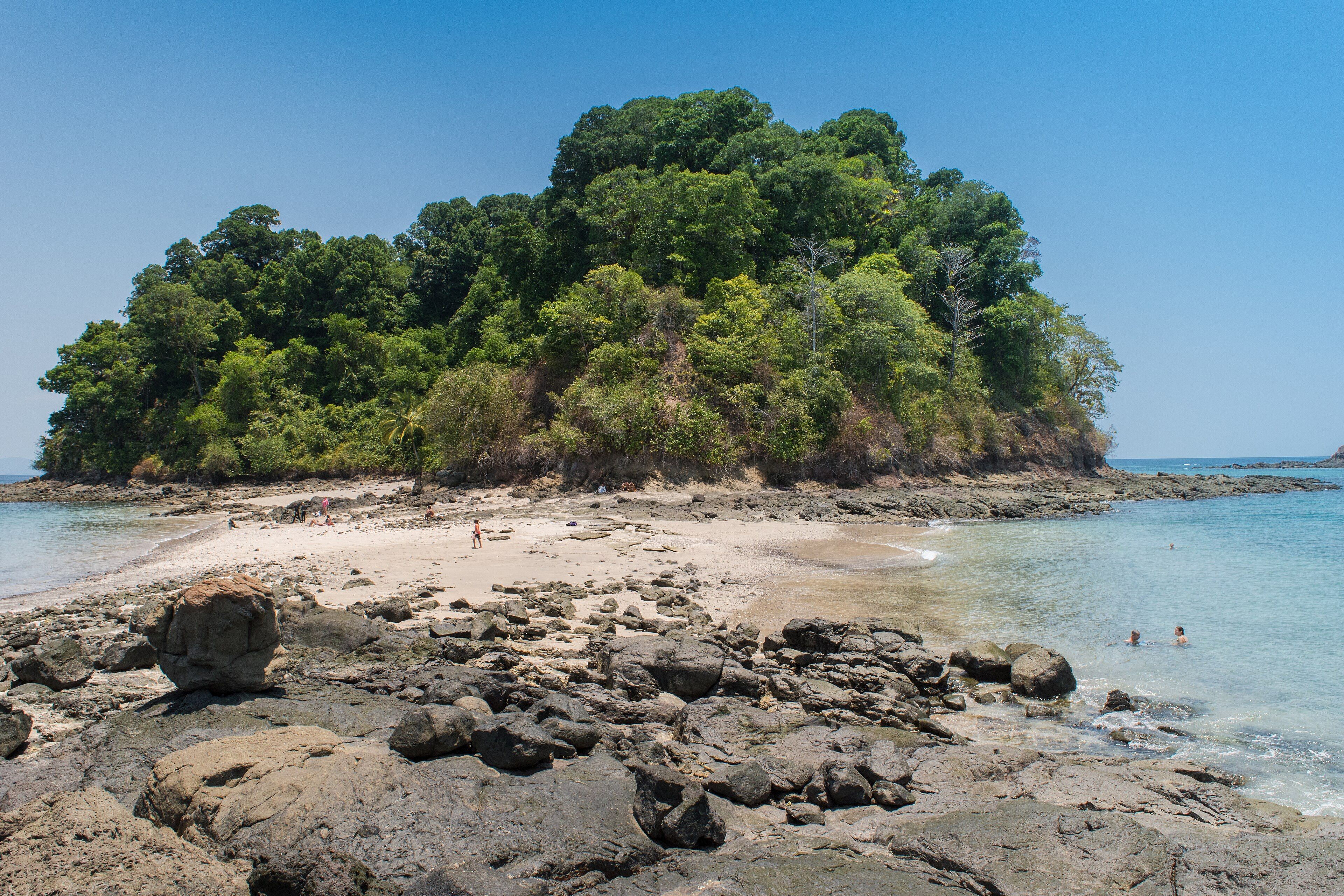
Coiba Humpbacks, July–October
Gulf of Chiriquí, Veraguas Province, Pacific Panama
Humpback whales pass through this protected Panamanian island park between roughly July and October, in the wetter half of the year, along with pilot whales, orcas and dolphins. Boats cross from Santa Catalina in about an hour and a half; a park permit, normally arranged by the operator, is required.
-
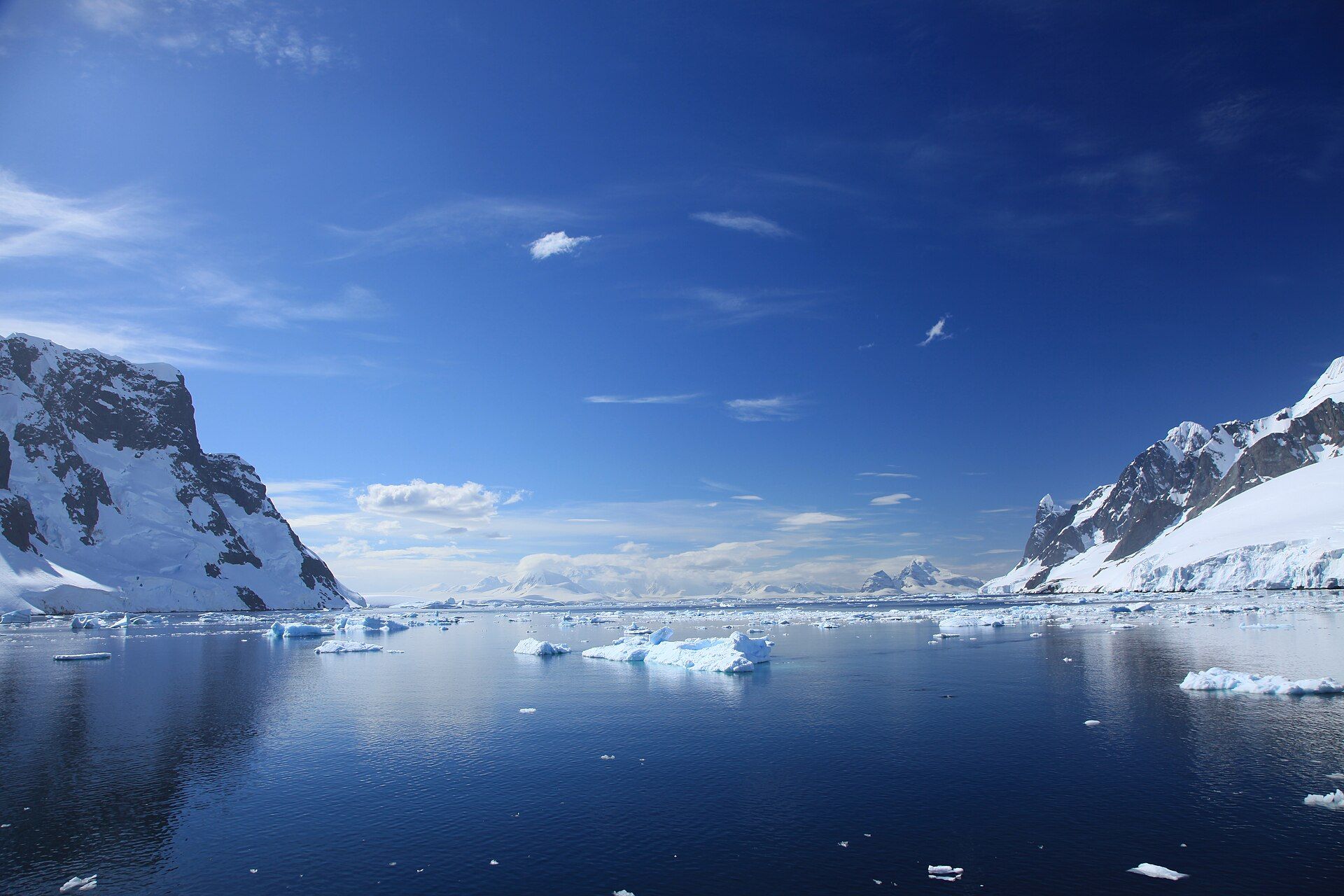
Antarctic Peninsula November–March
Antarctic Peninsula
Humpback, minke and orca whales feed in the plankton-rich channels among icebergs, and whale sightings peak in the middle and late part of the November–March expedition season. Ships cross the Drake Passage from Ushuaia in about two days each way, or fly-cruises skip it.

Put the windows side by side and there's a whale season somewhere in every month: Samaná Bay from January to March; the Azores, Alaska, Churchill, Fundy, Shiretoko and Svalbard through the northern summer; Valdés, the Cape, Ningaloo and Coiba from about June into the southern spring; and Antarctica from November to March. Book licensed operators where they exist, and treat any promise of a guaranteed sighting as a red flag.
Added