Wildlife · elephants
The Best Places to See Wild Elephants — Savanna, Forest and Asian Herds
13 places · every one real, mapped, and worth the trip
Elephants follow water, so almost every place below has the same rule: come in the dry season, when the herds walk to the last rivers, swamps and waterholes and the bush is thin enough to see them. Each entry gives that park's own window.
The list is unranked and grouped by setting: the big savanna herds of eastern and southern Africa, the two African oddities — forest elephants in the Congo Basin and desert-adapted elephants on the Skeleton Coast — and three places for Asian elephants, from Assam's floodplain to a Bornean river.
-
Chobe National Park Around 50,000 elephants, May–Oct
Northern Botswana, beside Kasane and the Chobe River
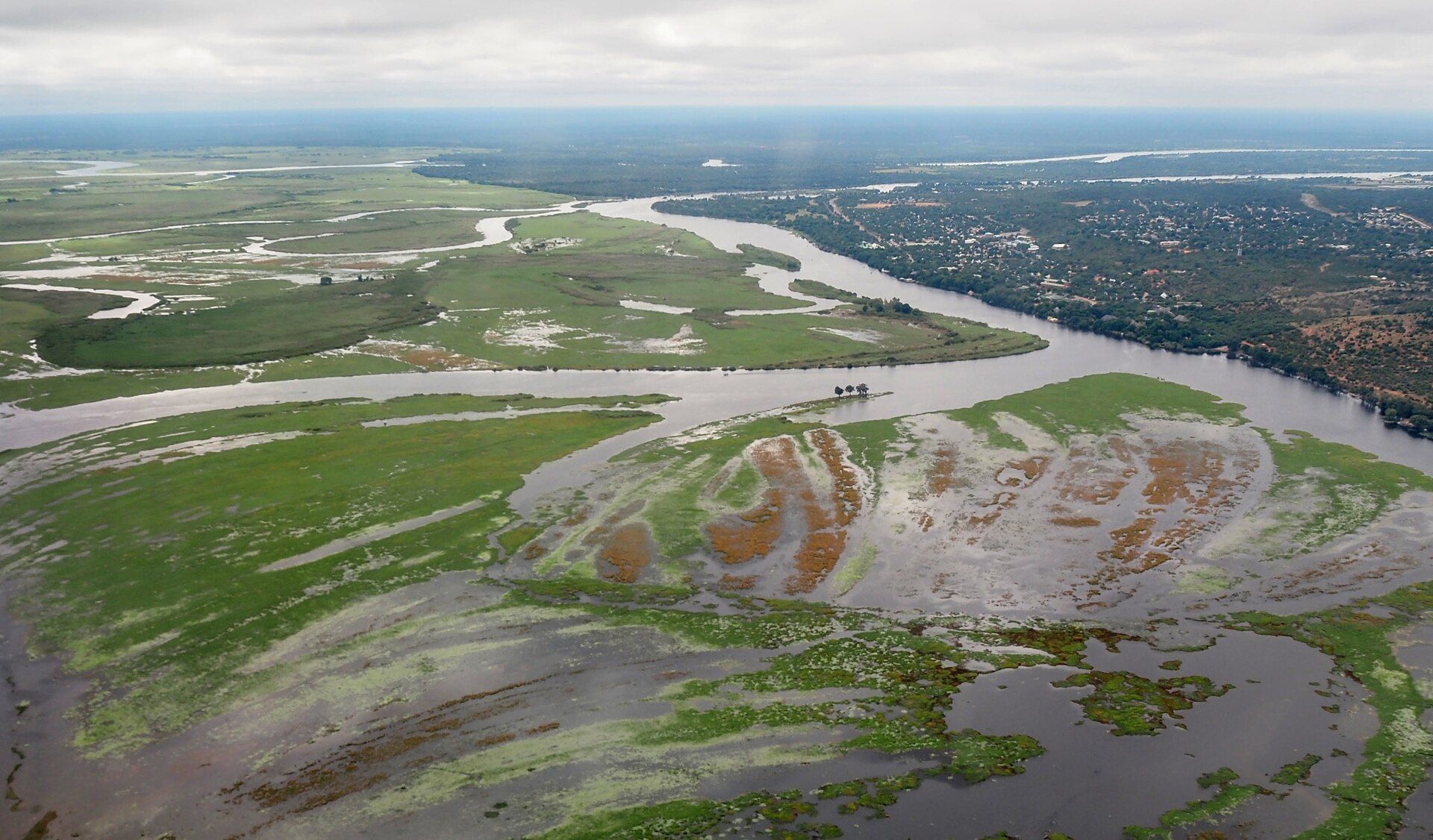
Botswana's elephant park: estimates run to around 50,000 Kalahari elephants, among the largest herds of any known population, and in the dry season, roughly May to October, they gather along the Chobe River. Kasane is the gateway for the riverfront; the interior — Savuti, Linyanti, Nogatsaa — needs a capable 4x4 and preparation.
-
Amboseli National Park Tuskers under Kilimanjaro
Kajiado County, southern Kenya, on the Tanzanian border
Herds of big-tusked elephants walk across open plains with the snow-domed summit of Kilimanjaro behind them, drawn to permanent swamps fed by snowmelt from the mountain. Come June to October or January to February, when animals concentrate at the swamps and the peak is most often clear. About 240 km south of Nairobi, 4–5 hours by road, or a short flight.
-
Tarangire National Park River herds, Jun–Oct
Manyara Region, Northern Tanzania
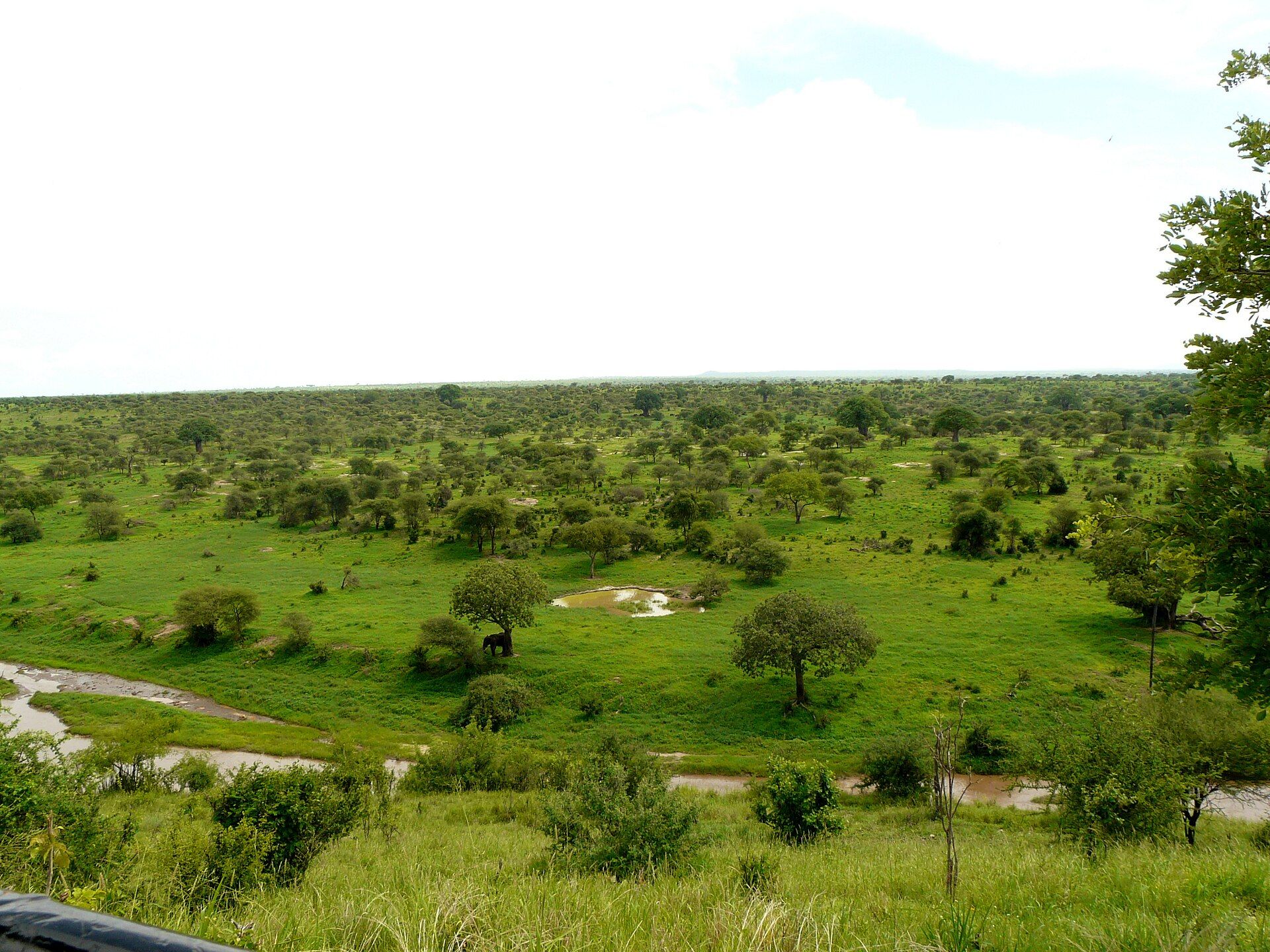
A baobab-studded savanna famous for its elephants: as the dry season deepens, the animals of a huge area funnel toward the Tarangire River, the only permanent water for miles. June to October is the window; about two hours from Arusha, often the first stop on the northern circuit, with fewer vehicles than the more famous parks nearby.
-
Hwange National Park Zimbabwe's biggest population
Matabeleland North, north-western Zimbabwe, off the Bulawayo–Victoria Falls highway
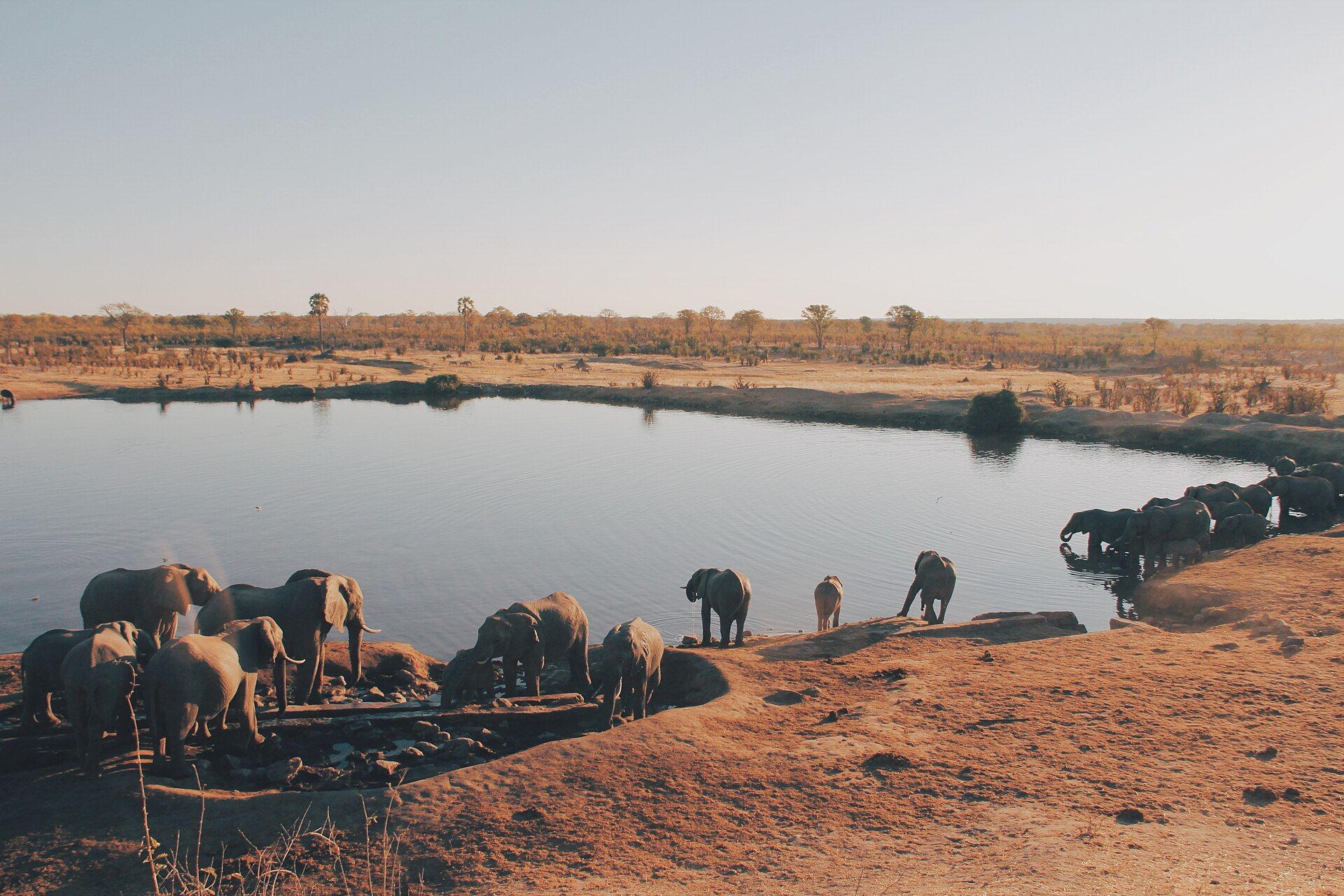
About 14,650 km² of grassland, teak and mopane woodland holding the largest elephant population in Zimbabwe. Come roughly July to October, when the bush thins and wildlife gathers at the remaining water. Main Camp is 172 km from Victoria Falls on tar; malaria is present, so take advice on prophylaxis before you go.
-
Etosha Pan Waterholes, Jun–Oct
Northern Namibia
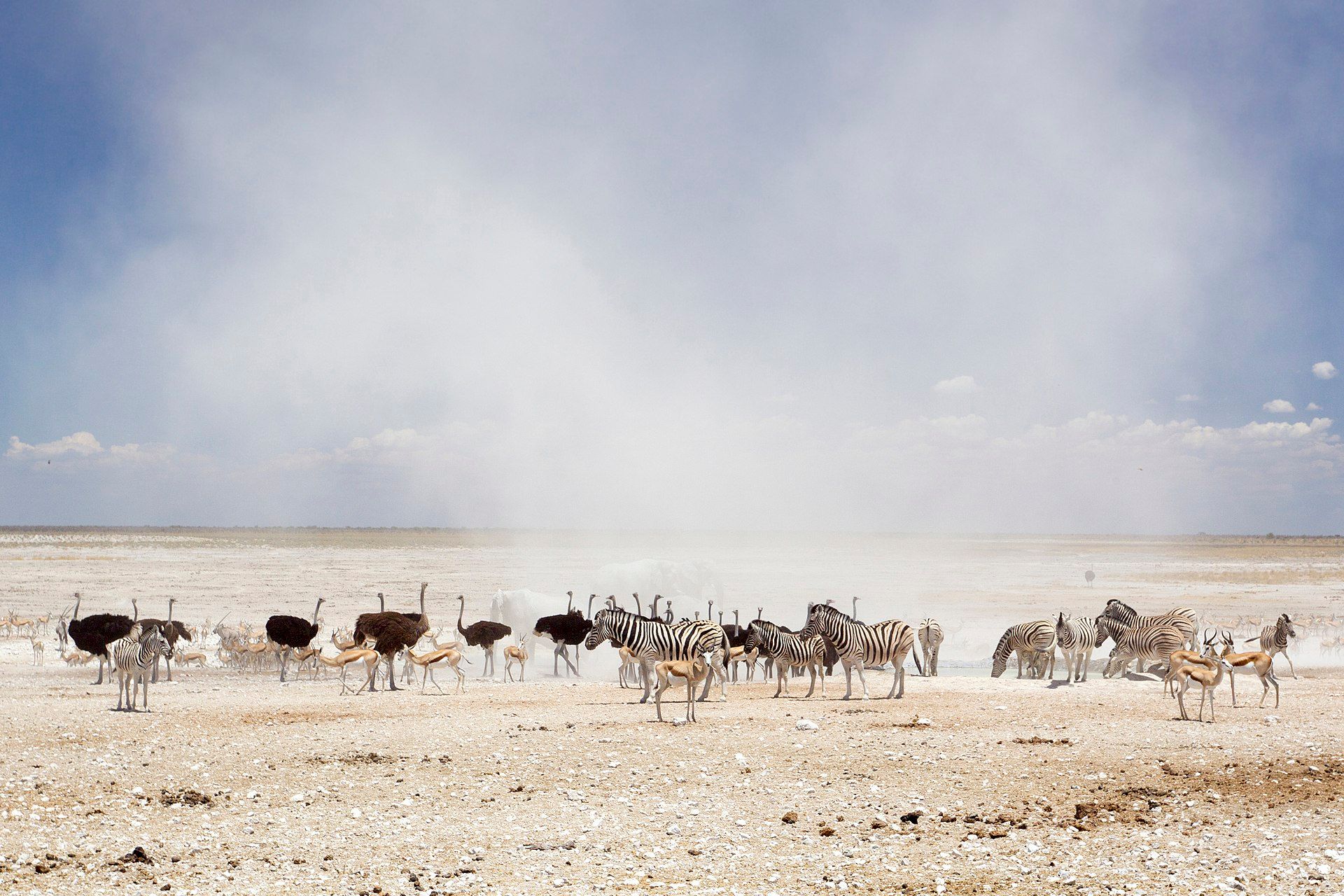
Elephants, black rhinos and lions arrive in turn at the waterholes around a white salt pan, often several species at once. The dry season, roughly June to October, concentrates them; the park is an easy self-drive from Windhoek, and the rest camps' floodlit waterholes keep the viewing going after dark.
-
Kruger National Park Self-drive Big Five
Mpumalanga & Limpopo, South Africa
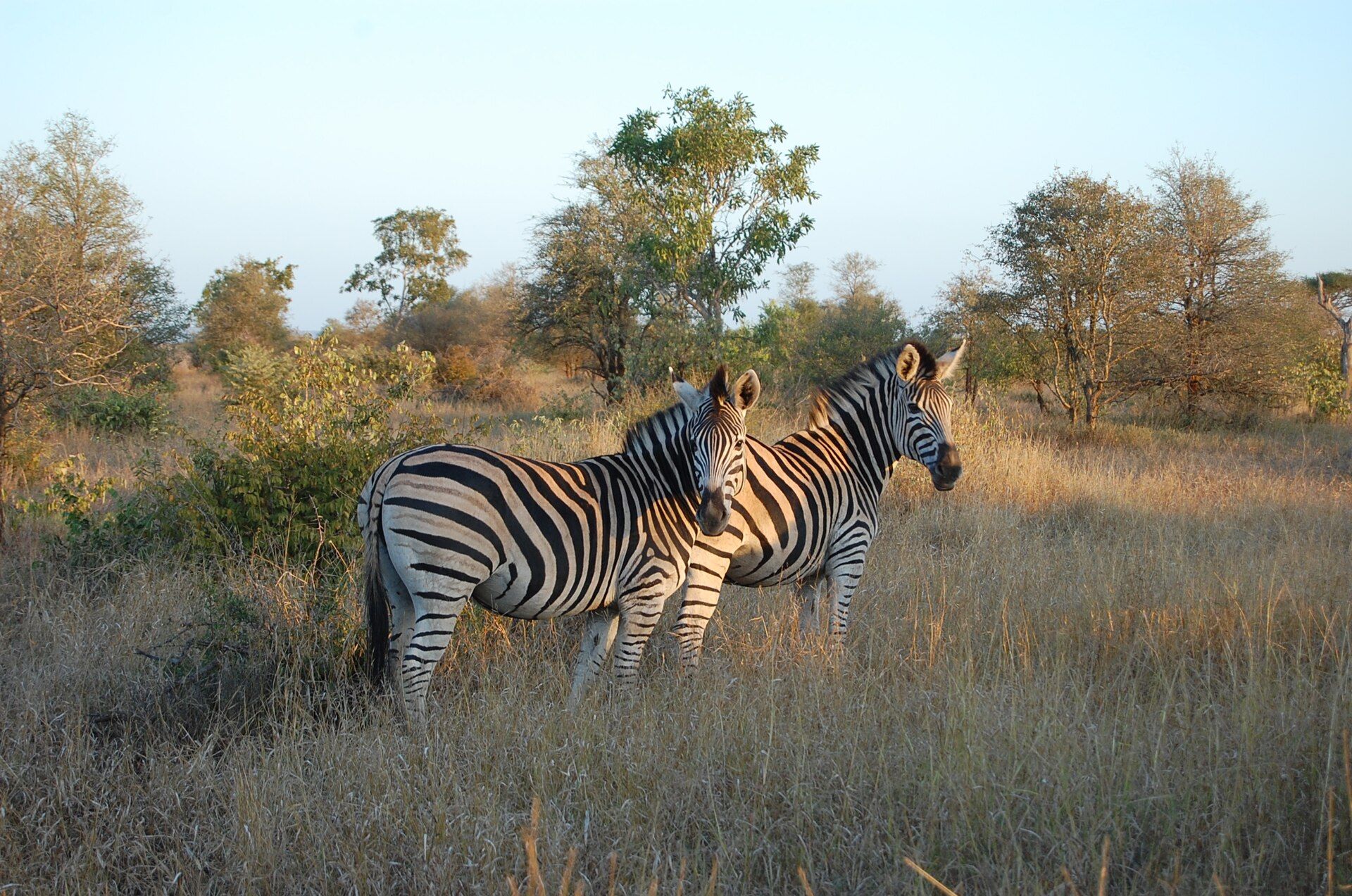
Nearly 20,000 km² of bushveld with the Big Five — elephants among them — and good roads you can drive yourself. The dry winter, roughly May to September, makes animals easiest to spot as the vegetation thins; a guided dawn or night drive improves the odds. Stay in your vehicle, and ask a travel clinic about malaria, especially for the north.
-
Okavango Delta Elephants in the channels
Northern Botswana
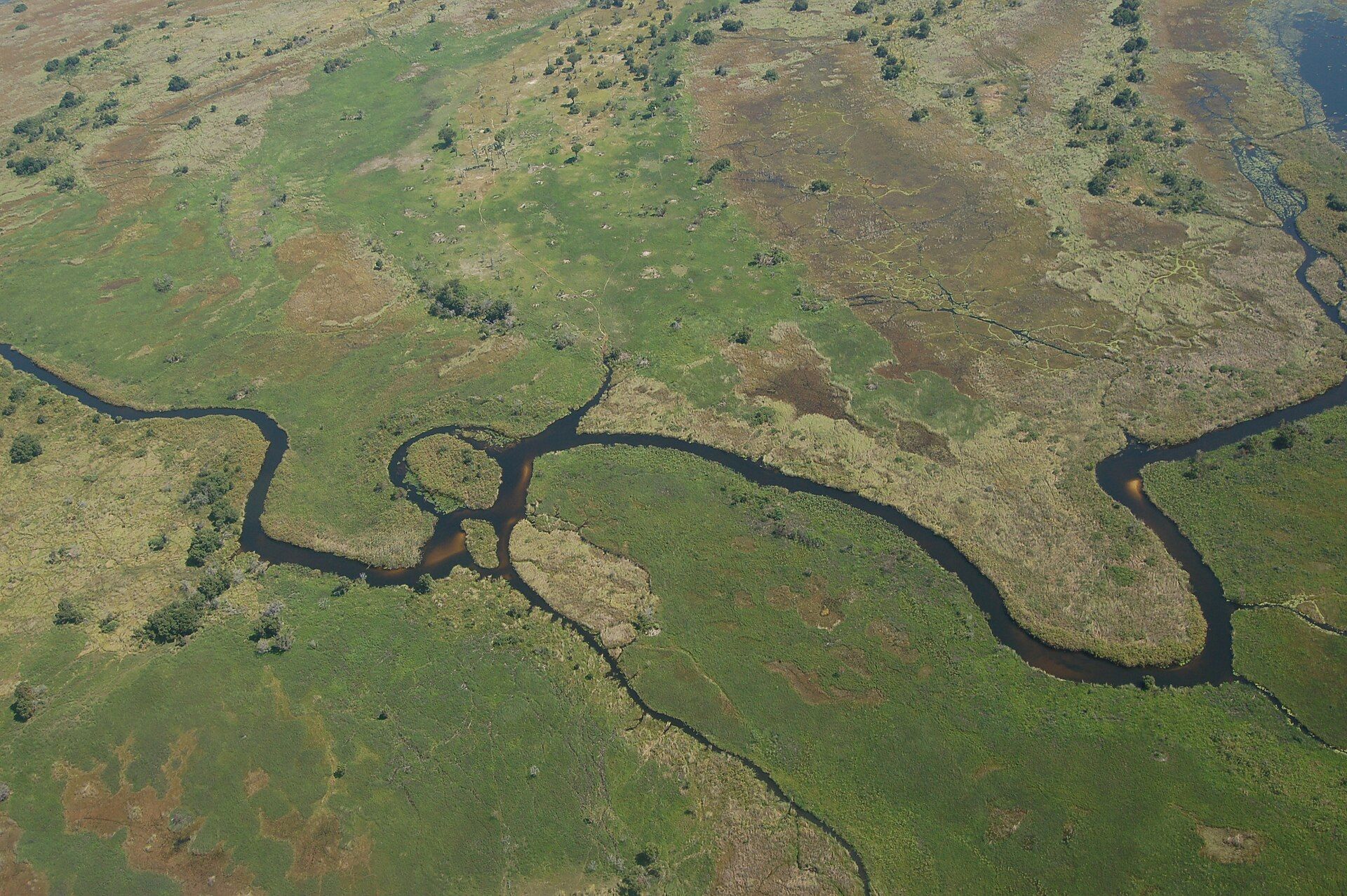
The flood arrives from the Angolan highlands as the land dries, so roughly May to September the wildlife converges on water — elephants wading the channels, hippos in the lagoons. You explore by mokoro or on foot with local guides, from fly-in camps reached by light aircraft from Maun.
-
South Luangwa National Park Crossing the river, Jun–Oct
Luangwa Valley, Eastern Province, Zambia
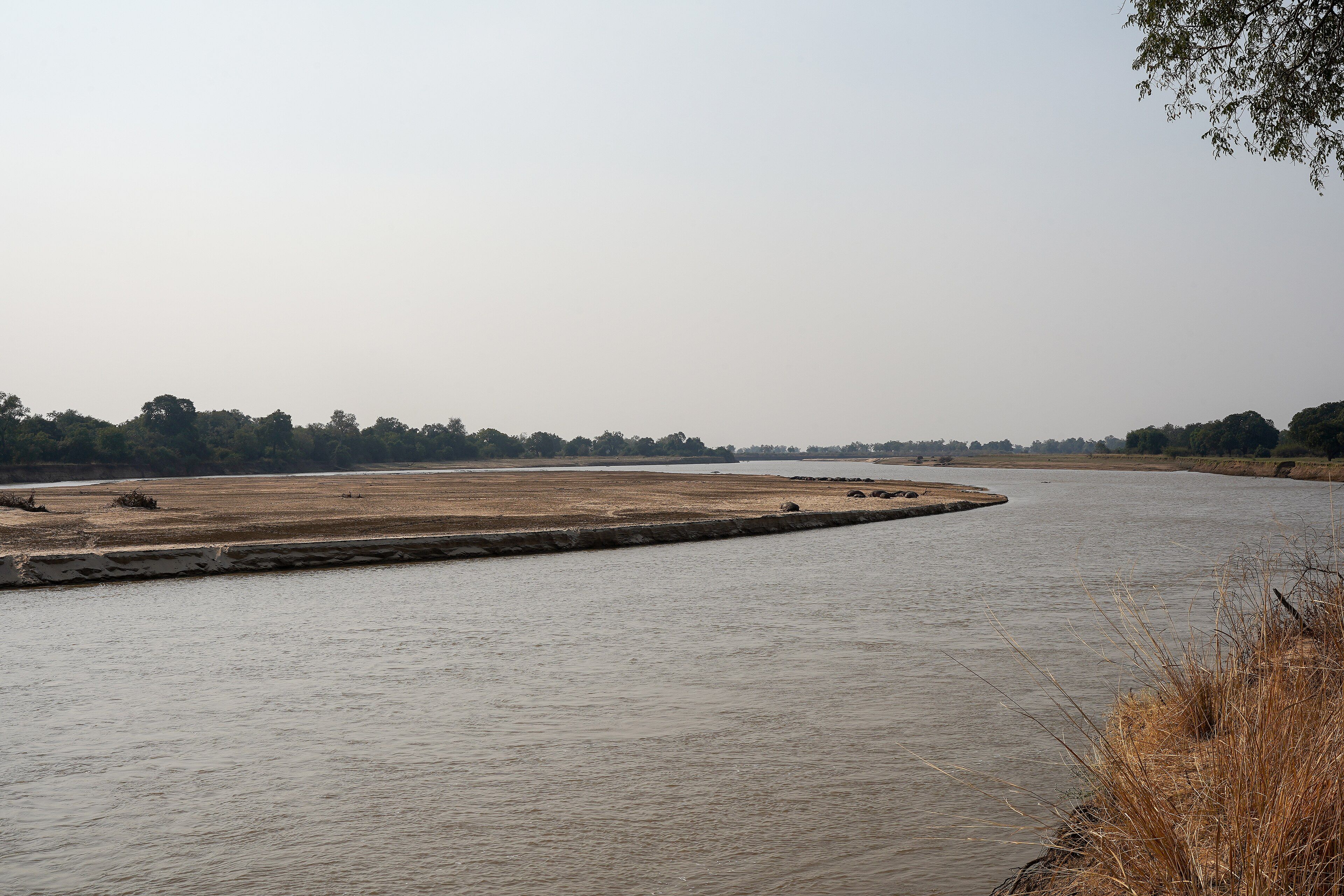
Elephants cross the Luangwa in the open, within sight of hippo pods and crocodiles on the sandbanks; June to October is the classic window, September and October the most intense. Fly Lusaka–Mfuwe; walking safaris need a licensed guide and an armed scout, and many camps close December to March.
-
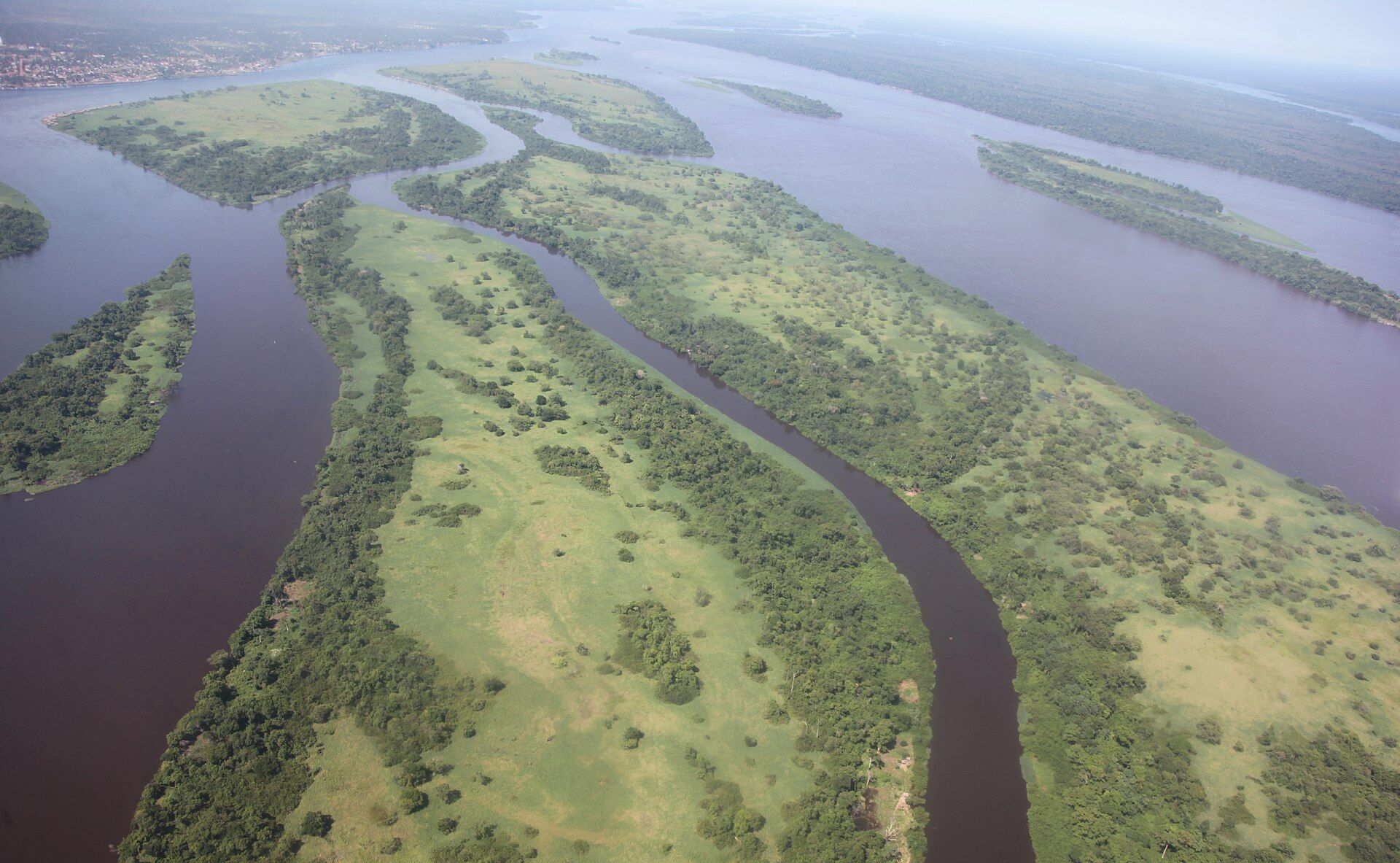
Congo Basin Rainforest Forest elephants at the bais
Central Africa
Africa's other elephant: forest elephants and lowland gorillas come out into bais, natural forest clearings, which is what makes them visible at all. Access is confined to a handful of managed reserves such as Odzala and Nouabalé-Ndoki, reached through specialist operators; yellow fever vaccination is a hard entry requirement.
-
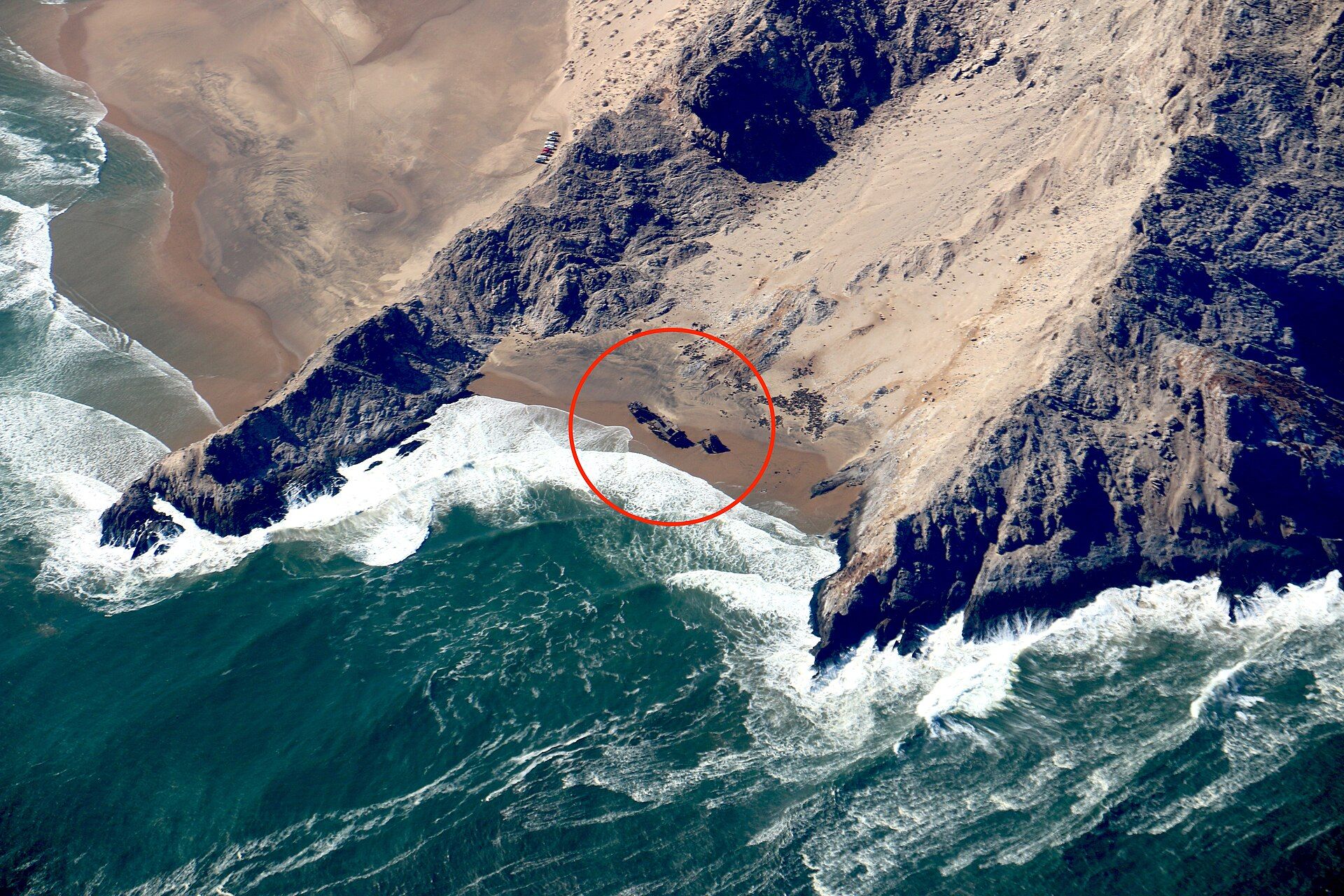
Skeleton Coast Desert-adapted elephants
Northwestern Namibia
Inland from the fog-bound shore, desert-adapted elephants, lions and oryx range along dry riverbeds. The cooler months, roughly May to October, are the most comfortable. Reached by 4x4 from Swakopmund; the northern sections are permit-only and mostly visited by fly-in safari.
-
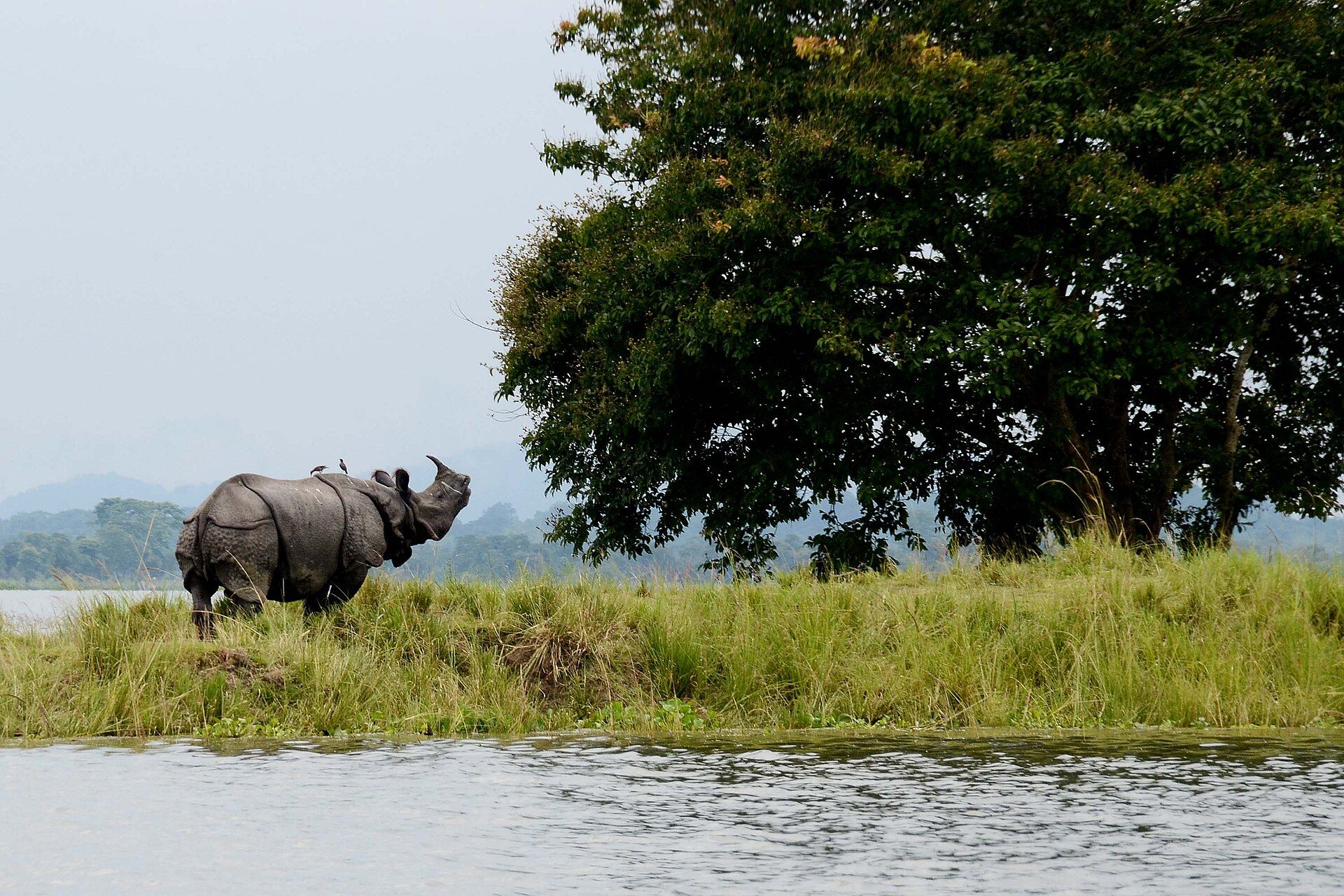
Kaziranga Asian elephants, Nov–Apr
Assam, India
Herds of wild Asian elephants graze the Brahmaputra floodplain alongside two-thirds of the world's greater one-horned rhinos and wild water buffalo. The park is open in the dry, cool season, roughly November to April — the monsoon floods and closes it. Book jeep safaris and permits through the park in advance.
-
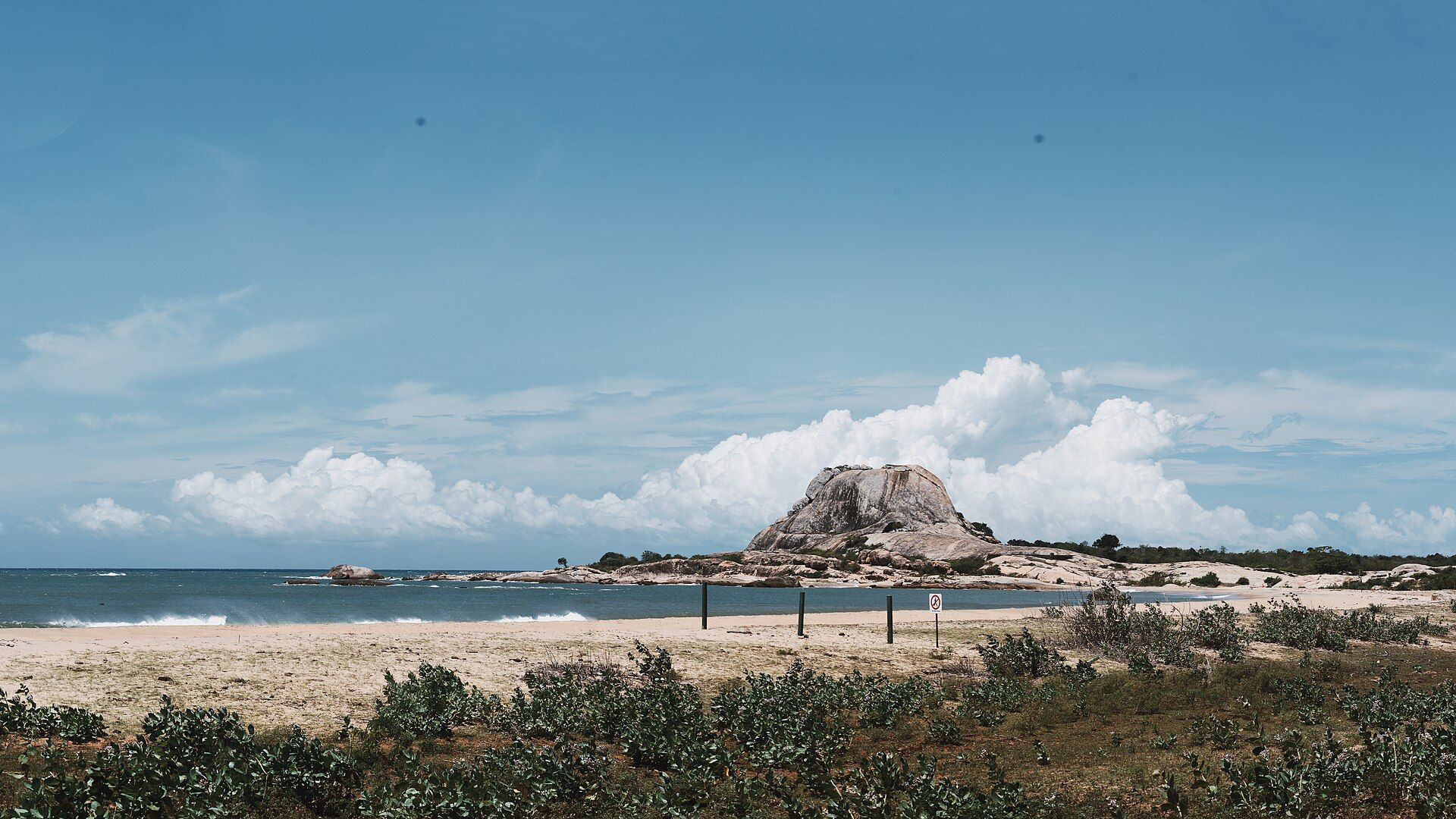
Yala National Park Elephants at shrinking water
Southern and Uva Provinces, southeastern Sri Lanka
Elephants, sloth bears and crocodiles share the same shrinking water in Sri Lanka's dry southeast, in the park best known for its leopards. February to July is the strongest window; Block 1 normally closes for several weeks around September–October. Entry is only by licensed jeep with a driver and tracker, from Tissamaharama.
-
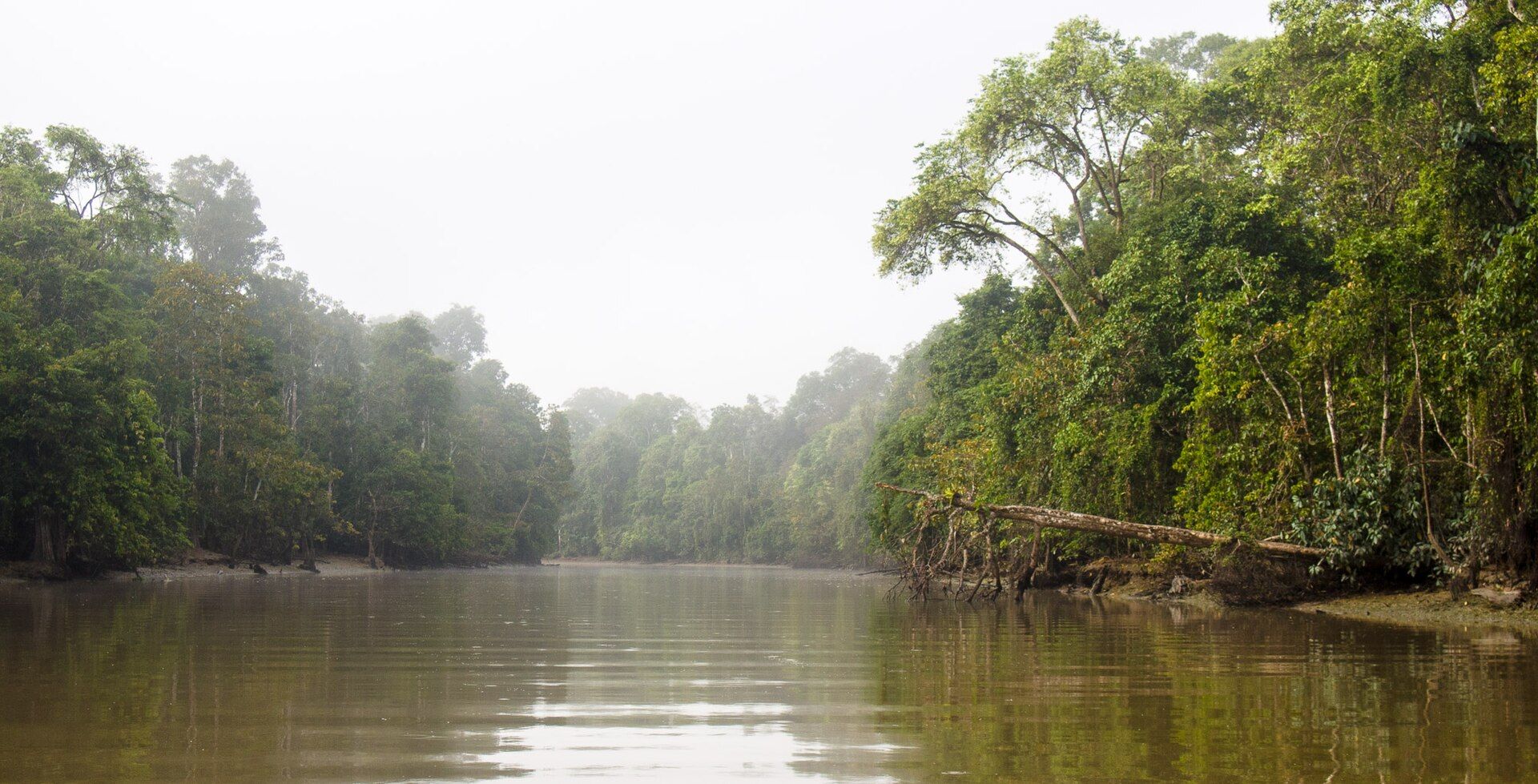
Kinabatangan River Bornean pygmy elephants
Sabah, Malaysian Borneo
Herds of Bornean pygmy elephants come down to drink on dawn and dusk river cruises, along with orangutans and proboscis monkeys. Wildlife-watching is good year-round; the drier months concentrate animals along the river, while the wetter season can bring elephants closer to the banks. Lodges at Sukau and Bilit, by road from Sandakan.
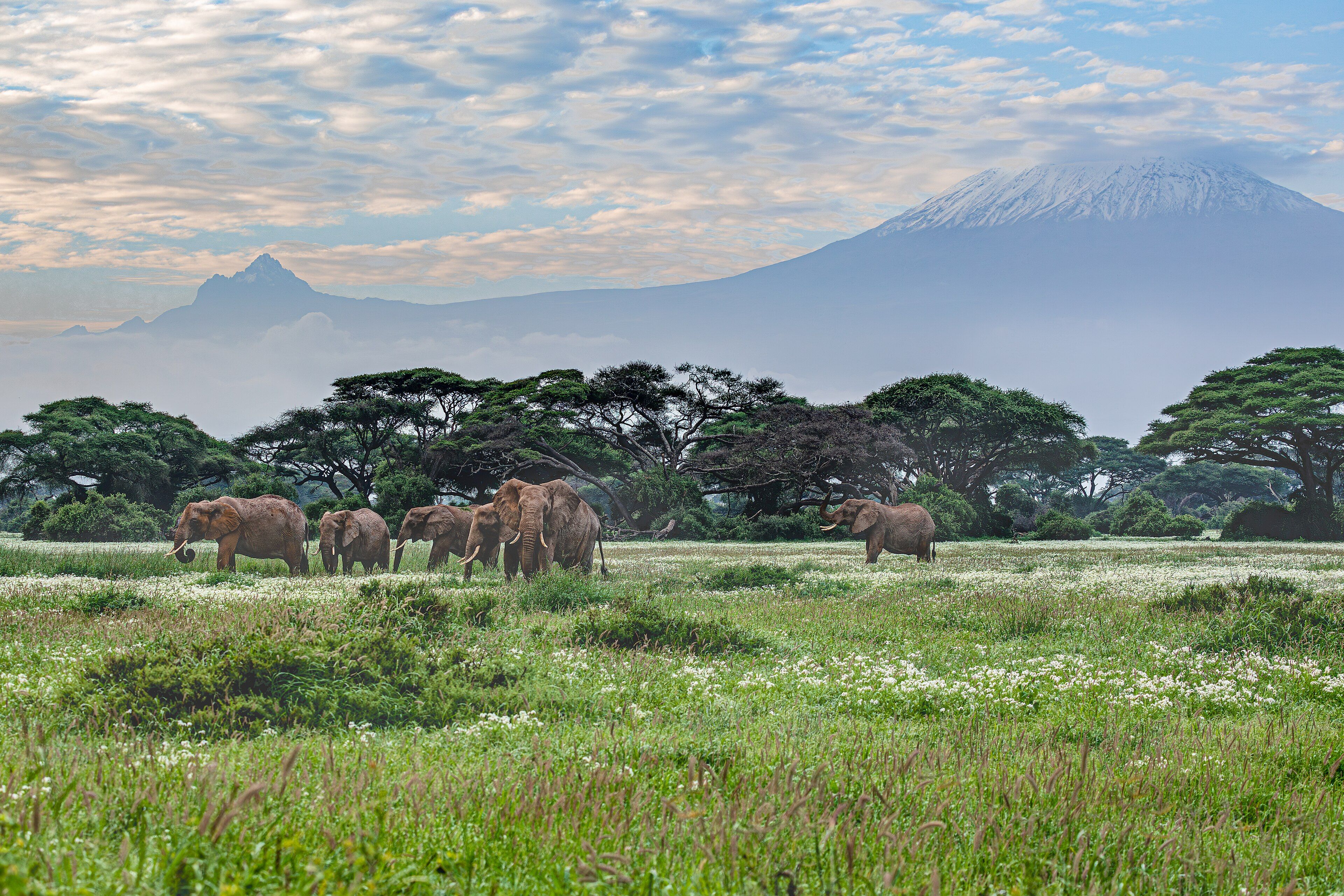
A few rules hold everywhere on this list: go with the water, not the calendar alone; keep to the park's vehicle and guide rules — licensed jeeps in Yala and Kaziranga, armed scouts on foot in South Luangwa, permits on the northern Skeleton Coast; and never feed wildlife or leave the vehicle where the park says stay in it. For the biggest numbers, Chobe and Hwange in the dry season; for the classic photograph, Amboseli on a clear morning.
Added