Yala National Park
📍 Southern and Uva Provinces, southeastern Sri Lanka
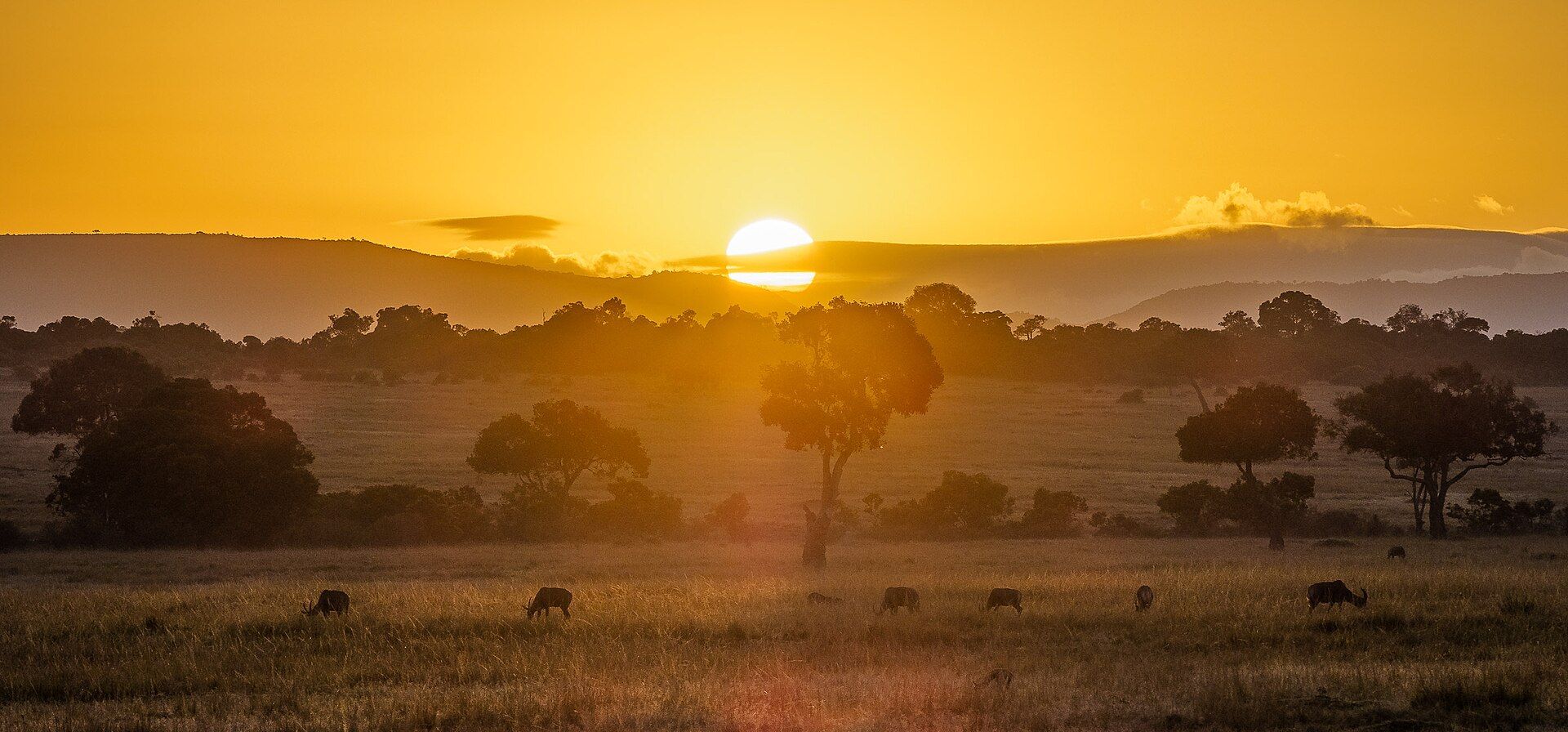
Dry-zone scrub, lagoons and granite outcrops on Sri Lanka's southeast coast — thought to hold the highest density of leopards per square kilometre anywhere, in a park that partly closes each year when the water runs out.
What makes it marvelous
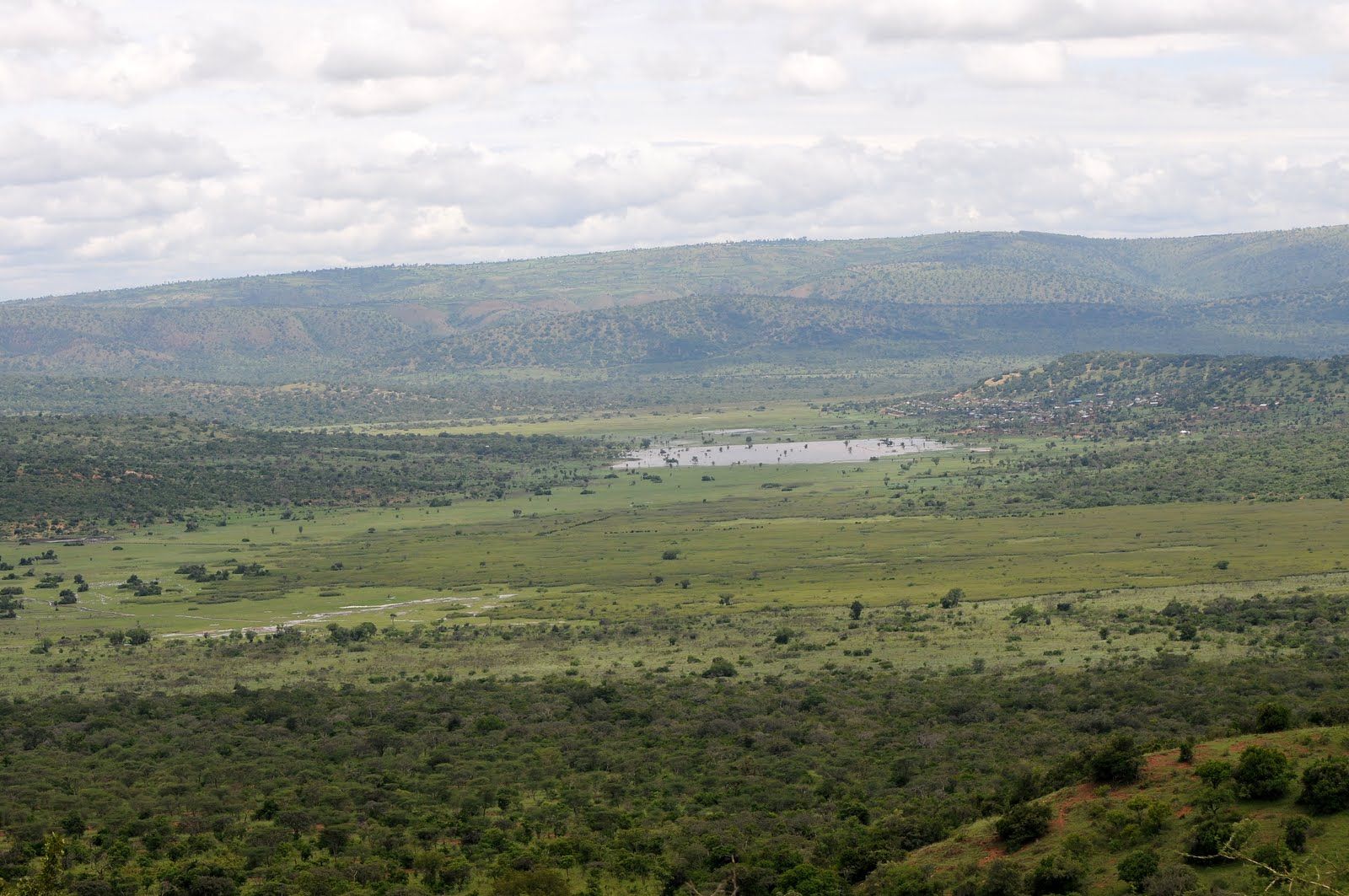
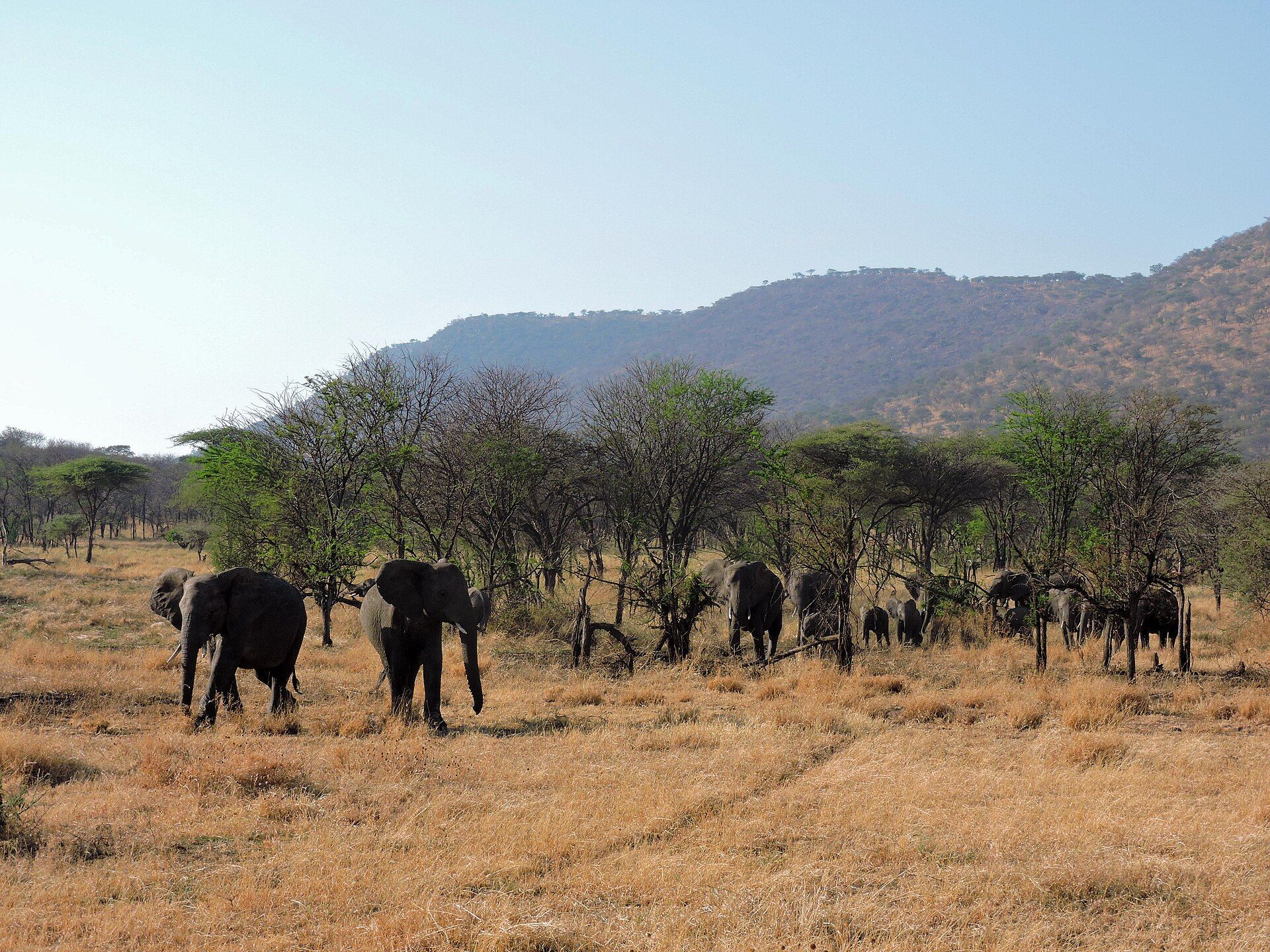
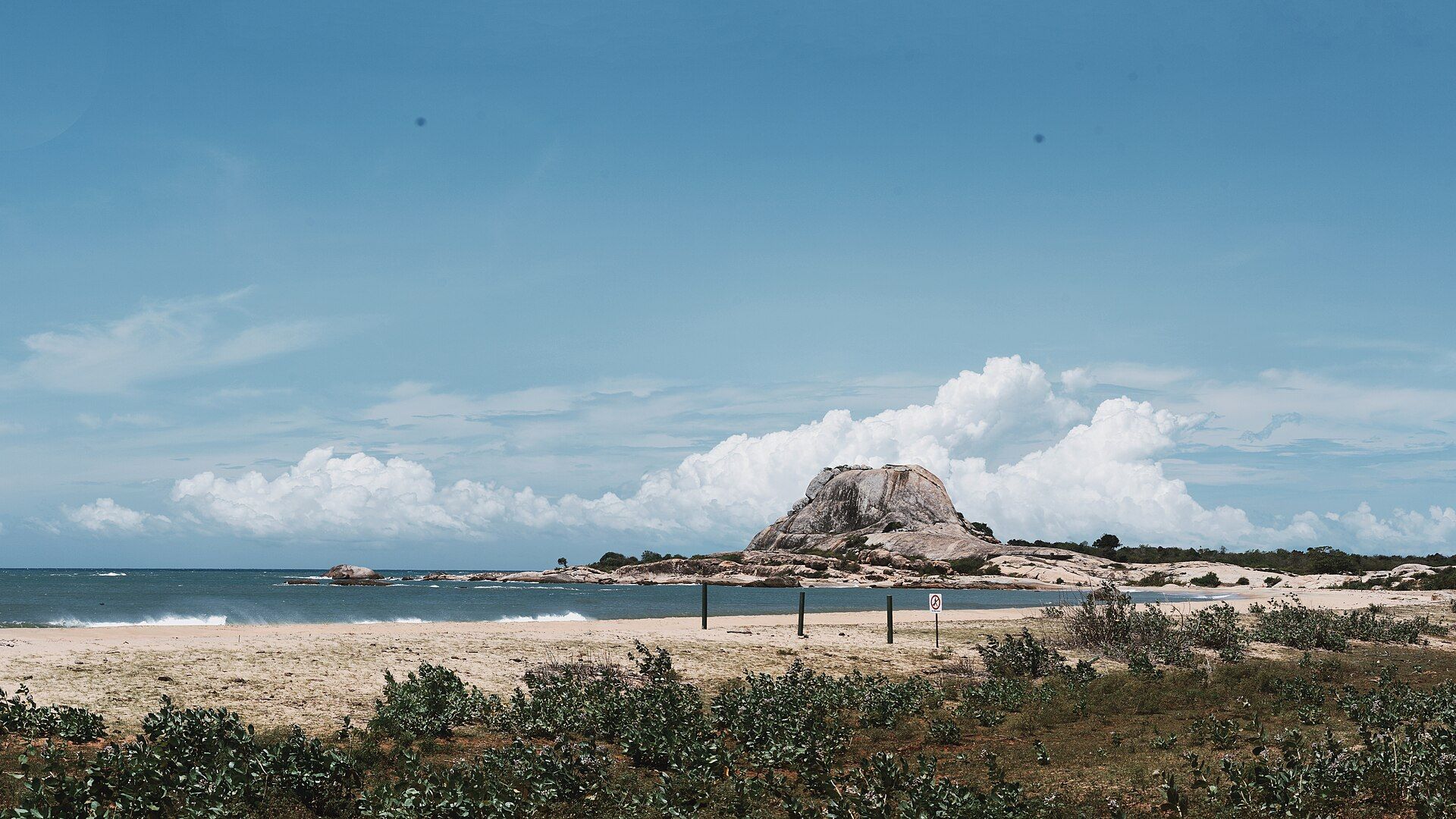
Yala works because of scarcity. This is Sri Lanka's dry zone, where the monsoon that soaks the rest of the island largely misses, and the landscape is thorny scrub and open woodland studded with rounded granite outcrops, broken by lagoons and seasonal waterholes. As the dry season advances the surface water shrinks back to a handful of tanks, and everything concentrates around them — which is why sightings here are so reliable. The leopards are the headline: Yala is widely thought to support the highest density of leopards per square kilometre of anywhere on Earth, and because Sri Lankan leopards sit at the top of the food chain on an island with no tigers or lions, they behave far more openly than leopards elsewhere, hunting in daylight and resting on the rocks in view. Elephants, sloth bears, crocodiles and a very long bird list share the same water.
Why visit
It is the most dependable leopard viewing anywhere, and unusually, in daylight and in the open. The landscape is also more varied than a savanna park suggests — lagoons and coastline on one side, granite domes rising out of scrub on the other, and ruins scattered through the bush.
What to know before you go
🗓️ Best time
February to July is generally the strongest window, as water withdraws and animals concentrate. Note that Block 1, the section with the highest leopard density, normally closes for several weeks around September and October when the drought is at its most severe — check before booking.
🧭 Getting there & access
About 5 hours by road from Colombo, or roughly 1.5 hours from Ella. Tissamaharama is the usual base. Entry is by licensed jeep with a driver and a park tracker; independent driving is not permitted. Morning and afternoon game drives are booked through operators or accommodation.
Good to know
- Check whether Block 1 is open for your dates — it closes for several weeks in the dry peak.
- Take the first morning drive; the gate queue and the midday heat both build quickly.
- Choose an operator that keeps its distance from sightings rather than crowding them.
- Blocks 3 and 5 are far quieter than Block 1 if the crowding bothers you.
Plan your visit
Easy🧭 Getting there
From Colombo (CMB), Sri Lanka
- Fly into Colombo
- Drive roughly 5 hours southeast to Tissamaharama, or 1.5 hours down from Ella
- Book a licensed jeep with driver and tracker
- Take the dawn game drive from the park gate
- Total travel
- Most of a day from Colombo
- Time at site
- Two nights, giving two or three game drives
- Access
- Entry is per person plus a vehicle fee, and only licensed jeeps with a driver and park tracker may enter — self-driving is not allowed. Block 1 normally closes for several weeks around September and October during the dry peak; confirm before booking travel.
🎒 What to bring & consider
- Confirmation that your target block is open for your dates
- Binoculars and a long lens; sightings are often at distance across scrub
- Sun protection and plenty of water for open jeeps in strong heat
- Dust protection for cameras — the tracks are very dry for much of the year
- Cash in rupees for park fees and tips
👁️ What to expect
- Crowds
- Block 1 gets genuinely busy, and jeeps can cluster at a leopard sighting. The outer blocks are far quieter.
- Conditions
- Hot, dusty and open. Long hours in an unroofed jeep on rough tracks, starting before dawn.
- Facilities
- Hotels and guesthouses in Tissamaharama and along the park edge; toilets at the gate and little inside.
- The view
- A leopard on one of the granite outcrops in early light, before the heat pushes everything into shade.
Times and requirements are approximate and change with season, weather, and local rules — confirm permits, fares, and schedules with operators before you travel.
Natural riches of the area
- Dry-zone thorn scrub and open woodland with granite inselbergs
- Coastal lagoons, brackish wetland and seasonal waterholes
- Reportedly the highest leopard density per square kilometre in the world
- Elephants, sloth bears, crocodiles and several hundred bird species
Local food
- Rice and curry
- The Sri Lankan staple, served as a spread of small vegetable and fish curries.
- Hoppers
- Bowl-shaped fermented rice-flour pancakes, often with an egg cooked in.
- Coconut sambol
- Grated coconut pounded with chilli, lime and Maldive fish.
- Curd and treacle
- Buffalo curd with kithul palm syrup, the standard dessert in the south.
Yala is a park built on scarcity. This is Sri Lanka’s dry zone, where the monsoon that drenches the rest of the island largely passes by, and the country is thorn scrub and open woodland broken by lagoons and rounded granite outcrops. As each dry season deepens, the surface water pulls back to a handful of tanks and waterholes, and everything in the park concentrates around them. That is the whole reason the sightings here are so reliable — the animals have nowhere else to be.
The leopards are what people come for, and Yala is thought to hold the highest density of them per square kilometre anywhere on Earth. There is a reason beyond the water: Sri Lanka has no tigers and no lions, so the leopard sits unchallenged at the top of the food chain, and behaves like it. Where leopards elsewhere are nocturnal and secretive, these hunt in daylight and lie out on the rocks in plain view. Elephants, sloth bears and crocodiles use the same shrinking water. The pressure has a cost — Block 1, the busiest and best for leopards, normally closes for several weeks around September and October when the drought peaks, and it is worth checking that before you book anything.
Yala National Park: common questions
How do you get to Yala National Park?
From Colombo (CMB), Sri Lanka: Fly into Colombo; Drive roughly 5 hours southeast to Tissamaharama, or 1.5 hours down from Ella; Book a licensed jeep with driver and tracker; Take the dawn game drive from the park gate. Total travel time: Most of a day from Colombo.
When is the best time to visit Yala National Park?
February to July is generally the strongest window, as water withdraws and animals concentrate. Note that Block 1, the section with the highest leopard density, normally closes for several weeks around September and October when the drought is at its most severe — check before booking.
How long should you spend at Yala National Park?
Two nights, giving two or three game drives. Total travel time: Most of a day from Colombo.
What should you bring to Yala National Park?
Confirmation that your target block is open for your dates Binoculars and a long lens; sightings are often at distance across scrub Sun protection and plenty of water for open jeeps in strong heat Dust protection for cameras — the tracks are very dry for much of the year Cash in rupees for park fees and tips
Do you need a permit or guide for Yala National Park?
Entry is per person plus a vehicle fee, and only licensed jeeps with a driver and park tracker may enter — self-driving is not allowed. Block 1 normally closes for several weeks around September and October during the dry peak; confirm before booking travel.
Is Yala National Park crowded, and what are conditions like?
Block 1 gets genuinely busy, and jeeps can cluster at a leopard sighting. The outer blocks are far quieter. Hot, dusty and open. Long hours in an unroofed jeep on rough tracks, starting before dawn. Facilities: Hotels and guesthouses in Tissamaharama and along the park edge; toilets at the gate and little inside.
Added