Tarangire National Park
📍 Manyara Region, Northern Tanzania
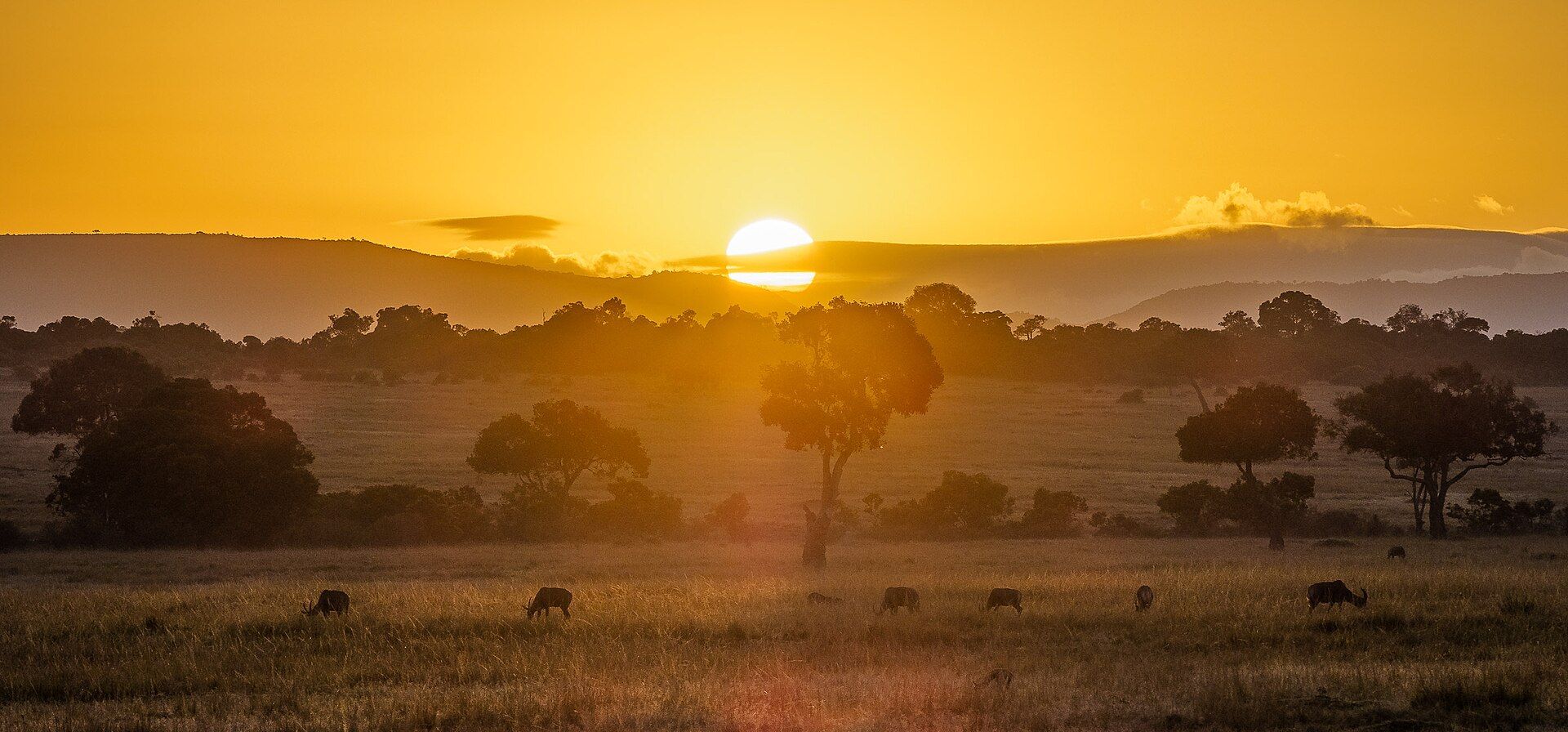
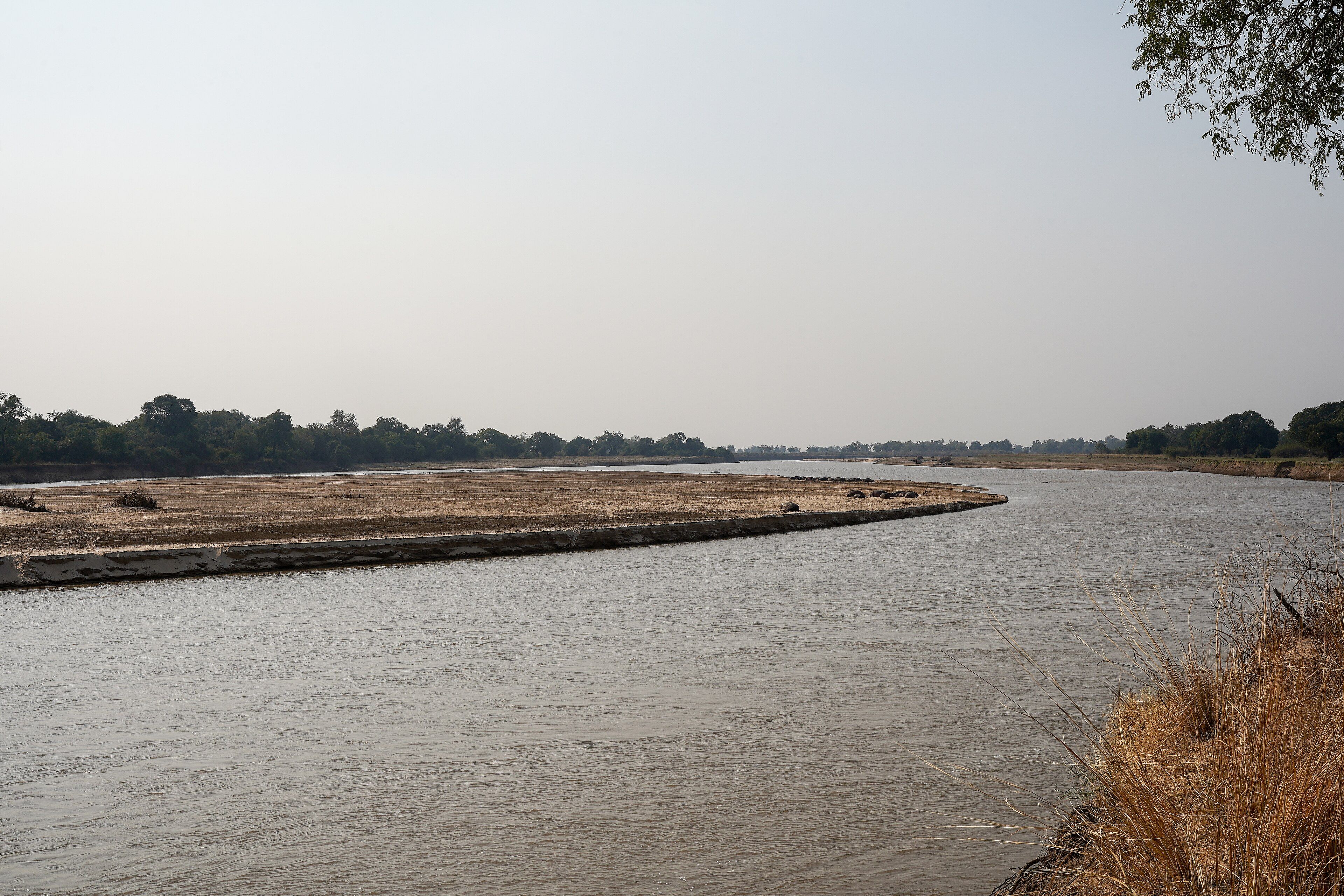
A baobab-studded savanna famous for its elephants — in the dry season, when the Tarangire River is the only water for miles, one of the densest concentrations of game in northern Tanzania gathers along its banks.
What makes it marvelous
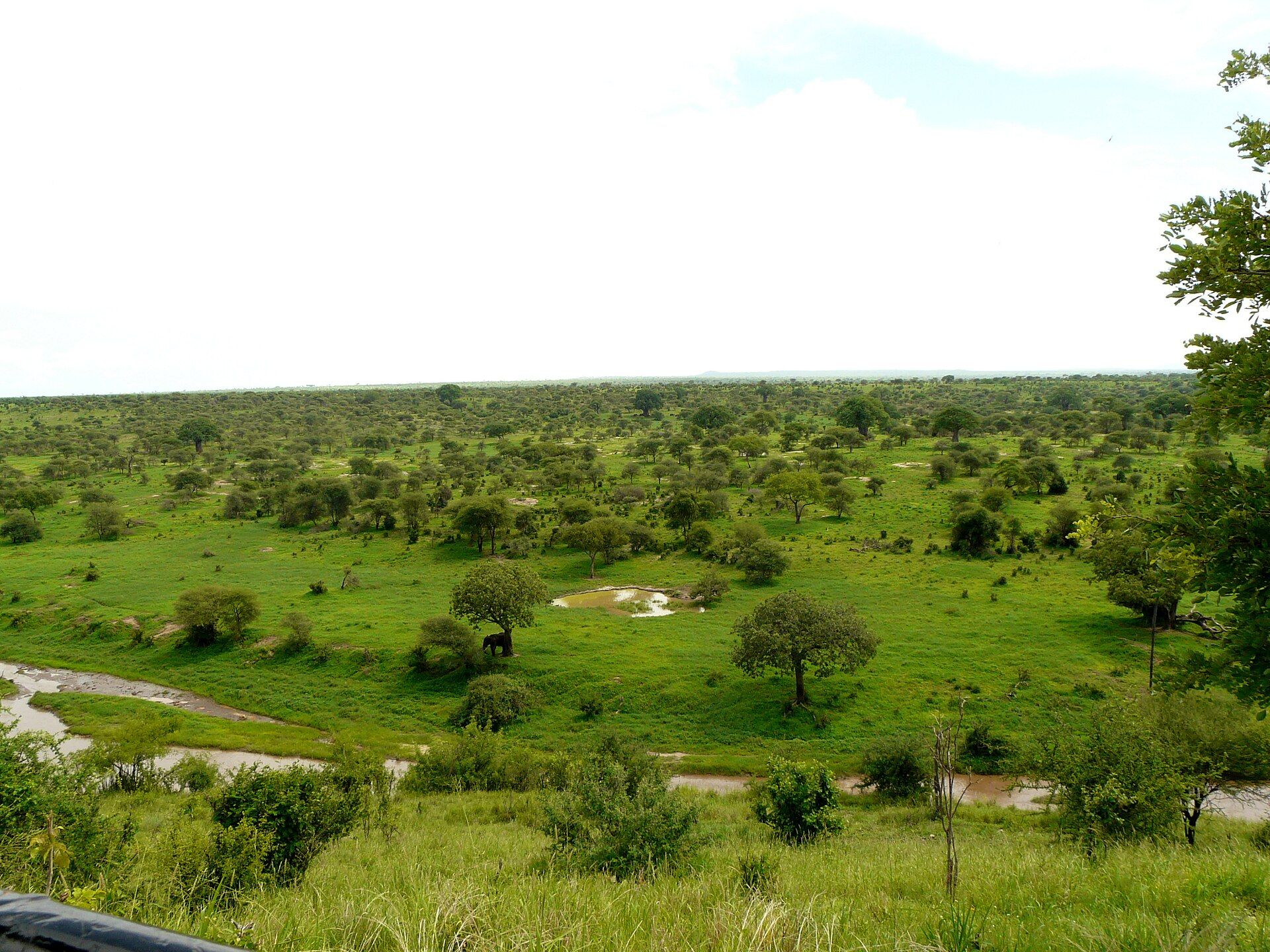
Tarangire is shaped by a single river. For much of the year the surrounding country is dry, so as the dry season deepens the animals of a huge area funnel toward the permanent water of the Tarangire River, producing spectacular concentrations of wildlife — above all elephants, which move through in large family herds. The park's other signature is its trees: ancient baobabs, some many centuries old, standing like swollen sentinels over the grass.
Why visit
It offers the classic big-game savanna experience with fewer vehicles than the more famous parks nearby — great herds of elephant, lion, giraffe, zebra and a rich birdlife, framed by those extraordinary baobabs. In the dry months the density of animals along the river can rival anywhere in East Africa.
Still deciding?
Tarangire National Park comes up most often against these — each one weighs cost, effort, season and crowds side by side.
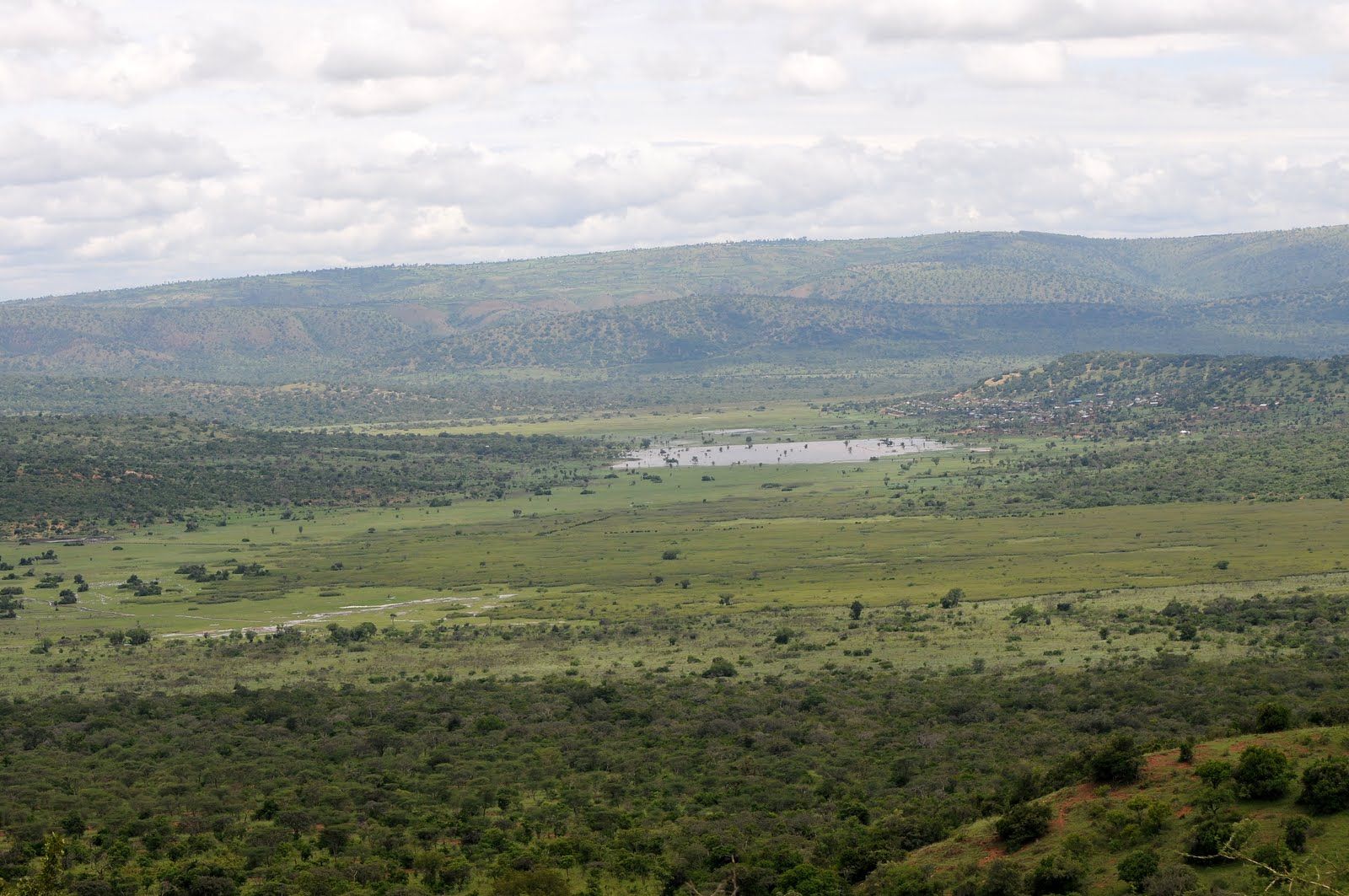
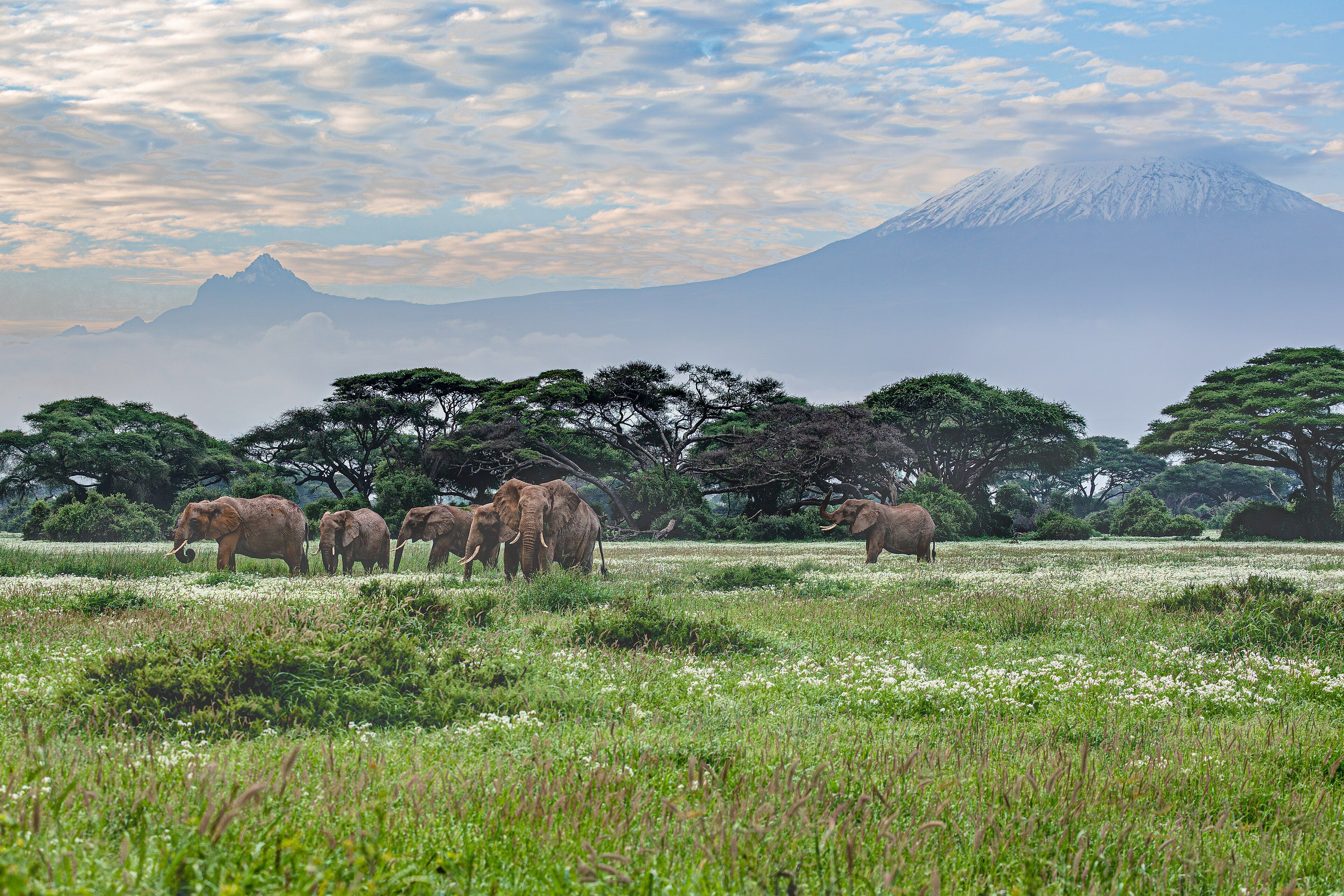
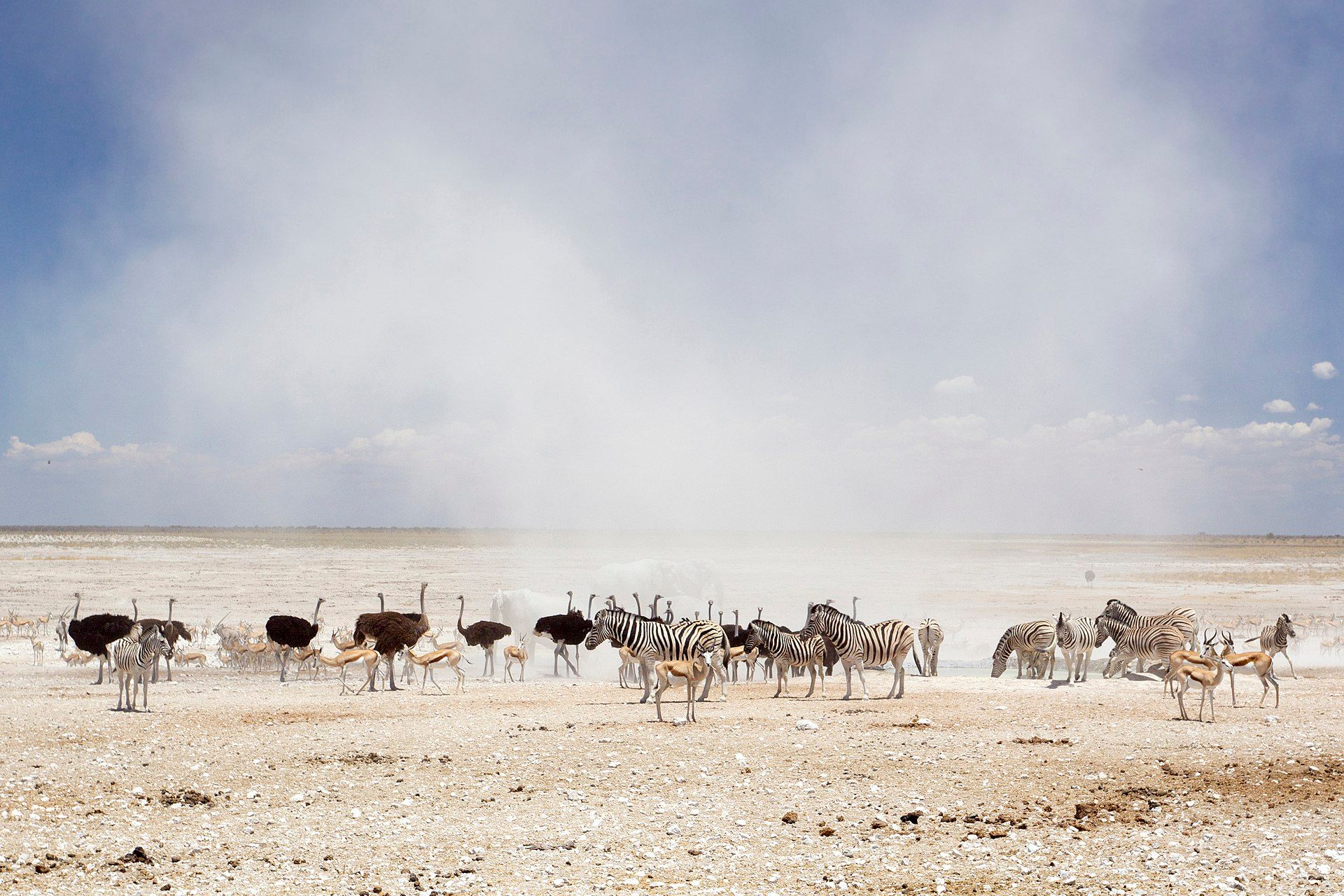
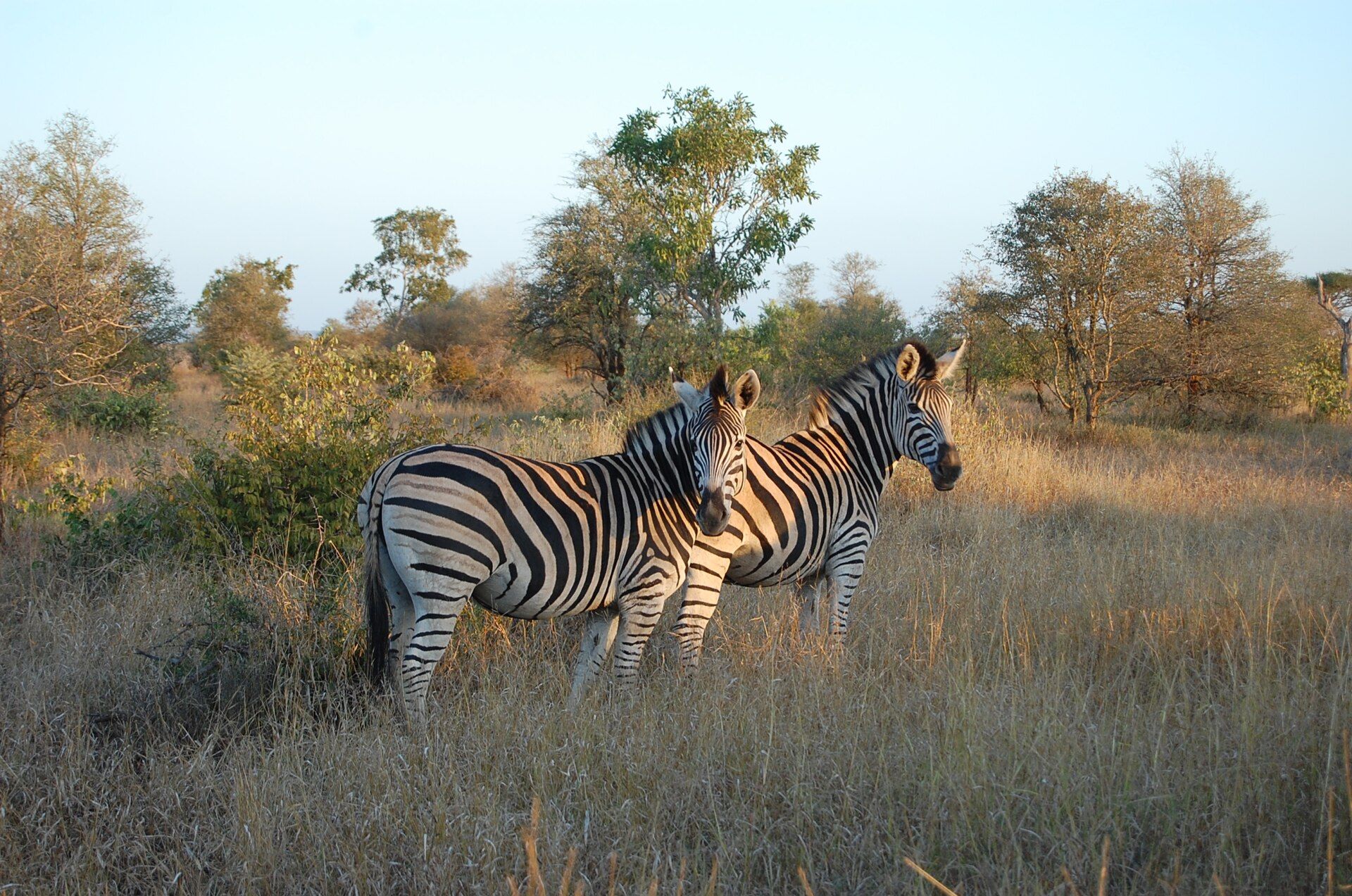
More views of Tarangire National Park
Additional photographs of the actual site — each freely licensed, with its photographer and licence credited.
What to know before you go
🗓️ Best time
June to October, the dry season, when animals concentrate along the river and viewing is at its best; the green season brings dispersed game, lush scenery and excellent birding.
🧭 Getting there & access
About two hours' drive southwest of Arusha, often as the first stop on the northern safari circuit. Game drives run with park-registered vehicles and guides.
Good to know
- Time a visit for the dry season for the famous river-bank elephant gatherings.
- Look up as well as out — Tarangire is one of Tanzania's best parks for birds.
- Pair it with Ngorongoro and the Serengeti on a northern-circuit itinerary.
Plan your visit
Easy🧭 Getting there
From Arusha (ARK) or Kilimanjaro (JRO), Northern Tanzania
- Fly to Kilimanjaro or Arusha
- Drive southwest to the park gate, roughly 2h from Arusha
- Game drives run inside the park with a registered guide and vehicle
- Total travel
- About 2h from Arusha
- Time at site
- 1–2 days; often the opening leg of a longer northern-circuit safari
- Access
- Entry is by park fee, paid per person per day, usually arranged through a safari operator; independent driving is possible but most visitors go with a guide. Fees and rules are set by the national parks authority and change periodically, so confirm current rates when booking.
🎒 What to bring & consider
- Neutral-toned clothing and a warm layer for cold early-morning drives
- Binoculars and a long lens for game and the abundant birdlife
- Sun protection, a hat and plenty of water
- Any anti-malarial precautions your doctor advises
👁️ What to expect
- Crowds
- Quieter than the Serengeti and Ngorongoro, especially away from the north of the park.
- Conditions
- Comfortable game-drive touring; hot and dusty by midday in the dry season.
- Facilities
- Lodges and tented camps in and around the park; a gate with basic services.
- The view
- A herd of elephants crossing in front of a giant baobab in low golden light, early or late in the day.
Times and requirements are approximate and change with season, weather, and local rules — confirm permits, fares, and schedules with operators before you travel.
Natural riches of the area
- The permanent Tarangire River and its seasonal floodplain
- Ancient baobab trees and open savanna woodland
- Large elephant herds and big-cat populations
- Exceptional birdlife, with hundreds of recorded species
Local food
- Nyama choma
- Charcoal-grilled meat, the go-to celebratory dish across Tanzania.
- Ugali
- Stiff maize porridge served with stews and greens — the national staple.
- Mchicha
- Cooked leafy greens, often with peanut or coconut, a common side.
Tarangire is a park written by a river. For much of the year the surrounding land lies dry, and as the dry season tightens its grip the wildlife of a vast area is drawn toward the one reliable water source — the Tarangire River — until its banks and floodplain hold one of the densest gatherings of animals in northern Tanzania. Elephants are the stars, moving through in big multi-generation herds, alongside lion, giraffe, zebra, wildebeest and an exceptional cast of birds.
The park’s other hallmark is arboreal. Ancient baobabs, their trunks swollen with stored water and some of them many centuries old, stand scattered across the grass like landmarks, giving Tarangire a character all its own. Close to Arusha and often the first stop on the northern safari circuit, it delivers the full savanna spectacle with noticeably fewer vehicles than its celebrated neighbours — best of all in the dry months, when the river works its annual magic.
Tarangire National Park: common questions
How do you get to Tarangire National Park?
From Arusha (ARK) or Kilimanjaro (JRO), Northern Tanzania: Fly to Kilimanjaro or Arusha; Drive southwest to the park gate, roughly 2h from Arusha; Game drives run inside the park with a registered guide and vehicle. Total travel time: About 2h from Arusha.
When is the best time to visit Tarangire National Park?
June to October, the dry season, when animals concentrate along the river and viewing is at its best; the green season brings dispersed game, lush scenery and excellent birding.
How long should you spend at Tarangire National Park?
1–2 days; often the opening leg of a longer northern-circuit safari. Total travel time: About 2h from Arusha.
What should you bring to Tarangire National Park?
Neutral-toned clothing and a warm layer for cold early-morning drives Binoculars and a long lens for game and the abundant birdlife Sun protection, a hat and plenty of water Any anti-malarial precautions your doctor advises
Do you need a permit or guide for Tarangire National Park?
Entry is by park fee, paid per person per day, usually arranged through a safari operator; independent driving is possible but most visitors go with a guide. Fees and rules are set by the national parks authority and change periodically, so confirm current rates when booking.
Is Tarangire National Park crowded, and what are conditions like?
Quieter than the Serengeti and Ngorongoro, especially away from the north of the park. Comfortable game-drive touring; hot and dusty by midday in the dry season. Facilities: Lodges and tented camps in and around the park; a gate with basic services.
Added