Amboseli National Park
📍 Kajiado County, southern Kenya, on the Tanzanian border
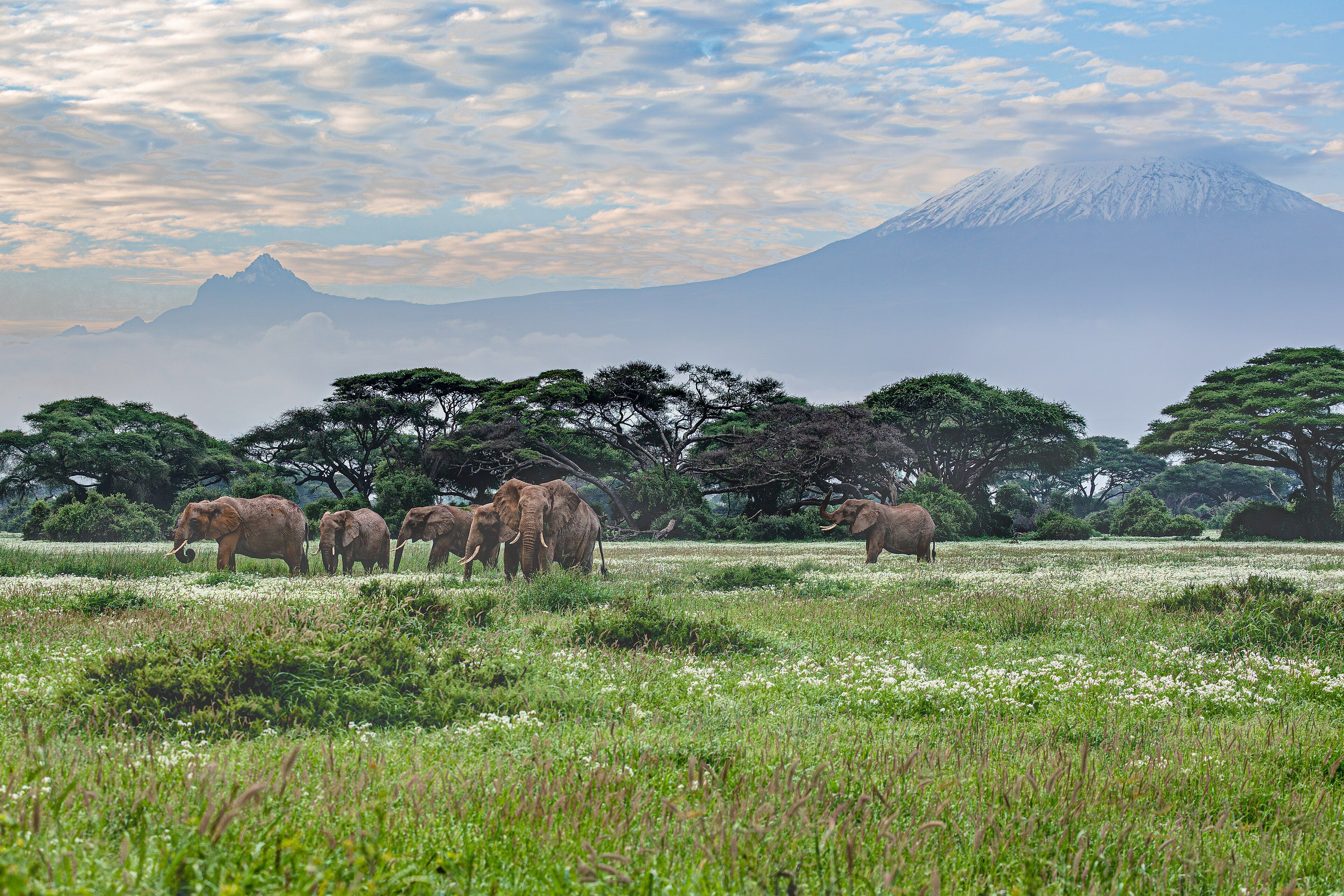
The land of giants beneath Kilimanjaro — a dry-lake savanna in southern Kenya where great herds of free-ranging elephants cross golden plains with Africa's highest mountain, Mount Kilimanjaro, rising snow-capped just beyond the border.
What makes it marvelous
Amboseli is one of Africa's most photographed landscapes for a single reason: nowhere else do herds of big-tusked elephants walk so freely across open plains with the snow-domed summit of Kilimanjaro filling the sky behind them. The park spreads over the bed of a mostly dry Pleistocene lake, its cracked pans and dust broken by permanent swamps fed by snowmelt filtering underground from the mountain — green wetlands that draw elephants, buffalo, hippos, and hundreds of bird species into a shimmering, dusty basin. Its elephants are among the most studied in the world, families tracked across decades, some of the last great tuskers on the continent. In the dry season the animals gather at the swamps in numbers, and in the clear early light Kilimanjaro floats free of cloud above them — the definitive image of the African plains.
Why visit
Amboseli offers the classic elephants-and-Kilimanjaro scene that defines African wildlife photography, in a compact, easily-driven park with reliable big-herd sightings around its swamps. It is close to Nairobi, pairs naturally with the Maasai culture of the surrounding group ranches, and delivers dawn and dusk views of the continent's highest mountain rising over plains full of game.
Still deciding?
Amboseli National Park comes up most often against these — each one weighs cost, effort, season and crowds side by side.
More views of Amboseli National Park
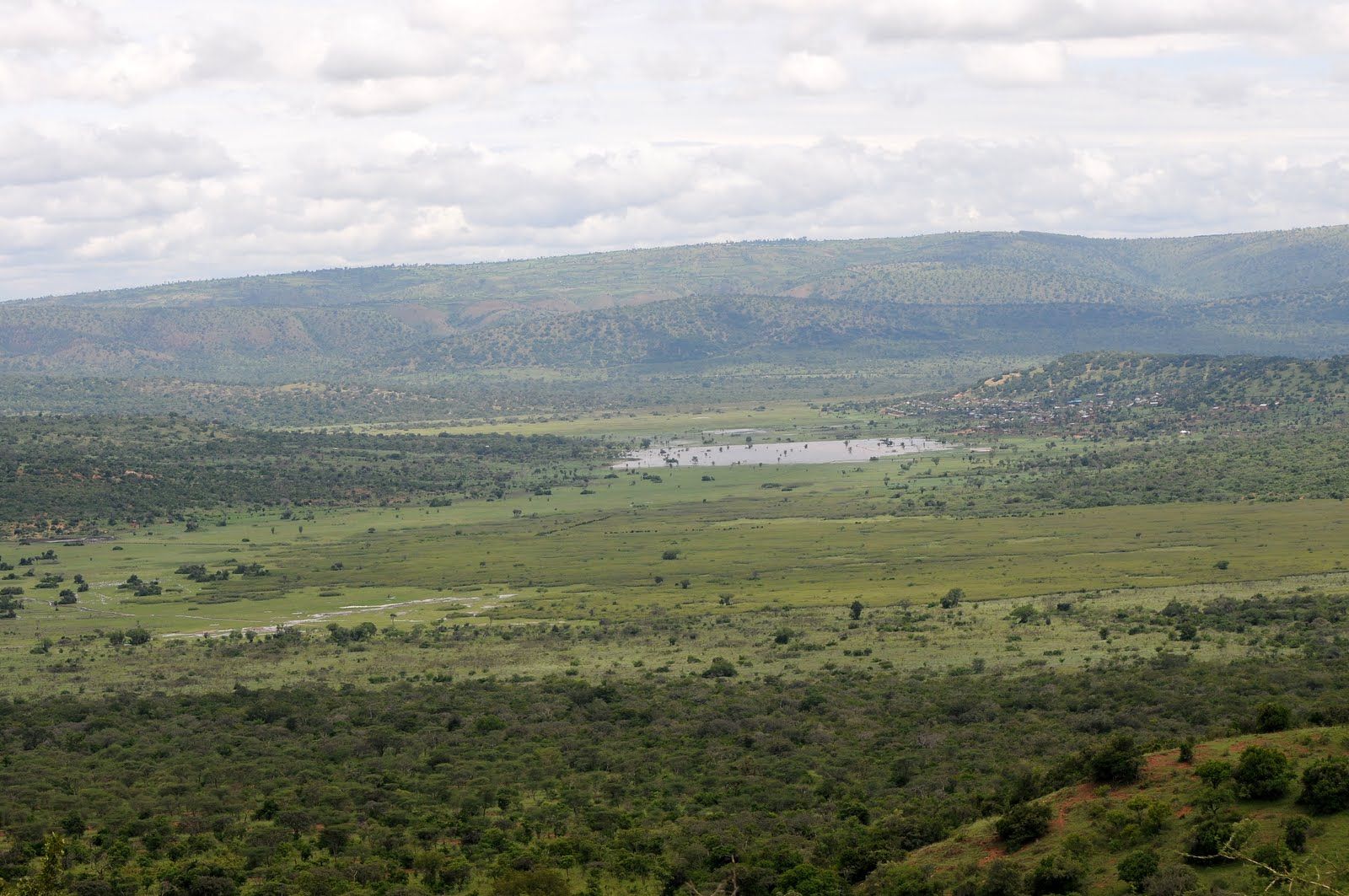
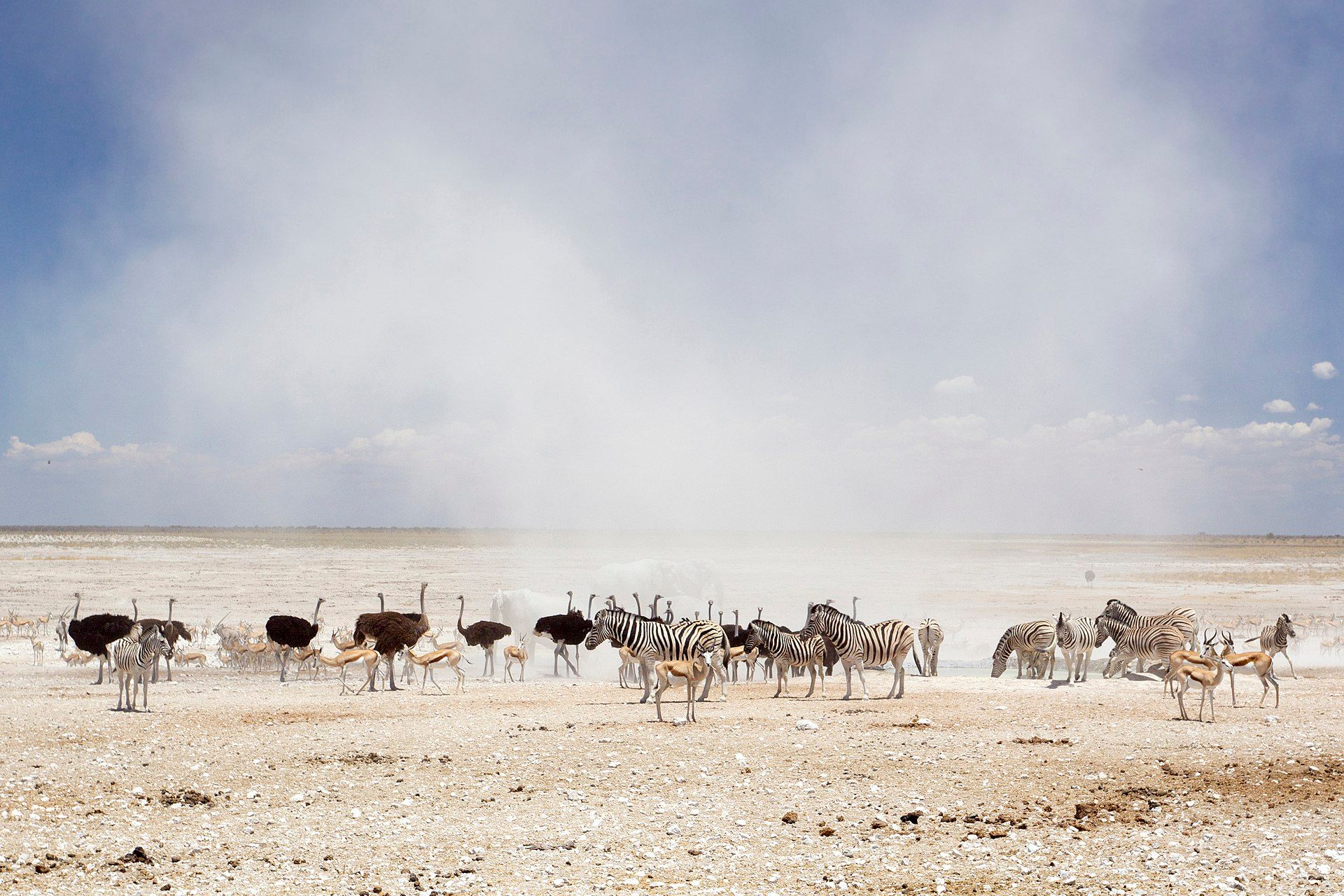
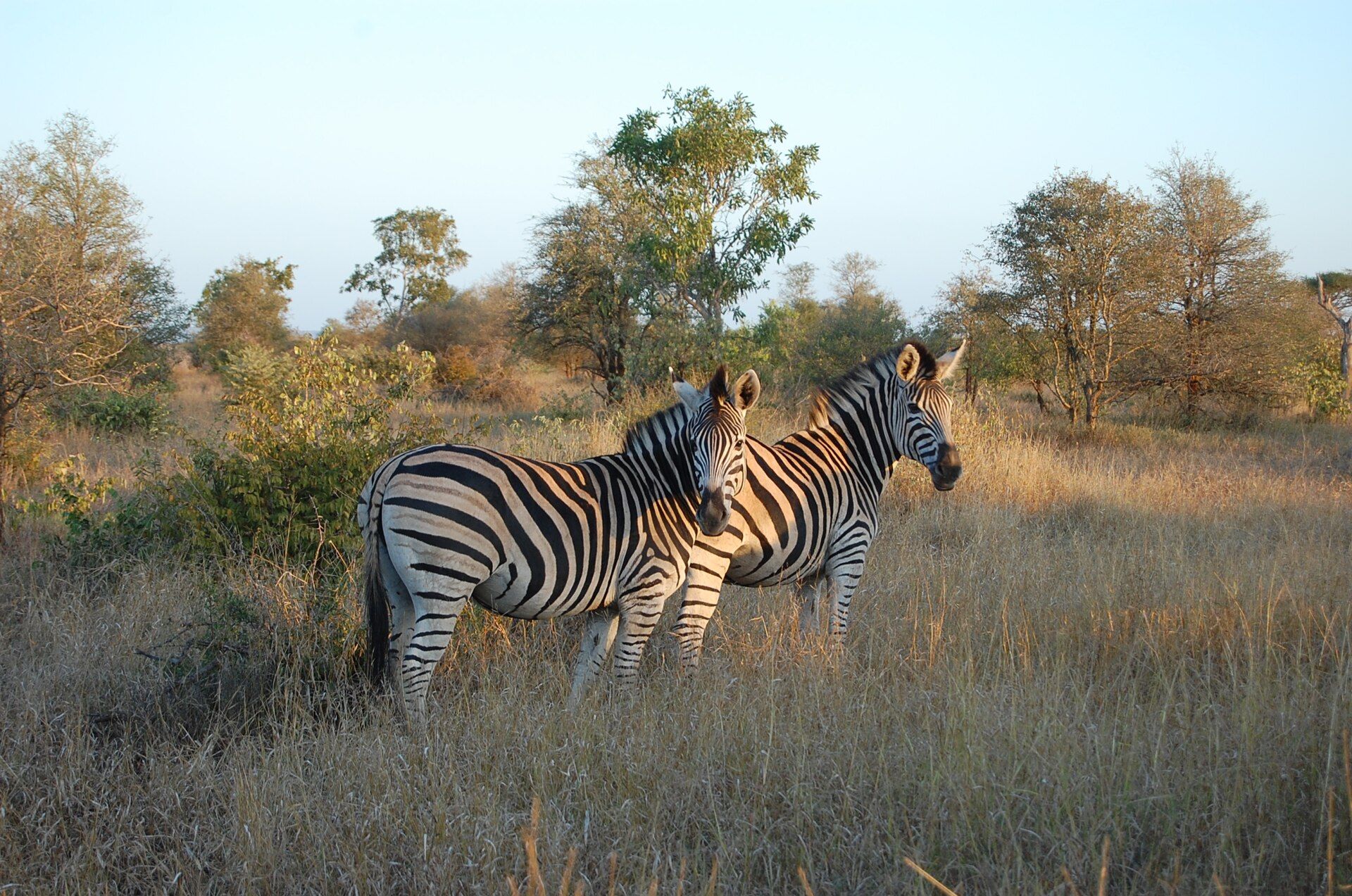
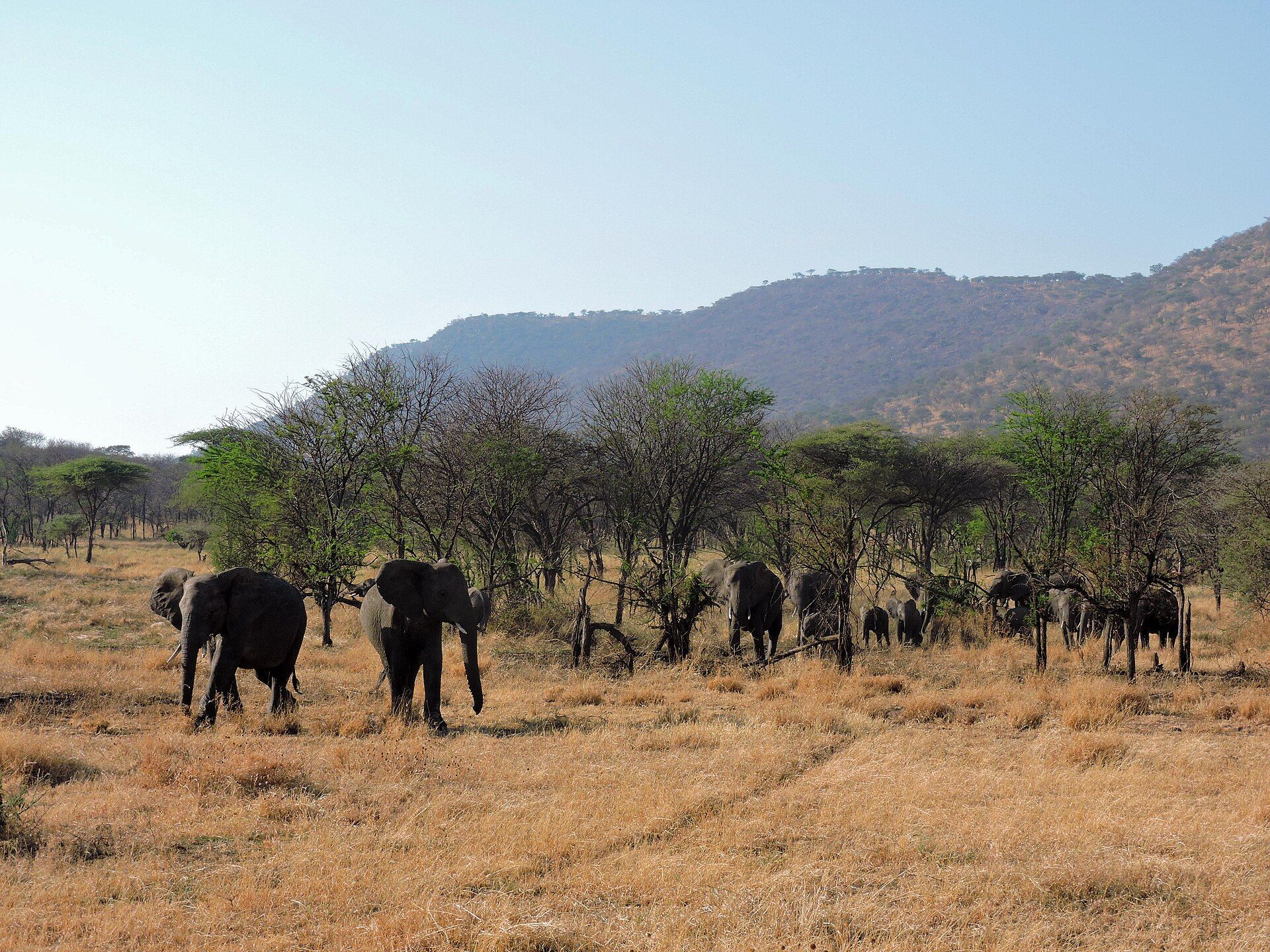
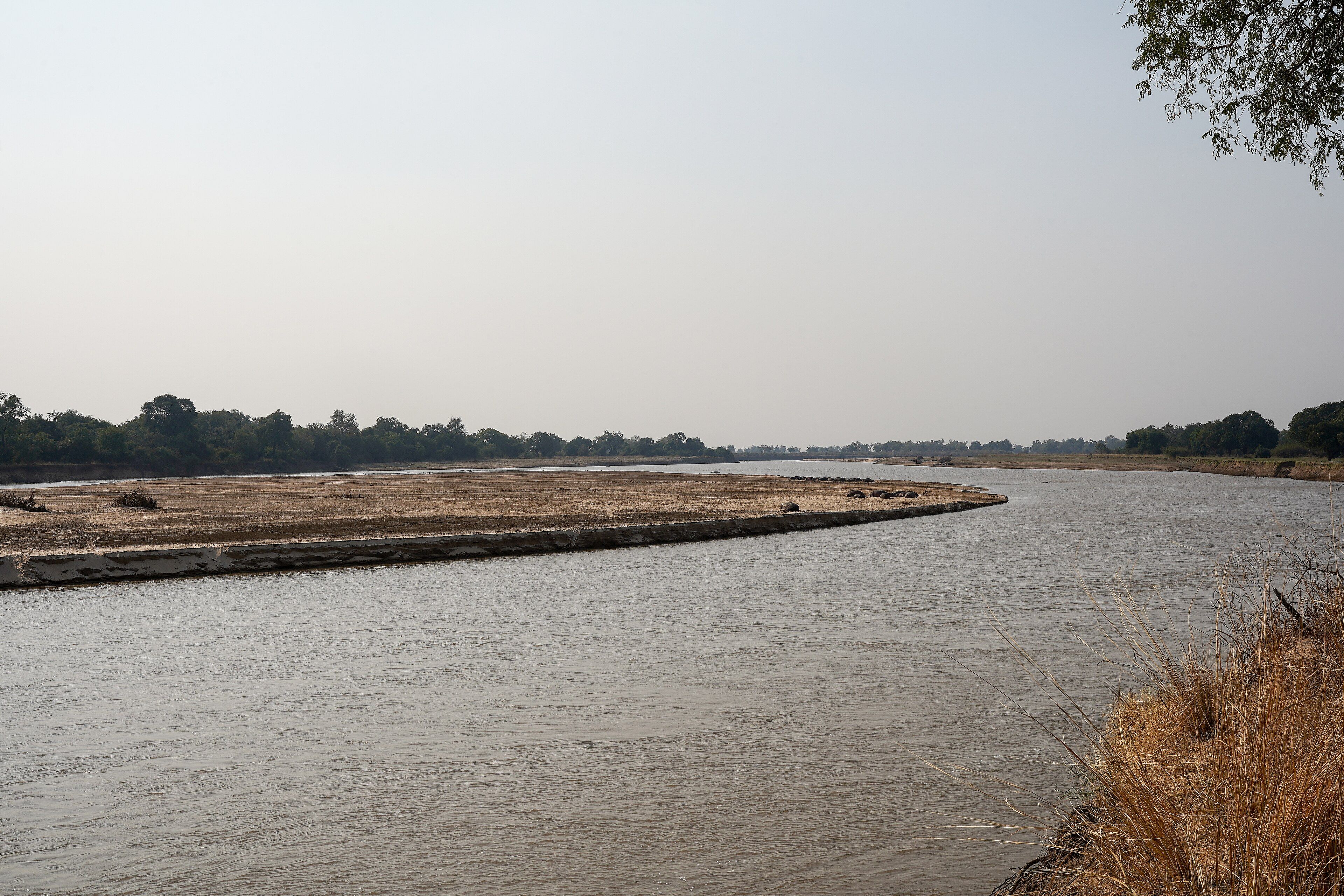
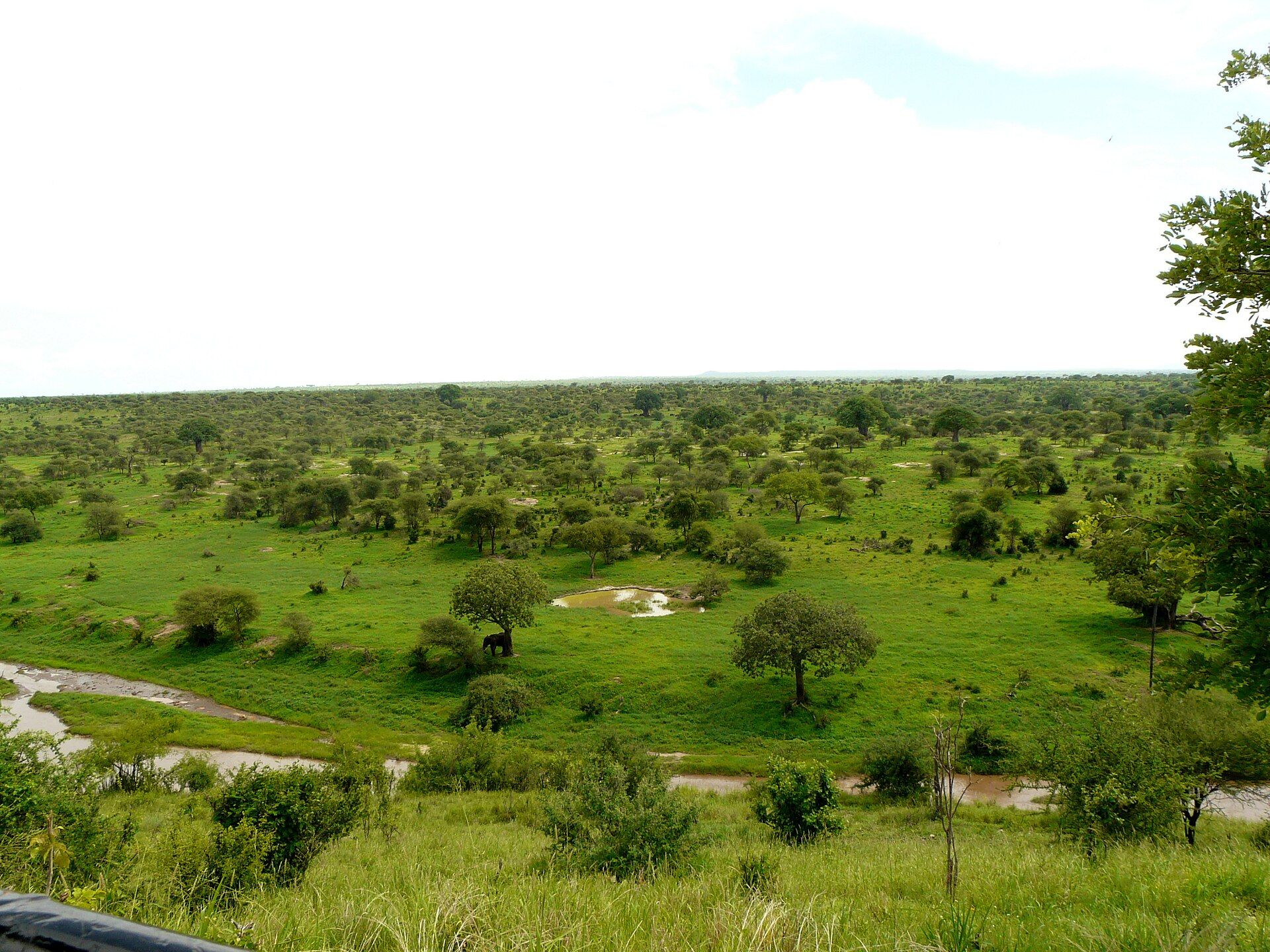
Additional photographs of the actual site — each freely licensed, with its photographer and licence credited.
What to know before you go
🗓️ Best time
Best in the dry seasons, June to October and January to February, when animals concentrate at the swamps and Kilimanjaro is most often clear of cloud; the green rains of March–May and November scatter the game but bring lush plains and birds.
🧭 Getting there & access
Amboseli lies about 240 km south of Nairobi, roughly 4–5 hours by road, or a short scheduled flight to the park's airstrip. Most visitors come on safari with a lodge or camp inside or bordering the park.
Good to know
- Go at dawn — Kilimanjaro is usually clearest in the first hour of light before cloud builds.
- Spend time at the swamps (Enkongo Narok, Longinye) where elephants and birds gather.
- Climb Observation Hill for the panorama of the plains, swamps, and mountain.
Plan your visit
Easy🧭 Getting there
From Nairobi (NBO), Kenya
- Drive south from Nairobi via Emali to the Amboseli gates, or fly to the airstrip
- Base at a lodge or tented camp inside or bordering the park
- Game-drive the swamps and plains at dawn and late afternoon for elephants and Kilimanjaro
- Total travel
- 2–3 days for unhurried game drives and clear-mountain mornings
- Time at site
- Full days of morning and afternoon drives; a minimum of two nights
- Access
- Open year-round; the dry seasons give the best game concentrations and clearest mountain. Park roads can flood and turn to black-cotton mud in the rains — a 4x4 and a guide are strongly advised.
🎒 What to bring & consider
- A 4x4 vehicle and experienced driver-guide
- Dust protection for cameras and lenses; a long lens for wildlife
- Warm layer for cold dawn drives, sun protection for the day
- Binoculars and plenty of water
👁️ What to expect
- Crowds
- Vehicles cluster at big-elephant and predator sightings near the swamps; the wider plains stay open and quiet.
- Conditions
- Easy driving on flat tracks, very dusty in the dry season and muddy in the rains; hot midday, cold at dawn.
- Facilities
- Lodges and tented camps in and around the park; fuel and supplies at the gate towns, little inside.
- The view
- A herd of elephants crossing the golden plain at first light with the snow dome of Kilimanjaro clear above them.
Times and requirements are approximate and change with season, weather, and local rules — confirm permits, fares, and schedules with operators before you travel.
Natural riches of the area
- Snowmelt-fed permanent swamps rising from underground springs off Kilimanjaro
- Dry Pleistocene lake bed and dust pans of the Amboseli basin
- Large free-ranging elephant herds, including some of Africa's last big tuskers
- Rich birdlife — pelicans, flamingos, and raptors around the wetlands
Local food
- Nyama choma
- Kenyan grilled meat, usually goat or beef, a staple of lodge and roadside meals.
- Ugali and sukuma wiki
- Maize meal with braised collard greens, the everyday Kenyan plate.
- Maasai milk and honey
- The surrounding Maasai herders' traditional fare of fresh and soured milk and wild honey.
Amboseli is the land of giants beneath the mountain. Spread across the bed of a mostly dry Pleistocene lake in southern Kenya, its cracked dust pans are broken by permanent green swamps — water that fell as snow on Kilimanjaro and filtered underground to rise here as springs. Those wetlands are the heart of the park, drawing elephants, buffalo, hippos, and hundreds of bird species into a shimmering basin, and it is here that Amboseli produces the image that has come to stand for wild Africa: big-tusked elephants walking the open plain while the snow-capped summit of Kilimanjaro, Africa’s highest peak, floats free of cloud just beyond the border.
The park’s elephants are among the most studied on Earth, their families tracked across decades, and they include some of the last great tuskers left on the continent. In the dry season they gather at the swamps in hundreds, and in the first clear hour of daylight — before the cloud builds around the mountain — the scene is unmatched anywhere in the world. Compact and easily driven, close to Nairobi and wrapped in Maasai country, Amboseli distils the African plains into one dusty, luminous view: the greatest of land animals beneath the greatest of African mountains.
Amboseli National Park: common questions
How do you get to Amboseli National Park?
From Nairobi (NBO), Kenya: Drive south from Nairobi via Emali to the Amboseli gates, or fly to the airstrip; Base at a lodge or tented camp inside or bordering the park; Game-drive the swamps and plains at dawn and late afternoon for elephants and Kilimanjaro. Total travel time: 2–3 days for unhurried game drives and clear-mountain mornings.
When is the best time to visit Amboseli National Park?
Best in the dry seasons, June to October and January to February, when animals concentrate at the swamps and Kilimanjaro is most often clear of cloud; the green rains of March–May and November scatter the game but bring lush plains and birds.
How long should you spend at Amboseli National Park?
Full days of morning and afternoon drives; a minimum of two nights. Total travel time: 2–3 days for unhurried game drives and clear-mountain mornings.
What should you bring to Amboseli National Park?
A 4x4 vehicle and experienced driver-guide Dust protection for cameras and lenses; a long lens for wildlife Warm layer for cold dawn drives, sun protection for the day Binoculars and plenty of water
Do you need a permit or guide for Amboseli National Park?
Open year-round; the dry seasons give the best game concentrations and clearest mountain. Park roads can flood and turn to black-cotton mud in the rains — a 4x4 and a guide are strongly advised.
Is Amboseli National Park crowded, and what are conditions like?
Vehicles cluster at big-elephant and predator sightings near the swamps; the wider plains stay open and quiet. Easy driving on flat tracks, very dusty in the dry season and muddy in the rains; hot midday, cold at dawn. Facilities: Lodges and tented camps in and around the park; fuel and supplies at the gate towns, little inside.
Added
More wonders to explore