Wildlife · big cats
The Best Places to See Big Cats in the Wild — Lions, Leopards, Cheetahs, Tigers, Jaguars and Pumas
13 places · every one real, mapped, and worth the trip
Big cats are the hardest animals on any safari to promise. What the places below share is that the cats are there in numbers and the terrain or the method gives you a fair chance — open grassland in the Mara, waterholes and night drives in southern Africa, boats on the Pantanal's rivers, licensed jeeps in Yala.
The list is unranked and grouped by cat: the lion-and-cheetah plains of East Africa, the southern African parks, the two leopard specialists, Asia's tiger parks, where a sighting is a windfall, and the Americas' jaguars and pumas.
-
Masai Mara Lion, cheetah and leopard
Narok County, southwestern Kenya
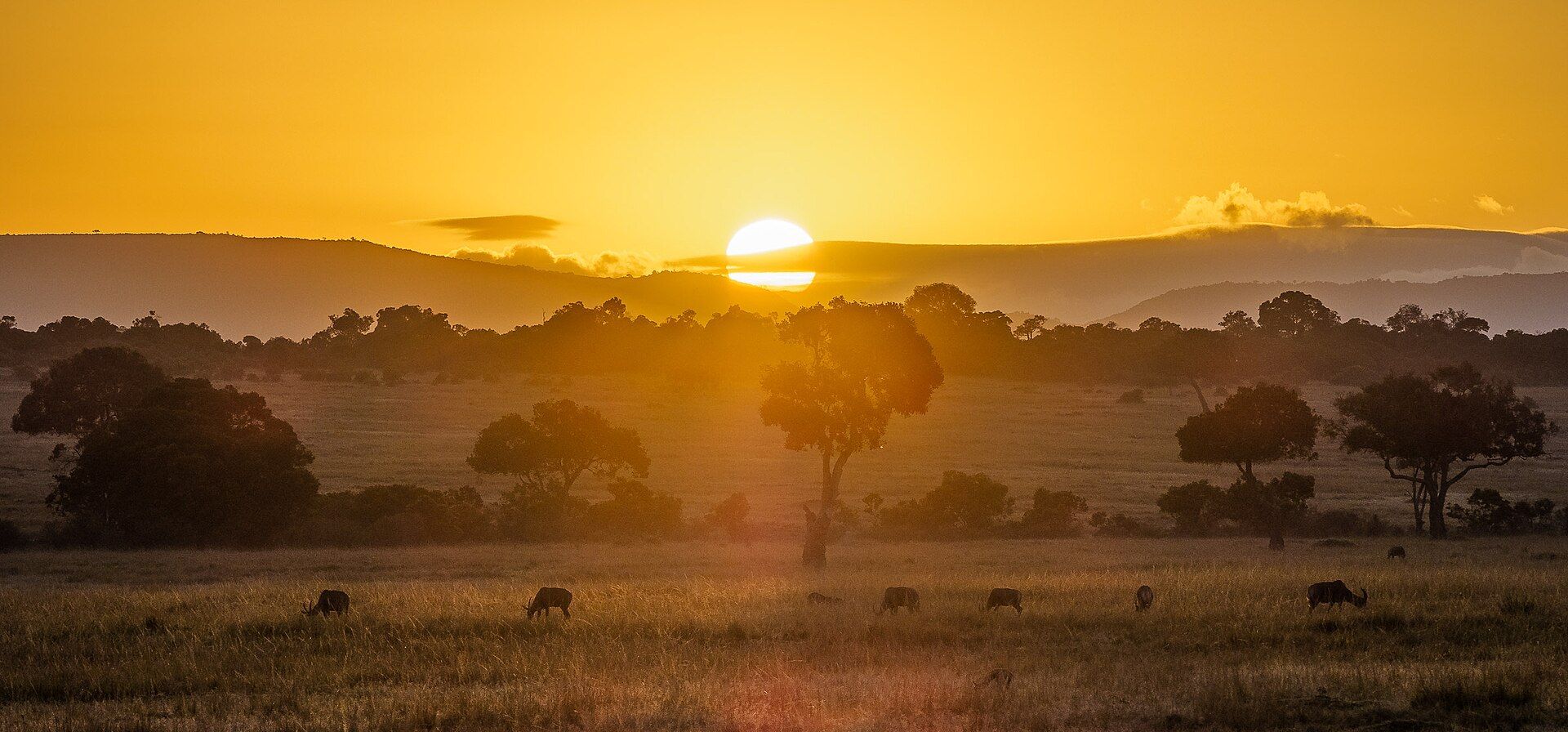
Open, gently rolling grassland with one of the densest populations of lion, cheetah and leopard anywhere — and the terrain leaves them visible in a way thick bush never does. July to October adds the Mara River crossings. About 45 minutes by light aircraft from Nairobi; lodges sit inside the reserve and in the community conservancies around it.
-
Serengeti Predators on the migration
Northern Tanzania
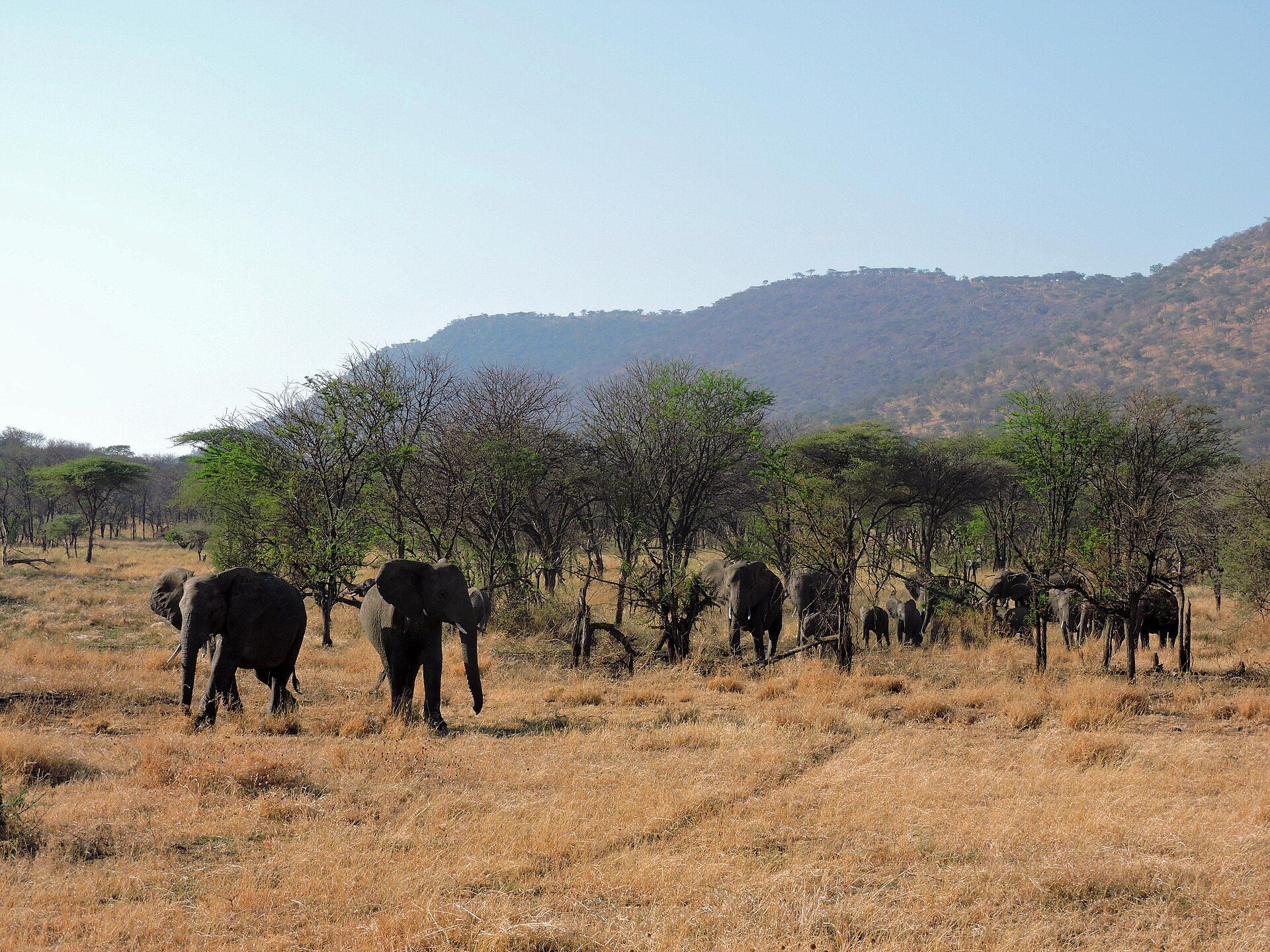
More than a million wildebeest loop through the ecosystem after the rains, shadowed by lions, cheetahs and hyenas. Calving on the southern plains is around January to March, river crossings in the north around July to October. From Arusha by road or light aircraft with licensed operators; vehicles cluster heavily at lion and leopard sightings.
-
Ngorongoro Crater Lions in a caldera
Ngorongoro Highlands, Northern Tanzania
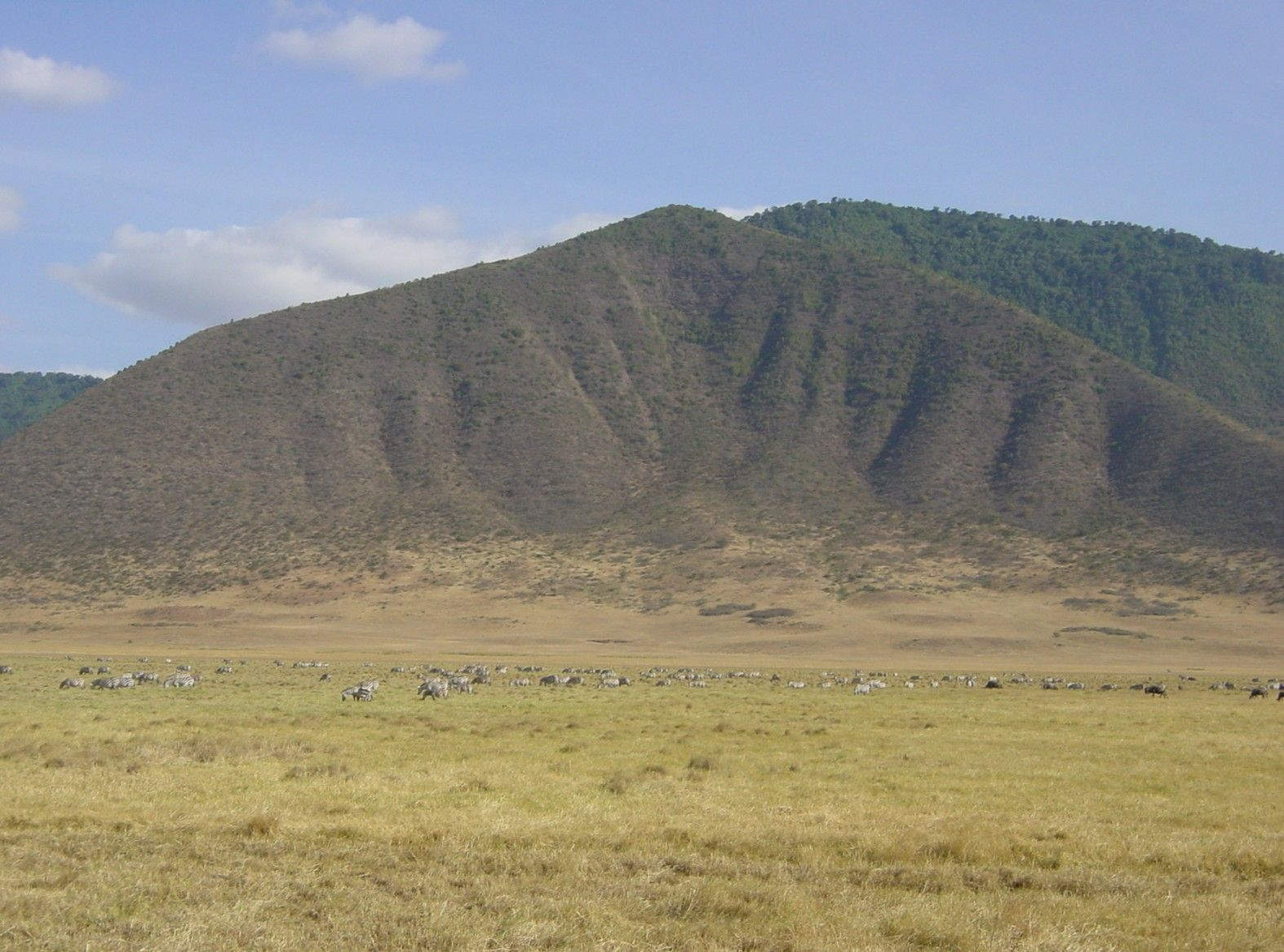
A sealed volcanic bowl with one of the densest gatherings of large animals anywhere — lions, elephants, buffalo and one of the surest places left to see a black rhino. Wildlife stays in the crater year-round. Vehicles descend with licensed guides, and the floor can gather a lot of them around a lion.
-
Nxai Pan & Baines' Baobabs Green-season predators, Dec–Apr
Nxai Pan National Park, northeastern Botswana, north of the Maun–Nata road
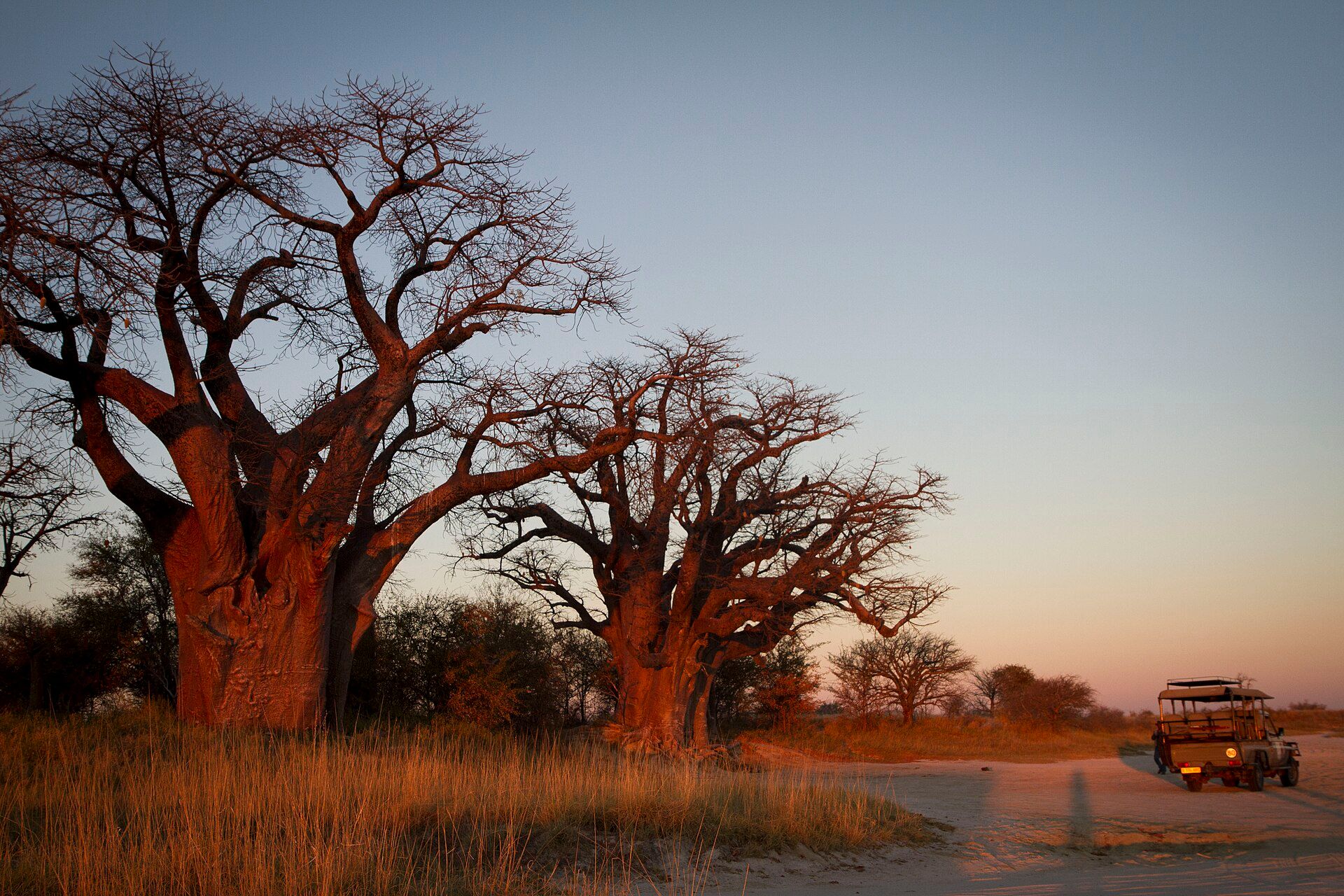
A Botswana park that works the opposite way to most: from about December to April the grassland turns green and fills with zebra, wildebeest, springbok and giraffe, and lion, leopard and cheetah follow. Just north of the Maun–Nata road; sandy tracks need a 4x4, and heavy rain can make roads difficult.
-
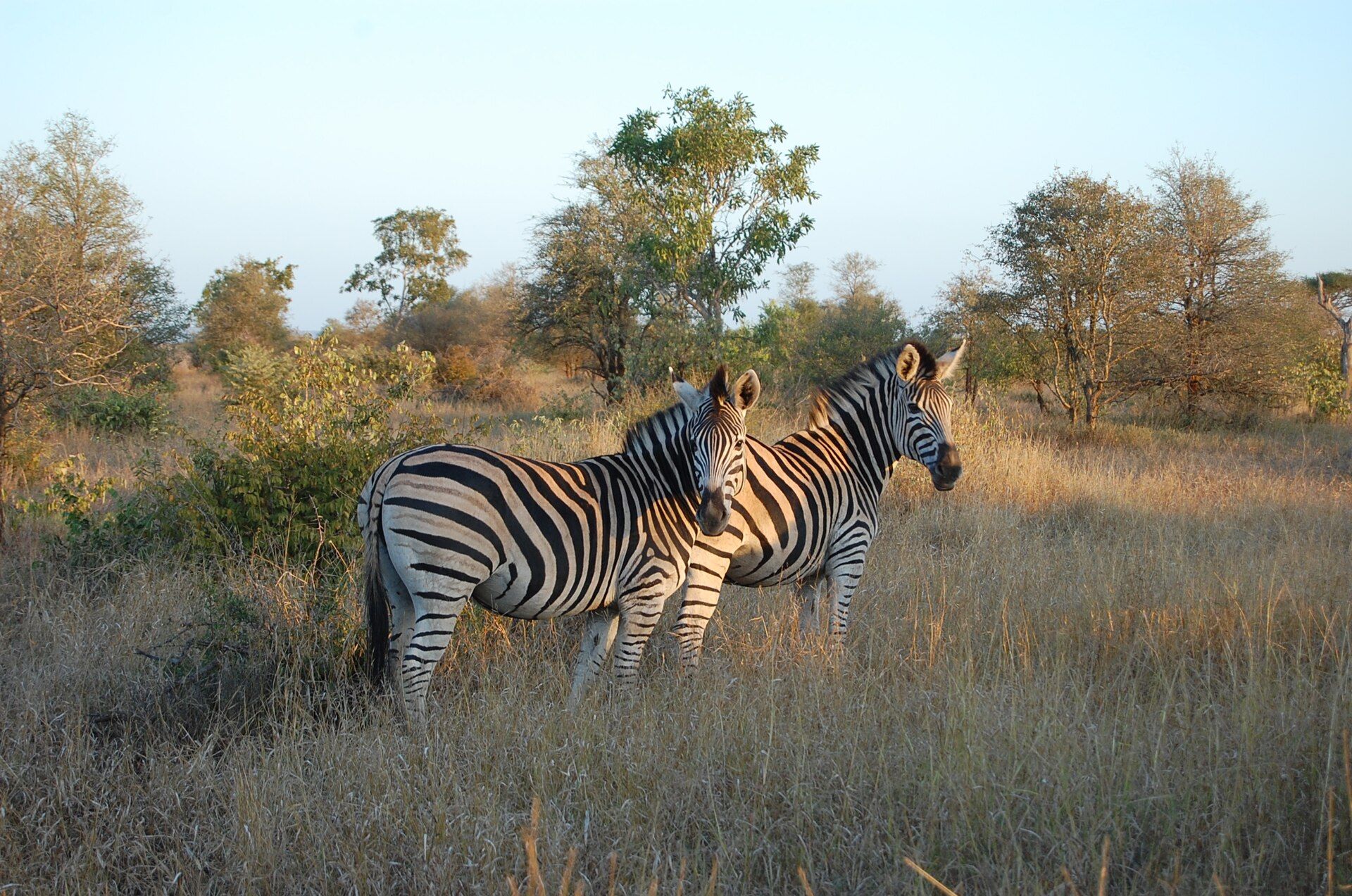
Kruger National Park Self-drive Big Five
Mpumalanga & Limpopo, South Africa
Nearly 20,000 km² of bushveld where rounding a bend onto lions or a leopard in a tree is the classic moment — with cheetahs and wild dogs too. The dry winter, roughly May to September, is easiest for spotting; a guided dawn or night drive boosts your chances. Stay in your vehicle.
-
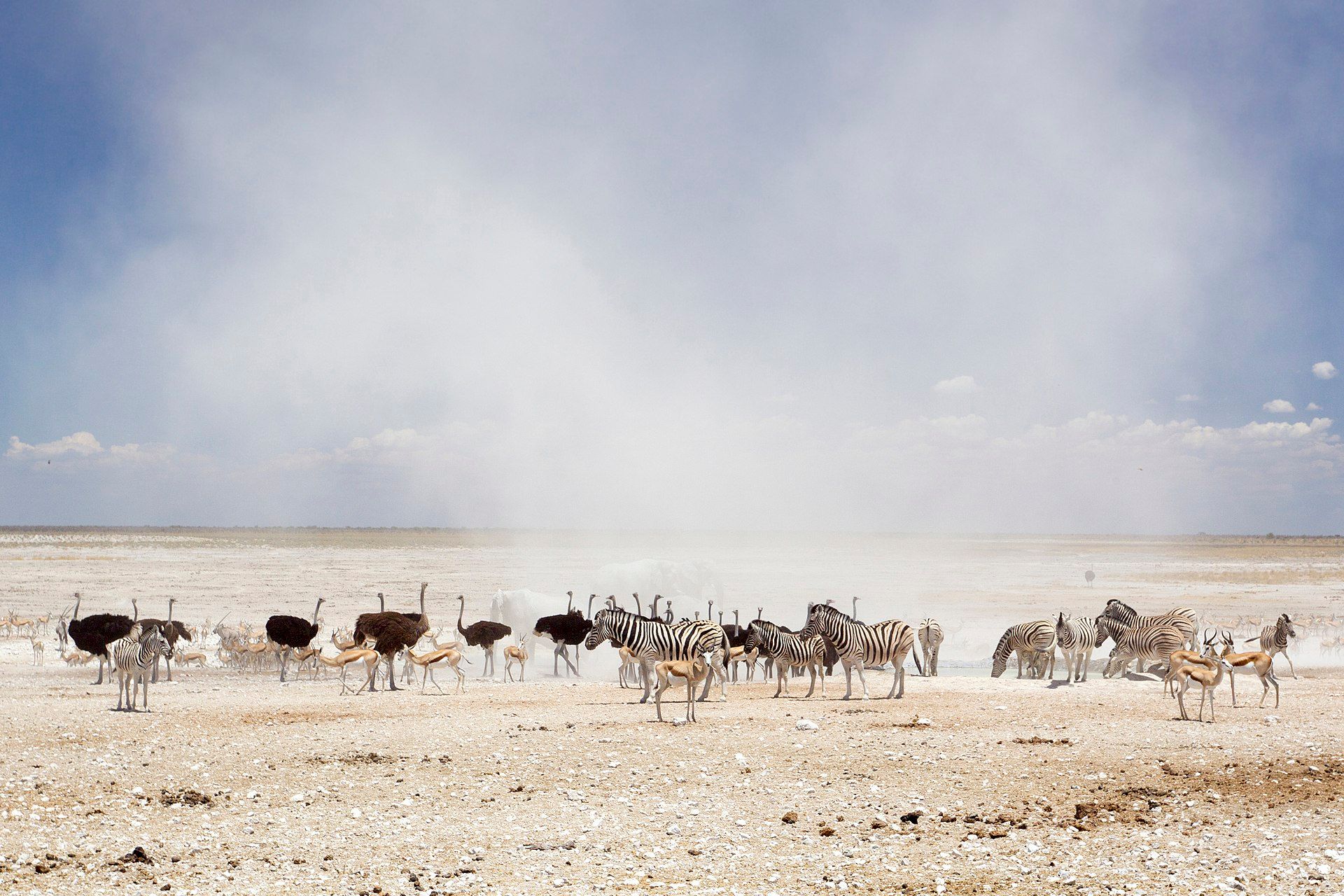
Etosha Pan Lions at the waterholes
Northern Namibia
Park at a waterhole and wait while elephants, black rhinos and lions arrive in turn, with the white salt pan behind. Roughly June to October concentrates the game; an easy self-drive from Windhoek, and floodlit waterholes at the rest camps allow viewing after dark.
-
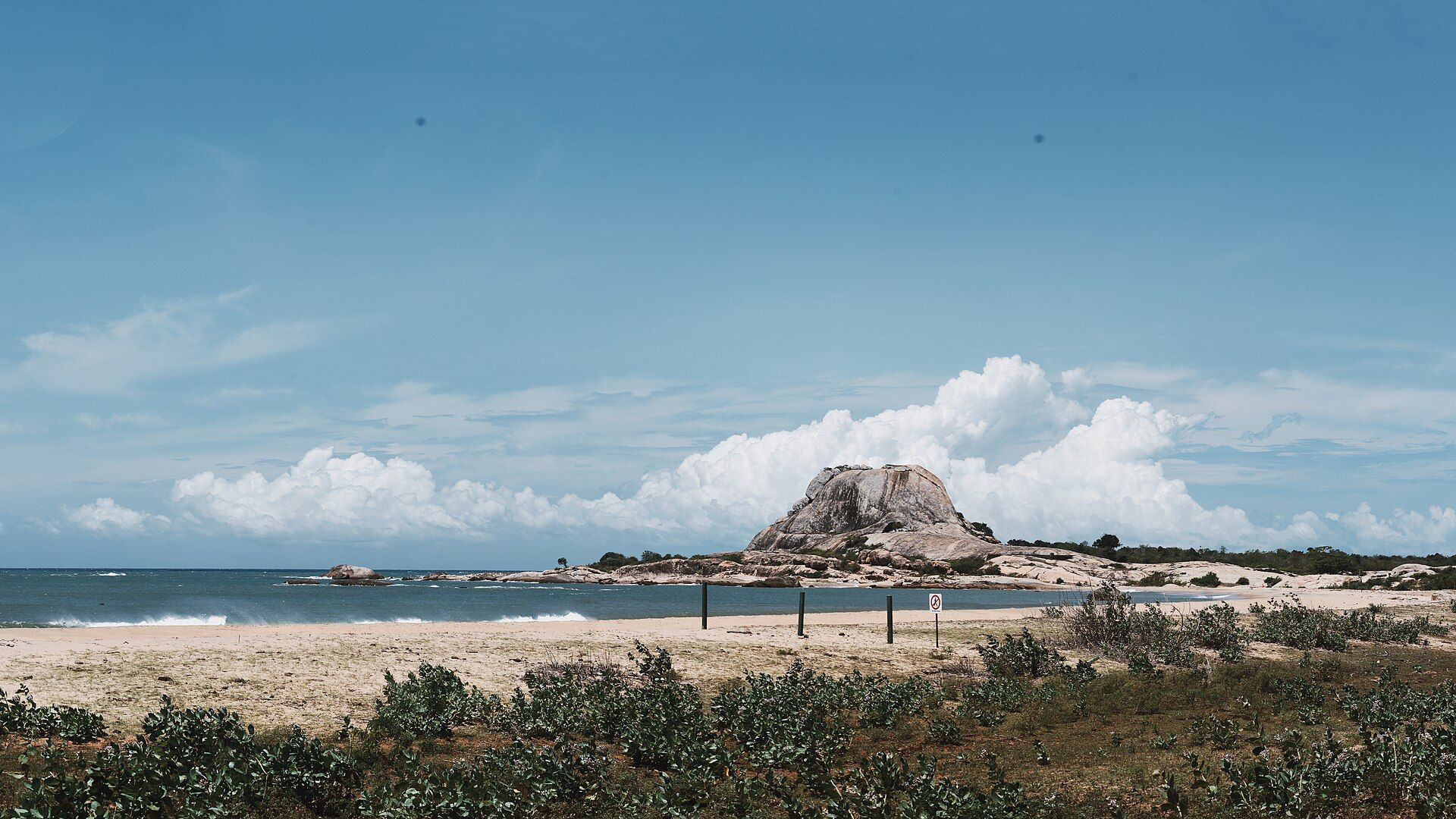
Yala National Park Leopards in daylight, Feb–Jul
Southern and Uva Provinces, southeastern Sri Lanka
Widely thought to hold the highest density of leopards per square kilometre anywhere, and with no tigers or lions above them, Sri Lankan leopards are seen in daylight and in the open. February to July is the strongest window; Block 1, with the most leopards, normally closes for several weeks around September–October. Licensed jeeps only, from Tissamaharama.
-
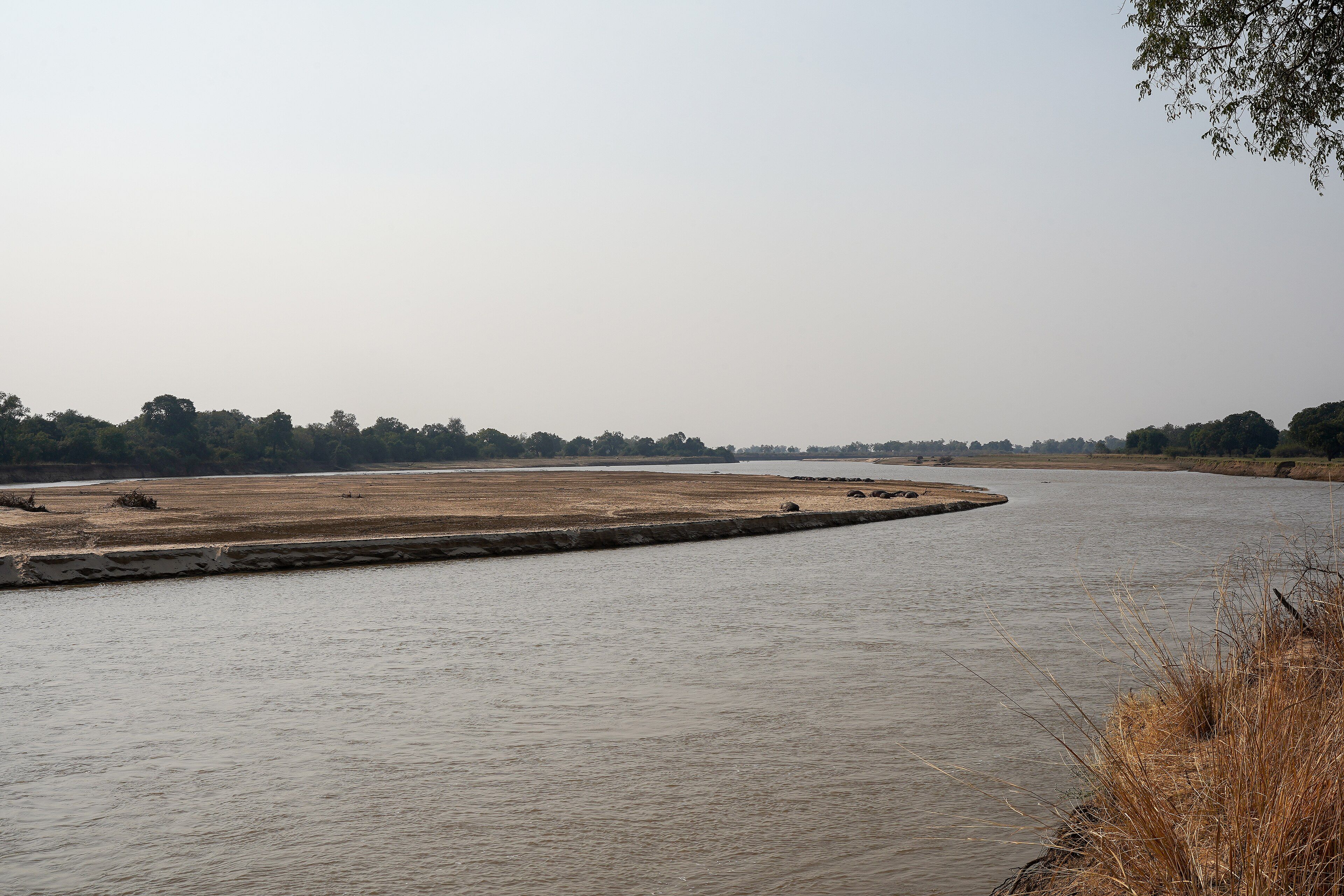
South Luangwa National Park Leopards on night drives
Luangwa Valley, Eastern Province, Zambia
The Nsefu sector has some of the highest recorded leopard densities in southern Africa, and night drives — permitted here — are where leopards and genets show up. June to October is the game-viewing window, September and October the most intense. Fly Lusaka–Mfuwe; walking safaris need a licensed guide and an armed scout.
-
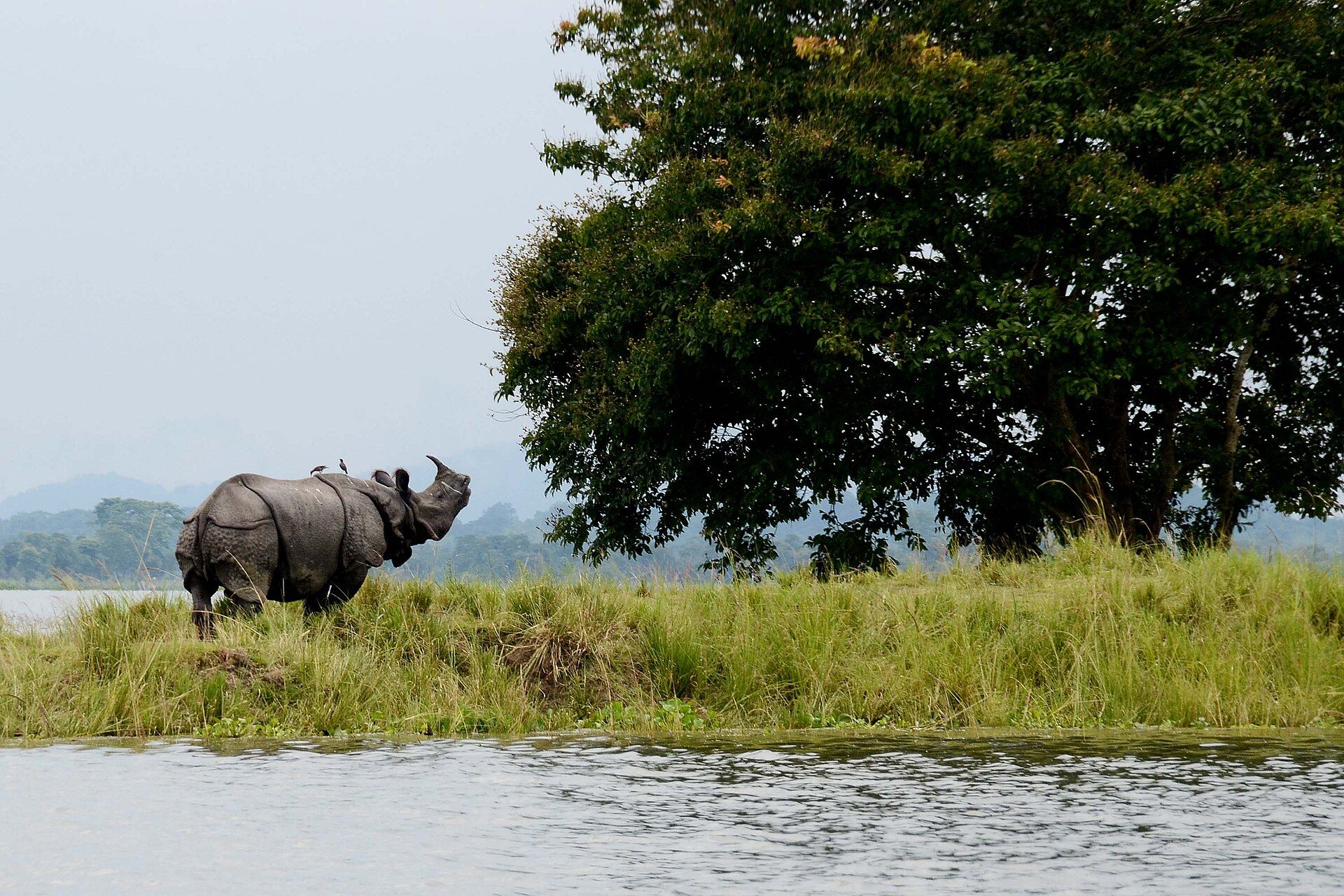
Kaziranga Tigers — a windfall
Assam, India
One of the densest tiger populations of any protected area, but the grass is tall and sightings are uncommon: plan for rhino, elephant and birds, and treat a tiger as a windfall. Open in the dry, cool season, roughly November to April; book jeep safaris and permits through the park in advance.
-
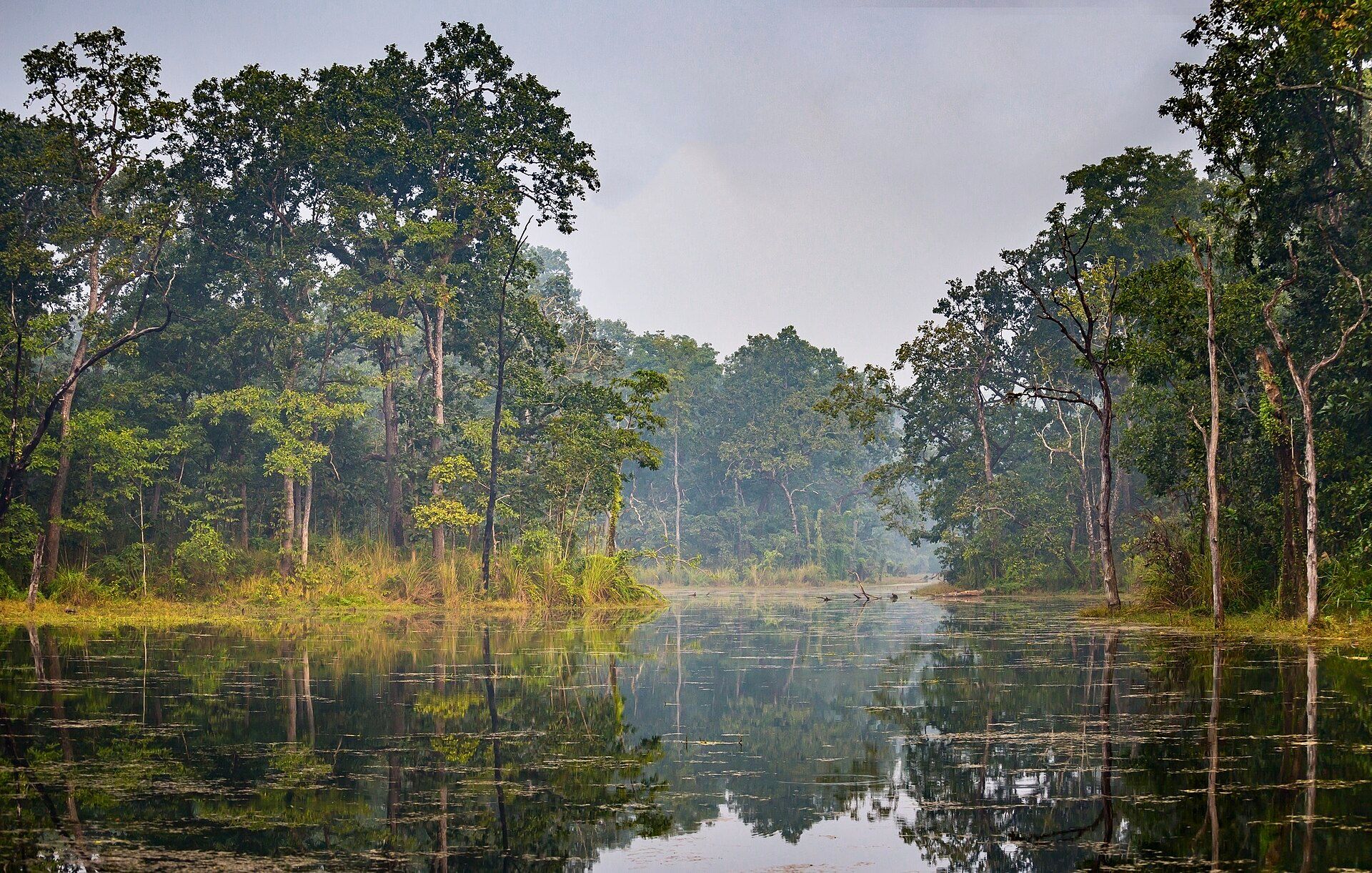
Chitwan National Park Bengal tigers, Oct–Mar
Terai lowlands, southern Nepal
Sal forest, tall grassland and rivers in Nepal's Terai shelter Bengal tigers, rhinos, sloth bears and gharials — on foot with a guide, by jeep or in a dugout canoe, with the ever-present possibility of a tiger. The dry season, roughly October to March, is best. Sauraha is the gateway, 5–6 hours by road from Kathmandu or Pokhara; entry by permit with licensed guides.
-
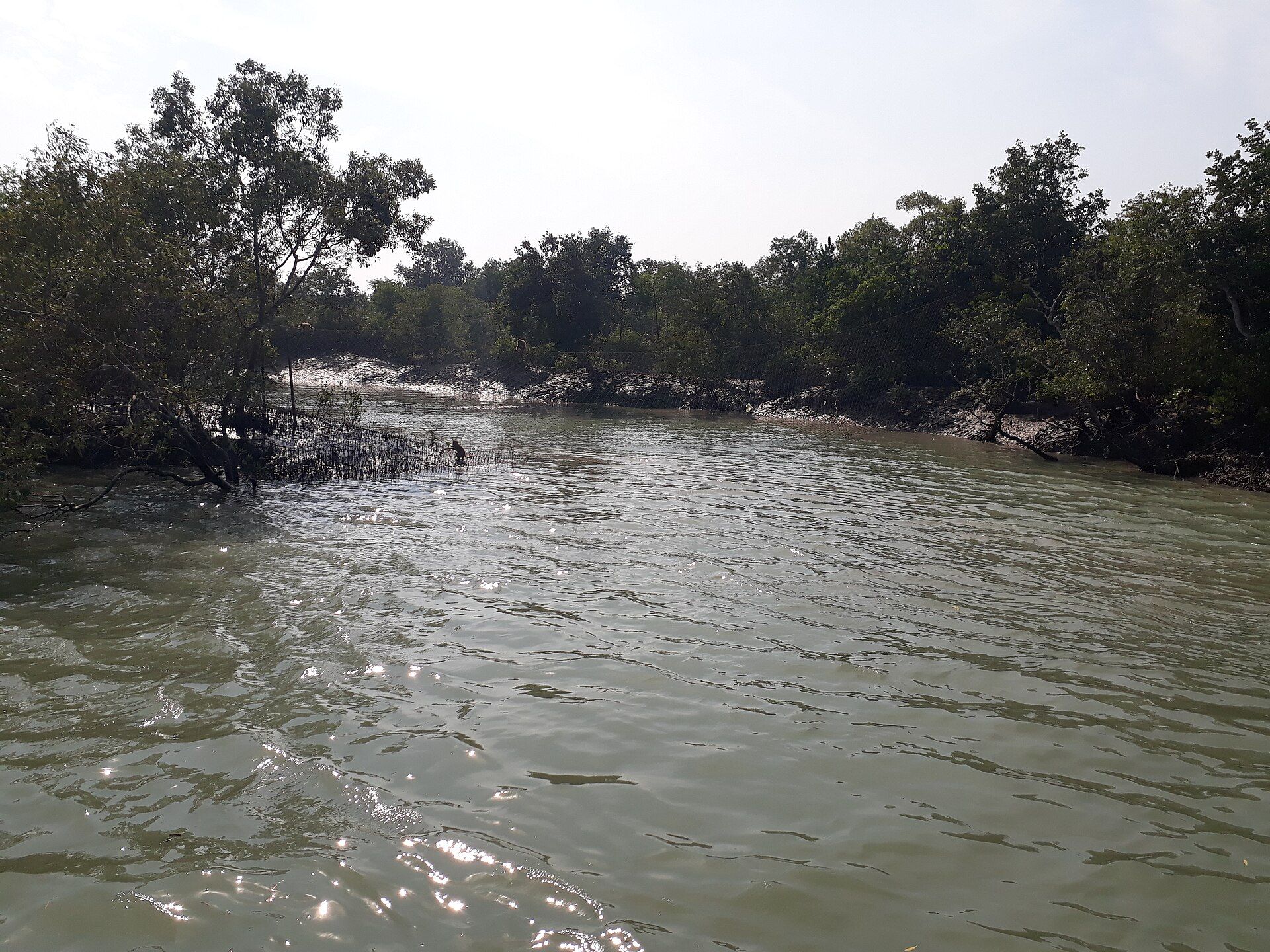
The Sundarbans The swimming tiger
Ganges–Brahmaputra Delta, Bangladesh (and India)
The largest mangrove forest on Earth, where the Bengal tiger has adapted to swim between islands. You cruise the tidal channels on multi-day guided boat trips from Khulna or Mongla — past crocodiles and kingfishers, with a rare chance of a tiger on the bank. The cooler, drier months, roughly October to March, are best; independent entry is restricted.
-
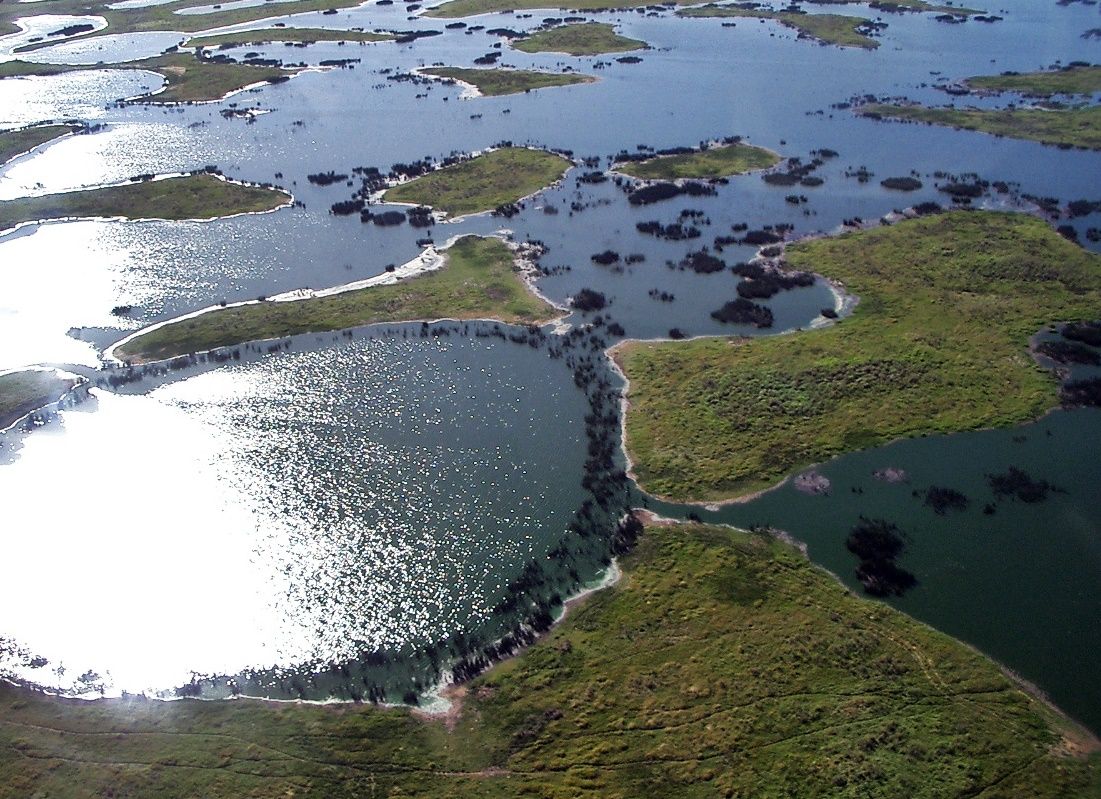
The Pantanal Jaguars, Jun–Oct
Mato Grosso & Mato Grosso do Sul, Brazil
The world's largest tropical wetland holds the highest density of jaguars anywhere, and its open vegetation makes it the best place on Earth to see one. The dry season, roughly June to October, concentrates wildlife and jaguar sightings peak. Reached via Cuiabá and the Transpantaneira road or via Campo Grande; lodges and river safaris are the way in.
-
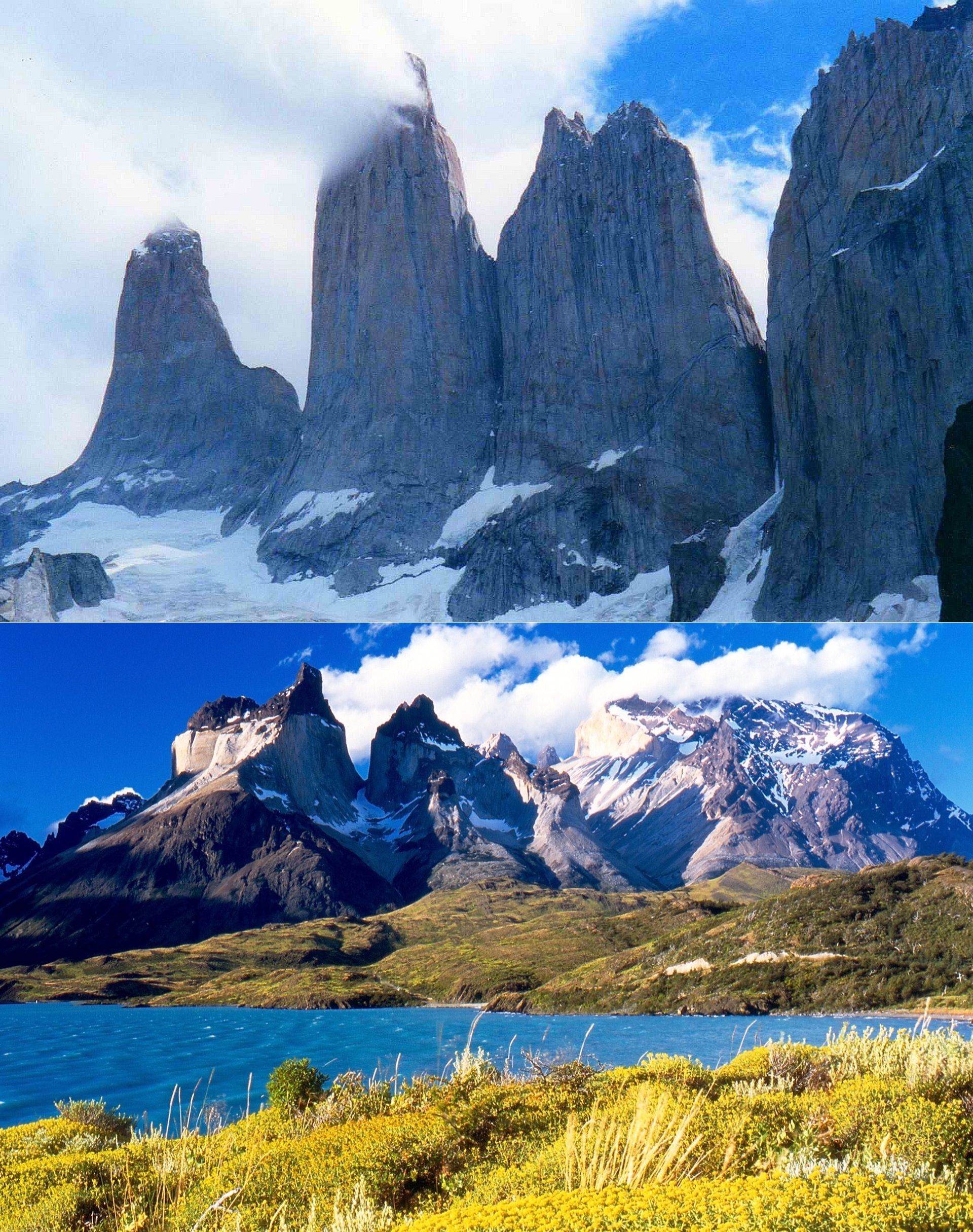
Torres del Paine Pumas at dawn and dusk
Magallanes, Chilean Patagonia
Guanacos are so numerous on the park's eastern steppe that it has become one of the best places in the Americas to see the wild pumas that hunt them — most often at dawn and dusk. The Patagonian summer, roughly November to March, has the most stable weather; give pumas and guanacos space.
Two more jaguar places are worth knowing: Cockscomb Basin in Belize, the world's first protected area for the jaguar, where the cats are present but rarely seen, and Esteros del Iberá in Argentina, where the first free-living jaguar cubs in seventy years were released in 2021. Wherever you go, follow the local method — licensed jeeps, registered guides, staying in the vehicle — and give the cats space.
Added