Similan Islands
📍 Mu Ko Similan National Park, Phang Nga Province, Andaman Sea, Thailand
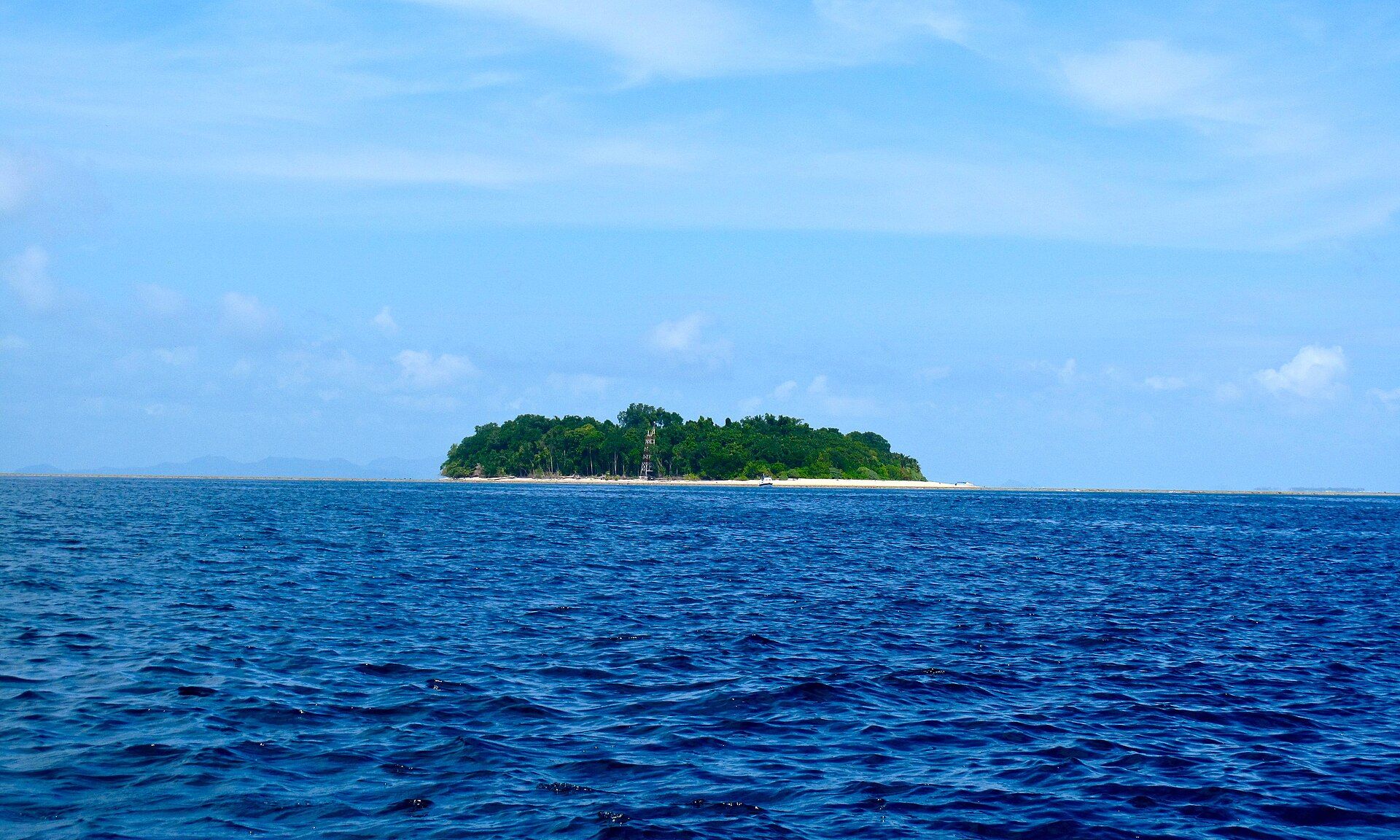
An eleven-island granite archipelago in the Andaman Sea whose west sides are stacked with room-sized boulders underwater — widely rated the best diving in Thailand, and closed for five months a year to let the reef recover.
What makes it marvelous
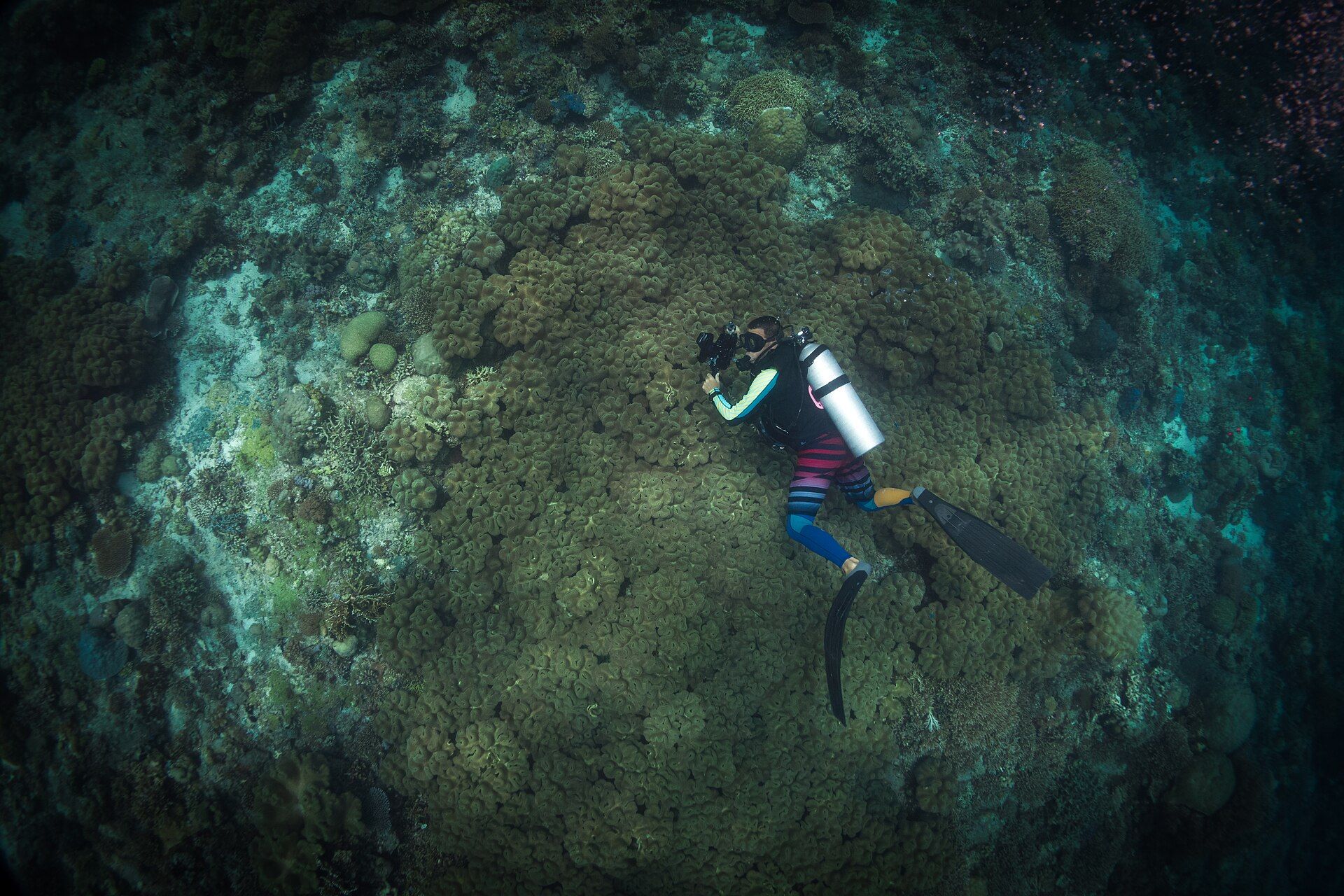
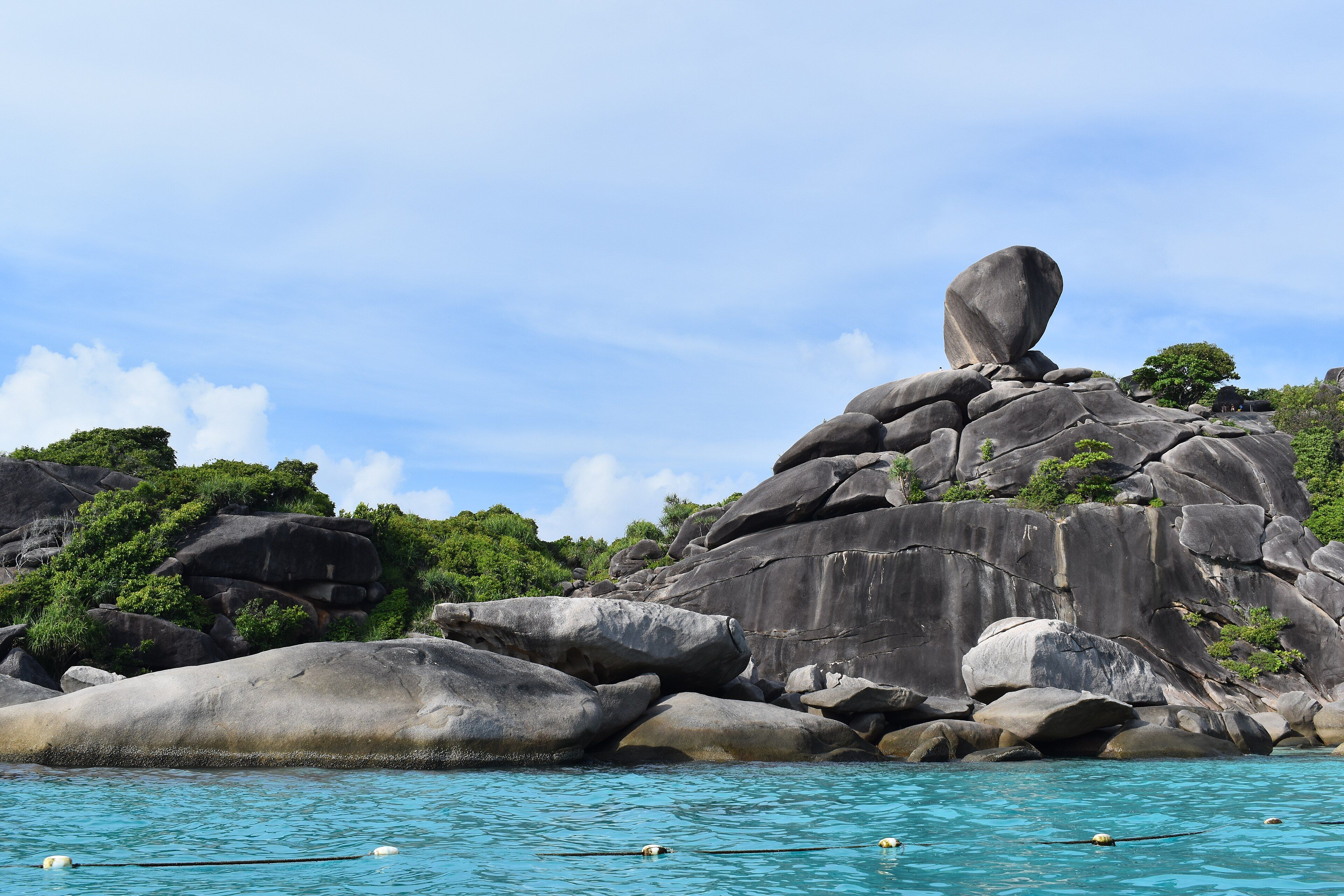
The Similans are unusual because they offer two completely different dive sites on opposite sides of the same island. The east sides shelve gently into white sand and hard coral gardens. The west sides are chaos: enormous granite boulders, some the size of houses, piled into swim-throughs, arches and canyons, worn into those shapes long before the sea rose over them. That granite is what distinguishes the archipelago from Thailand's limestone islands further east — a different rock producing a completely different underwater architecture. Water clarity here is among the best in the Andaman, and the park's other real distinction is administrative: it closes entirely from mid-May to mid-October, partly because the southwest monsoon makes the crossing dangerous, and partly to give the reef a genuine annual rest from visitor pressure.
Why visit
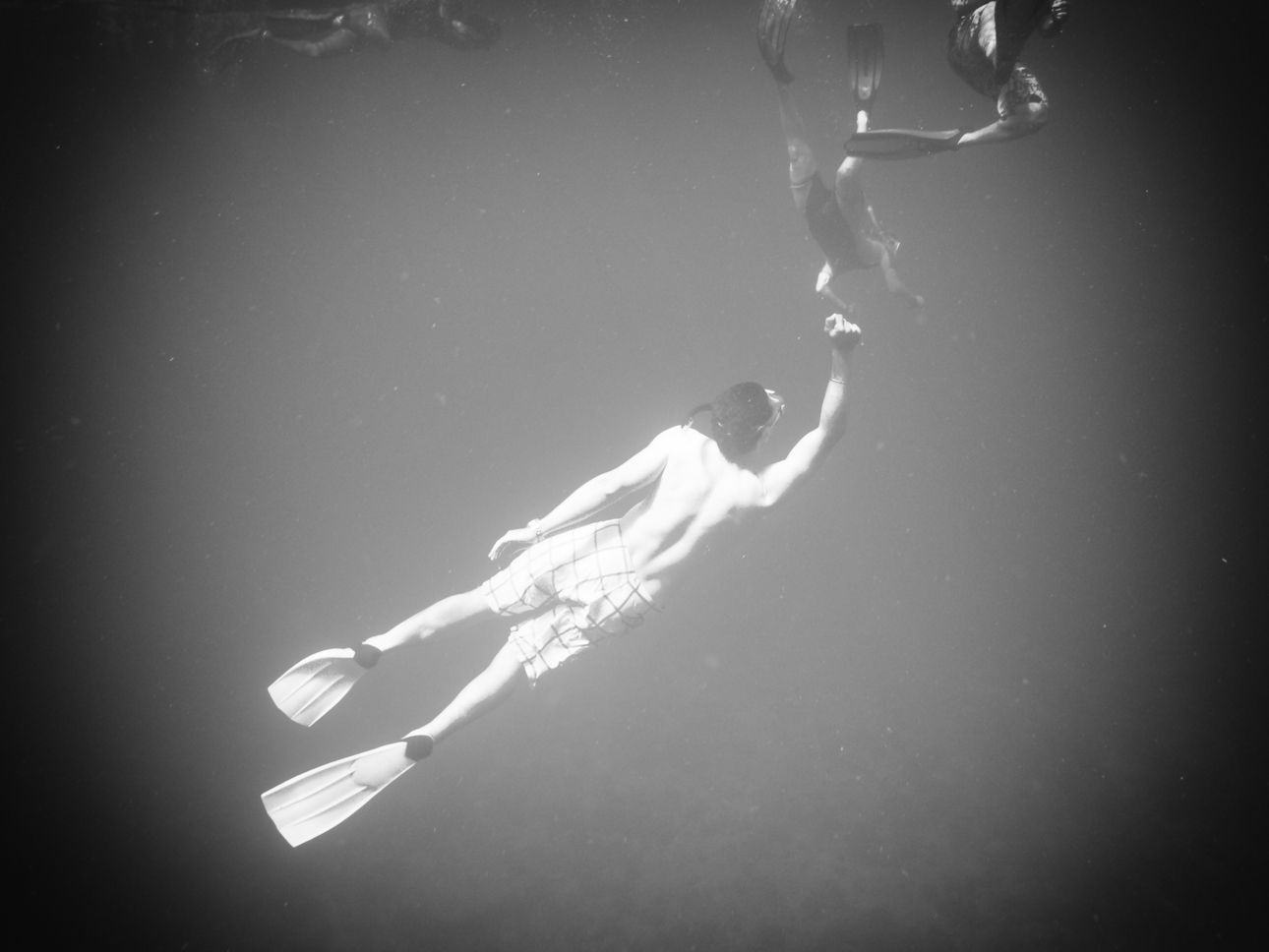
This is the diving Thailand is actually known for, and the snorkelling on the sheltered east sides is excellent without a qualification. Whale sharks and manta rays pass through, the boulder swim-throughs on the west are unlike anything on a limestone coast, and the beaches on Ko Miang and Ko Similan are white silica sand backed by forest.
What to know before you go
🗓️ Best time
The park is open roughly mid-October to mid-May and closed the rest of the year. February to April brings the calmest seas and best visibility; March and April are the strongest months for whale shark and manta encounters.
🧭 Getting there & access
Boats leave from Khao Lak, about 1.5 hours north of Phuket airport. Day trips by speedboat take roughly 1.5 hours each way; liveaboards of two to five nights are the serious option for divers. National park entry fees are collected on arrival and are higher for foreign visitors.
Good to know
- Check the park is open before booking anything — it shuts completely from about 15 May to 15 October.
- Liveaboards reach the northern sites and Richelieu Rock that day boats cannot.
- Day trips are long and rough in a speedboat; take something for seasickness.
- Overnight stays are limited to park accommodation on Ko Miang and must be booked ahead.
Plan your visit
Moderate🧭 Getting there
From Phuket (HKT), Thailand
- Fly into Phuket
- Transfer roughly 1.5 hours north by road to Khao Lak
- Take a speedboat day trip, or board a liveaboard for 2–5 nights
- Dive or snorkel the eastern coral gardens and western boulder sites
- Total travel
- Half a day from Phuket to the boats
- Time at site
- A long day at minimum; 3–4 days on a liveaboard to do it properly
- Access
- The park is CLOSED roughly 15 May to 15 October each year, for monsoon safety and reef recovery. National park entry fees apply per person and are collected on arrival. Overnight stays are restricted to official park accommodation.
🎒 What to bring & consider
- Confirmation the park is open for your dates before you book flights
- Motion-sickness medication for a fast, exposed 1.5-hour crossing
- Reef-safe sunscreen and a rash guard rather than heavy chemical sunblock
- Cash in baht for park fees, which are usually not included in the tour price
- Your dive certification card if you intend to dive rather than snorkel
👁️ What to expect
- Crowds
- Day boats concentrate on a few eastern bays around midday. Liveaboards reach quieter northern sites.
- Conditions
- Hot and humid; calm clear seas in the open season. Currents on the western sites can be strong.
- Facilities
- Basic park accommodation, a restaurant and toilets on Ko Miang; nothing on most of the other islands.
- The view
- Sunlight raking through the granite swim-throughs on the western sides, or the boulder-stacked shoreline of Ko Similan from the water.
Times and requirements are approximate and change with season, weather, and local rules — confirm permits, fares, and schedules with operators before you travel.
Natural riches of the area
- Eleven granite islands with boulder formations continuing underwater
- Hard coral gardens on the sheltered eastern sides
- Exceptional Andaman Sea visibility in the open season
- Whale sharks, manta rays, reef sharks and large pelagic fish
- White silica beaches backed by island forest
Local food
- Gaeng som pla
- Southern Thai sour orange curry with fish, sharper than central Thai curries.
- Pla pao
- Whole fish packed in salt and grilled over charcoal.
- Khao yam
- A southern rice salad with herbs, toasted coconut and budu dressing.
- Cashew nuts
- Grown widely around Phang Nga and sold roasted along the coast road.
Thailand’s most famous islands are limestone — the karst towers of Phang Nga and Krabi. The Similans are granite, and underwater that difference is the whole story. On the western side of the archipelago the seabed is a jumble of colossal rounded boulders, some the size of small buildings, stacked into arches, tunnels and canyons that divers thread through. Limestone does not weather like that; granite does, and it happened here long before sea level rose to cover it.
The eastern sides of the same islands are the opposite: gentle white-sand slopes and hard coral gardens in a few metres of water, which is why the archipelago works for snorkellers as well as for the divers who rate it the best in the country. Whale sharks and mantas move through in the spring months. The other thing to know is that the park simply shuts — from roughly mid-May to mid-October the southwest monsoon closes the crossing, and the closure doubles as an annual rest for a reef that would otherwise take visitor pressure year-round. Check the dates before booking anything; arriving in June means not going at all.
Similan Islands: common questions
How do you get to Similan Islands?
From Phuket (HKT), Thailand: Fly into Phuket; Transfer roughly 1.5 hours north by road to Khao Lak; Take a speedboat day trip, or board a liveaboard for 2–5 nights; Dive or snorkel the eastern coral gardens and western boulder sites. Total travel time: Half a day from Phuket to the boats.
When is the best time to visit Similan Islands?
The park is open roughly mid-October to mid-May and closed the rest of the year. February to April brings the calmest seas and best visibility; March and April are the strongest months for whale shark and manta encounters.
How long should you spend at Similan Islands?
A long day at minimum; 3–4 days on a liveaboard to do it properly. Total travel time: Half a day from Phuket to the boats.
What should you bring to Similan Islands?
Confirmation the park is open for your dates before you book flights Motion-sickness medication for a fast, exposed 1.5-hour crossing Reef-safe sunscreen and a rash guard rather than heavy chemical sunblock Cash in baht for park fees, which are usually not included in the tour price Your dive certification card if you intend to dive rather than snorkel
Do you need a permit or guide for Similan Islands?
The park is CLOSED roughly 15 May to 15 October each year, for monsoon safety and reef recovery. National park entry fees apply per person and are collected on arrival. Overnight stays are restricted to official park accommodation.
Is Similan Islands crowded, and what are conditions like?
Day boats concentrate on a few eastern bays around midday. Liveaboards reach quieter northern sites. Hot and humid; calm clear seas in the open season. Currents on the western sites can be strong. Facilities: Basic park accommodation, a restaurant and toilets on Ko Miang; nothing on most of the other islands.
Added
More wonders to explore