Head to head · Southeast Asia's two classic first trips
Vietnam vs Thailand: Which Is Better for Natural Scenery?
Short answer: choose Thailand for beaches, islands and diving on the Andaman Sea, at their best from November to April. Choose Vietnam for caves, karst and mountain rice terraces strung along the length of the country — with a more varied calendar, because the north, centre and south have different best months.
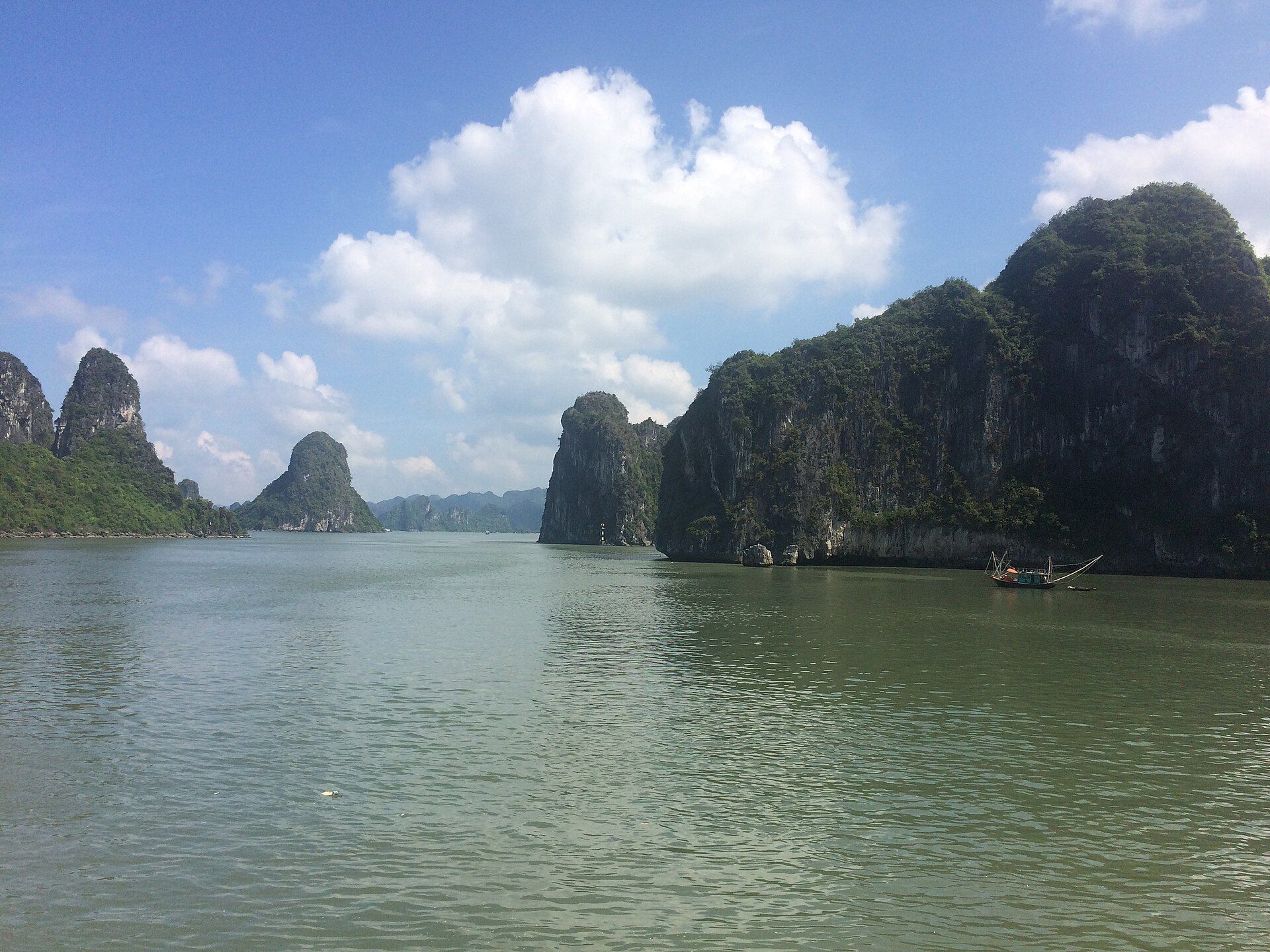
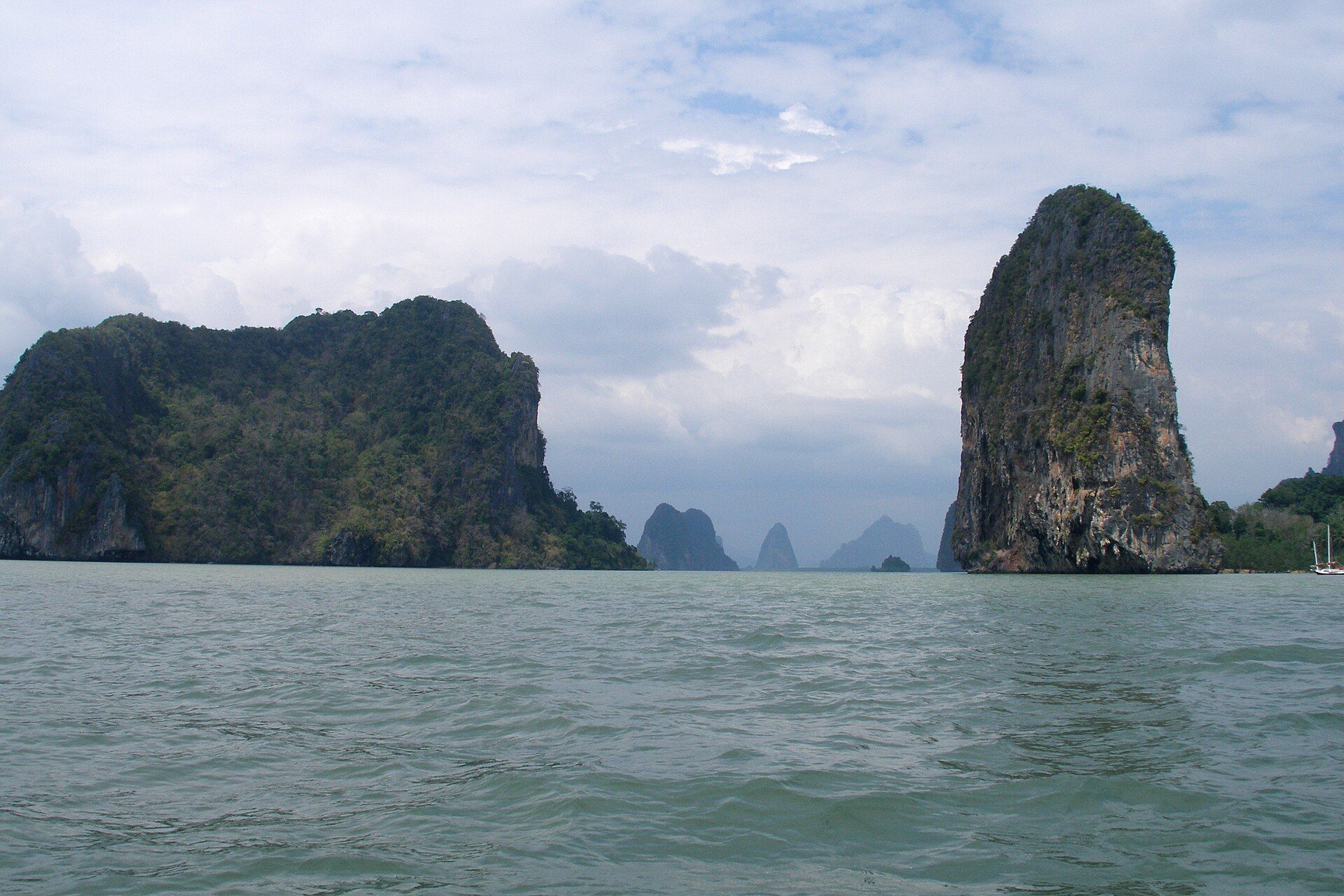
Both countries have the famous limestone seascape: Vietnam's Ha Long Bay and Thailand's Phang Nga Bay. Beyond that they split. Thailand's wonders cluster on the Andaman coast near Phuket and Krabi. Vietnam's run from the terraces and bays of the north, through the cave country of Quảng Bình, to the Mekong Delta in the south.
Timing decides a lot. Thailand's Andaman coast is a dry-season trip (November to April); the Similan Islands close to visitors from about mid-May to mid-October. Vietnam spreads out: Ha Long is best October to April, the caves of Phong Nha roughly February to August, and the terraces in May–June or mid-September to mid-October.
Vietnam
Karst bays, giant caves and rice terraces
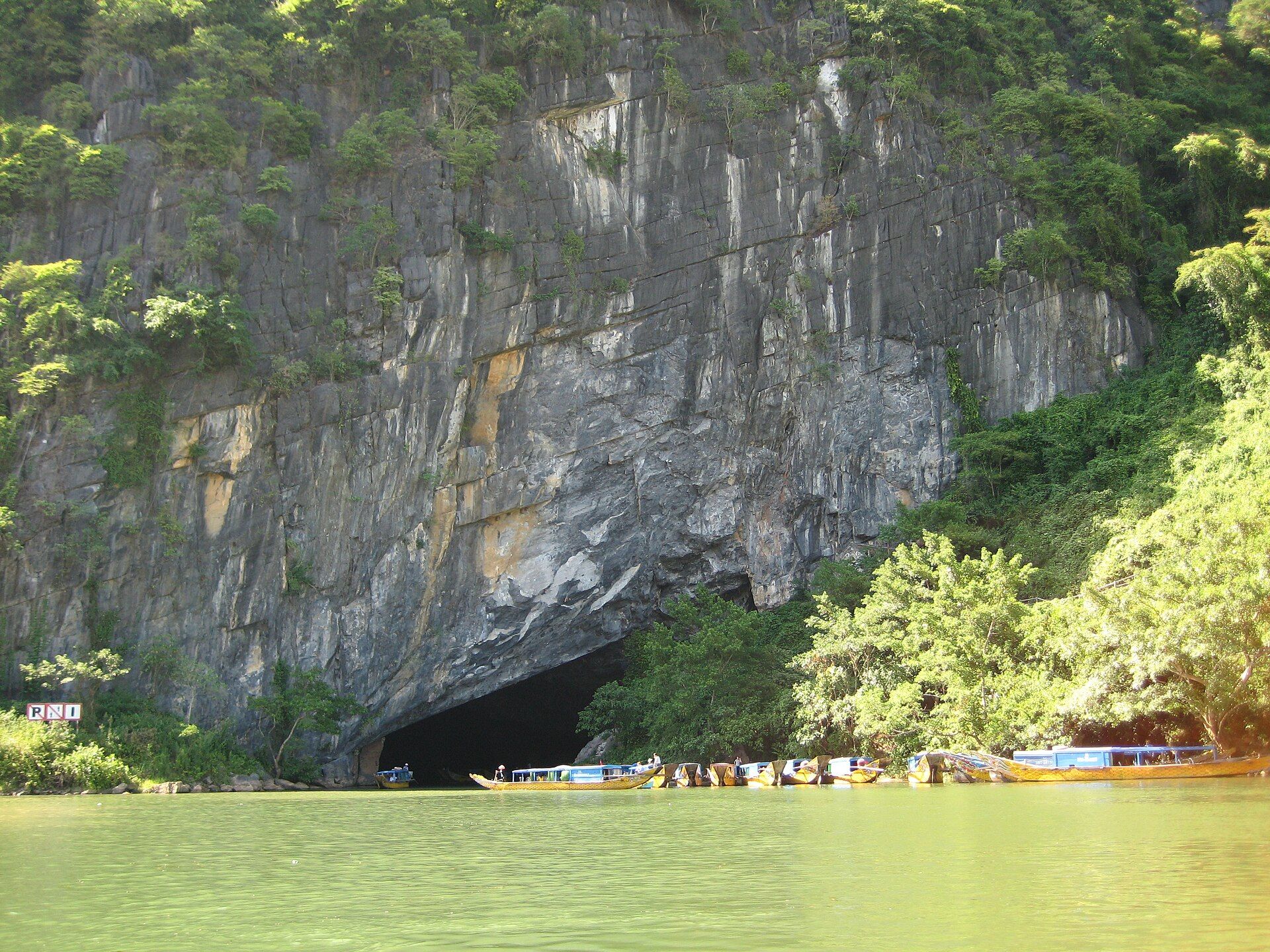
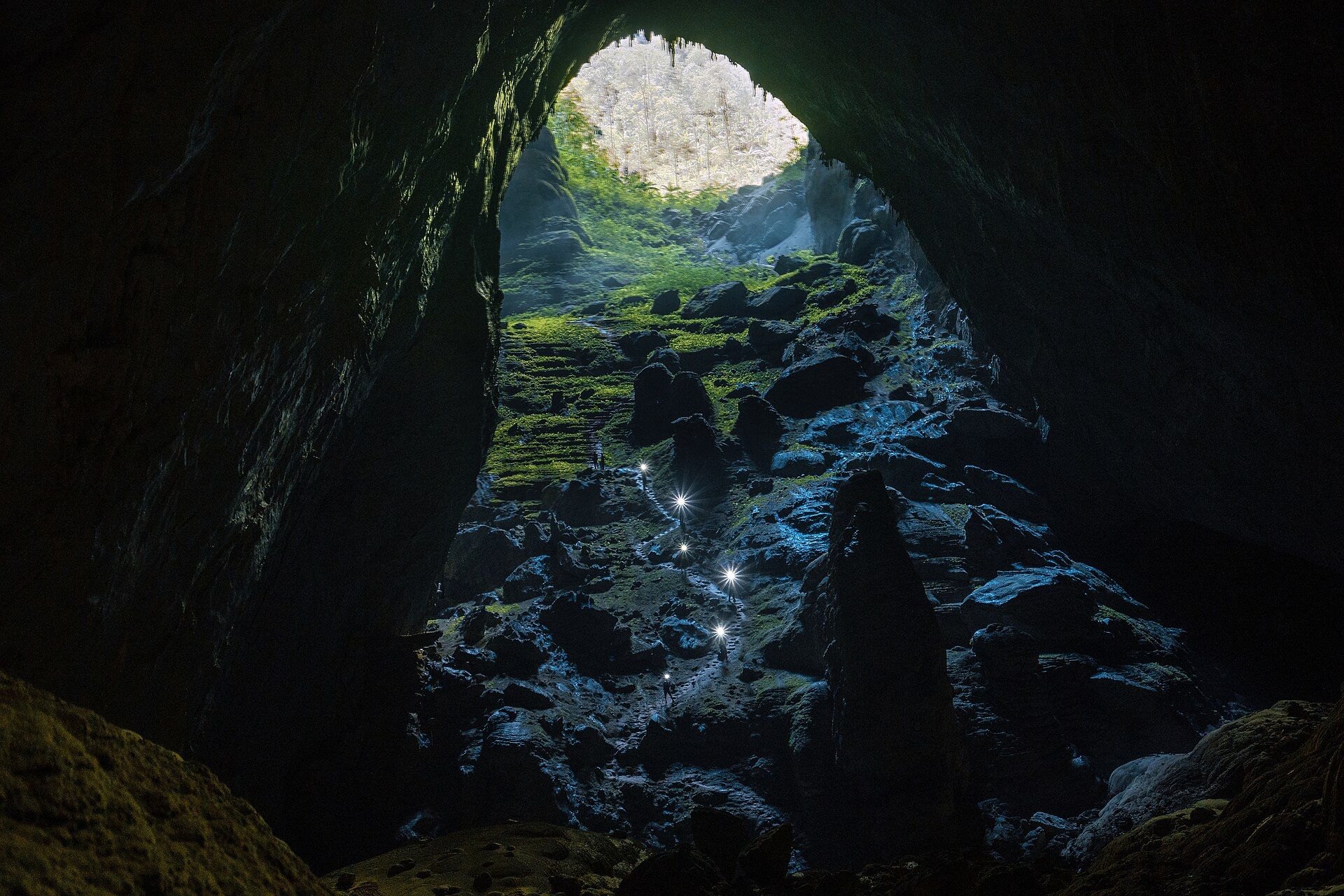
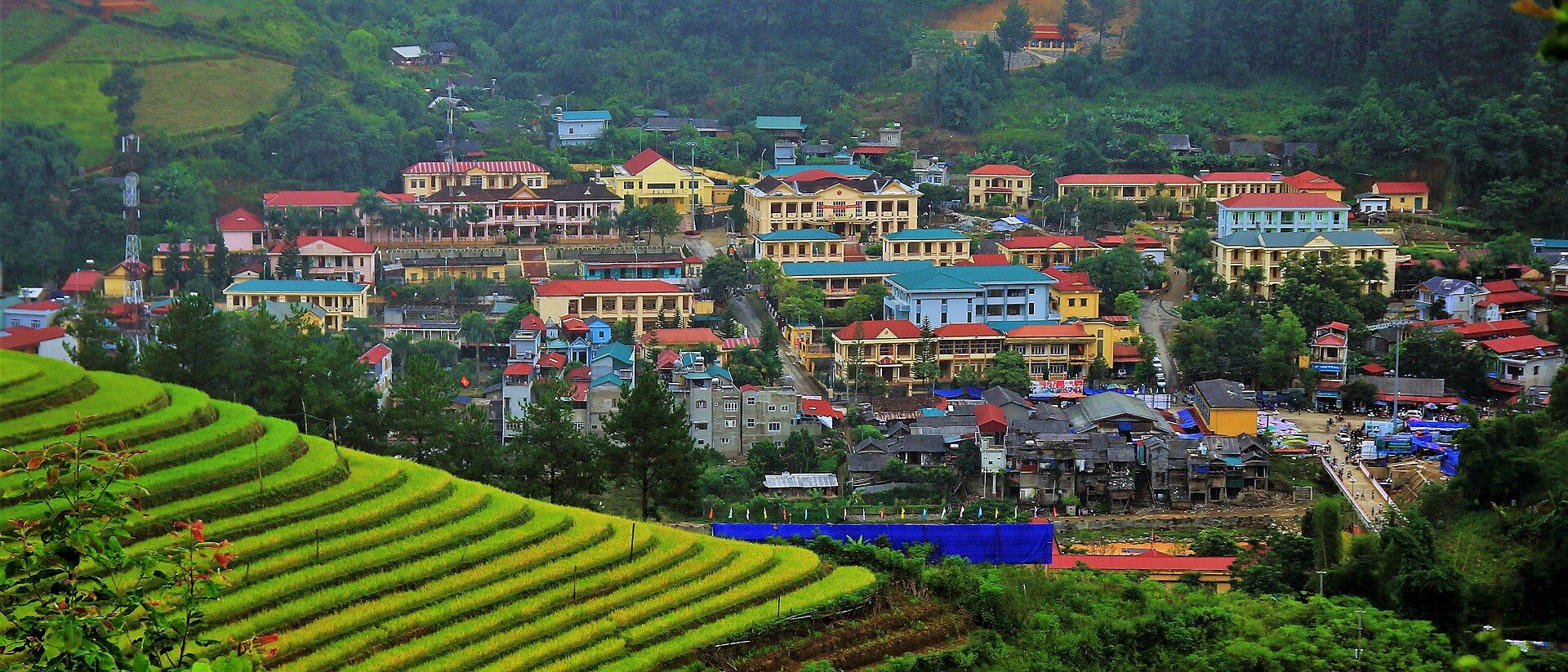
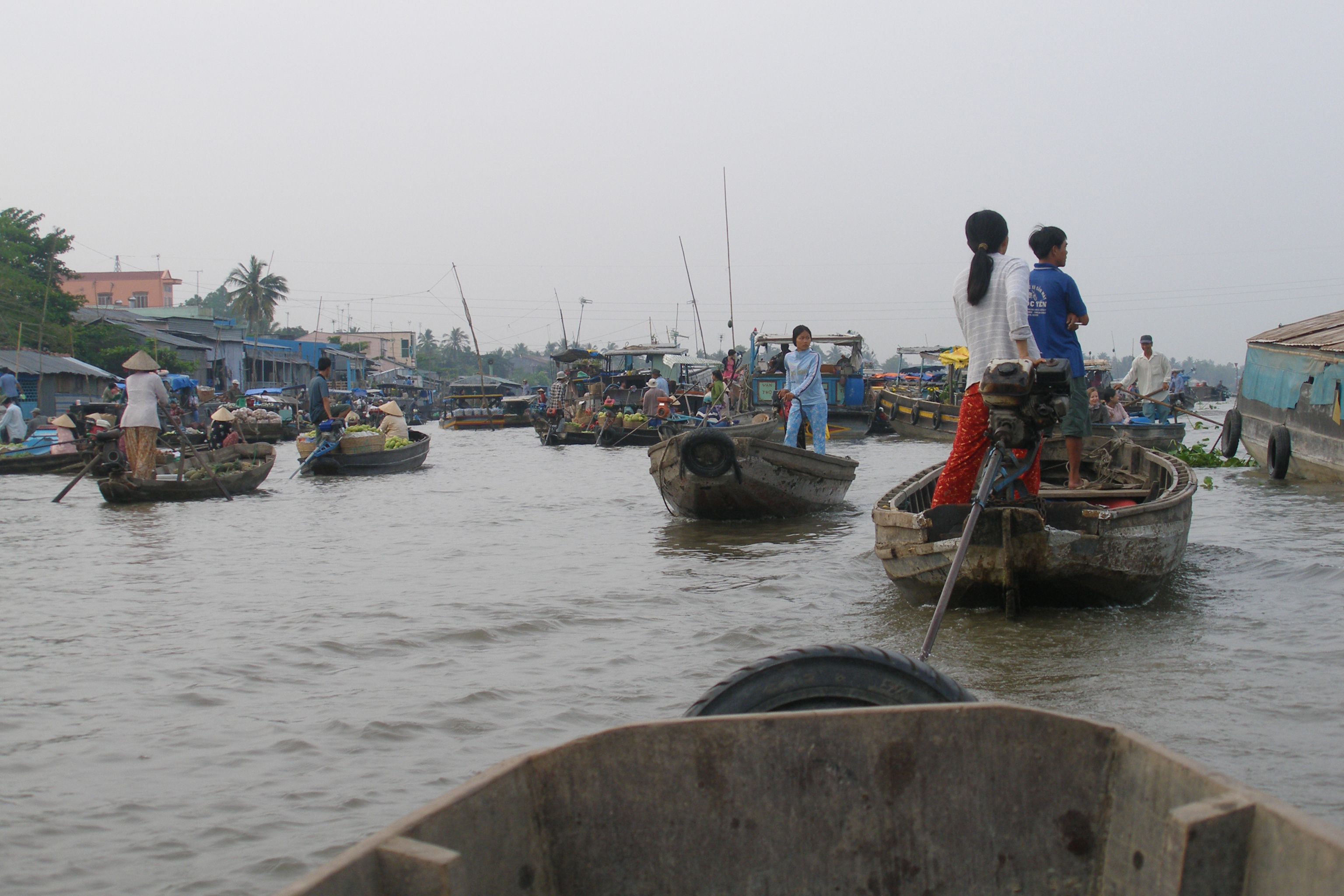
A long country with distinct regions: Ha Long Bay's nearly 2,000 limestone islands half a day from Hanoi; Phong Nha, the cave country that holds Sơn Đoòng, the largest known cave passage on Earth; the Hmong rice terraces of Mu Cang Chai; and the canals of the Mekong Delta, half a day from Ho Chi Minh City.
- The world's greatest cave systems, from show caves to Sơn Đoòng expeditions
- Ha Long Bay's karst seascape by boat
- Mountain rice terraces — mirror-silver in May–June, gold in September–October
Thailand
Andaman karst, beaches and dive islands
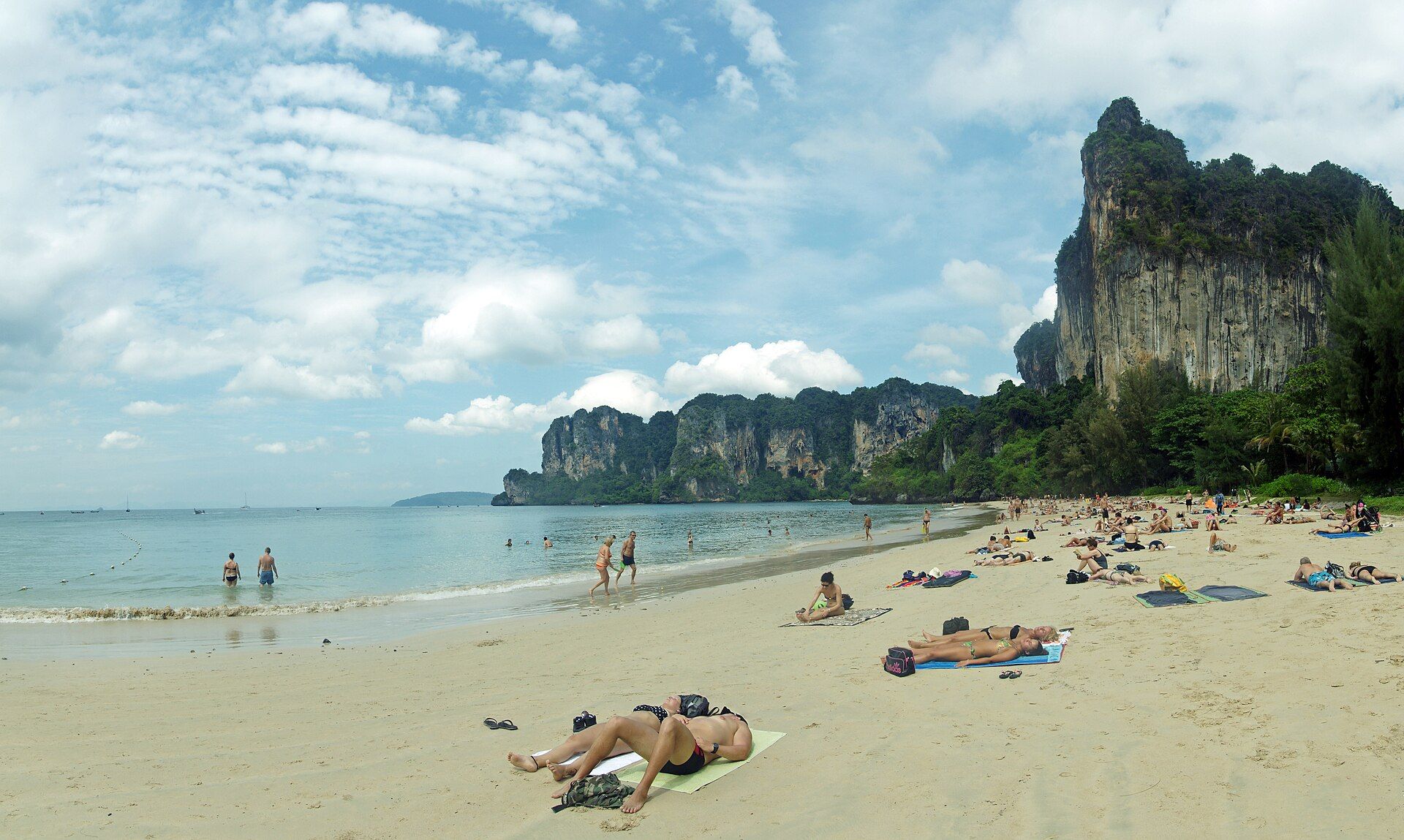
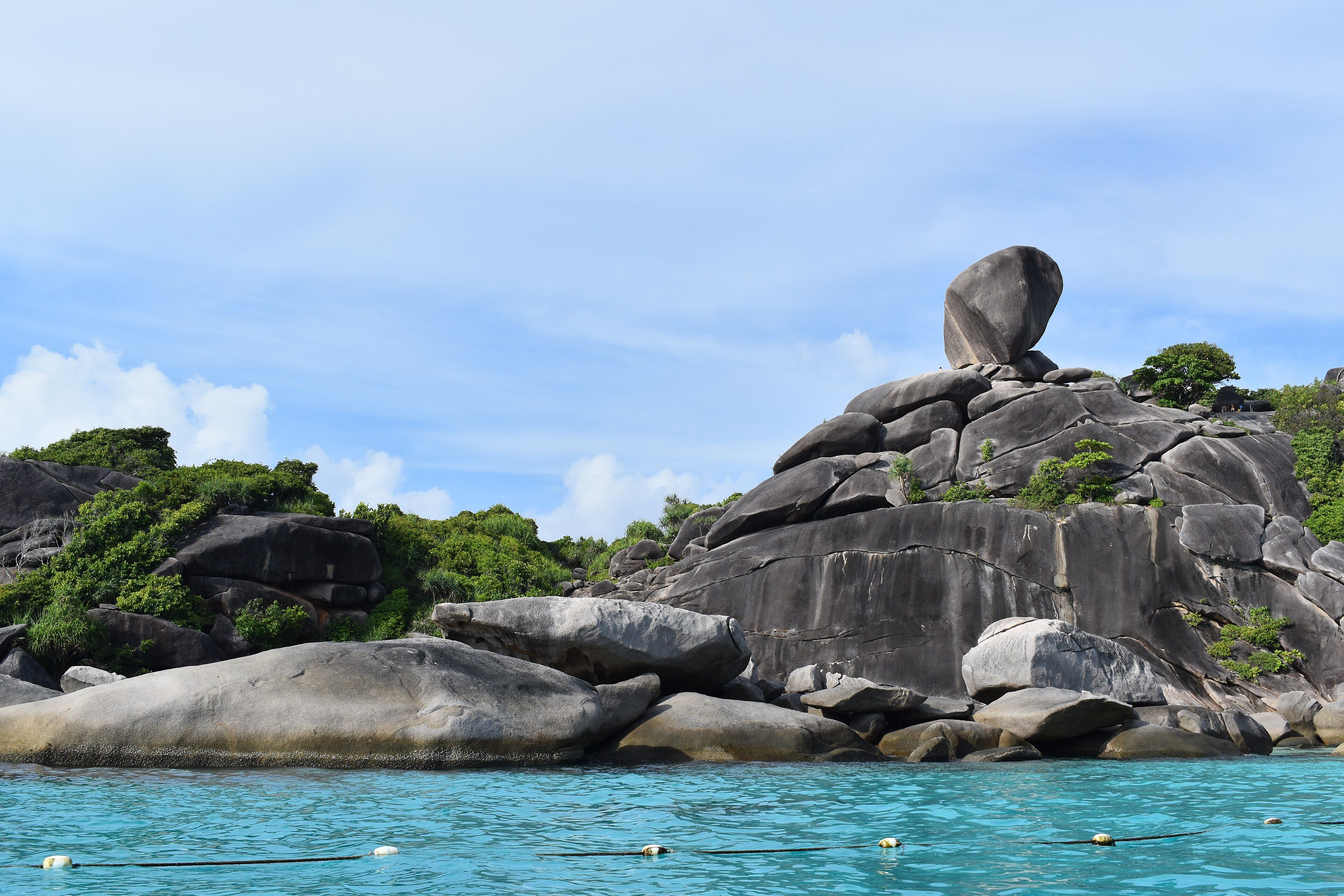
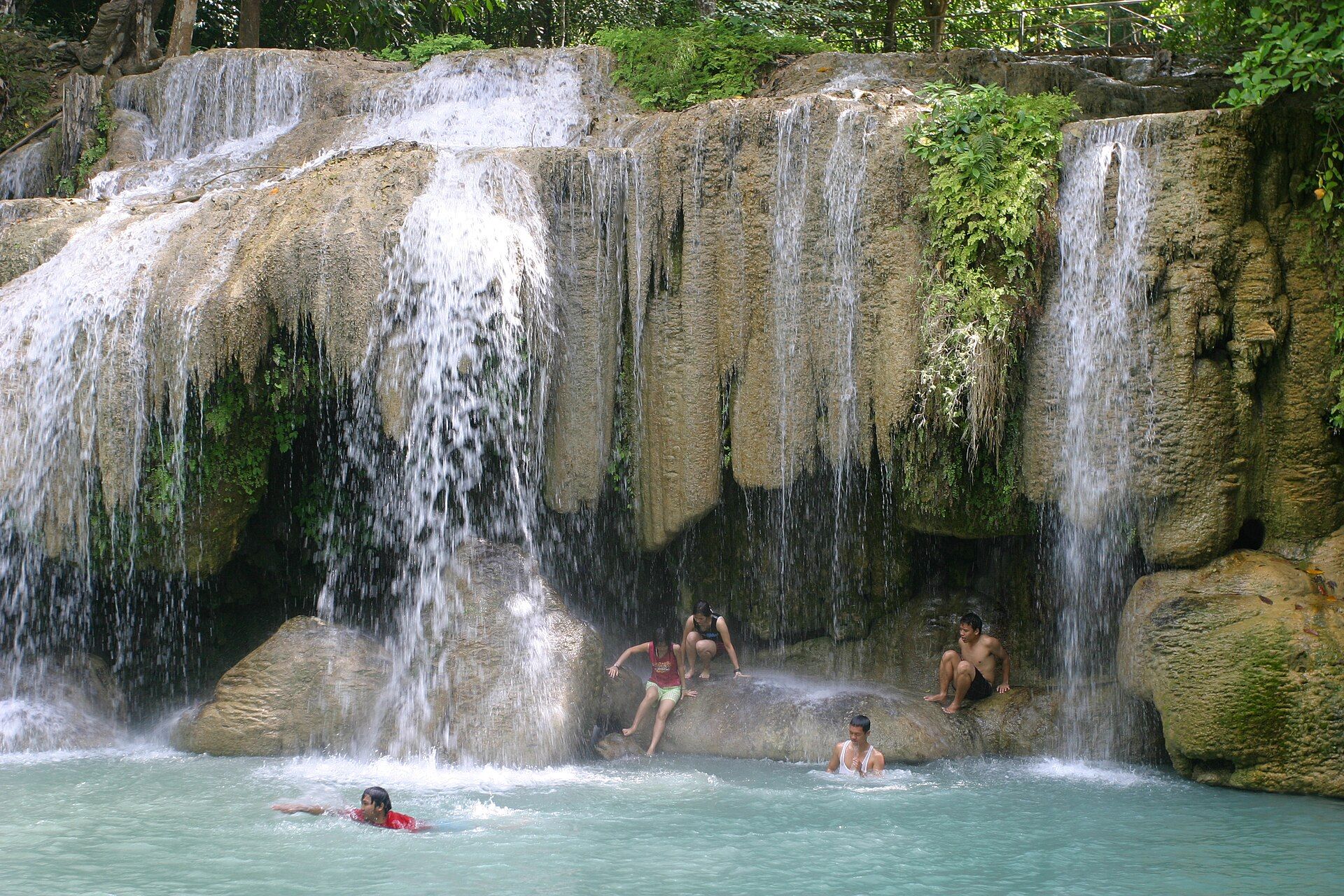
A coast-first nature trip: Phang Nga Bay's karst islands and sea-cave lagoons between Phuket and Krabi; Railay, a cliff-walled peninsula reached only by boat and one of the world's great rock-climbing spots; and the Similan Islands, widely rated the best diving in Thailand. Inland, Erawan's seven tiers of emerald pools are a day trip from Bangkok.
- Island beaches and karst bays a short boat ride from Phuket and Krabi
- The Similans: Thailand's best diving, with whale sharks and mantas in March–April
- Rock climbing at Railay
Head to head
| What matters | Vietnam | Thailand |
|---|---|---|
| Karst seascape Edge: Toss-up | Ha Long Bay — nearly 2,000 islands and pillars, with caves, lagoons and floating villages; best October to April. | Phang Nga Bay — sheer karst islands and tidal lagoons reached by paddling through the rock; best November to April. |
| Caves Edge: Vietnam | Phong Nha's cave systems, including Sơn Đoòng — the largest known cave passage on Earth, by expedition only, roughly January to August. | Sea caves and hidden lagoons in Phang Nga Bay. |
| Beaches, diving and snorkelling Edge: Thailand | None of Vietnam's headline wonders is a beach or dive site. | Railay's boat-only beaches and the Similans' granite boulder dives (park open roughly mid-October to mid-May). |
| Mountains and countryside Edge: Vietnam | Mu Cang Chai's terraces in the northern mountains and the Mekong Delta's canals and rice country. | Erawan's jungle waterfall and pools, a long day trip from Bangkok. |
| Getting around Edge: Thailand | Spread out: Ha Long and Mu Cang Chai from Hanoi, Phong Nha via Đồng Hới in the centre, the Mekong Delta from Ho Chi Minh City. | Compact: Phang Nga Bay, Railay and the Similan boats are all half a day or less from Phuket or Krabi. |
| Best months Edge: Toss-up | Varies by region: Ha Long October–April, Mekong Delta December–April, Phong Nha roughly February–August, terraces May–June or mid-September to mid-October. | November to April for the whole Andaman coast; February to April for the calmest seas and best visibility at the Similans. |
| May to October Edge: Vietnam | Phong Nha's caves and the flooded terraces are in season; Ha Long is hotter with occasional storms. | The southwest monsoon brings rain and rougher water to the Andaman coast, and the Similans are closed. Erawan is at its fullest July–November. |
Which should you choose?
Choose Vietnam if…
…you want caves, karst bays and mountain terraces, are happy to travel the length of a country, or are going between May and October.
Choose Thailand if…
…you want beaches, islands, diving or climbing in one compact region, and are travelling between November and April.
The honest verdict
Thailand is the better nature trip for the sea: Phang Nga Bay, Railay and the Similan Islands are all within easy reach of Phuket and Krabi, and from November to April the Andaman coast is at its best.
Vietnam is the better nature trip for caves, karst and mountain landscapes, and it is the stronger choice from May to October, when Thailand's Andaman coast is in its monsoon and Phong Nha's caves and the northern terraces are in season.
If the limestone seascape is all you want, both deliver: see our Ha Long Bay vs Phang Nga Bay comparison for that choice on its own.
Wonders mentioned here
Added