Wildlife · manta rays
The Best Places to Swim with Manta Rays — Reefs, Atolls and Open-Ocean Islands
9 places · every one real, mapped, and worth the trip
Mantas are not resident on most reefs; they move with plankton, currents and season. So the useful question is not just where, but when — and several pages below say plainly that manta sightings vary by season and site even within one destination. Treat every entry as a good chance, not a guarantee.
The list is unranked and ordered from easiest to reach to hardest: places with day boats and snorkelling first, then liveaboard-led archipelagos, then the remote open-ocean islands that need advanced diving certification and a day or more at sea.
-
Ningaloo Reef From the beach, Western Australia
Coral Coast, Western Australia
A fringing reef close enough to the shore that you can wade off the beach to snorkel among turtles and coral; manta rays pass through, and licensed operators run manta swims alongside the March–July whale-shark season. Near Exmouth and Coral Bay, reached by air to Learmonth or a long drive from Perth.
-
The Maldives Atolls Atolls, vary by season
Indian Ocean, southwest of Sri Lanka
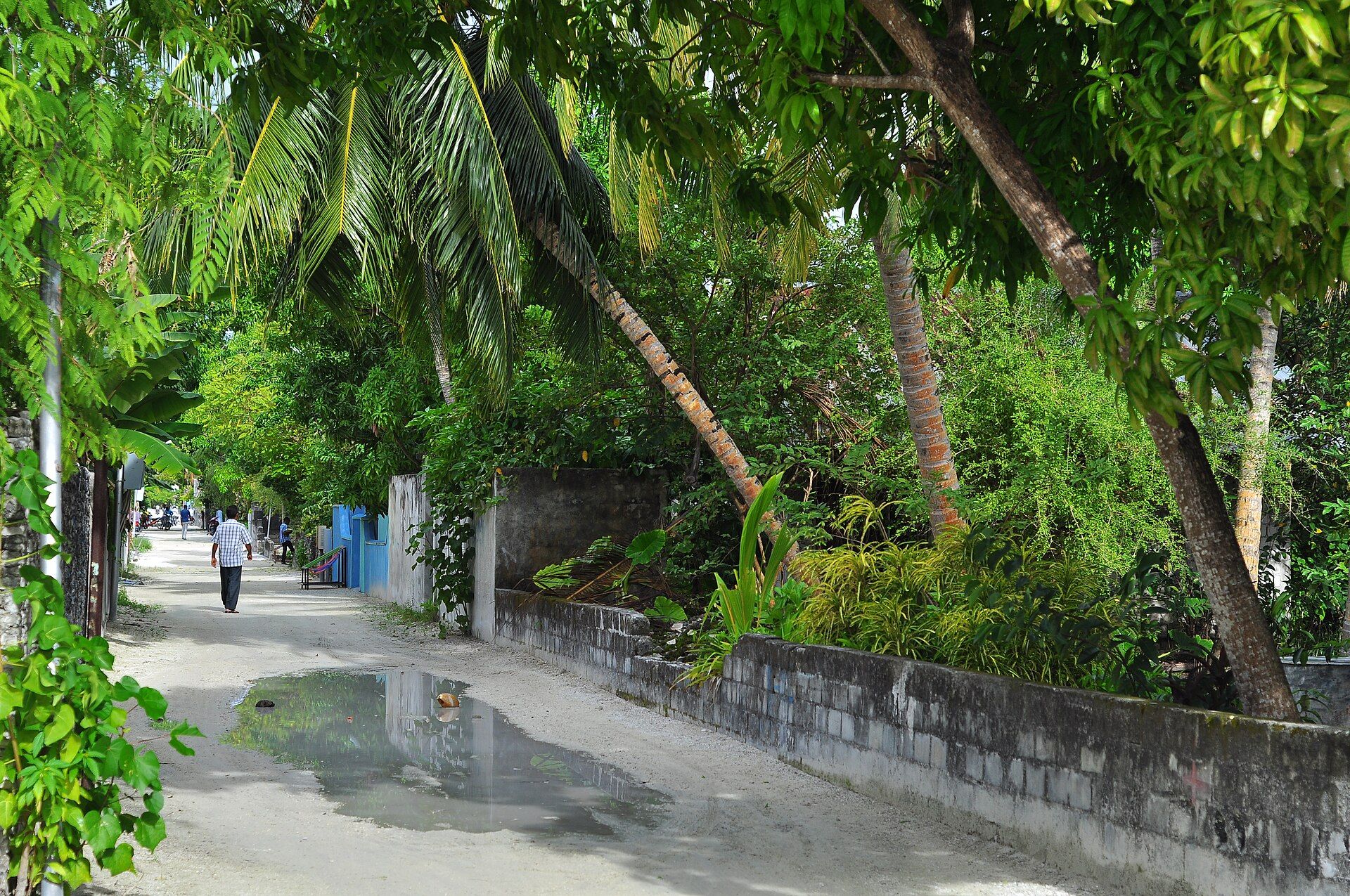
Warm, clear lagoons and reefs with manta rays and whale sharks among the highlights — some of the most accessible world-class snorkelling and diving anywhere. The dry northeast-monsoon months, roughly November to April, bring calm, clear water, but manta encounters vary seasonally by atoll, so match your atoll to the month. Seaplane, speedboat or ferry from Malé.
-
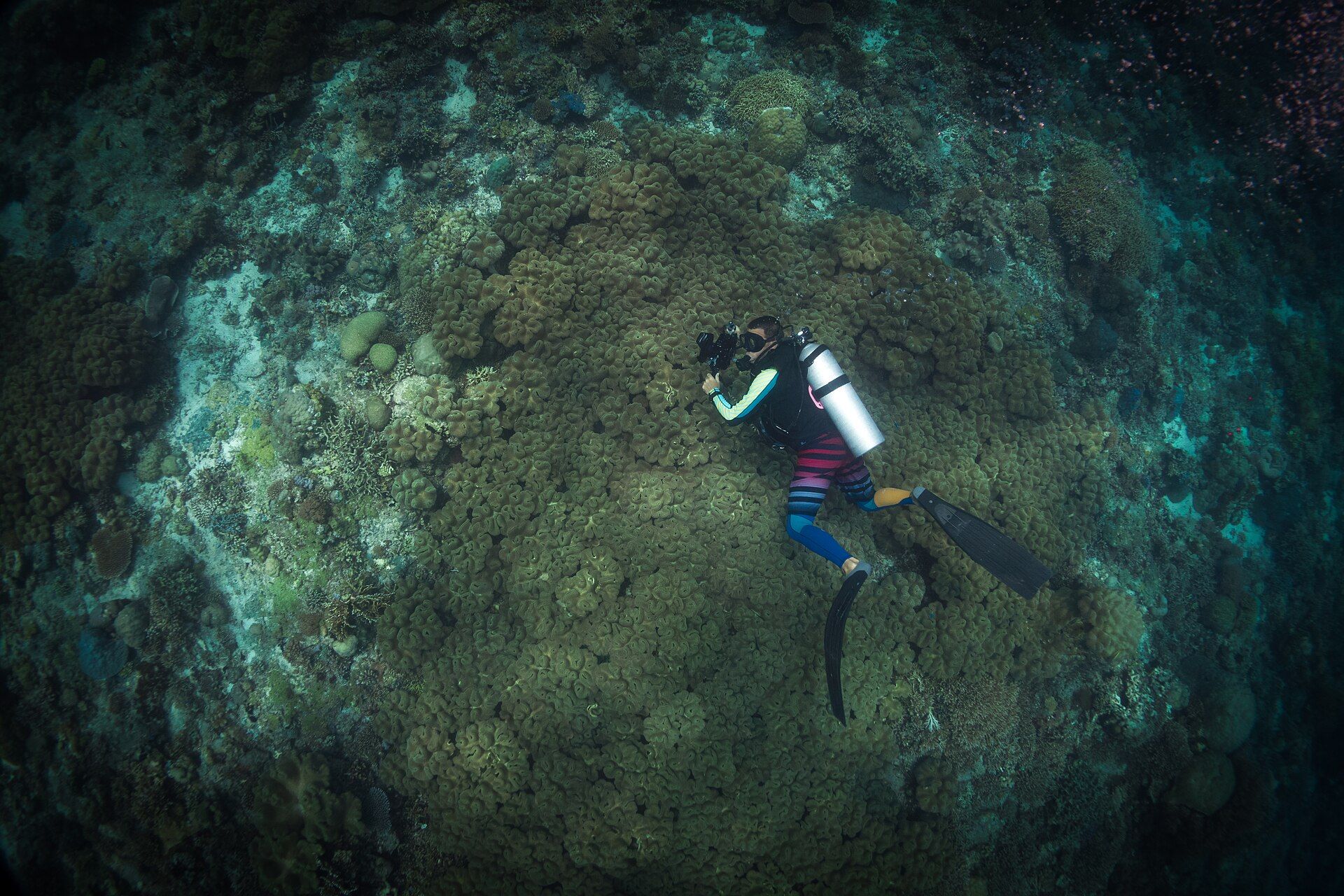
Komodo National Park Drift dives, Apr–Nov
Lesser Sunda Islands, East Nusa Tenggara, Indonesia
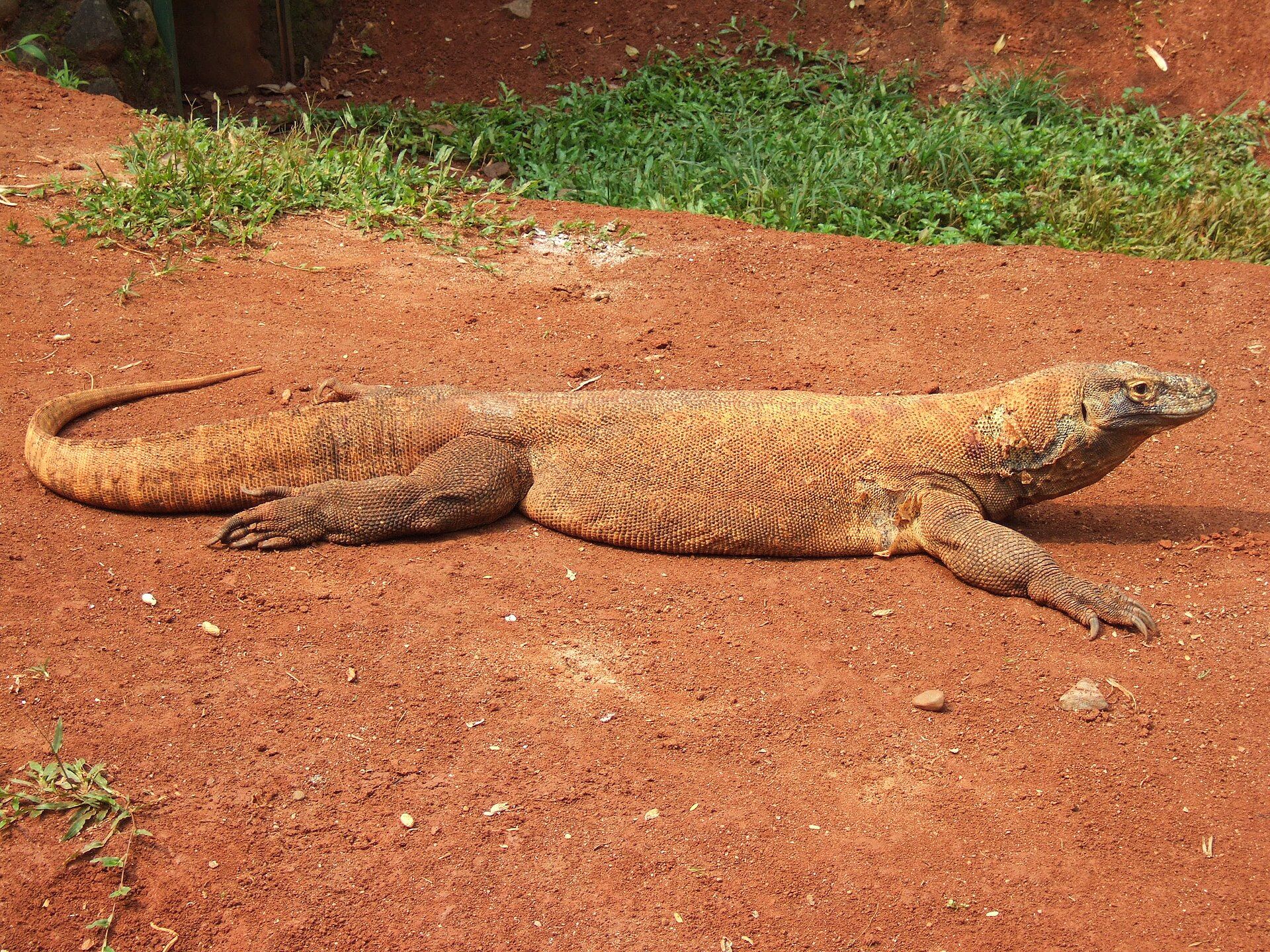
Coral Triangle reefs at a meeting of strong currents, with over 1,000 fish species, mantas and sharks — and Komodo dragons ashore, seen only with a park ranger. The dry season, roughly April to November, has calm seas and good visibility. Fly to Labuan Bajo on Flores, then day boats or liveaboards; park and conservation fees have been revised in recent years, so confirm them before you go.
-
Raja Ampat Coral Triangle, Oct–Apr
West Papua, Indonesia
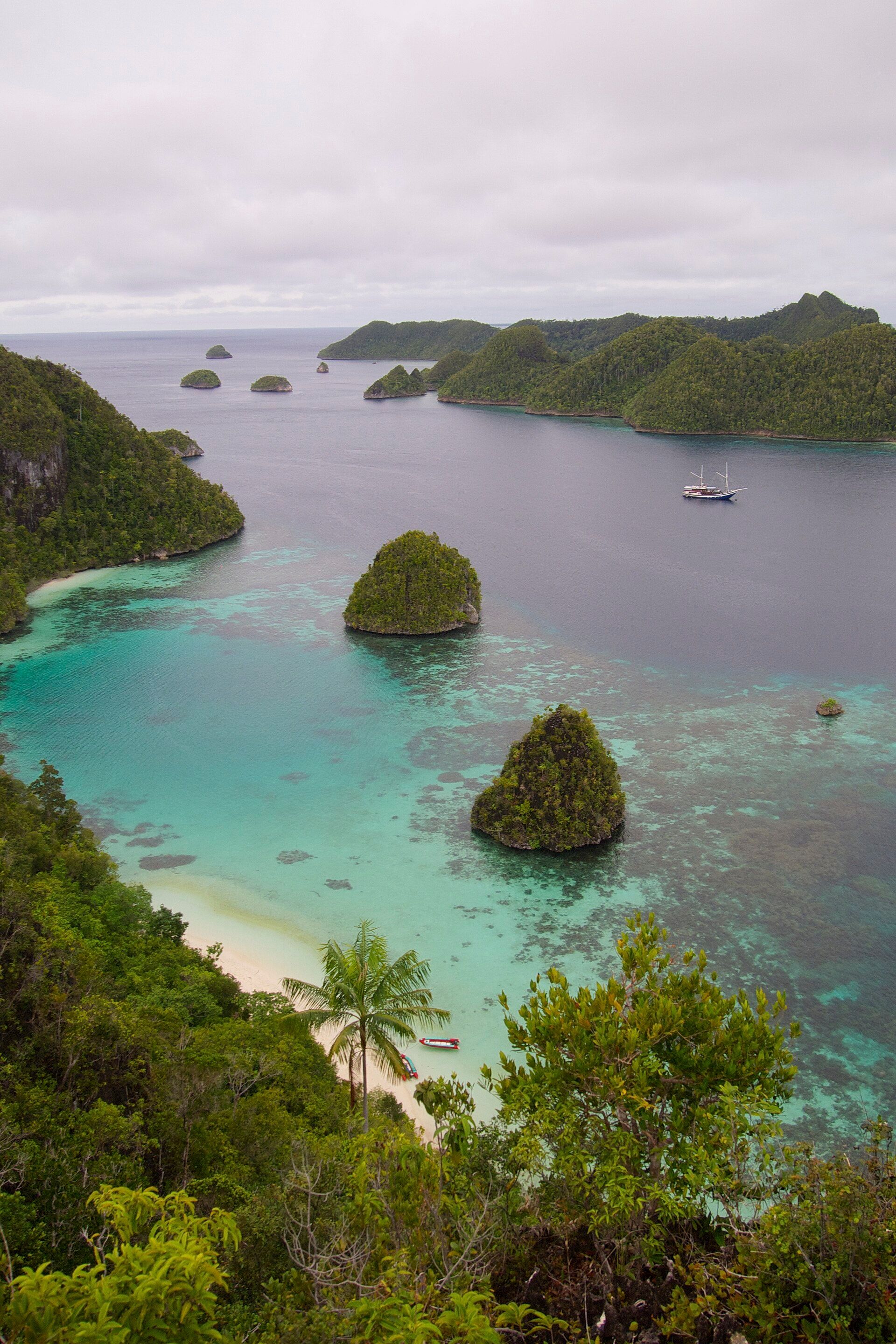
Around three-quarters of all known coral species and over 1,700 reef fish, from pygmy seahorses to manta rays. October to April generally has the calmest seas; manta aggregations and sites vary by season. Fly to Sorong, then boat to liveaboards or island homestays; a marine park permit is checked, and many sites demand real experience in current.
-
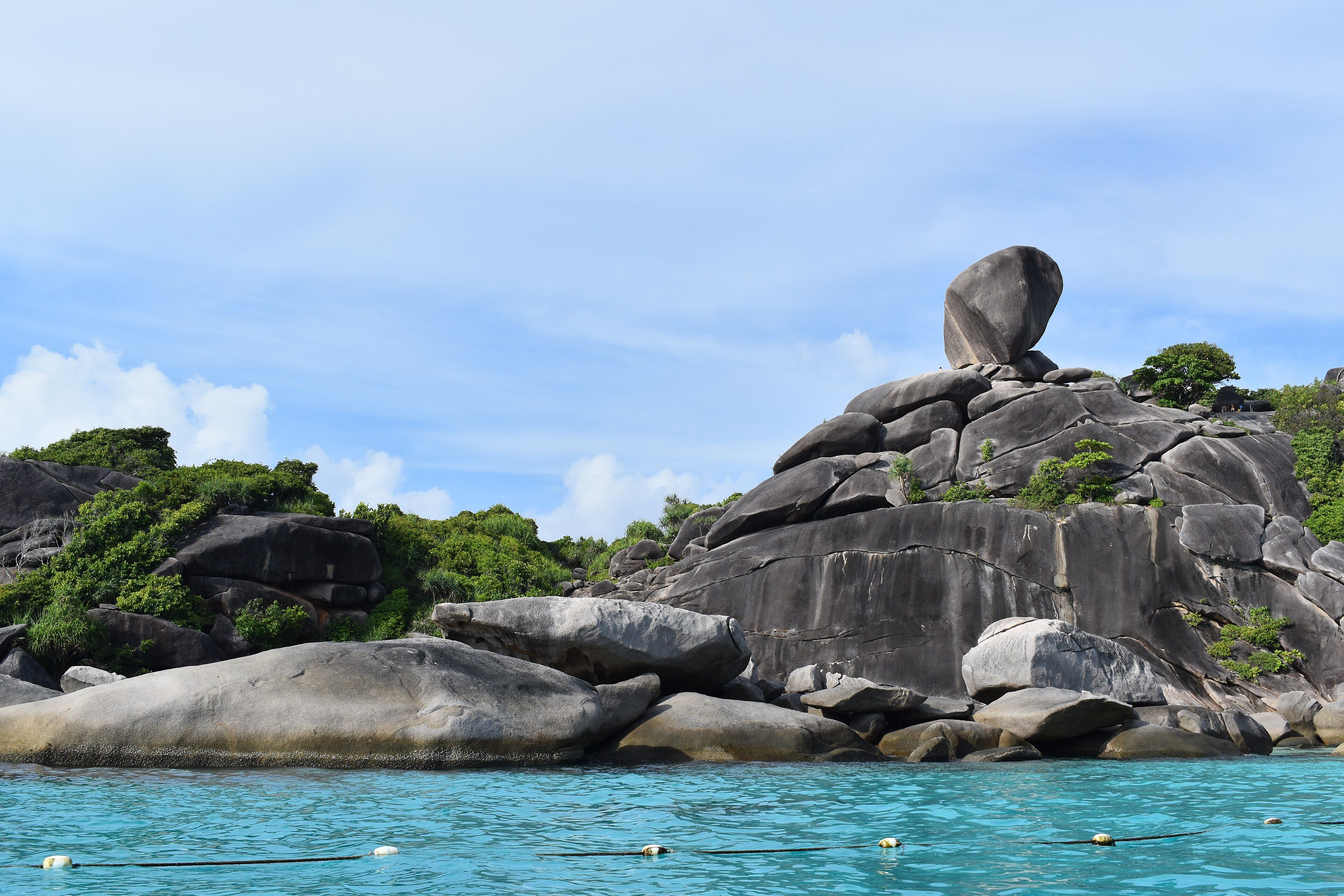
Similan Islands Best in March–April
Mu Ko Similan National Park, Phang Nga Province, Andaman Sea, Thailand
Boulder swim-throughs and white silica beaches in the Andaman Sea, with whale sharks and manta rays passing through — March and April are the strongest months for both. The park is open roughly mid-October to mid-May and closed the rest of the year. Speedboats take about 1.5 hours from Khao Lak; liveaboards reach northern sites such as Richelieu Rock that day boats cannot.
-
Tubbataha Reefs Natural Park Liveaboard only, mid-Mar–mid-Jun
Sulu Sea, off Palawan, Philippines
Untouched walls in the middle of the Sulu Sea with sharks, turtles and manta rays over more than 350 coral species. Open only from mid-March to mid-June, by liveaboard from Puerto Princesa for 5–7 nights; berths sell out 9–12 months ahead, and advanced certification and logged experience are typically required.
-
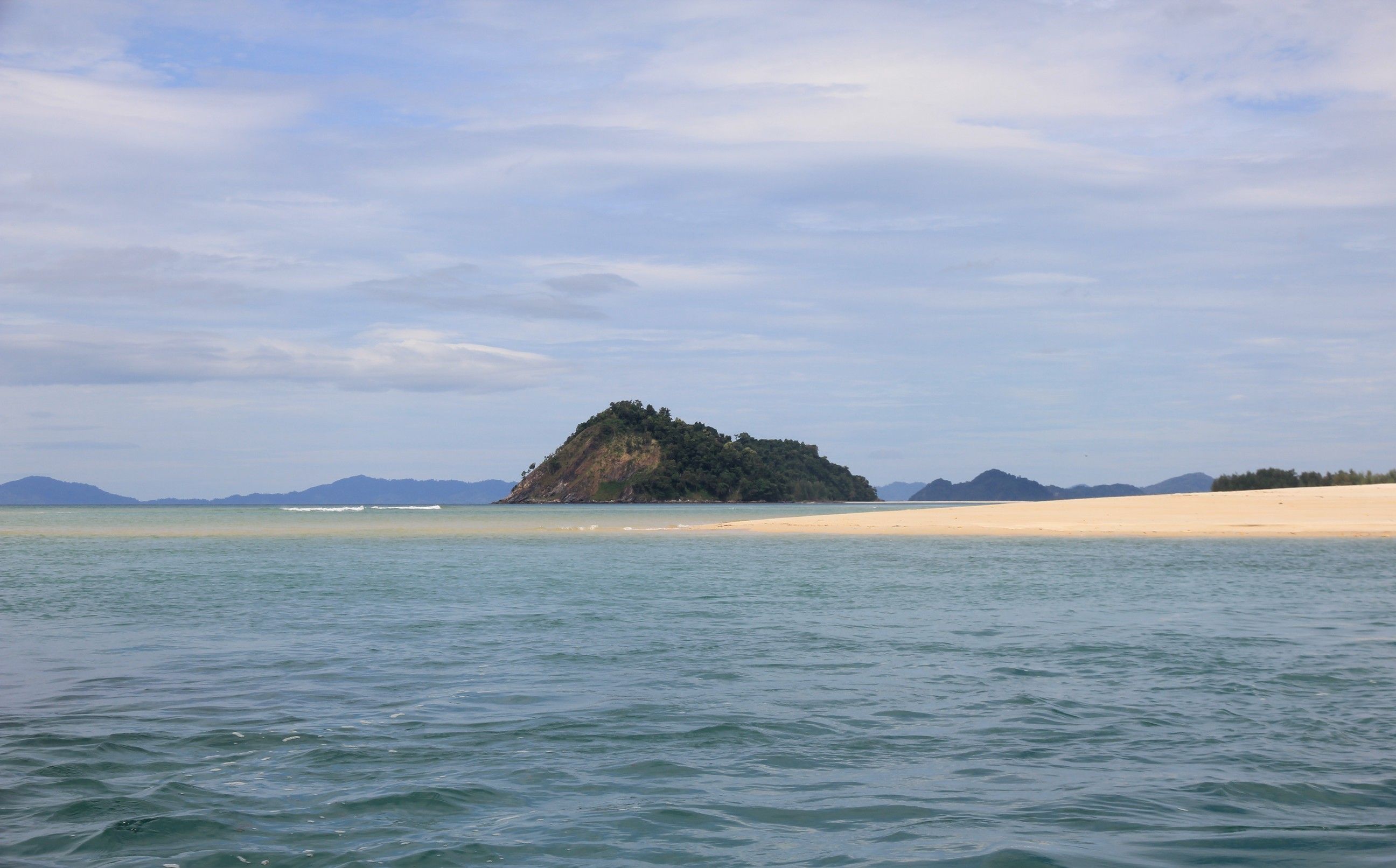
The Myeik Archipelago Feb–May, check travel advice
Tanintharyi Region, far southern Myanmar, Andaman Sea
Isolated Andaman islands where whale sharks, manta rays and dugongs persist; mantas and whale sharks are most often reported between February and May, inside the December–April dry season. Almost all visits are multi-day liveaboards from Myeik or Kawthaung with operator-arranged permits — and Myanmar is under travel advisories from most governments, so check current guidance and insurance first.
-
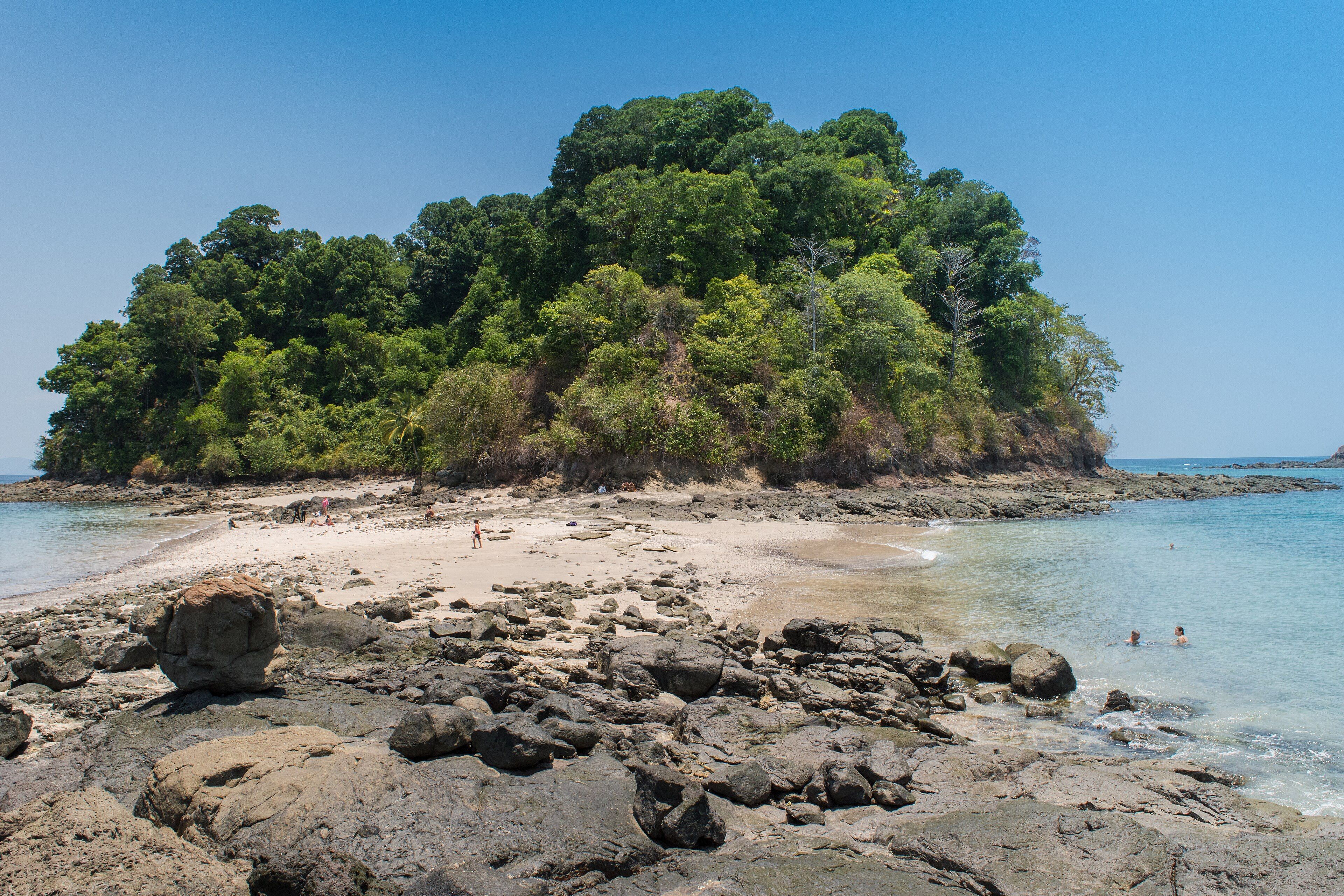
Coiba Protected Pacific reefs, Dec–Apr
Gulf of Chiriquí, Veraguas Province, Pacific Panama
Panama's island park, where humpback and pilot whales, orcas, dolphins, turtles and manta rays pass over reefs that have been protected rather than fished. December to April has the calmest crossings and best visibility. Boats take about 1.5 hours from Santa Catalina; a permit from the environment ministry is needed and normally arranged by the dive operator.
-
Cocos Island Remote liveaboard, advanced divers
Pacific Ocean, 550 km off Costa Rica
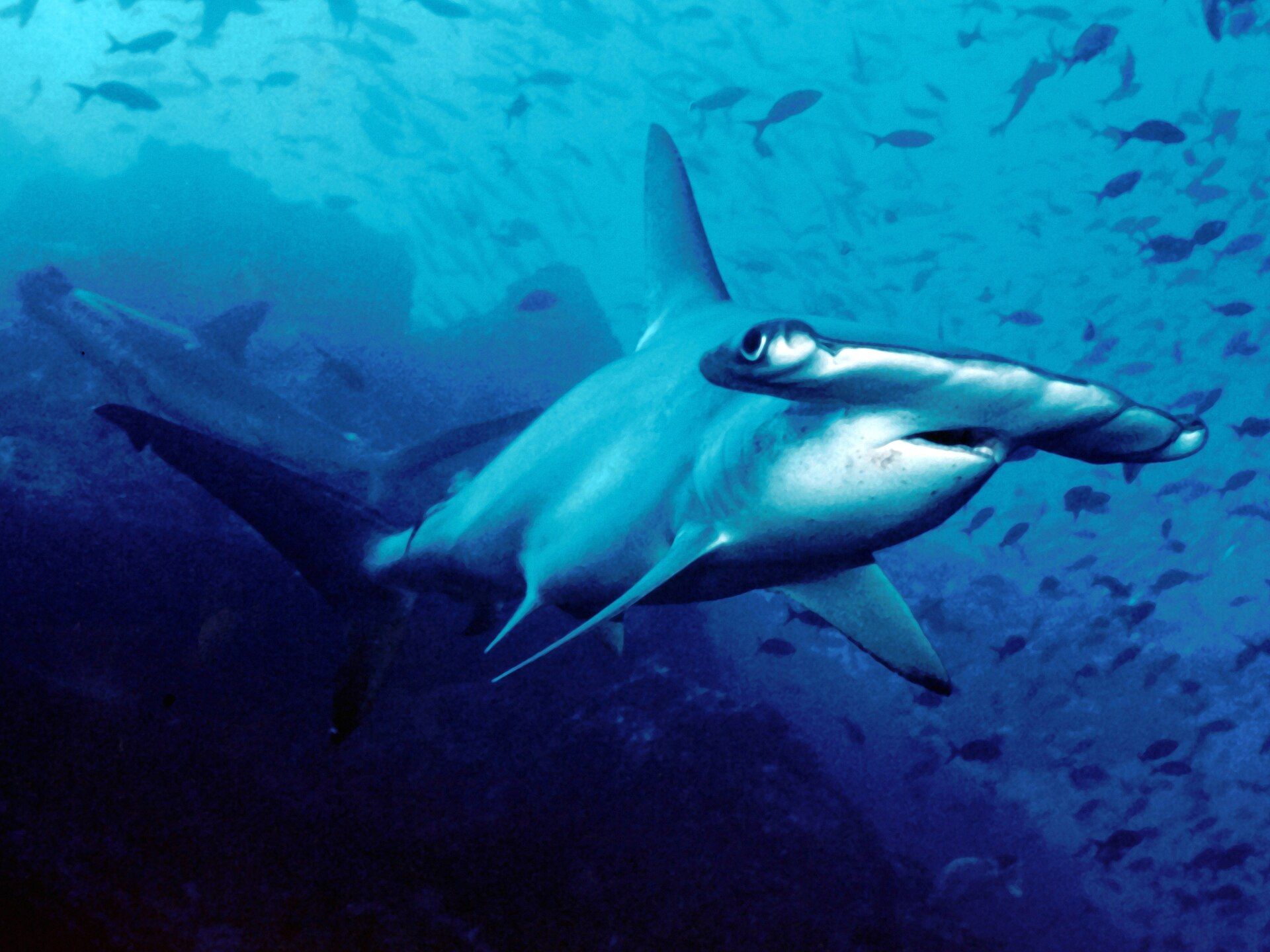
An uninhabited rainforest peak 550 km off Costa Rica, famous for hammerhead schools, where whale sharks, mantas, dolphins and marlin work the same waters. Reached only by licensed liveaboard on a 30–36 hour crossing from Puntarenas, with advanced certification and experience required. December to May is calmer with better visibility; June to November brings stronger currents and the biggest hammerhead gatherings.
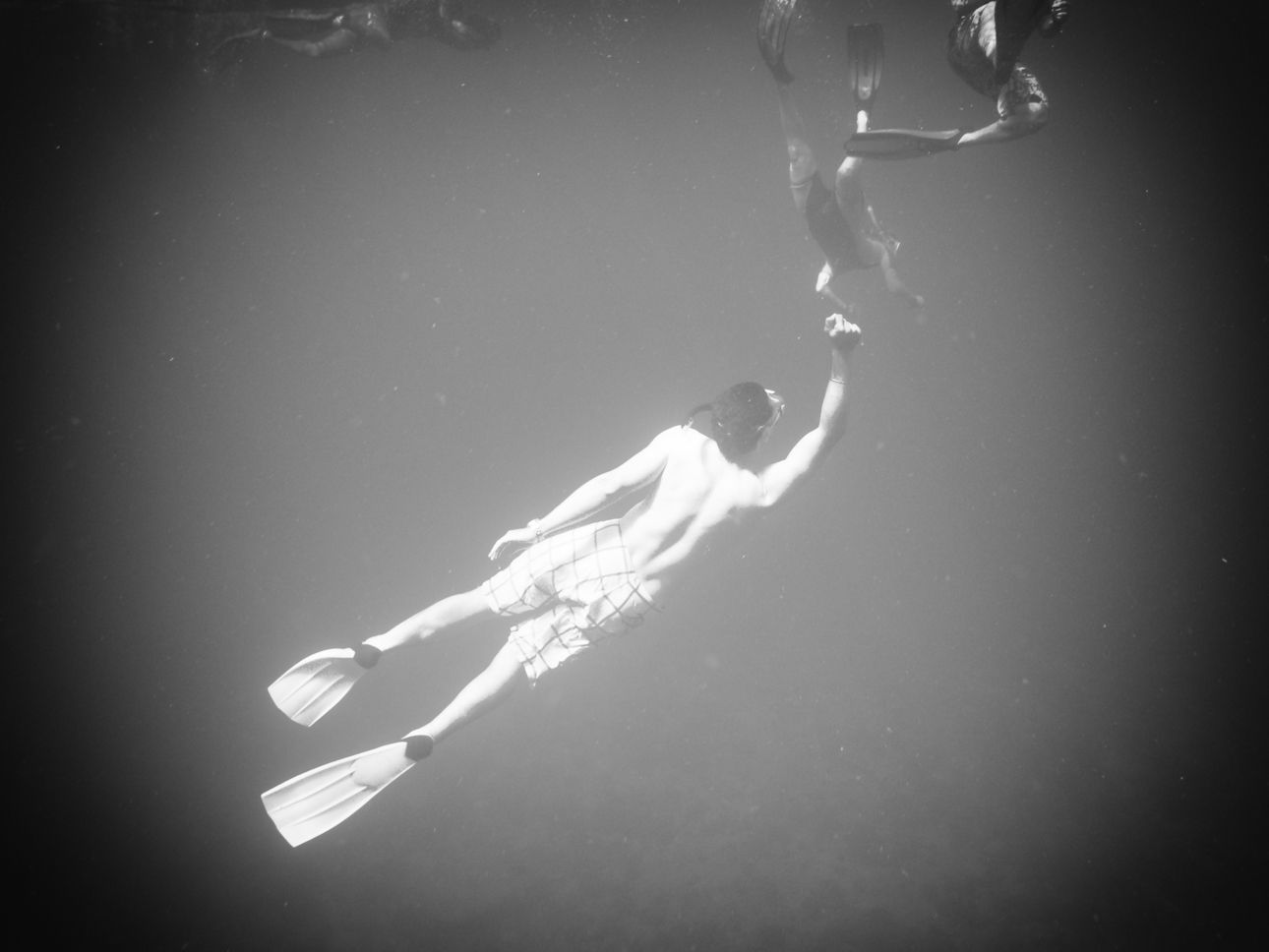
Two things decide a manta trip more than the destination: the month and the operator. Several of these places — the Maldives atolls, Raja Ampat — say outright that manta sites change with the season, so ask an operator which site is working in your month before you book. Keep a respectful distance and never touch or chase a manta. For a first manta swim without a dive card, Ningaloo or the Maldives; for the wildest open-ocean diving, Cocos, if you have the experience.
Added