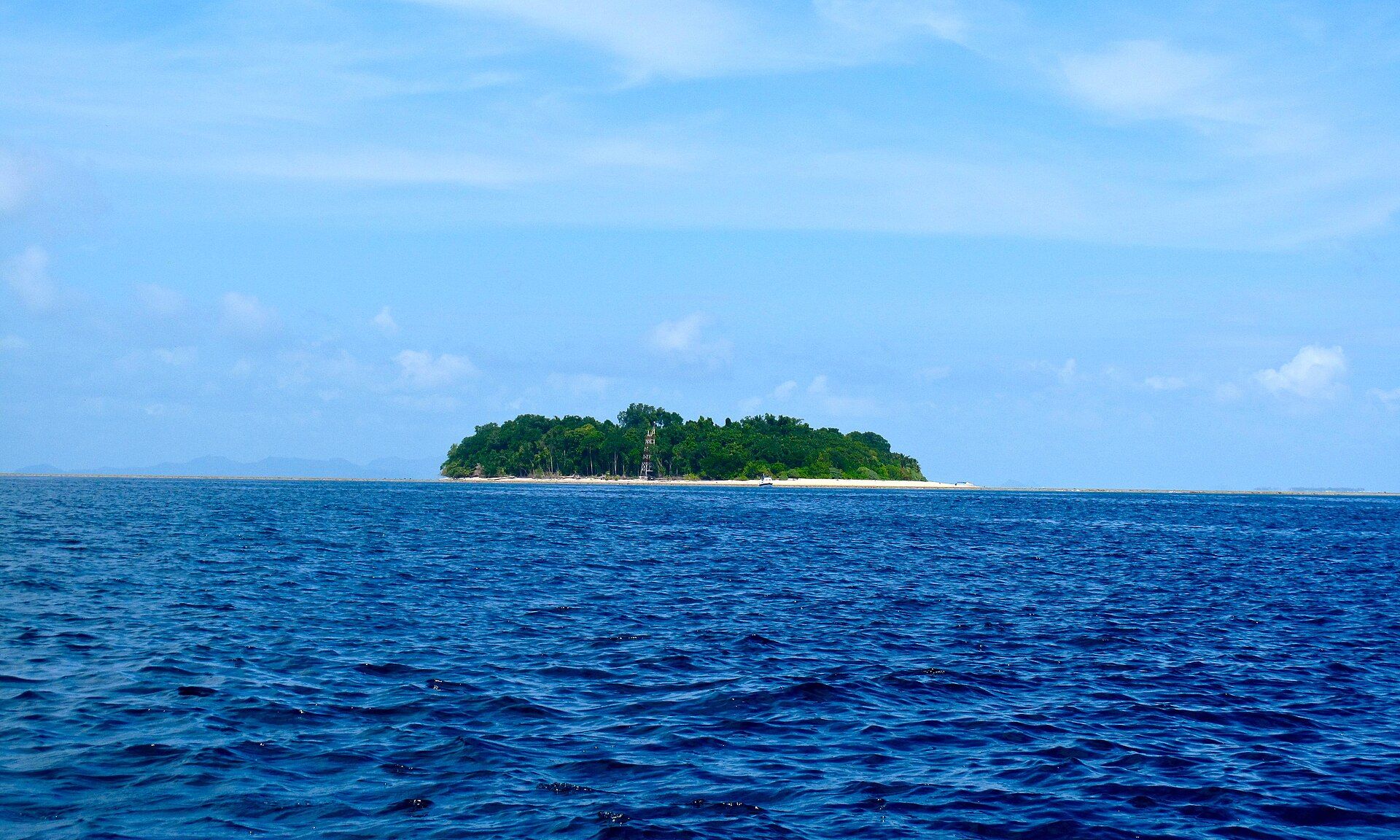
Sipadan Island
📍 Celebes Sea, off Sabah, Malaysian Borneo
Malaysia's only oceanic island — a coral pinnacle rising 600 metres from the floor of the Celebes Sea off Borneo, ringed by walls of reef alive with turtles, barracuda tornadoes and reef sharks.
What makes it marvelous
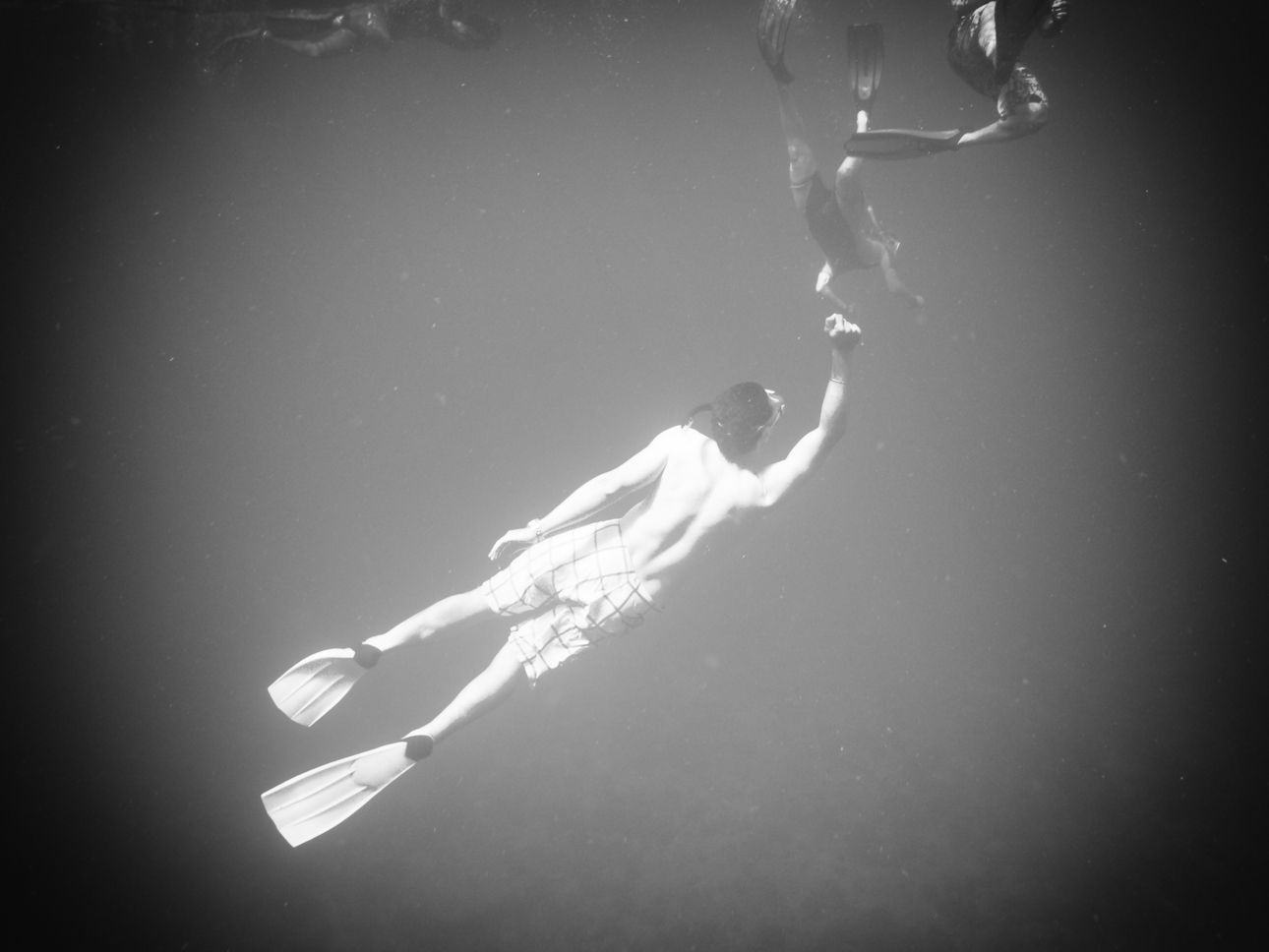
Sipadan is not a continental island but a living coral cap perched atop an ancient volcanic seamount that plunges some 600 metres to the seabed of the Celebes Sea. That sheer geometry — reef edge to abyss in a single step — concentrates marine life in staggering density. Green and hawksbill turtles graze the walls in the hundreds, schooling barracuda and jackfish wheel in shimmering tornadoes, and white-tip and grey reef sharks patrol the drop-offs. To protect it, the island's resorts were removed and daily visitor numbers are strictly capped.
Why visit
Diving Sipadan is regularly ranked among the finest in the world. Sites like Barracuda Point and the Drop-Off deliver encounters most divers only dream of, all along vertical reef that falls away into blue nothing. Access is deliberately limited to keep the reef healthy, so a trip takes planning — but few underwater experiences on the planet rival dropping into this small island's teeming walls.
Still deciding?
Sipadan Island comes up most often against one other place — each one weighs cost, effort, season and crowds side by side.
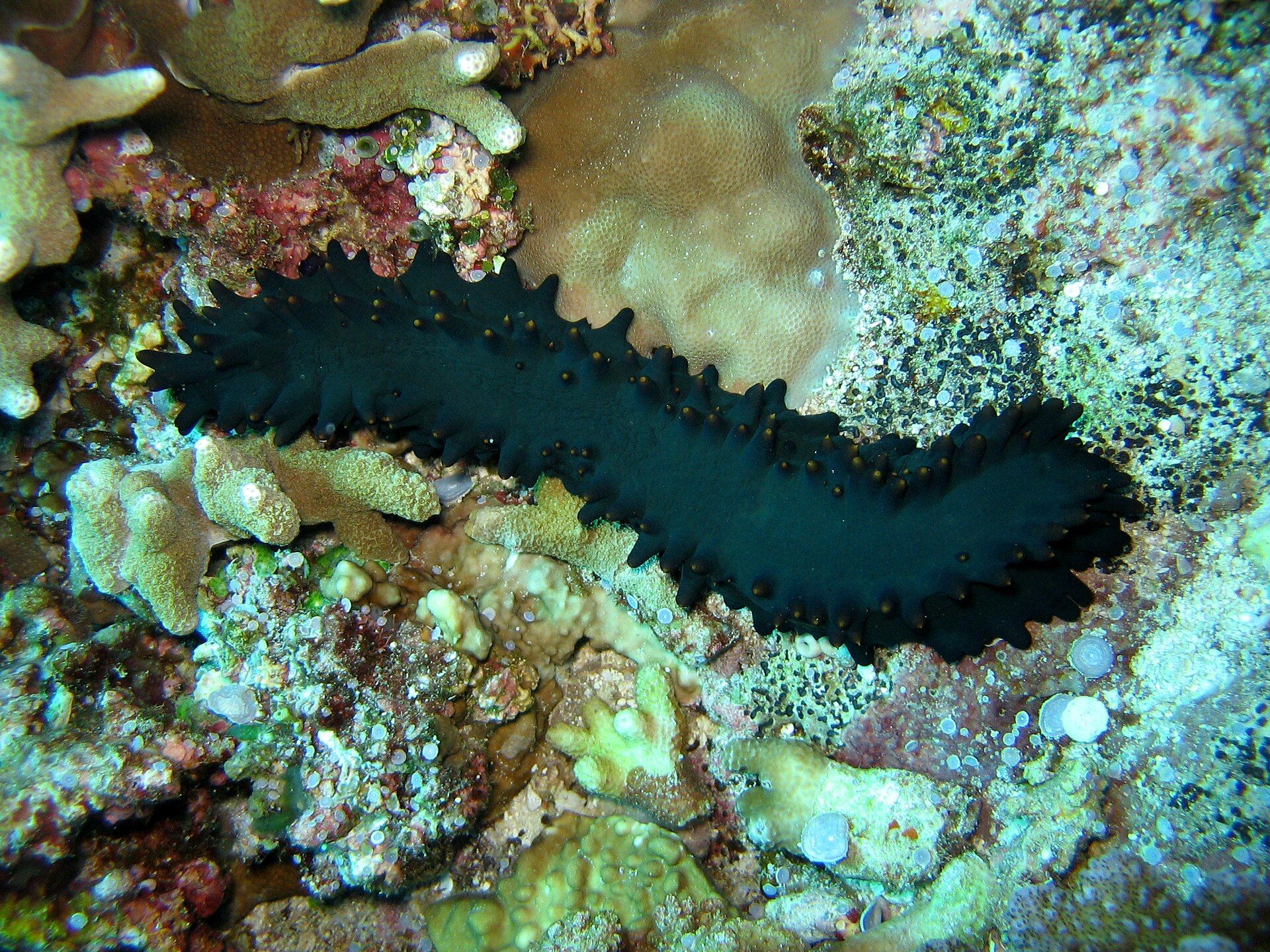
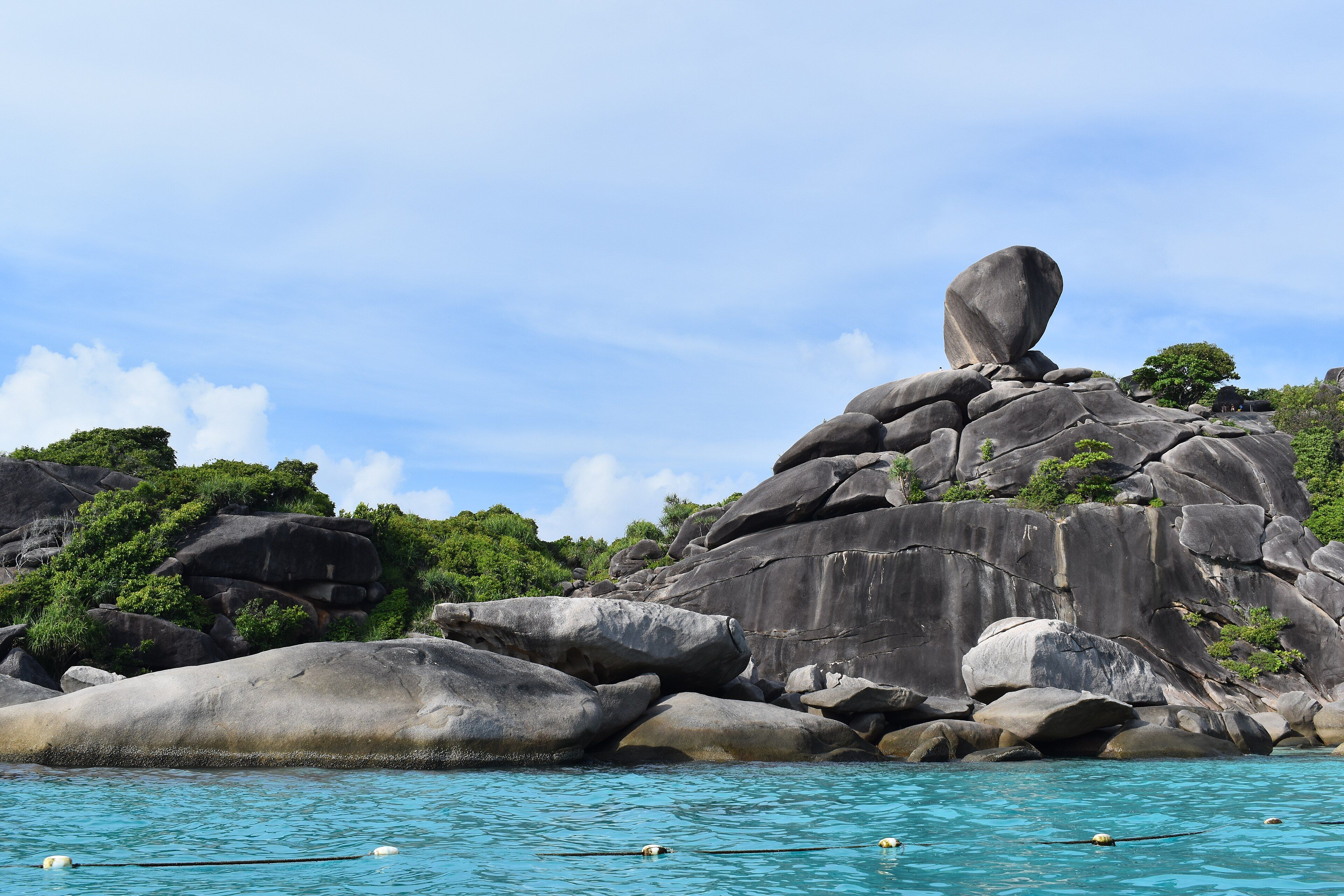
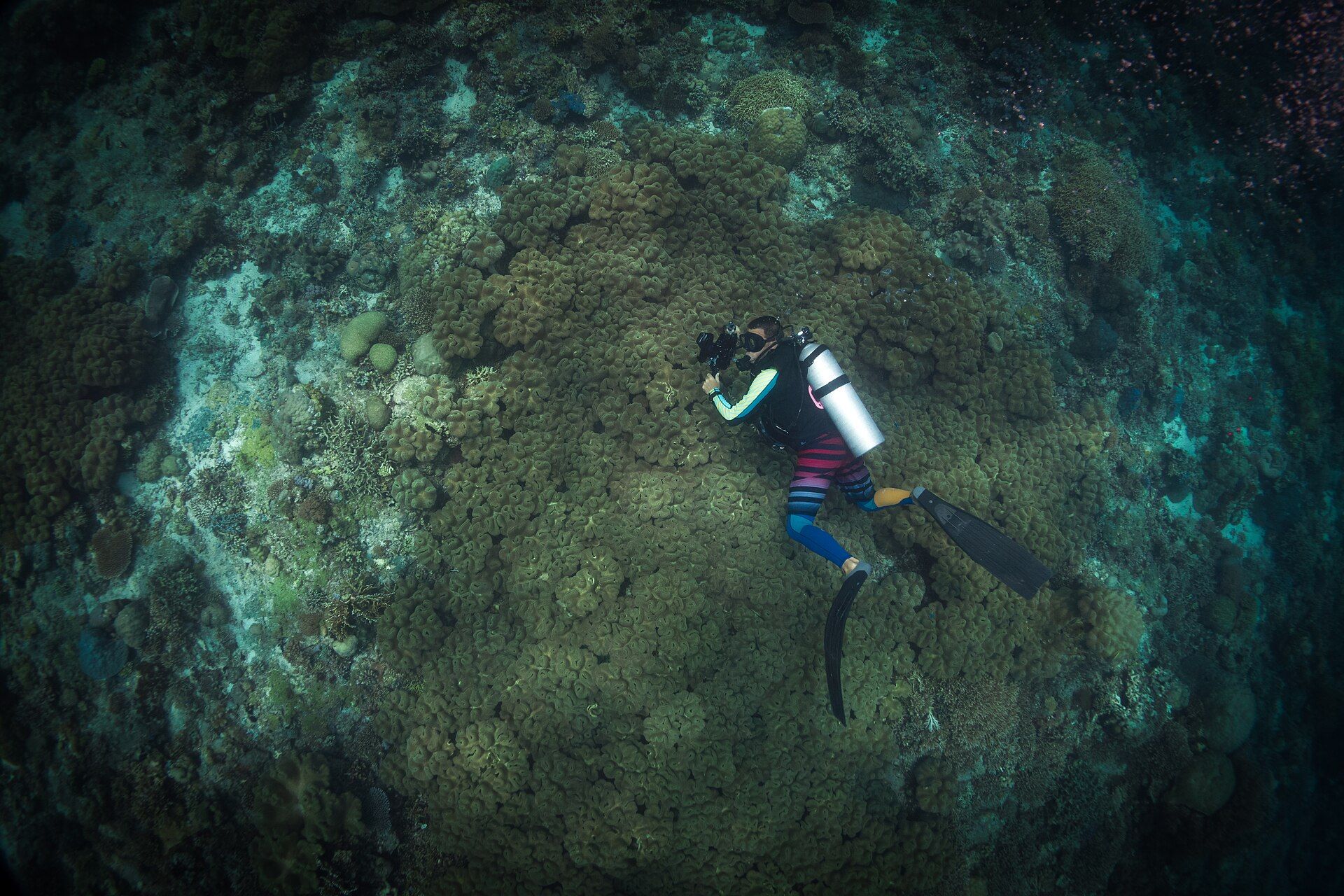
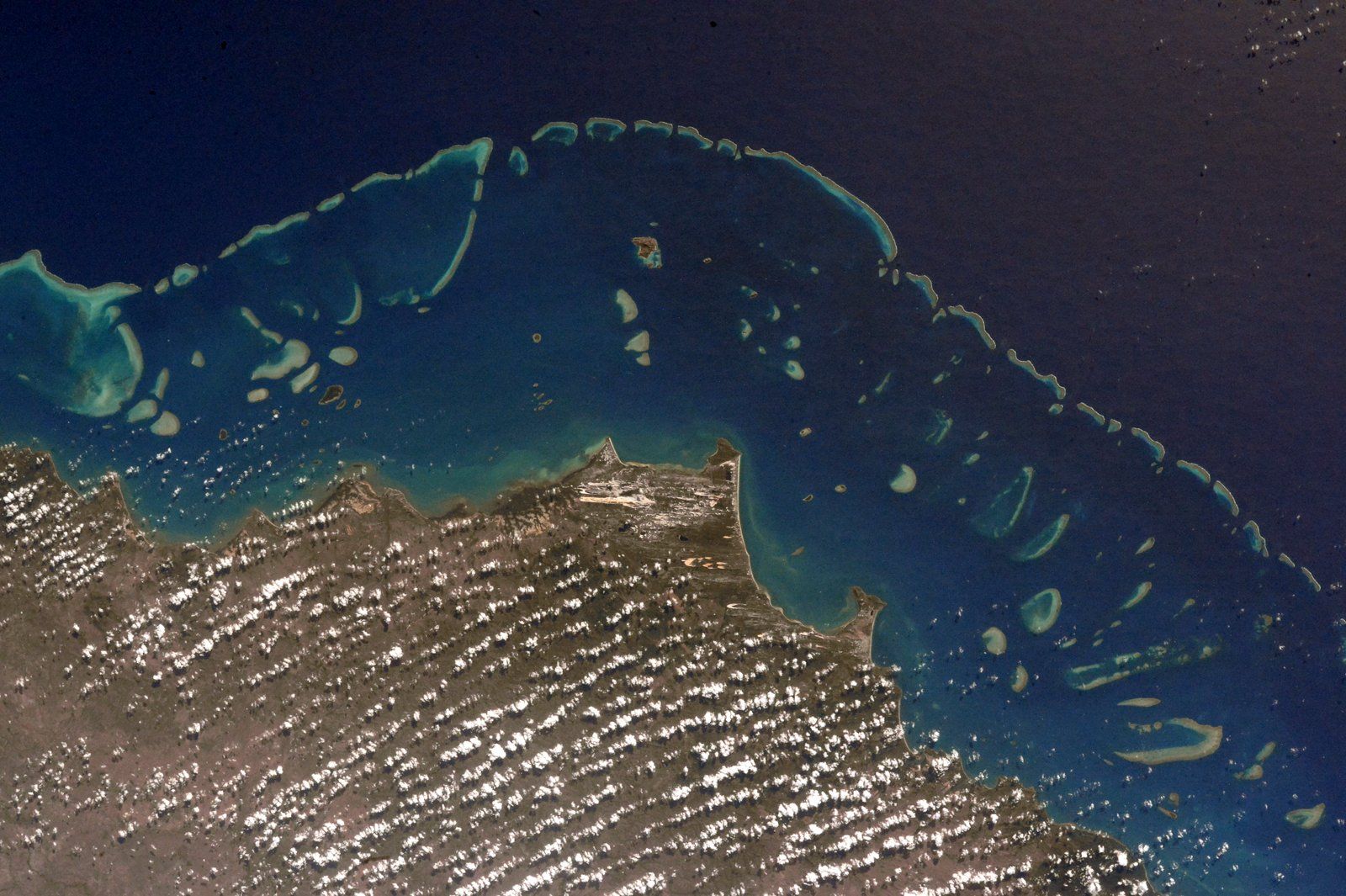
More views of Sipadan Island
Additional photographs of the actual site — each freely licensed, with its photographer and licence credited.
What to know before you go
🗓️ Best time
Diving is good most of the year; the calmest seas and clearest water tend to come from April to December, and the island closes to visitors each November for reef recovery.
🧭 Getting there & access
Reached by boat from the islands of Mabul or Kapalai, or from Semporna on the Sabah mainland; a daily permit is required and allocated through licensed operators.
Good to know
- Daily diver and snorkeller numbers are capped by the authorities — book well ahead through a licensed operator; permits are limited and rules change.
- An advanced dive certification is generally required for the walls and currents.
- There is no accommodation on Sipadan itself; divers stay on Mabul, Kapalai or at Semporna.
Plan your visit
Strenuous🧭 Getting there
From Tawau (airport TWU), then Semporna
- Fly to Tawau in Sabah and transfer by road to the coastal town of Semporna, about 1h–1h30
- Base on Mabul or Kapalai island, or in Semporna, and dive Sipadan by boat on a permitted day
- Total travel
- Plan a multi-day trip; Sipadan is a full boat day from the base islands
- Time at site
- A day's diving on Sipadan, within a longer stay in the area
- Access
- A daily permit is mandatory and capped; it is allocated through licensed resorts and dive centres, and the island closes each November — confirm current rules with Sabah Parks and your operator.
🎒 What to bring & consider
- A recognised advanced dive certification and logged experience
- Dive insurance and your own well-fitted gear if possible
- Sun protection, reef-safe sunscreen and a rash guard
- Patience with weather and permit scheduling
👁️ What to expect
- Crowds
- Numbers are deliberately capped, so the reef never feels crowded underwater.
- Conditions
- Warm water with strong currents at the points; boat access only, weather permitting.
- Facilities
- None on Sipadan itself; resorts and dive centres are on Mabul, Kapalai and at Semporna.
- The view
- A barracuda tornado at Barracuda Point, or a green turtle drifting along the wall.
Times and requirements are approximate and change with season, weather, and local rules — confirm permits, fares, and schedules with operators before you travel.
Natural riches of the area
- A coral island atop a 600-metre seamount
- Vertical reef walls and drop-offs
- Green and hawksbill turtles in great numbers
- Schooling barracuda, jackfish and reef sharks
Local food
- Ikan bakar
- Charcoal-grilled fish, fresh from the Semporna waters.
- Latok
- Sea grapes, a crunchy edible seaweed eaten as a salad in Sabah.
- Hinava
- Sabahan raw fish cured in lime, chilli and shallots.
Sipadan is Malaysia’s only true oceanic island, and one of the most celebrated dive sites on Earth. Unlike the continental islands scattered around Borneo, it is a living cap of coral perched on the summit of an ancient volcanic seamount that drops some 600 metres to the floor of the Celebes Sea. Step off the reef edge and the wall simply falls away into blue infinity — a geometry that gathers marine life in astonishing abundance.
The numbers are the wonder. Green and hawksbill turtles graze the coral in the hundreds; schools of barracuda and bigeye jackfish coil into slow, glittering tornadoes; white-tip and grey reef sharks cruise the drop-offs, and now and then a pelagic hunter sweeps in from the deep. Sites with names like Barracuda Point and the Drop-Off have become legends among divers, spoken of alongside the very best in the world.
Because such richness is fragile, Sipadan is fiercely protected. The resorts that once stood on the island were removed, and the authorities cap how many divers and snorkellers may land each day, allocating permits through licensed operators; the island even closes entirely each November so the reef can rest. That means a visit takes planning and patience — staying on nearby Mabul or Kapalai and waiting for a permitted day. But to drop into Sipadan’s teeming walls is to understand why divers travel across the planet for this one small island.
Sipadan Island: common questions
How do you get to Sipadan Island?
From Tawau (airport TWU), then Semporna: Fly to Tawau in Sabah and transfer by road to the coastal town of Semporna, about 1h–1h30; Base on Mabul or Kapalai island, or in Semporna, and dive Sipadan by boat on a permitted day. Total travel time: Plan a multi-day trip; Sipadan is a full boat day from the base islands.
When is the best time to visit Sipadan Island?
Diving is good most of the year; the calmest seas and clearest water tend to come from April to December, and the island closes to visitors each November for reef recovery.
How long should you spend at Sipadan Island?
A day's diving on Sipadan, within a longer stay in the area. Total travel time: Plan a multi-day trip; Sipadan is a full boat day from the base islands.
What should you bring to Sipadan Island?
A recognised advanced dive certification and logged experience Dive insurance and your own well-fitted gear if possible Sun protection, reef-safe sunscreen and a rash guard Patience with weather and permit scheduling
Do you need a permit or guide for Sipadan Island?
A daily permit is mandatory and capped; it is allocated through licensed resorts and dive centres, and the island closes each November — confirm current rules with Sabah Parks and your operator.
Is Sipadan Island crowded, and what are conditions like?
Numbers are deliberately capped, so the reef never feels crowded underwater. Warm water with strong currents at the points; boat access only, weather permitting. Facilities: None on Sipadan itself; resorts and dive centres are on Mabul, Kapalai and at Semporna.
Added