Places · Thailand

Natural Wonders of Thailand: The 4 Most Beautiful Places to Visit

4 places in the atlas

Thailand's landscapes are shaped by limestone and water. Along the Andaman coast, ancient reef limestone rises from the sea as the karst towers of Phang Nga Bay and the cliffs of Railay, riddled with caves and hidden lagoons. Inland, monsoon forests cloak hills laced with travertine waterfalls like Erawan, and the mountainous north climbs to cool cloud forest. Reefs, mangroves, and national parks protect a rich tropical wildlife. Below are the 4 natural wonders of Thailand in the atlas — the most beautiful places to build a trip around, each with what makes it remarkable, when to go, and how to reach it. Best overall time: November to April is the main dry season for the Andaman coast and most of the country; the southwest monsoon brings rain from about May to October.
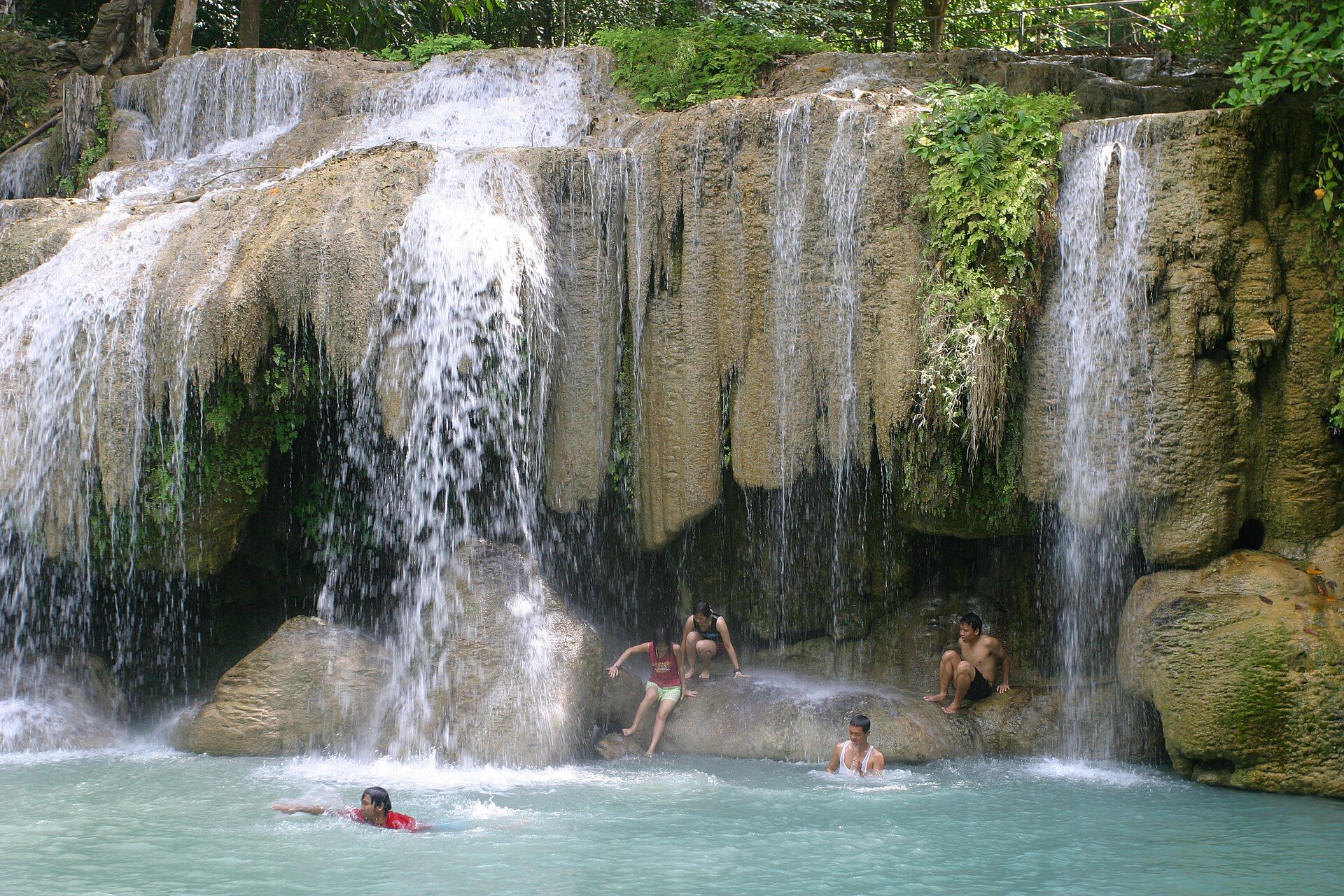
Erawan Falls, Kanchanaburi Province, western Thailand

Erawan Falls

Kanchanaburi Province, western Thailand

A seven-tiered waterfall tumbling through jungle into a chain of emerald-green pools, each one held back by natural travertine dams that the stream builds as it flows.

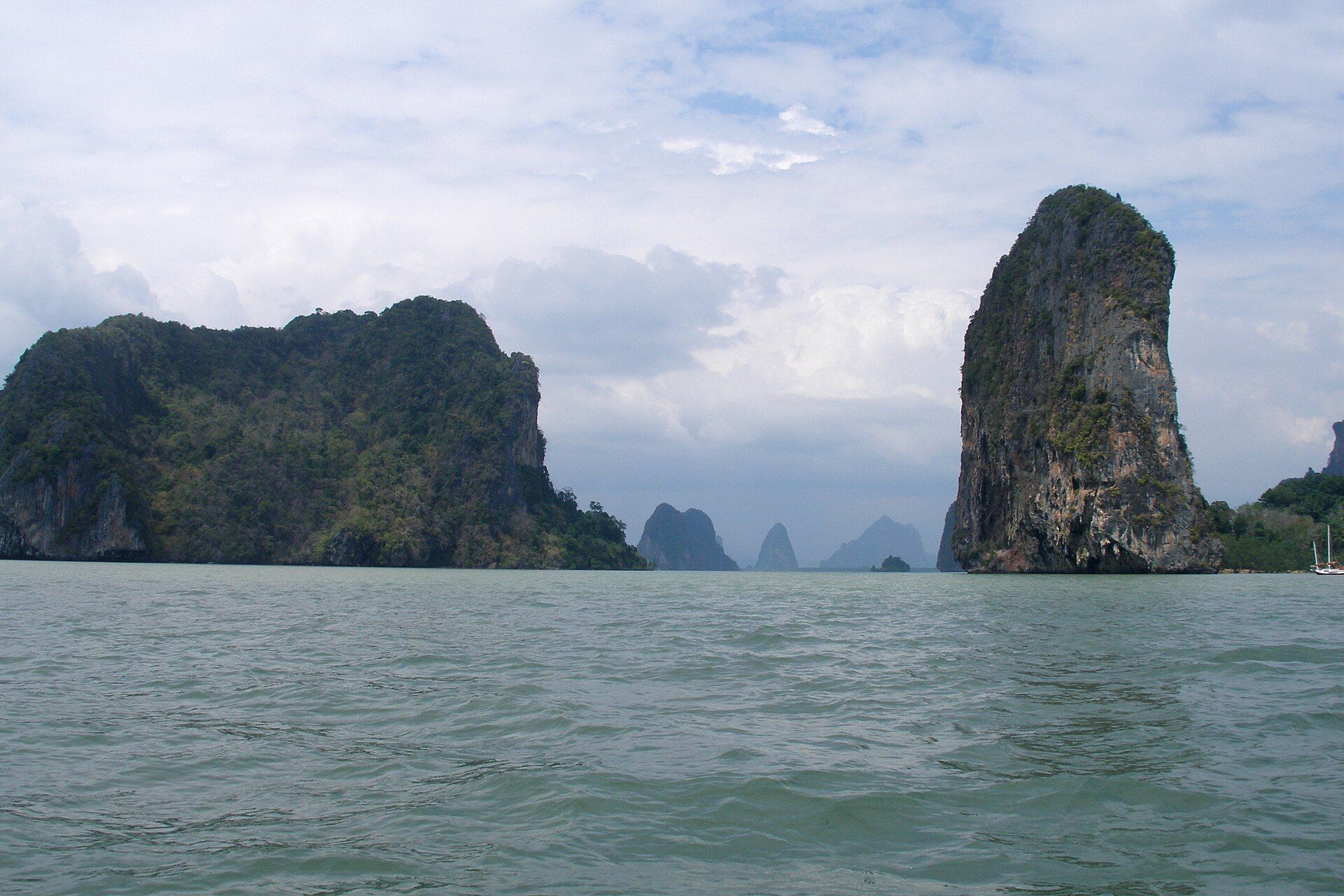
Phang Nga Bay, Andaman Sea, southern Thailand

Phang Nga Bay

Andaman Sea, southern Thailand

A calm emerald bay between Phuket and Krabi studded with sheer limestone karst islands, sea caves, and hidden tidal lagoons reached by paddling through the rock.

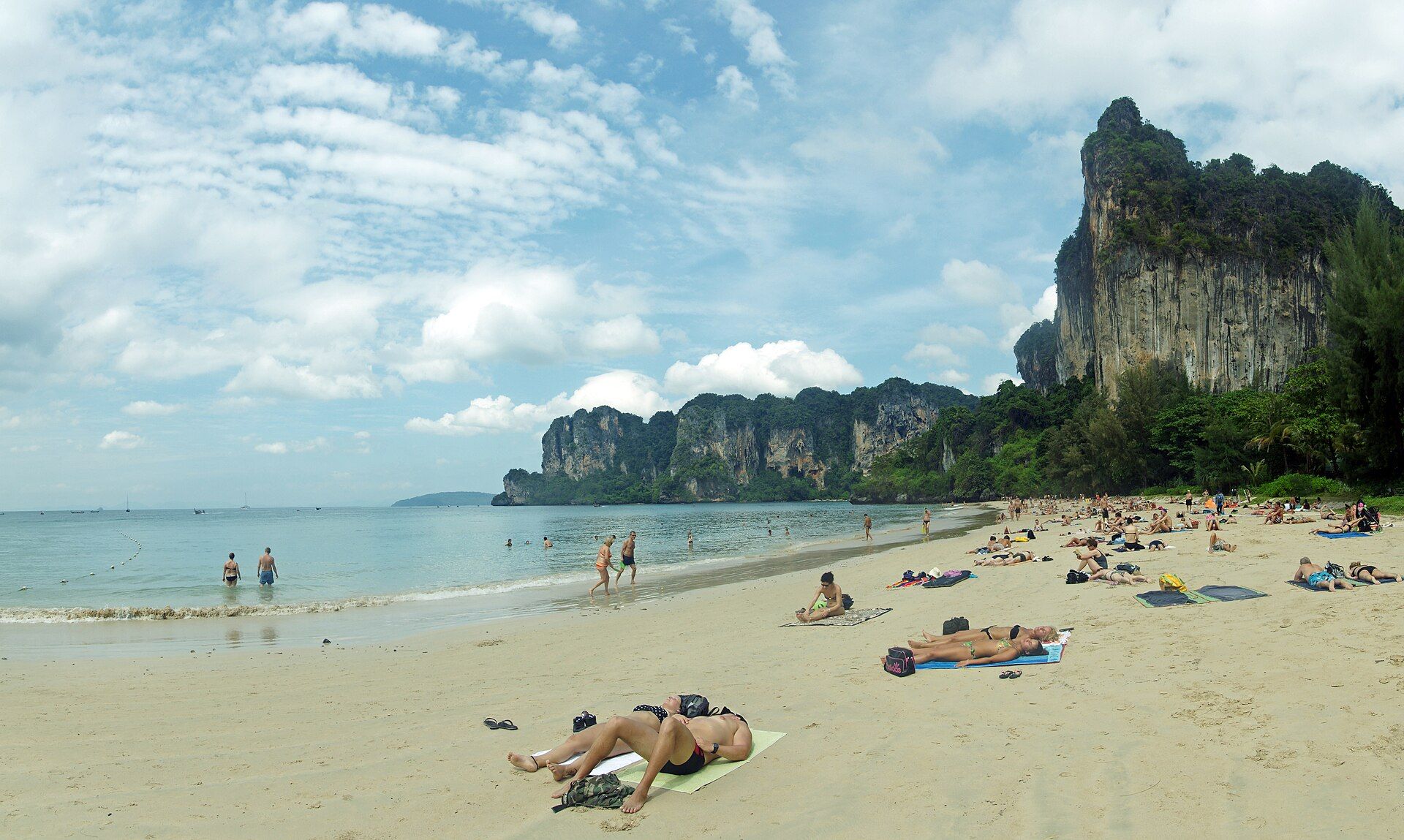
Railay, Krabi Province, southern Thailand

Railay

Krabi Province, southern Thailand

A tiny peninsula of white-sand beaches walled off from the mainland by towering limestone cliffs — reachable only by boat, and one of the world's great rock-climbing spots.

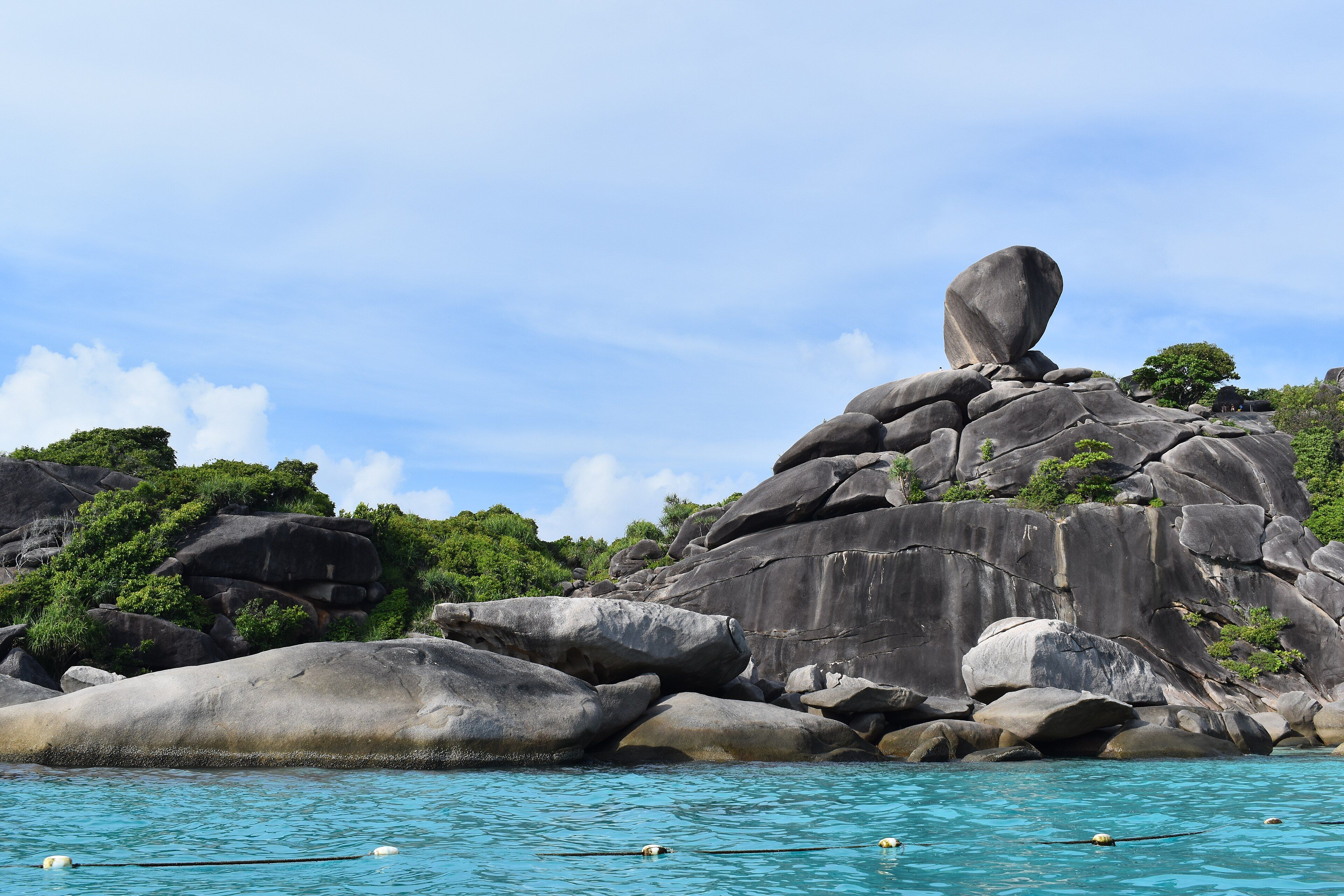
Similan Islands, Mu Ko Similan National Park, Phang Nga Province, Andaman Sea, Thailand

Similan Islands

Mu Ko Similan National Park, Phang Nga Province, Andaman Sea, Thailand

An eleven-island granite archipelago in the Andaman Sea whose west sides are stacked with room-sized boulders underwater — widely rated the best diving in Thailand, and closed for five months a year to let the reef recover.