Phang Nga Bay
📍 Andaman Sea, southern Thailand
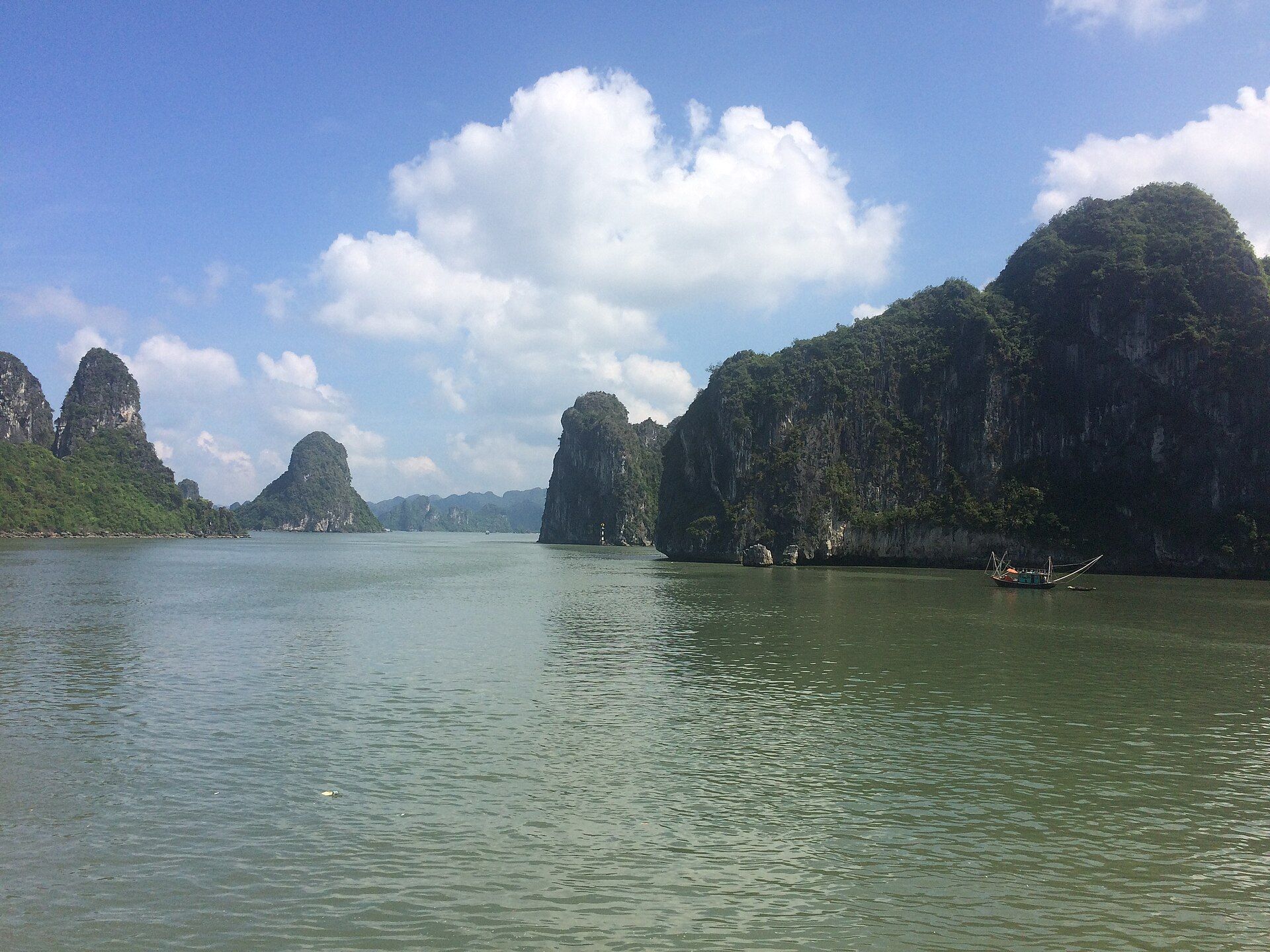
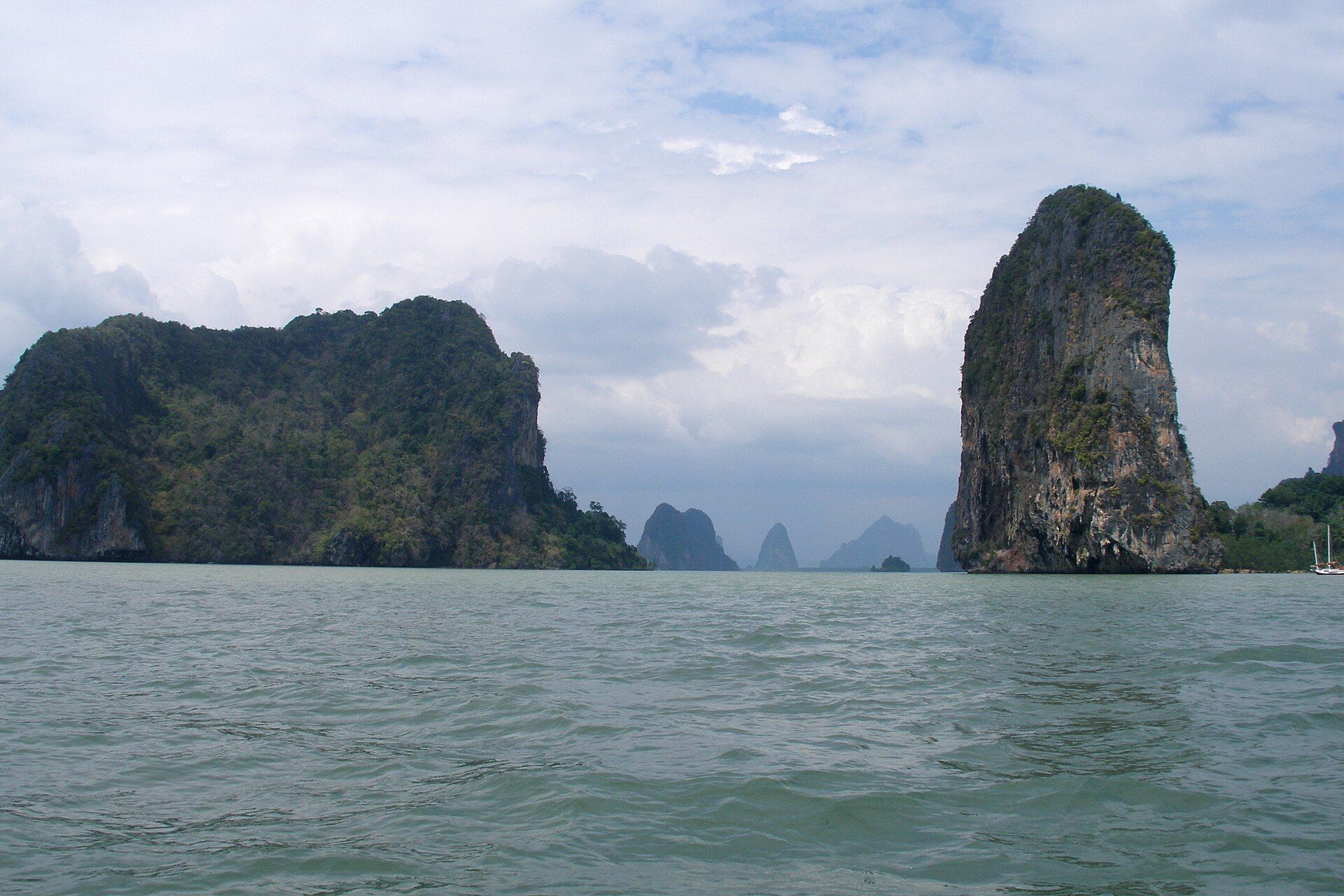
A calm emerald bay between Phuket and Krabi studded with sheer limestone karst islands, sea caves, and hidden tidal lagoons reached by paddling through the rock.
What makes it marvelous
Phang Nga Bay is a drowned karst landscape: towering islands of limestone, more than 250 million years old, rising sheer from shallow green water, their bases undercut by the tides into overhangs and caves. Many of the islands are hollow, holding hidden lagoons called hongs that open to the sky and can be entered only through low sea caves at the right tide. Sheltered by Phuket, the bay is fringed with mangrove forest and protected as Ao Phang Nga National Park.
Why visit
Cruising or sea-kayaking among the karst towers is mesmerising — limestone cliffs streaked black and gold, monkeys on the shores, and secret lagoons that appear as you paddle through a cave into the heart of an island. The bay's most famous pillar, Ko Tapu beside James Bond Island, has been a landmark since it featured in a 1974 film, and the mangroves and caves teem with life.
Still deciding?
Phang Nga Bay comes up most often against one other place — each one weighs cost, effort, season and crowds side by side.
More views of Phang Nga Bay
Additional photographs of the actual site — each freely licensed, with its photographer and licence credited.
What to know before you go
🗓️ Best time
November to April, the dry season, for calm seas and clear skies; May to October brings the southwest monsoon, rain, and rougher water.
🧭 Getting there & access
From Phuket, Krabi, or Ao Nang by boat — day tours by longtail, speedboat, or larger cruise boats, many including sea-kayaking into the caves and hongs. The national park charges an entry fee.
Good to know
- Choose a kayak-focused tour to reach the hongs quietly, and go early to beat the crowds.
- Time cave entries to the tide — some hongs are only passable at certain water levels.
- Bring reef-safe sunscreen and a dry bag; you'll be on open boats and wading.
Plan your visit
Easy🧭 Getting there
From Phuket (HKT) or Krabi (KBV), southern Thailand
- Fly to Phuket or Krabi
- Road to a pier such as Ao Po, Surakul, or Ao Nang — 30min–1h
- Longtail, speedboat, or cruise boat into the bay; kayaks launch from the boats
- Total travel
- Half a day from Phuket or Krabi
- Time at site
- A full day for a boat tour; overnight options anchor among the islands
- Access
- No individual permit, but the national park fee is collected (sometimes inside the tour price). Tours are the practical way in; independent boats can be hired at the piers. Seas can be rough enough to cancel trips in the monsoon.
🎒 What to bring & consider
- Reef-safe sunscreen and a rash guard — hours of open-boat sun
- A dry bag for phone, camera, and cash; wet landings are normal
- Water shoes for sharp limestone and wading ashore
- Motion-sickness tablets if you are prone; afternoon seas pick up
👁️ What to expect
- Crowds
- The famous islands (James Bond Island especially) get very busy midday; early tours and the quieter hongs are calmer.
- Conditions
- Open-boat travel and kayaking on sheltered but sometimes choppy water; caves are dark and low at high tide.
- Facilities
- Good at the piers and on larger boats; minimal on the islands themselves.
- The view
- Karst towers reflected in glassy morning water, or the needle of Ko Tapu. Haze is common — the clearest air is in the heart of the dry season.
Times and requirements are approximate and change with season, weather, and local rules — confirm permits, fares, and schedules with operators before you travel.
Natural riches of the area
- 250-million-year-old limestone karst islands and sea caves
- Hidden tidal lagoons (hongs) inside hollow islands
- Extensive mangrove forest and its nurseries of fish and crab
- Monkeys, monitor lizards, and abundant birdlife
Local food
- Fresh Andaman seafood
- Grilled fish, prawns, and squid landed daily along the coast.
- Gaeng som (sour curry)
- A tangy southern Thai curry, often made with fish and vegetables.
Phang Nga Bay is one of Southeast Asia’s signature seascapes: a sheltered sweep of emerald water between Phuket and the mainland, filled with hundreds of limestone islands that rise sheer and forest-topped from the shallows. The rock is ancient reef limestone, uplifted and then dissolved by rain and sea into cliffs, arches, and caves, its bases gnawed into overhangs by the tides. Many of the islands are hollow, hiding lagoons open to the sky — the hongs — that can be reached only by paddling through a low cave at the right state of the tide.
That maze of stone and water is best explored slowly, by sea-kayak, gliding beneath overhangs where monkeys watch from the rocks and slipping into hidden lagoons ringed by jungle. The bay’s most famous landmark, the slender pillar of Ko Tapu beside so-called James Bond Island, has drawn visitors since the 1970s, but the real magic is in the quieter corners and the surrounding mangrove forest, all protected within Ao Phang Nga National Park.
Phang Nga Bay: common questions
How do you get to Phang Nga Bay?
From Phuket (HKT) or Krabi (KBV), southern Thailand: Fly to Phuket or Krabi; Road to a pier such as Ao Po, Surakul, or Ao Nang — 30min–1h; Longtail, speedboat, or cruise boat into the bay; kayaks launch from the boats. Total travel time: Half a day from Phuket or Krabi.
When is the best time to visit Phang Nga Bay?
November to April, the dry season, for calm seas and clear skies; May to October brings the southwest monsoon, rain, and rougher water.
How long should you spend at Phang Nga Bay?
A full day for a boat tour; overnight options anchor among the islands. Total travel time: Half a day from Phuket or Krabi.
What should you bring to Phang Nga Bay?
Reef-safe sunscreen and a rash guard — hours of open-boat sun A dry bag for phone, camera, and cash; wet landings are normal Water shoes for sharp limestone and wading ashore Motion-sickness tablets if you are prone; afternoon seas pick up
Do you need a permit or guide for Phang Nga Bay?
No individual permit, but the national park fee is collected (sometimes inside the tour price). Tours are the practical way in; independent boats can be hired at the piers. Seas can be rough enough to cancel trips in the monsoon.
Is Phang Nga Bay crowded, and what are conditions like?
The famous islands (James Bond Island especially) get very busy midday; early tours and the quieter hongs are calmer. Open-boat travel and kayaking on sheltered but sometimes choppy water; caves are dark and low at high tide. Facilities: Good at the piers and on larger boats; minimal on the islands themselves.
Added
More wonders to explore