Apo Reef Natural Park
📍 Occidental Mindoro, Philippines
The largest contiguous coral reef in the Philippines and the second-largest in the world — an isolated 34-square-kilometre atoll of coral, lagoon, and mangrove in the Mindoro Strait, teeming with sharks, turtles, and rays.
What makes it marvelous
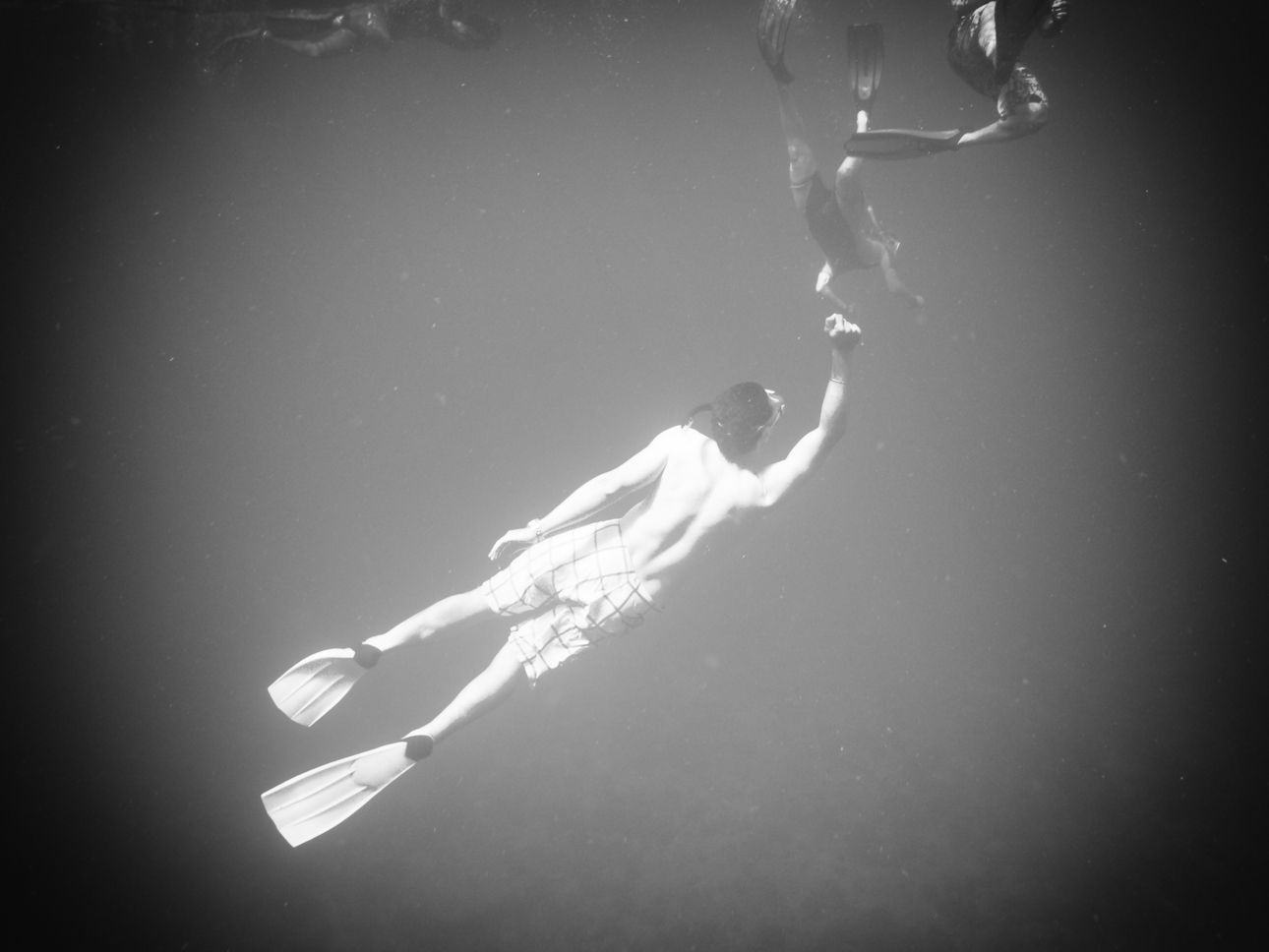
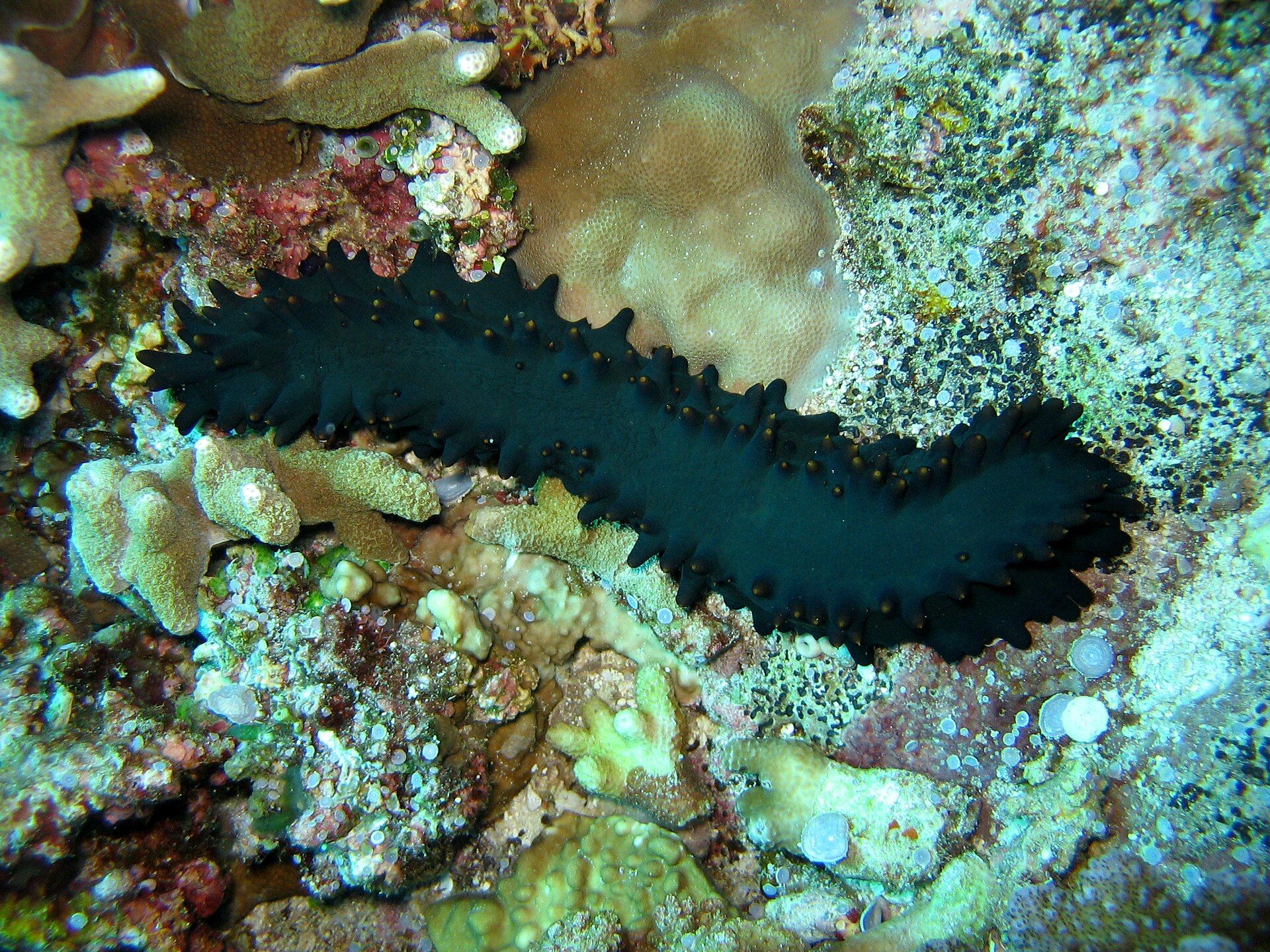
Apo Reef is an atoll-like system of two reef platforms separated by a channel, ringed by steep walls that drop into deep water. Its isolation and protected status have kept it rich: reef sharks, sea turtles, rays, and vast schools of fish patrol the drop-offs, and a small mangrove island anchors the ecosystem. It is a strong candidate for future World Heritage listing.
Why visit
For divers and snorkellers it rivals better-known reefs with a fraction of the crowds — wall dives alive with sharks and pelagics, healthy coral gardens, and the thrill of a genuinely remote marine wilderness reached by boat across open water.
What to know before you go
🗓️ Best time
Roughly November to May, the dry season, for calm crossings and clear water; peak visibility comes in the calmer spring months.
🧭 Getting there & access
By boat from Sablayan in Occidental Mindoro (Mindoro is reached via Batangas port from Manila), often as an overnight or camping trip on the ranger island. Park fees fund the rangers who patrol against illegal fishing.
Good to know
- Most visits are liveaboard or camping trips from Sablayan — plan for a night or two.
- Conditions can be exposed; go with experienced boat operators and dive guides.
- Pay the conservation fees — they directly fund reef protection and ranger patrols.
Plan your visit
Moderate🧭 Getting there
From Sablayan, Occidental Mindoro
- Fly Manila → San Jose (SJI) — roughly 1h — then road San Jose → Sablayan about 2h–3h
- Or ferry and bus from Batangas via Abra de Ilog — a long day, roughly 10–12h door to door
- Boat Sablayan → Apo Reef Natural Park — about 2h30–3h30 across open water
- Total travel
- A full day from Manila
- Time at site
- Two or three days, camping, to make the crossing worth it
- Access
- Apo Reef Natural Park is a protected area administered from Sablayan, and both entry and overnight camping require arrangement through the park office before you sail. There is no resort — you camp on the island under permit or sleep aboard a boat. The crossing is genuinely open water and trips are cancelled in the habagat and amihan wind seasons. Fees and camping rules are set by the park; confirm with the Sablayan tourism and Apo Reef Natural Park office.
🎒 What to bring & consider
- All your own fresh water, in quantity — there is no drinking water on the island and this is the single thing that catches people out
- Full camping self-sufficiency: tent, food, fuel, and everything you generate carried back off the island
- Dive experience suited to current, since the wall sites drop off fast and the passes run hard on a tide
- A dry bag for the crossing, which soaks everything on an open bangka in any real swell
- Sun cover for a place with almost no natural shade beyond the small mangrove stand
👁️ What to expect
- Crowds
- Very few people. Some days you will be the only party on the island.
- Conditions
- Open-sea crossing, strong currents on the reef, fierce sun and no infrastructure. Weather governs everything.
- Facilities
- A ranger station and a lighthouse. Nothing else — no shop, no water, no power beyond what rangers run.
- The view
- The reef flat going from white sand to deep blue in a few metres, best from the lighthouse platform. Underwater, sharks and turtles on the wall are common, and the visibility on a calm day is the reason people make the crossing twice.
Times and requirements are approximate and change with season, weather, and local rules — confirm permits, fares, and schedules with operators before you travel.
Natural riches of the area
- 34 km² of coral reef, the largest in the country
- Reef sharks, sea turtles, rays, and abundant pelagic fish
- A mangrove island and seagrass beds
- Deep walls and channels rich in marine life
Local food
- Fresh reef and pelagic fish
- Tuna, grouper, and squid landed at Sablayan, grilled simply.
- Kinilaw
- Ceviche-style raw fish cured in vinegar and calamansi.
- Mindoro calamansi & coconut
- Local citrus and coconut flavour the island's cooking and drinks.
Apo Reef is the Philippines’ largest coral reef and the second-largest contiguous reef on Earth — a 34-square-kilometre system of coral platforms, a deep dividing channel, and a small mangrove island, sitting out in the Mindoro Strait far from any town.
That isolation, backed by protected status and ranger patrols, has kept it thriving. Steep walls drop into the blue, patrolled by reef sharks, rays, and turtles, with schools of fish massing along the drop-offs and healthy coral spreading across the shallows. Divers who make the effort to get there find a reef as wild as Tubbataha but far less visited.
Reaching it means a boat trip from Sablayan and usually a night camping on the ranger island — a small commitment that keeps Apo Reef feeling like the marine wilderness it still is.
Apo Reef Natural Park: common questions
How do you get to Apo Reef Natural Park?
From Sablayan, Occidental Mindoro: Fly Manila → San Jose (SJI) — roughly 1h — then road San Jose → Sablayan about 2h–3h; Or ferry and bus from Batangas via Abra de Ilog — a long day, roughly 10–12h door to door; Boat Sablayan → Apo Reef Natural Park — about 2h30–3h30 across open water. Total travel time: A full day from Manila.
When is the best time to visit Apo Reef Natural Park?
Roughly November to May, the dry season, for calm crossings and clear water; peak visibility comes in the calmer spring months.
How long should you spend at Apo Reef Natural Park?
Two or three days, camping, to make the crossing worth it. Total travel time: A full day from Manila.
What should you bring to Apo Reef Natural Park?
All your own fresh water, in quantity — there is no drinking water on the island and this is the single thing that catches people out Full camping self-sufficiency: tent, food, fuel, and everything you generate carried back off the island Dive experience suited to current, since the wall sites drop off fast and the passes run hard on a tide A dry bag for the crossing, which soaks everything on an open bangka in any real swell Sun cover for a place with almost no natural shade beyond the small mangrove stand
Do you need a permit or guide for Apo Reef Natural Park?
Apo Reef Natural Park is a protected area administered from Sablayan, and both entry and overnight camping require arrangement through the park office before you sail. There is no resort — you camp on the island under permit or sleep aboard a boat. The crossing is genuinely open water and trips are cancelled in the habagat and amihan wind seasons. Fees and camping rules are set by the park; confirm with the Sablayan tourism and Apo Reef Natural Park office.
Is Apo Reef Natural Park crowded, and what are conditions like?
Very few people. Some days you will be the only party on the island. Open-sea crossing, strong currents on the reef, fierce sun and no infrastructure. Weather governs everything. Facilities: A ranger station and a lighthouse. Nothing else — no shop, no water, no power beyond what rangers run.
Added Updated
More wonders to explore
Similan Islands
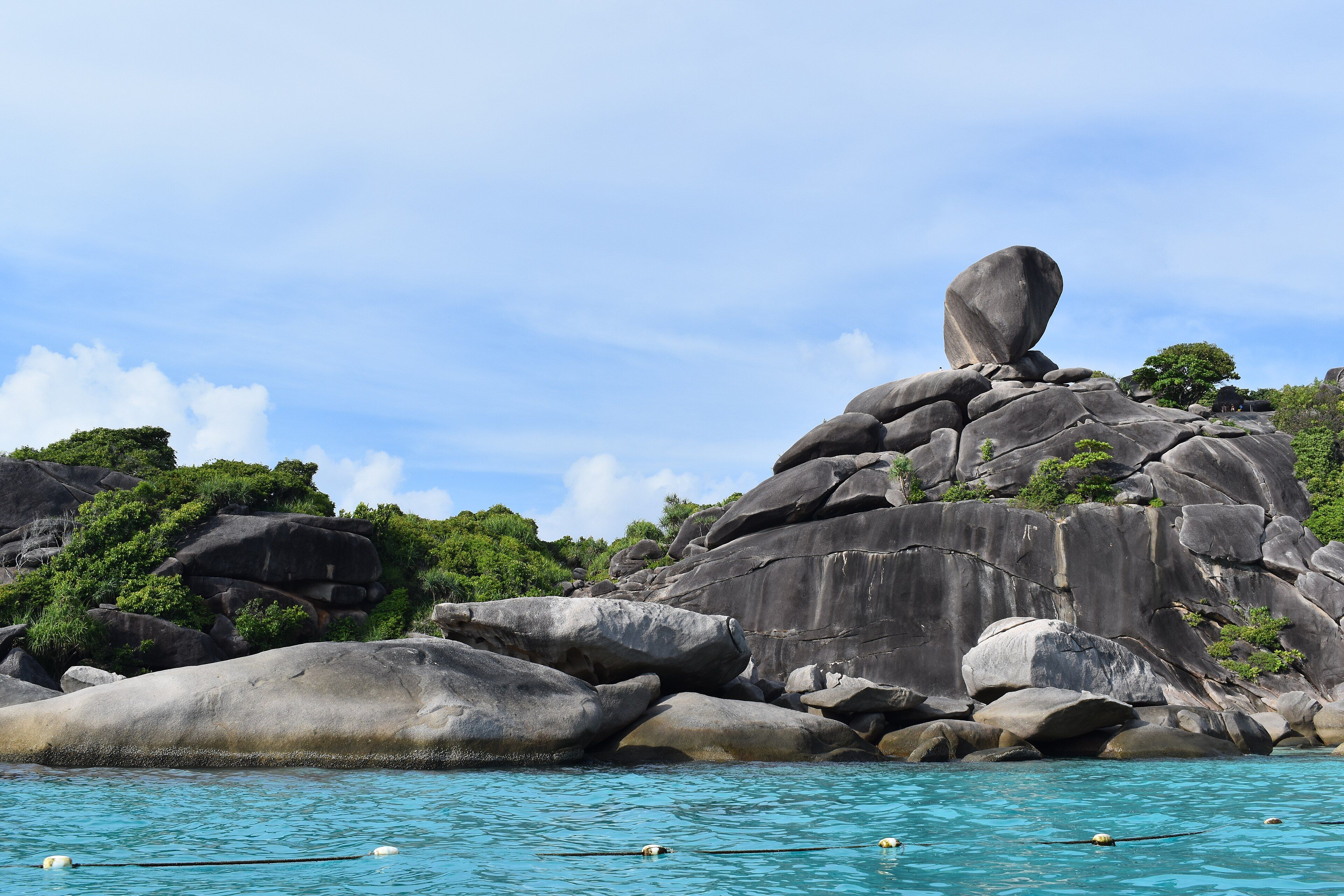
Mu Ko Similan National Park, Phang Nga Province, Andaman Sea, Thailand

Los Roques Archipelago
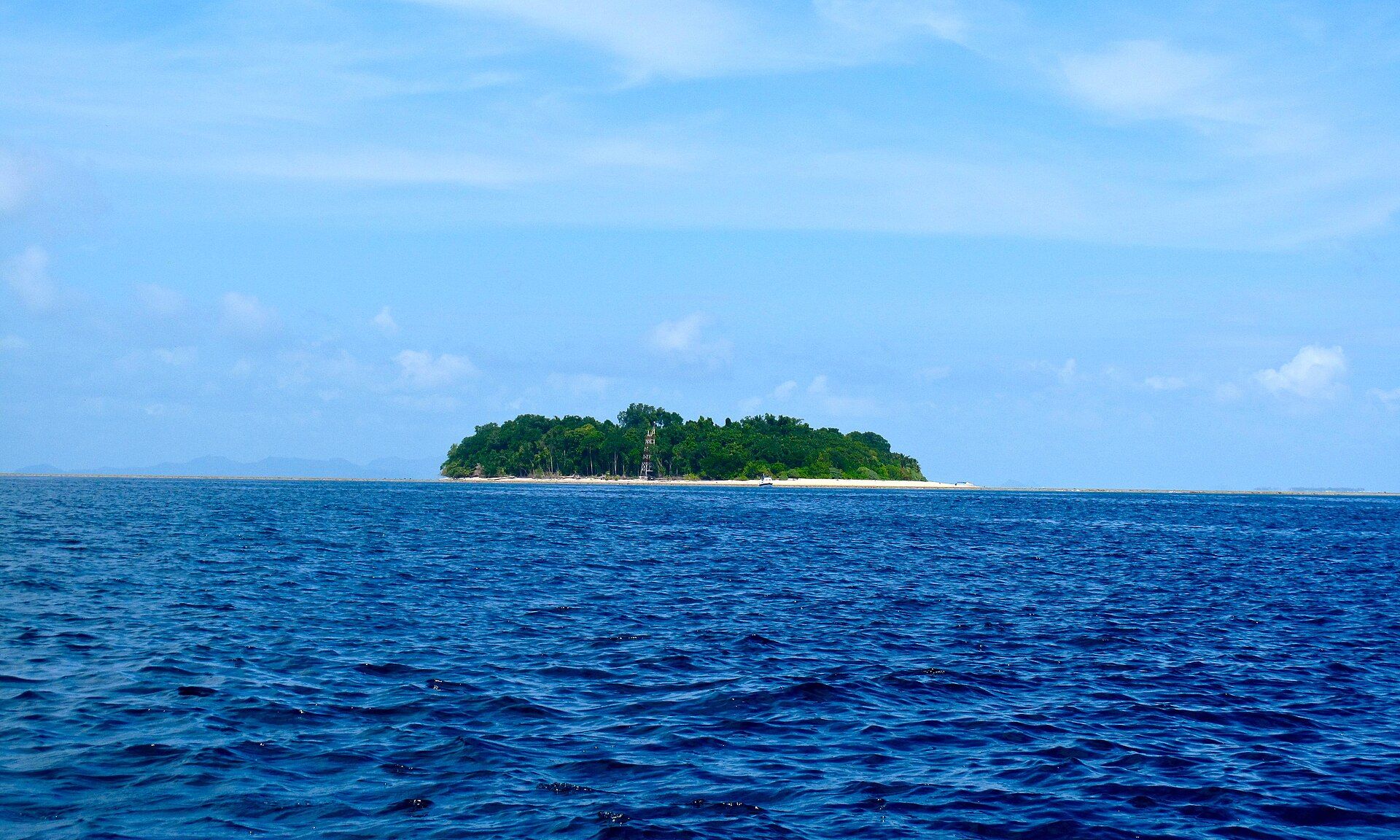
Caribbean Sea, about 128 km north of La Guaira, Venezuela