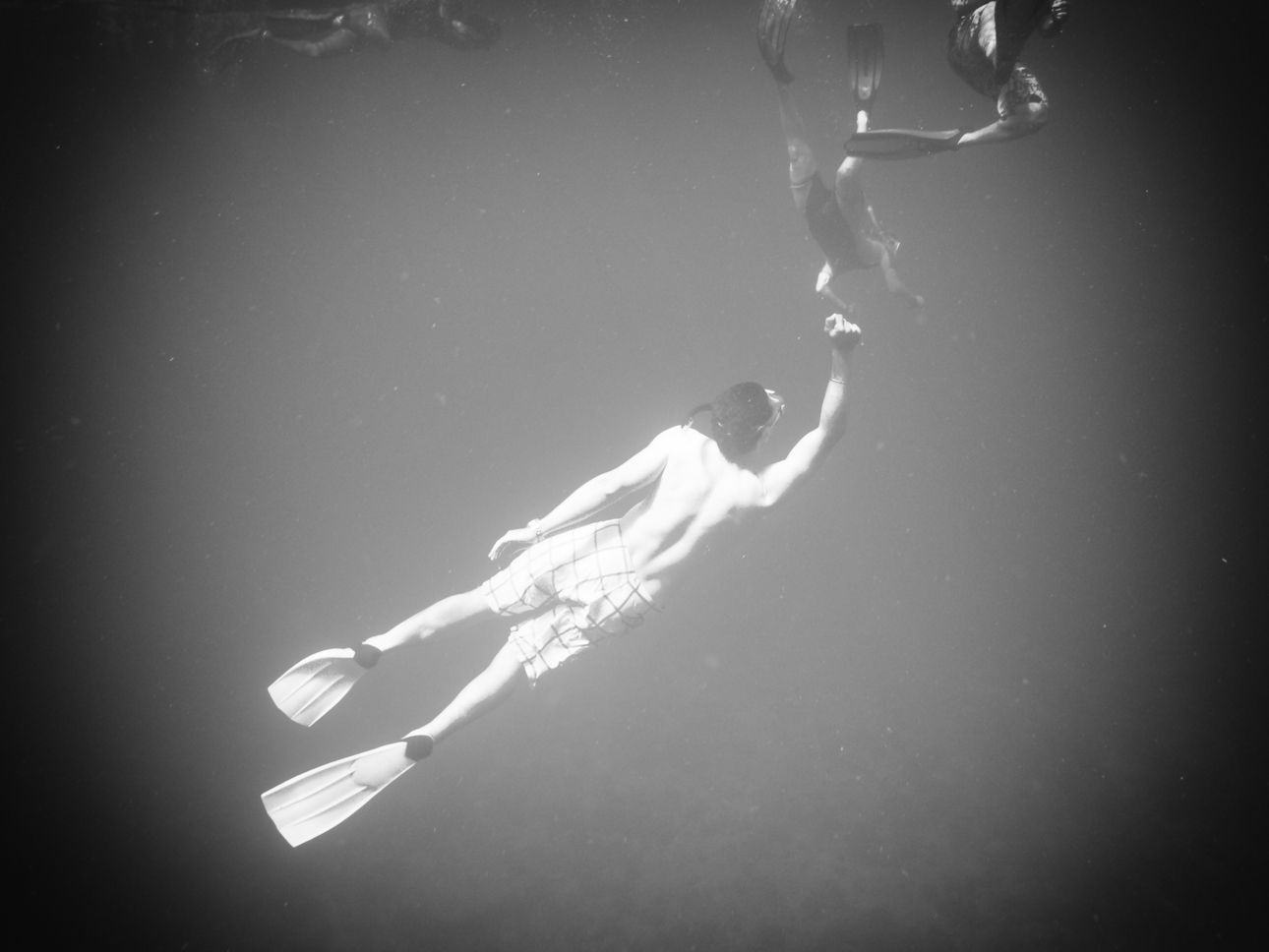
Tubbataha Reefs Natural Park
📍 Sulu Sea, off Palawan, Philippines
A pristine, remote atoll system in the middle of the Sulu Sea — nearly 100,000 hectares of coral reef, sheer walls, and open ocean that rank among the healthiest marine ecosystems on the planet.
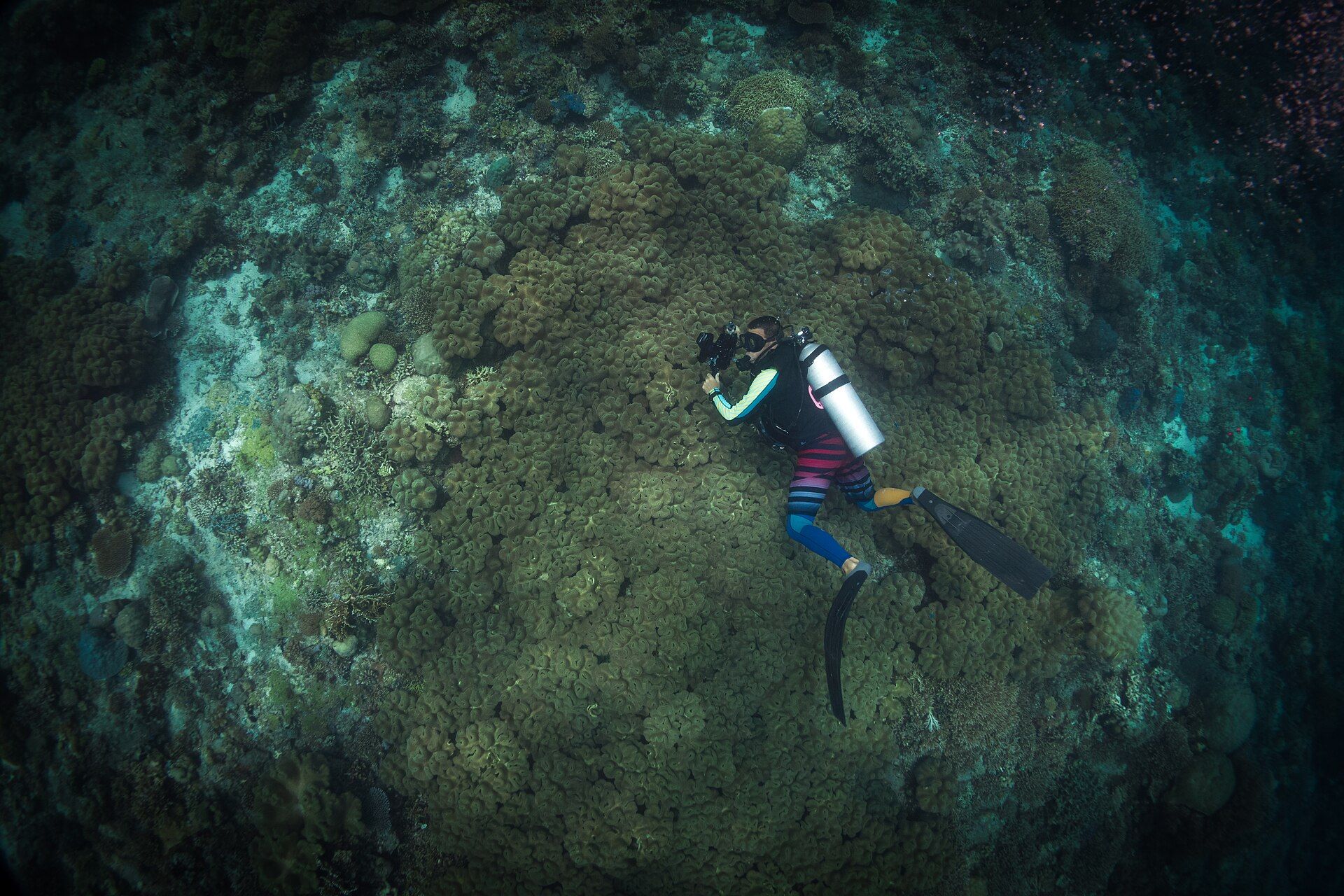
What makes it marvelous
Two coral atolls and an isolated reef sit far from any coastline, protected since 1988 and reachable only by liveaboard. The park protects more than 350 species of coral and over 600 species of fish, plus sharks, turtles, manta rays, and vast walls that plunge from shallow reef flat to open blue. Its remoteness has spared it the pressures that damage reefs elsewhere, making it a global benchmark for what a reef can be.
Why visit
For divers, Tubbataha is close to the top of the world's wish list: schooling jacks and barracuda, reef sharks patrolling drop-offs, turtles cruising over untouched coral, and a genuine sense of open-ocean wilderness. It is a rare chance to see a reef as it was before humans crowded the coasts.
Still deciding?
Tubbataha Reefs Natural Park comes up most often against one other place — each one weighs cost, effort, season and crowds side by side.
What to know before you go
🗓️ Best time
A short window from mid-March to mid-June only, when the Sulu Sea is calm enough to cross. The park is closed the rest of the year for both safety and conservation.
🧭 Getting there & access
Liveaboard only, departing Puerto Princesa on Palawan for trips of roughly 5–7 nights; there are no resorts or day trips. Berths sell out far ahead — book 9–12 months in advance, especially for peak April–May sailings. All visitors pay a conservation fee that funds the rangers.
Good to know
- You need to be a reasonably experienced diver; some sites have current.
- This is drift and wall diving in the open sea — go with a reputable, permitted liveaboard.
- Take nothing, leave nothing: the park is patrolled by full-time rangers and every fee funds protection.
Plan your visit
Expedition🧭 Getting there
From Puerto Princesa (PPS), Palawan
- Fly Manila to Puerto Princesa — about 1h20
- Board a liveaboard dive vessel in Puerto Princesa
- Overnight crossing to the atolls — roughly 10–12 hours at sea
- Total travel
- A full day including the overnight sailing
- Time at site
- Liveaboard trips run about 5–7 days; there is no day-trip option
- Access
- Liveaboard only, and the park opens for a narrow season of roughly mid-March to mid-June. Park fees and permits are handled by the operator. Advanced certification and logged experience are typically required.
🎒 What to bring & consider
- Advanced certification and recent logged dives — the currents here are strong
- Book many months ahead; the season is short and berths are limited
- Dive insurance covering evacuation, and awareness that the nearest chamber is far away
- Seasickness medication for the open crossing
- Everything you need for a week at sea — there are no shops
👁️ What to expect
- Crowds
- Very few people; vessel numbers are strictly limited. You may see no one outside your own boat.
- Conditions
- Open-ocean diving with strong currents and superb visibility. Remote — days from definitive medical care.
- Facilities
- Only what the liveaboard provides. There is no land base beyond a small ranger station.
- The view
- Reef sharks, turtles, and vast schooling fish are near-certain in season; larger pelagics are luck.
Times and requirements are approximate and change with season, weather, and local rules — confirm permits, fares, and schedules with operators before you travel.
Natural riches of the area
- 360+ species of hard and soft coral
- 600+ reef and pelagic fish species, from gobies to sharks
- Nesting hawksbill and green sea turtles
- A seabird rookery on the tiny sandy cays and abundant open-ocean pelagics
Local food
- Liveaboard seafood
- Meals aboard lean on freshly caught, responsibly sourced fish prepared Filipino-style.
- Kinilaw
- Palawan-style ceviche of raw tuna or tanigue 'cooked' in vinegar and calamansi, eaten before or after the trip in Puerto Princesa.
Most great reefs sit within easy reach of a coastline — and pay the price in runoff, fishing, and crowds. Tubbataha is different. It lies in the open Sulu Sea, a full night’s sail from Palawan, and it has been strictly protected since 1988. That combination of isolation and enforcement has kept it extraordinarily intact.
Divers come for walls that fall away into deep blue, reef sharks holding in the current, turtles grazing over unbroken coral gardens, and clouds of jacks and barracuda. The park protects hundreds of coral species and well over 600 kinds of fish, along with nesting turtles and a seabird rookery on its tiny sand cays.
The catch — a fair one — is that Tubbataha opens for only three months a year, and only to liveaboards, with fees that pay for the rangers who guard it. It is a working model of how restraint keeps a wild place wild.
Tubbataha Reefs Natural Park: common questions
How do you get to Tubbataha Reefs Natural Park?
From Puerto Princesa (PPS), Palawan: Fly Manila to Puerto Princesa — about 1h20; Board a liveaboard dive vessel in Puerto Princesa; Overnight crossing to the atolls — roughly 10–12 hours at sea. Total travel time: A full day including the overnight sailing.
When is the best time to visit Tubbataha Reefs Natural Park?
A short window from mid-March to mid-June only, when the Sulu Sea is calm enough to cross. The park is closed the rest of the year for both safety and conservation.
How long should you spend at Tubbataha Reefs Natural Park?
Liveaboard trips run about 5–7 days; there is no day-trip option. Total travel time: A full day including the overnight sailing.
What should you bring to Tubbataha Reefs Natural Park?
Advanced certification and recent logged dives — the currents here are strong Book many months ahead; the season is short and berths are limited Dive insurance covering evacuation, and awareness that the nearest chamber is far away Seasickness medication for the open crossing Everything you need for a week at sea — there are no shops
Do you need a permit or guide for Tubbataha Reefs Natural Park?
Liveaboard only, and the park opens for a narrow season of roughly mid-March to mid-June. Park fees and permits are handled by the operator. Advanced certification and logged experience are typically required.
Is Tubbataha Reefs Natural Park crowded, and what are conditions like?
Very few people; vessel numbers are strictly limited. You may see no one outside your own boat. Open-ocean diving with strong currents and superb visibility. Remote — days from definitive medical care. Facilities: Only what the liveaboard provides. There is no land base beyond a small ranger station.
Added Updated
More wonders to explore
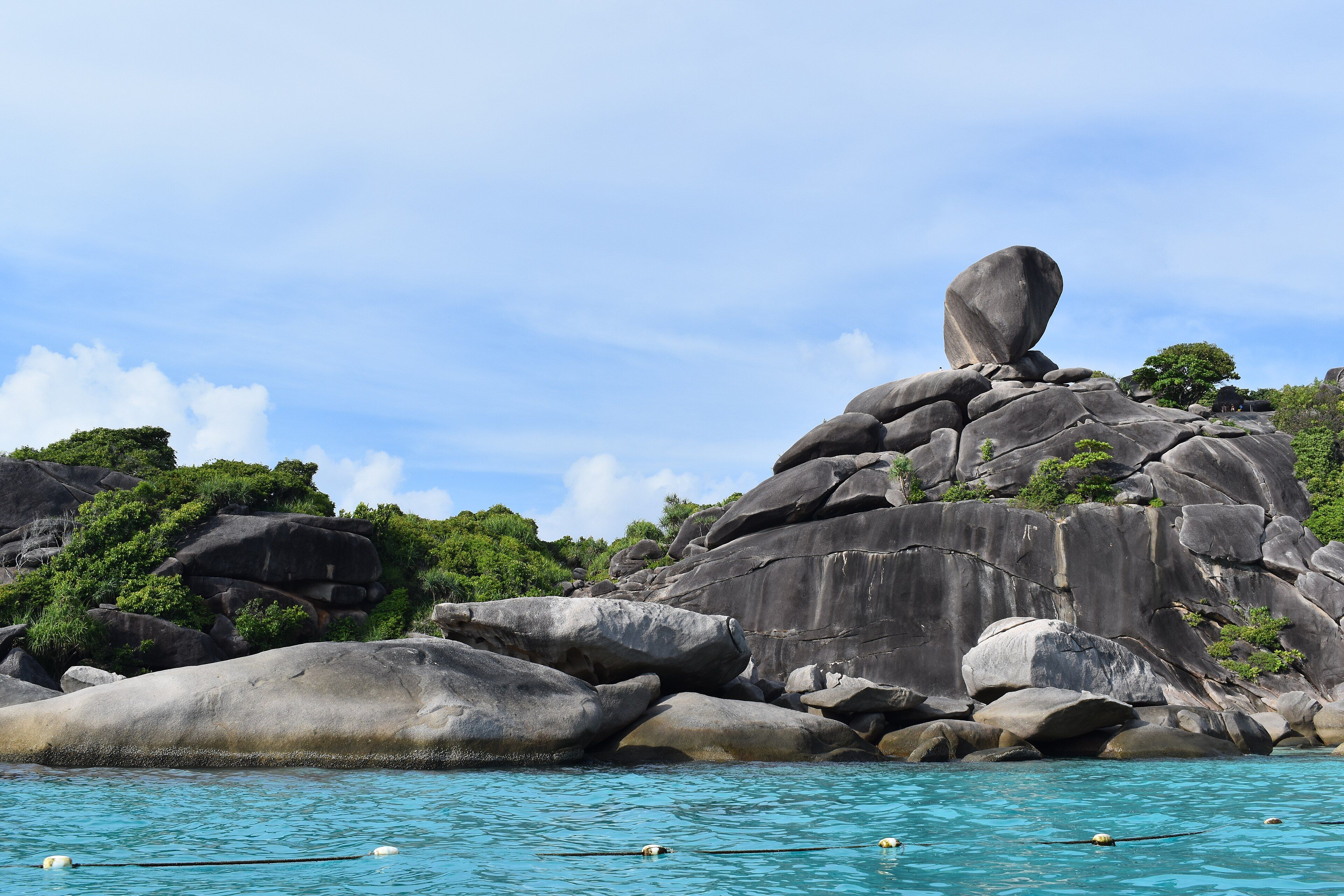
Similan Islands
Mu Ko Similan National Park, Phang Nga Province, Andaman Sea, Thailand
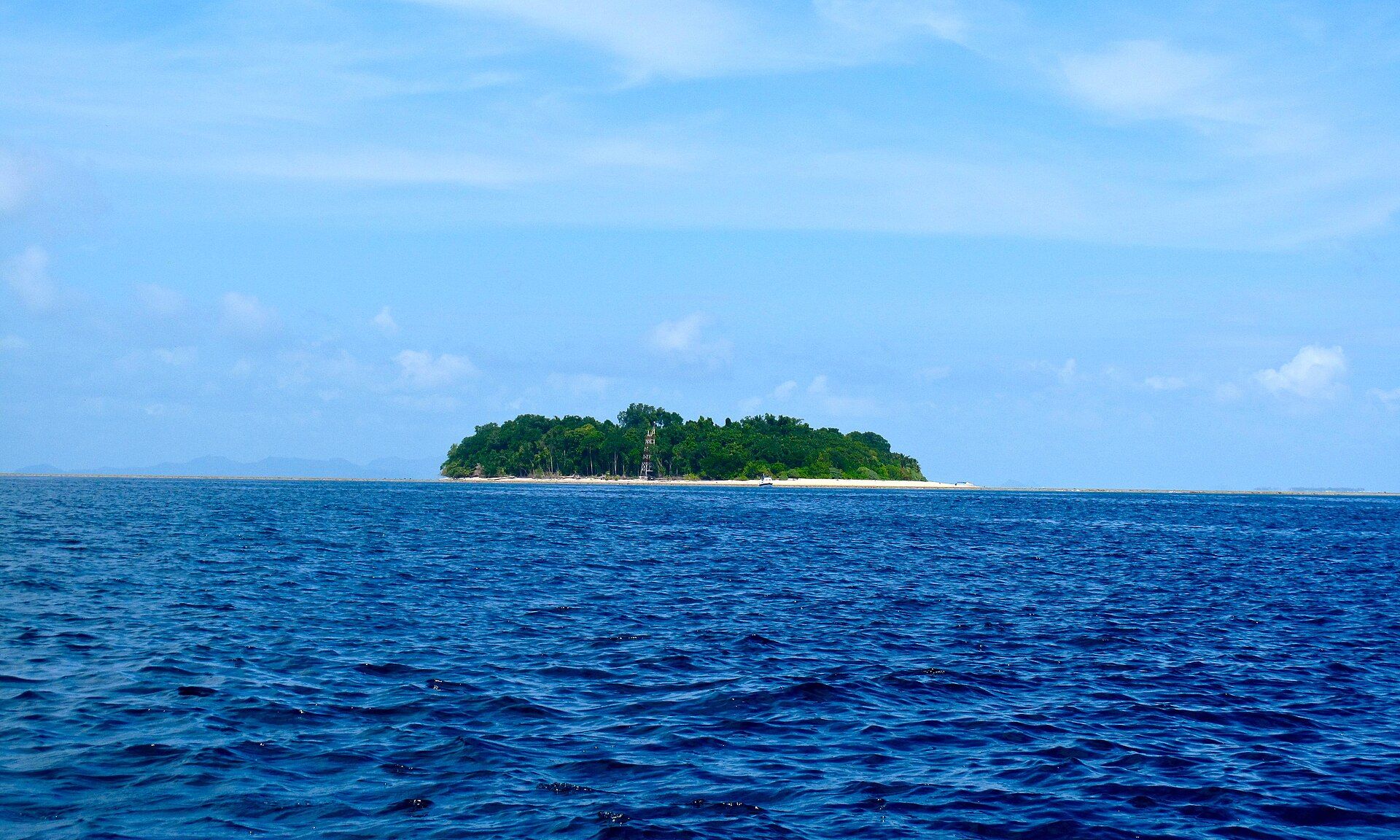

Los Roques Archipelago
Caribbean Sea, about 128 km north of La Guaira, Venezuela