Head to head · Australia's two great reefs
Great Barrier Reef vs Ningaloo: Which Australian Reef Should You Visit?
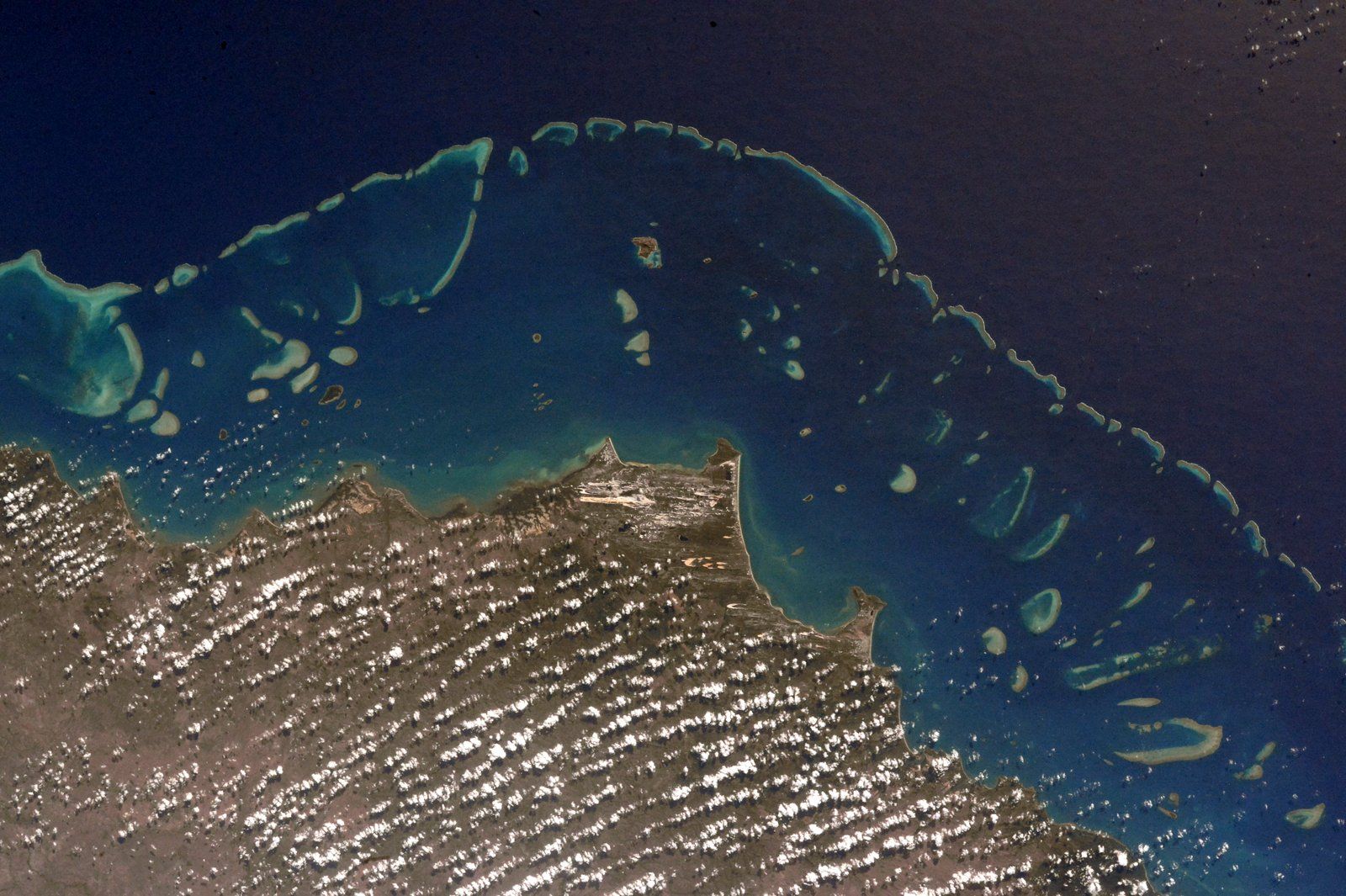
Australia has two World Heritage reefs on opposite sides of the continent, and they suit very different trips. The Great Barrier Reef runs for about 2,300 kilometres along the Queensland coast; Ningaloo lies off the remote Coral Coast of Western Australia, one of the longest near-shore reefs in the world.
The practical difference is distance from the sand. The outer Great Barrier Reef is typically an hour and a half to two hours by boat from Cairns. At Ningaloo you can walk into the water at Turquoise Bay or Coral Bay and be over coral within metres — and from March to July, licensed boats take swimmers out to whale sharks.
Great Barrier Reef
The largest reef system on Earth
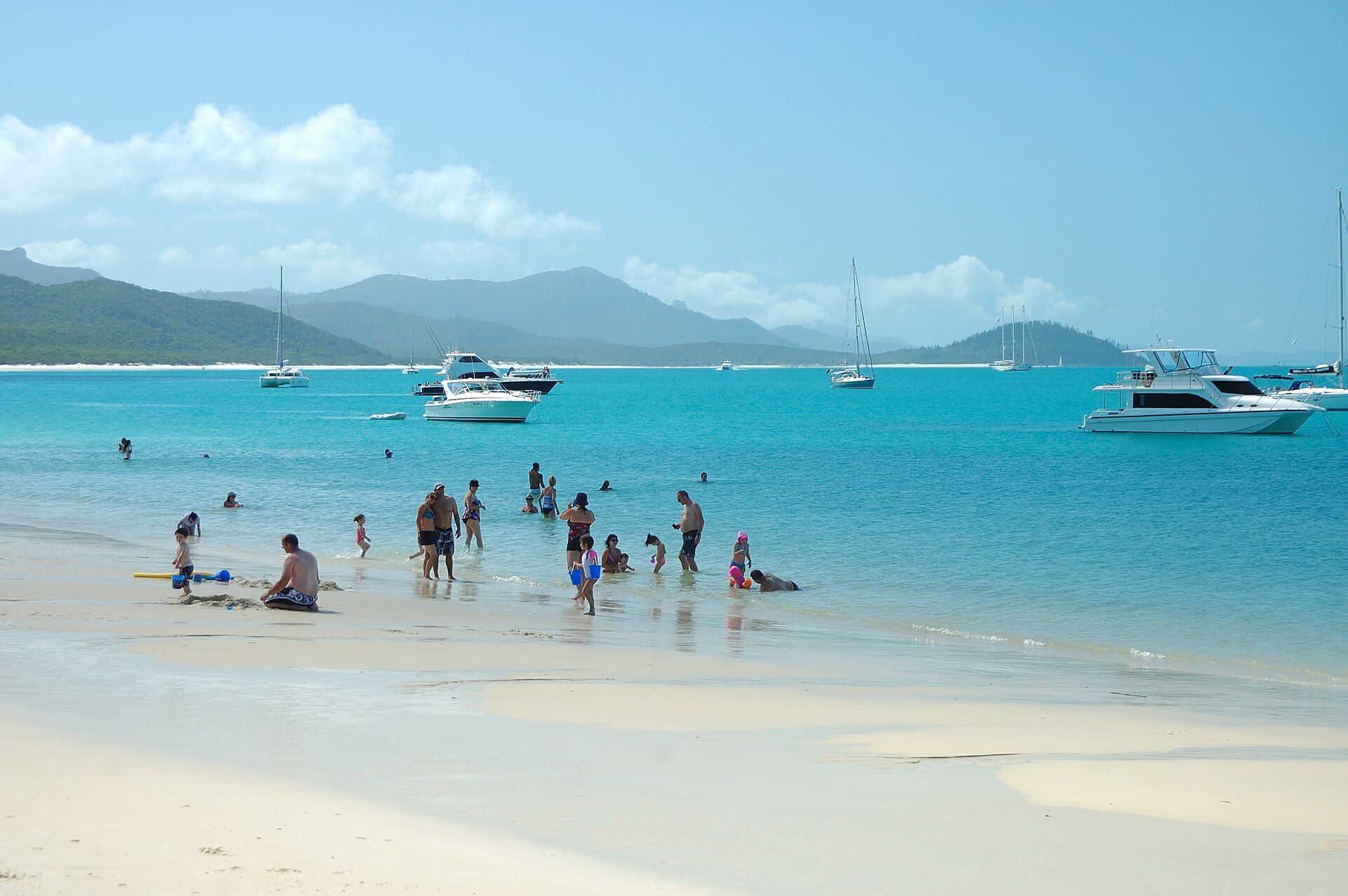
About 3,000 coral reefs and some 600 continental islands and 300 coral cays inside a 344,400 km² marine park, established in 1975. The Great Barrier Reef Marine Park Authority counts 1,625 types of fish and 450 types of hard coral. Reached from Cairns, Port Douglas and the Whitsundays by day boat, pontoon, island resort or liveaboard.
- Enormous variety — reefs, cays, islands and the Whitsundays in one region
- Trips for every budget and ability, from pontoons to multi-day liveaboards
- Big, well-served gateway towns with direct flights
Ningaloo
Coral from the beach, whale sharks offshore
A near-shore reef along the Ningaloo Coast, inscribed as a World Heritage Site in 2011 — UNESCO notes the annual gatherings of whale sharks, and the land side holds an extensive karst and cave system. Whale sharks are most reliably seen from March to July and humpbacks from June to November, with every interaction tour run by licensed operators.
- Snorkelling straight off the beach, without a boat
- Some of the world's most reliable whale shark swims
- A remote coast with modest crowds outside whale shark season
Head to head
| What matters | Great Barrier Reef | Ningaloo |
|---|---|---|
| Scale and variety Edge: Great Barrier Reef | Vast: about 3,000 reefs along roughly 2,300 km, plus islands, cays and the Whitsundays. | One long reef along a single coastline — smaller and simpler to grasp. |
| Getting in the water Edge: Ningaloo | Mostly by boat — the outer reef is roughly 1½–2 hours from Cairns, and the crossing is often rough. | Wade in from the beach at spots such as Turquoise Bay and Coral Bay; boats for the big-animal swims. |
| Signature wildlife Edge: Ningaloo | Turtles, reef sharks and dense coral; on a few nights after the November or December full moon, mass coral spawning. | Whale sharks, most reliably March–July; humpback whales June–November; manta rays on guided tours. |
| Season Edge: Toss-up | June–October for the calmest seas and clearest water. Roughly November–May, box jellyfish and Irukandji are present and a stinger suit is advised. | Swimmable much of the year; March–July for whale sharks. Neither whale sharks nor humpbacks are guaranteed on a given day. |
| Getting there Edge: Great Barrier Reef | Fly to Cairns (around 3 hours from Sydney) and be on the reef the same day. | Fly Perth → Learmonth (around 2 hours), then 40 minutes to Exmouth or about 2 hours to Coral Bay. |
| Crowds Edge: Ningaloo | Pontoon trips carry large numbers at once; small-boat and liveaboard trips are much quieter, at a price. | Modest overall; whale shark season concentrates the boats, but the beach snorkelling is often near-empty. |
| Reef condition Edge: Toss-up | Repeated mass bleaching has hit parts of the reef; condition varies a great deal by site and year, so ask operators which sites are in good shape. | Conditions change from year to year here too; check current advice with WA Parks and Wildlife or your operator before you go. |
Which should you choose?
Choose Great Barrier Reef if…
…you want the widest choice of reefs, islands and trip styles, are short of time, or want a reef day on a broader east-coast Australia trip.
Choose Ningaloo if…
…you want to snorkel from the beach, have your heart set on swimming with a whale shark, and can give a remote coast four to seven days.
The honest verdict
For sheer scale and choice, the Great Barrier Reef is the obvious pick — and the easier one to reach from Australia's east coast.
For the big-animal encounter and coral right off the sand, Ningaloo is the better trip, provided you time it for March–July and accept the long journey to Exmouth.
Book by season: the Great Barrier Reef is at its calmest from June to October, Ningaloo's whale sharks peak from March to July. Swim only with licensed operators at Ningaloo, and wear a stinger suit in Queensland's summer months.
Wonders mentioned here

Added