Head to head · diving & snorkelling
Great Barrier Reef vs Raja Ampat: Which Reef?
For divers and snorkellers plotting a once-in-a-lifetime reef trip, two names dominate the shortlist: Australia's vast Great Barrier Reef and Indonesia's remote, hyper-diverse Raja Ampat.
Here's how they stack up across what actually decides a reef trip, and how to pick the one to build yours around.
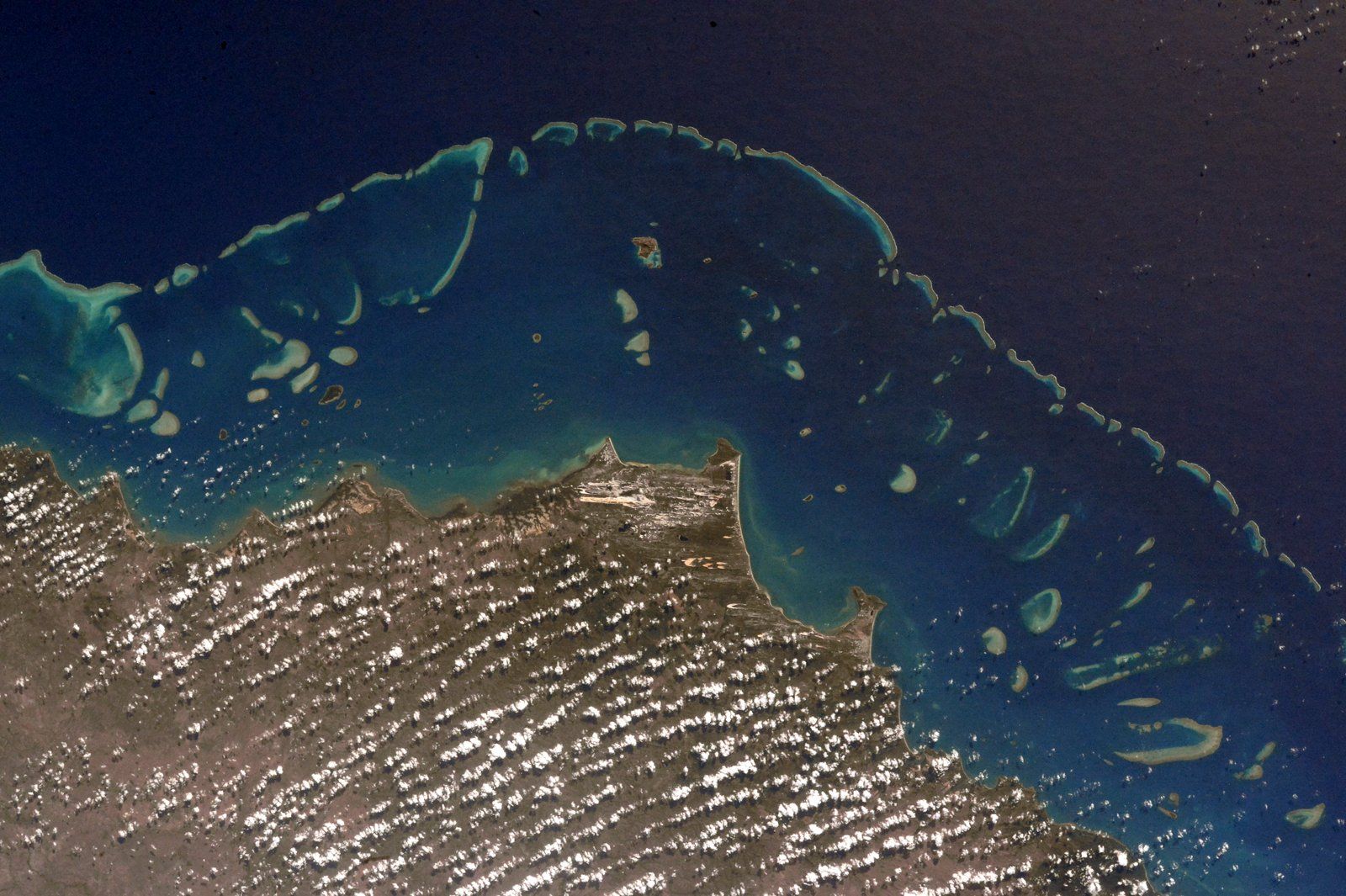
Great Barrier Reef
The world's largest reef system, and the most accessible
The largest coral reef system on Earth, stretching over 2,000 km off Queensland — endlessly varied and easy to reach from well-equipped hubs like Cairns, with options for every budget and skill level.
- Immense scale and huge variety of dive and snorkel sites
- Very easy access and infrastructure from Cairns and the islands
- Suits everyone — day trips, liveaboards, and total beginners
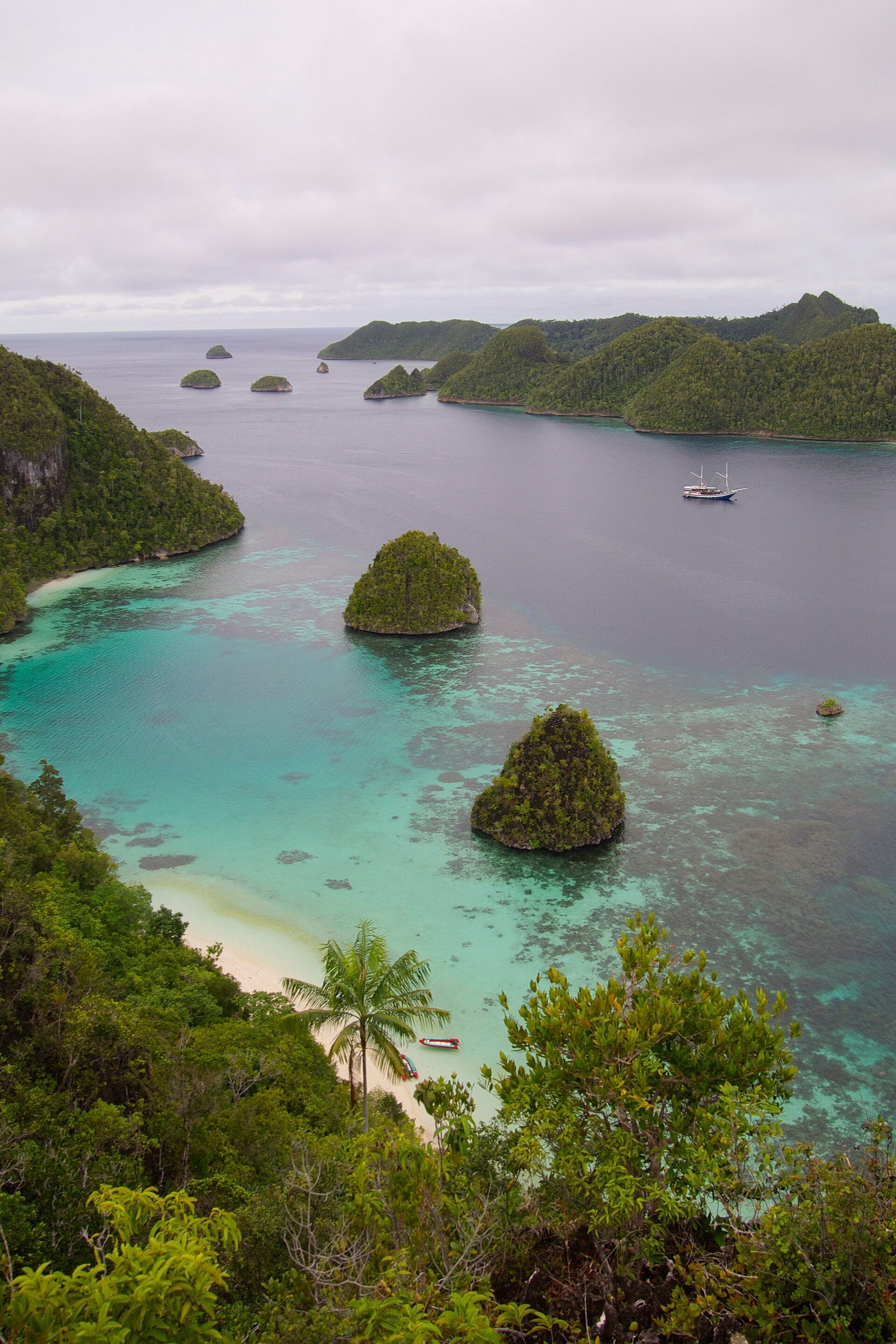
Raja Ampat
The most biodiverse marine life on the planet
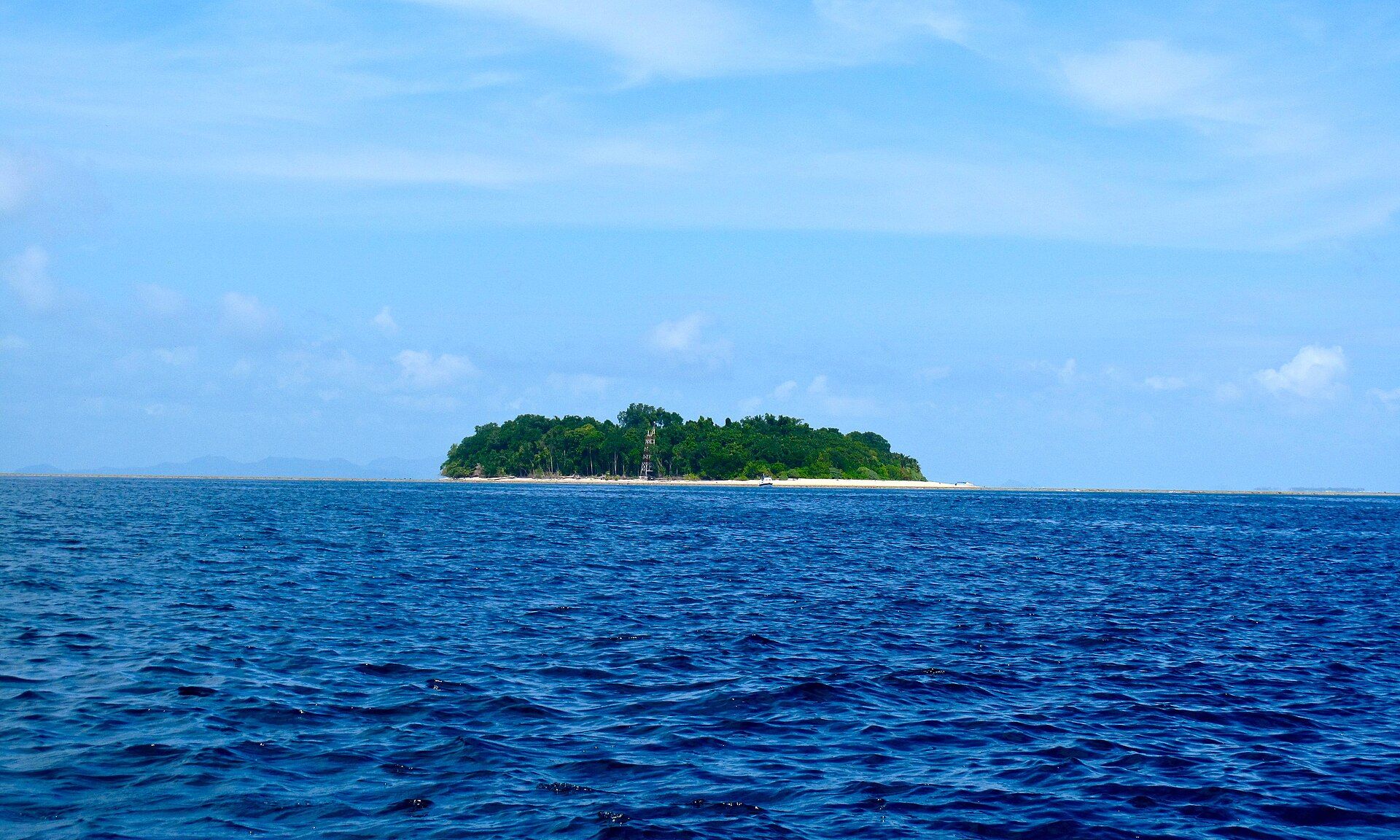
A remote Indonesian archipelago at the heart of the Coral Triangle with the richest marine biodiversity recorded anywhere — pristine reefs, big schools, and mushroom-shaped islets. Harder to reach, and all the more rewarding for it.
- The highest marine biodiversity on Earth, in pristine condition
- Uncrowded sites and dramatic karst-island scenery above water
- Big pelagics and dense reef life on a single dive
Head to head
| What matters | Great Barrier Reef | Raja Ampat |
|---|---|---|
| Marine biodiversity Edge: Raja Ampat | Superb and varied across a huge area. | The richest recorded anywhere — more coral and fish species than any reef on Earth. |
| Reef condition Edge: Raja Ampat | Vast and beautiful, though parts have been hit by bleaching in recent years. | Exceptionally pristine and healthy, thanks to its remoteness and protection. |
| Access & ease Edge: Great Barrier Reef | Very easy — fly to Cairns and you're diving the same day. | Remote — multiple flights plus a boat transfer to reach the region. |
| Cost Edge: Great Barrier Reef | Options for every budget, from cheap day trips to luxury liveaboards. | Generally pricey once you factor in travel and liveaboards or resorts. |
| Crowds Edge: Raja Ampat | Popular sites near Cairns can be busy. | Far fewer divers — many sites feel wonderfully remote. |
| For beginners Edge: Great Barrier Reef | Ideal — calm, shallow options and full beginner infrastructure. | Better with some experience; strong currents on many sites. |
Which should you choose?
Choose Great Barrier Reef if…
…you want the easiest access and the widest range of options, you're a beginner or travelling with mixed abilities, or you want world-class reef within a short trip and any budget.
Choose Raja Ampat if…
…you're an experienced diver chasing the richest, healthiest reef on the planet, you don't mind the extra travel and cost, and you value pristine, uncrowded sites.
The honest verdict
For sheer accessibility, variety, and value — especially for beginners — the Great Barrier Reef is unbeatable and still one of the wonders of the world.
For the richest, most pristine marine life on Earth, Raja Ampat is the connoisseur's choice, provided you have the experience, time, and budget to reach it.
Choose by experience and effort: the Reef for an easy, spectacular introduction; Raja Ampat for the ultimate, hard-won reef pilgrimage.
Wonders mentioned here

Added