Mountains that were once the sea (and rock that came from Africa)
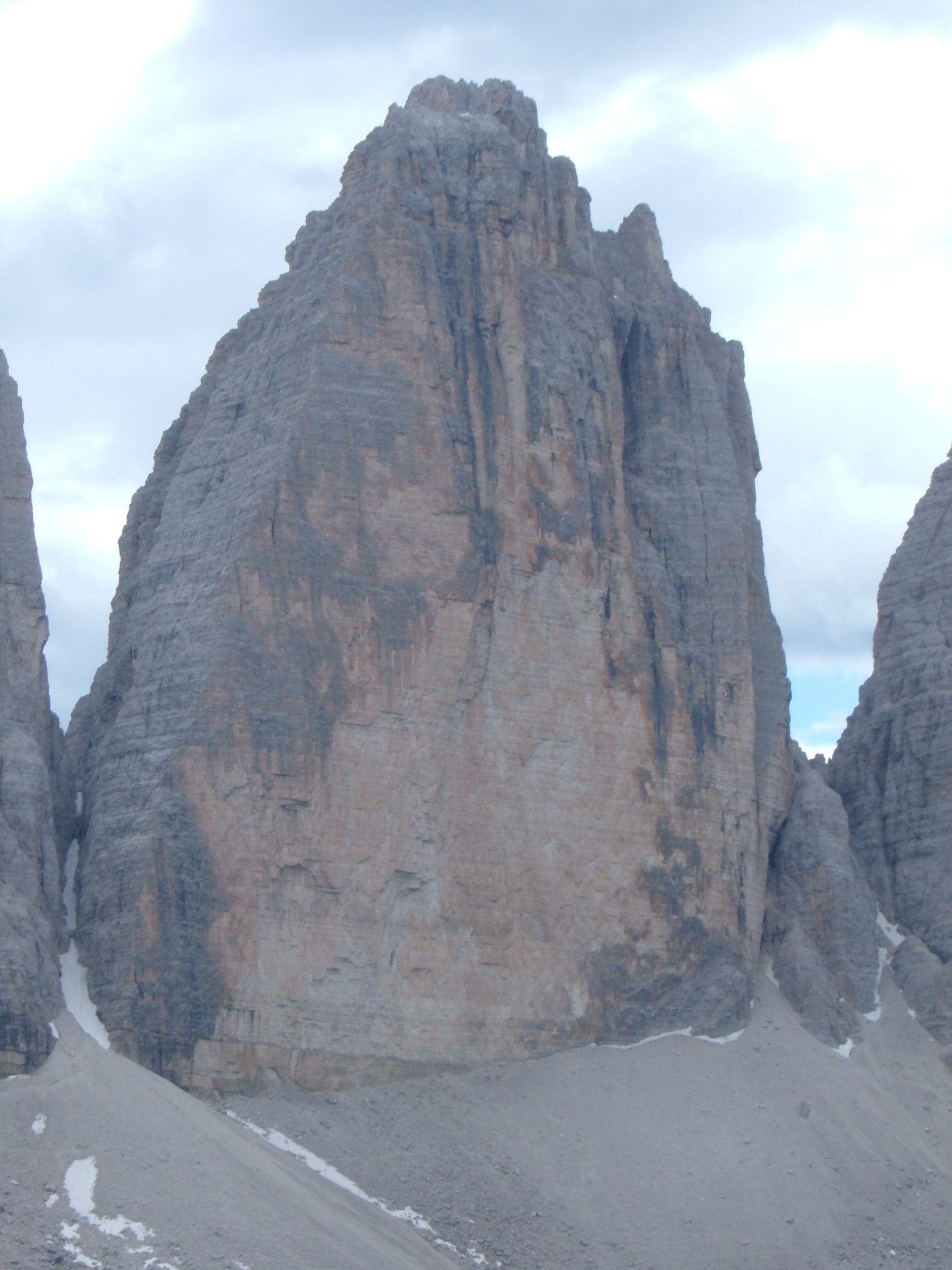
Look closely at the pale cliffs of the Dolomites and you can find fossils — corals, shells, the remains of creatures from a warm tropical sea. That’s because the rock is a sea: over 200 million years ago this was a shallow ocean of reefs and lagoons, and the compacted sediment became dolomite limestone. Only later was it lifted skyward and carved into the spires that now blush pink at dawn.
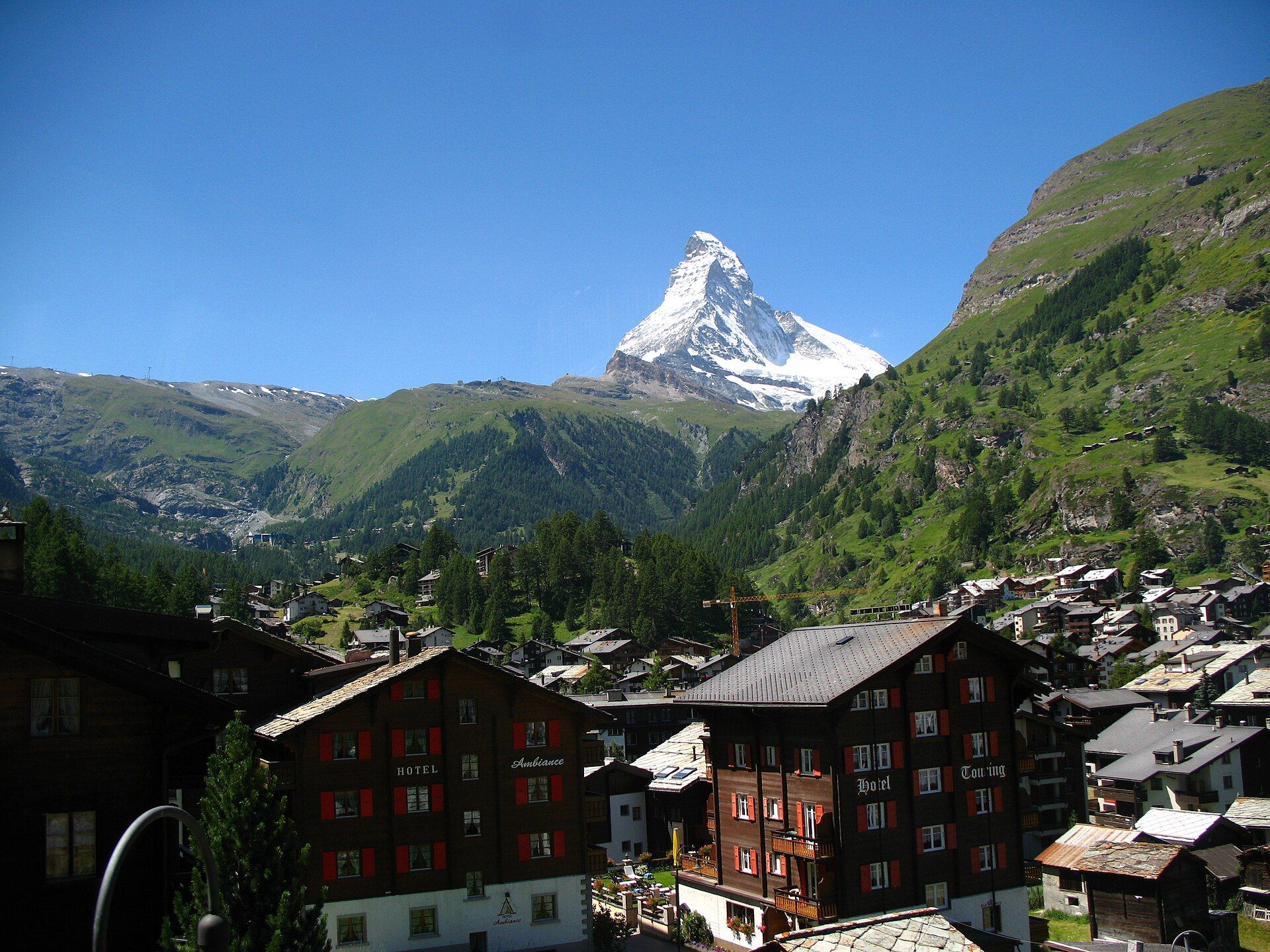
The lifting is the work of colliding continents. As the African plate has ground slowly into the European one, it has crumpled the crust between them upward into the Alps. The collision is so intimate that pieces of one plate can end up stacked on the other — which is why the summit of the Matterhorn, that most Swiss of icons, is made of rock that originated on the African side. The top of the mountain is, in effect, a fragment of Africa carried over Europe.
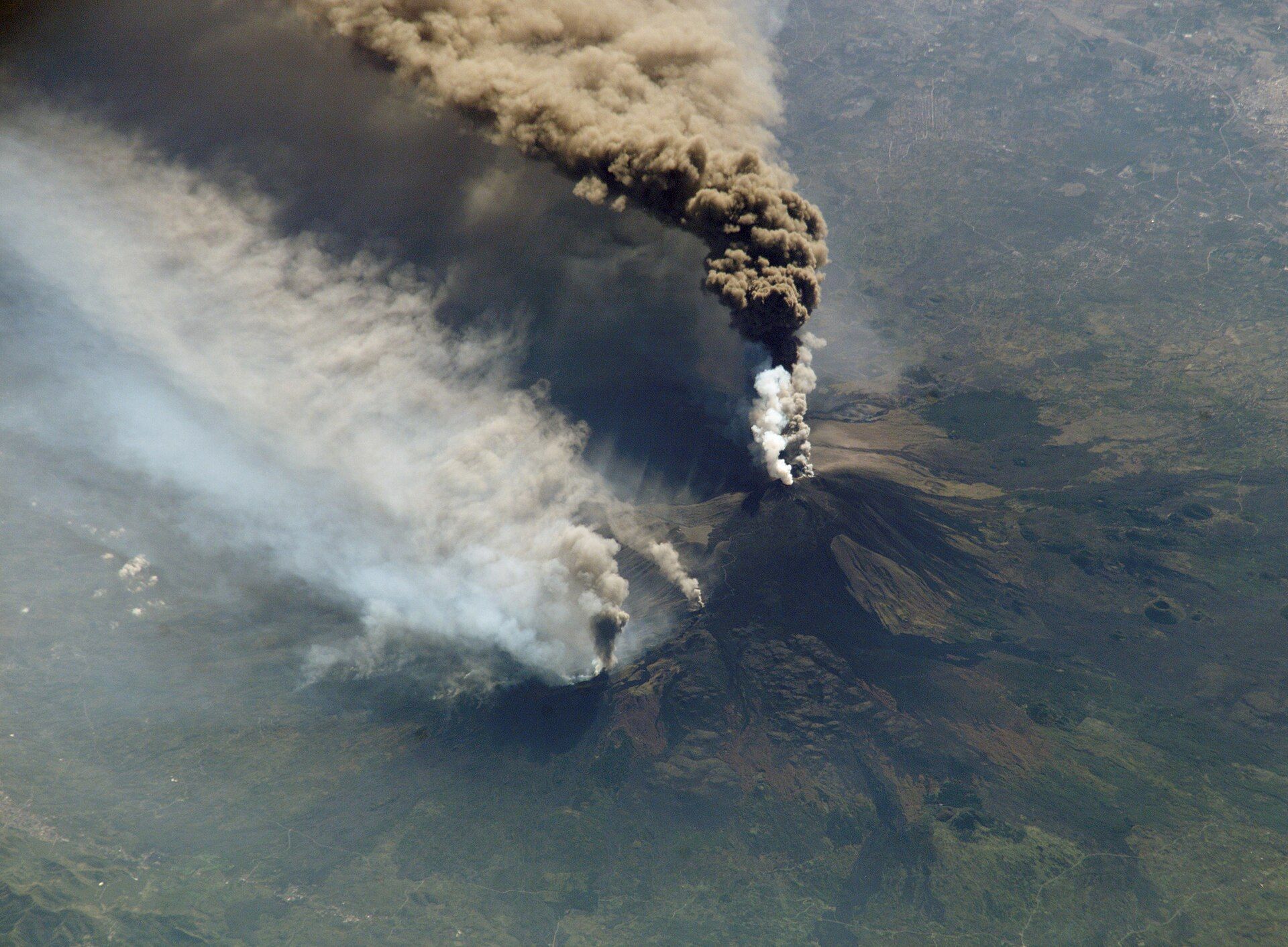
That same tectonic squeeze keeps the region volcanically alive further south, where Sicily’s Etna smokes over its fertile slopes. Seabed lifted into spires, African rock crowning a Swiss peak, a volcano feeding vineyards — the mountains of Europe are a running record of continents in slow, spectacular collision.
Wonders in this article