Head to head · The largest barrier reef vs the second largest
Great Barrier Reef vs Belize Barrier Reef: The World's Two Largest Barrier Reefs Compared
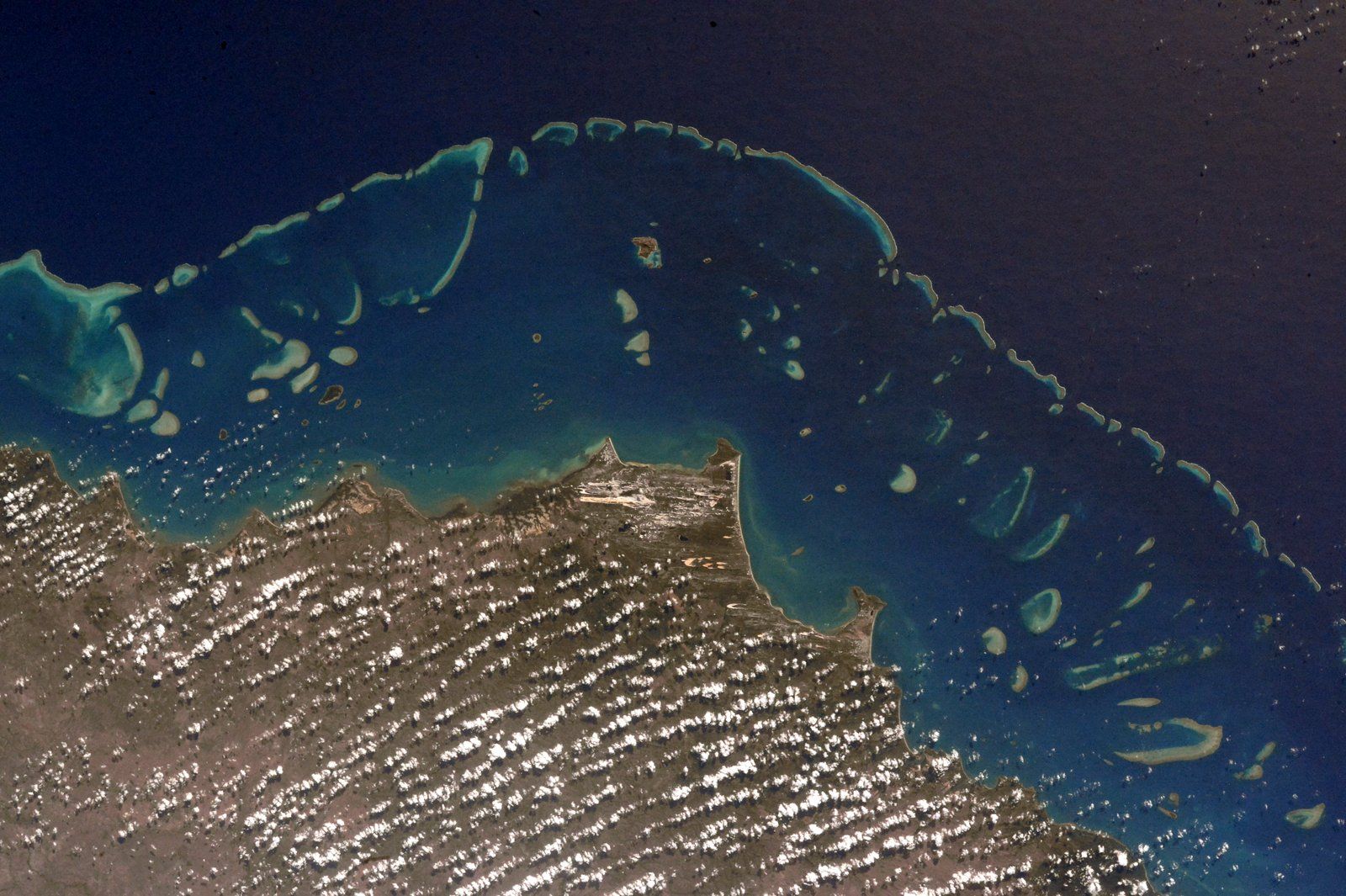
These are the two largest barrier reefs on Earth. Australia's Great Barrier Reef runs more than 2,300 kilometres along the Queensland coast and is made of nearly 3,000 separate reefs; the Belize Barrier Reef, the largest in the northern hemisphere and second in the world, runs about 300 kilometres down Belize's whole Caribbean coast. Both are UNESCO World Heritage Sites.
Size is not the useful difference for a visitor. The Great Barrier Reef's best coral is on the outer reef, often 1h30–2h by boat from Cairns. Belize's barrier sits close to shore, and much of its best snorkelling is in a few metres of water a short ride from the cayes — but it also has three of the Atlantic's four true atolls and the Great Blue Hole further out. Their dry seasons fall at opposite times of year.
Great Barrier Reef
The largest living structure on Earth
More than 2,300 kilometres of reef, nearly 3,000 individual reefs and hundreds of islands and cays off Queensland, with over 1,500 fish species and about 400 corals, plus turtles, dugongs, sharks and whales. Repeated mass bleaching has made reef condition vary a great deal by site and by year.
- Sheer scale and variety: outer-reef walls, coral cays, the Whitsundays
- Liveaboards and pontoon trips from Cairns and Port Douglas
- Mass coral spawning a few nights after the November or December full moon
Belize Barrier Reef
Close-to-shore reef, three atolls and the Blue Hole
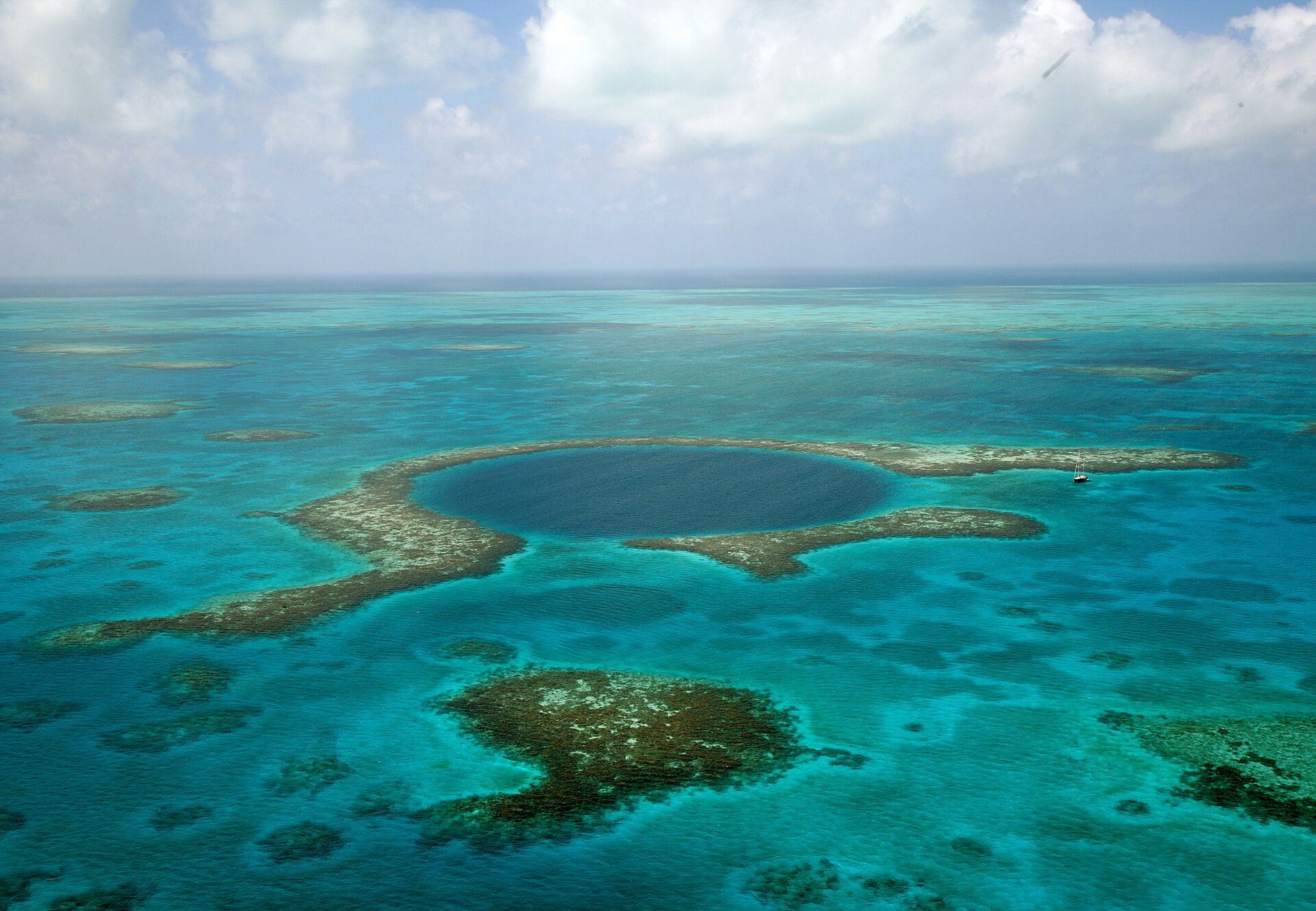
About 300 kilometres of barrier reef with mangroves, seagrass beds and hundreds of patch reefs and cayes behind it, and Turneffe, Lighthouse and Glover's — three of only four true atolls in the Atlantic — outside it. The Great Blue Hole, about 305 metres across and 122 metres deep, sits in Lighthouse Reef.
- Shallow, easy snorkelling at Hol Chan and Shark Ray Alley
- Atoll wall diving and the Great Blue Hole
- Cheap, relaxed bases on Caye Caulker and Ambergris Caye
Head to head
| What matters | Great Barrier Reef | Belize Barrier Reef |
|---|---|---|
| Size Edge: Great Barrier Reef | More than 2,300 km long, nearly 3,000 reefs — the largest reef system on Earth. | About 300 km of barrier, plus three atolls — the largest barrier reef in the northern hemisphere and second worldwide. |
| Getting to the reef Edge: Belize Barrier Reef | Outer-reef sites are typically 1h30–2h by boat from Cairns or Port Douglas, and the crossing is often rough. Inner reef and island sites are closer. | Hol Chan and Shark Ray Alley are a short boat ride from Ambergris Caye or Caye Caulker. The atolls and the Blue Hole take a full day. |
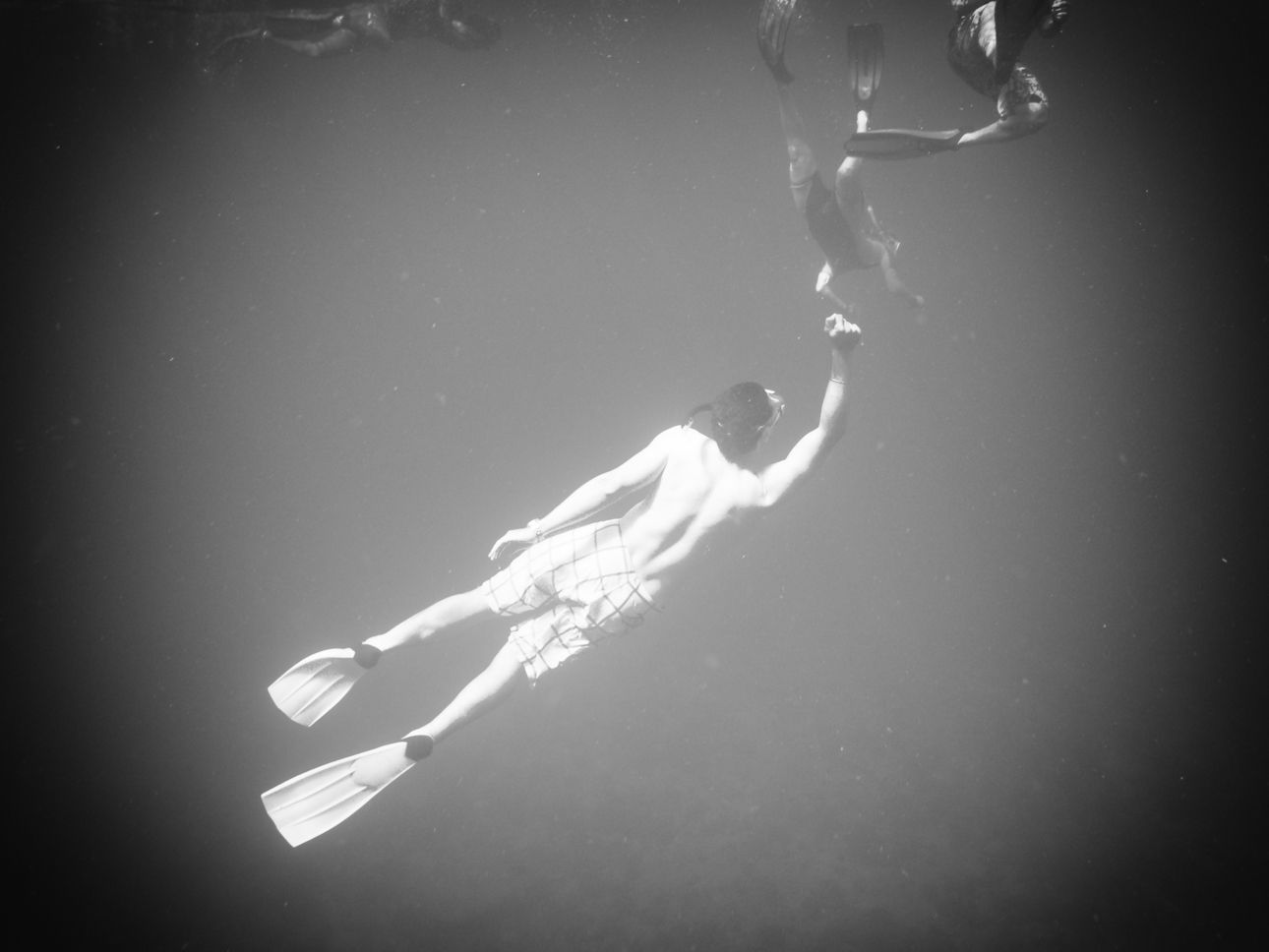
| Snorkelling Edge: Belize Barrier Reef | Excellent on the outer reef and around coral cays, from a moving boat in open water. | Much of the best snorkelling is in a few metres of clear water, with nurse sharks and rays at Shark Ray Alley — easy for beginners. |
| Diving Edge: Toss-up | Huge choice of sites and multi-day liveaboards; certification or a supervised introductory dive. | Wall diving on the atolls. The Great Blue Hole is a deep dive needing an advanced qualification, with limited bottom time. |
| Best time Edge: Toss-up | June to October (dry season) for the clearest, calmest water. Box jellyfish and Irukandji are around roughly November to May — wear a stinger suit. | Late November to May (dry season). June to November is the Atlantic hurricane season, when boats can be cancelled for days. |
| Time needed Edge: Toss-up | A day for one reef trip; three or more days for real variety; liveaboards run several days. | Four to seven days, because weather cancels boats and the atolls need full days. |
| Crowds Edge: Toss-up | Pontoon trips carry large groups; small boats and liveaboards are quieter for a higher price. | Hol Chan and Shark Ray Alley get busy with midday boats; the outer atolls are far quieter. |
Which should you choose?
Choose Great Barrier Reef if…
…you want the biggest reef system in the world, are travelling June to October, or want a multi-day liveaboard on the outer reef.
Choose Belize Barrier Reef if…
…you are a beginner or a snorkeller, want reef a short boat ride from a laid-back island, are travelling December to May, or want to dive the atoll walls and the Blue Hole.
The honest verdict
Pick by season first: the Great Barrier Reef is at its best from June to October, Belize from about December to May, and Belize's summer and autumn fall in the Atlantic hurricane season.
For first-time snorkellers, Belize is the easier reef — it is closer to shore and shallow. For scale, variety and liveaboard diving, the Great Barrier Reef has no equal.
On both reefs, coral condition changes from year to year after bleaching events. Ask operators which sites are in good shape for your dates, use reef-safe sunscreen and never touch the coral.
Wonders mentioned here
Added