Head to head · Italy's pale limestone towers vs the Bernese Oberland's ice wall
Dolomites vs Swiss Alps (Jungfrau Region): Which Should You Visit?
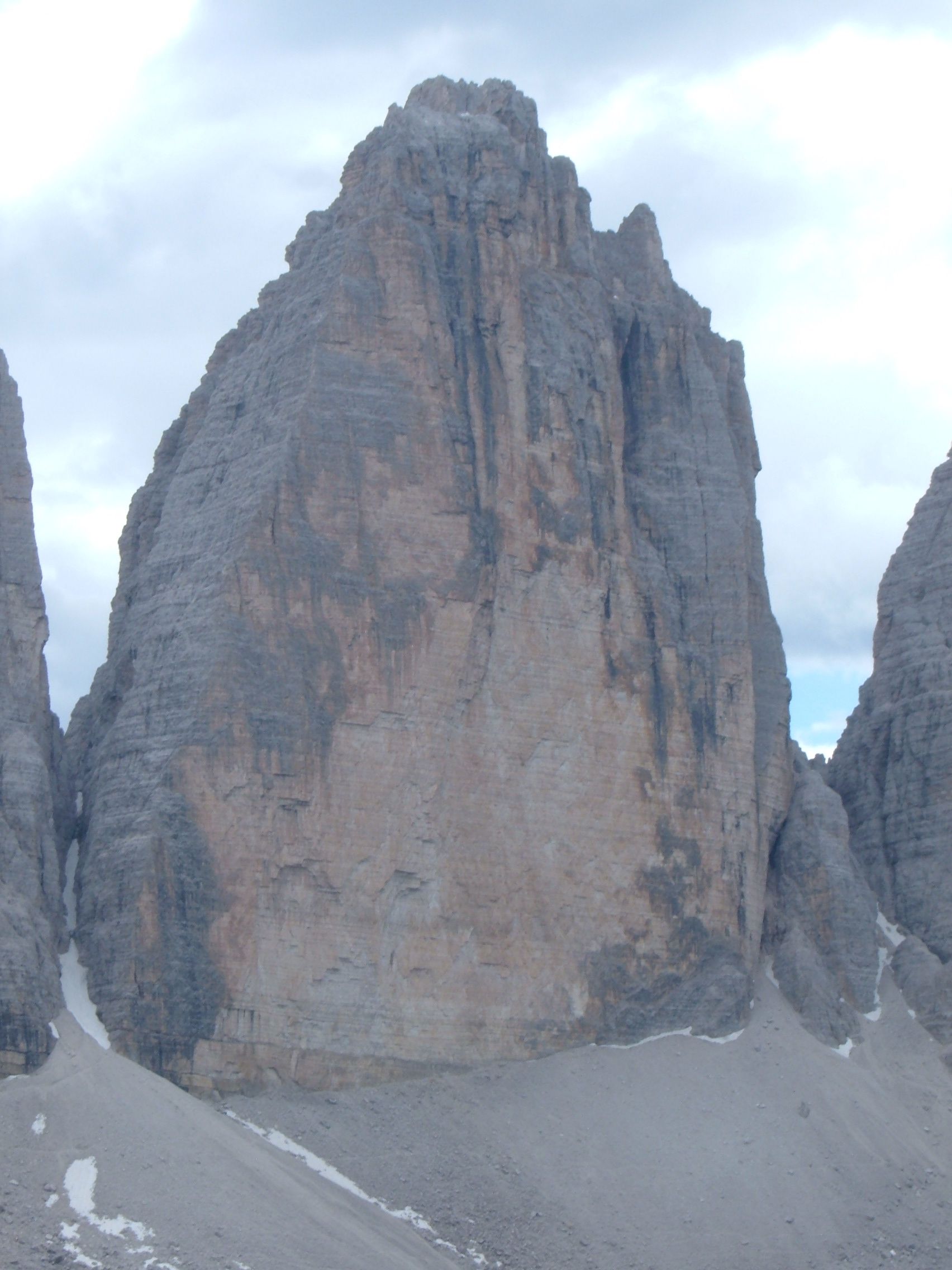
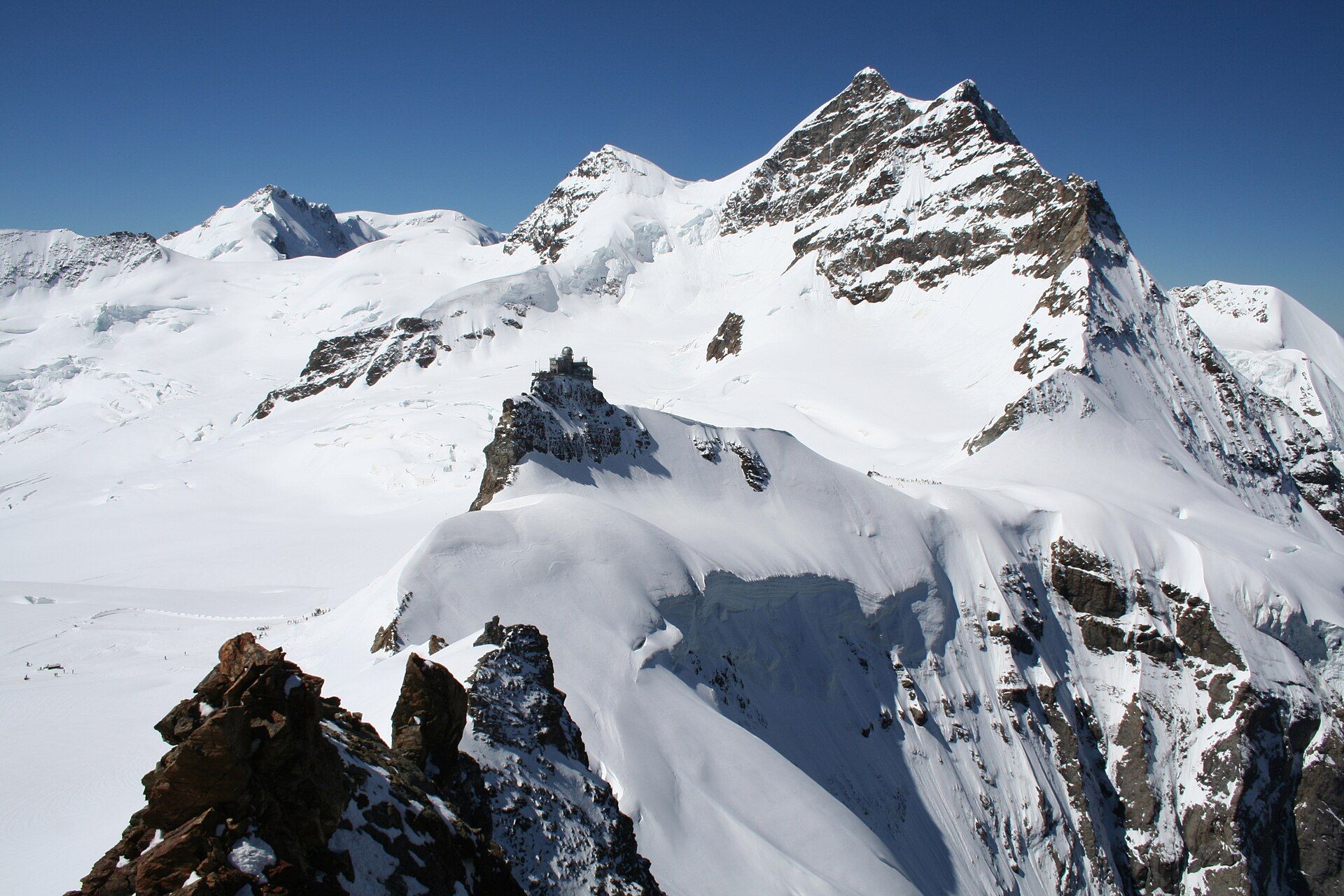
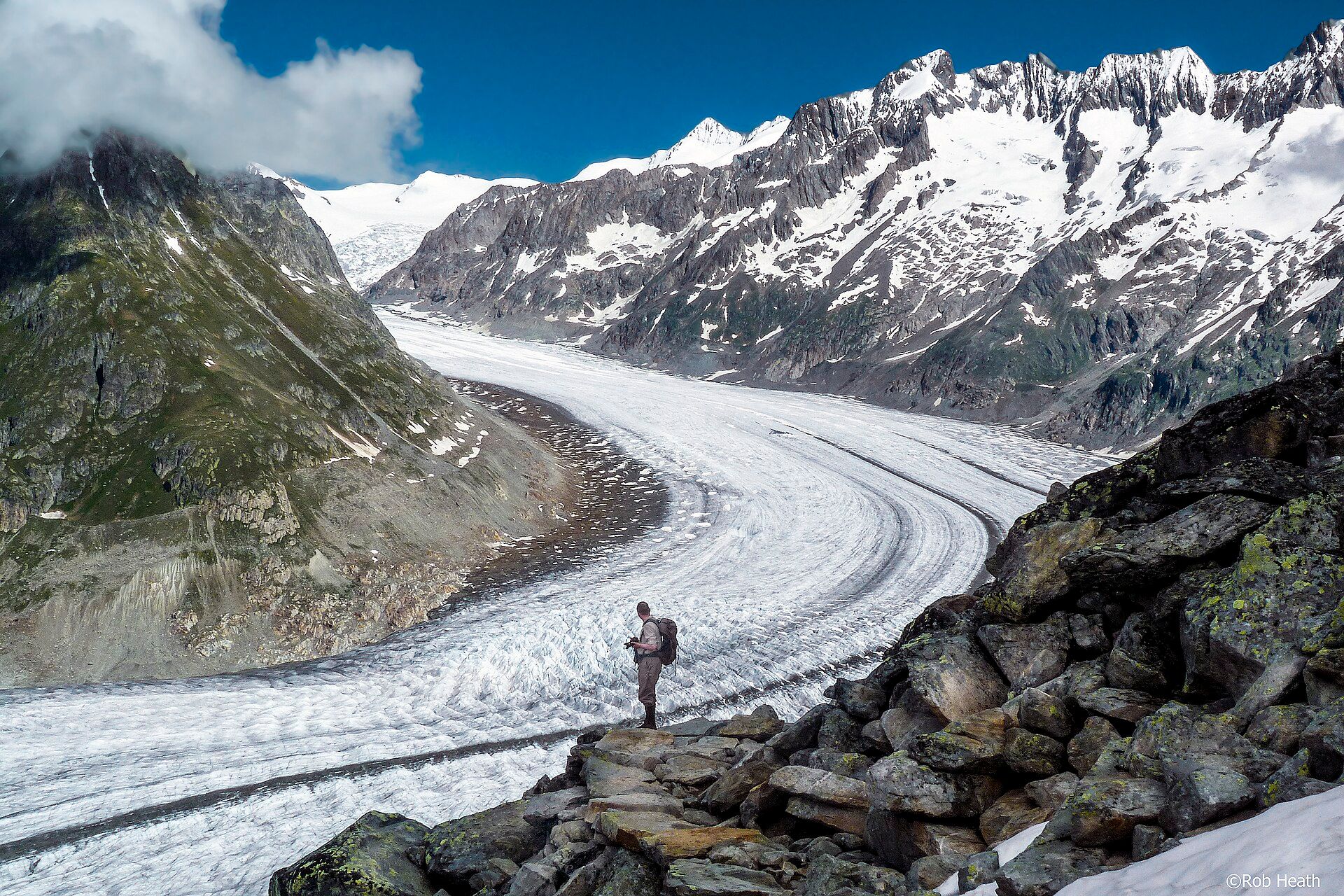
The Dolomites and the Jungfrau region are the two Alpine landscapes people most often weigh against each other. The Dolomites, in northern Italy, are pale limestone towers and walls, built from ancient reefs, with eighteen peaks over 3,000 m and a dense network of mountain huts. The Jungfrau region, in Switzerland's Bernese Oberland, is a wall of glaciated 4,000 m peaks — Eiger, Mönch and Jungfrau — with a cog railway tunnelled through the mountain to the Jungfraujoch at 3,454 m, above the Aletsch, the largest glacier in the Alps.
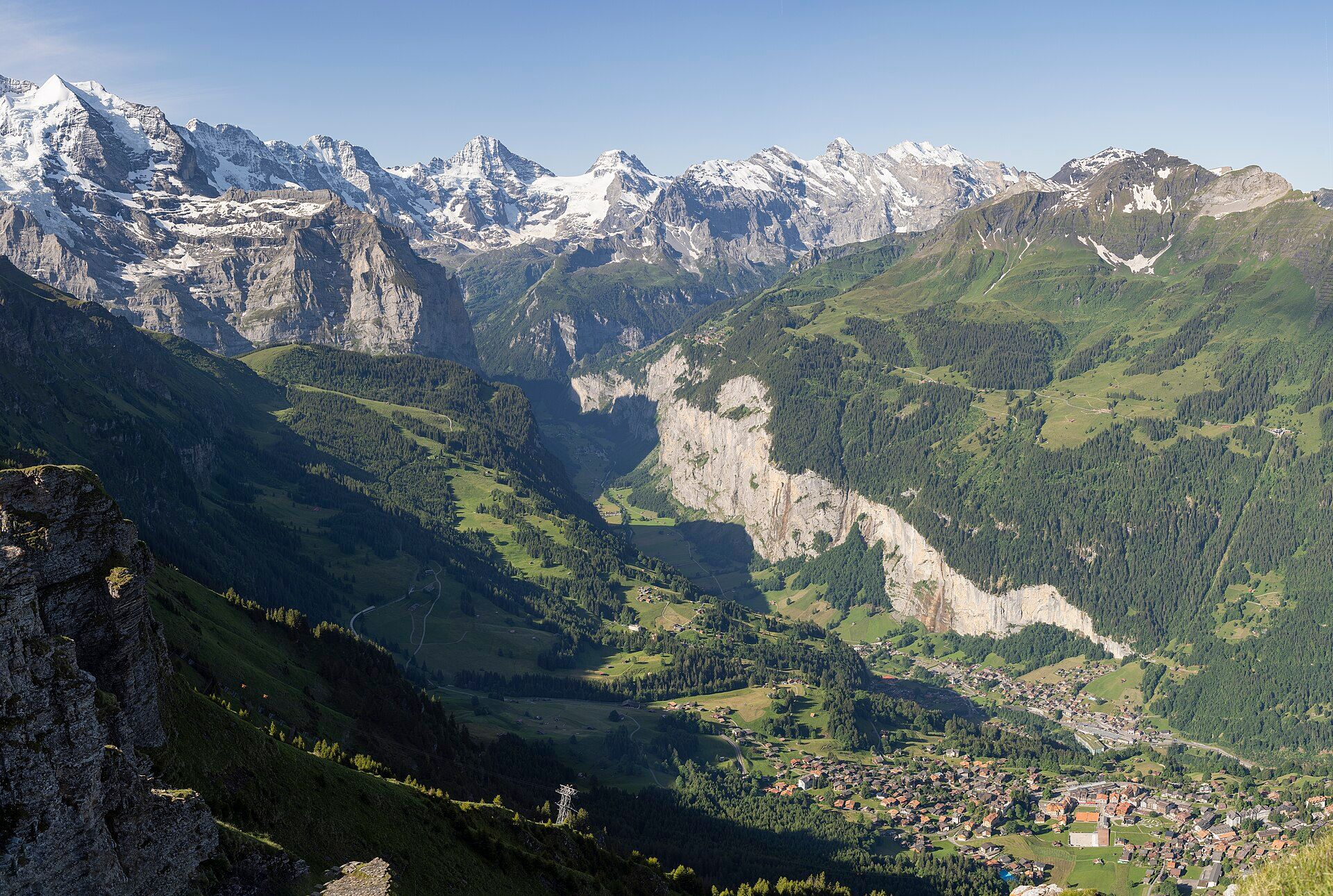
The difference is rock against ice, and trails against trains. The Dolomites are about hiking among spires. The Jungfrau is about getting into high, permanent snow without climbing, with valleys like Lauterbrunnen below.
The Dolomites
Pale spires, green meadows and hut-to-hut trails
A UNESCO World Heritage range of fossil-reef limestone that turns rose and gold at sunrise and sunset, the glow locals call enrosadira. Cortina d'Ampezzo is about 2–2.5 hours by road from Venice; Bolzano and Val Gardena are about 3 hours, then local buses and cable cars. Mountain huts (rifugi) serve meals and beds across the range and must be booked ahead in summer. Some high passes close in winter, and some lake approaches and scenic roads now use seasonal access or booking systems.
- Enrosadira: the pink glow on pale rock at dawn and dusk
- Hut-to-hut hiking with real meals in the rifugi
- Via ferrata, the cabled climbing routes pioneered here
- Mirror lakes like Braies and Sorapis
Jungfrau region (Swiss Alps)
A 4,000 m ice wall and a railway to the Top of Europe
The Jungfrau (4,158 m) is part of the Swiss Alps Jungfrau-Aletsch UNESCO World Heritage Site. From Interlaken, mountain railways climb via Grindelwald or Lauterbrunnen to Kleine Scheidegg, where the Jungfrau Railway runs through a tunnel to the Jungfraujoch at 3,454 m, the highest railway station in Europe: roughly 2–2.5 hours up. The railway runs year-round, but the top is often in cloud and below freezing even in summer, and the fare is substantial.
- High Alpine snow and ice with no climbing
- The Aletsch Glacier seen from the Sphinx terrace
- Lauterbrunnen's cliffs and waterfalls in the valley below
- Everything linked by train from Interlaken
Head to head
| What matters | The Dolomites | Jungfrau region (Swiss Alps) |
|---|---|---|
| Scenery Edge: Toss-up | Vertical pale limestone towers above green meadows and turquoise lakes. | Glaciated 4,000 m peaks, permanent snow and the Alps' largest glacier. |
| Getting there Edge: Jungfrau region (Swiss Alps) | Fly to Venice, Verona or Innsbruck; 2–3 hours by road to the valleys. | Train from Bern or Zurich to Interlaken, then mountain railways. |
| Getting around Edge: Jungfrau region (Swiss Alps) | Car or local buses between valleys, then cable cars in season. | Trains and cable cars throughout; no car needed. |
| Hiking Edge: The Dolomites | Huge trail network and hut-to-hut treks; much of it steep and on scree. | Valley and mid-mountain trails; the Jungfraujoch itself is a terrace, not a hike. |
| Reaching the high mountains Edge: Jungfrau region (Swiss Alps) | On foot, by cable car or by via ferrata (proper kit, and a guide if inexperienced). | By train to 3,454 m — thin air and cold, but easy underfoot. |
| Season Edge: Toss-up | June–September for hiking and open huts; December–March for skiing. Cable cars and huts run only in season. | The railway runs all year; June–September has the most reliable weather and open high trails. |
| Weather risk Edge: Toss-up | Afternoon thunderstorms are routine in summer — start early. | The Jungfraujoch is often in cloud; check the summit webcam before buying the trip. |
| Time needed Edge: Toss-up | 3–5 days minimum; a week to move between valleys. | A full day for the Jungfraujoch; longer to hike the region. |
Which should you choose?
Choose The Dolomites if…
…you want to hike for several days among dramatic rock, sleep in mountain huts, try a via ferrata, and photograph the dawn glow.
Choose Jungfrau region (Swiss Alps) if…
…you want to stand among glaciers and 4,000 m peaks without climbing, travel by train, and combine it with Lauterbrunnen's valley.
The honest verdict
Hikers and photographers: the Dolomites. The trail and hut network and the enrosadira light are what make the range special.
Rail travellers and anyone who wants high snow and ice the easy way: the Jungfrau region, ideally on a clear day you pick from the webcam.
In both, the weather decides the day — go early in the Dolomites to beat the storms, and be flexible about which day you go up to the Jungfraujoch.
Wonders mentioned here
Added