Rock · arches
Where Are the World's Most Beautiful Natural Arches? 10 Places to See Stone Arches
10 places · every one real, mapped, and worth the trip
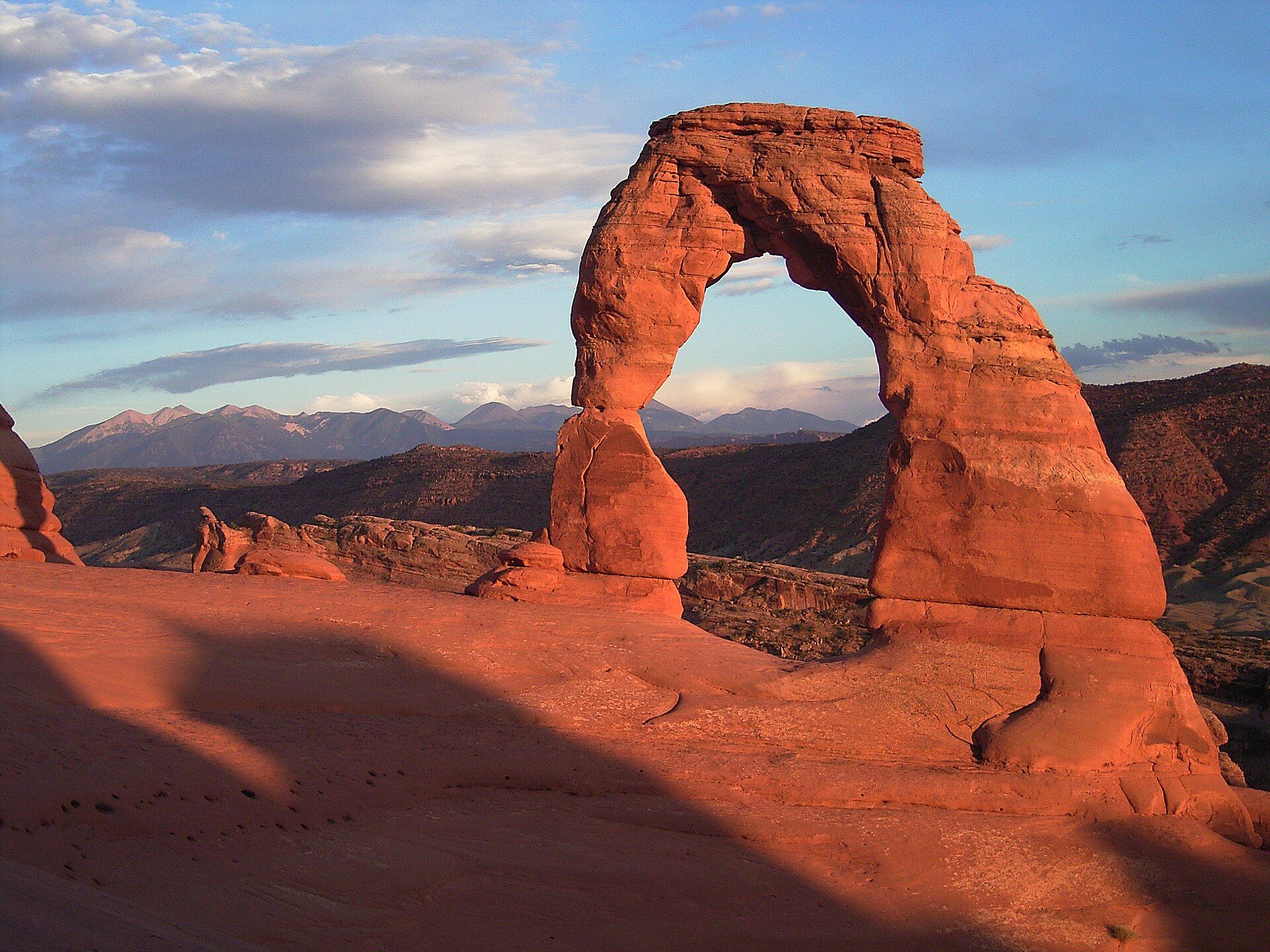
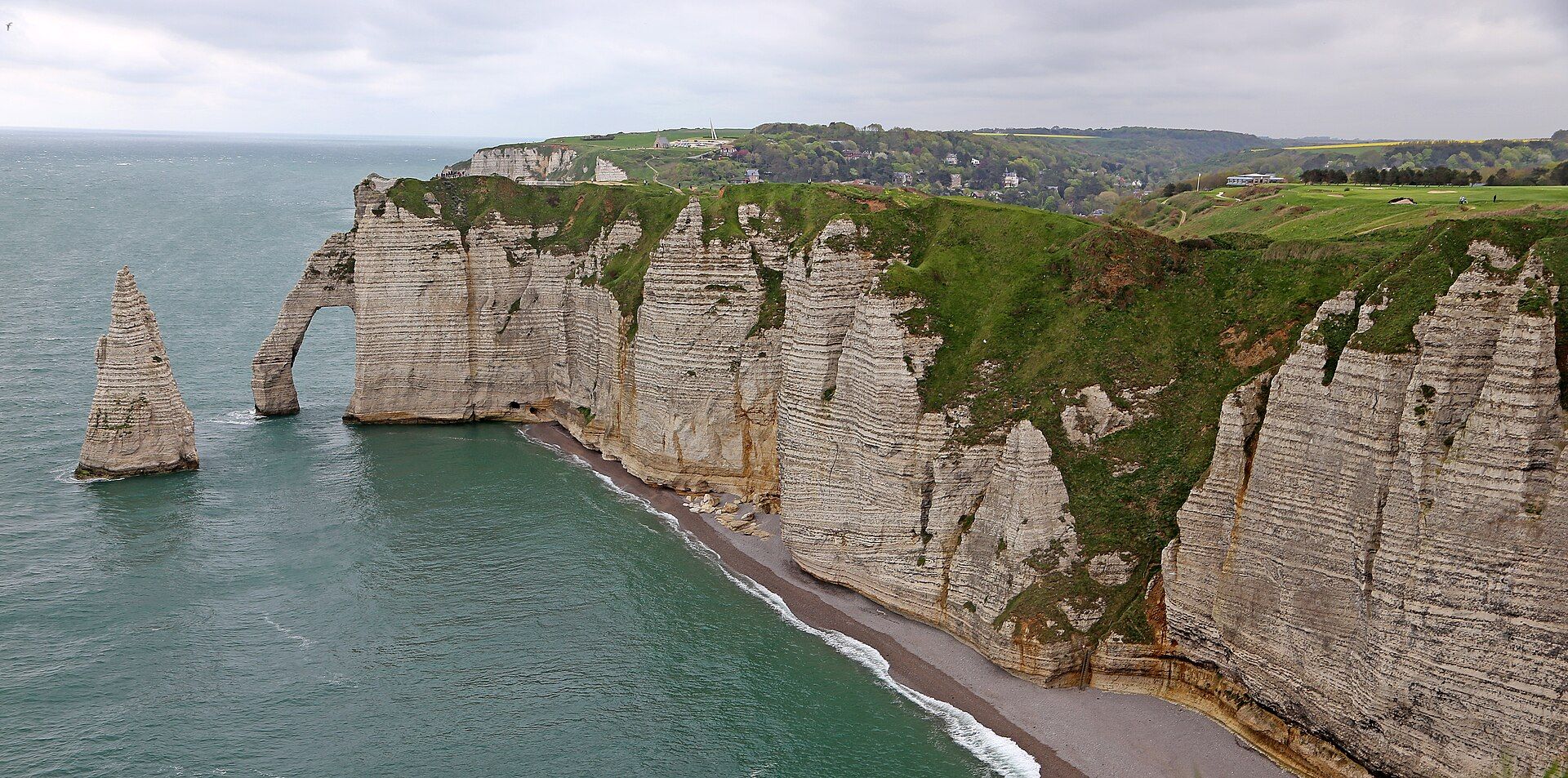
Short answer: Arches National Park in Utah, which protects more than 2,000 documented sandstone arches — the densest concentration on Earth — along a scenic road just north of Moab. For a sea arch, Étretat on the Normandy coast has three chalk arches and a needle of rock, the seascape Monet painted again and again. The tallest on this list is the Aloba Arch in Chad's Ennedi Massif, which soars well over 100 metres.
The list is unranked and runs from the easy to the remote: desert arches you can drive to, sea and tidal arches where the timing of the tide matters, river and cave 'natural bridges', and two Saharan plateaus that need an expedition and a careful look at the travel advice.
-
Arches National Park Over 2,000 arches
Utah, USA
More than 2,000 documented natural stone arches, plus fins, spires and balanced rocks, glowing red above the high desert of eastern Utah. A scenic park road leads to the trailheads for the major arches; timed-entry reservations may apply in the busy season. Spring and autumn (roughly April–May and September–October) — summer is punishingly hot.
-
Étretat Cliffs Chalk sea arches
Étretat, Seine-Maritime, Normandy, France
The Channel has carved chalk cliffs up to about 90 metres high into three great arches — the Porte d'Aval, the Porte d'Amont and the largest, the Manneporte — beside the lone Aiguille needle. Walk the clifftops from late spring to early autumn, and check the tide before walking the beach toward the arches: the rising sea cuts off the shore.
-
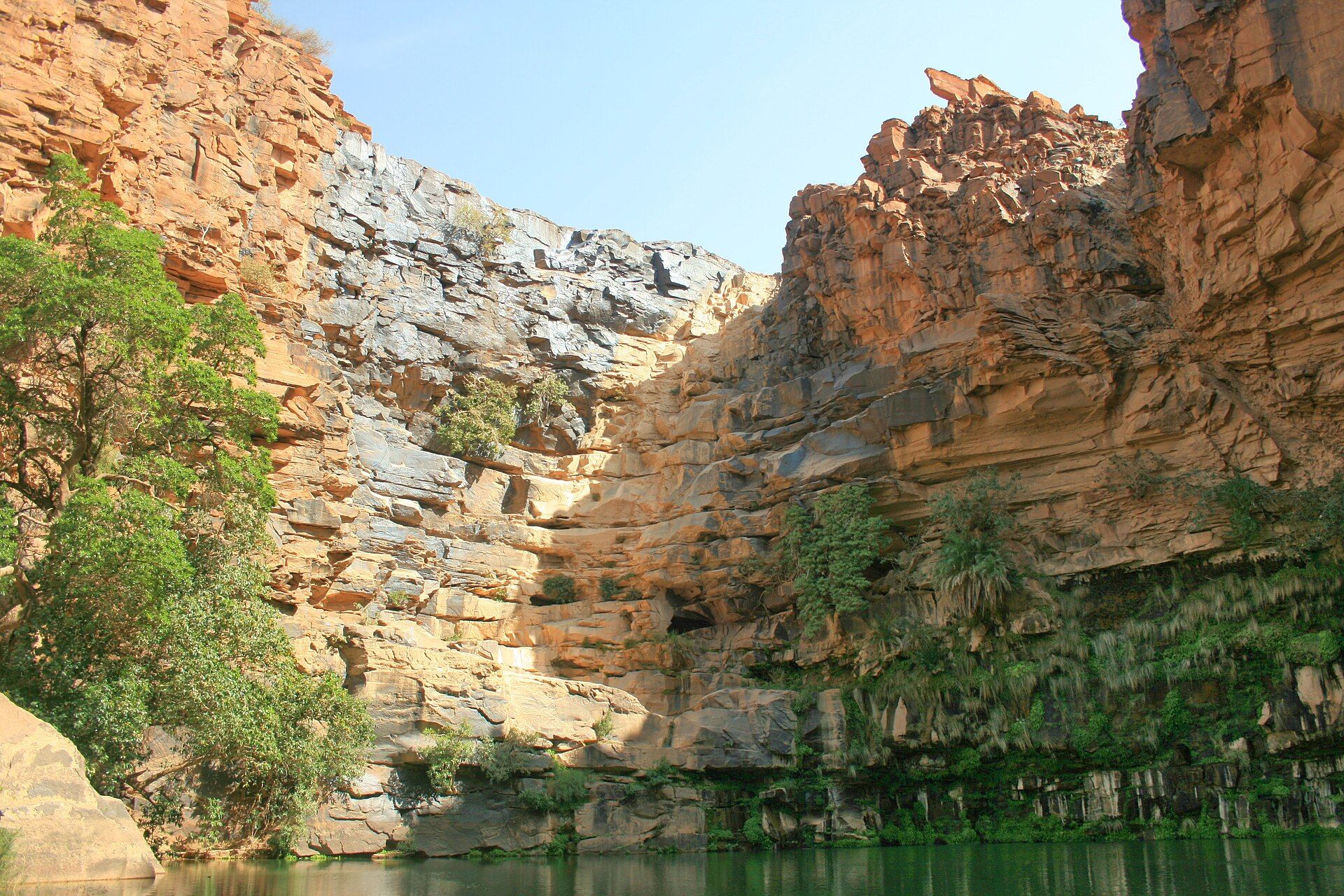
Ennedi Massif The Aloba Arch, 100 m+
Ennedi, northeastern Chad
A sandstone labyrinth in the Sahara of northeastern Chad, eroded into pillars, canyons and immense natural arches — among them the Aloba Arch, well over 100 metres high — with permanent pools where desert crocodiles survive. Reached only by long 4x4 expedition with permits and guides, in the cooler months (roughly November–February). Check security advisories carefully before planning.
-
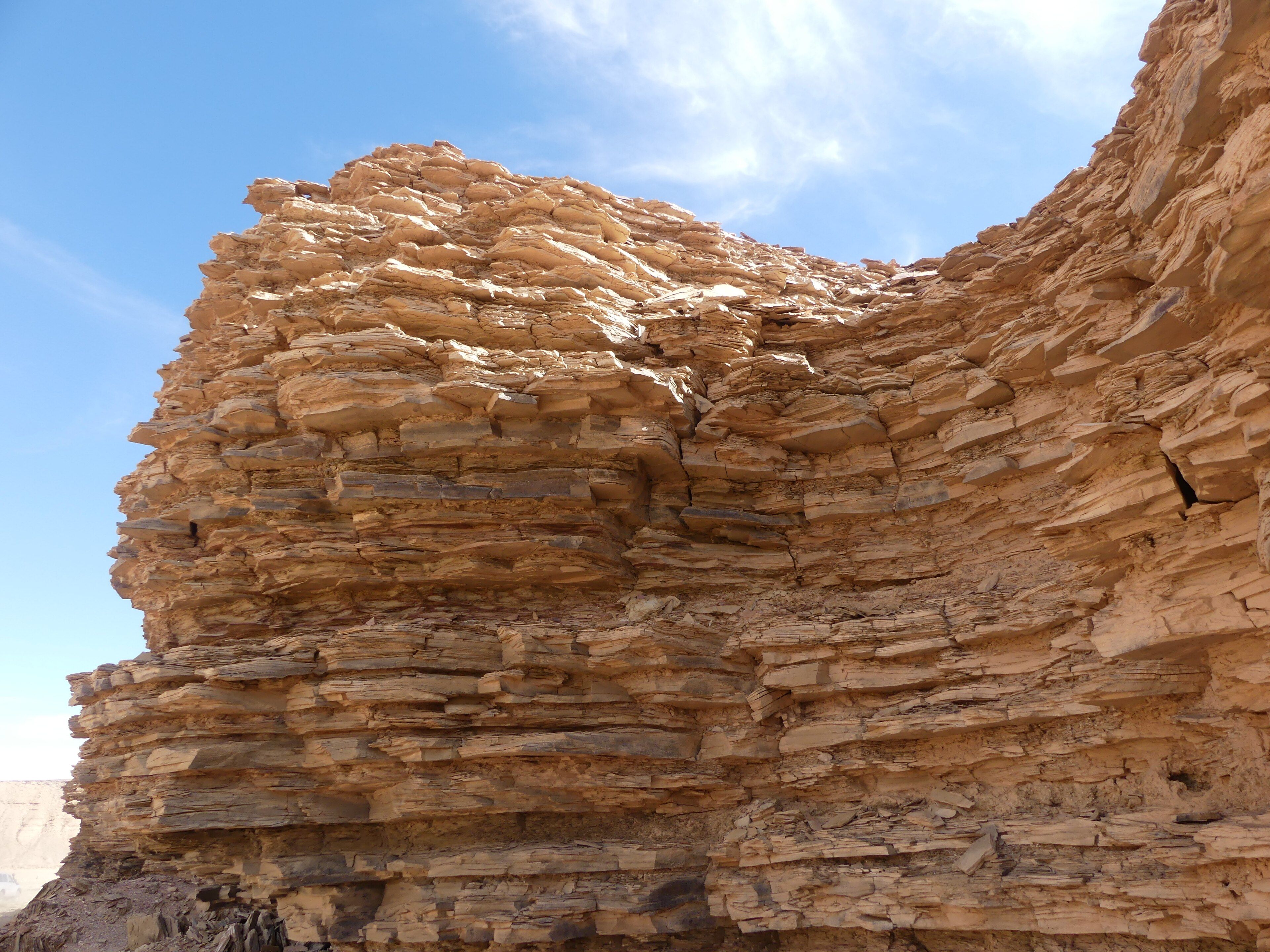
Tassili n'Ajjer Nearly 300 arches
Illizi and Djanet, southeastern Algeria, at the Libyan and Nigerien borders
A sandstone plateau the size of Ireland, with nearly 300 natural arches cut through its southeastern sector among forests of rock towers. Travel is by 4x4 convoy and on foot with Tuareg guides, organised through agencies from Djanet, October to March only. The region is subject to travel advisories and Algerian rules on foreign travel in the deep south — check both first.
-
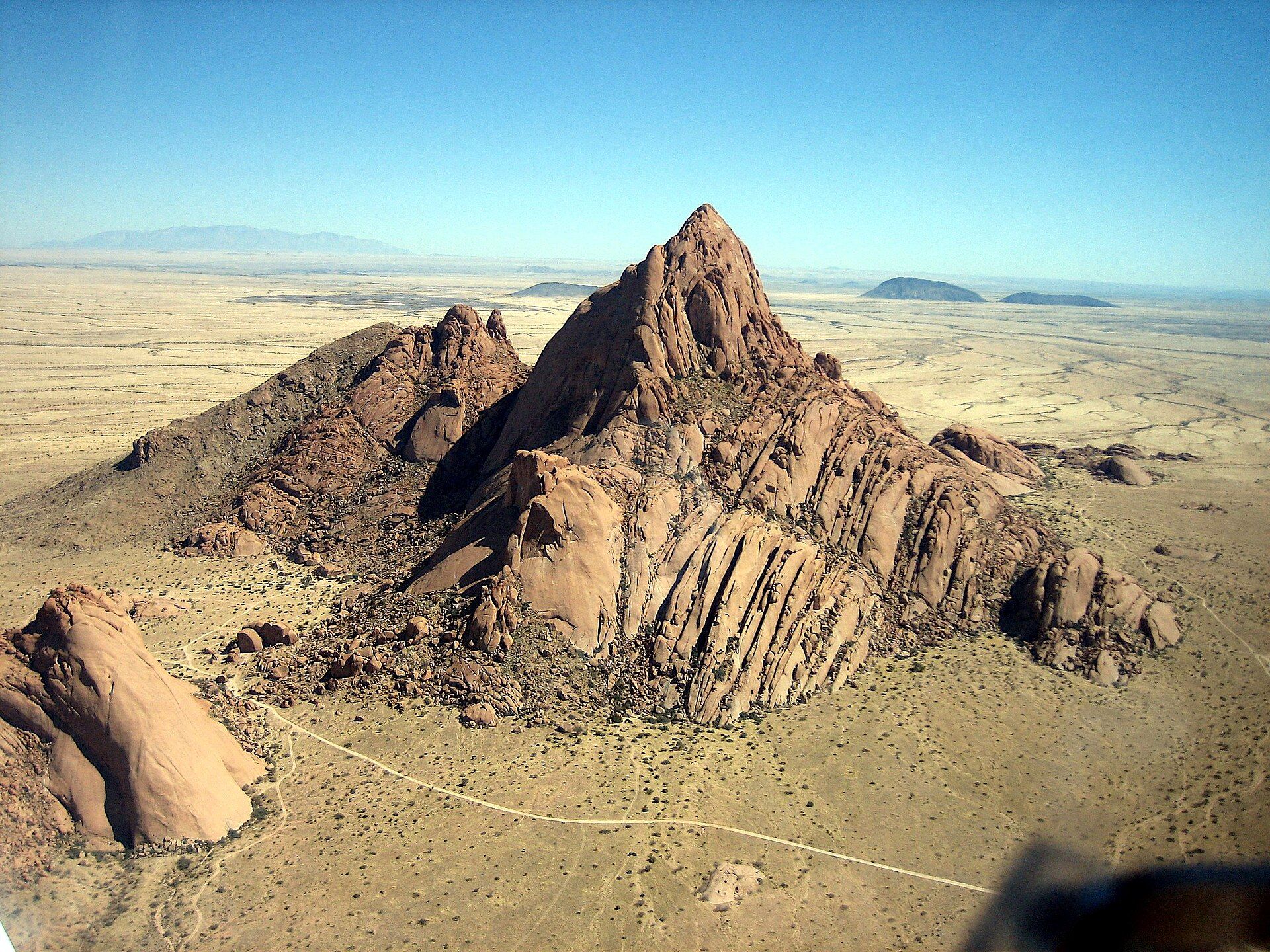
Spitzkoppe Granite arch under dark skies
Erongo Region, Western Namibia
Bald granite peaks rising from the flat Namib plains, sculpted into arches and boulders, with a famous rock arch and some of the darkest night skies on Earth. A community-run conservancy with simple campsites among the rocks; hire a local guide for the best arch viewpoints and the rock art. May to September for cool days and clear nights.
-
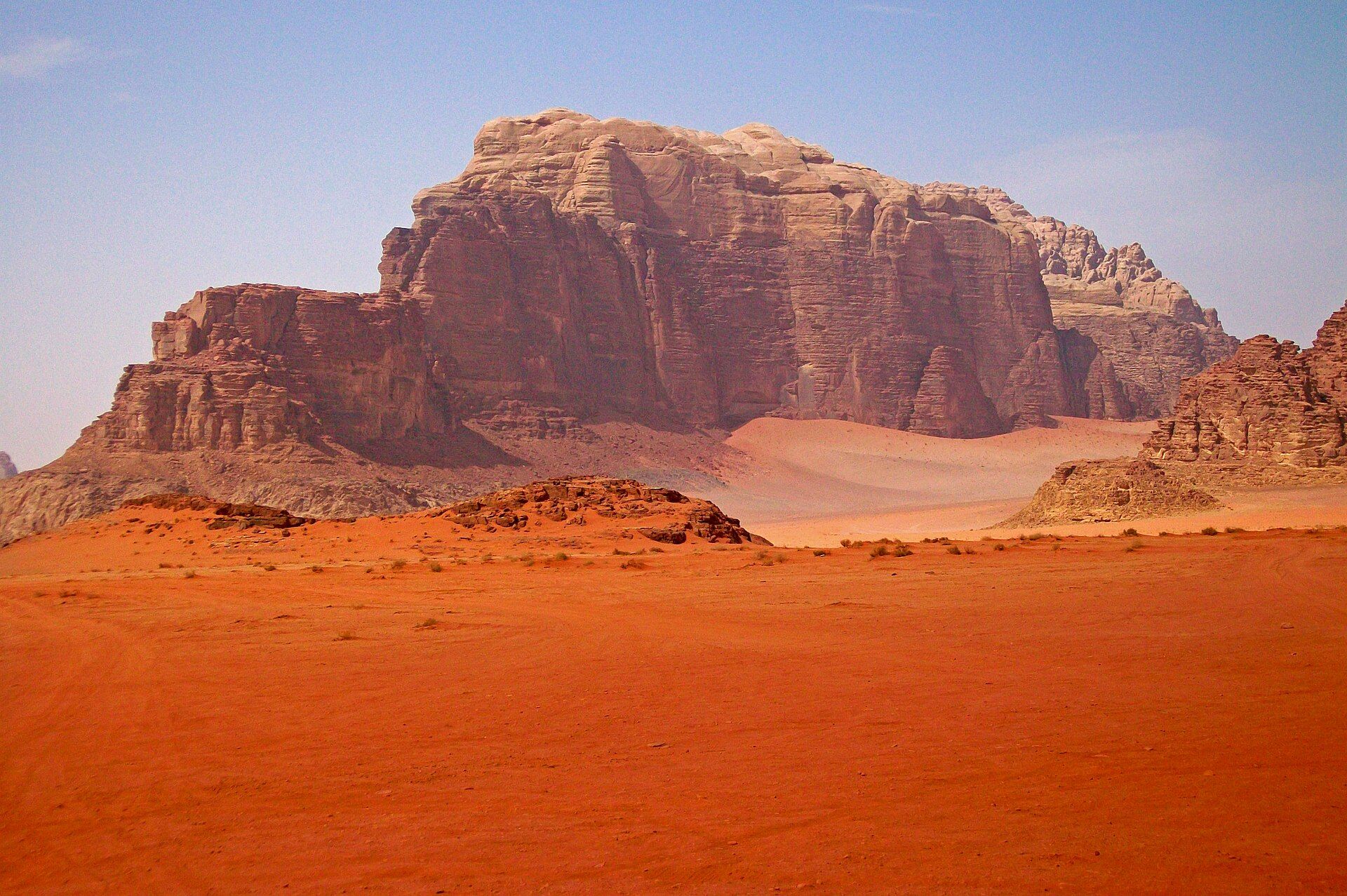
Wadi Rum Desert arches by 4x4 or camel
Southern Jordan
Sandstone and granite massifs rising from red sand, carved into natural arches, narrow siqs and cliffs bearing rock art and inscriptions. Bedouin-run 4x4, camel and camping tours start about an hour from Aqaba; go with local Bedouin guides. Spring (March–May) and autumn (October–November) are most comfortable.
-
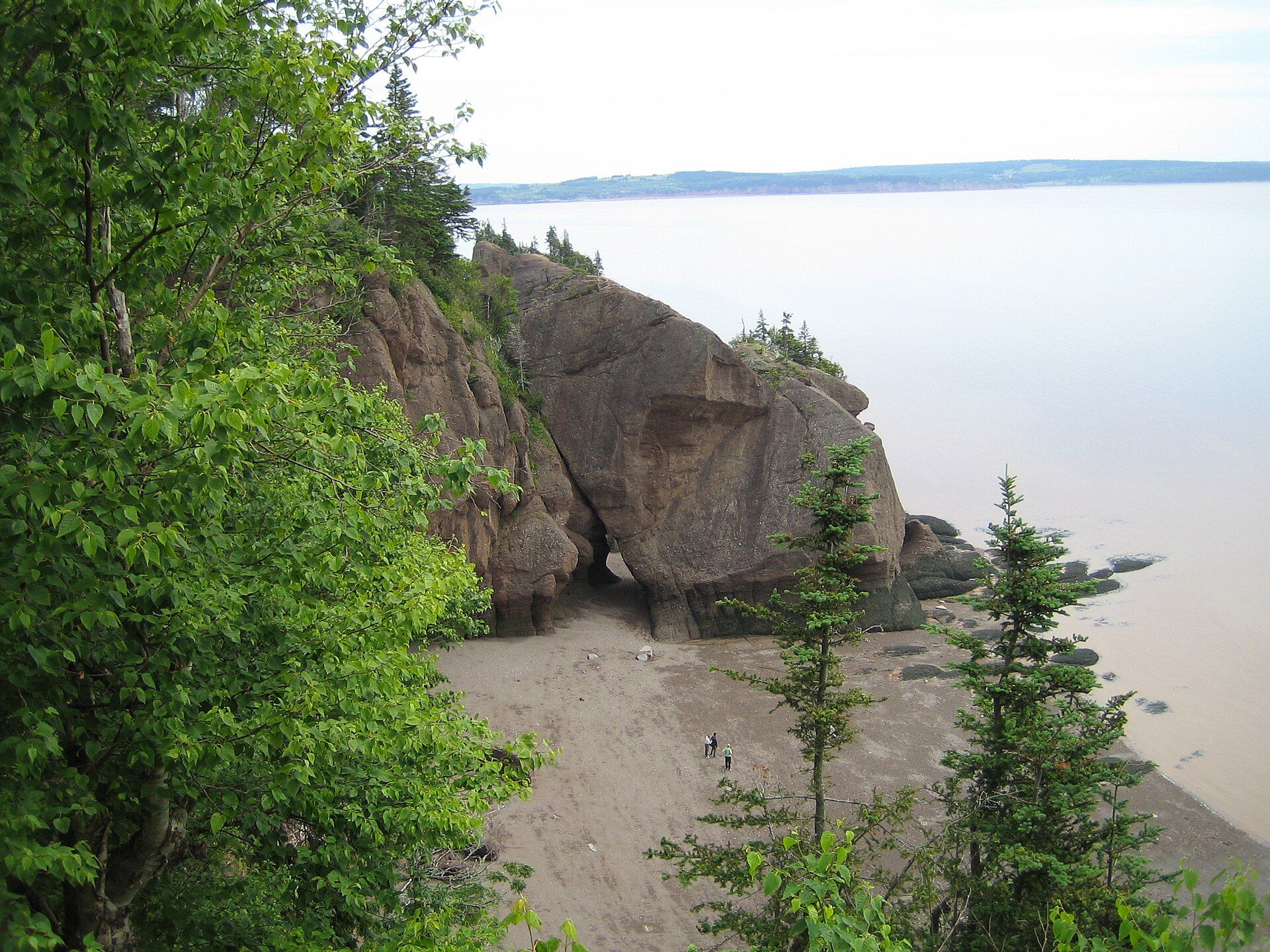
Bay of Fundy The arch the tide swallows
New Brunswick & Nova Scotia, Canada
The highest tides on Earth — up to 16 metres — lay bare a seabed you can walk across beneath flowerpot rocks and a rock arch at Hopewell, then drown the same spot hours later. Ocean-floor walking is allowed only in a window either side of low water; plan around the tide tables. June to September for warm weather.
-
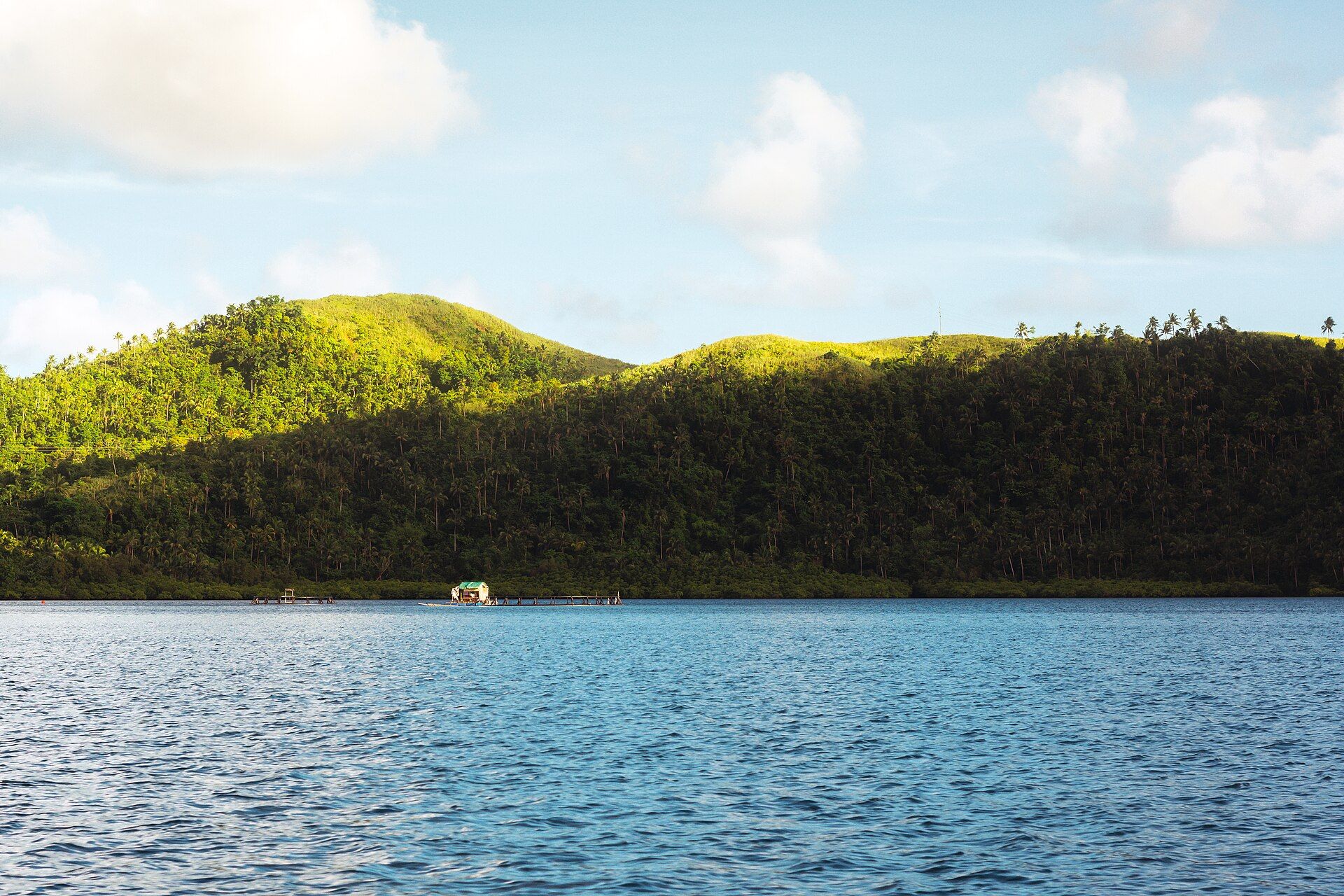
Sohoton Cove & Jellyfish Sanctuary Boat through a low-tide arch
Bucas Grande, Surigao del Norte, Mindanao, Philippines
The entrance to Sohoton's inner lagoon in the Philippines is a low rock arch that boats can pass under only at low tide — outside that window the cove is simply closed. Best in the calmer, drier stretches, roughly March to October on this eastern coast.
-
Semuc Champey A natural limestone bridge
Alta Verapaz, central Guatemala
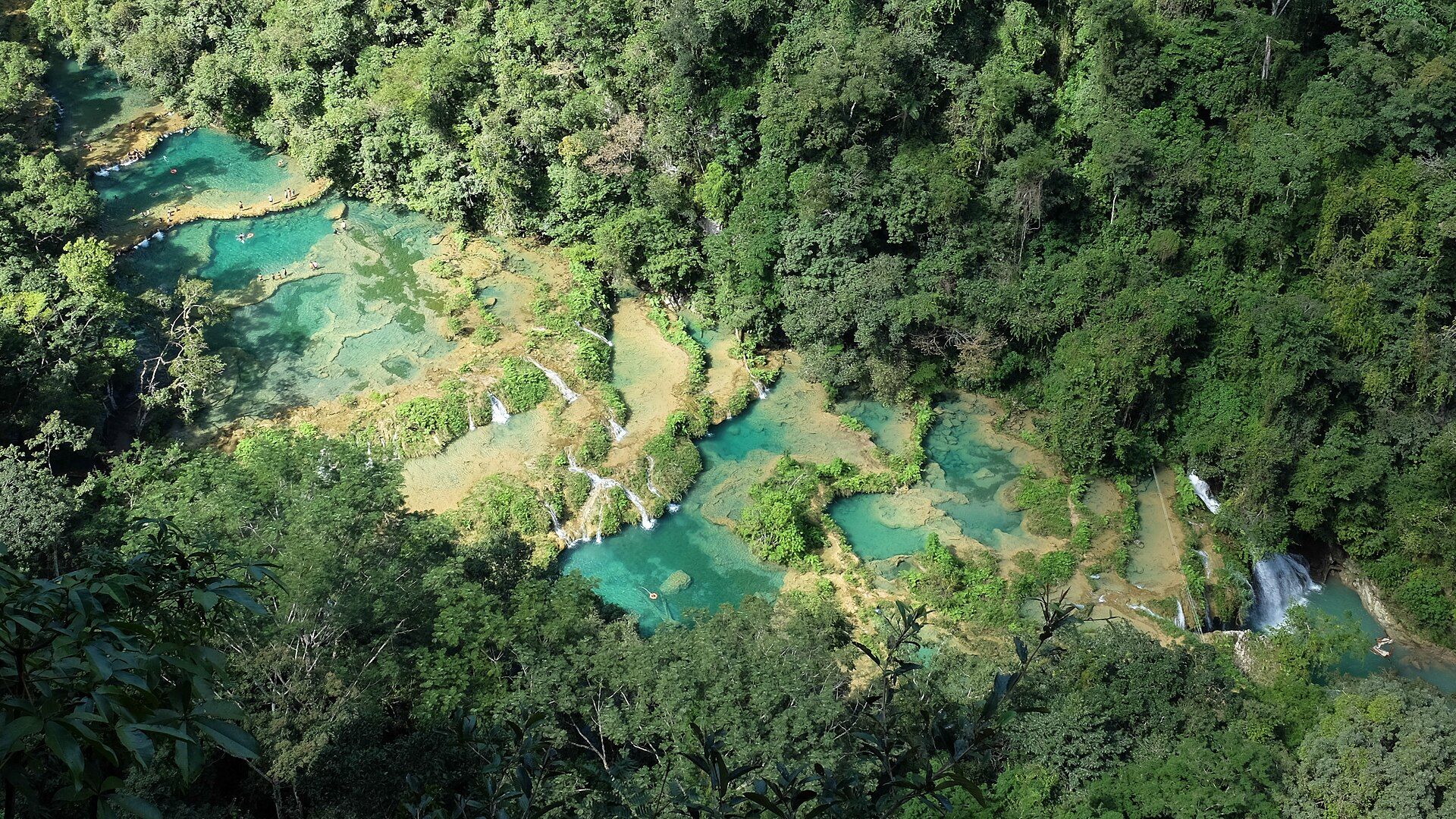
The Cahabón River vanishes under a natural limestone bridge, and on its roof a staircase of turquoise pools is calm and warm enough to swim — directly over the roaring river below. A ticketed natural monument near Lanquín, at the end of a long, rough road; November to April for the calmest water.
-
Škocjan Caves Natural bridge between sinkholes
Škocjan, near Divača, Karst region, south-western Slovenia
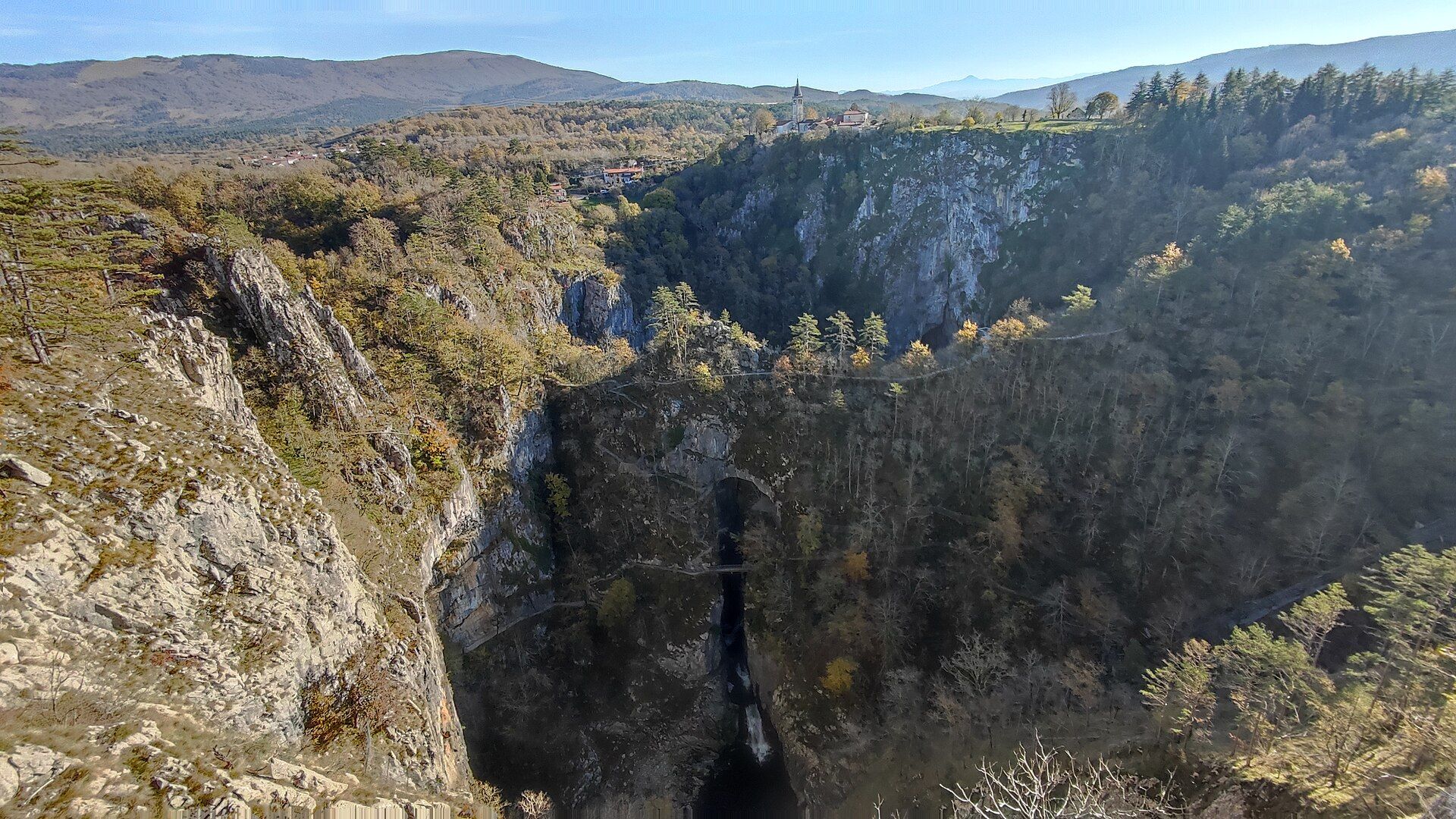
Beside Velika dolina lies Mala dolina, 120 metres deep, and a natural bridge separates the two collapse sinkholes above the Reka River's underground canyon. Open all year with guided tours; the full route runs from May to September.
Arches are erosion caught mid-way: water, frost or wind wears through a fin or a cliff and leaves the span, which in time falls. Treat them that way — stay off the spans and away from their bases where rock falls, and in the Sahara go only with the guides and permits the authorities require. For more sculpted stone, see the most beautiful rock formations.
Added