Superlative · sand dunes
The Most Beautiful Sand Dunes in the World — From 300-Metre Desert Giants to Dunes on the Beach
12 places · every one real, mapped, and worth the trip
Dunes come in two kinds of place. The great desert sand seas — the Namib, the Empty Quarter, the Sahara, the Wahiba, the Gobi — pile sand into ridges a hundred to three hundred metres high, and are visited only in their cool season. Coastal dunes are smaller but surprising: Europe's highest dune rises straight off an Atlantic beach, and on the Baltic whole dunes travel inland several metres a year.
This is our editors' pick of twelve dune landscapes in the atlas, unranked and grouped by type, with the height where the wonder's own page gives one. For deserts as a whole — rock, salt and ice as well as sand — see the desert lists.
-
Sossusvlei & Deadvlei Big Daddy, over 300 m
Namib-Naukluft National Park, Namibia
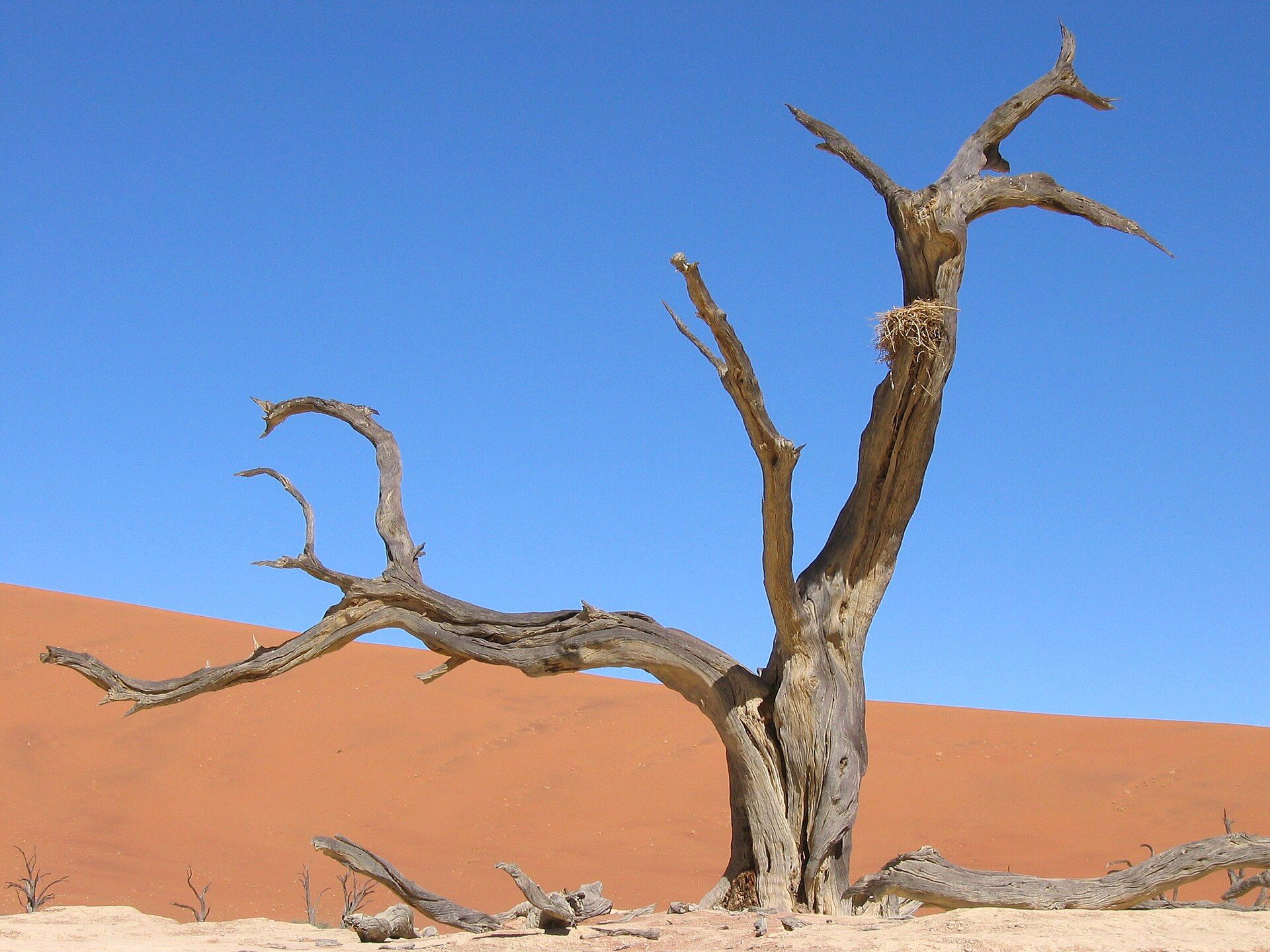
Red dunes in the Namib that rise to some of the greatest heights anywhere — 'Big Daddy' tops 300 metres — around the white clay pan of Deadvlei. Climb at sunrise, when the low light splits each dune along a knife-edge crest. Best in the cooler months, roughly April–October. Park entry at Sesriem; the gate opens earlier for guests staying inside, which decides whether you reach Deadvlei in the good light. No guide required.
-
Rub' al Khali Dunes up to 250 m
Southern Arabian Peninsula
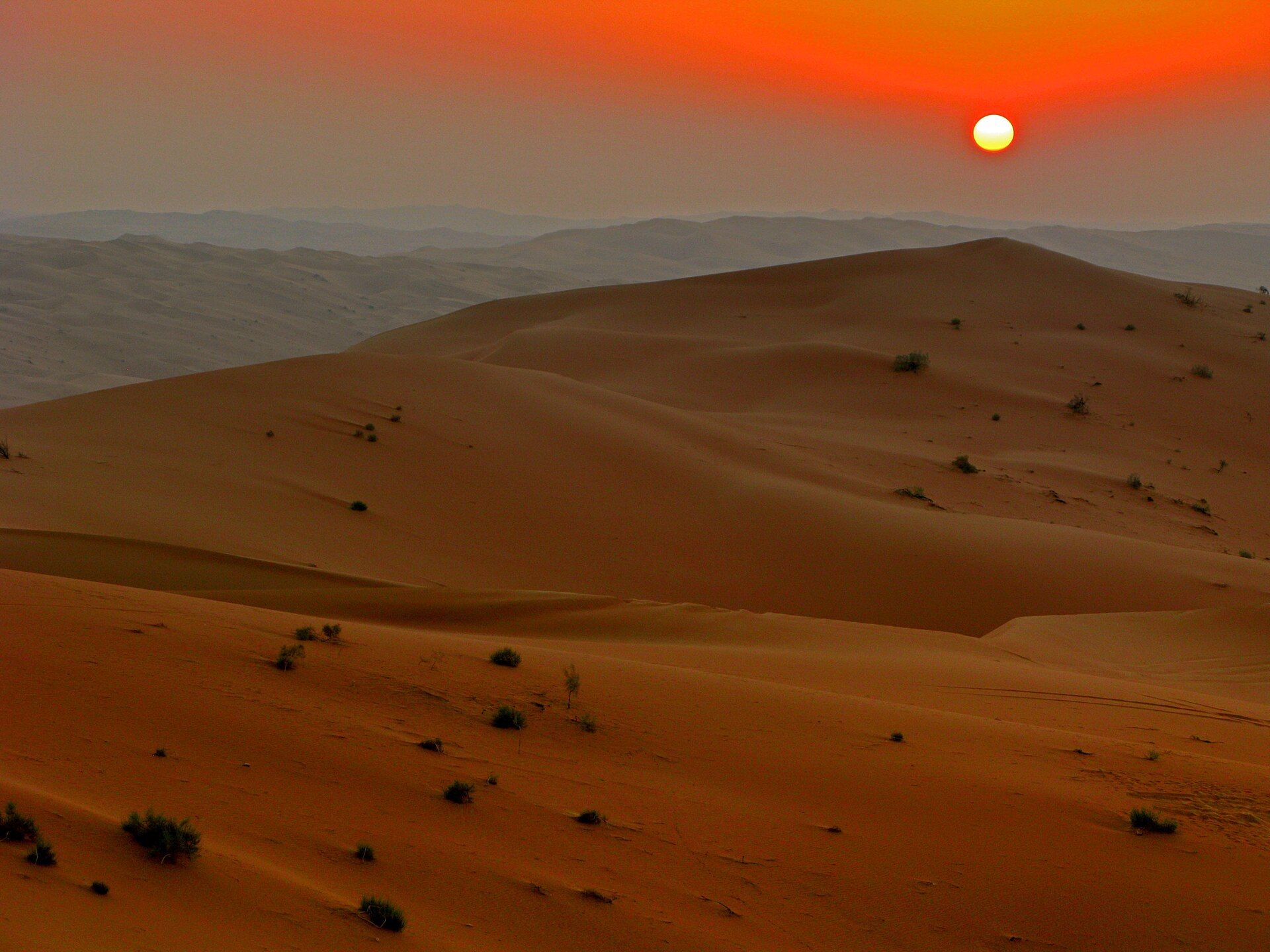
The Empty Quarter: roughly 650,000 square kilometres of dunes across southern Arabia, some rising 250 metres in long parallel ridges from pale gold to apricot-red. November–March is the only comfortable and safe window. On the Omani side, from Muscat or Salalah; never travel in a single vehicle, and routes near the Saudi or Yemeni borders need authorisation and local guides.
-
The Sahara (Erg Chebbi) Erg Chebbi, up to 150 m
Merzouga / Erg Chebbi, southeastern Morocco
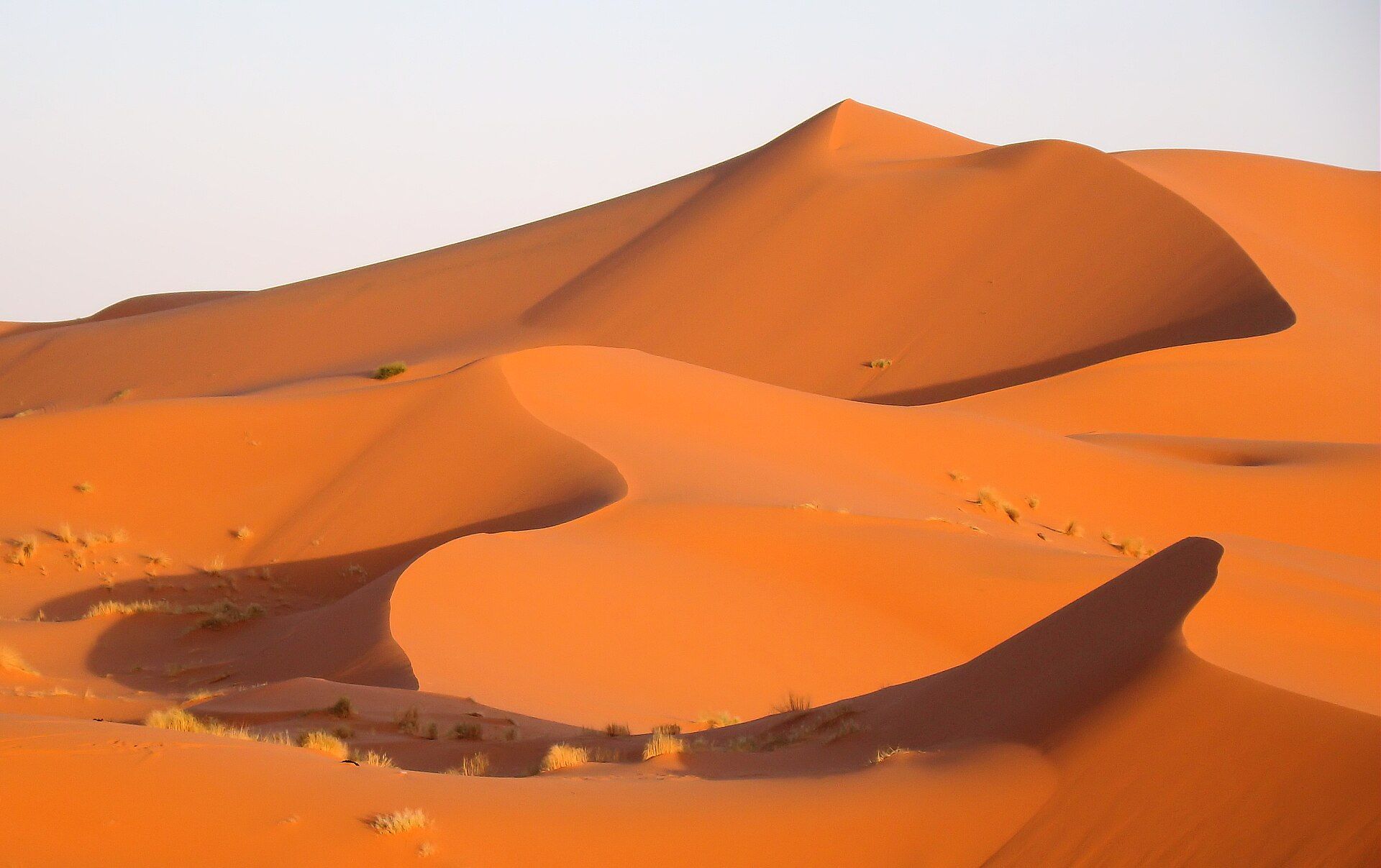
Morocco's Erg Chebbi is the Sahara at its most postcard-perfect — a sand sea where the wind has heaped dunes as high as 150 metres with knife-sharp crests. October to April; summer is dangerously hot. Camps and excursions from Merzouga or M'Hamid, reached from Marrakech or Fez; no permit is needed for the standard Erg Chebbi and Erg Chigaga circuits.
-
The Wahiba Sands Oman's sand sea, about 100 m
Ash Sharqiyah, eastern Oman
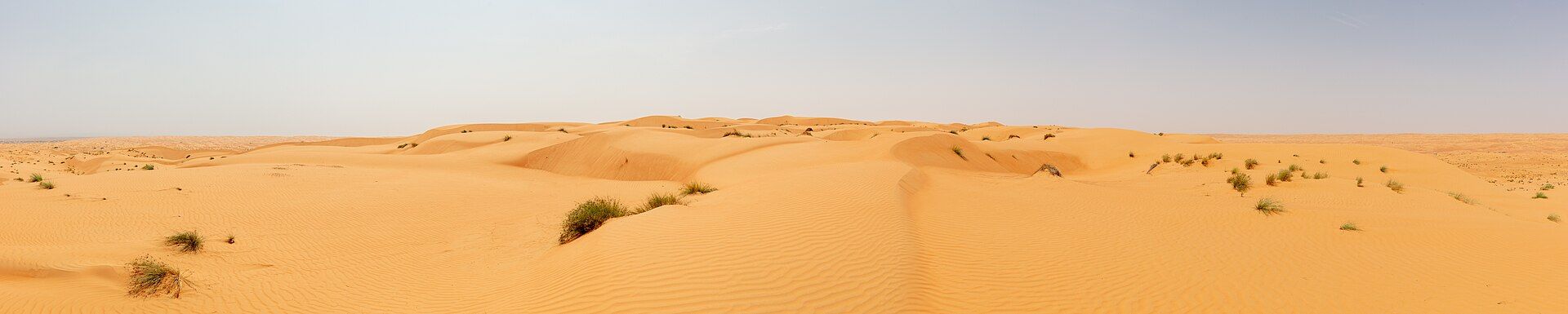
A sand sea in eastern Oman about 180 km long and 80 km across, with parallel ridges rising to about 100 metres in gold, amber and deep red. Roughly October to April. Driving into the dunes needs a 4x4, lowered tyres and desert experience — most visitors go with a camp or guide from Muscat.
-
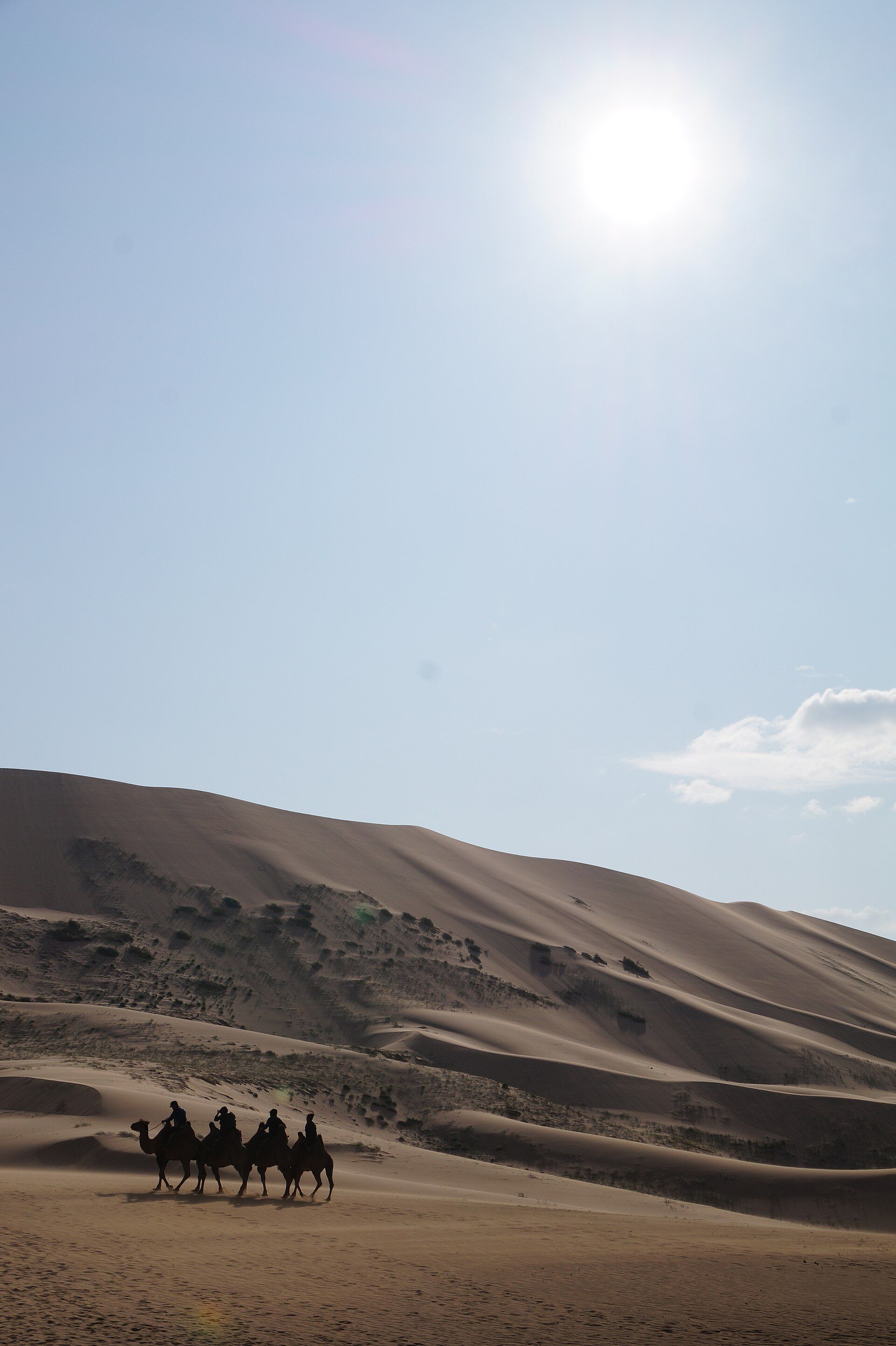
The Gobi Desert Khongoryn Els, the singing dunes
Southern Mongolia (and northern China)
The wind-sung Khongor dunes rise hundreds of metres in Mongolia's Gobi, among dinosaur beds and the Yolyn Am ice canyon. Roughly May–September; winters are extremely cold. Done as an organised 4x4 trip from Dalanzadgad, sleeping in ger camps — the distances are enormous and there are no roads.
-
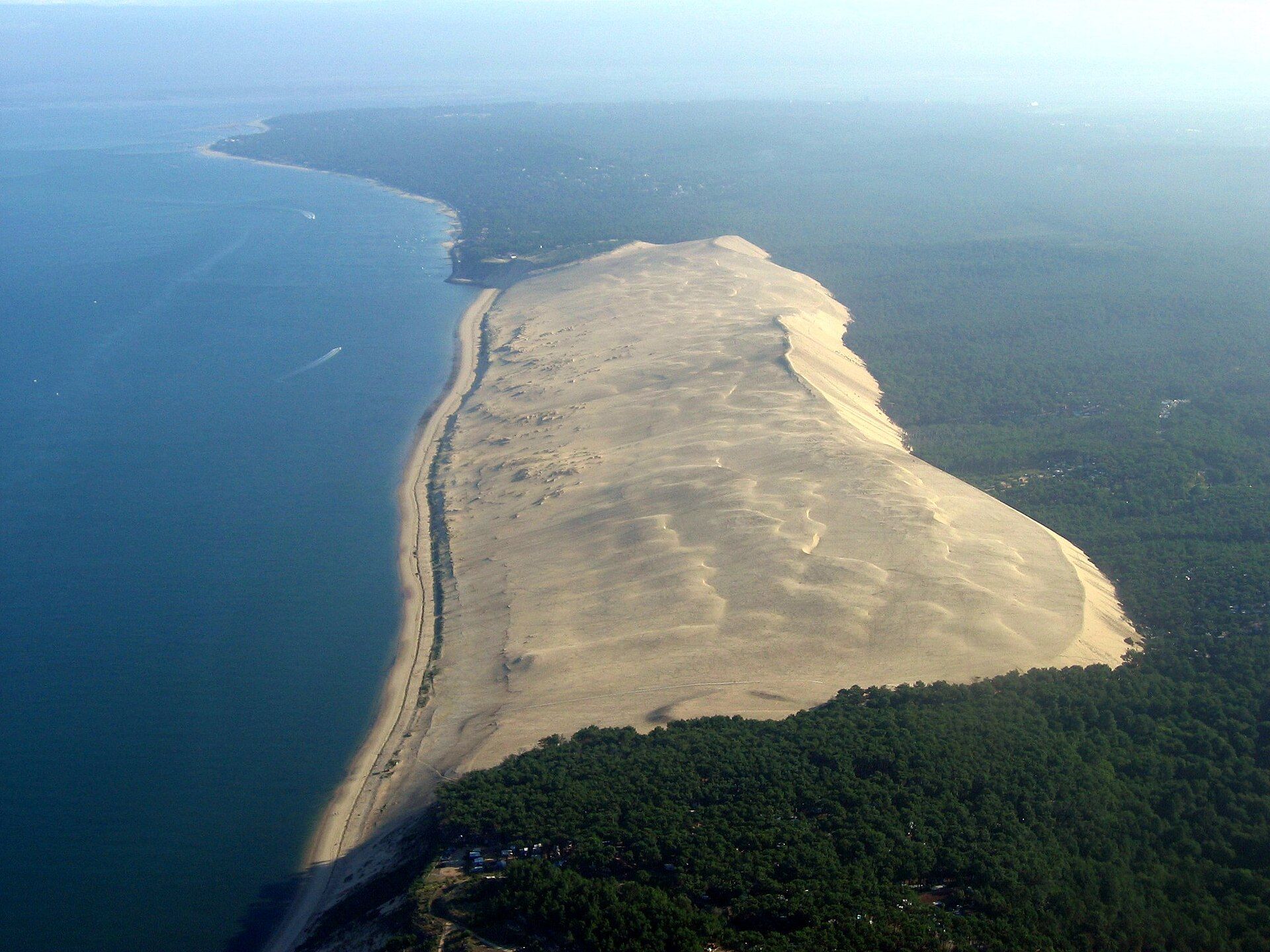
Dune du Pilat Europe's highest dune, 100+ m
Arcachon Bay, Gironde, southwestern France
A mountain of sand rising more than 100 metres straight off the Atlantic at the mouth of Arcachon Bay, nearly three kilometres long. Open access, with small fees for parking and the seasonal staircase; the climb is a strenuous slog in soft sand. May–September for beach weather — very busy in summer, so go early or in the evening. From Bordeaux.
-
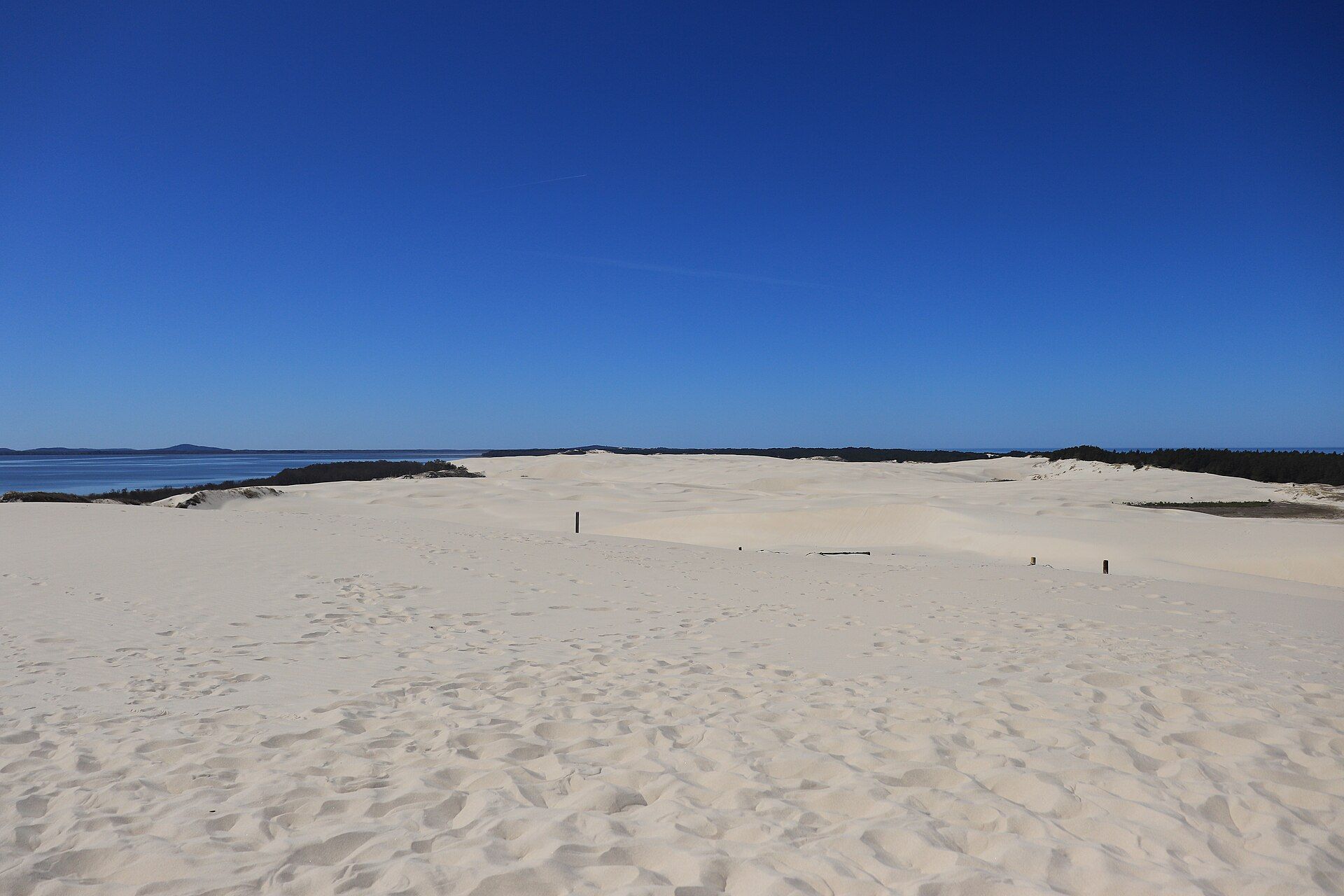
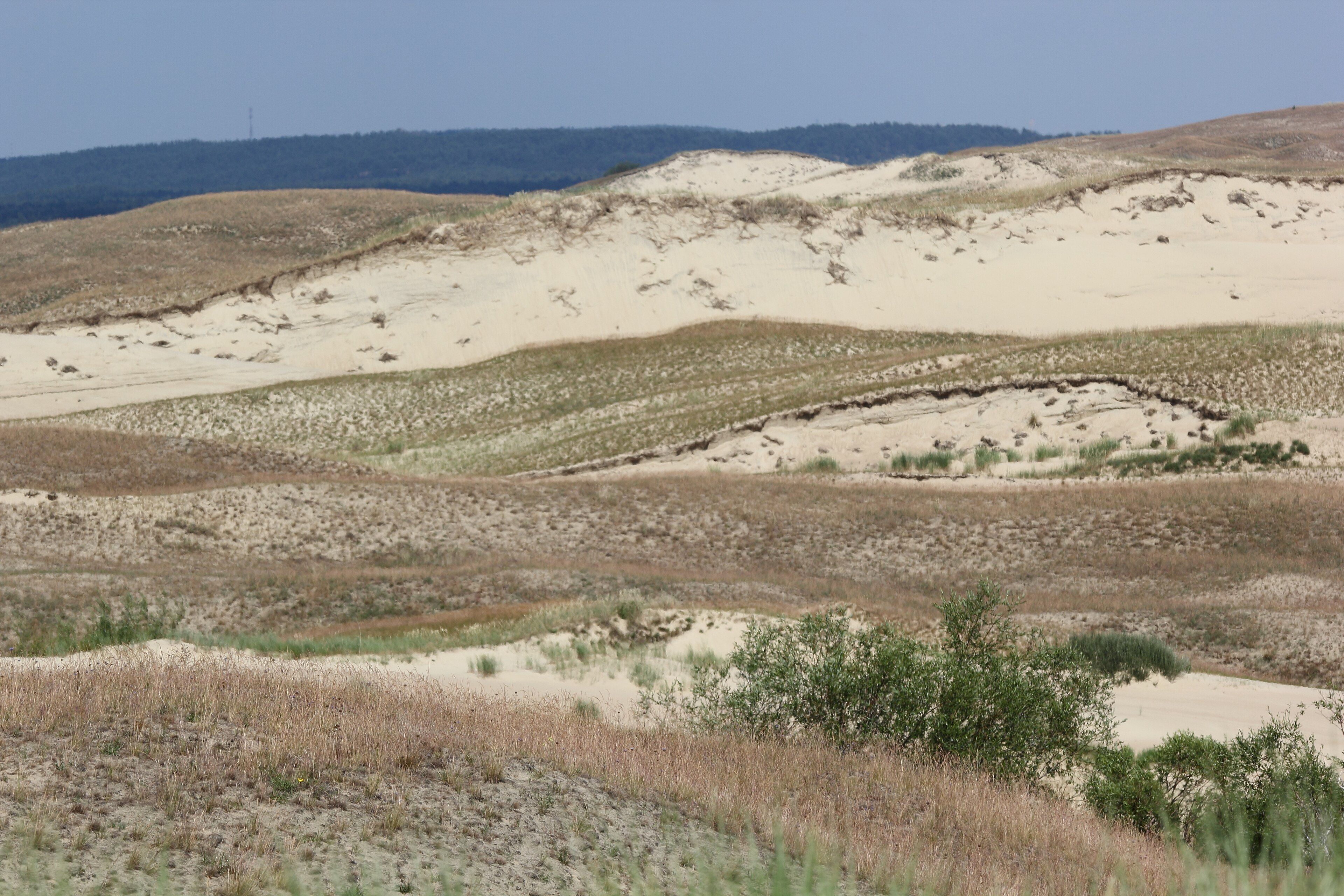
Słowiński Sand Dunes Dunes that walk, over 40 m
Słowiński National Park, Pomerania, Poland
Baltic dunes that travel inland several metres a year, swallowing forest and later releasing bleached tree skeletons; the Łącka dune rises over 40 metres. Late spring to early autumn; the park is open year-round. From Łeba, a path, electric cart or bike leads several kilometres from the Rąbka entrance to the foot of the dunes.
-
The Curonian Spit A 98 km ribbon of dune
Klaipėda County, western Lithuania, extending into Kaliningrad Oblast
A sand bar 98 km long and as little as 400 metres wide between the Curonian Lagoon and the Baltic, kept in place only by two centuries of replanting. Walking off the marked paths and boardwalks is prohibited. May–September, with the best light and fewer people in late spring and early autumn. From Klaipėda; the Russian half of the spit has its own entry requirements.
-
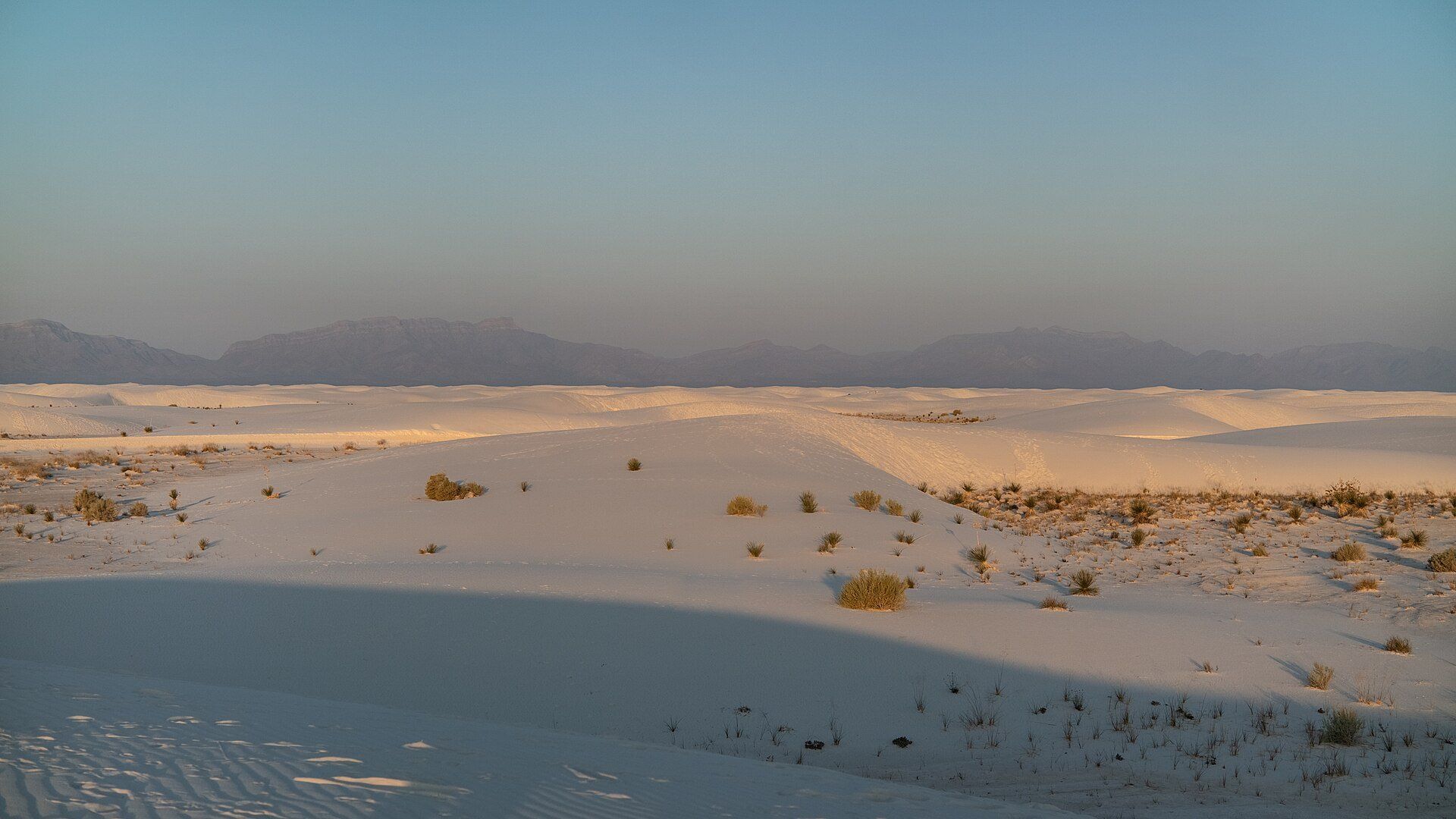
White Sands The largest gypsum dunefield
Tularosa Basin, near Alamogordo, New Mexico, USA
About 710 km² of brilliant white gypsum dunes up to 18 metres high in New Mexico's Tularosa Basin — the sand stays cool even under a desert sun. Spring and autumn are mild; sunset and the hour after are the best time on the dunes. Dunes Drive can close for up to three hours during missile-range tests, so check the park's closures page first.
-
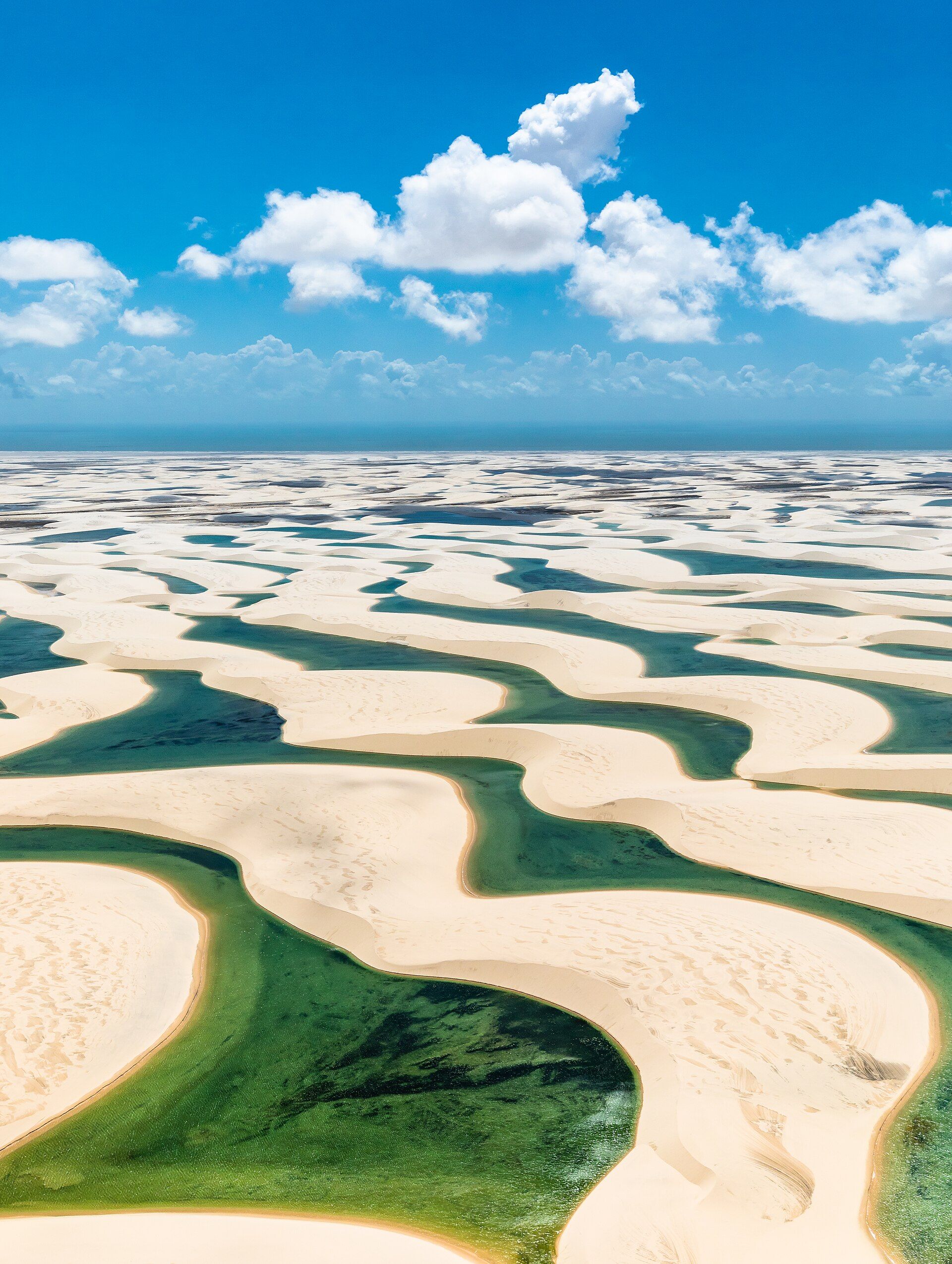
Lençóis Maranhenses Dunes full of lagoons
Maranhão, Brazil
Some 1,500 km² of white dunes that fill with thousands of turquoise freshwater lagoons after the rains — it gets far too much rain to be a desert. Go July to September, when the pools are fullest and warmest. Access by licensed 4x4 and guide from Barreirinhas, via São Luís.
-
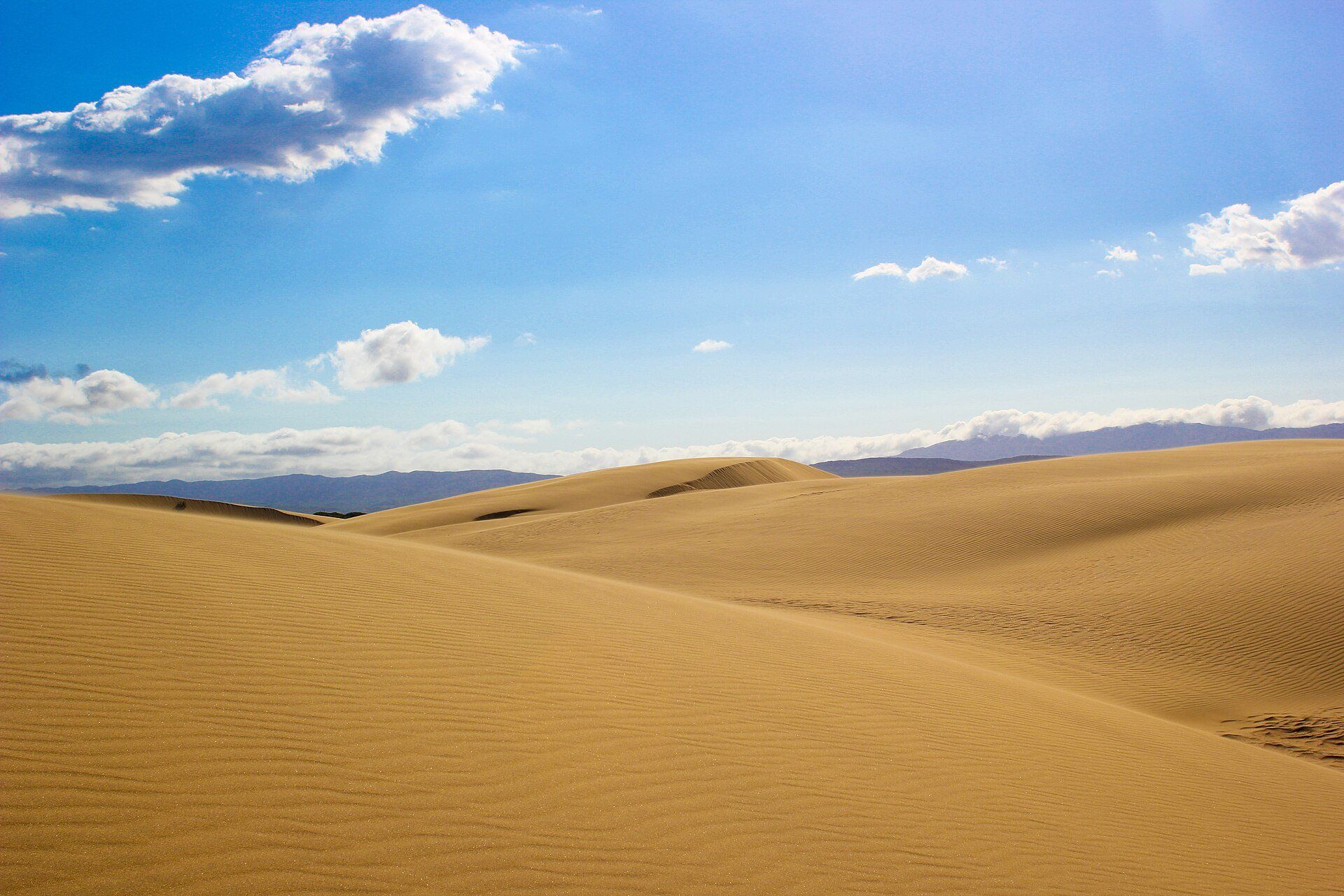
Médanos de Coro Venezuela's moving dunes, 40 m
Médanos Isthmus, beside the city of Coro, Falcón state, Venezuela
Dunes up to 40 metres high on the isthmus to the Paraguaná Peninsula, spread over about 5 by 30 km and constantly reshaped by the wind. Rain is rare in any month; go early or late, when the sand is cooler. Reached straight from the road north of Coro; check current travel advisories for Venezuela before you book.
-
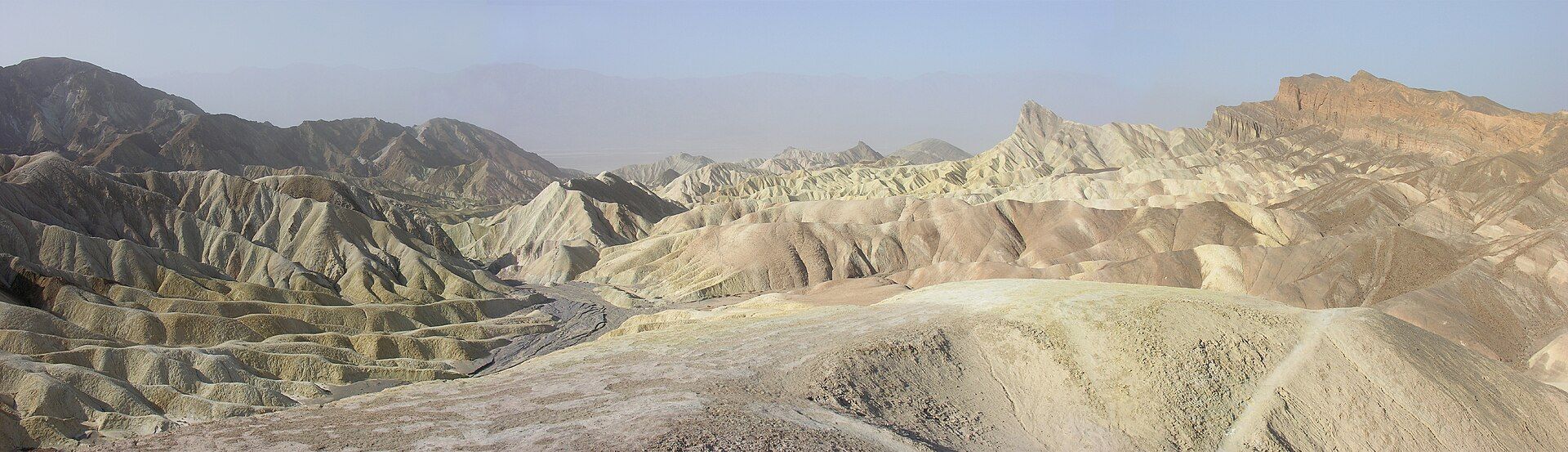
Death Valley The Mesquite dunes
California / Nevada, United States
The rippling Mesquite dunes share the park with Badwater's salt flats and the badlands of Zabriskie Point. November to March; summer heat here can be lethal, and the Park Service advises against low-elevation hiking after mid-morning from late spring to early autumn.
The desert sand seas are cool-season trips: the Empty Quarter November to March, the Sahara and Wahiba roughly October to April, the Namib April to October — and the Gobi the other way round, May to September, because its winters are bitterly cold. The coastal dunes of France and the Baltic are summer places. Whatever the place, the light is best at sunrise and in the last hour of the day.
Added