Superlative · depth
The Deepest Lakes in the World
10 places · every one real, mapped, and worth the trip
Lakes get deep in a small number of ways. Most of the very deepest sit in rift valleys, where the crust is being pulled apart and the floor drops faster than sediment can fill it — that is Baikal, Malawi, and Kivu. A few are drowned volcanic calderas, like Crater Lake. Others were gouged by ice, which is why the Alpine lakes run so much deeper than their modest surface areas suggest.
This list is ordered by maximum depth, which is one of the few things about a lake that can actually be measured rather than argued over. Depths are the commonly cited figures and vary a little between surveys; each entry links through to the full guide.
-
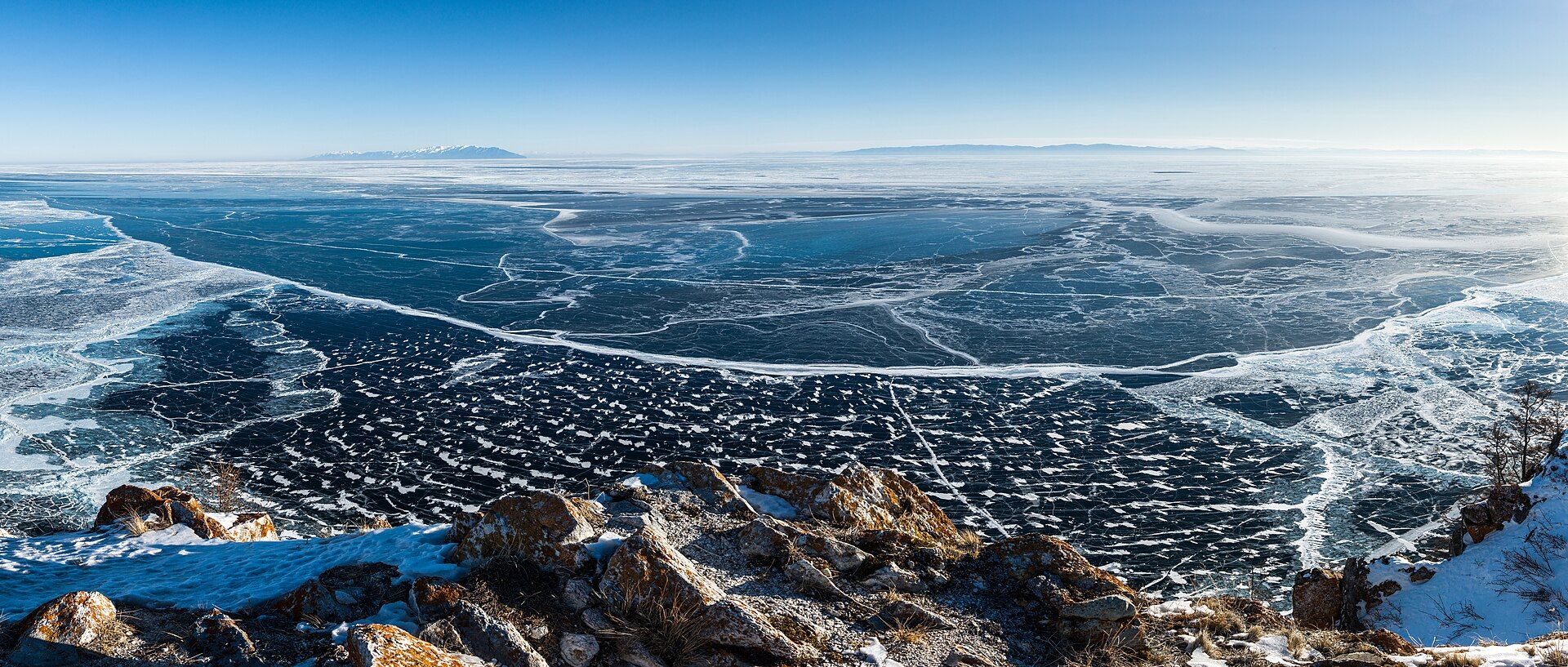
Lake Baikal 1,642 m — deepest on Earth
Siberia, Russia
A rift lake in Siberia holding roughly a fifth of the planet's unfrozen fresh surface water, and no other lake comes close to its depth.
-
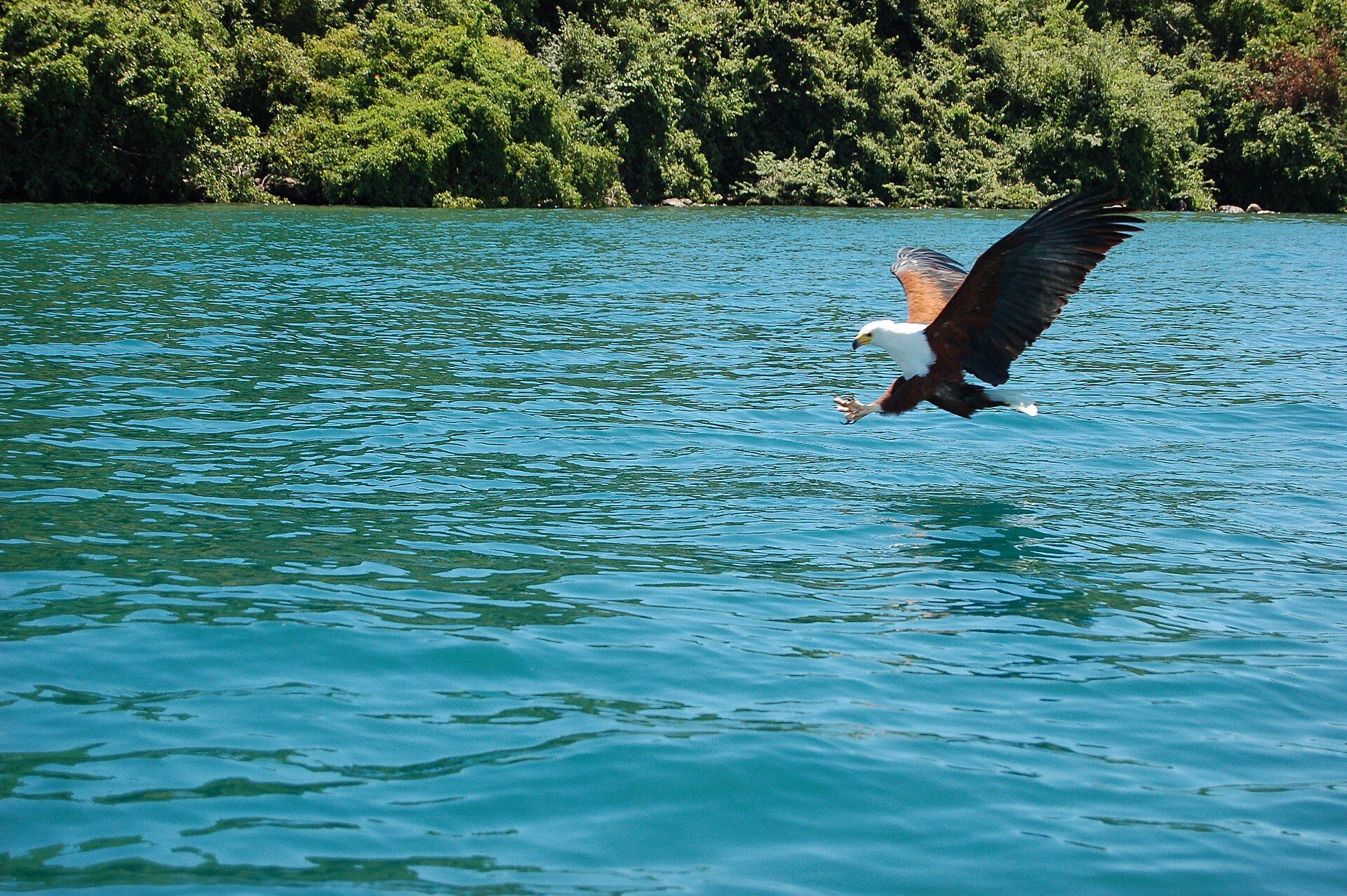
Lake Malawi ~706 m
Malawi, Mozambique & Tanzania
A long African rift lake whose depth and isolation drove an explosion of cichlid fish found nowhere else on Earth.
-
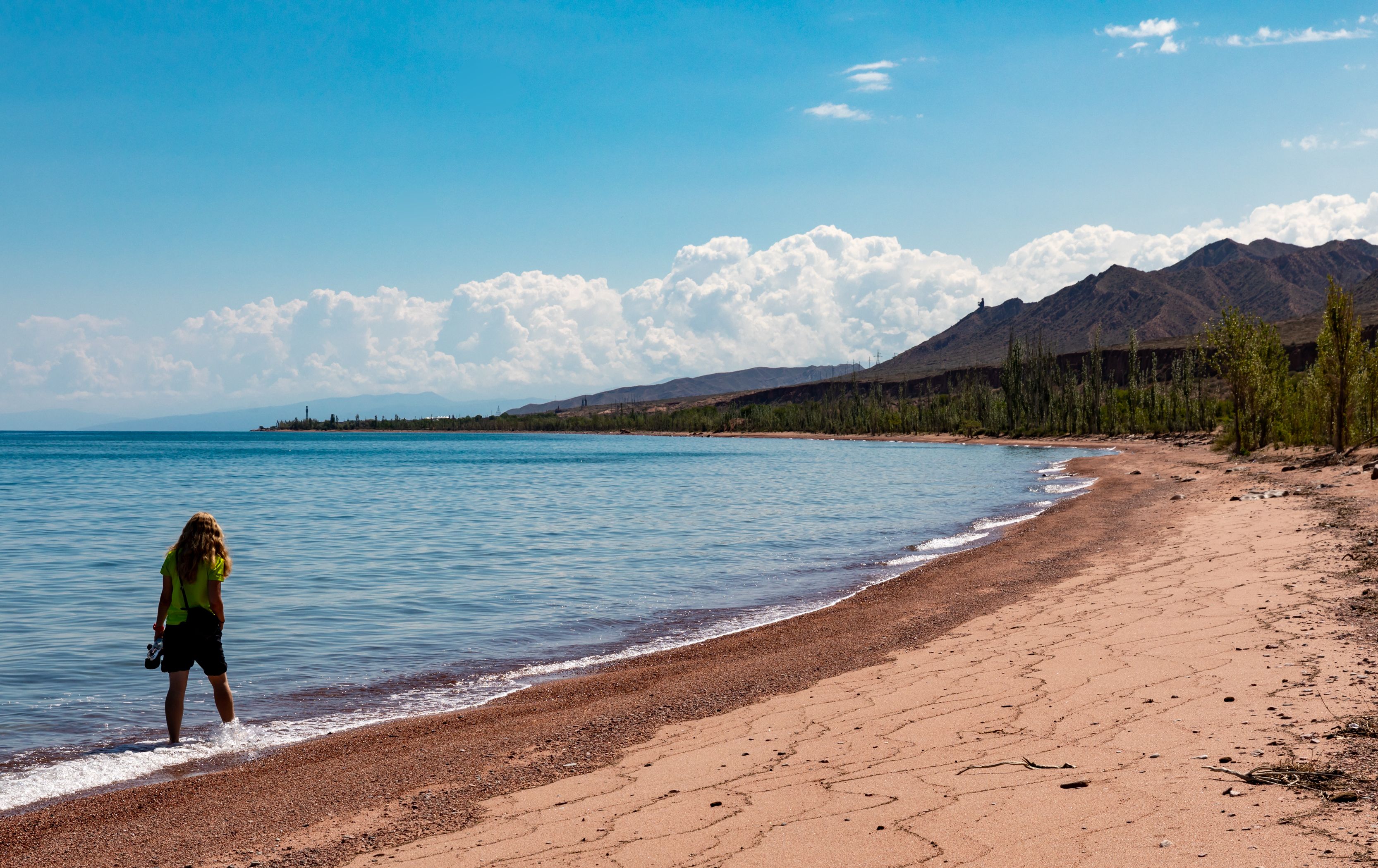
Issyk-Kul ~668 m — and it never freezes
Issyk-Kul Region, Tian Shan, Kyrgyzstan
A closed-basin lake high in the Tian Shan whose depth, volume and slight salinity together keep it liquid through Central Asian winters.
-
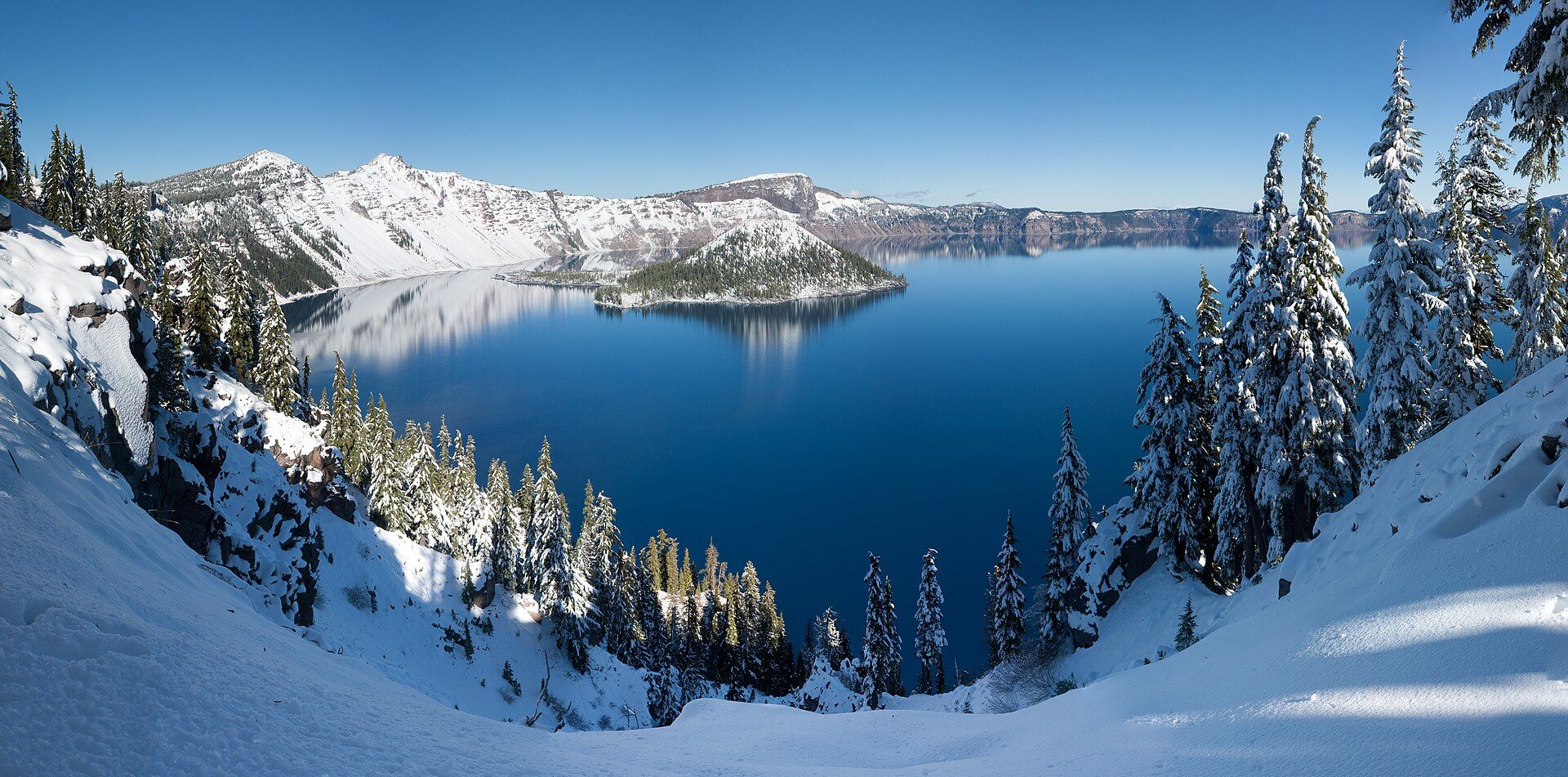
Crater Lake ~592 m — deepest in the USA
Oregon, USA
A collapsed volcanic caldera filled entirely by snowmelt and rain, with no inflow or outflow, giving it extraordinary clarity and colour.
-
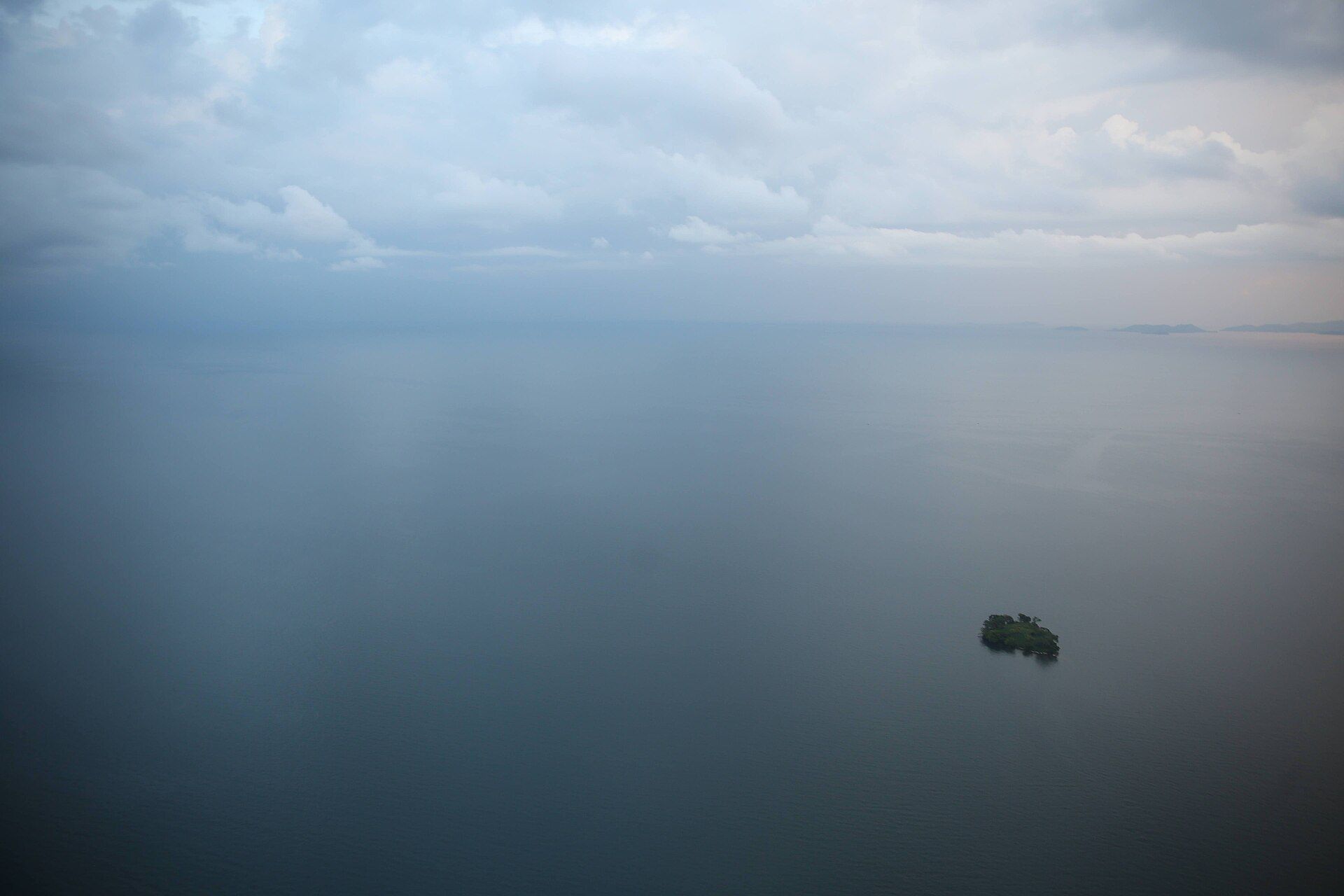
Lake Kivu ~485 m
Rwanda–DR Congo border (Western Rwanda)
A rift lake on the Rwanda–DR Congo border whose great depth traps enormous volumes of dissolved carbon dioxide and methane.
-
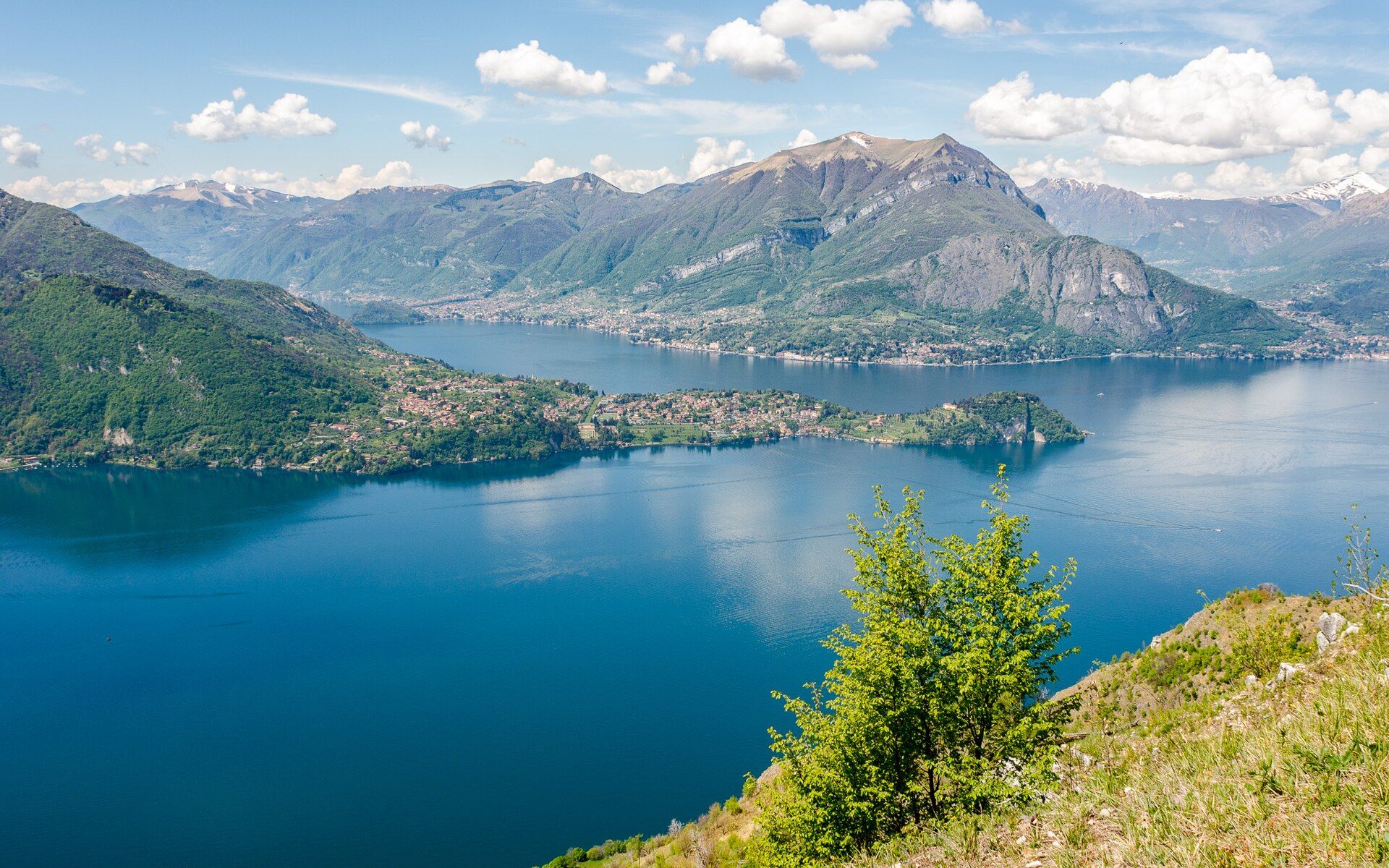
Lake Como ~410 m
Lombardy, northern Italy
A glacier-carved Italian lake whose floor lies well below sea level, its inverted-Y arms cut deep into the southern Alps.
-
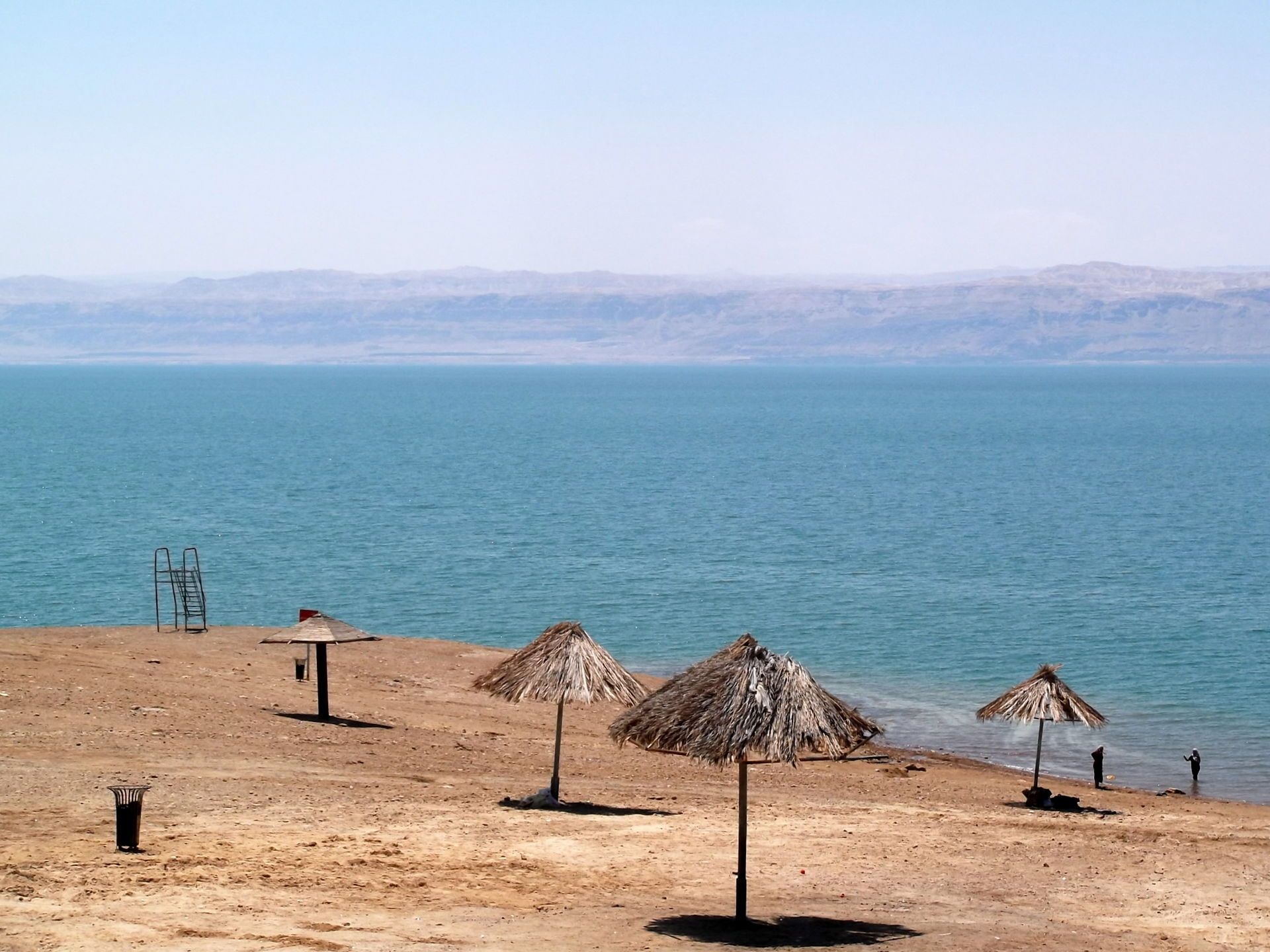
The Dead Sea ~300 m, and the lowest
Jordan Rift Valley, Jordan / Israel / West Bank
Deep by any measure, and unique in sitting at the lowest exposed land on Earth — a hypersaline lake in the Jordan Rift Valley.
-
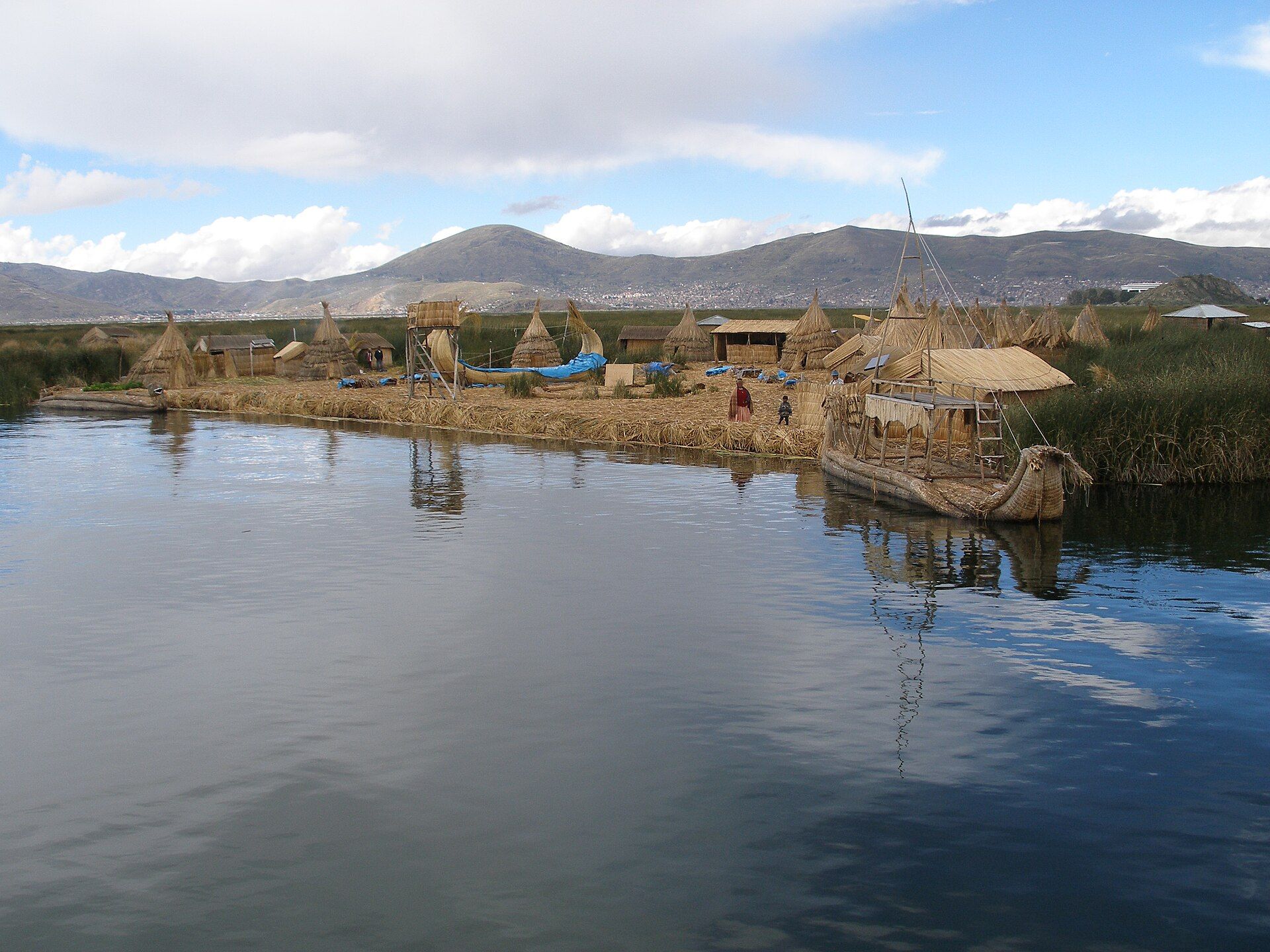
Lake Titicaca ~281 m — the high one
Peru–Bolivia border, Andes
South America's largest lake, and remarkable less for raw depth than for holding it at over 3,800 metres on the altiplano.
-
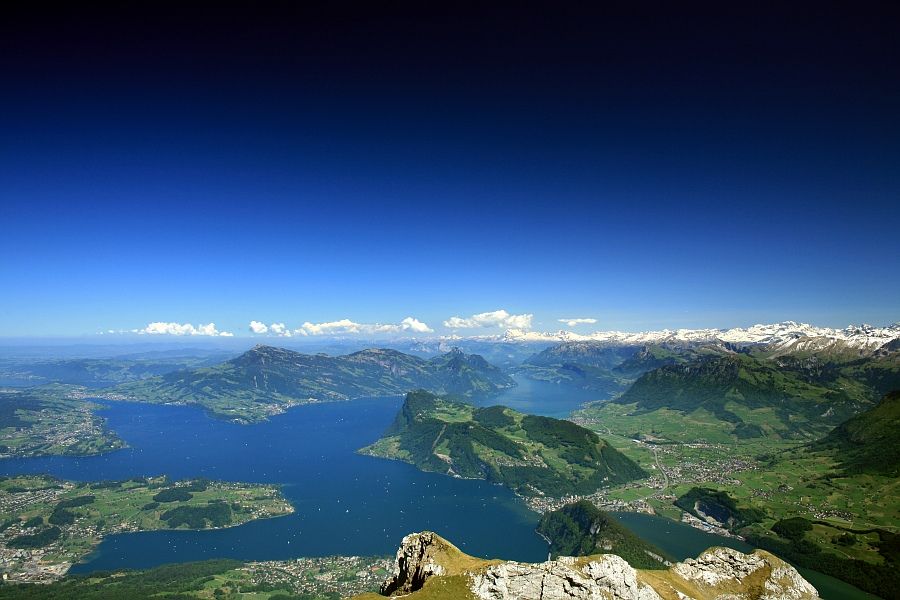
Lake Lucerne ~214 m
Central Switzerland (cantons of Lucerne, Nidwalden, Obwalden, Schwyz, Uri)
A branching Swiss lake gouged by glaciers into the folded rock of central Switzerland, walled by peaks on every arm.
-
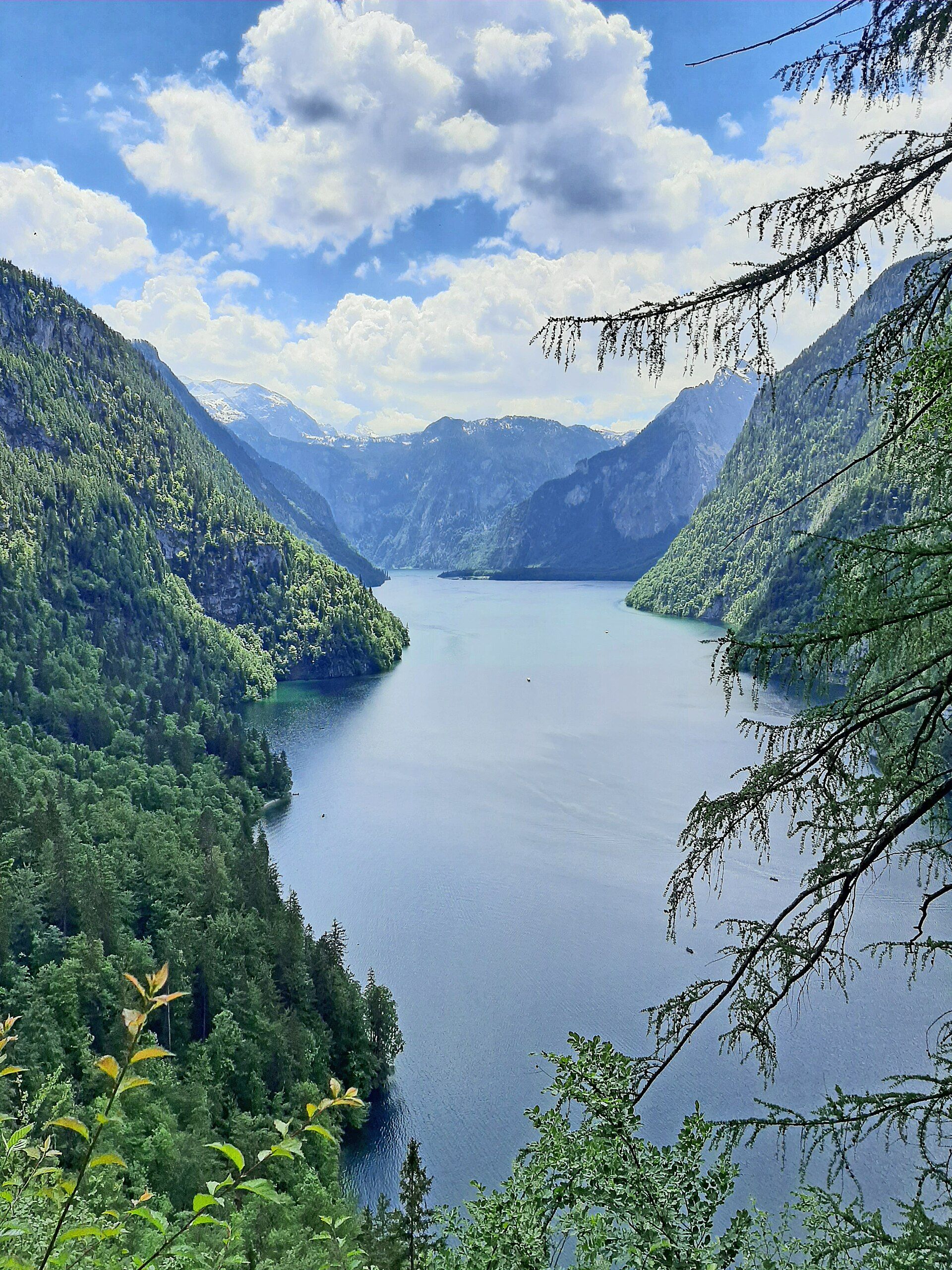
Königssee ~190 m
Berchtesgaden, Bavaria, Germany
A narrow Bavarian fjord-like lake carved by ice between sheer limestone walls, so still that boats there run on electric motors.
Depth is not the same as size — Baikal is only the seventh-largest lake by surface area yet holds more water than all the North American Great Lakes combined, precisely because of how far down it goes. Figures here are the commonly cited maximum depths and are periodically revised as surveys improve.
Added