Wildlife · bears
The Best Places to See Bears in the Wild — Polar, Brown, Grizzly and Black
12 places · every one real, mapped, and worth the trip
A bear is never on a schedule, and none of the places below can promise one. What they share is that bears live there in numbers, and in a few of them — Churchill in autumn, Kamchatka's salmon rivers in summer, the Shiretoko coast from a cruise boat — seeing one is the reason people go.
The list is unranked and grouped by species: the two polar bear destinations, the salmon coasts of the North Pacific, the grizzly parks of the Rockies, the Smokies' black bears, and Europe's Carpathian ranges, where bears are part of the forest and every visitor is expected to keep food stored and make noise on the trail.
-
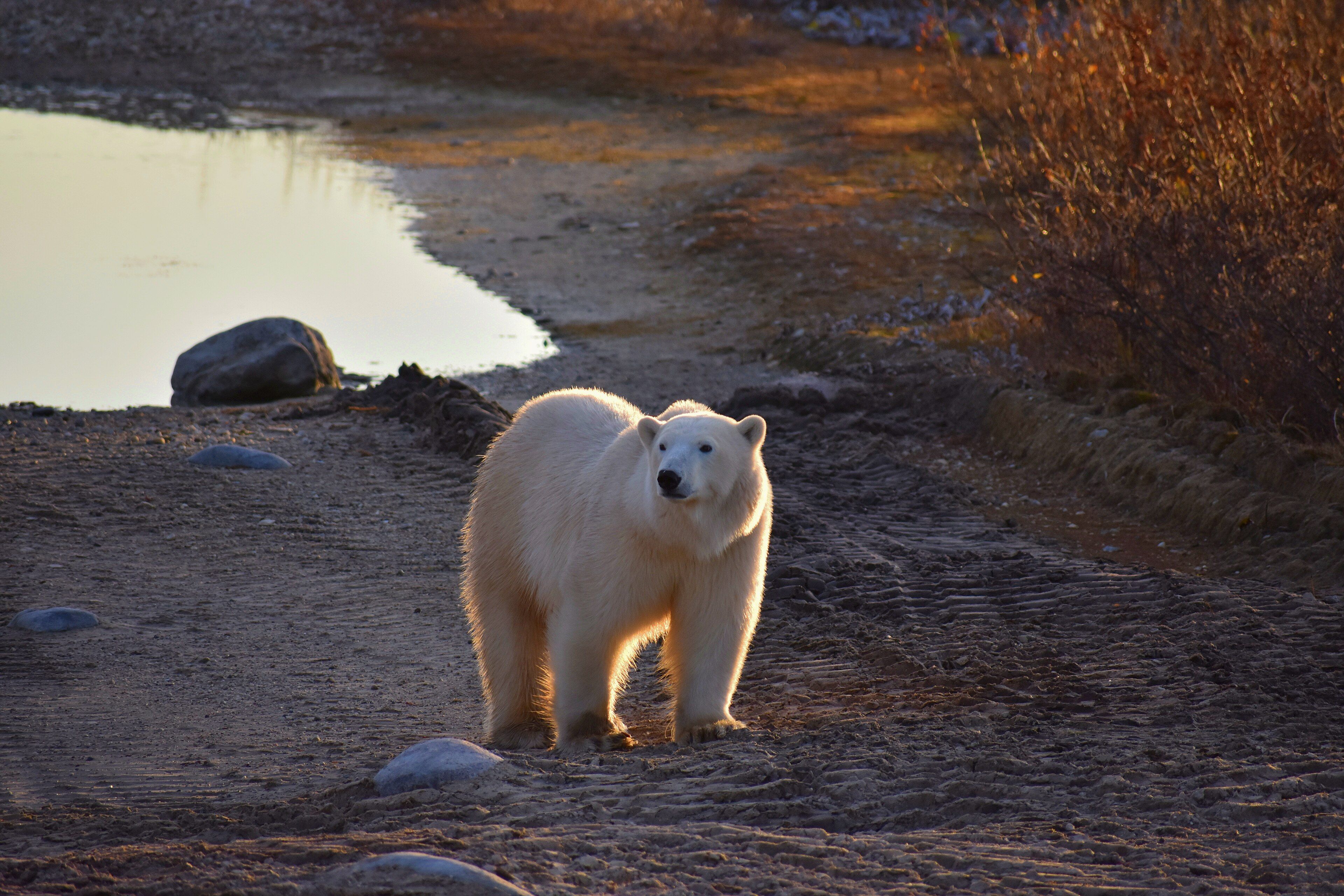
Churchill Polar bears, mid-Oct–mid-Nov
Churchill, Manitoba, western Hudson Bay, Canada
Roughly 900 polar bears of the western Hudson Bay population gather on the tundra each autumn, waiting for the bay to freeze. Viewing is from purpose-built tundra vehicles with licensed operators; walking outside town in bear season is not an option. No road reaches Churchill — fly about 2.5 hours from Winnipeg or take the two-day train — and book far ahead.
-
Svalbard Polar bears among the glaciers
Svalbard archipelago, Arctic Ocean
One of the best places on Earth to see polar bears in the wild, along with walrus and Arctic fox — but sightings are uncertain and no operator can promise them. Expedition ships sail roughly June to August; snowmobile and dog-sled trips run March to May. Beyond Longyearbyen you travel only with a guide equipped for polar bear protection.
-
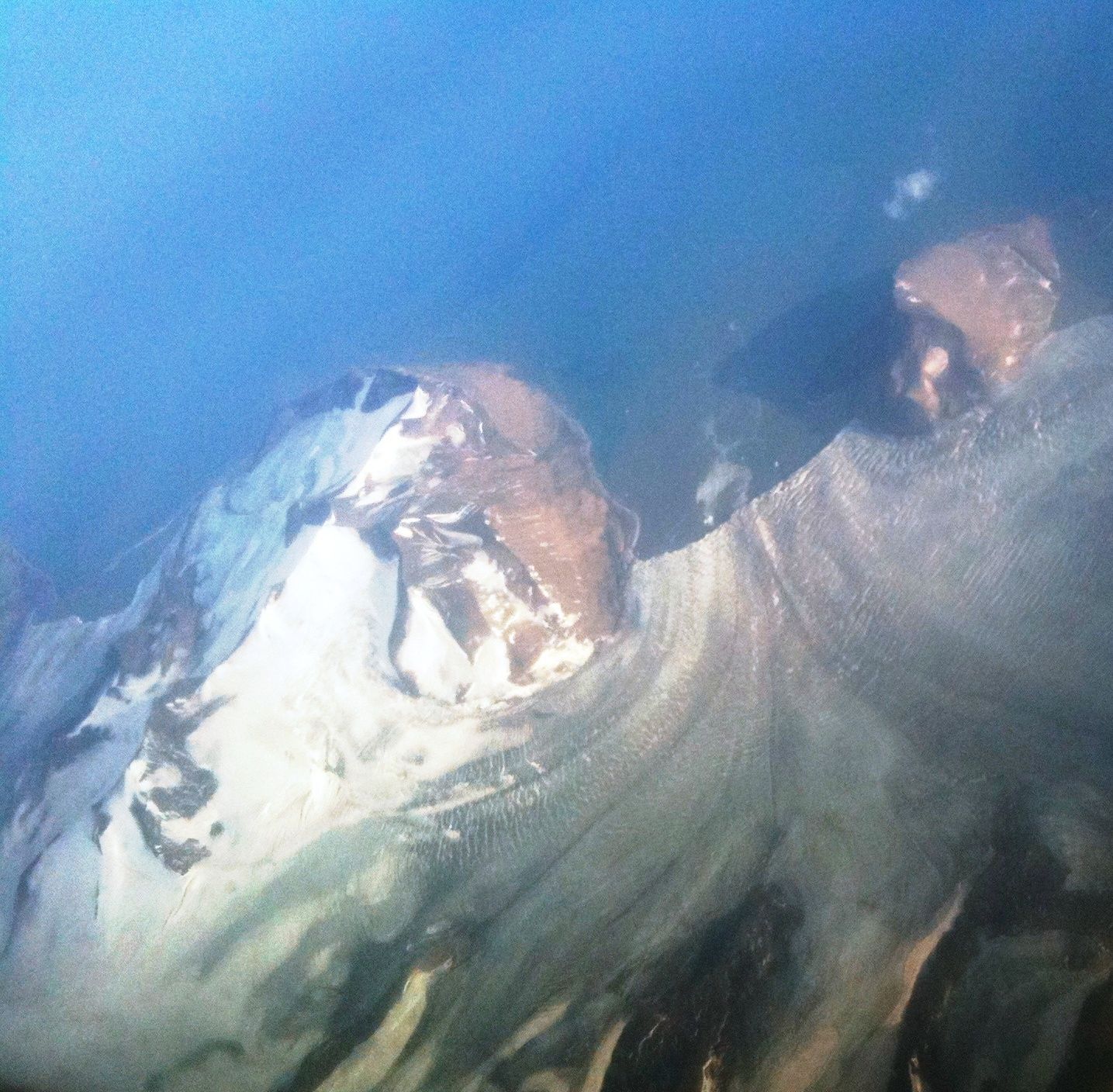
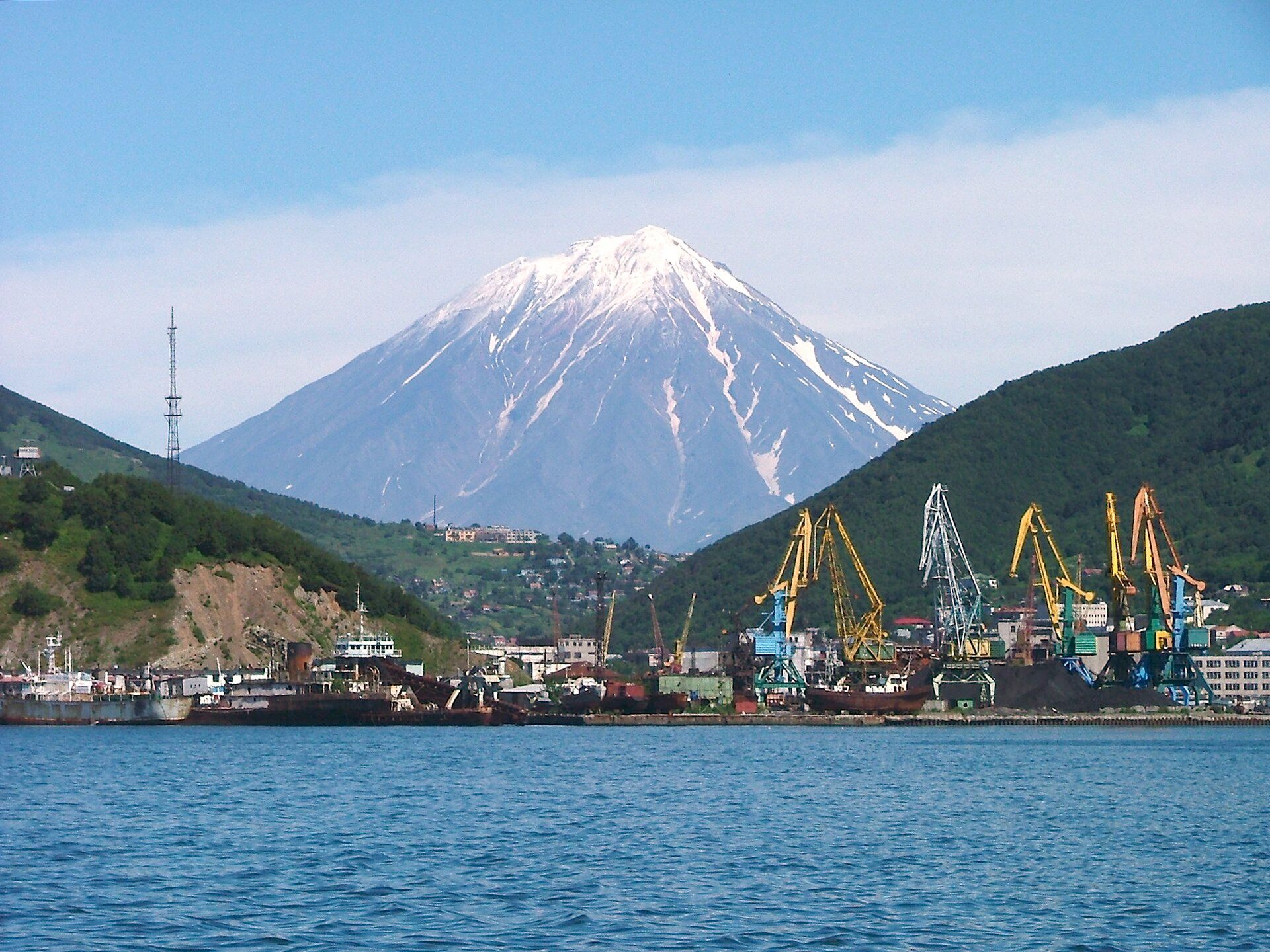
Kamchatka Volcanoes Brown bears and salmon, Jul–Sep
Kamchatka Peninsula, Russian Far East
Salmon rivers sustain one of the densest populations of brown bears on the planet, among the largest anywhere, and bears fishing the summer runs are the most dependable sight on the peninsula. The short summer, roughly July to September, is the only practical window; permits, border-zone rules and helicopter logistics are handled by operators, and flights cancel often.
-
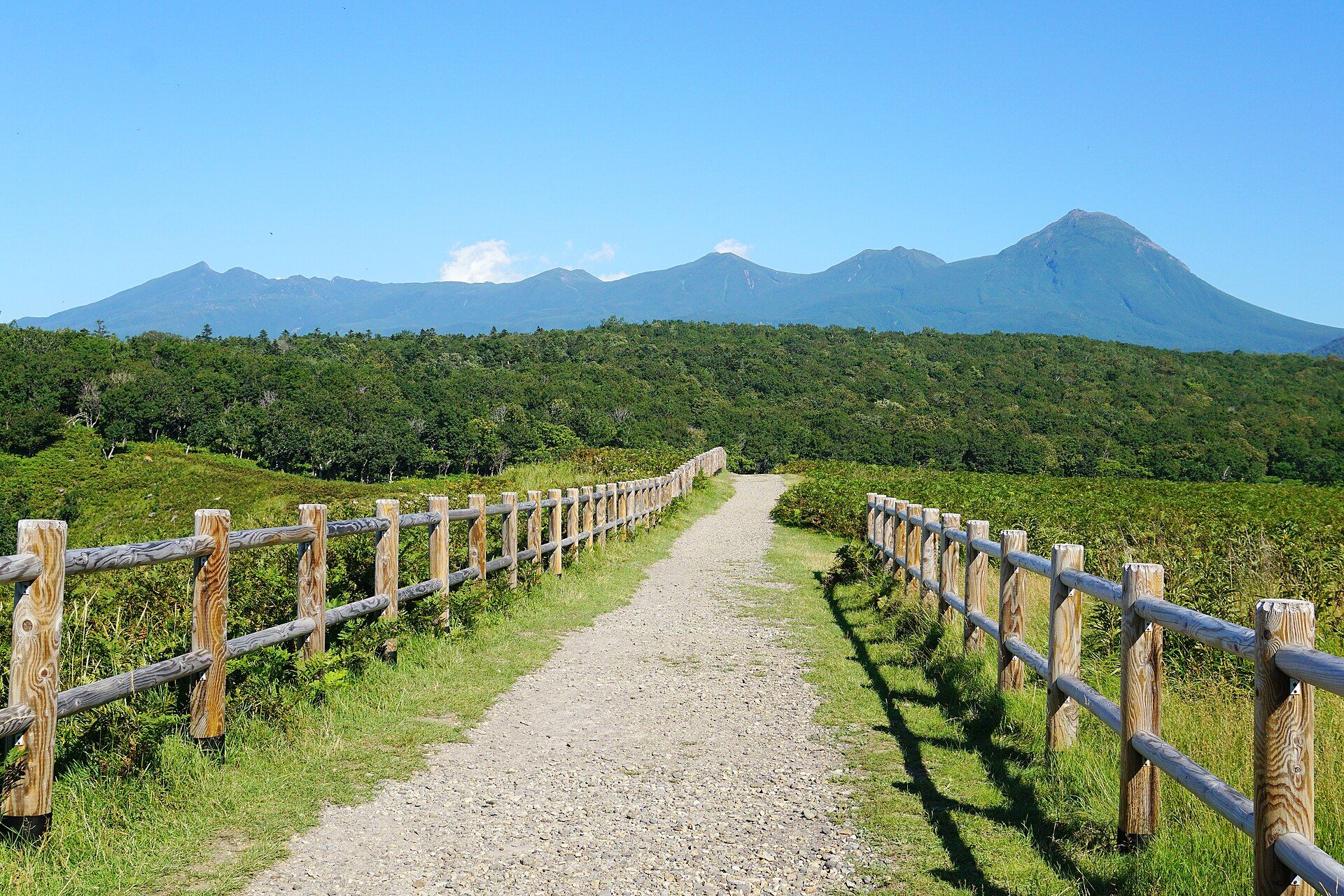
Shiretoko Bears from the boat, Jun–Sep
Hokkaido, northern Japan
A roadless Hokkaido peninsula where brown bears forage along the shore beneath sea cliffs; a wildlife cruise from Utoro or Rausu is the way to see them, roughly June to September. On land the Five Lakes ground path needs a registered guide in bear season — a strict requirement, not a formality.
-
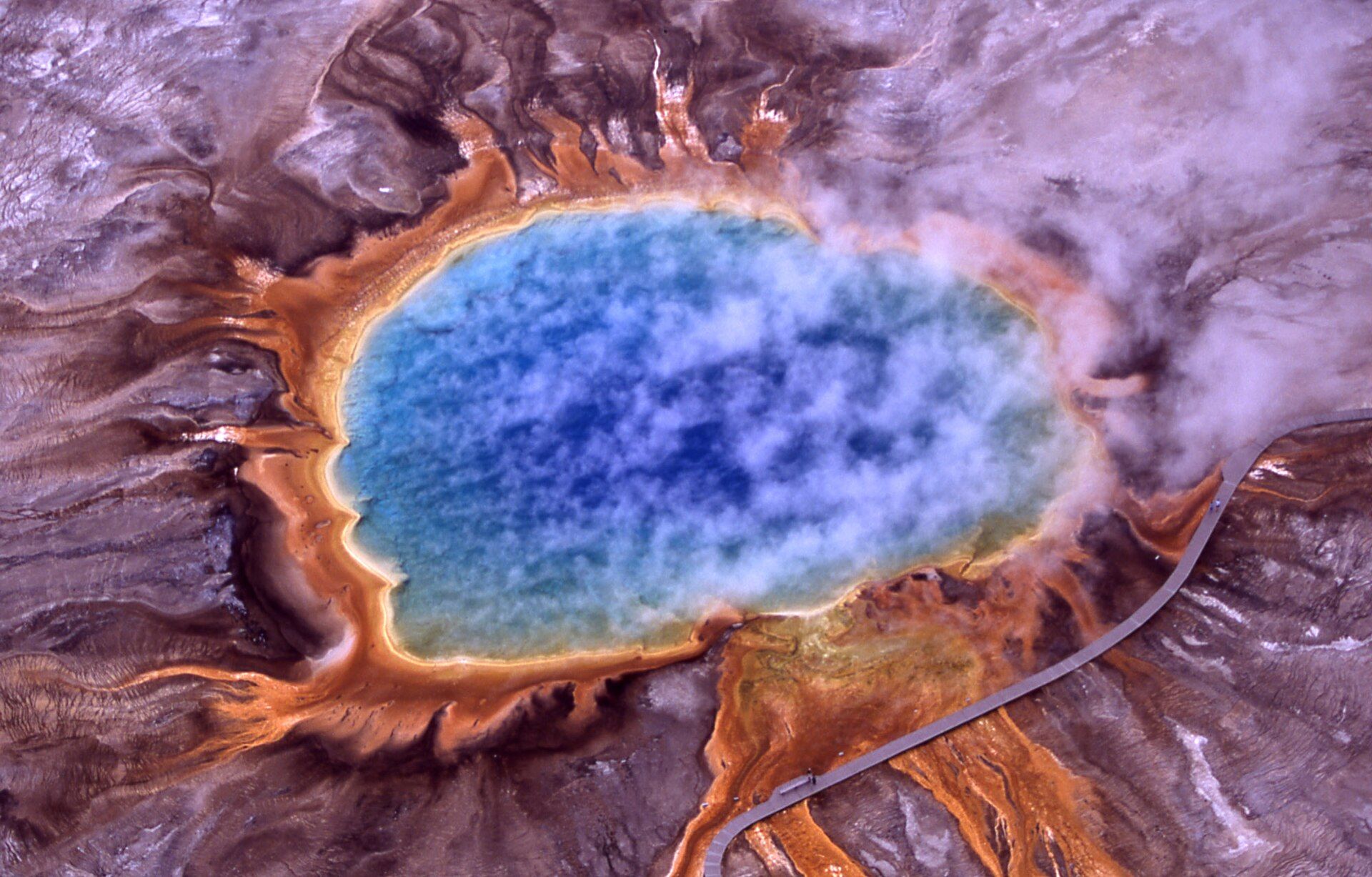
Yellowstone Grizzlies and wolves
Wyoming / Montana / Idaho, United States
One of the largest nearly intact temperate ecosystems left, with free-roaming bison, grizzly bears and reintroduced wolves. Roads are open roughly May to September; most of the interior closes to cars from about November to April. Carry bear spray and keep well back — bison and bears are dangerous and fast.
-
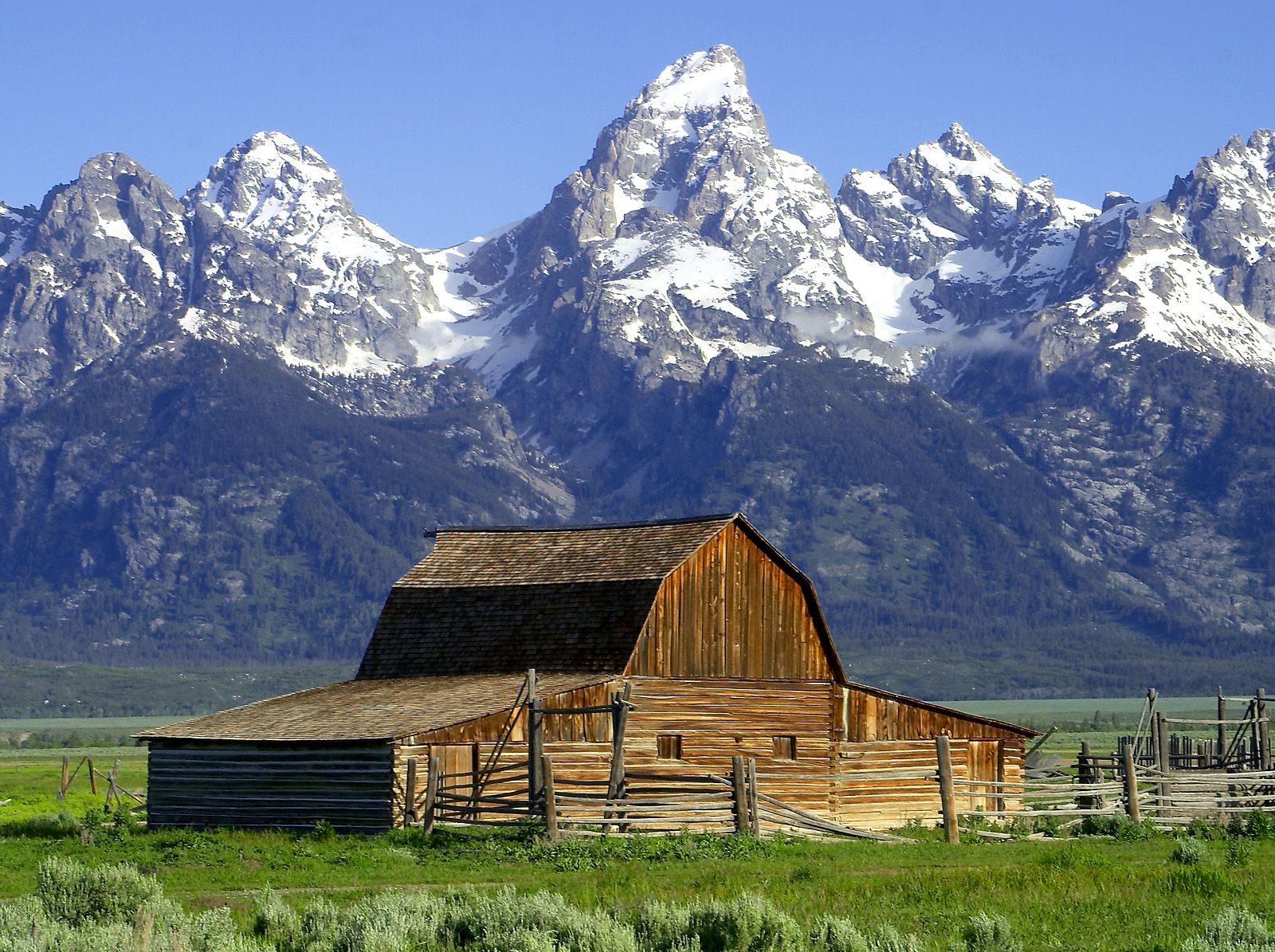
Grand Teton Wildlife on the valley floor
Wyoming, USA
Moose, bison, elk, pronghorn and bears move across the flats below the Teton wall, which makes this one of the most accessible wildlife parks in the American West. Grizzly and black bear country: the park asks you to carry bear spray on your hip, not in your pack. Best June to September, with Yellowstone next door.
-
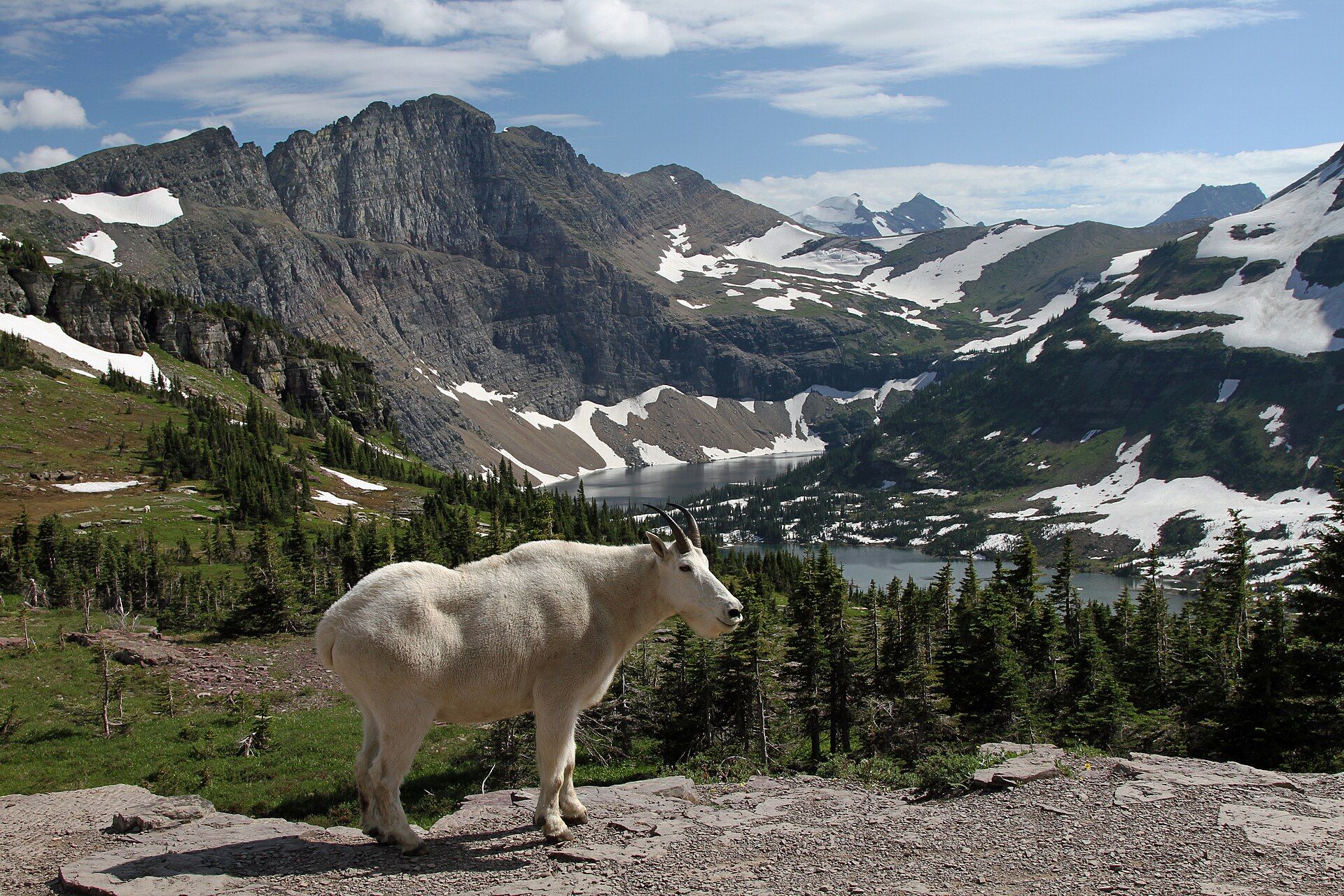
Glacier National Park Grizzly country, Jul–Sep
Montana, USA
Glacier's valleys and alpine meadows shelter grizzly and black bears, mountain goats, bighorn sheep and wolverines. The park says it is grizzly country at every trailhead; you cannot fly with bear spray, so buy or rent it locally. Come roughly July to September, when the Going-to-the-Sun Road is fully open.
-
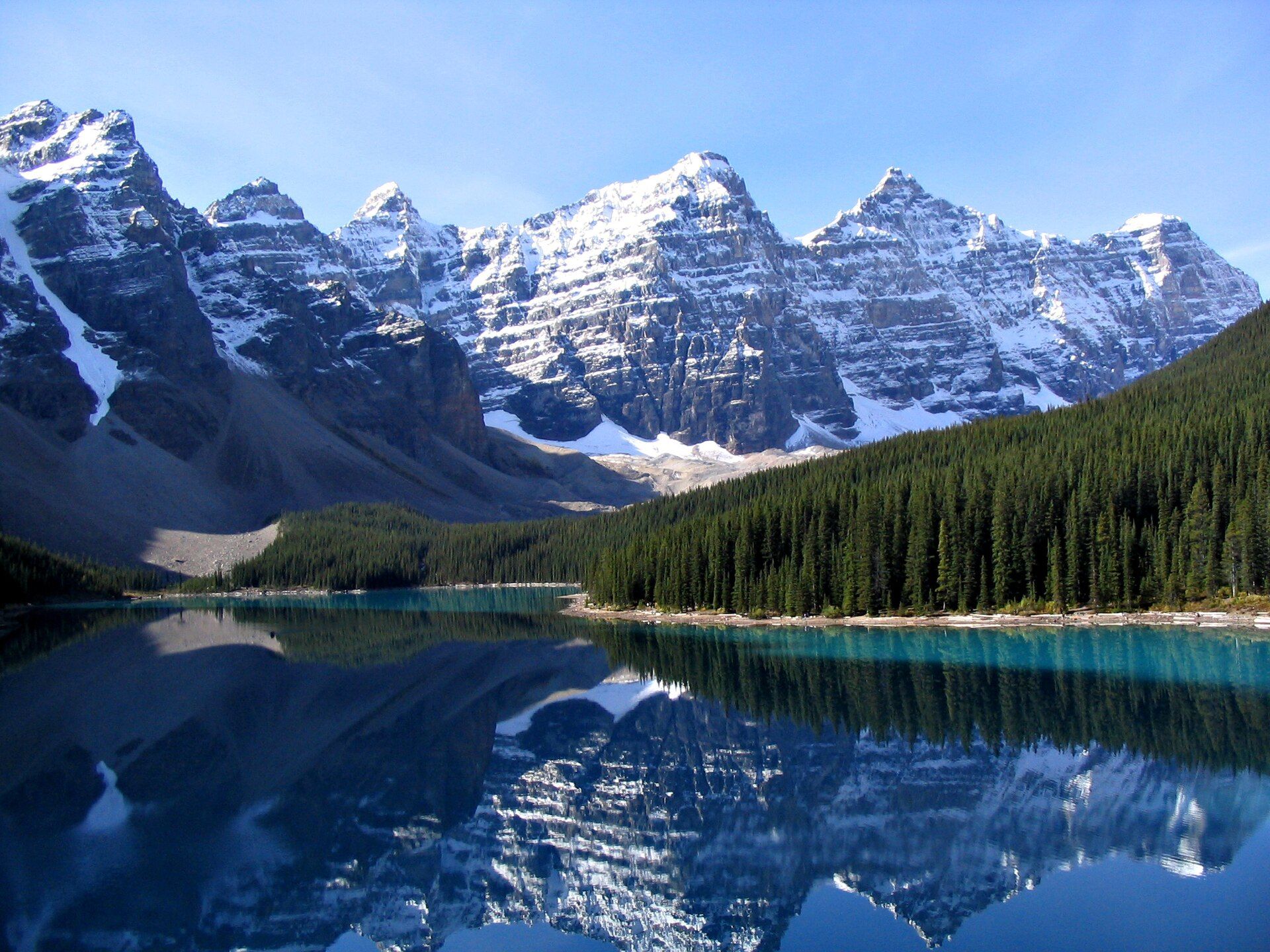
Banff & Moraine Lake Grizzlies and black bears
Banff National Park, Alberta, Canada
Grizzly and black bears, elk and mountain goats live around Banff's lakes and the Icefields Parkway. Carry bear spray on any trail and make noise in the trees. Lake Louise and Moraine Lake are best June to October; private cars are largely restricted at Moraine Lake, so book the shuttle.
-
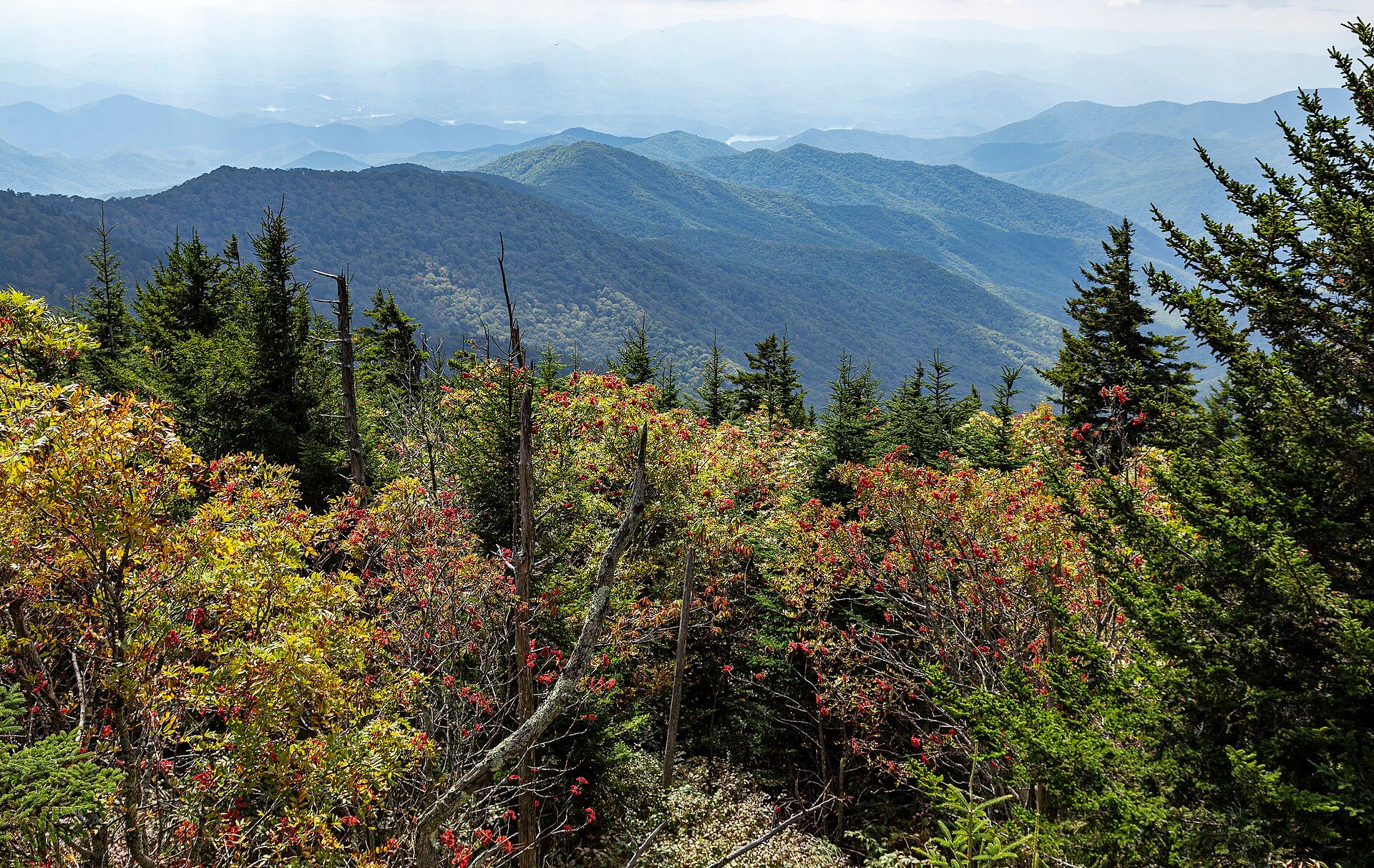
Great Smoky Mountains National Park About 1,900 black bears
Southern Appalachians on the Tennessee–North Carolina border, USA, between Gatlinburg, Tennessee and Cherokee, North Carolina
An estimated 1,900 black bears live in the park; the meadows of Cades Cove are the classic place to look for them. No entrance fee, but a parking tag is needed for stops longer than 15 minutes. The park is busy almost all year — arrive by 8 am.
-
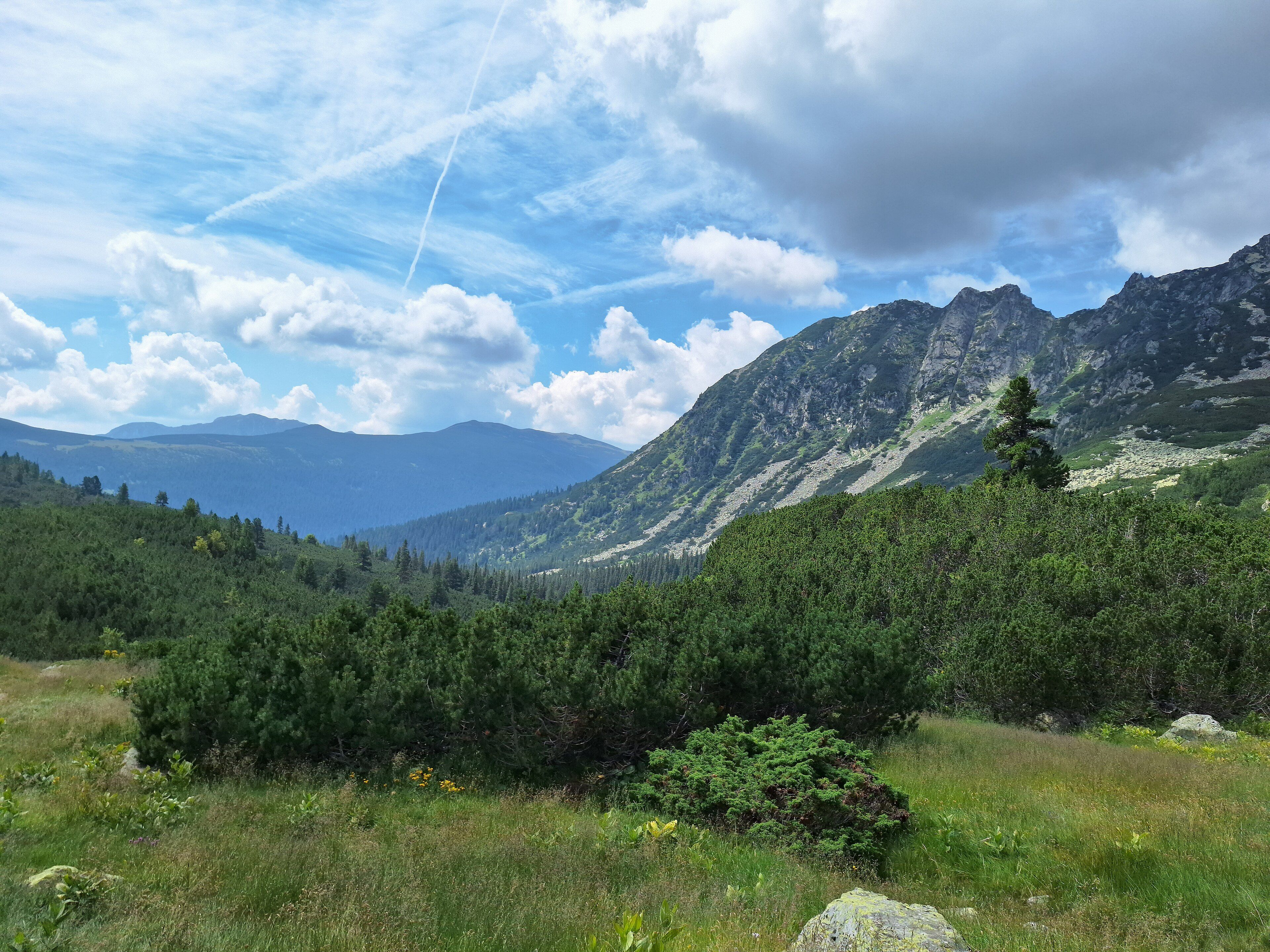
Retezat National Park Carpathian brown bears
Retezat Mountains, Hunedoara County, Southern Carpathians, Romania
Romania holds Europe's largest populations of brown bear, wolf and lynx outside Russia, and Retezat is one of the places where all three still range. Bears here are a reason for proper food storage on a hut-to-hut trek rather than a viewing trip. July to September is the reliable walking season, from Hațeg or Petroșani.
-
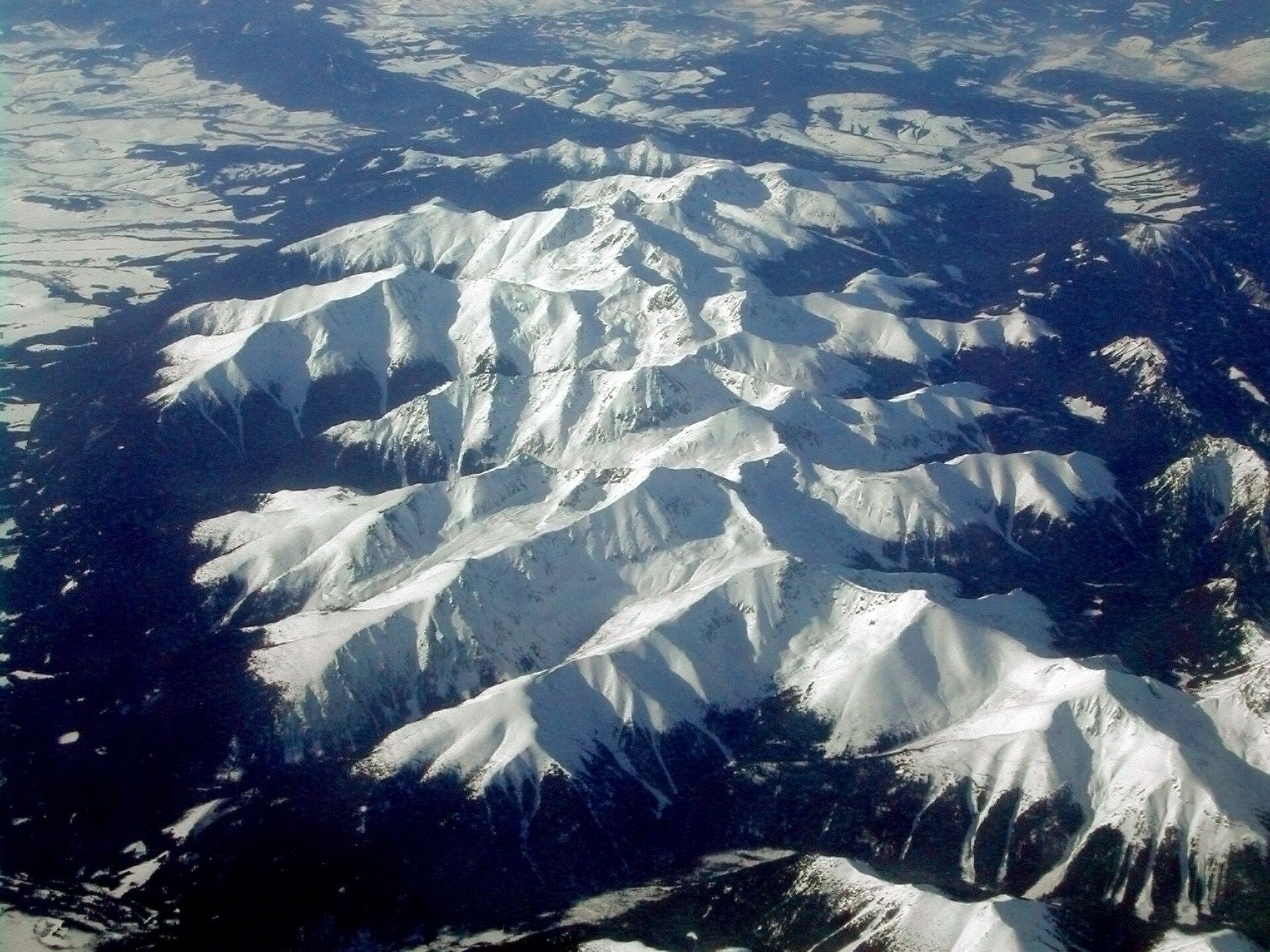
Tatra Mountains Bears, wolves and lynx
Poland–Slovakia border
The Tatras' forests still hold Europe's full set of large carnivores — brown bear, wolf and lynx — alongside the Tatra chamois and marmot found nowhere else. About two hours from Kraków to Zakopane; walk June to September, when trails are snow-free and huts are open.
-
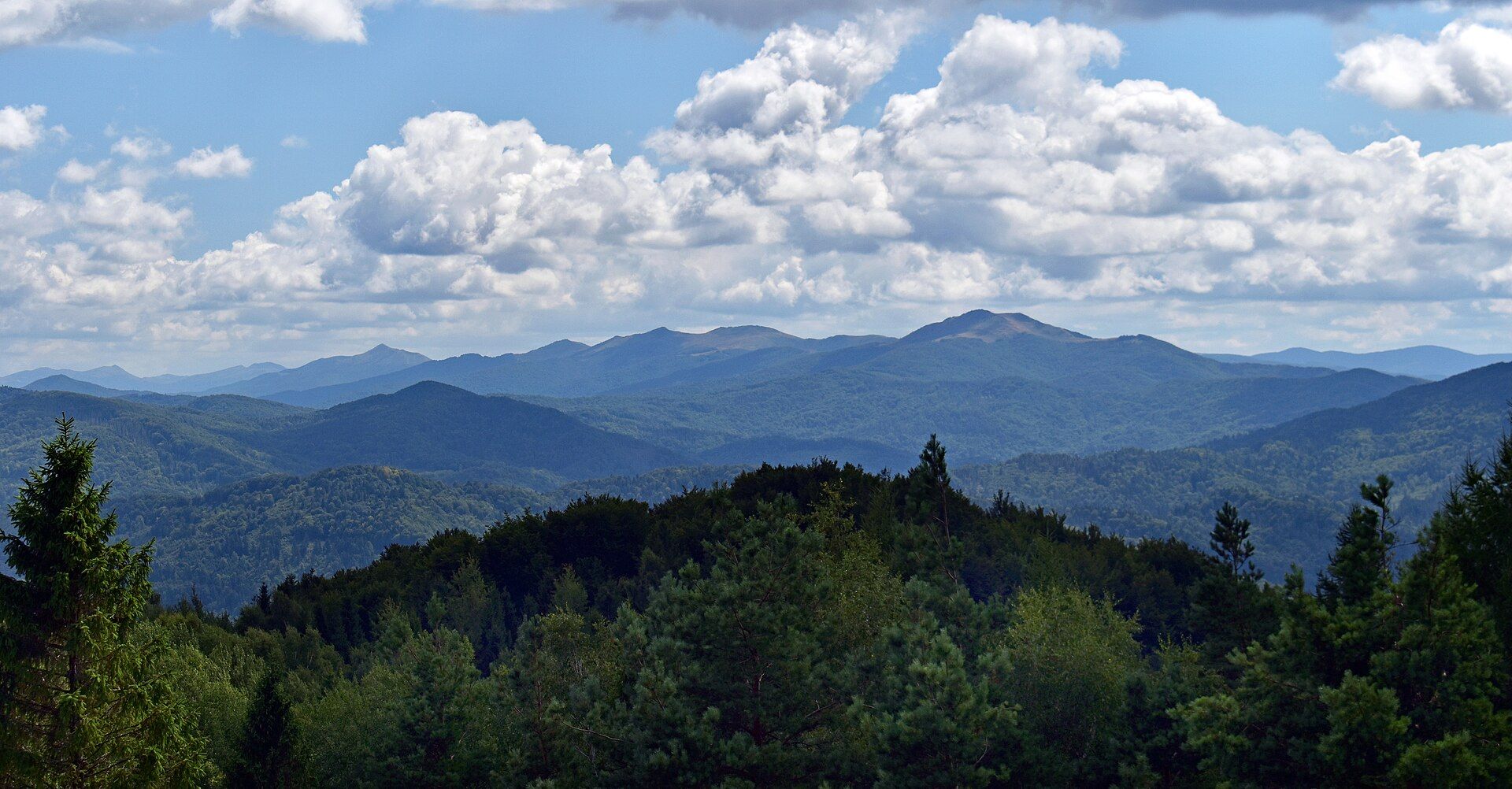
Bieszczady Mountains Poland's wild corner
Subcarpathia, south-east Poland
Old beech and fir forests and open połoniny meadows shelter wolves, lynx, European bison and one of the densest populations of brown bears on the continent. Bases at Ustrzyki Górne and Wetlina, reached from Rzeszów; June for meadow flowers, September–October for golden beeches. Store food securely.
The same rules run through every park on this list: give bears room, never feed them, keep food stored, and follow the local requirement — licensed vehicles at Churchill, a guide equipped for polar bear protection on Svalbard, a registered guide on Shiretoko's ground path, bear spray within reach in the Rockies. The best bear sighting is one the bear barely notices. Wolves share most of these parks — see the companion list, Where Can You See Wild Wolves?
Added Updated