Places · China

Natural Wonders of China: The 10 Most Beautiful Places to Visit

10 places in the atlas

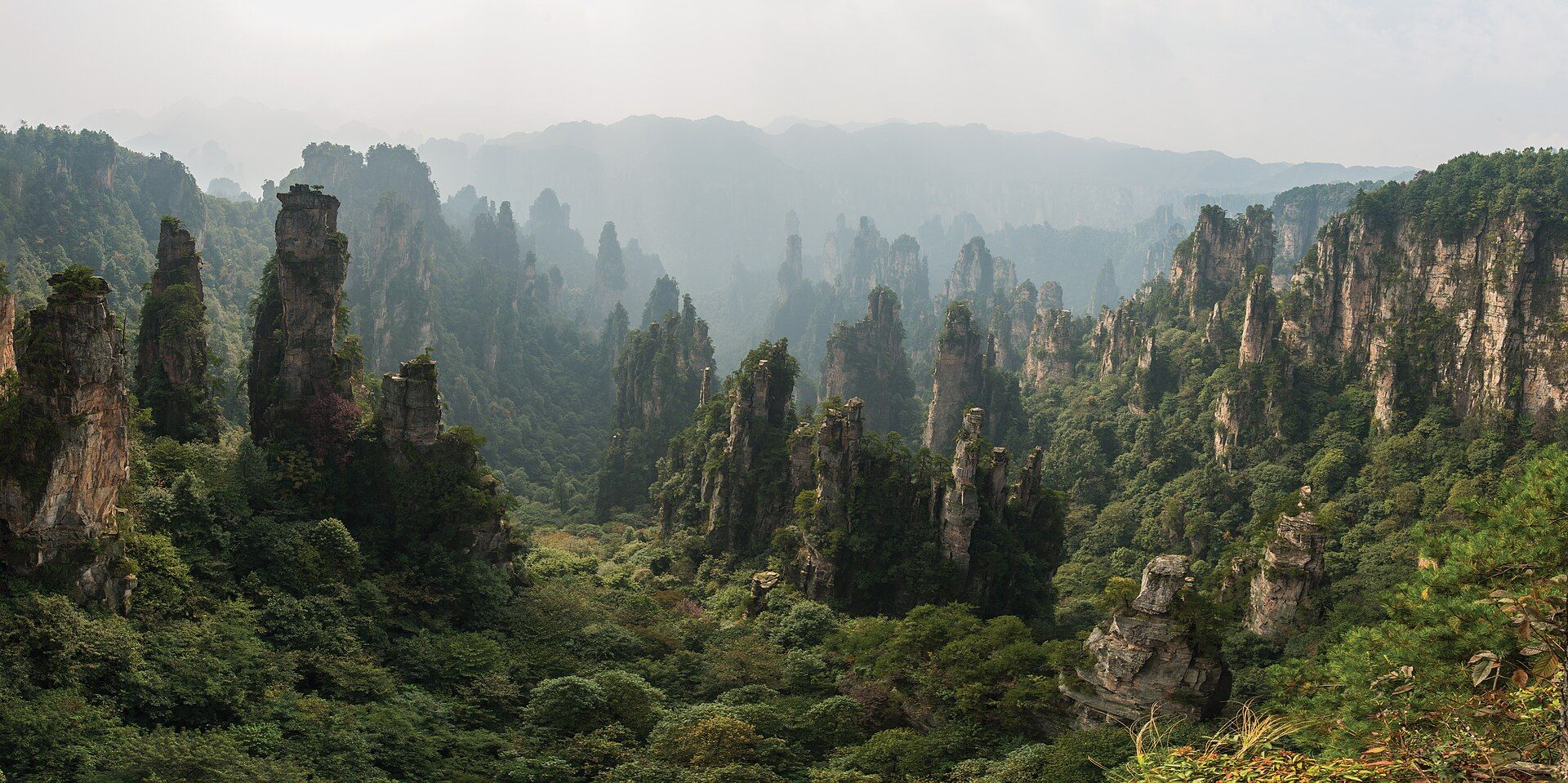
China spans nearly every landscape on Earth — Himalayan and Tibetan heights, deserts, great rivers, subtropical forests, and long coastlines. Two of its most celebrated scenes are made of rock and water: the quartzite-sandstone pillars of Zhangjiajie, weathered into a stone forest that seems to float in the mist, and the tower-karst peaks around Guilin, dissolved from ancient limestone into the rounded summits of classical painting. These landscapes have shaped Chinese art and poetry for well over a thousand years. Below are the 10 natural wonders of China in the atlas — the most beautiful places to build a trip around, each with what makes it remarkable, when to go, and how to reach it. Best overall time: Spring and autumn (roughly April–June and September–November) suit most of the famous landscapes, with atmospheric mist and mild weather; avoid national-holiday crowds.
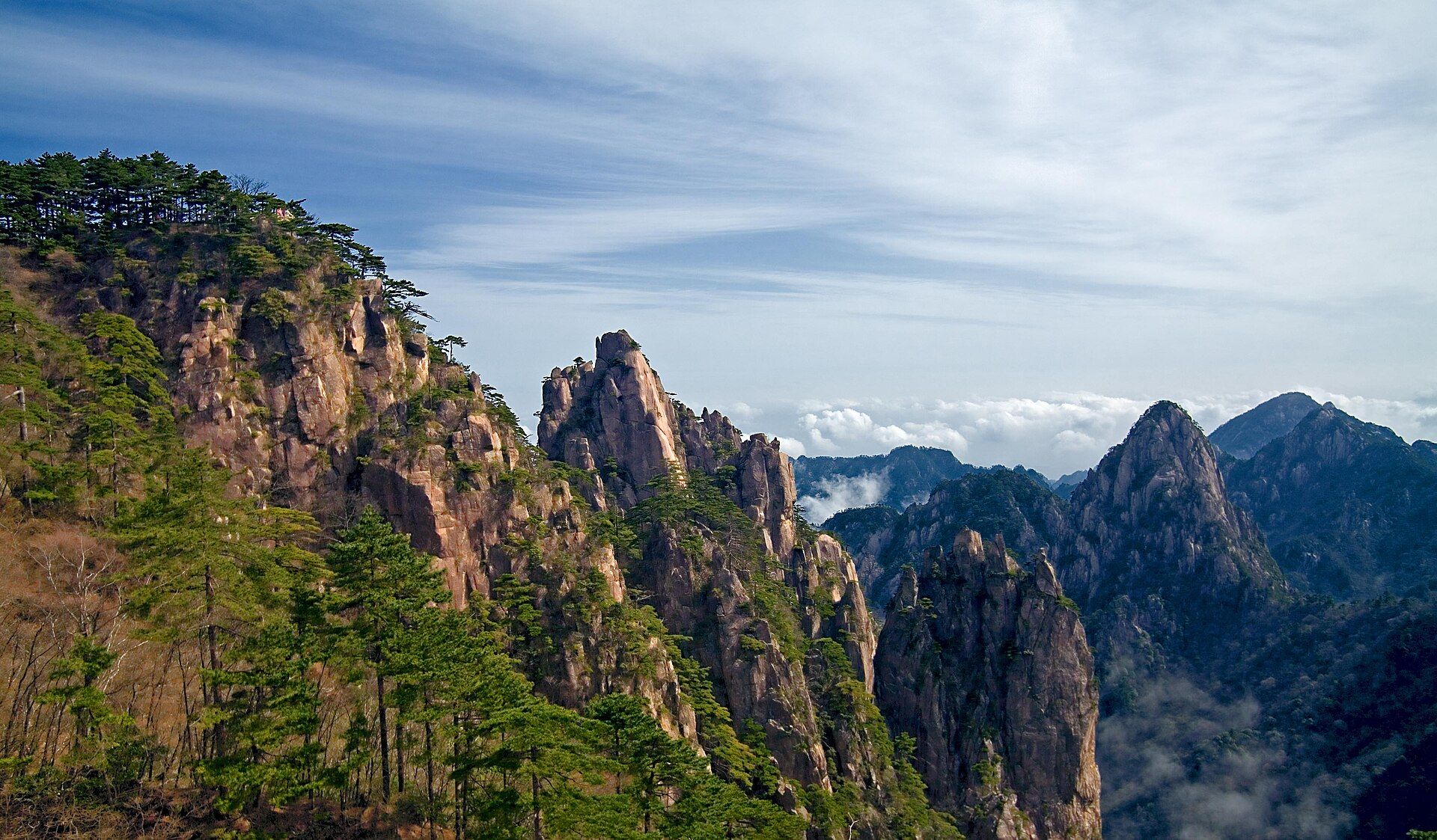
Huangshan, Anhui Province, China

Huangshan

Anhui Province, China

The 'Yellow Mountains' — a range of granite peaks and wind-sculpted pines that rise from seas of cloud, the landscape that inspired centuries of Chinese painting and poetry.

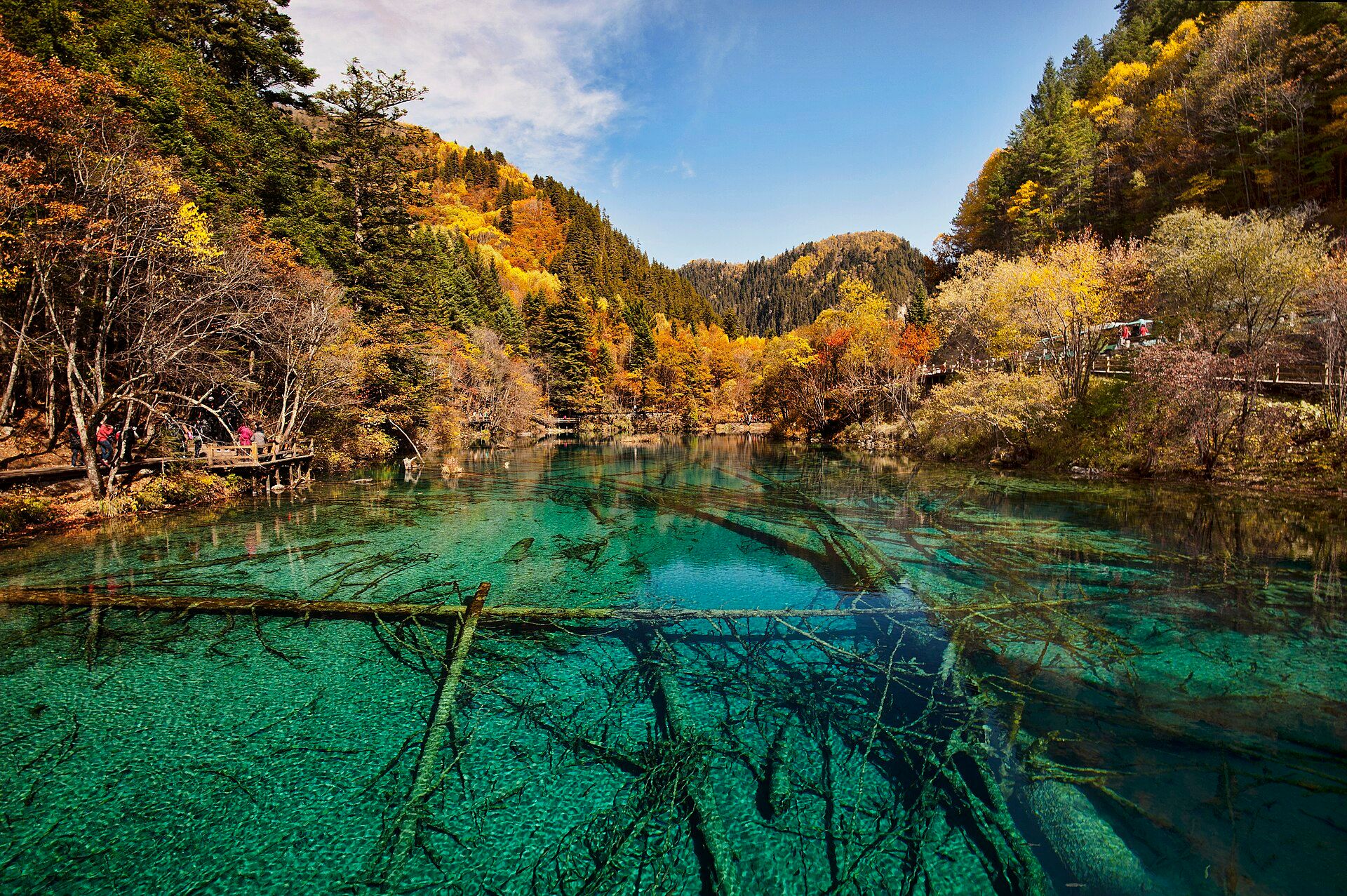
Jiuzhaigou, Sichuan Province, China

Jiuzhaigou

Sichuan Province, China

A valley of impossibly blue and turquoise lakes, terraced waterfalls, and travertine pools stepping down from snow peaks on the edge of the Tibetan Plateau.

Zhangjiajie (Wulingyuan), Hunan Province, China

Zhangjiajie (Wulingyuan)

Hunan Province, China

A forest of thousands of towering quartzite-sandstone pillars rising hundreds of metres from misty subtropical forest — an ethereal landscape of floating peaks that helped inspire the world of Avatar.

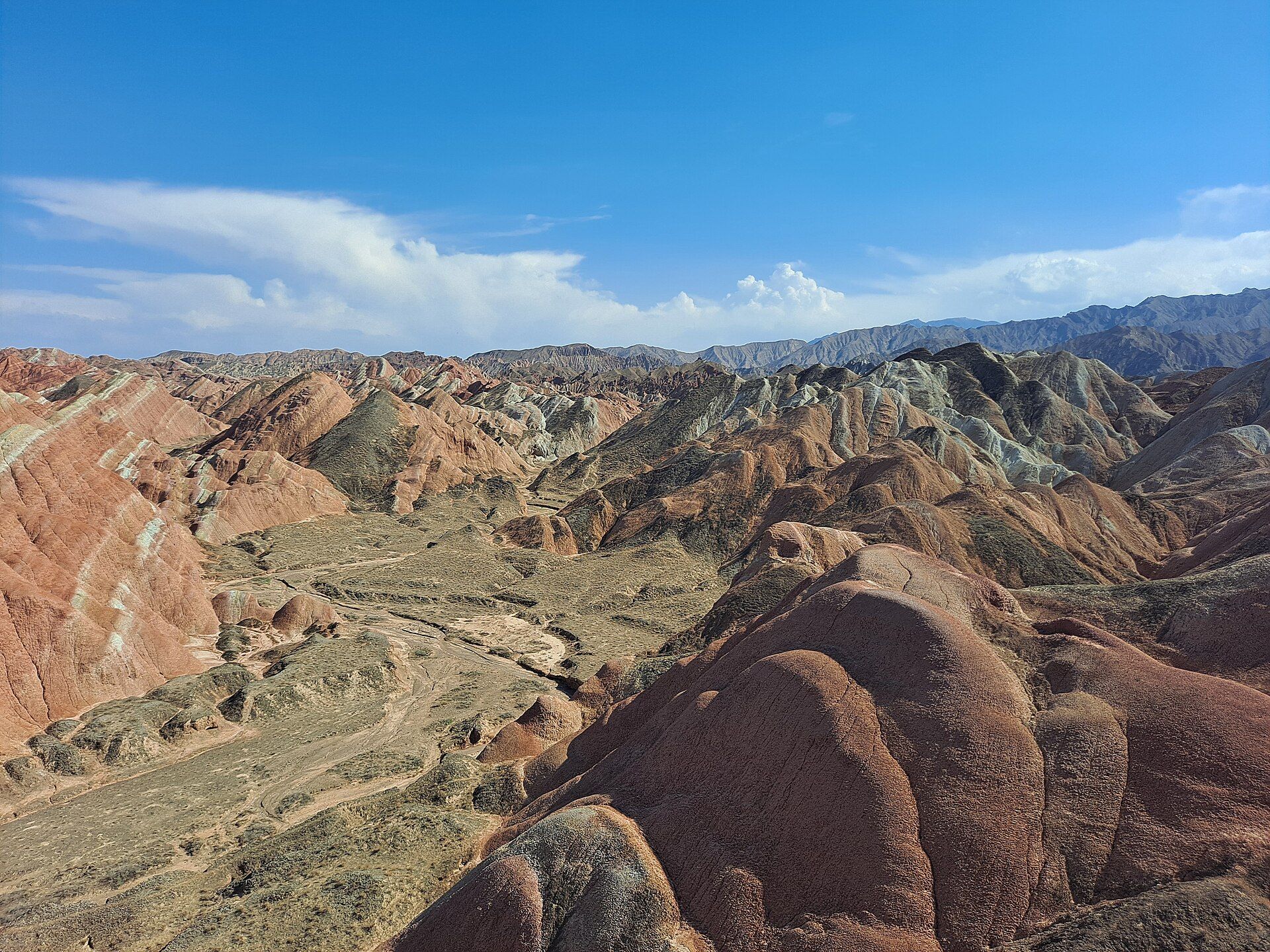
Zhangye Danxia, Gansu Province, China

Zhangye Danxia

Gansu Province, China

Hills painted in stripes of red, orange, gold, and green — a landscape of 'rainbow mountains' where millions of years of layered sediment have been folded and eroded into vivid bands of colour.

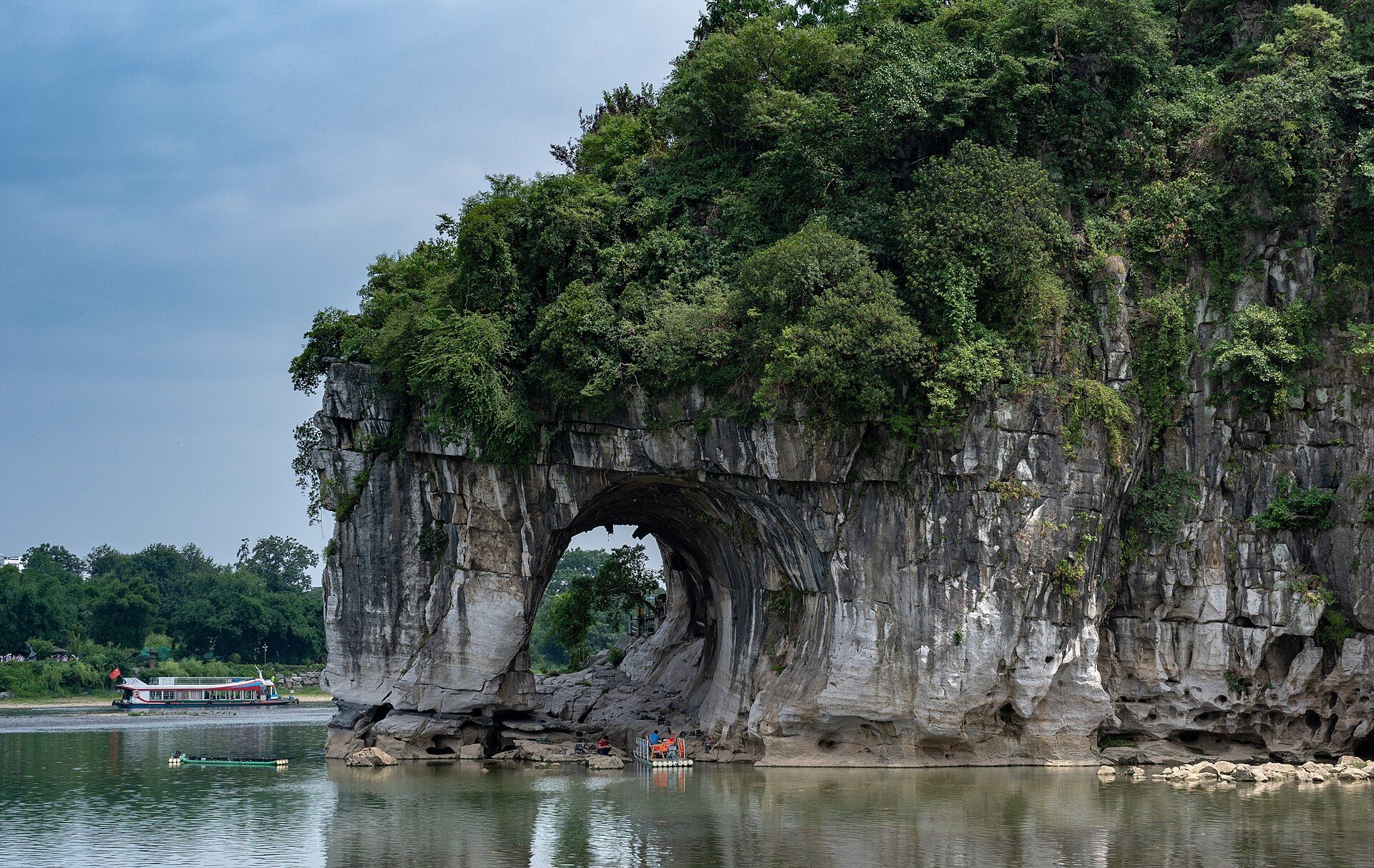
Guilin & the Li River Karst, Guangxi, southern China

Guilin & the Li River Karst

Guangxi, southern China

The landscape of Chinese scroll paintings brought to life — thousands of rounded limestone peaks rising from green plains and the winding Li River, mirrored in still water beneath drifting mist.

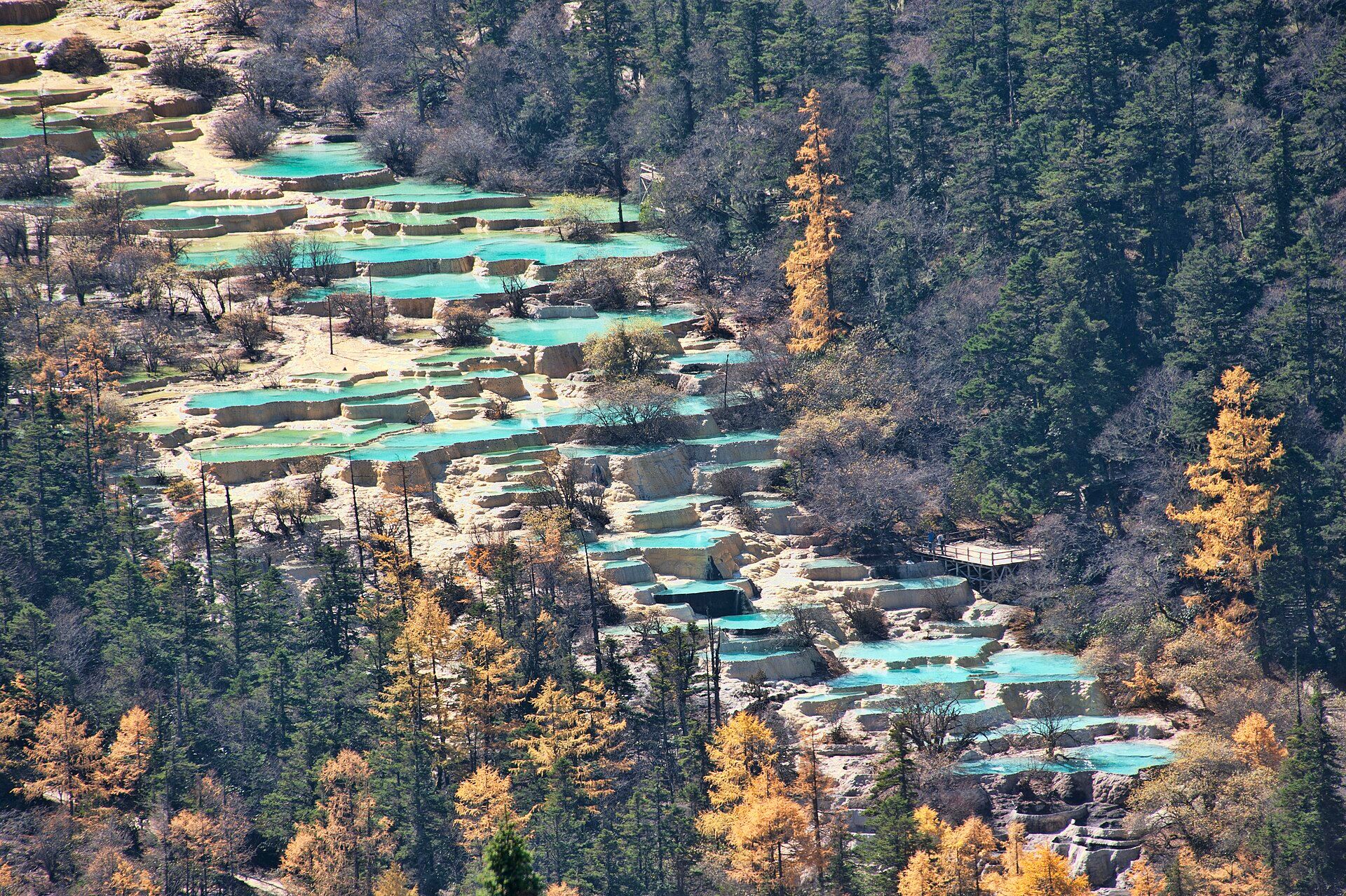
Huanglong, Sichuan Province, China

Huanglong

Sichuan Province, China

A valley paved with thousands of terraced travertine pools in gold, turquoise, and blue — a three-kilometre cascade of mineral basins climbing toward snow peaks.

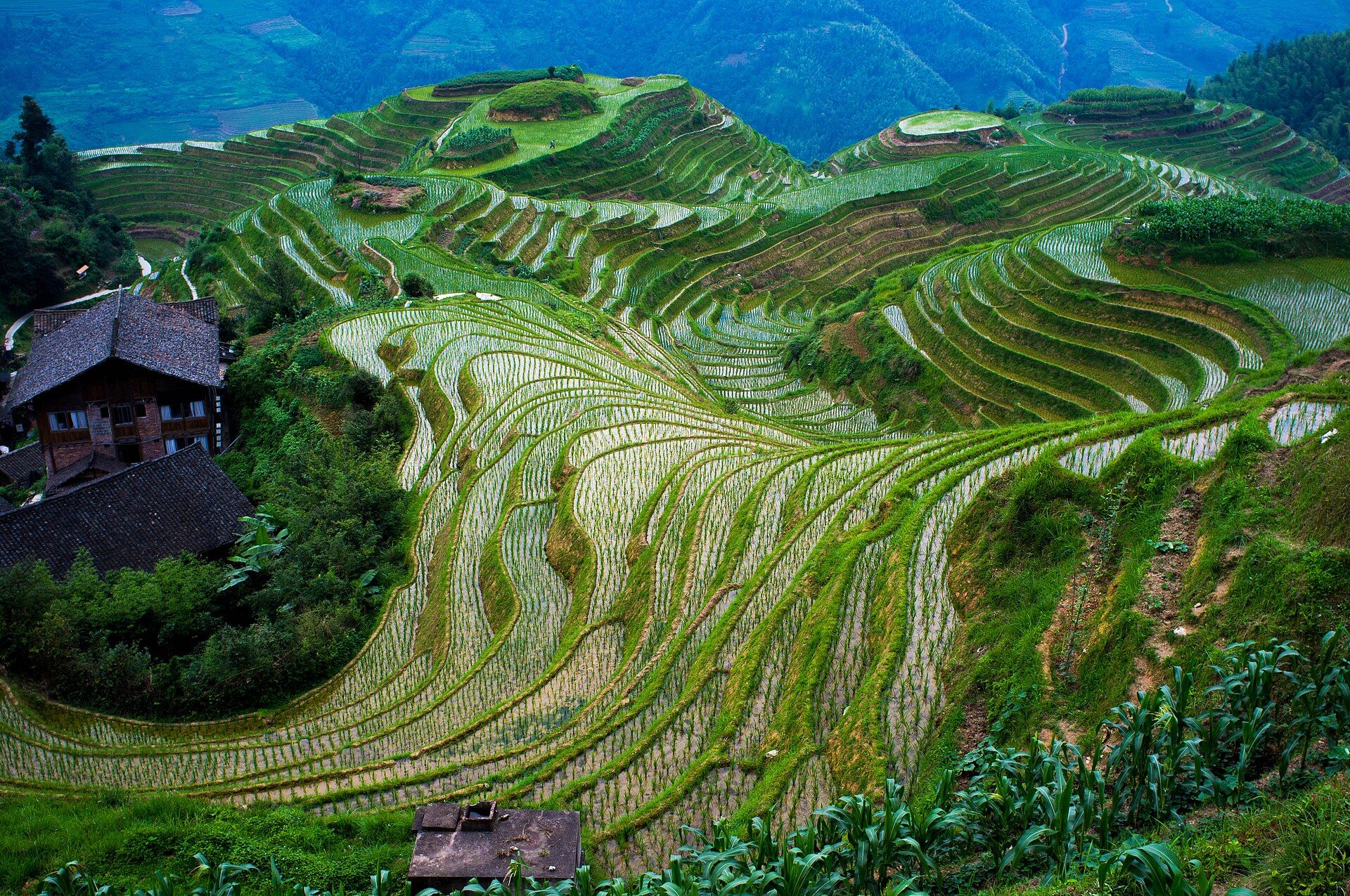
Longji Rice Terraces, Longsheng County, Guangxi, China

Longji Rice Terraces

Longsheng County, Guangxi, China

The Dragon's Backbone — centuries-old rice terraces climbing whole mountainsides in coils and ribbons above the villages of the Zhuang and Yao people, near Guilin in southern China, flooded to mirror the sky in spring and turning gold at harvest.

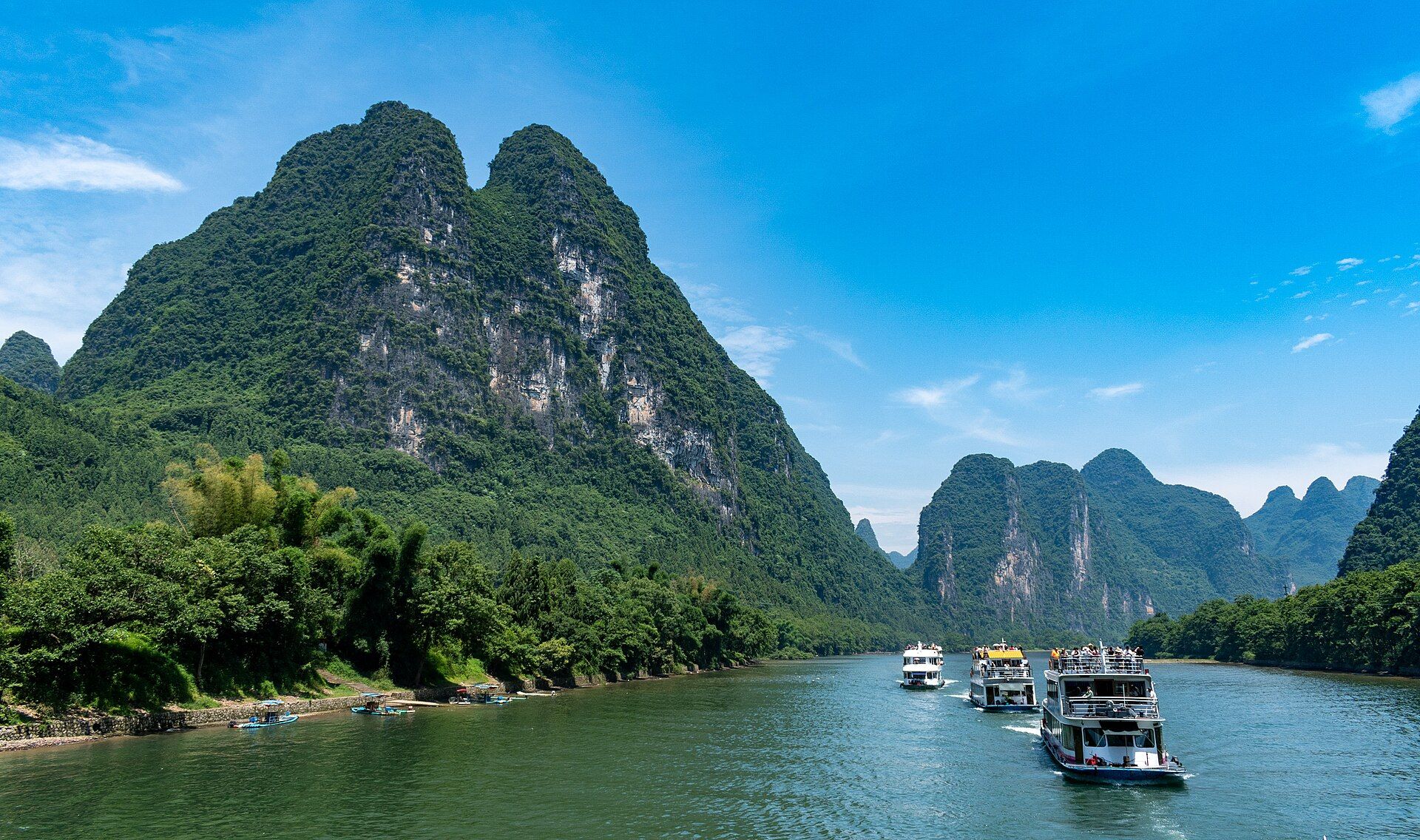
The Li River, Guilin to Yangshuo, Guangxi, Southern China

The Li River

Guilin to Yangshuo, Guangxi, Southern China

China's most famous river scene — a clear green waterway winding 83 kilometres from Guilin to Yangshuo through a forest of karst peaks, past bamboo groves, fishermen on rafts, and the misty limestone hills painted on the 20-yuan note.

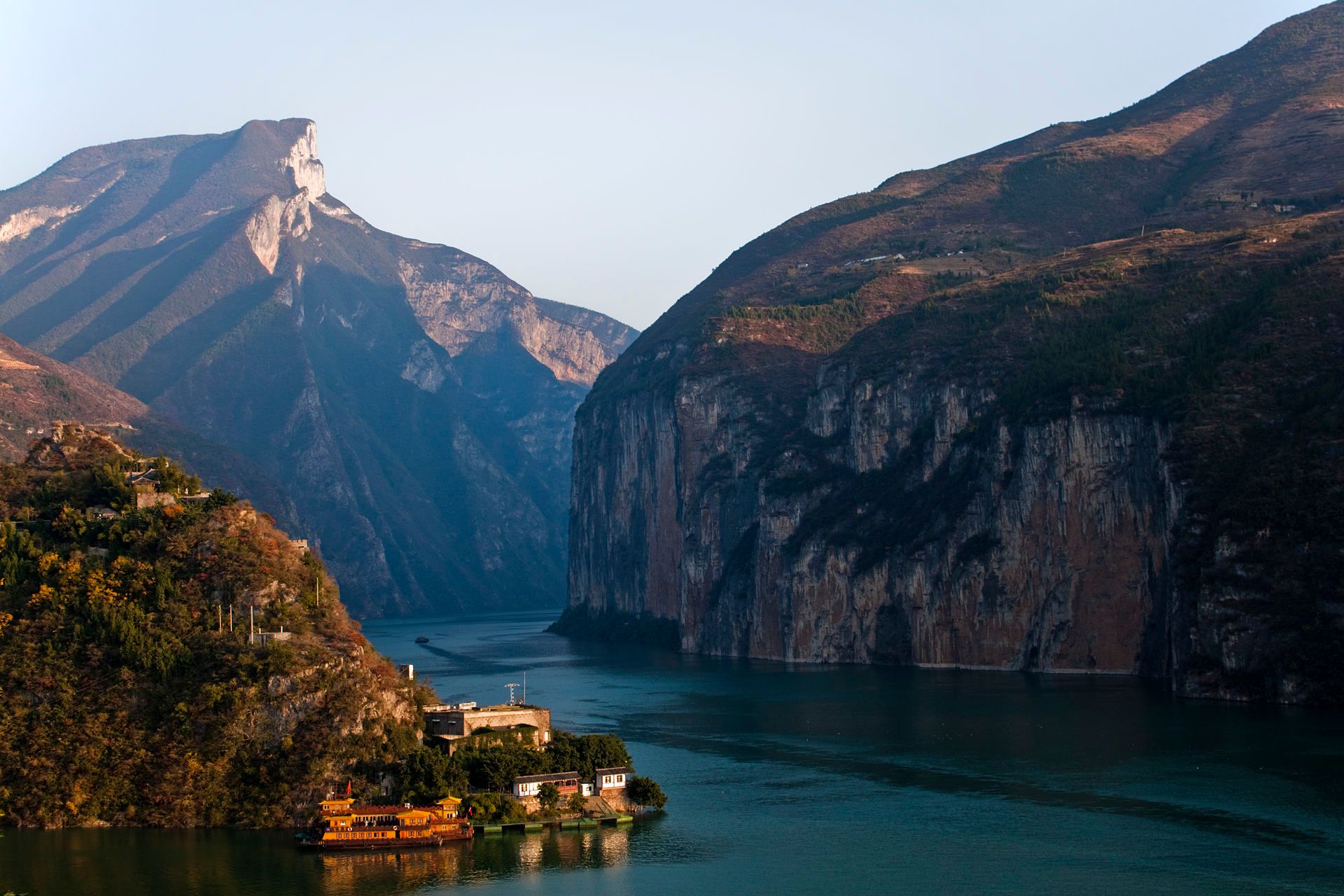
The Three Gorges, Chongqing & Hubei, China

The Three Gorges

Chongqing & Hubei, China

A 200-kilometre procession of sheer limestone gorges where the Yangtze — Asia's greatest river — cuts between cliffs rising a thousand metres, long celebrated in Chinese poetry and painting.

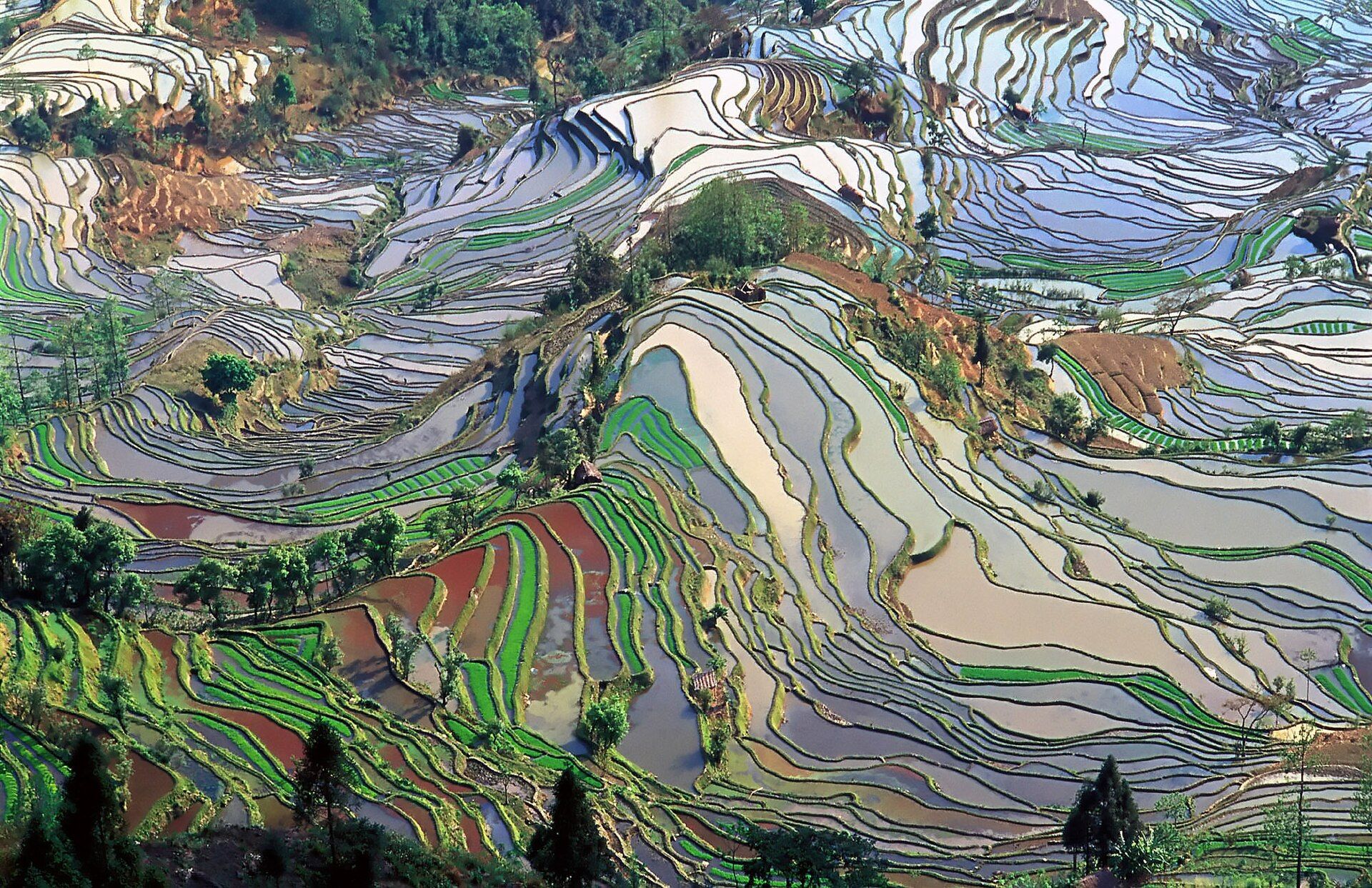
Yuanyang Rice Terraces, Yuanyang County, Honghe, Yunnan, China

Yuanyang Rice Terraces

Yuanyang County, Honghe, Yunnan, China

Thousands of hand-cut paddy terraces falling three thousand steps down the Ailao Mountains in southern Yunnan — flooded through the winter months into a vast staircase of mirrors that turns pink and gold at sunrise.