🇨🇳 Natural wonders of China
A country of continental scale and astonishing landscapes — from the floating sandstone pillars of Zhangjiajie to the painted karst peaks of the Li River, and far beyond.
🗓️ Best time for nature: Spring and autumn (roughly April–June and September–November) suit most of the famous landscapes, with atmospheric mist and mild weather; avoid national-holiday crowds.
The lay of the land
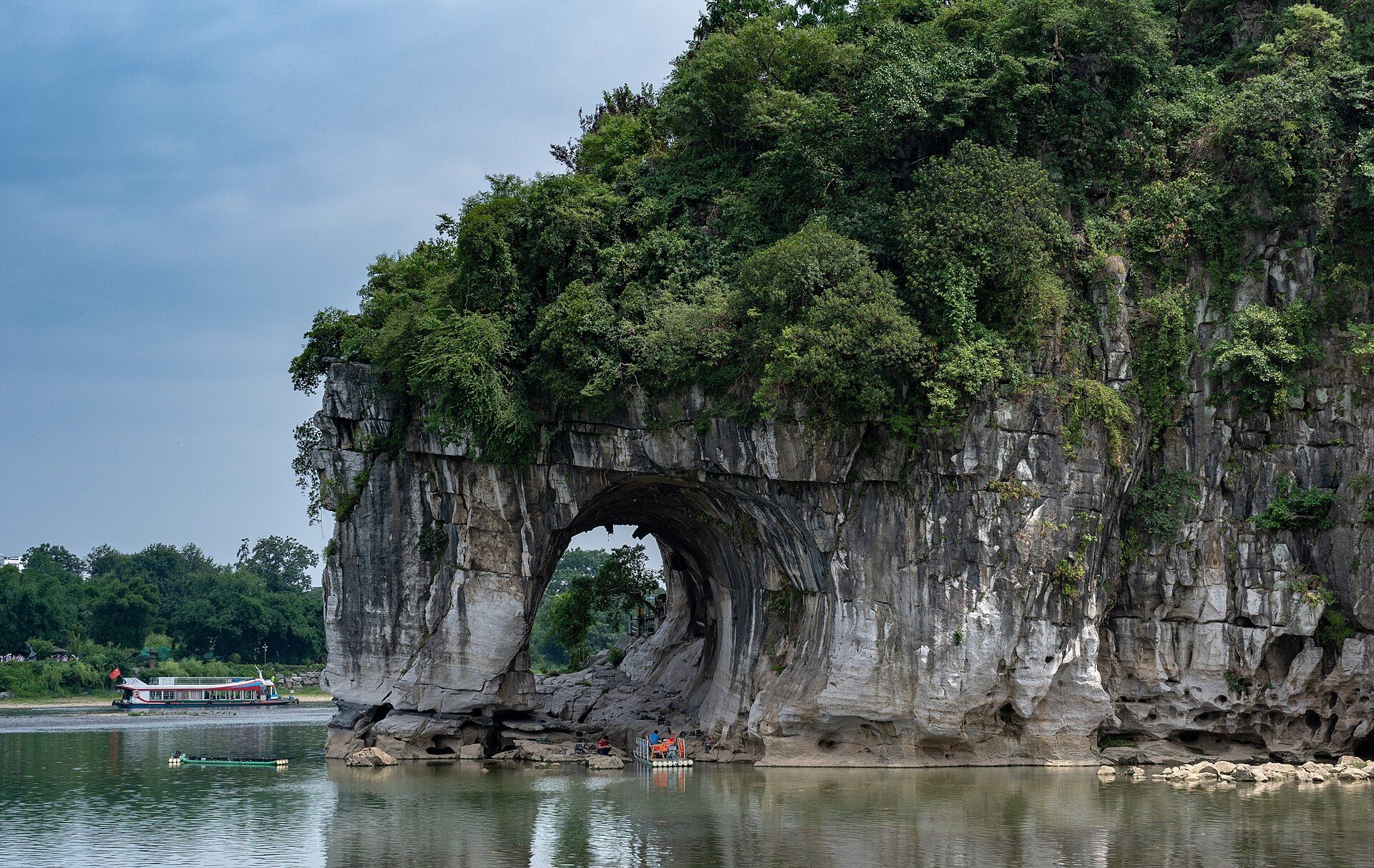
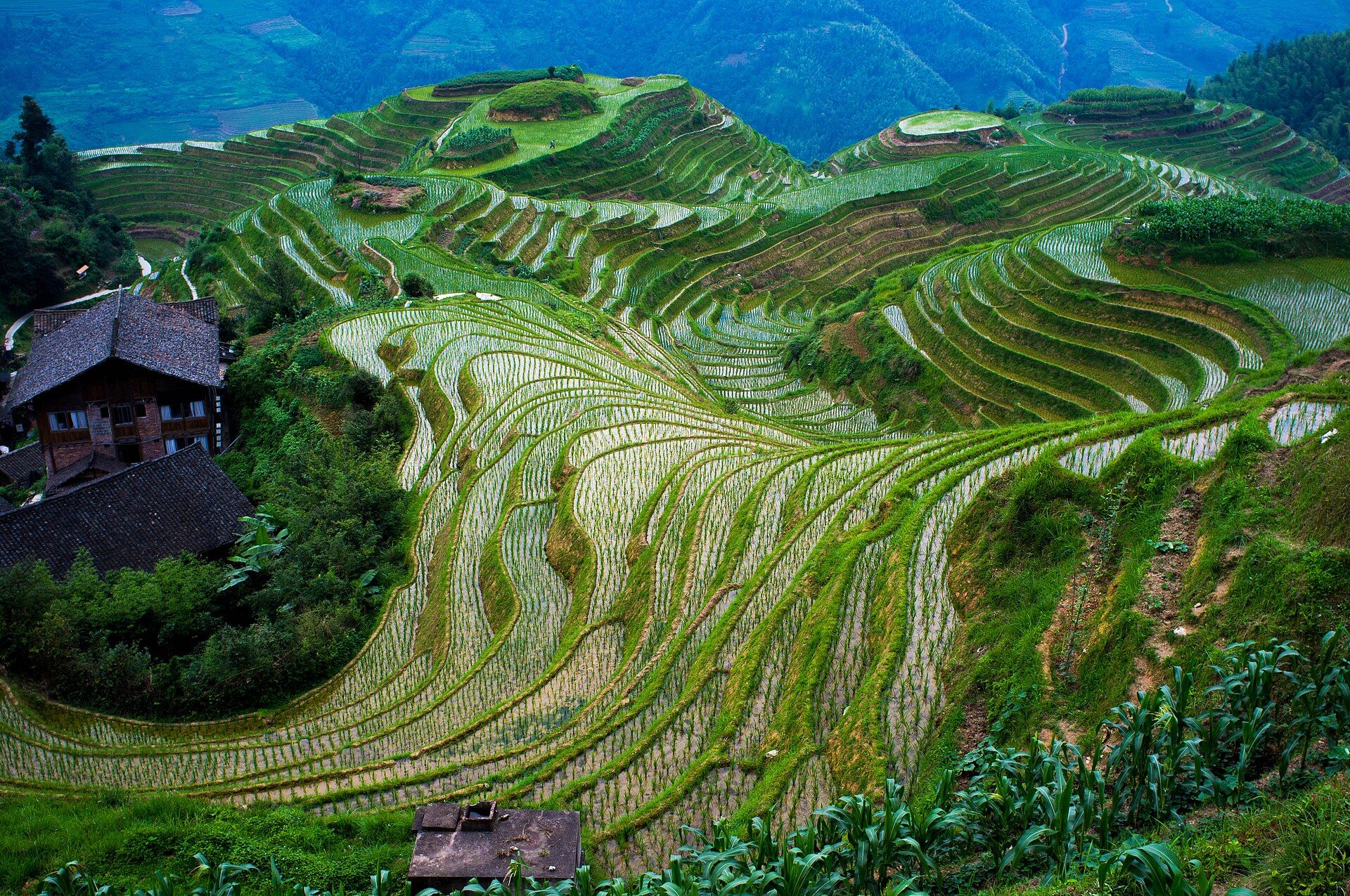
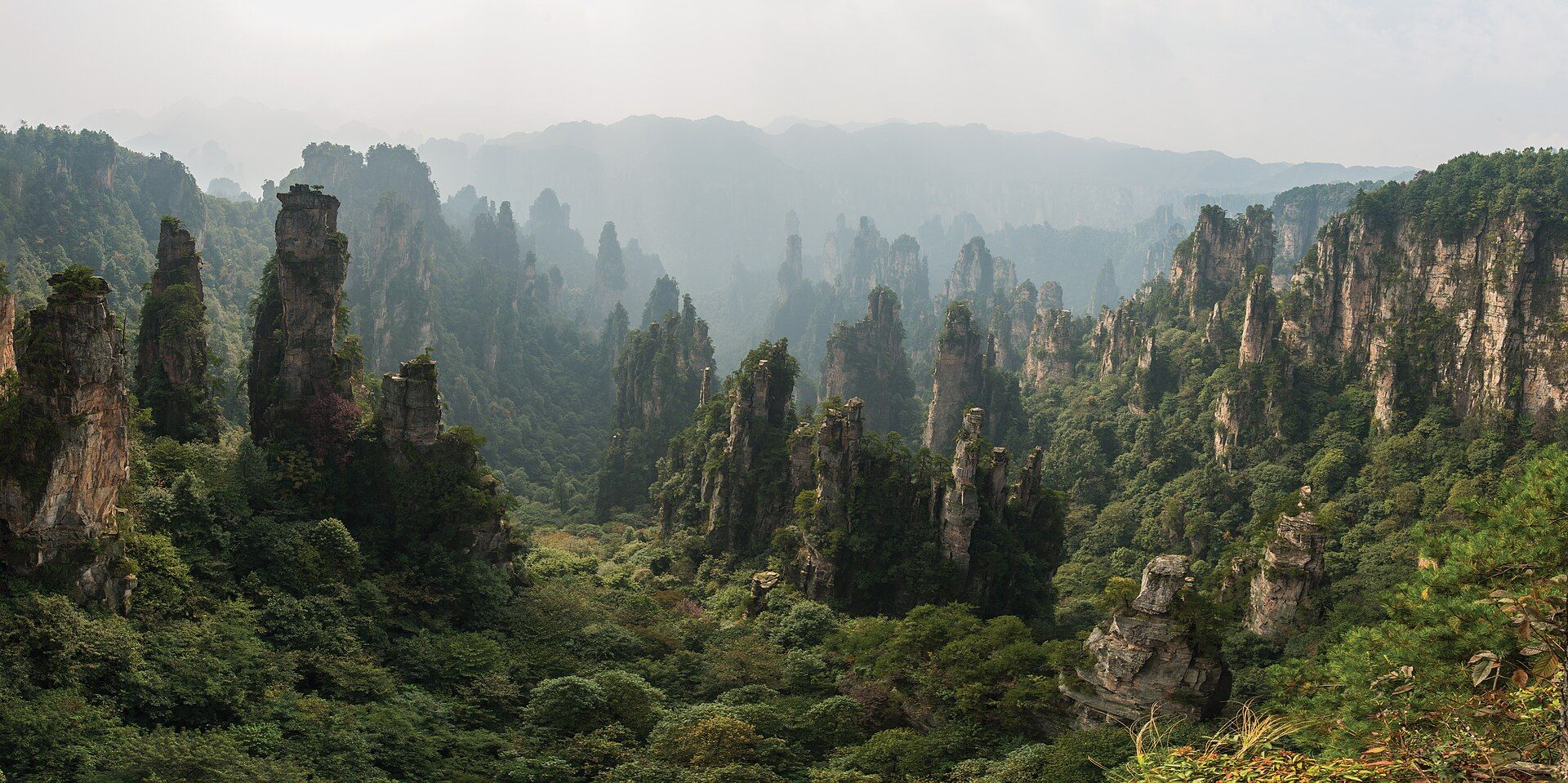
China spans nearly every landscape on Earth — Himalayan and Tibetan heights, deserts, great rivers, subtropical forests, and long coastlines. Two of its most celebrated scenes are made of rock and water: the quartzite-sandstone pillars of Zhangjiajie, weathered into a stone forest that seems to float in the mist, and the tower-karst peaks around Guilin, dissolved from ancient limestone into the rounded summits of classical painting. These landscapes have shaped Chinese art and poetry for well over a thousand years.
Where to begin
-
Zhangjiajie (Wulingyuan)
Thousands of towering sandstone pillars that inspired Avatar's floating mountains.
-
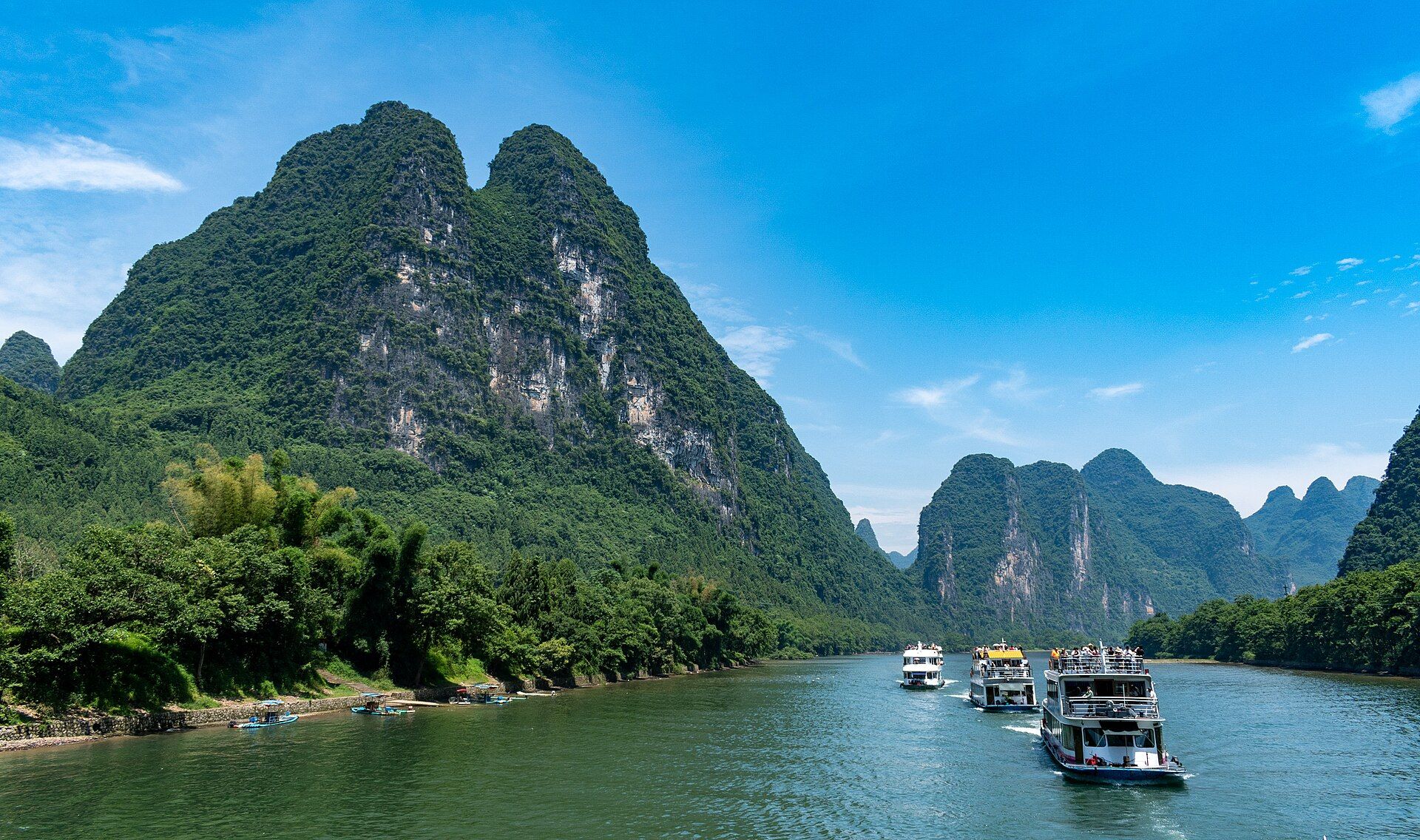
Guilin & the Li River Karst
Painted-scroll limestone peaks along the winding Li River.
A taste of the place
Chinese food is vast and regional: fiery, chilli-rich Hunan cooking near Zhangjiajie; delicate Guilin rice noodles and Yangshuo's beer fish in the karst country; and countless distinct cuisines across the country's provinces.
Traveling responsibly
- Go early or stay overnight at popular scenic parks to beat the crowds.
- Mist often enhances the karst and sandstone landscapes — embrace it.
- High-speed rail links most of the famous sites efficiently.
China contains nearly every kind of landscape, but two of its most beloved are studies in rock and water. At Zhangjiajie, thousands of sheer sandstone pillars rise out of subtropical forest and drifting cloud, so otherworldly they inspired the floating mountains of Avatar. Around Guilin, ancient limestone has dissolved into a forest of rounded karst peaks along the Li River — the very scenery of classical Chinese painting. This atlas begins the country’s chapter with these two, with much more of China’s immense natural range to come.
Added
All wonders in China
11 places