Head to head · Page, Arizona
Horseshoe Bend vs Antelope Canyon: Which to See From Page?
Both are minutes from Page, Arizona, both are carved in the same Navajo Sandstone, and they are usually seen on the same day — but they could hardly be more different experiences.
One is a vast view from the top of a canyon; the other is a walk through the inside of one. Here is how they compare, and how to fit them together.
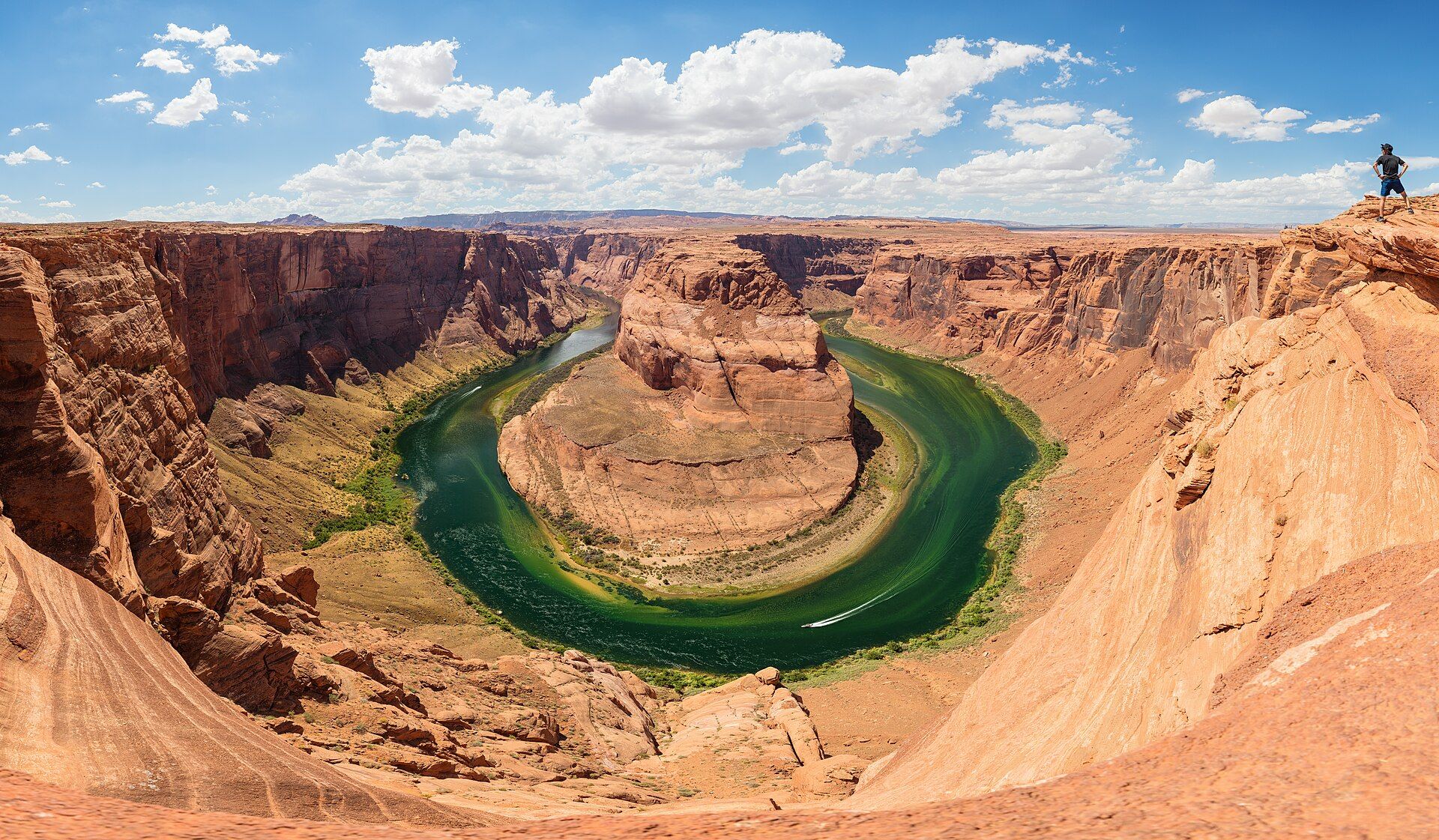
Horseshoe Bend
The big view, on your own schedule
A 270° loop of the Colorado River about 1,000 ft (305 m) below a sandstone rim, reached by a 1.5-mile (2.4 km) round-trip trail. No tour or booking — just a paid car park run by the City of Page.
- No tour or reservation needed
- A short, easy walk to a huge panorama
- Great at sunrise and late afternoon
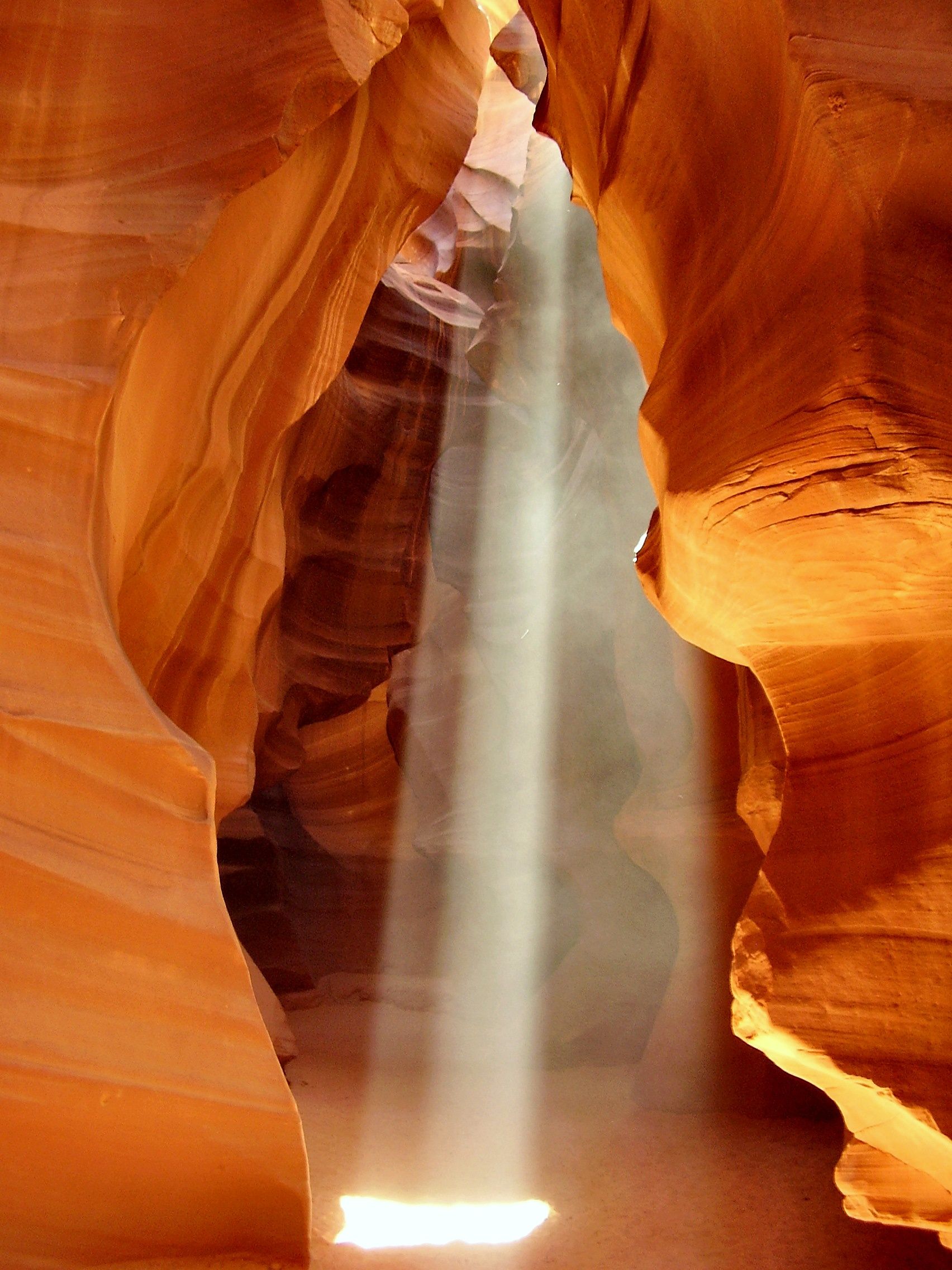
Antelope Canyon
Inside the rock, with a Navajo guide
Narrow, wave-sculpted slot canyons on the Navajo Nation, visited only with a permit and an authorized tour. Upper Antelope is entered at ground level; Lower Antelope uses stairways and ladders.
- Swirling sandstone walls you walk through
- Light beams reach the floor around midday, March to October
- Tours run year-round
Head to head
| What matters | Horseshoe Bend | Antelope Canyon |
|---|---|---|
| Experience Edge: Toss-up | A rim-top panorama over a river meander. | A close, enclosed walk through curving slot-canyon walls. |
| Access Edge: Horseshoe Bend | Self-guided; pay to park and walk the hardened trail. | A permit and a guided tour are required; book with an authorized operator. |
| Time needed Edge: Horseshoe Bend | 1–2 hours including the walk. | A tour slot of a couple of hours, plus check-in. |
| Best light Edge: Toss-up | Sunrise or late afternoon, before the gorge falls into shadow. | Around midday from March to October for the light shafts. |
| Physical effort Edge: Toss-up | Easy walk, but hot and shadeless in summer. | Upper is level with sandy walking; Lower has stairs and ladders. |
Which should you choose?
Choose Horseshoe Bend if…
…you want a free-form stop with no booking, a famous photograph and a short walk, at sunrise or sunset.
Choose Antelope Canyon if…
…you want something you can't see from a viewpoint — the inside of a slot canyon — and can book a tour in advance.
The honest verdict
Do both: the light favours them at different times of day, so Antelope Canyon at midday and Horseshoe Bend at sunset fit neatly into one day in Page.
If you have only an hour and no booking, Horseshoe Bend is the one you can always see. If you can book ahead, Antelope Canyon is the more unusual experience.
Wonders mentioned here
Added