Head to head · American Southwest
Grand Canyon vs Zion: Which Should You Visit?
Two of the American Southwest's great canyons, often planned into the same road trip — and genuinely different experiences despite sitting a few hours apart.
Here's how the Grand Canyon and Zion stack up across what actually shapes a visit, and how to decide which to build your trip around.
Grand Canyon
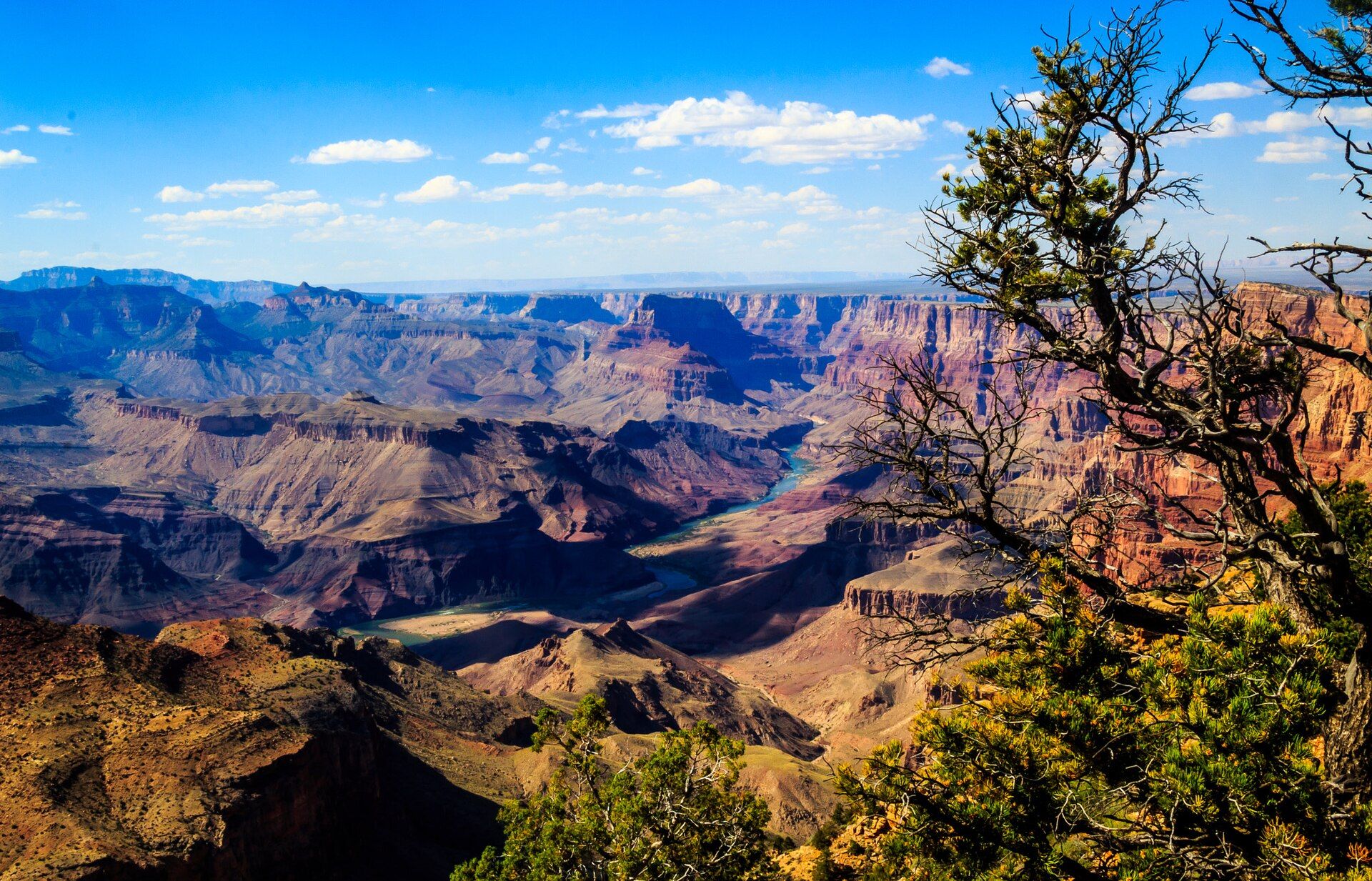
Overwhelming scale, seen from the rim
A mile-deep, 18-mile-wide chasm you mostly experience from above — a view so vast it's hard to take in. The classic visit is rim viewpoints and short walks, with serious effort needed to descend into it.
- Sheer scale — one of the most awe-inspiring views on Earth
- Easy rim viewpoints and sunset spots for all abilities
- Rafting the Colorado and rim-to-rim treks for the ambitious
Zion
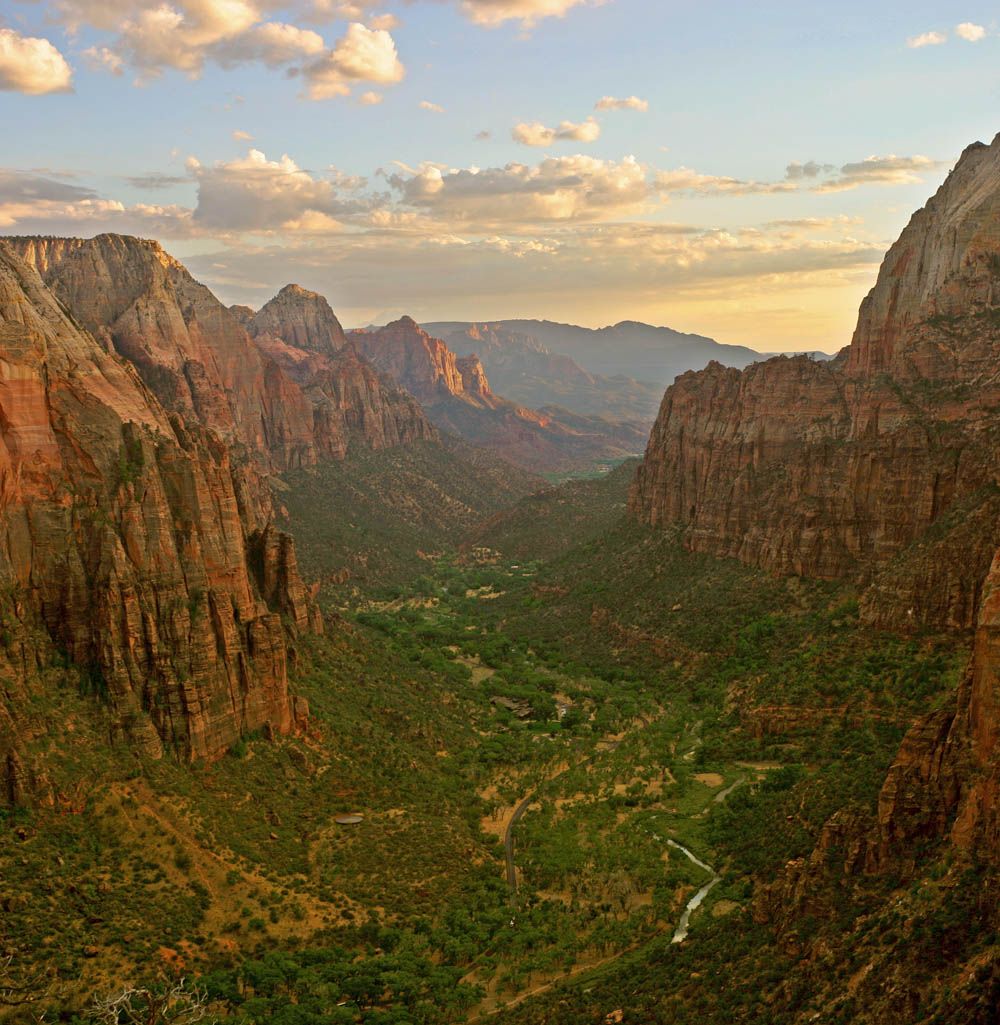
Towering walls, explored from the floor
A narrower sandstone canyon you explore from the bottom up, walled in by 600-metre cliffs. More intimate and more hands-on, with the Narrows and Angels Landing among the country's best-known hikes.
- Immersive canyon-floor hiking, not just viewpoints
- Iconic trails: the Narrows river walk and Angels Landing
- Compact and shuttle-served — a lot in a small area
Head to head
| What matters | Grand Canyon | Zion |
|---|---|---|
| Sheer scale Edge: Grand Canyon | Unmatched — the size is the whole point, and nothing prepares you for it. | Grand but human-scaled — you feel held inside the canyon rather than facing its immensity. |
| Hiking experience Edge: Zion | Big effort for big reward; descending and returning is a serious, hot undertaking. | Some of the best day hikes in the US, from easy riverside strolls to the thrilling Angels Landing. |
| Ease for all abilities Edge: Grand Canyon | Very easy to enjoy from the rim with minimal walking. | The best bits reward hikers; less to do if you can't get on the trails. |
| Crowds & logistics Edge: Toss-up | Busy at the South Rim, but vast enough to spread out. | Compact and very popular — a shuttle system and permits (Angels Landing) manage the crush. |
| Time needed Edge: Toss-up | A rewarding day for the rim; longer if you hike below. | Two days lets you do the Narrows and a big climb without rushing. |
| Best season Edge: Toss-up | Spring and autumn; the South Rim is open year-round, summer is hot and busy. | Spring and autumn; summer is hot and the Narrows depends on river flow. |
Which should you choose?
Choose Grand Canyon if…
…you want the single most jaw-dropping view in the Southwest, prefer to take it in from accessible rim viewpoints, or you're drawn to a serious rim-to-rim trek or a Colorado River trip.
Choose Zion if…
…you'd rather be in the canyon than looking at it, love hands-on day hikes like the Narrows and Angels Landing, and want a lot packed into a compact, walkable park.
The honest verdict
They're not really rivals — they do different things, and most people who can should see both, since they sit within a half-day's drive on the same loop.
If you only have time for one: choose the Grand Canyon for once-in-a-lifetime scale and easy viewing, or Zion for the better hiking and the thrill of being deep inside the walls.
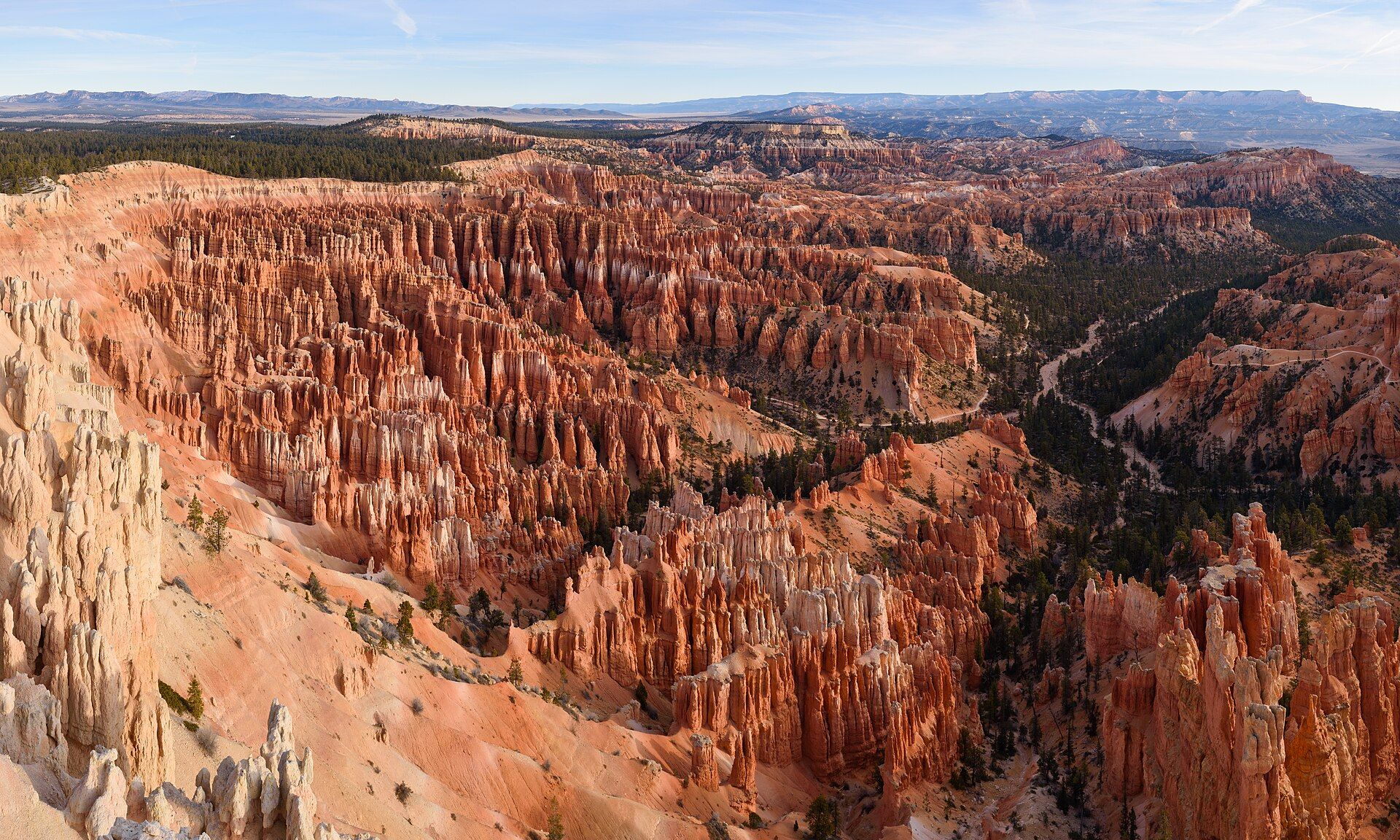
On a Southwest road trip, pair them (often with Bryce Canyon between) for the fullest picture of what canyon country can be.
Wonders mentioned here
Added