The frozen frontier: why the world's ice is worth the journey
There is something about ice on a grand scale that humbles people like little else in nature. Perhaps it is the silence, or the impossible blue, or the sheer weight of time frozen into it — glacier ice can be centuries or millennia old. Whatever the reason, the world’s great ice landscapes are among the most moving places anyone can visit, and they reward the effort it takes to reach them.
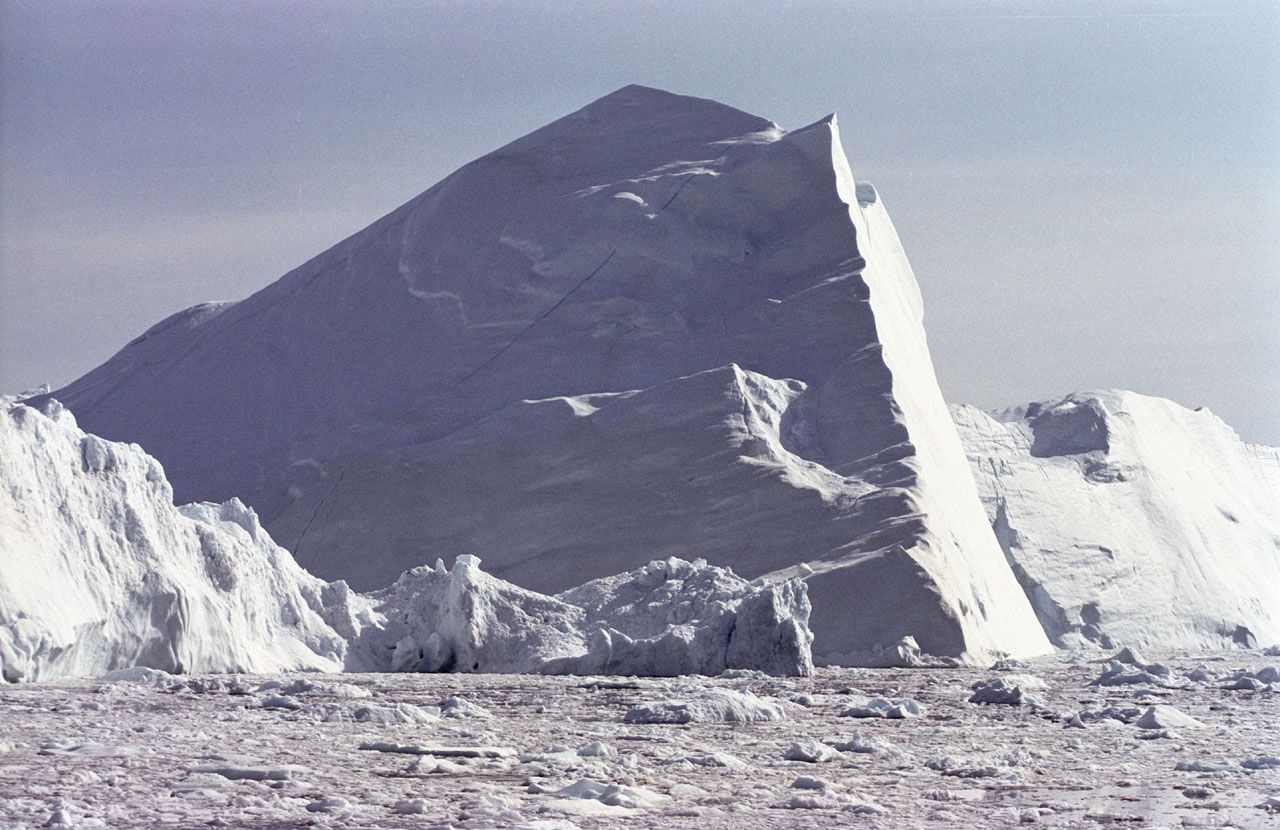
Greenland offers the ice at its most overwhelming. At the Ilulissat Icefjord, one of the fastest glaciers on Earth pours off the vast ice sheet and calves icebergs the size of buildings into a fjord, which grind and roll with sounds like thunder. Farther north and east, Svalbard — roughly halfway to the North Pole — is around 60% glacier, a realm of frozen fjords and polar bears under months of midnight sun or polar night.
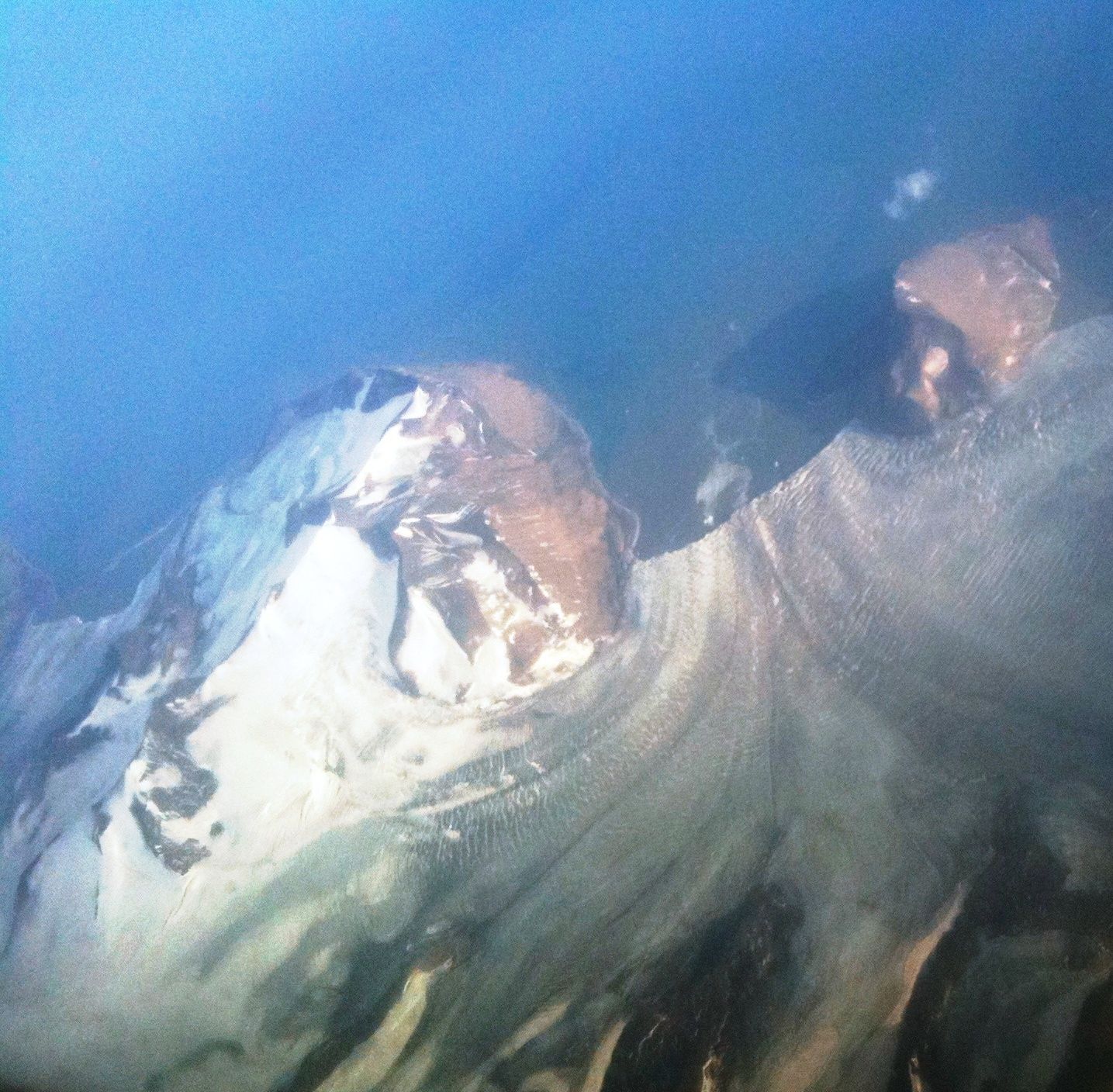
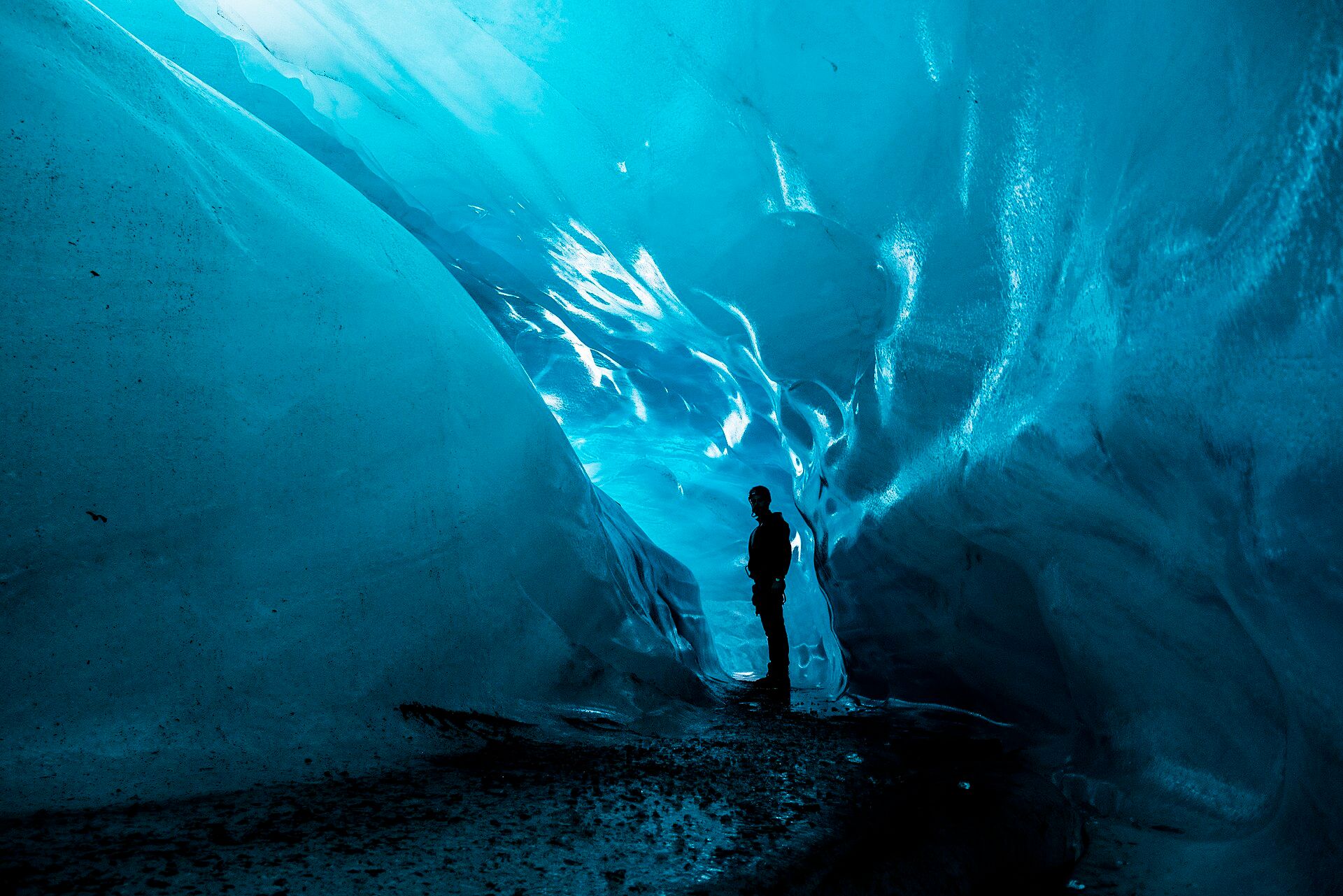
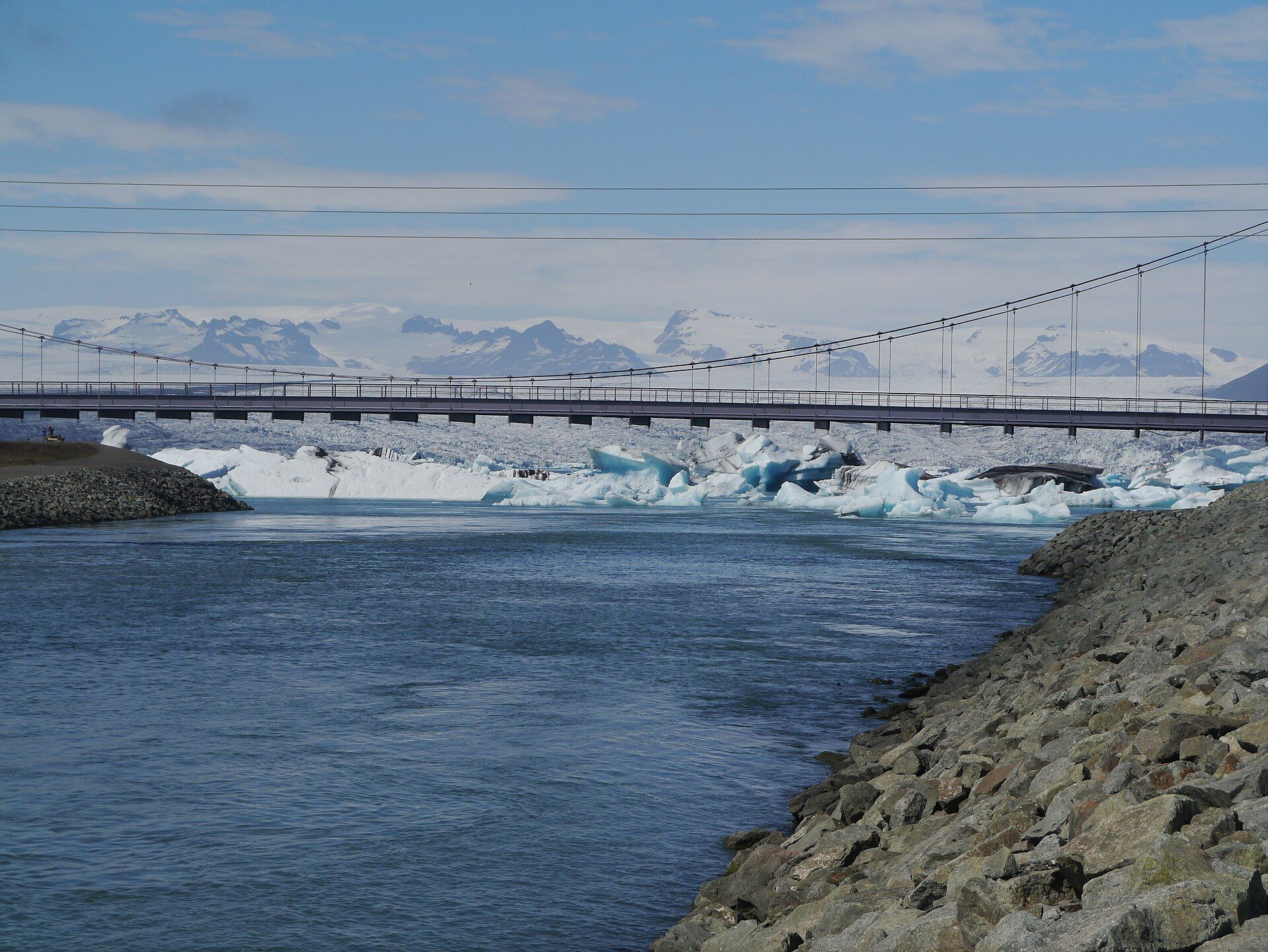
Iceland shows ice in a different mood. Beneath Vatnajökull, the largest ice cap in Europe, meltwater carves caves that freeze each winter into glowing blue chambers — formed anew every year, gone by spring. And at nearby Jökulsárlón, a glacier lagoon fills with icebergs that drift to the sea and wash back onto a black beach like scattered diamonds.
These places carry a poignancy, too. Many of the world’s glaciers are retreating, and to stand before them is to witness something both ancient and, in human terms, fleeting. That is all the more reason to see them with care and respect — travelling with good guides, keeping our distance, and treading lightly. The frozen frontier asks something of those who go, and gives back a sense of scale and wonder that stays with you for life.
Wonders in this article