Postojna Cave
📍 Postojna, Inner Carniola, south-western Slovenia, off the A1 Ljubljana–Koper motorway
A 24-km karst cave system beneath Postojna, toured by a double-track underground railway first opened in 1872 — halls of stalagmites including the 16-m Skyscraper and the white Brilliant, and home of the blind cave salamander, the olm.
What makes it marvelous
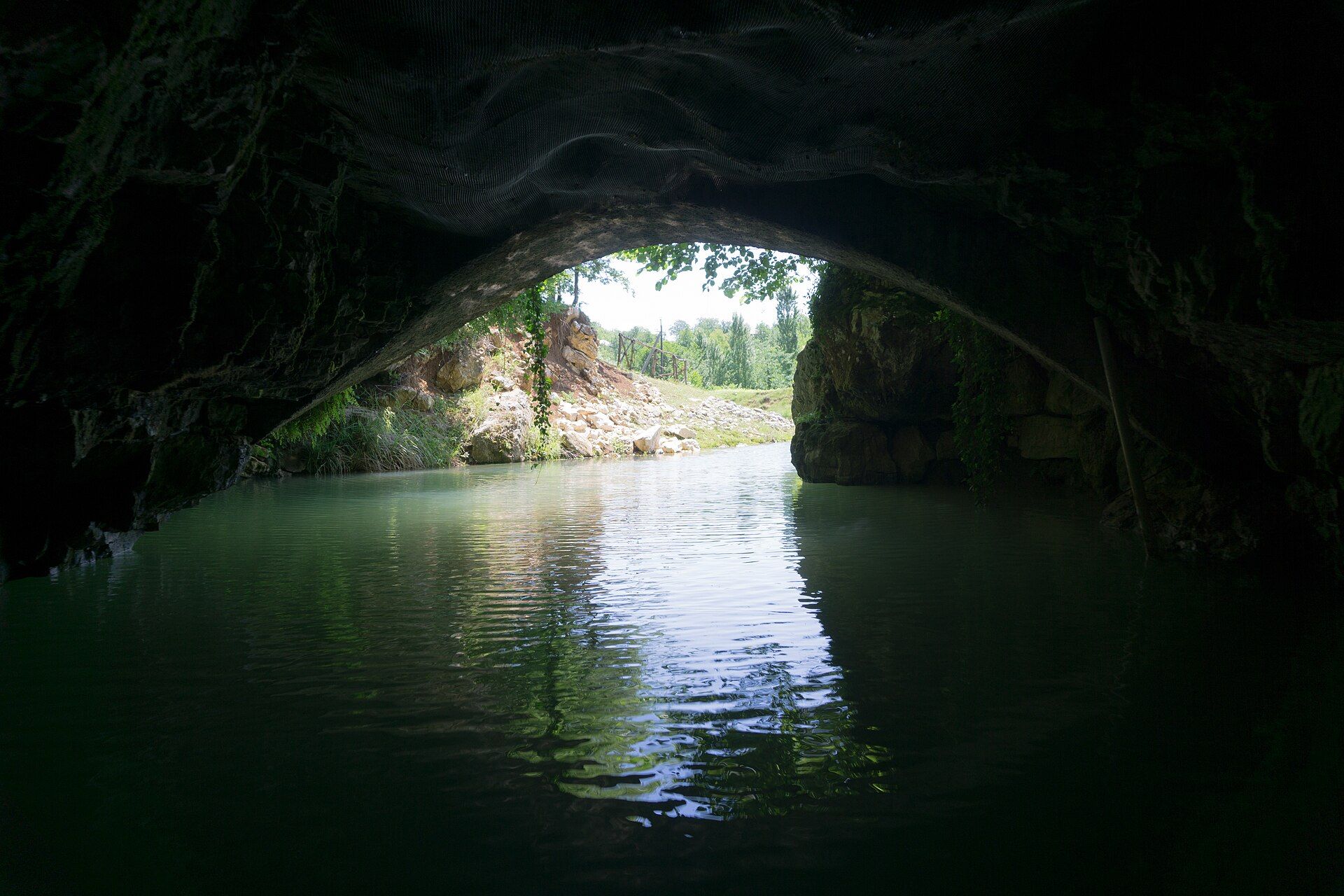
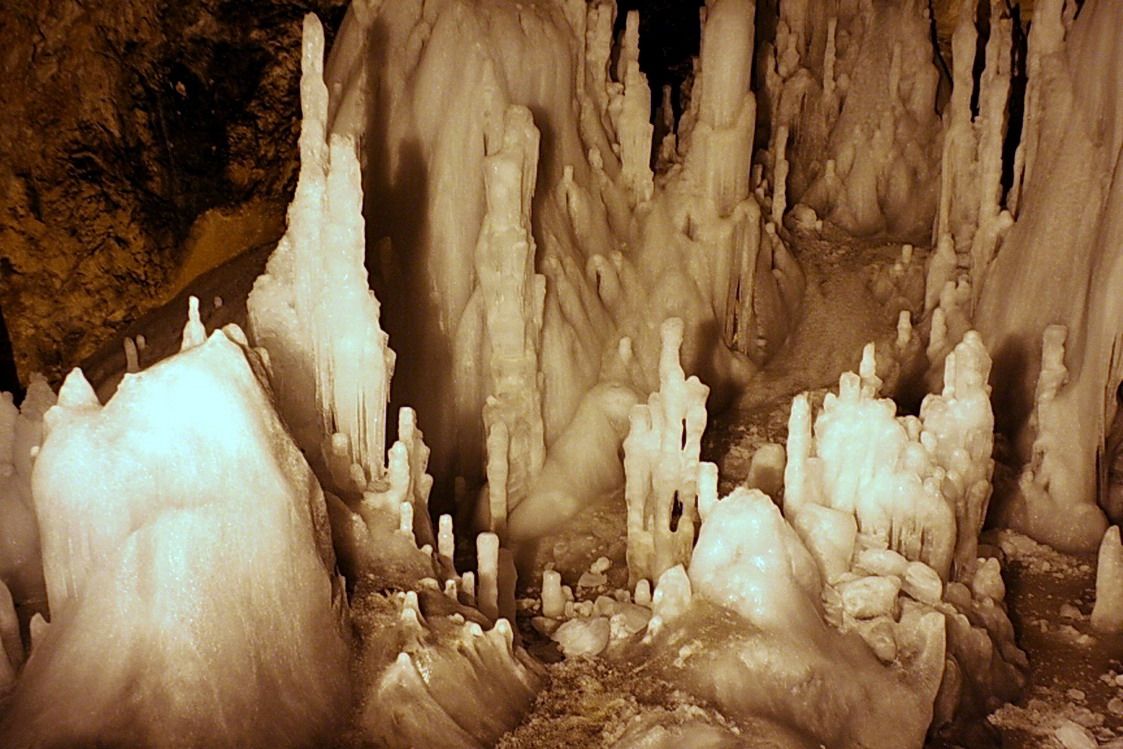
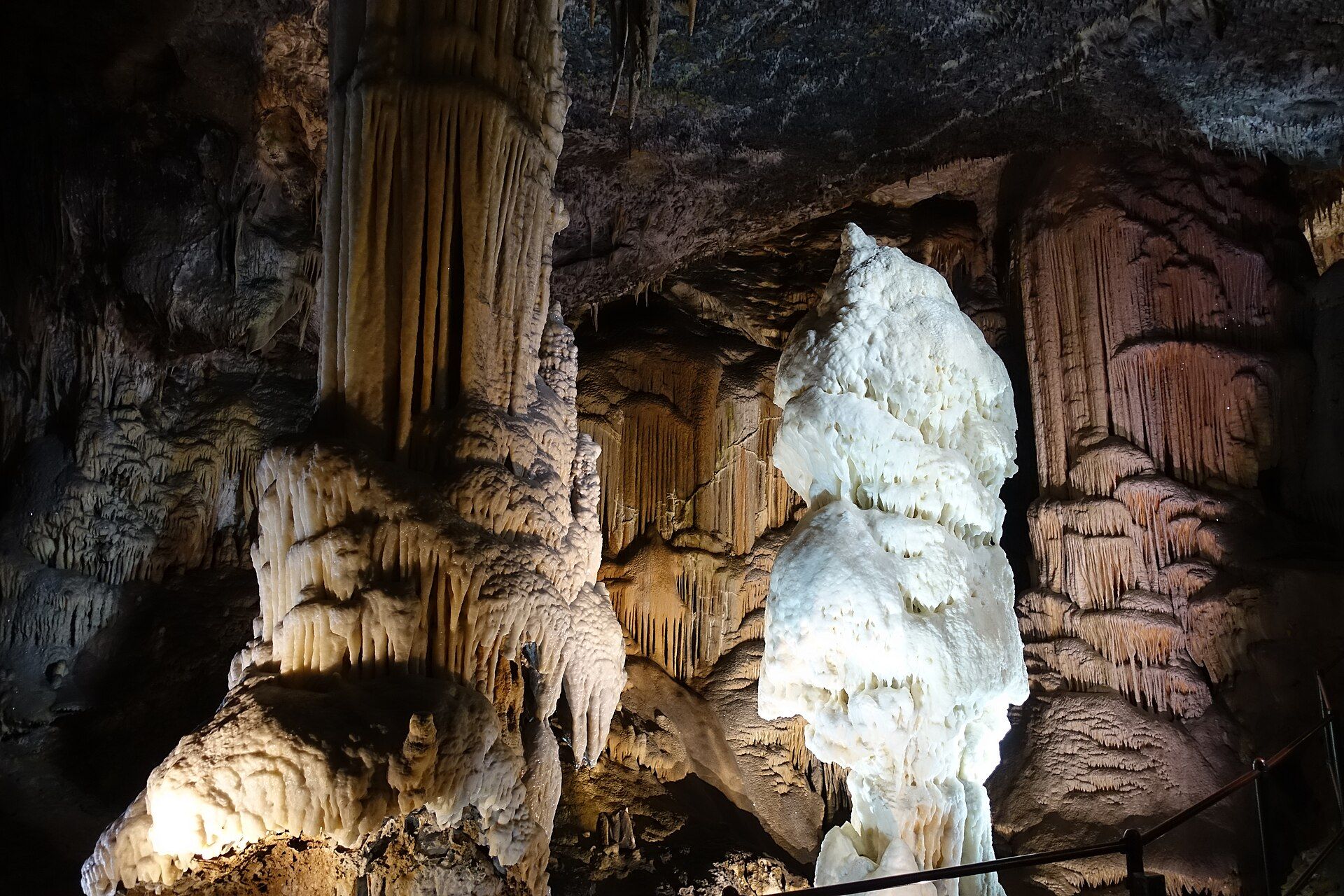
Postojna Cave began forming about three million years ago in limestone some 70 million years old, and today its system runs to about 24 km of passages, halls and underground river channels. Its stalagmites grow slowly — on average roughly a millimetre in ten years, though the rate varies widely — and the oldest dated one on the tour route, the 16-metre Skyscraper, is estimated at about 150,000 years. It stands below the summit of the Calvary, a hall formed by a ceiling collapse with a volume of more than 168,000 cubic metres, among a forest of tall stalagmites called the Giants. The cave's symbol is the Brilliant, a five-metre stalagmite kept bright white by a thin film of flowstone. Postojna is also the classic home of the olm (Proteus anguinus), a blind, pale amphibian 25–30 cm long that lives only in the Dinaric karst and was scientifically described in 1768.
Why visit
Ride an open train deep into the karst, then walk among stalagmite forests, white flowstone and halls big enough to swallow a cathedral — an easy, family-friendly way into one of Europe's great show caves.
Still deciding?
Postojna Cave comes up most often against one other place — each one weighs cost, effort, season and crowds side by side.
What to know before you go
🗓️ Best time
Open every day of the year, in any weather; the cave stays at a constant 10 °C. Summer is the busiest season, so an early or late tour is calmer.
🧭 Getting there & access
Postojna Cave Park is 2 km from exit 41 (Postojna) of the A1 motorway between Ljubljana, Koper and Trieste. Postojna is on the Vienna–Venice railway; from the station it is about a 25-minute walk, and a local bus links the railway station, the town bus station and the cave park. Visits are by guided tour only.
Good to know
- Arrive about 30 minutes before your tour — boarding for the cave train starts 15 minutes before the tour time.
- Bring a warm layer and proper shoes for the constant 10 °C; rain jackets can be hired at the park.
- Photos and video are allowed on regular tours, but not with flash or a tripod.
- Don't bring large bags, backpacks or umbrellas into the cave — lockers are available in the EXPO pavilion.
Plan your visit
Easy🧭 Getting there
From Ljubljana (LJU), Slovenia; or Trieste (TRS), Italy
- Fly into Ljubljana or Trieste
- Drive the A1 motorway to exit 41 (Postojna); the park is 2 km from the exit — under an hour from Ljubljana, according to the park
- Or take the train or an hourly bus from Ljubljana to Postojna, then walk about 25 minutes or take the local bus to the park
- Total travel
- Under an hour by road from Ljubljana
- Time at site
- About 1.5 hours for the cave tour; half a day or more with the Vivarium, Predjama Castle (about 9 km away) or other park attractions
- Access
- Postojna Cave is open every day, including public holidays, and can be seen only on a guided tour that leaves at set times; buy tickets from the Postojna Cave Park (postojnska-jama.eu) and confirm current timetables and prices there. The tour takes about 1.5 hours and covers about 5 km — most of it by train and just over a kilometre on foot, including a 200-metre section at a 20% gradient up and a similar section down. The path is slip-resistant concrete and suitable for prams; wheelchair users are advised to tour by train only. Pets are not allowed in the cave (free kennels are available). Adventure tours into less-visited parts of the system need good fitness and sometimes previous caving experience.
🎒 What to bring & consider
- A warm jacket for the constant 10 °C inside the cave
- Comfortable, non-slip shoes
- A camera without flash or tripod
- Time to arrive 30 minutes before your tour for train boarding
👁️ What to expect
- Crowds
- One of Europe's most visited caves — more than 39 million visitors in 200 years, according to the park — so summer tours run in large groups.
- Conditions
- A train ride deep into the cave, then just over a kilometre on a paved path with one steep climb and descent.
- Facilities
- A full visitor park at the entrance with ticket office, lockers, restaurants, shops and a hotel.
- The view
- The bright-white Brilliant stalagmite beside its ornate neighbouring column, lit against the dark cave walls — no flash allowed, so steady your camera.
Times and requirements are approximate and change with season, weather, and local rules — confirm permits, fares, and schedules with operators before you travel.
Natural riches of the area
- About 24 km of karst passages, halls and underground river channels
- The Skyscraper, a 16-m stalagmite about 150,000 years old
- The Brilliant, a five-metre white stalagmite
- The olm (Proteus anguinus), a blind cave amphibian found only in the Dinaric karst
Local food
- Kranjska klobasa
- Carniolan sausage, the region's smoked pork sausage, served with mustard and bread.
- Jota
- A thick stew of sauerkraut, beans and potatoes, a staple of the Karst and the Slovenian Littoral.
Postojna Cave lies under the town of Postojna, on the edge of Slovenia’s karst. Its system runs to about 24 kilometres of passages, halls and underground river channels. The cave began forming about three million years ago in limestone that is some 70 million years old. Since 1872 visitors have ridden into it on a railway. It was the first in the world to run inside a cave, and today it is the only double-track cave railway, carrying visitors 3.7 kilometres underground.
Its stalagmites grow very slowly, roughly a millimetre every ten years on average, though the rate varies a lot from place to place. The oldest dated one on the tour route is the Skyscraper. It stands 16 metres high and is estimated to be about 150,000 years old. It sits just below the top of the Calvary, a hall formed when part of the ceiling fell in. The hall has a volume of more than 168,000 cubic metres and holds a forest of tall stalagmites known as the Giants. The cave’s best-known formation is the Brilliant, a five-metre stalagmite that stays bright white because dripping water keeps coating it with a thin layer of fresh flowstone.
Postojna is also home to the olm (Proteus anguinus). This pale, blind amphibian is 25 to 30 centimetres long, breathes through external gills and lives only in the Dinaric karst. It was scientifically described in 1768. The standard tour lasts about an hour and a half: a train ride, then just over a kilometre on foot, in a cave that stays at 10 °C all year. You can take photos, but not with a flash or a tripod.
Postojna Cave: common questions
How do you get to Postojna Cave?
From Ljubljana (LJU), Slovenia; or Trieste (TRS), Italy: Fly into Ljubljana or Trieste; Drive the A1 motorway to exit 41 (Postojna); the park is 2 km from the exit — under an hour from Ljubljana, according to the park; Or take the train or an hourly bus from Ljubljana to Postojna, then walk about 25 minutes or take the local bus to the park. Total travel time: Under an hour by road from Ljubljana.
When is the best time to visit Postojna Cave?
Open every day of the year, in any weather; the cave stays at a constant 10 °C. Summer is the busiest season, so an early or late tour is calmer.
How long should you spend at Postojna Cave?
About 1.5 hours for the cave tour; half a day or more with the Vivarium, Predjama Castle (about 9 km away) or other park attractions. Total travel time: Under an hour by road from Ljubljana.
What should you bring to Postojna Cave?
A warm jacket for the constant 10 °C inside the cave Comfortable, non-slip shoes A camera without flash or tripod Time to arrive 30 minutes before your tour for train boarding
Do you need a permit or guide for Postojna Cave?
Postojna Cave is open every day, including public holidays, and can be seen only on a guided tour that leaves at set times; buy tickets from the Postojna Cave Park (postojnska-jama.eu) and confirm current timetables and prices there. The tour takes about 1.5 hours and covers about 5 km — most of it by train and just over a kilometre on foot, including a 200-metre section at a 20% gradient up and a similar section down. The path is slip-resistant concrete and suitable for prams; wheelchair users are advised to tour by train only. Pets are not allowed in the cave (free kennels are available). Adventure tours into less-visited parts of the system need good fitness and sometimes previous caving experience.
Is Postojna Cave crowded, and what are conditions like?
One of Europe's most visited caves — more than 39 million visitors in 200 years, according to the park — so summer tours run in large groups. A train ride deep into the cave, then just over a kilometre on a paved path with one steep climb and descent. Facilities: A full visitor park at the entrance with ticket office, lockers, restaurants, shops and a hotel.
Added
More wonders to explore