Marble Caves
📍 General Carrera Lake, Aysén, Chile
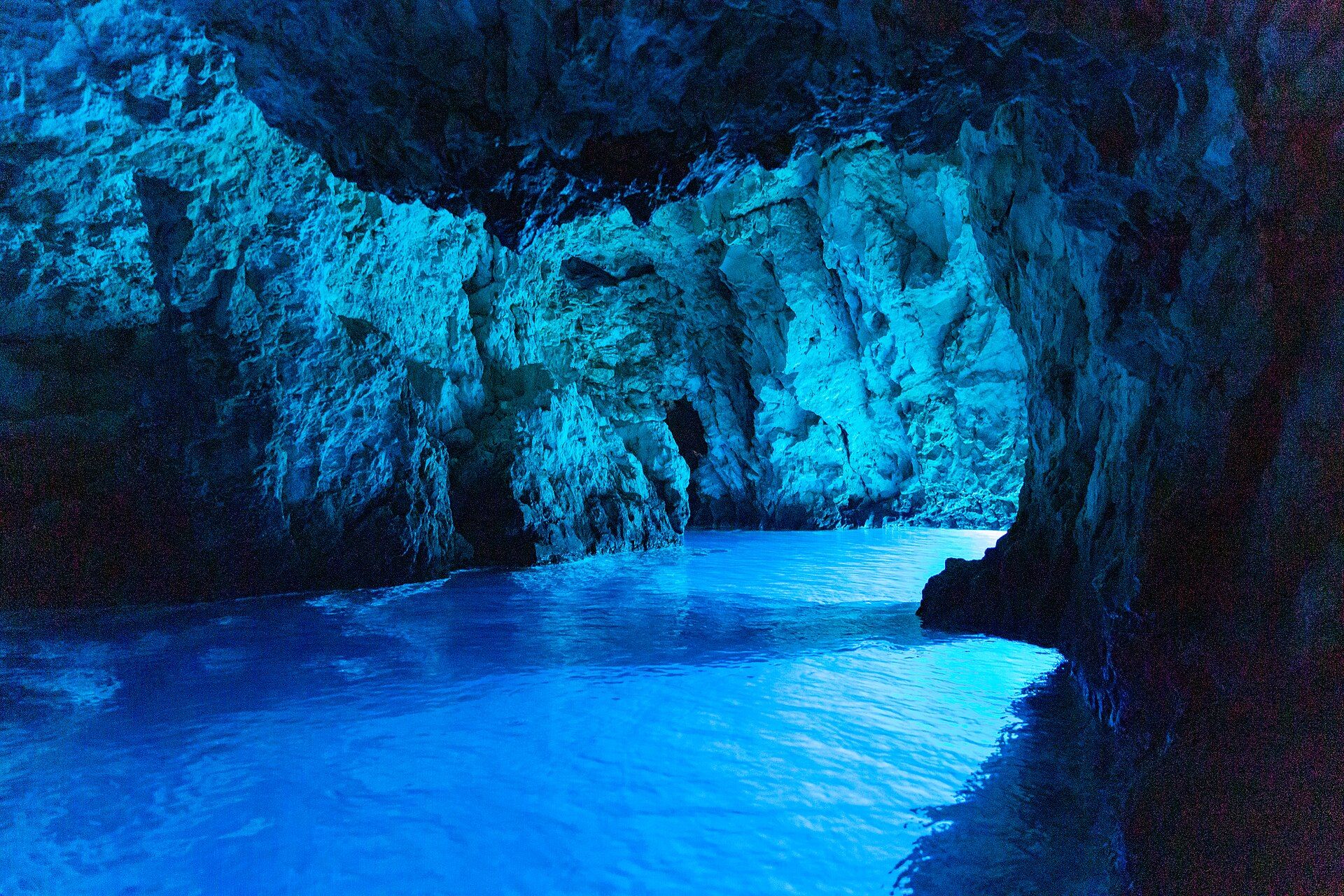
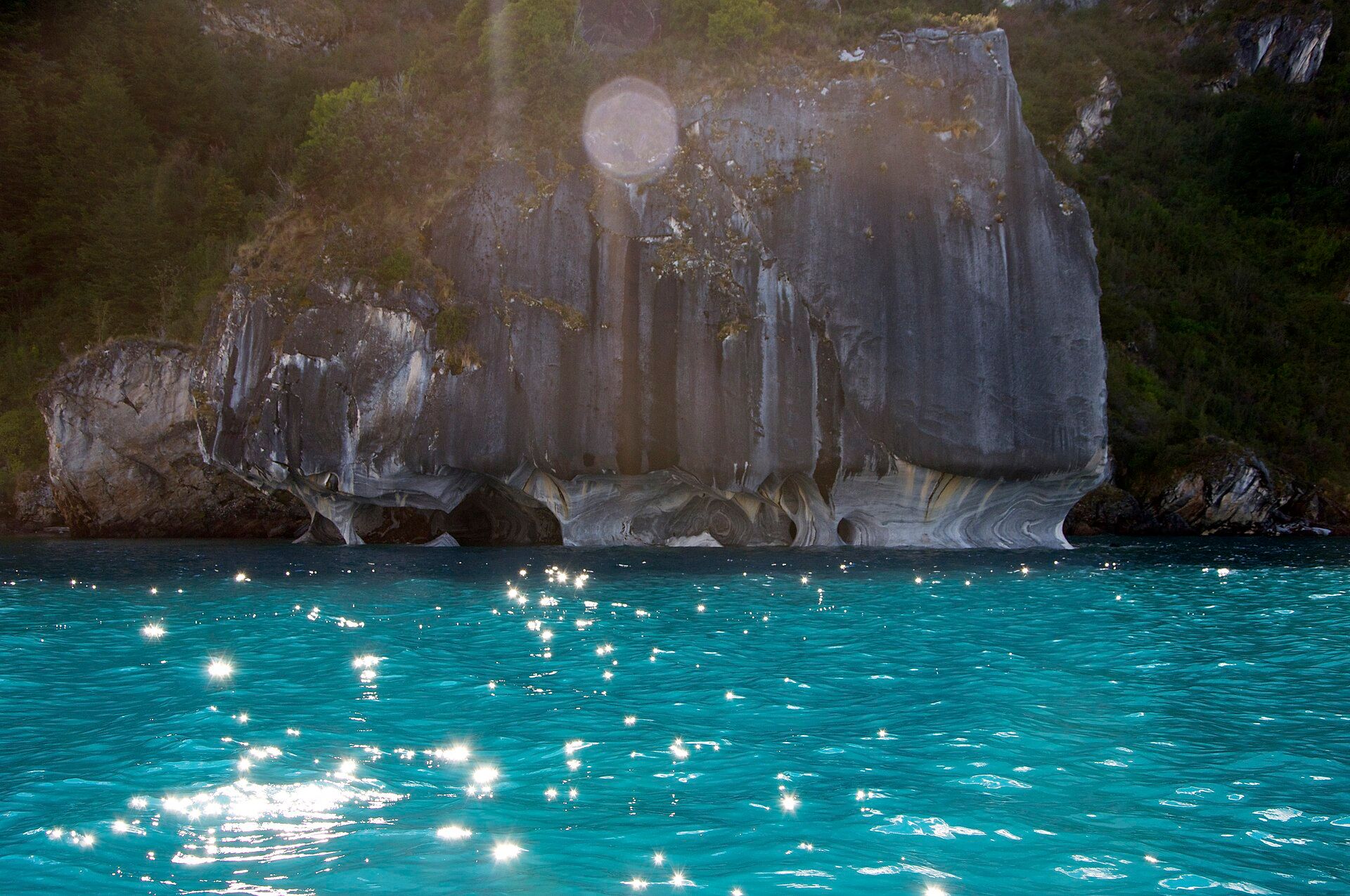
Swirling caverns of polished marble at the water's edge of a remote Patagonian lake — their blue-and-white walls glowing turquoise with the reflected light of the glacier-fed water.
What makes it marvelous
On the shores of General Carrera Lake, deep in Chilean Patagonia, waves have spent some 6,000 years sculpting solid marble into a labyrinth of caves, columns, and archways. The rock is banded in swirls of grey, white, and blue, and because the lake is a brilliant glacial turquoise, the water reflects up onto the polished marble ceilings and walls so that the whole cavern seems to shimmer and glow in shifting shades of blue and green. The colours change with the season and water level — deepest turquoise when the glacial melt is high. Reached only by small boat across the vast, wind-whipped lake beneath the Andes, the Marble Caves (Capillas de Mármol) are one of the most beautiful and surreal water-sculpted formations on Earth.
Why visit
Gliding by boat into a glowing marble cavern, its swirling walls lit turquoise by the reflected lake, is a serene and otherworldly experience — a hidden jewel of Patagonia well off the usual trail.
What to know before you go
🗓️ Best time
The Southern Hemisphere summer (roughly December–March) for calmer water, boat access, and the most vivid turquoise; the lake is rough and cold much of the year.
🧭 Getting there & access
On General Carrera Lake in the remote Aysén region of Chilean Patagonia, reached via the Carretera Austral to Puerto Río Tranquilo, where small boats and kayaks run out to the caves in calm weather.
Good to know
- Visit in summer for calm water and the brightest turquoise colour.
- Go early in the day, before afternoon winds churn up the lake.
- Choose calm-weather boat or kayak trips with local operators.
Plan your visit
Easy🧭 Getting there
From Balmaceda (BBA), Chilean Patagonia, then Puerto Rio Tranquilo
- Fly Santiago → Balmaceda — roughly 2h20
- Road down the Carretera Austral to Puerto Rio Tranquilo — about 3h30–5h, partly unpaved
- Small boats and kayaks leave the village for the formations — around 30 minutes across the water
- Total travel
- Most of a day from Santiago
- Time at site
- 2–3 hours on the water, plus a night in the village to allow for weather
- Access
- Boat and kayak tours run from Puerto Rio Tranquilo with local operators; there is no land access to the formations at all. Trips are cancelled outright when the lake is rough, which happens often — the wind builds through the day, so morning departures are considerably more reliable than afternoon ones.
🎒 What to bring & consider
- Warm windproof layers — an open boat on a glacial lake is cold even in Patagonian summer
- A waterproof layer and a dry bag, because you will be splashed
- Sun protection; light bouncing off pale marble and water is stronger than it feels
- Motion-sickness tablets if you are prone, given the chop
- Cash and a fuel plan for the Carretera Austral, where services are far apart
👁️ What to expect
- Crowds
- Modest and concentrated in the Patagonian summer. The chambers are small, so boats take turns going inside.
- Conditions
- An open boat on a cold, frequently choppy lake, with low cave entrances the skipper has to time against the swell.
- Facilities
- Basic in Puerto Rio Tranquilo — lodging, a few eateries, fuel. Nothing on the water.
- The view
- The swirled blue depends on water level and light: the colour is strongest when the lake is low and the sun is high enough to bounce off the surface into the chambers. Overcast flattens it, and rough water cancels the trip altogether.
Times and requirements are approximate and change with season, weather, and local rules — confirm permits, fares, and schedules with operators before you travel.
Natural riches of the area
- Marble caves sculpted by ~6,000 years of wave action
- Banded grey, white, and blue marble walls and columns
- Brilliant glacier-fed turquoise lake water
- Remote Patagonian mountain-and-lake wilderness
Local food
- Patagonian lamb
- Spit-roasted lamb (cordero al palo), the signature of southern Chile.
- Freshwater fish
- Trout and salmon from the lakes and rivers of Aysén.
- Calafate berries
- Wild Patagonian berries used in jams and desserts.
Hidden on the shores of a vast, wind-whipped lake deep in Chilean Patagonia are some of the most beautiful caves on Earth. For around 6,000 years, the waves of General Carrera Lake have sculpted solid marble into a labyrinth of caverns, columns, and archways, their walls banded in swirls of grey, white, and blue.
Their magic comes from the water. The lake is a brilliant glacial turquoise, and its colour reflects up onto the polished marble so that the whole cavern glows and shimmers in shifting blues and greens, deepest when the summer glacial melt runs high. Reached only by small boat across the lake beneath the Andes, along the remote Carretera Austral, the Marble Caves are a serene, otherworldly jewel — one of Patagonia’s most surreal and least-crowded wonders.
Marble Caves: common questions
How do you get to Marble Caves?
From Balmaceda (BBA), Chilean Patagonia, then Puerto Rio Tranquilo: Fly Santiago → Balmaceda — roughly 2h20; Road down the Carretera Austral to Puerto Rio Tranquilo — about 3h30–5h, partly unpaved; Small boats and kayaks leave the village for the formations — around 30 minutes across the water. Total travel time: Most of a day from Santiago.
When is the best time to visit Marble Caves?
The Southern Hemisphere summer (roughly December–March) for calmer water, boat access, and the most vivid turquoise; the lake is rough and cold much of the year.
How long should you spend at Marble Caves?
2–3 hours on the water, plus a night in the village to allow for weather. Total travel time: Most of a day from Santiago.
What should you bring to Marble Caves?
Warm windproof layers — an open boat on a glacial lake is cold even in Patagonian summer A waterproof layer and a dry bag, because you will be splashed Sun protection; light bouncing off pale marble and water is stronger than it feels Motion-sickness tablets if you are prone, given the chop Cash and a fuel plan for the Carretera Austral, where services are far apart
Do you need a permit or guide for Marble Caves?
Boat and kayak tours run from Puerto Rio Tranquilo with local operators; there is no land access to the formations at all. Trips are cancelled outright when the lake is rough, which happens often — the wind builds through the day, so morning departures are considerably more reliable than afternoon ones.
Is Marble Caves crowded, and what are conditions like?
Modest and concentrated in the Patagonian summer. The chambers are small, so boats take turns going inside. An open boat on a cold, frequently choppy lake, with low cave entrances the skipper has to time against the swell. Facilities: Basic in Puerto Rio Tranquilo — lodging, a few eateries, fuel. Nothing on the water.
Added
More wonders to explore