Sơn Đoòng Cave
📍 Phong Nha-Kẻ Bàng National Park, Quảng Bình Province, Vietnam
The largest known cave passage on Earth — a river-cut cavern in central Vietnam so vast that two collapsed skylights have let a jungle grow inside it.
What makes it marvelous
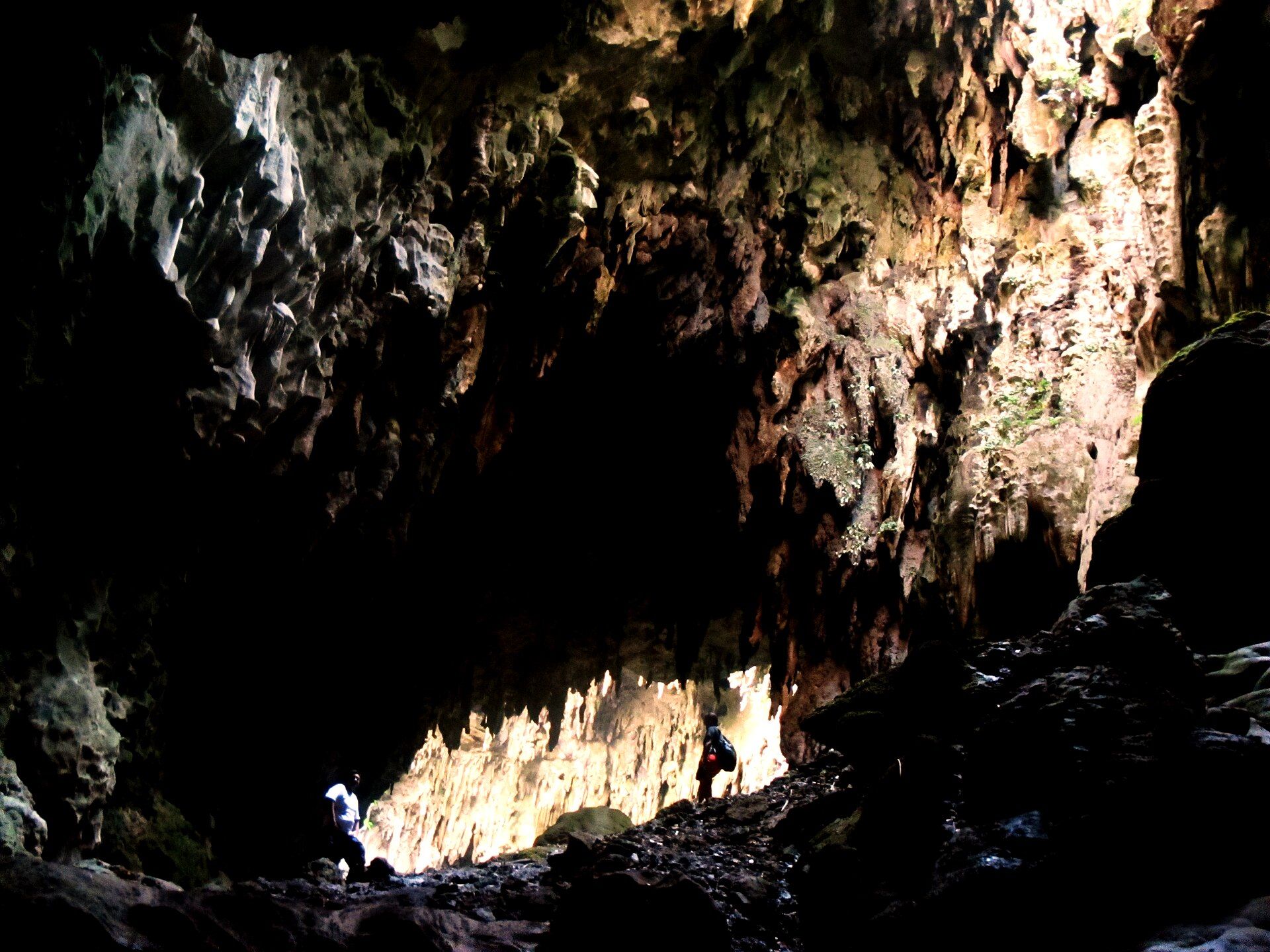
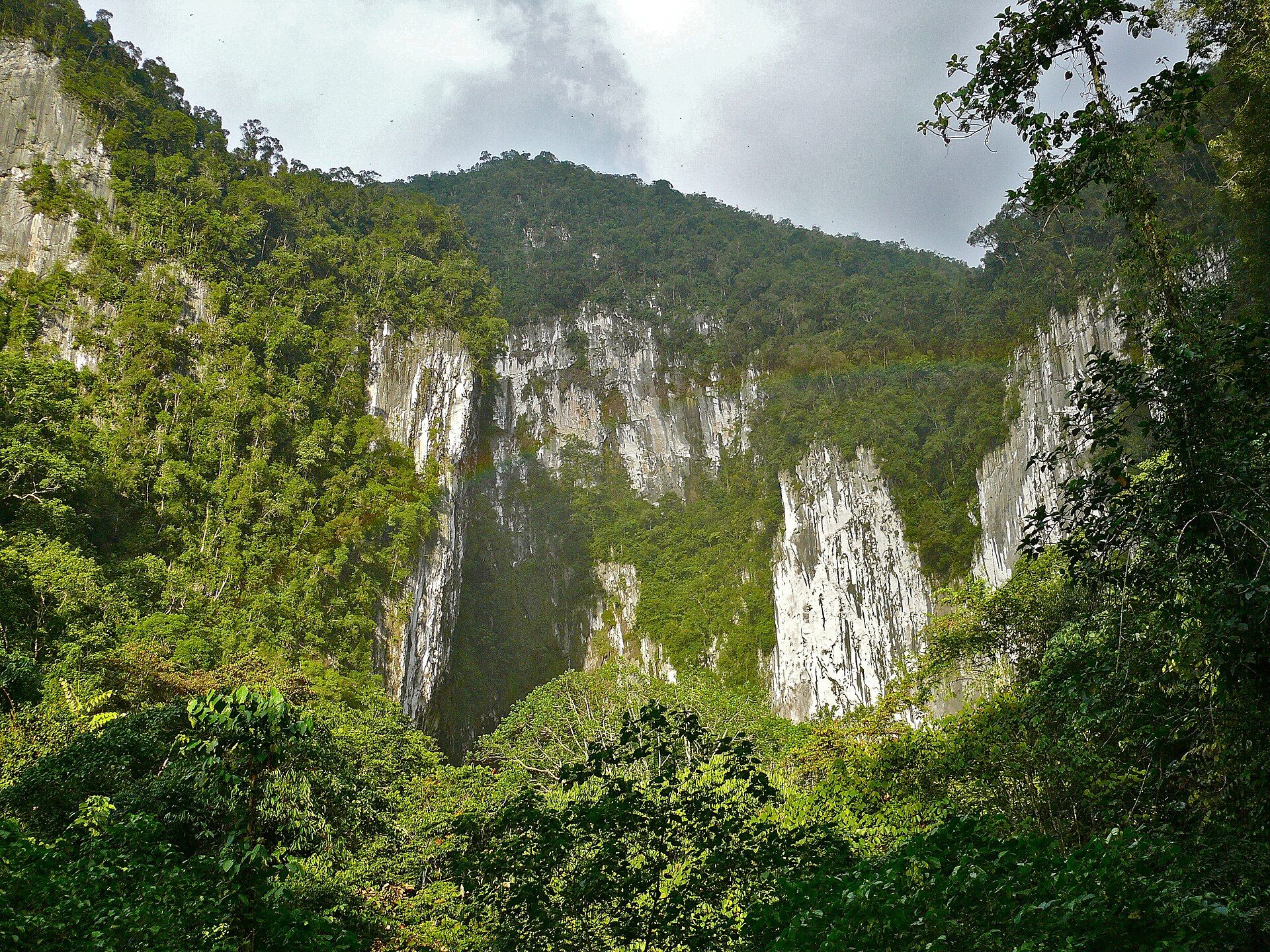
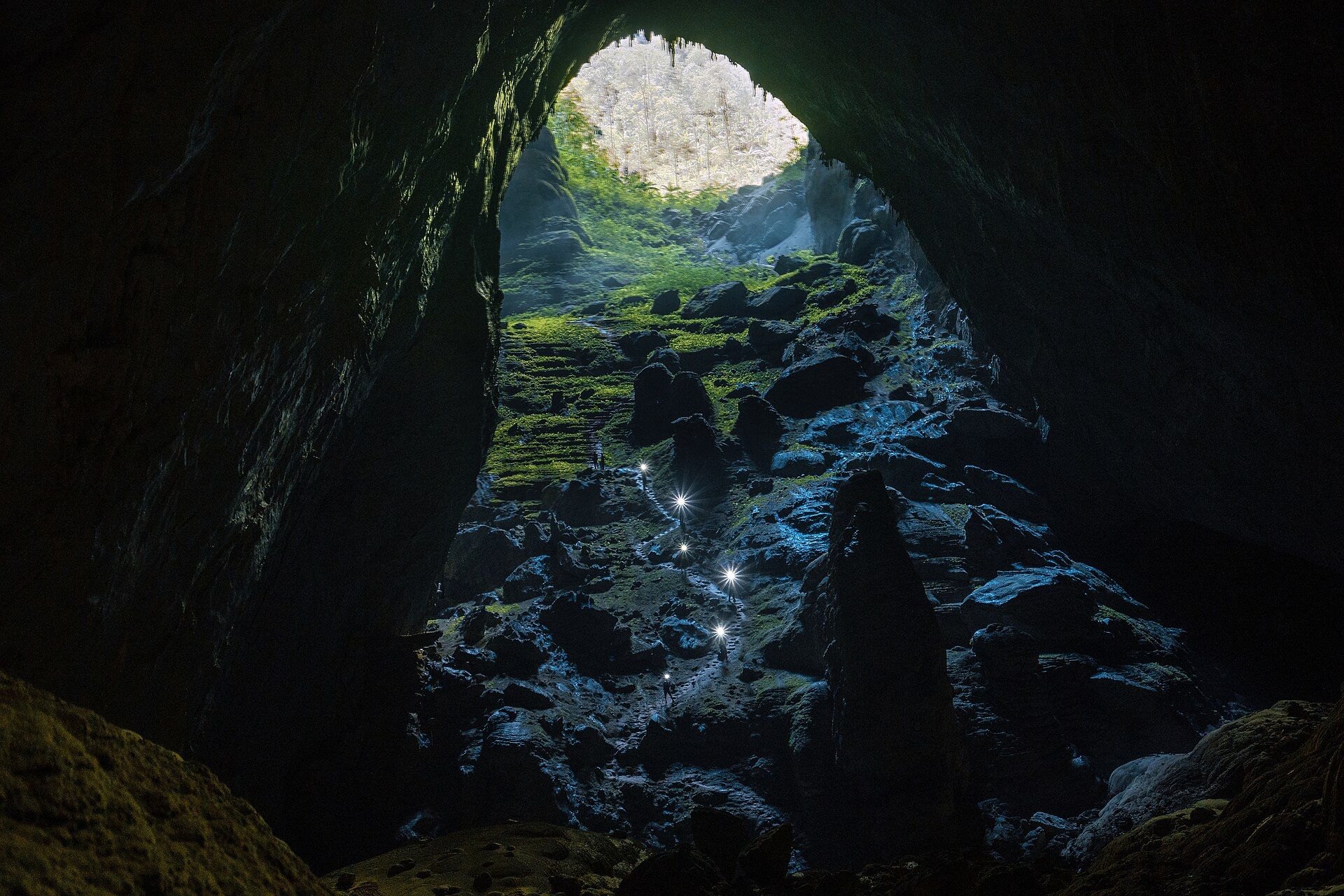
Hang Sơn Đoòng ('mountain river cave') runs for more than 9 km beneath the limestone of Phong Nha-Kẻ Bàng. Its main passage is around 200 m high and 150 m wide in places — a cross-section believed to be about twice that of the next-largest known passage. Where the roof has collapsed into two great dolines, sunlight pours in and trees grow on the cave floor, while a fast underground river runs through the dark beyond. At the far end stands a calcite wall about 90 m high, nicknamed the Great Wall of Vietnam.
Why visit
Very few people on Earth have stood inside it. Access is limited to roughly a thousand visitors a year on a single licensed multi-day expedition, camping beneath the dolines, wading the river and climbing the Great Wall — the closest thing to a true expedition that a fit non-caver can join.
What to know before you go
🗓️ Best time
Expeditions run only between about January and August, in the drier months; the cave floods in the autumn rains and is closed.
🧭 Getting there & access
Only by booked expedition with the one authorised operator, Oxalis Adventure, starting from Phong Nha town in Quảng Bình Province. Đồng Hới, the provincial capital, has an airport and is on the north–south railway.
Good to know
- Book far ahead — the annual quota is small and fills early.
- Train for it: the trek involves jungle hiking, river crossings and rope-assisted climbs.
- If Sơn Đoòng is out of reach, Phong Nha's other caves give a taste of the same karst in a day.
Plan your visit
Expedition🧭 Getting there
From Đồng Hới (VDH), Quảng Bình Province
- Fly or take the train to Đồng Hới
- Road transfer of about an hour to Phong Nha town
- Expedition starts from Phong Nha with the licensed operator
- Total travel
- A day to reach Phong Nha from Hanoi or Ho Chi Minh City
- Time at site
- A multi-day expedition, with nights camped inside the cave
- Access
- Permit-only. Oxalis Adventure is the only company authorised to lead tours, and visitor numbers are capped at around 1,000 a year between January and August. The first tourist group entered in 2013.
🎒 What to bring & consider
- A confirmed expedition booking, made months ahead
- Good fitness for days of jungle trekking and river wading
- Footwear that grips on wet rock
- Willingness to camp underground
👁️ What to expect
- Crowds
- Effectively none — groups are tiny and the season is short.
- Conditions
- Humid, wet and muddy; river crossings and climbs with ropes and ladders.
- Facilities
- Expedition camps run by the operator; nothing else inside the cave.
- The view
- Sunlight falling through the first doline onto the jungle on the cave floor.
Times and requirements are approximate and change with season, weather, and local rules — confirm permits, fares, and schedules with operators before you travel.
Natural riches of the area
- The largest known cave passage on Earth
- Two collapsed dolines sheltering a jungle inside the cave
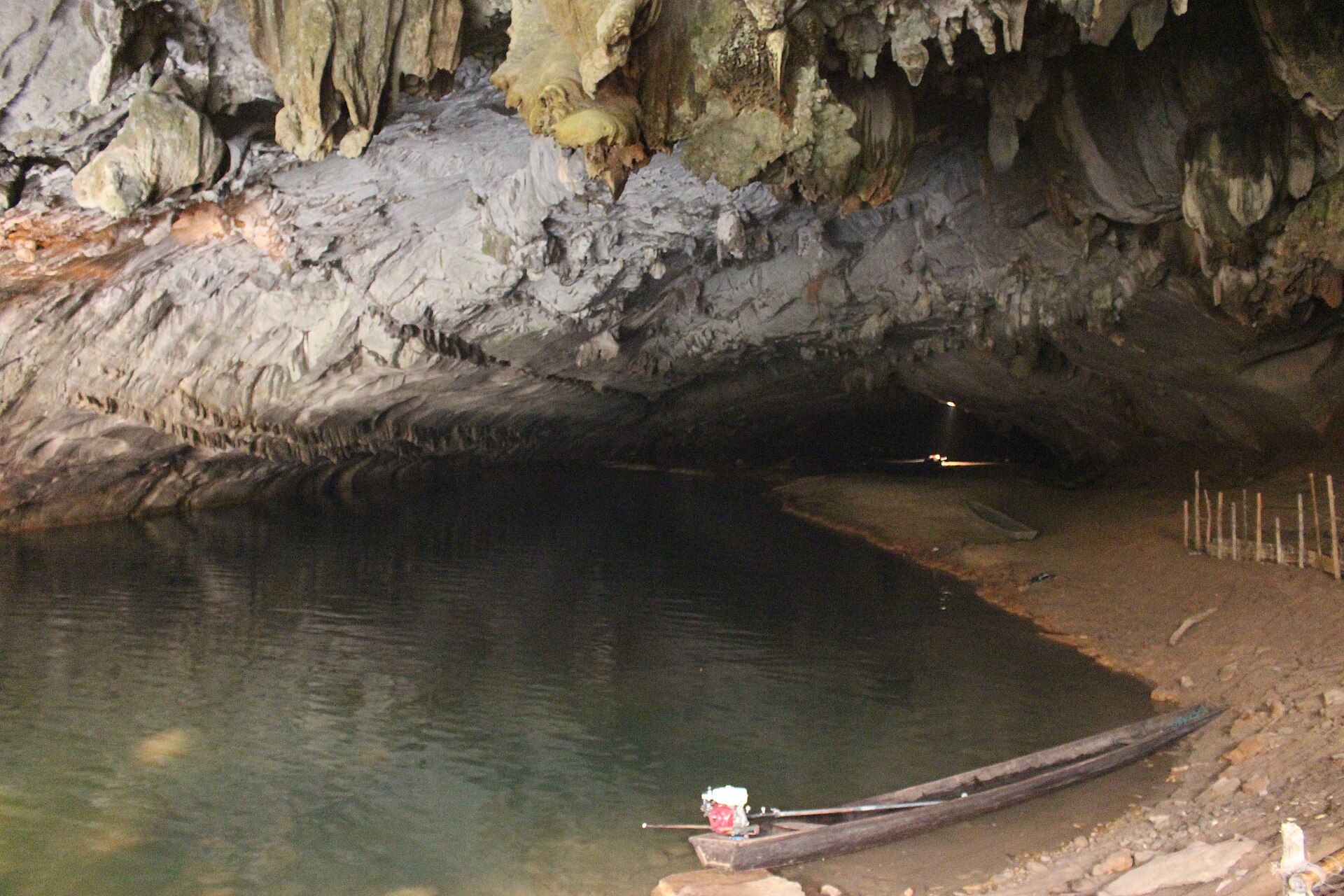
- A fast-flowing underground river, linked to neighbouring Hang Thung
- Cave pearls the size of baseballs behind the Great Wall
Local food
- Fresh river fish
- From the rivers and nearby coast of Quảng Bình Province.
- Central Vietnamese staples
- Rice, fresh herbs and noodle soups of Quảng Bình Province.
Sơn Đoòng is the cave that rewrote the record books. A local man, Hồ Khanh, found its entrance in 1990 while looking for timber in the forest of Quảng Bình — then lost it, and only found it again in 2008. The following year a British–Vietnamese team led by Howard and Deb Limbert surveyed it and, on 14 April 2009, announced it as the largest cave passage known anywhere. The surveyed section alone runs for more than 9 km and holds about 38.5 million cubic metres of space.
What makes it unforgettable is not just size but light. In two places the roof has fallen in, opening dolines to the sky. Beneath them the cave floor has grown a forest of its own, with trees reaching up toward the opening, while beyond the light the underground river keeps carving the passage deeper. In 2019 that river was found to connect Sơn Đoòng with the neighbouring Hang Thung, making the system bigger still.
At the far end the passage is closed by a calcite wall about 90 m high, first climbed in 2010 and known as the Great Wall of Vietnam. Behind it, explorers found cave pearls the size of baseballs. For visitors, reaching it is a genuine expedition: a small group, a licensed operator, days underground and nights in camp beneath the dolines — one of the rarest travel experiences on the planet.
Sơn Đoòng Cave: common questions
How do you get to Sơn Đoòng Cave?
From Đồng Hới (VDH), Quảng Bình Province: Fly or take the train to Đồng Hới; Road transfer of about an hour to Phong Nha town; Expedition starts from Phong Nha with the licensed operator. Total travel time: A day to reach Phong Nha from Hanoi or Ho Chi Minh City.
When is the best time to visit Sơn Đoòng Cave?
Expeditions run only between about January and August, in the drier months; the cave floods in the autumn rains and is closed.
How long should you spend at Sơn Đoòng Cave?
A multi-day expedition, with nights camped inside the cave. Total travel time: A day to reach Phong Nha from Hanoi or Ho Chi Minh City.
What should you bring to Sơn Đoòng Cave?
A confirmed expedition booking, made months ahead Good fitness for days of jungle trekking and river wading Footwear that grips on wet rock Willingness to camp underground
Do you need a permit or guide for Sơn Đoòng Cave?
Permit-only. Oxalis Adventure is the only company authorised to lead tours, and visitor numbers are capped at around 1,000 a year between January and August. The first tourist group entered in 2013.
Is Sơn Đoòng Cave crowded, and what are conditions like?
Effectively none — groups are tiny and the season is short. Humid, wet and muddy; river crossings and climbs with ropes and ladders. Facilities: Expedition camps run by the operator; nothing else inside the cave.
Added
More wonders to explore