Erawan Falls
📍 Kanchanaburi Province, western Thailand
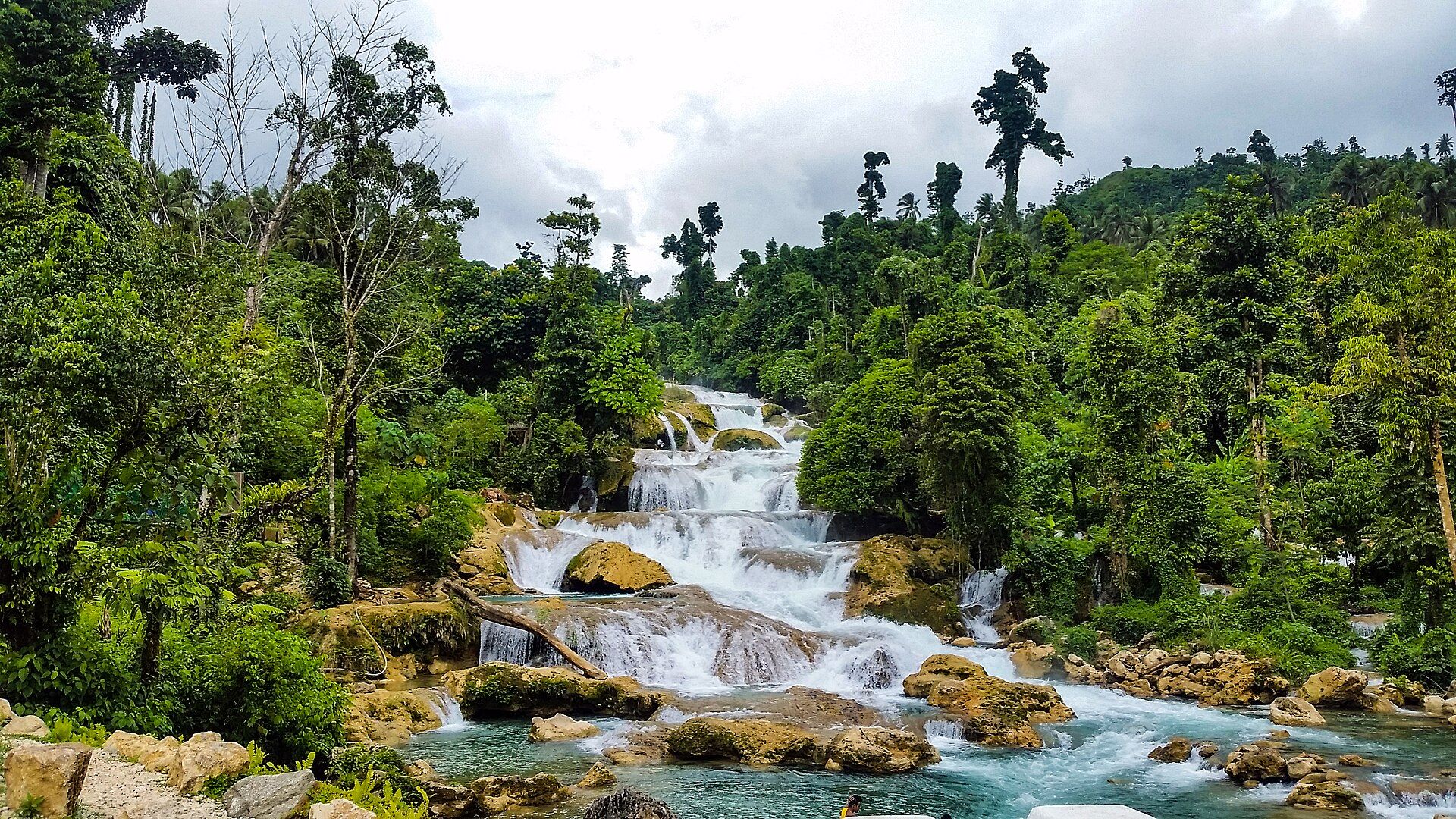
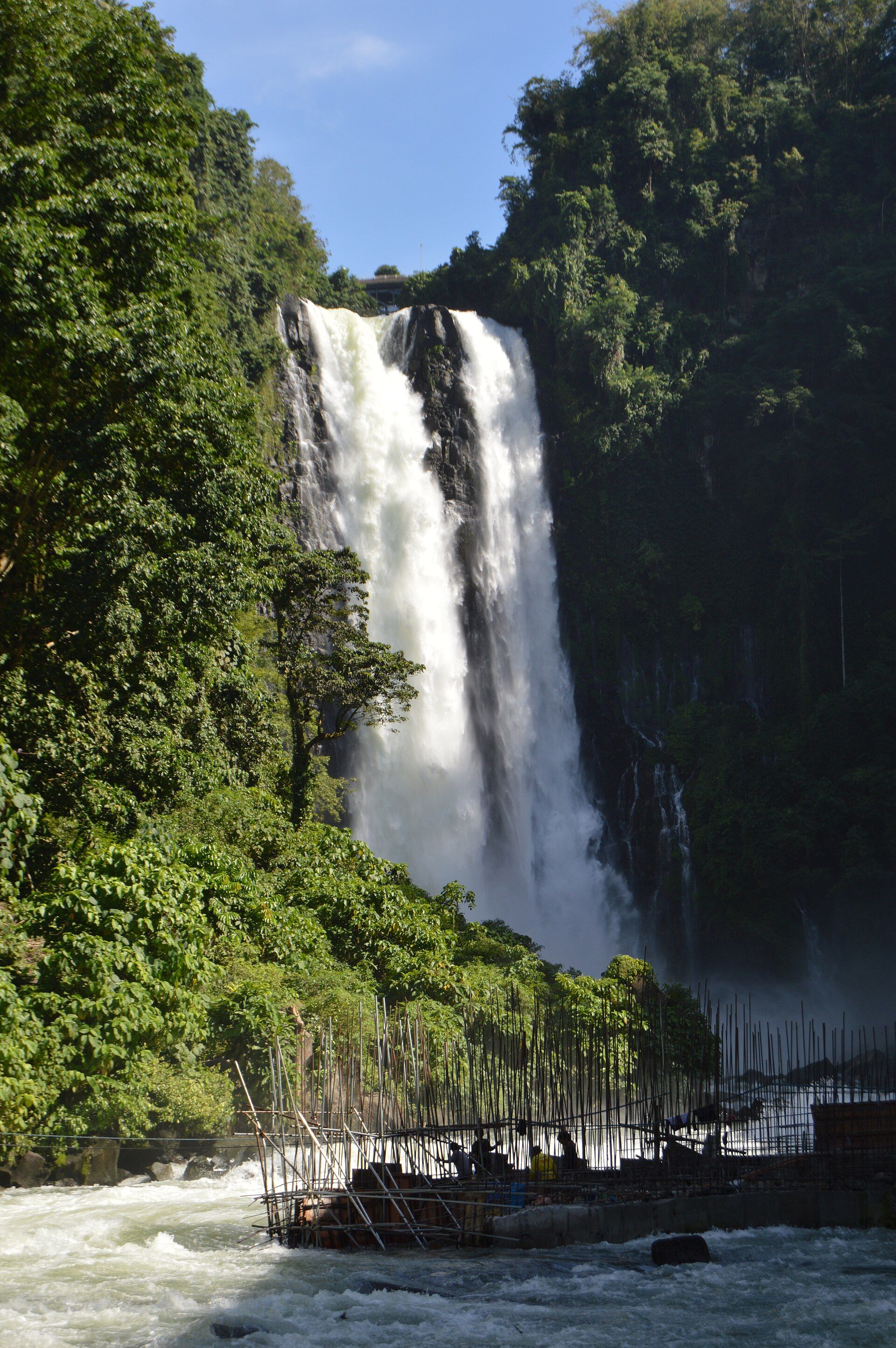
A seven-tiered waterfall tumbling through jungle into a chain of emerald-green pools, each one held back by natural travertine dams that the stream builds as it flows.
What makes it marvelous
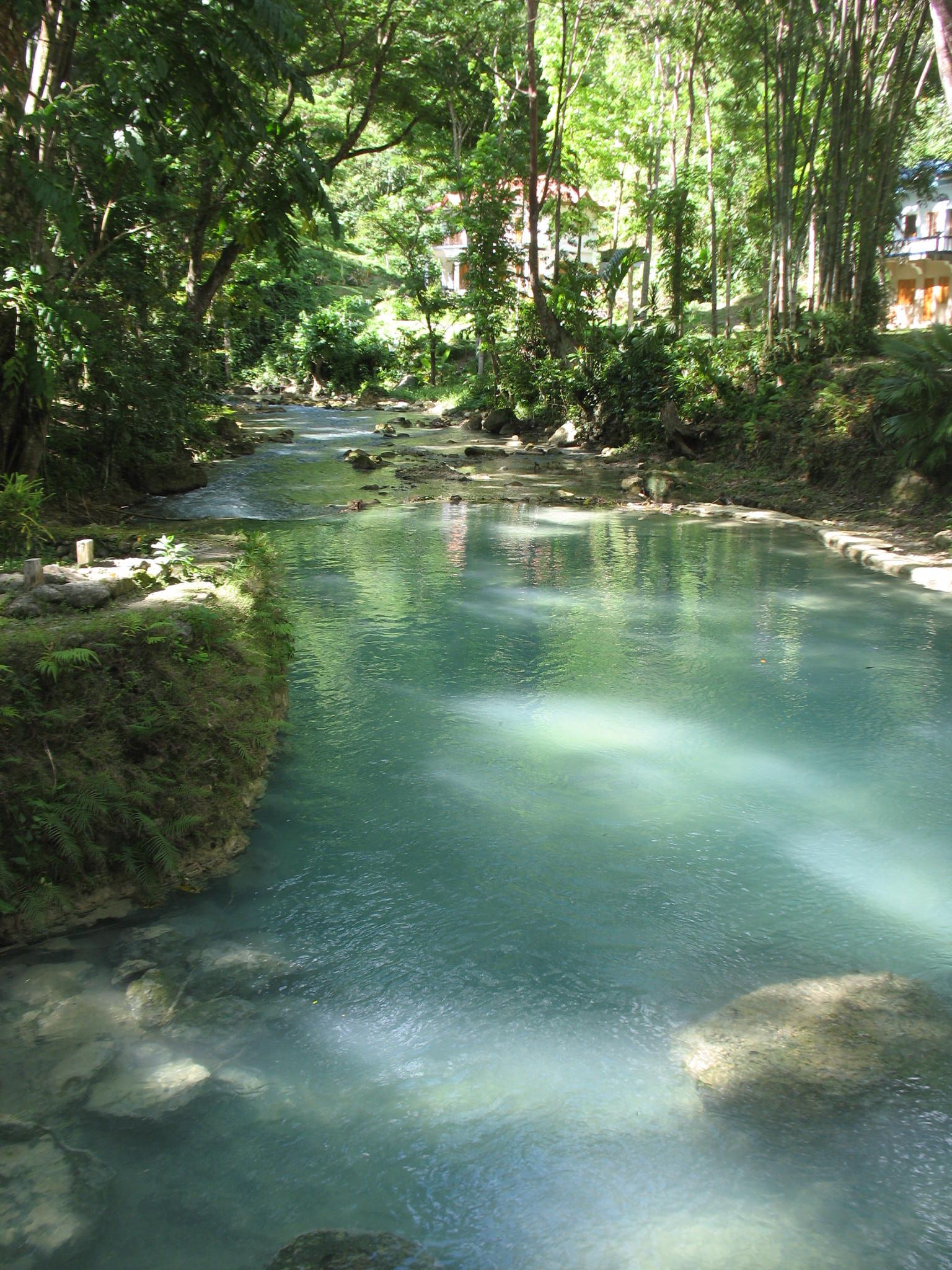
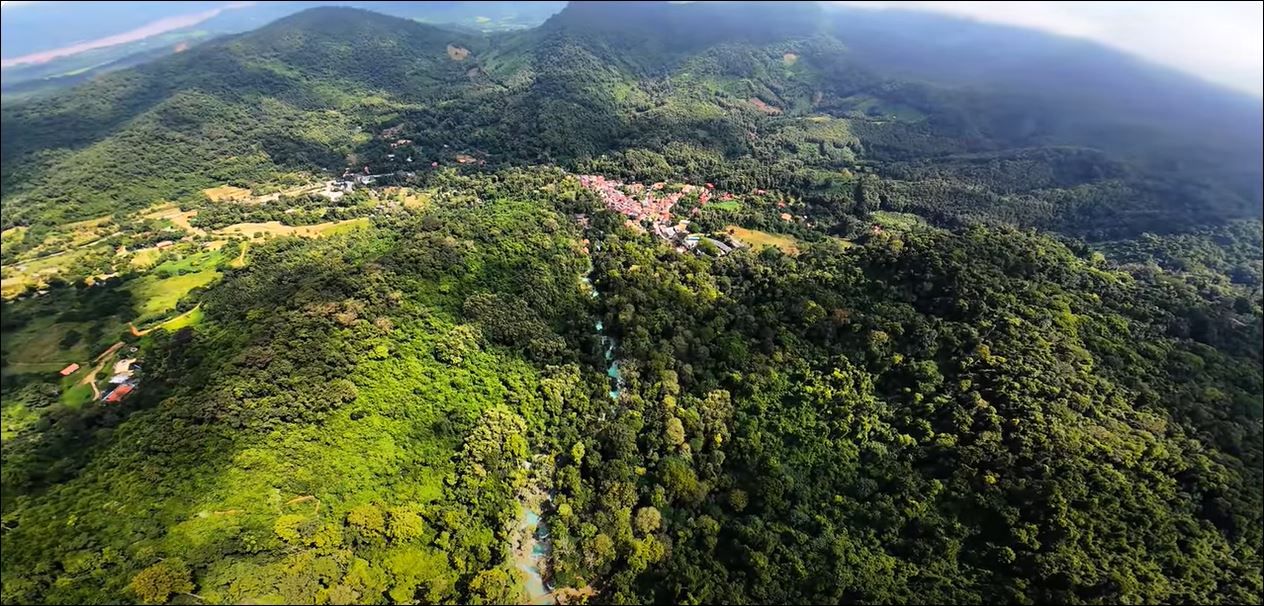
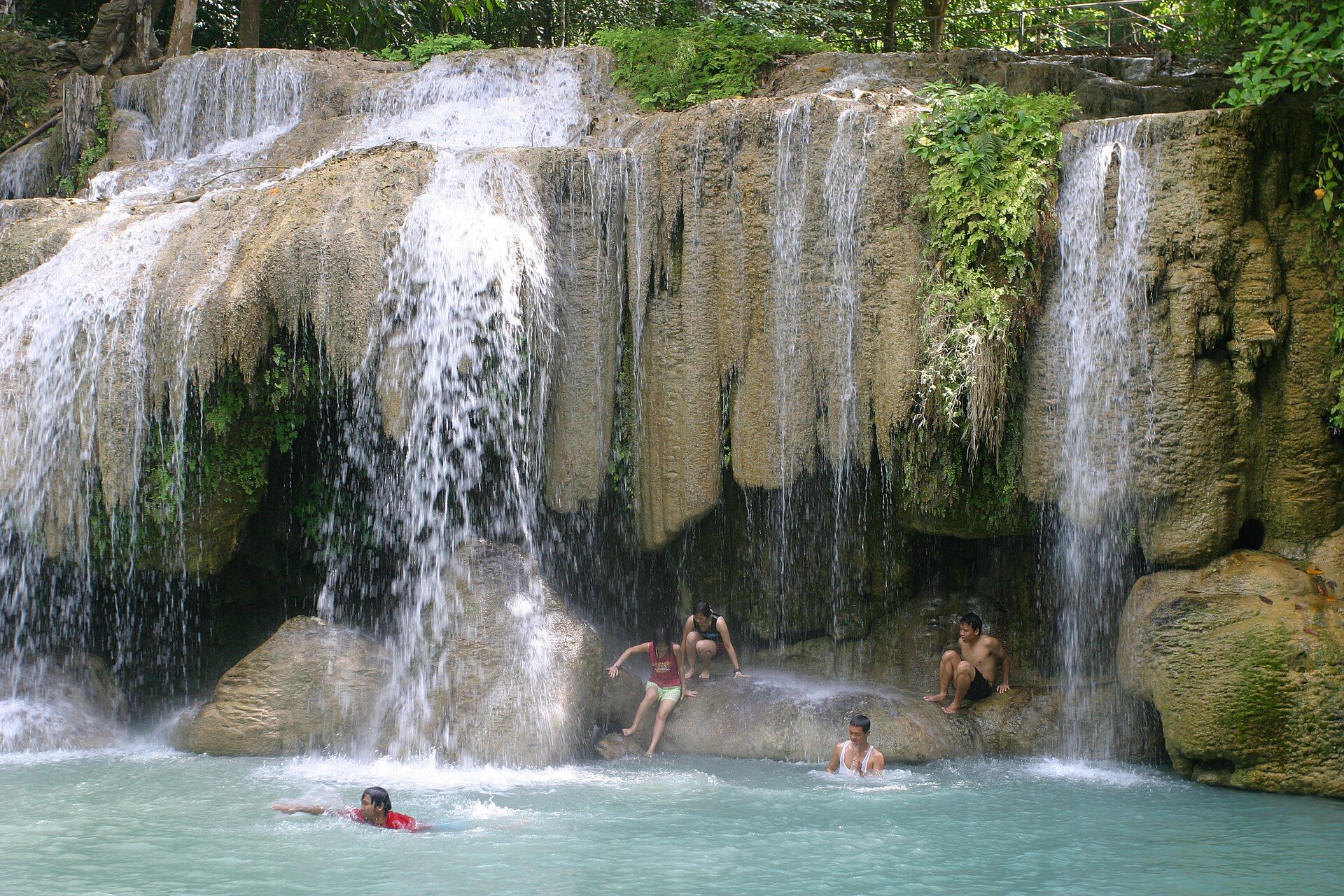
Erawan Falls steps down the forested hills of Kanchanaburi in seven distinct tiers, each spilling into limestone pools of an intense blue-green. That colour comes from travertine — dissolved limestone that the stream deposits over rock, moss, and fallen wood, building the natural dams that hold the pools and keep the water astonishingly clear. The falls sit within Erawan National Park, which also protects limestone caves and dry evergreen forest on the hills above, home to gibbons, macaques and hornbills.
Why visit
A trail climbs alongside the falls from pool to pool through shady forest, and many of the pools are open for swimming — small fish nibble at swimmers' feet in the clear water. It is one of Thailand's most beautiful and beloved waterfalls, the centrepiece of Erawan National Park, and a cool, green escape from the heat of the plains.
What to know before you go
🗓️ Best time
The falls run year-round; they are fullest and most powerful in and just after the rainy season (roughly July–November), while the cooler dry months (November–February) are most comfortable for the walk and swim.
🧭 Getting there & access
About 2–3 hours by road from Kanchanaburi town, itself a couple of hours west of Bangkok. The falls are inside Erawan National Park, which charges an entry fee; a marked trail links the seven tiers.
Good to know
- Start early and climb to the upper tiers first, before the day-trippers arrive.
- Wear grippy sandals — the trail and travertine rock get slick near the water.
- Bring swimwear and a dry bag; food and large bottles are restricted on the upper trail to keep it clean.
Plan your visit
Moderate🧭 Getting there
From Bangkok (BKK), then Kanchanaburi
- Bangkok to Kanchanaburi by road or train — roughly 2–3h
- Kanchanaburi to the national park by road — about 1h30
- On foot up the marked trail linking the seven tiers
- Total travel
- A long day trip from Bangkok, or an easy half-day from Kanchanaburi
- Time at site
- 3–5 hours to climb, swim, and return
- Access
- National park entry fee, higher for foreign visitors. The upper tiers close in the afternoon (last ascent is timed) to protect the site, and littering rules are enforced — bottles may be tagged or deposited at the gate.
🎒 What to bring & consider
- Grippy sandals or shoes for wet rock and roots
- Swimwear, a small towel, and a dry bag
- Water and light snacks (subject to the park's upper-trail rules)
- Insect repellent for the forest
👁️ What to expect
- Crowds
- Busy on weekends and Thai holidays, especially the lower pools; early mornings and weekdays are calmer, and the upper tiers thin out.
- Conditions
- A forest trail with steps, roots, and short scrambles between tiers; humid and warm.
- Facilities
- Toilets, food, and parking at the entrance; nothing beyond the lower tiers.
- The view
- An upper tier spilling into a turquoise pool, best in soft light or bright overcast. Flow is strongest in and after the rains; the dry season trades power for clarity.
Times and requirements are approximate and change with season, weather, and local rules — confirm permits, fares, and schedules with operators before you travel.
Natural riches of the area
- A seven-tier waterfall over travertine (limestone) formations
- Clear blue-green pools dammed by mineral deposits
- Monsoon forest rich in birds, butterflies, and macaques
- The Khwae Yai river system that the falls feed
Local food
- Grilled river fish
- Freshwater fish from the Khwae, grilled with herbs and salt crust.
- Som tam
- Spicy green papaya salad, a staple across central and northeastern Thailand.
Erawan Falls is many people’s idea of a perfect tropical waterfall: seven tiers of water stepping down a jungle hillside into pools of glowing blue-green, cool and clear enough to swim in. The colour and the pools are the work of travertine — limestone dissolved in the stream and re-deposited over rock and wood, slowly building the natural dams that hold the water back. The pools are still growing: the stream leaves a fractional new layer of mineral on every rim it crosses, so the dams that shape the falls are slowly building higher.
A shady trail climbs from the bottom to the seventh tier, passing pool after pool where little fish dart around swimmers and macaques watch from the trees. It is the heart of Erawan National Park in Kanchanaburi, western Thailand, and one of the country’s most cherished natural places — busy on weekends, but with the higher, quieter tiers rewarding anyone willing to make the climb.
Erawan Falls: common questions
How do you get to Erawan Falls?
From Bangkok (BKK), then Kanchanaburi: Bangkok to Kanchanaburi by road or train — roughly 2–3h; Kanchanaburi to the national park by road — about 1h30; On foot up the marked trail linking the seven tiers. Total travel time: A long day trip from Bangkok, or an easy half-day from Kanchanaburi.
When is the best time to visit Erawan Falls?
The falls run year-round; they are fullest and most powerful in and just after the rainy season (roughly July–November), while the cooler dry months (November–February) are most comfortable for the walk and swim.
How long should you spend at Erawan Falls?
3–5 hours to climb, swim, and return. Total travel time: A long day trip from Bangkok, or an easy half-day from Kanchanaburi.
What should you bring to Erawan Falls?
Grippy sandals or shoes for wet rock and roots Swimwear, a small towel, and a dry bag Water and light snacks (subject to the park's upper-trail rules) Insect repellent for the forest
Do you need a permit or guide for Erawan Falls?
National park entry fee, higher for foreign visitors. The upper tiers close in the afternoon (last ascent is timed) to protect the site, and littering rules are enforced — bottles may be tagged or deposited at the gate.
Is Erawan Falls crowded, and what are conditions like?
Busy on weekends and Thai holidays, especially the lower pools; early mornings and weekdays are calmer, and the upper tiers thin out. A forest trail with steps, roots, and short scrambles between tiers; humid and warm. Facilities: Toilets, food, and parking at the entrance; nothing beyond the lower tiers.
Added Updated
More wonders to explore