Head to head · Andean deserts
Atacama vs Uyuni: Which Desert Landscape?
Two of South America's most surreal high-altitude landscapes sit just across the Chile–Bolivia border from each other, and many travellers link them on one overland trip — but they offer very different experiences.
Here's how Chile's Atacama Desert and Bolivia's Salar de Uyuni compare across what actually shapes a visit, and how to decide which to build your trip around.
Atacama Desert
The driest desert, and the clearest skies
The driest non-polar desert on Earth, a Chilean high plateau of salt flats, geysers, lagoons, and some of the best stargazing anywhere — based in the easy hub town of San Pedro de Atacama.
- Astonishing variety — geysers, lagoons, valleys, and salt flats
- World-class stargazing under famously clear skies
- An easy, comfortable base in San Pedro de Atacama
Salar de Uyuni
The world's largest salt flat and its mirror
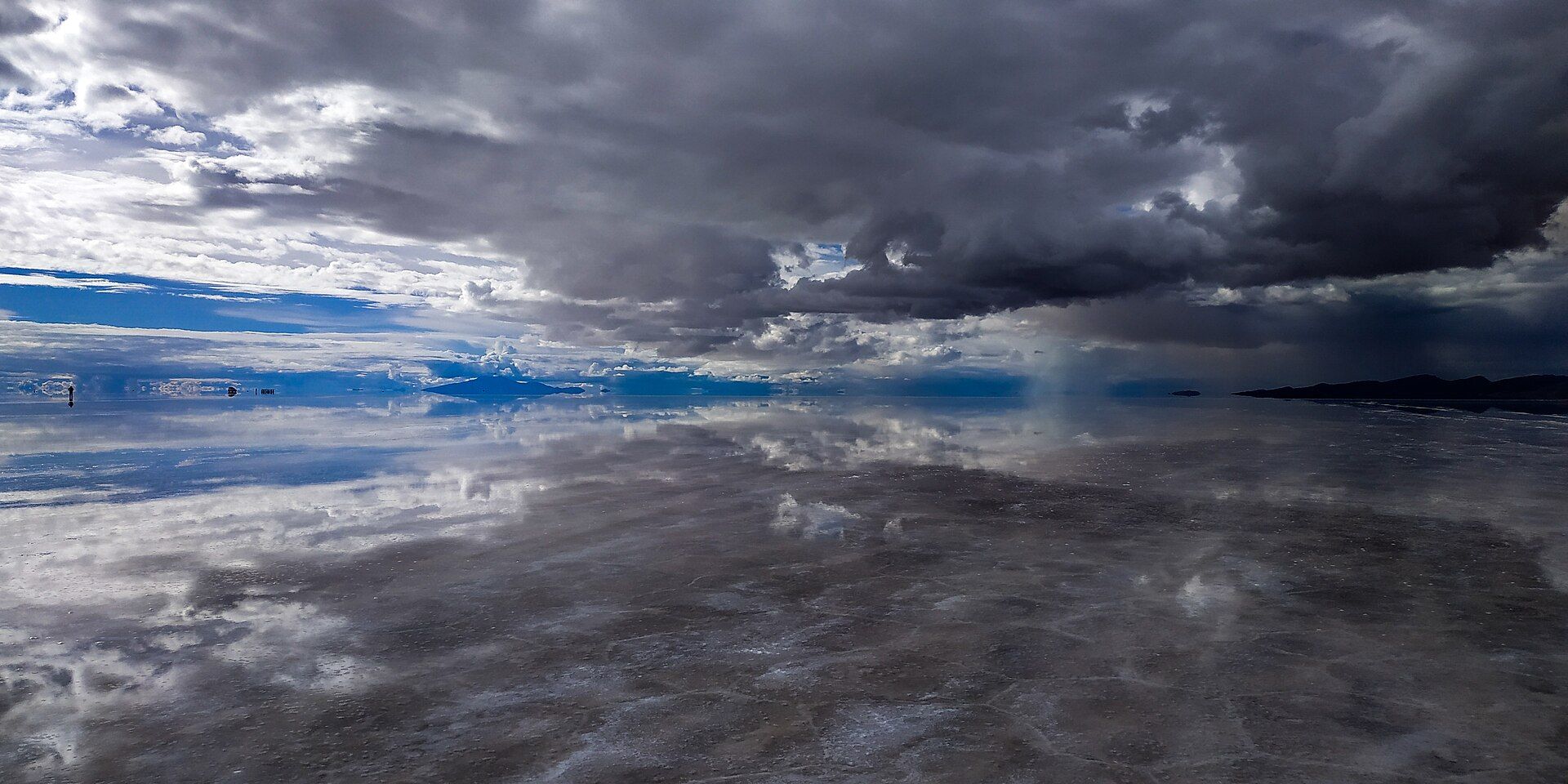
The largest salt flat in the world, a blinding white expanse in the Bolivian Altiplano that turns into a vast mirror when the wet season floods it — usually seen on a rugged multi-day 4x4 tour.
- The mirror effect when the flats flood (roughly Dec–Apr)
- The single most surreal, otherworldly landscape of the two
- Multi-day 4x4 tours through remote coloured lagoons and deserts
Head to head
| What matters | Atacama Desert | Salar de Uyuni |
|---|---|---|
| Signature sight Edge: Toss-up | Variety — a different surreal landscape each day, from geysers to red lagoons. | One overwhelming spectacle — the endless white flat, and its mirror when flooded. |
| The mirror effect Edge: Salar de Uyuni | Has salt flats, but not the famous mirror. | The reason many people come — a sky-reflecting mirror in the wet season. |
| Comfort & access Edge: Atacama Desert | Easy and comfortable — a proper town base with day trips out. | Rugged — long days in a 4x4 and basic accommodation on multi-day tours. |
| Altitude Edge: Atacama Desert | High (San Pedro ~2,400 m) with excursions well above 4,000 m — acclimatise first. | Consistently very high (~3,600 m and up) — altitude is a real factor throughout. |
| Stargazing Edge: Atacama Desert | Among the best on the planet, with major observatories nearby. | Excellent dark skies too, especially on the dry-season flats. |
| Best time to go Edge: Toss-up | Good year-round; skies are clearest outside the brief summer 'altiplanic winter' rains. | Dec–Apr for the mirror; May–Nov for the dry white hexagons and easier travel. |
Which should you choose?
Choose Atacama Desert if…
…you want variety and comfort, love stargazing, prefer a relaxed town base with day trips, and would rather not spend days in a 4x4 at altitude.
Choose Salar de Uyuni if…
…the mirror effect is your dream shot, you want the single most otherworldly landscape, and you don't mind a rugged multi-day tour to get it.
The honest verdict
For the mirror and the most surreal single sight, Uyuni is unbeatable — but only when the flats are flooded, so timing is everything. For variety, comfort, and stargazing across a whole region, the Atacama wins.
They're close enough that many multi-day tours run between San Pedro and Uyuni across the coloured lagoons of the border — the best of both if you have the time.
Choose by season and stamina: chase Uyuni in the wet months for the mirror, or base in the Atacama any time for the easier, more varied trip.
Wonders mentioned here

Added