Head to head · Southern Africa's two great wild-country trips
Namibia vs Botswana: Which Is Better for a Safari Trip?
Short answer: choose Namibia for a self-drive road trip that mixes desert scenery with an easy, reliable safari at Etosha. Choose Botswana for the wildest water-and-wildlife safari in southern Africa — the Okavango Delta by mokoro and light aircraft, and Chobe's elephant herds.
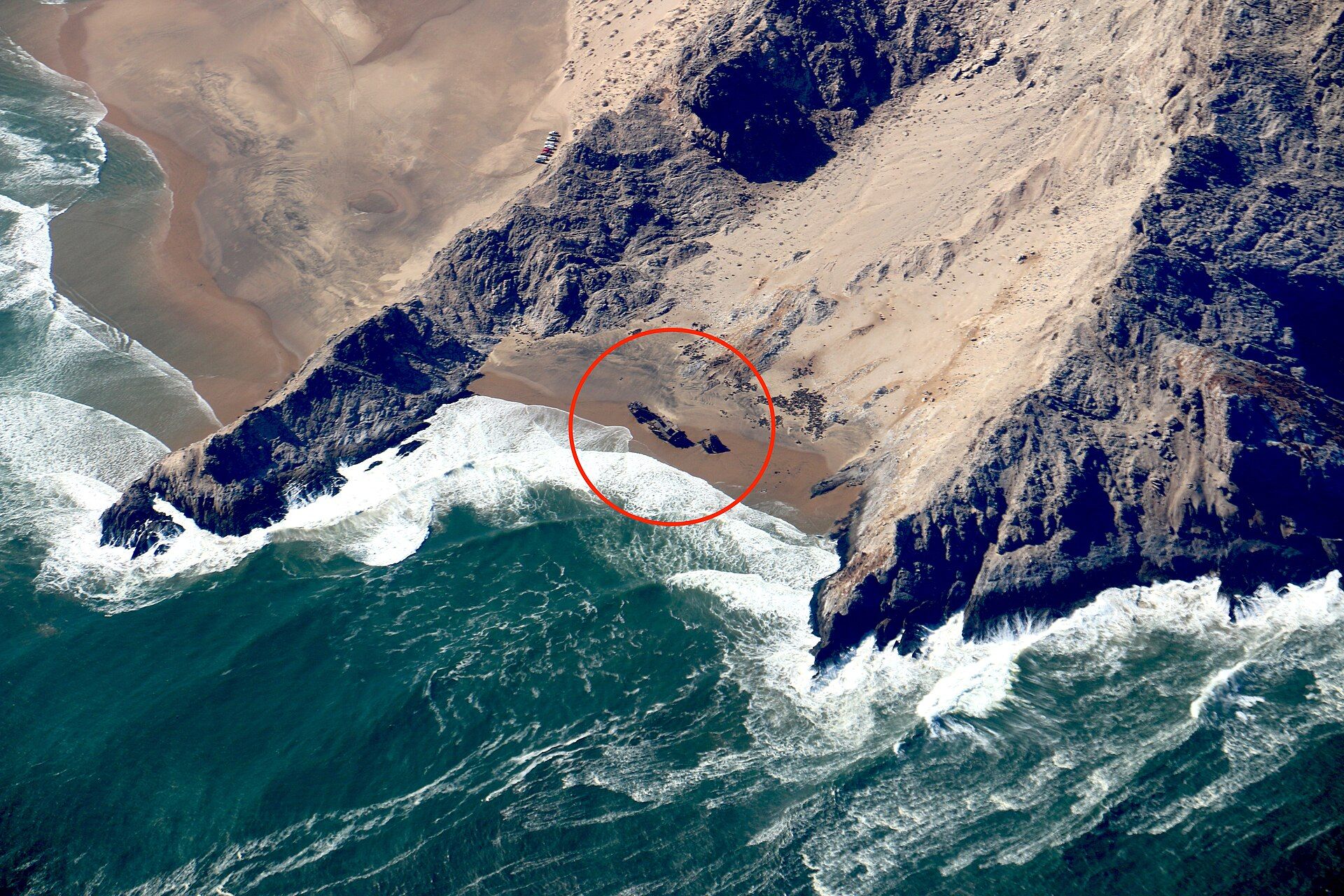
The two neighbours are built for different trips. Namibia's headline sights are landscapes — the 300-metre-plus red dunes of Sossusvlei, Africa's largest canyon, a fog-bound Atlantic shore — joined up by long gravel roads you drive yourself. Botswana's are wildlife habitats: an inland delta that floods in the dry winter, a river frontage crowded with elephants, and Kalahari salt pans that fill with zebra and flamingos in the rains.
Their seasons overlap in the dry months, roughly May to October, which suits Etosha, Sossusvlei, the Okavango and Chobe alike. The Kalahari pans of Makgadikgadi and Nxai Pan are the exception: they are at their best in the wet season.
Namibia
Dunes, canyons and a waterhole safari you drive yourself
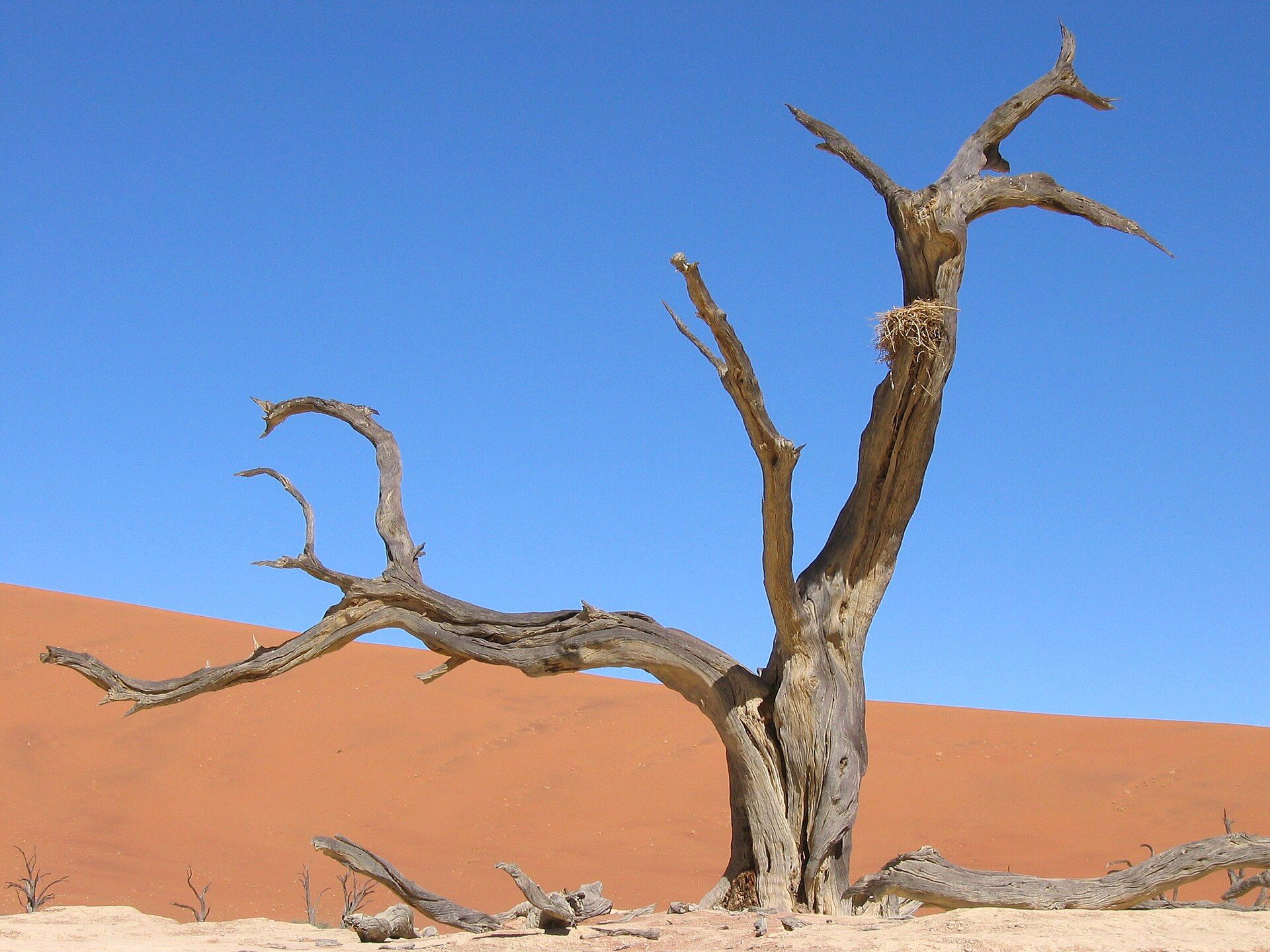
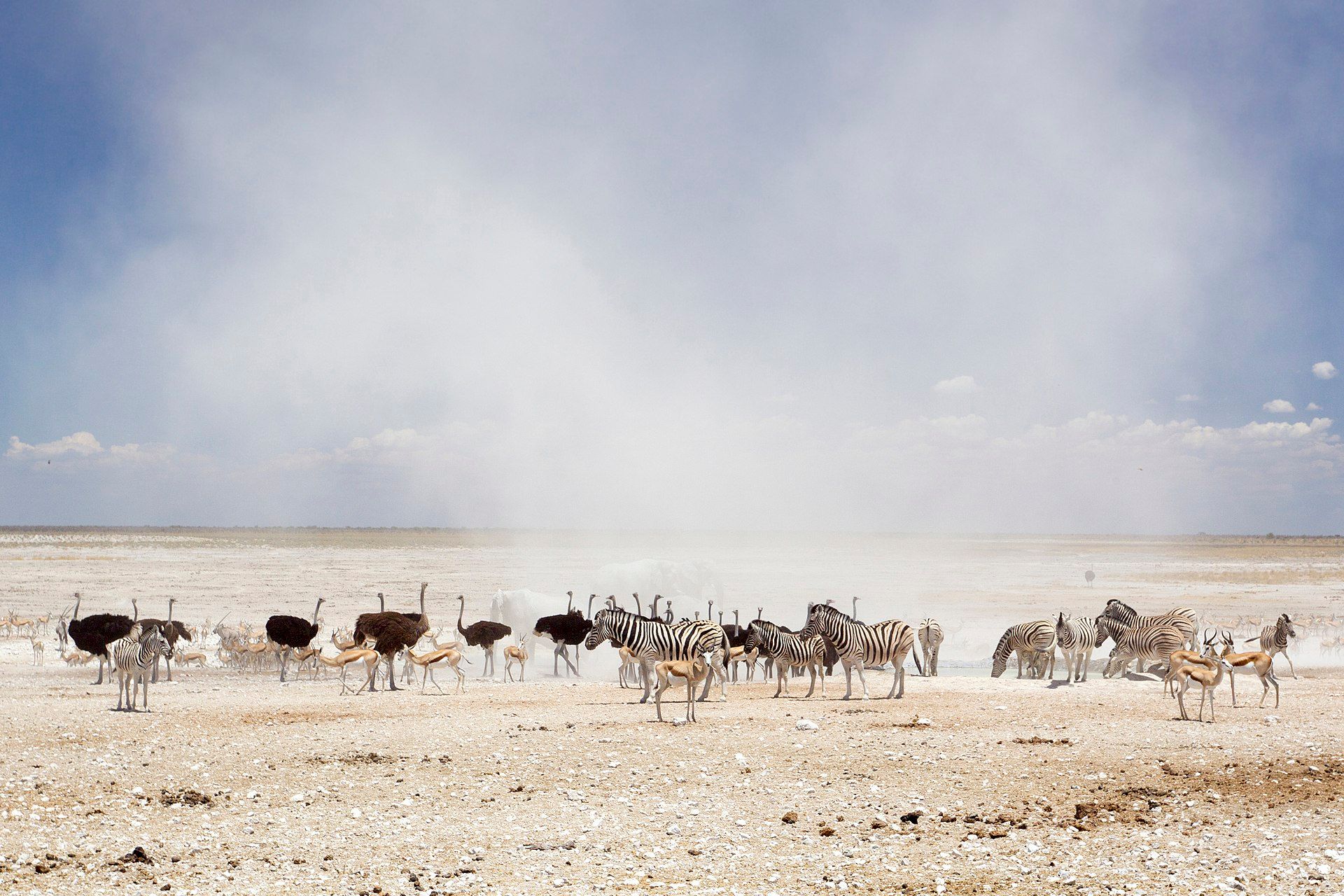
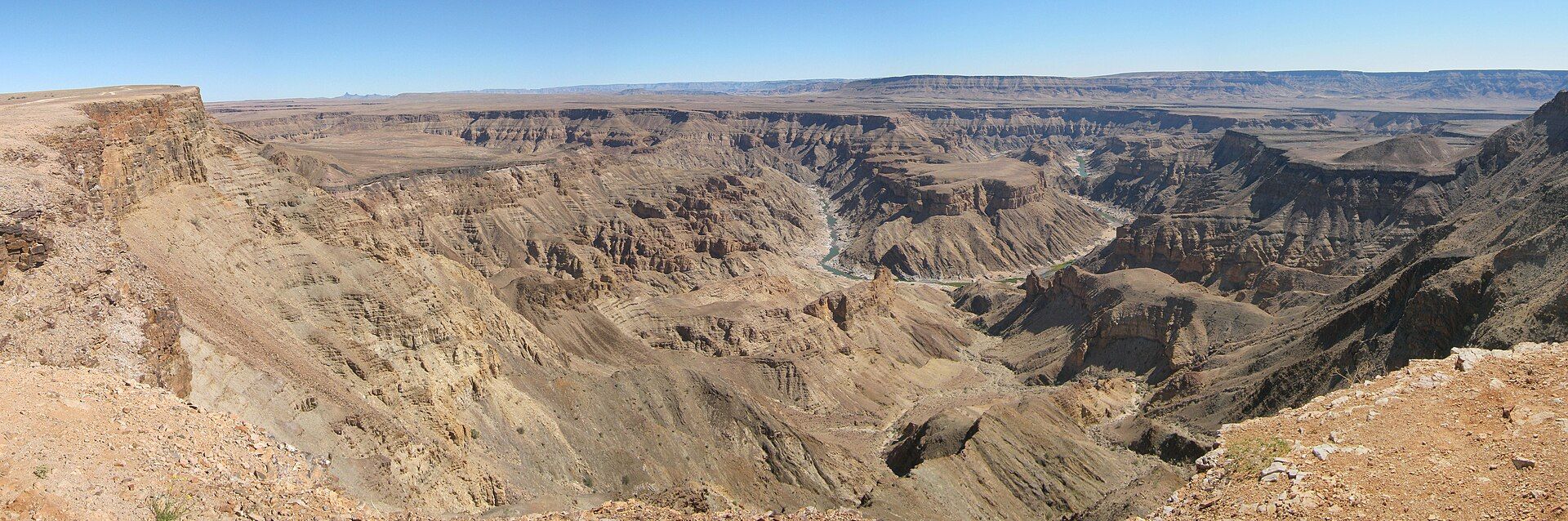
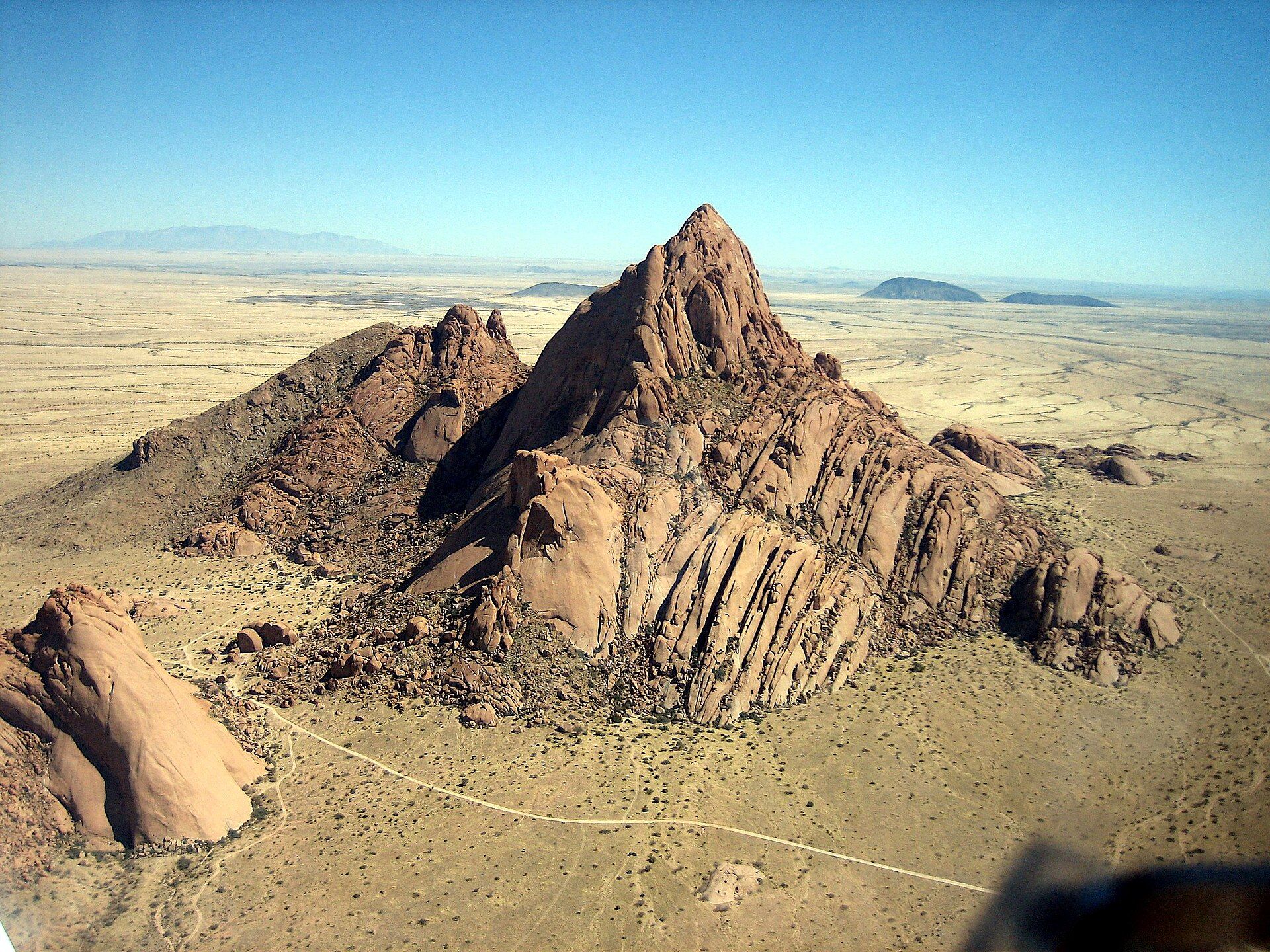
A big, sparsely populated country of desert landscapes: the red dunes and dead trees of Sossusvlei and Deadvlei, the 160-km Fish River Canyon, the Skeleton Coast, the granite domes of Spitzkoppe — and Etosha, a salt pan of about 4,800 km² ringed by waterholes where elephants, black rhinos and lions come to drink.
- Self-drive is the norm, on well-graded gravel roads
- Etosha's floodlit camp waterholes for wildlife after dark
- Desert scenery no safari country can match: Sossusvlei, Fish River Canyon, Skeleton Coast
Botswana
Water, elephants and fly-in wilderness
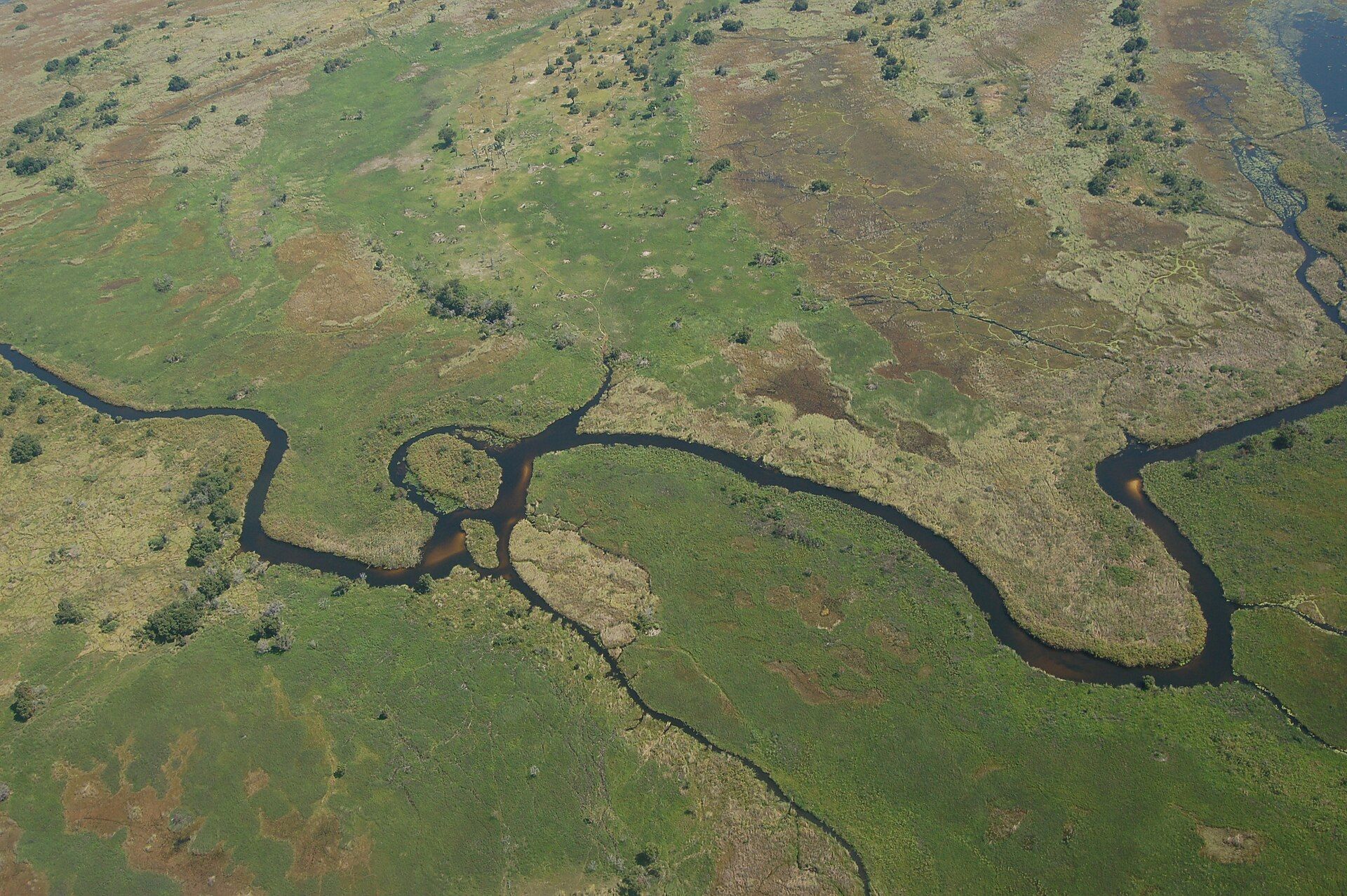
A wildlife country first: the Okavango, an inland delta of up to ~15,000 km² reached mostly by light aircraft from Maun; Chobe, where some of the largest elephant herds on Earth gather along the river; and the Makgadikgadi and Nxai Pan salt pans of the Kalahari.
- The Okavango's mokoro and walking safaris with local guides
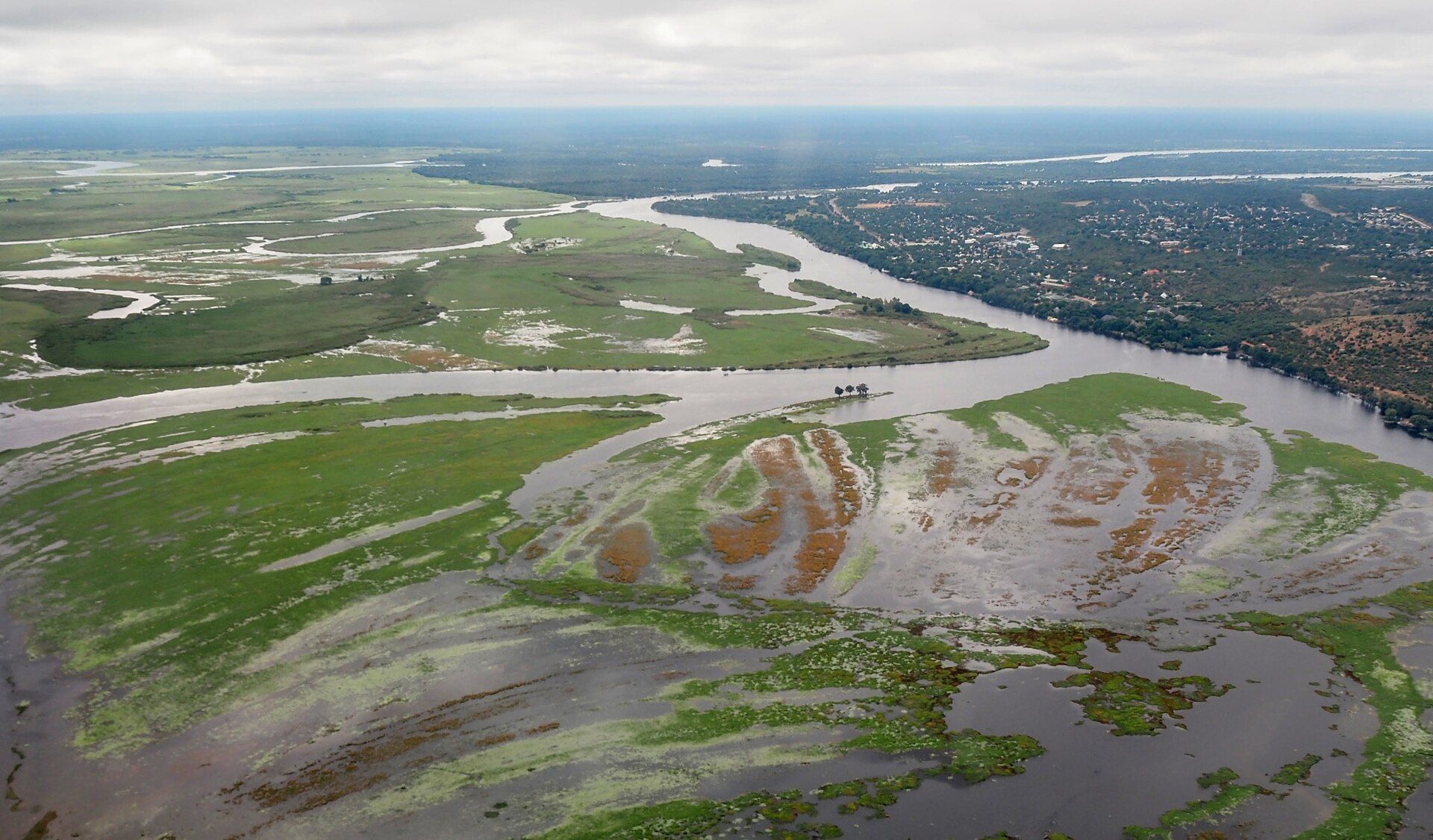
- Chobe's riverfront elephants by boat and game drive from Kasane
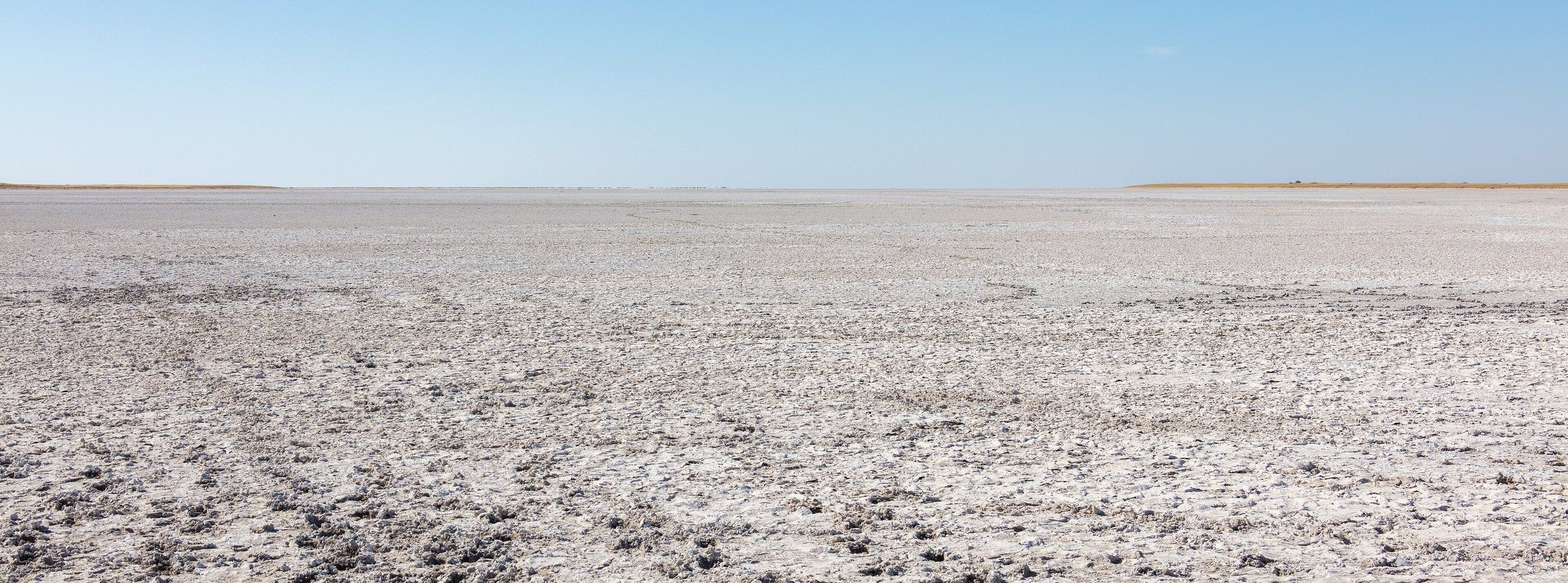
- A wet-season safari on the Kalahari pans — zebra, wildebeest and flamingos
Head to head
| What matters | Namibia | Botswana |
|---|---|---|
| Style of trip Edge: Toss-up | A road trip. Etosha, Sossusvlei and Brandberg are each most of a day's drive from Windhoek, and Etosha is set up for self-drive safaris. | A fly-in safari for the Okavango, which Botswana runs on a high-value, low-volume model of camps booked well in advance; Chobe's riverfront is reached from Kasane. |
| Wildlife viewing Edge: Botswana | Etosha's waterholes concentrate elephants, black rhinos, lions and plains game in the dry season — park, switch off and wait. | The Okavango by mokoro and on foot, plus Chobe's huge dry-season elephant herds along the river. |
| Landscapes Edge: Namibia | Dunes over 300 m high, 900-year-old dead trees on a white clay pan, Africa's largest canyon, a shipwreck coast and granite peaks. | Channels, lagoons and islands in the delta, river floodplains at Chobe, and the white Kalahari pans with Baines' Baobabs. |
| Self-driving Edge: Namibia | Easy to moderate: Etosha's gravel roads take a 2WD in the dry season. The final stretch to Deadvlei needs a 4x4 or the shuttle; Epupa Falls and the far north need a high-clearance 4x4. | For experienced drivers only: Chobe's interior and the Kalahari pans need a capable 4x4 (deep sand in the dry months, mud in the rains), and pan driving needs local knowledge. The Okavango is not a self-drive destination. |
| Best months Edge: Toss-up | Roughly May to October. Etosha's game is best June–October; Sossusvlei is comfortable April–October; the Fish River Canyon hike runs only in the cooler months. | May to September for the Okavango flood, May to October for Chobe's elephants — and November to April for the Makgadikgadi and Nxai Pan. |
| Wet season (Nov–Apr) Edge: Botswana | Etosha's game disperses; in a wet year the pan holds water and flamingos instead. Summer heat makes the canyon and dunes hard going. | The pans come alive with zebra, wildebeest and flamingos — though rain can make sandy tracks very difficult. |
Which should you choose?
Choose Namibia if…
…you want to drive yourself, see Africa's great desert landscapes as well as animals, and are happy with one excellent self-drive safari park (Etosha) as part of the road trip.
Choose Botswana if…
…wildlife is the point of the trip, you want the Okavango's water-based safari by mokoro and light aircraft, and you are happy to book guided, fly-in camps well in advance.
The honest verdict
This is scenery versus safari. Namibia is the better trip if the dunes of Sossusvlei, the Fish River Canyon and the freedom of a self-drive matter as much as the animals; Etosha gives you a reliable, easy safari within it.
Botswana is the better trip if wildlife comes first. The Okavango in flood (May to September) and Chobe's elephants (May to October) are a deeper, wilder safari than Etosha — but they are reached by booked fly-in camps and guided trips, not by simply driving in.
The dry months, roughly May to October, suit both countries. If you can only travel between November and April, Botswana's Kalahari pans are the stronger choice, while Namibia's game disperses and its desert heats up.
Wonders mentioned here
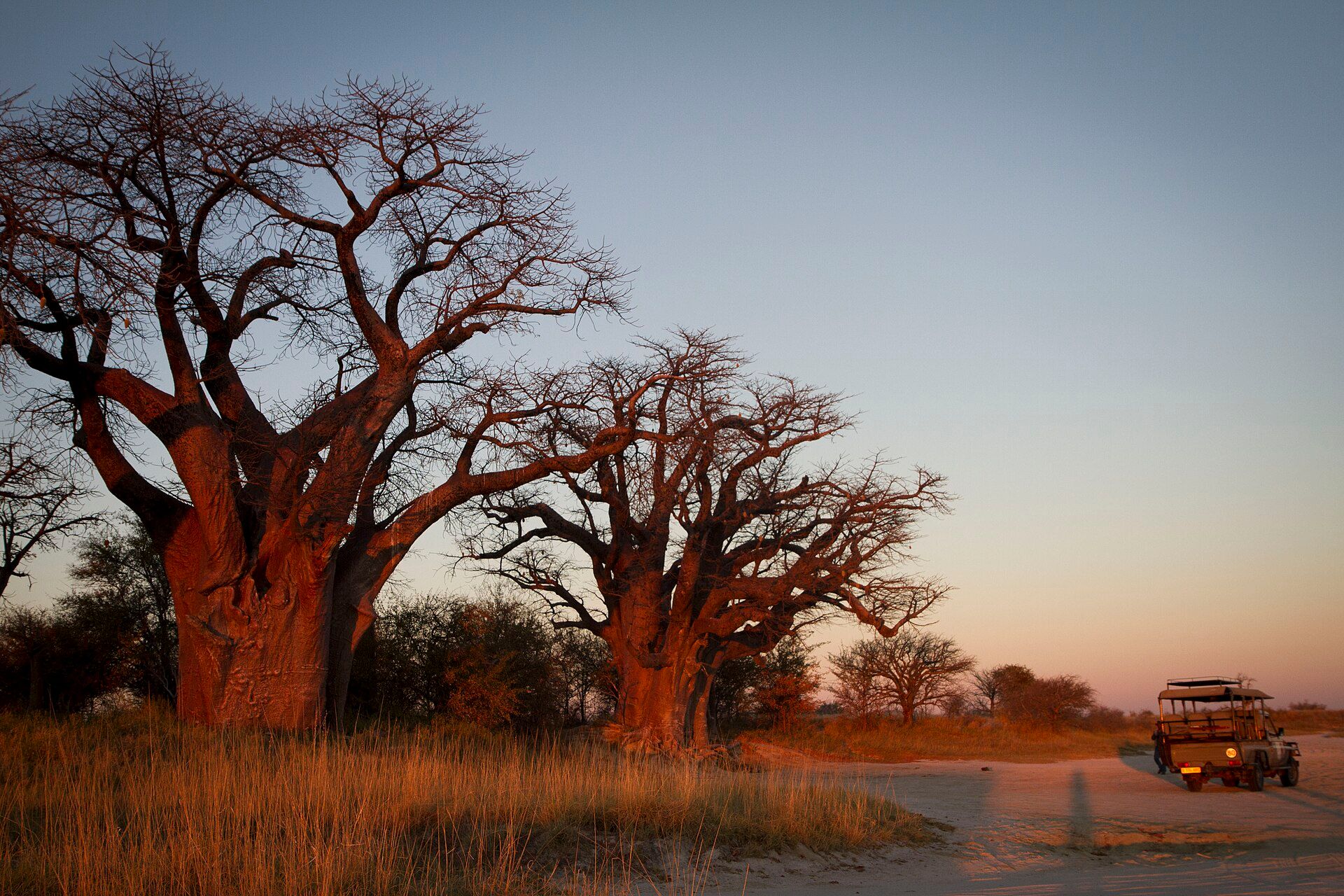
Nxai Pan & Baines' Baobabs
Nxai Pan National Park, northeastern Botswana, north of the Maun–Nata road
Added