Superlative · salt flats
The Most Beautiful Salt Flats and Salt Lakes in the World
8 places · every one real, mapped, and worth the trip
Salt flats are what is left when water flows into a basin and has no way out: it evaporates and leaves its salt behind. The result is some of the flattest, whitest and strangest ground on Earth — and, when a little water returns, some of the most reflective.
Two things decide when to go. Some flats change completely with the rain: Uyuni turns into a mirror and the Makgadikgadi floods and fills with wildlife. And the low-lying ones — Badwater, the Danakil, Lake Assal — are among the hottest places on the planet, with only a short winter window. This is our editors' pick of eight from the atlas, unranked.
-
Salar de Uyuni The largest salt flat on Earth
Altiplano, southwestern Bolivia
More than 10,500 square kilometres of salt crust at around 3,660 metres on the Bolivian Altiplano, so flat it is used to calibrate satellites. Dry season (roughly May–October) for white polygonal salt tiles and easy driving; wet season (roughly December–April) for the sky mirror, when parts of the flat become impassable. A tour is mandatory in practice — the salar has no landmarks — and operator safety records vary, so ask.
-
Makgadikgadi Pans White in winter, flooded in summer
Northeastern Botswana, between Nata and Maun
The dried floor of an ancient Kalahari lake, about 16,000 km² of pans between Nata and Maun, with Gweta a common base. Dry season (roughly May–October) for the bare white crust to the horizon; the rains (roughly November–April) flood the pans and bring wildebeest, zebra and their predators, and Sua Pan becomes one of only two greater-flamingo breeding sites in southern Africa. Never drive onto the pans without a guide: the crust can hide deep mud.
-
Etosha Pan A salt pan you can safari around
Northern Namibia
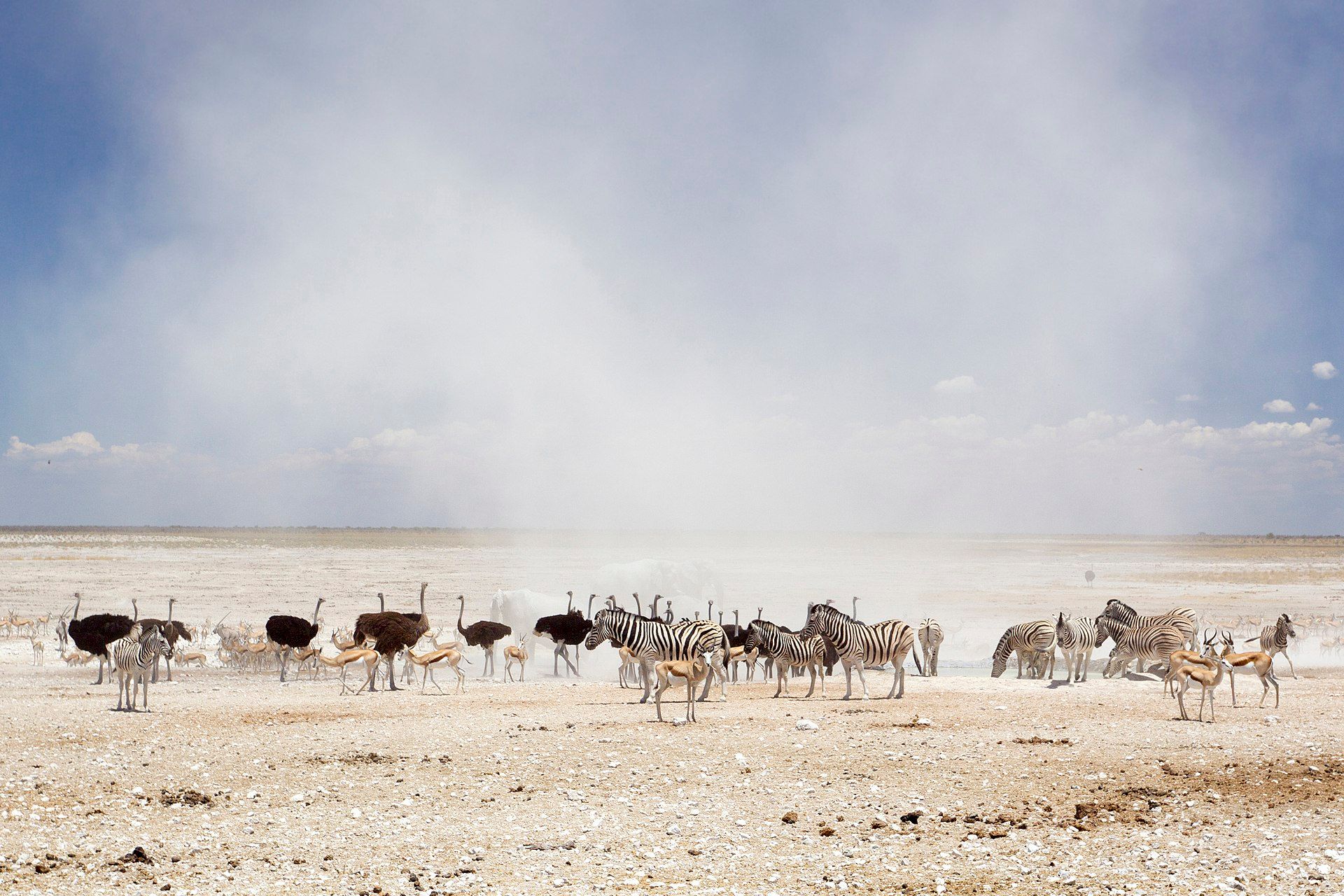
A salt flat of roughly 4,800 square kilometres in northern Namibia, visible from space, with waterholes around its edge where elephants, rhinos and lions arrive in turn. Dry season (roughly June–October) concentrates the game. Self-drive is easy on graded gravel, about 5–6 hours from Windhoek to Okaukuejo; gate times are strict and the state-run camps book out in peak season.
-
Death Valley 86 m below sea level at Badwater
California / Nevada, United States
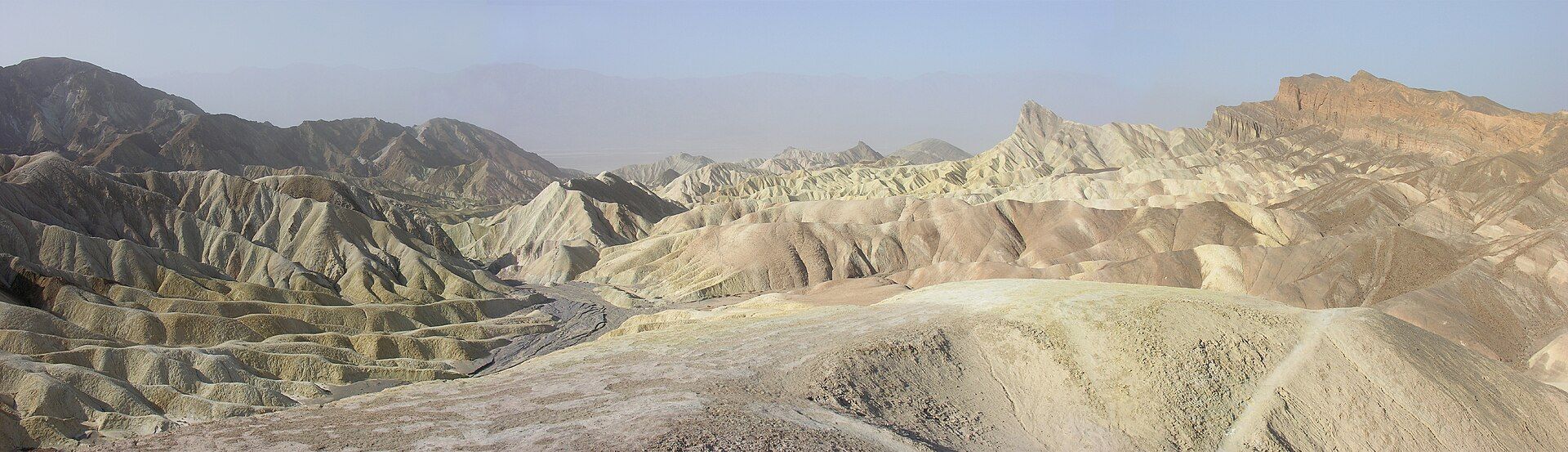
Badwater Basin, the lowest point in North America, is a white salt flat cracked into polygons beneath the hottest place ever reliably measured (about 57 °C). Go November to March; from late spring to early autumn the Park Service advises against hiking at low elevation after mid-morning. Zabriskie Point's badlands and the Mesquite dunes are in the same park.
-
The Atacama Desert Flamingos on the Salar de Atacama
Northern Chile
The huge Salar de Atacama, with wading flamingos and lagoons mirroring volcanoes, is one of the day trips from San Pedro, alongside El Tatio and the Valley of the Moon. Good year-round in the dry climate, but plan around altitude: San Pedro is at roughly 2,400 metres and the high lagoons around 4,300 metres, so spend a day or two low first.
-
Danakil Depression Salt still cut by Afar caravans
Afar Region, northeastern Ethiopia
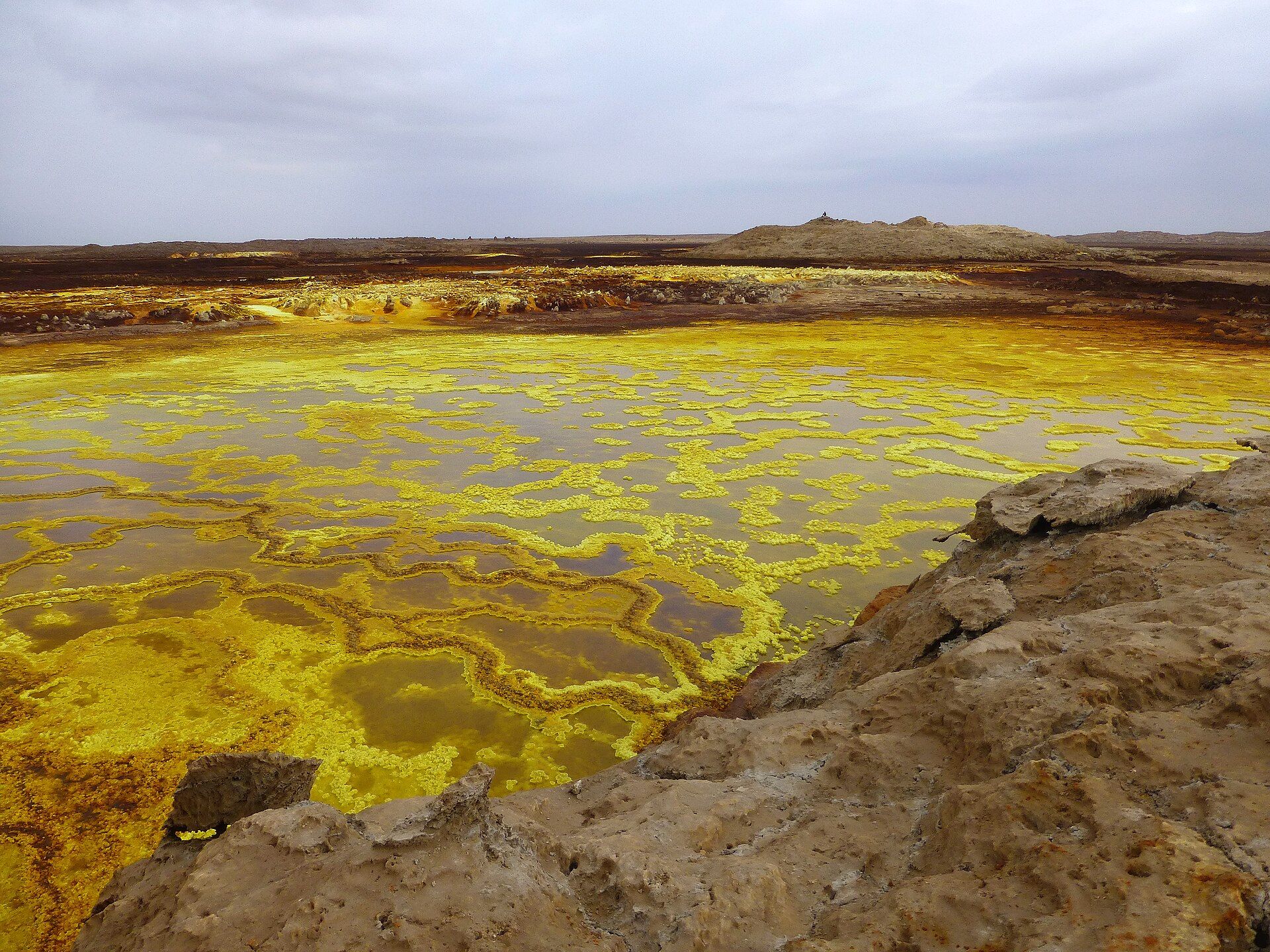
Salt flats running to the horizon, still cut and carried out by Afar caravans, beside Dallol's neon sulphur springs and the Erta Ale lava lake. November to February only — even then the heat is extreme. Not an independent trip: licensed operators arrange the permits, 4x4 convoy, Afar guides and, near the Eritrean border, an armed escort. Security conditions and travel advice change; defer to an established operator's current read.
-
Lake Assal Africa's lowest point, 155 m below sea level
Afar Triangle, western Djibouti
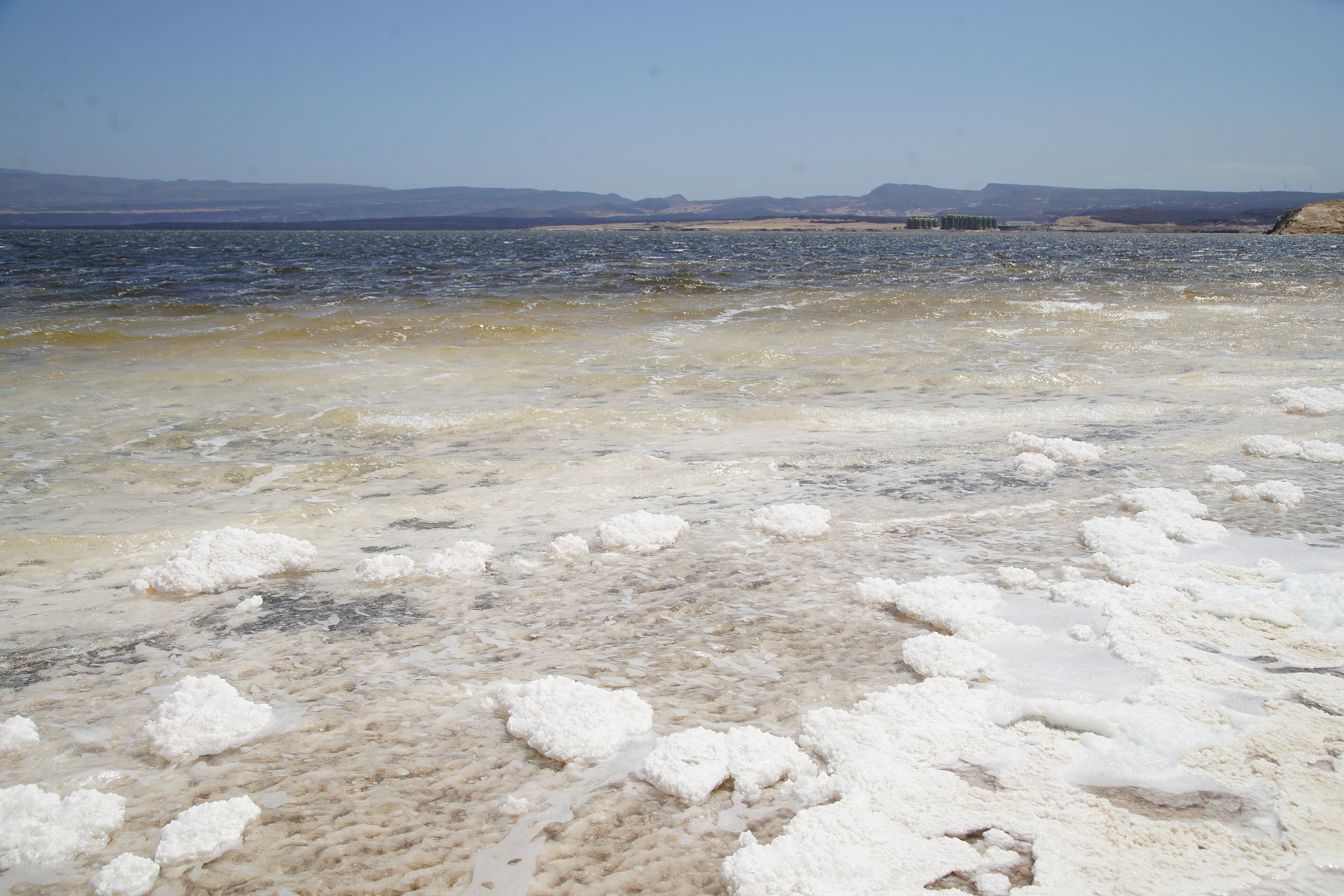
A white salt plain running into turquoise brine about ten times saltier than the sea, below dark basalt hills, about two hours on a paved salt road from Djibouti city. November to February is the only comfortable window — summer reaches 52 °C. No gate, no shade and no water on site; the crust is sharp, so wear shoes you can rinse and discard.
-
The Dead Sea The lowest exposed land on Earth
Jordan Rift Valley, Jordan / Israel / West Bank
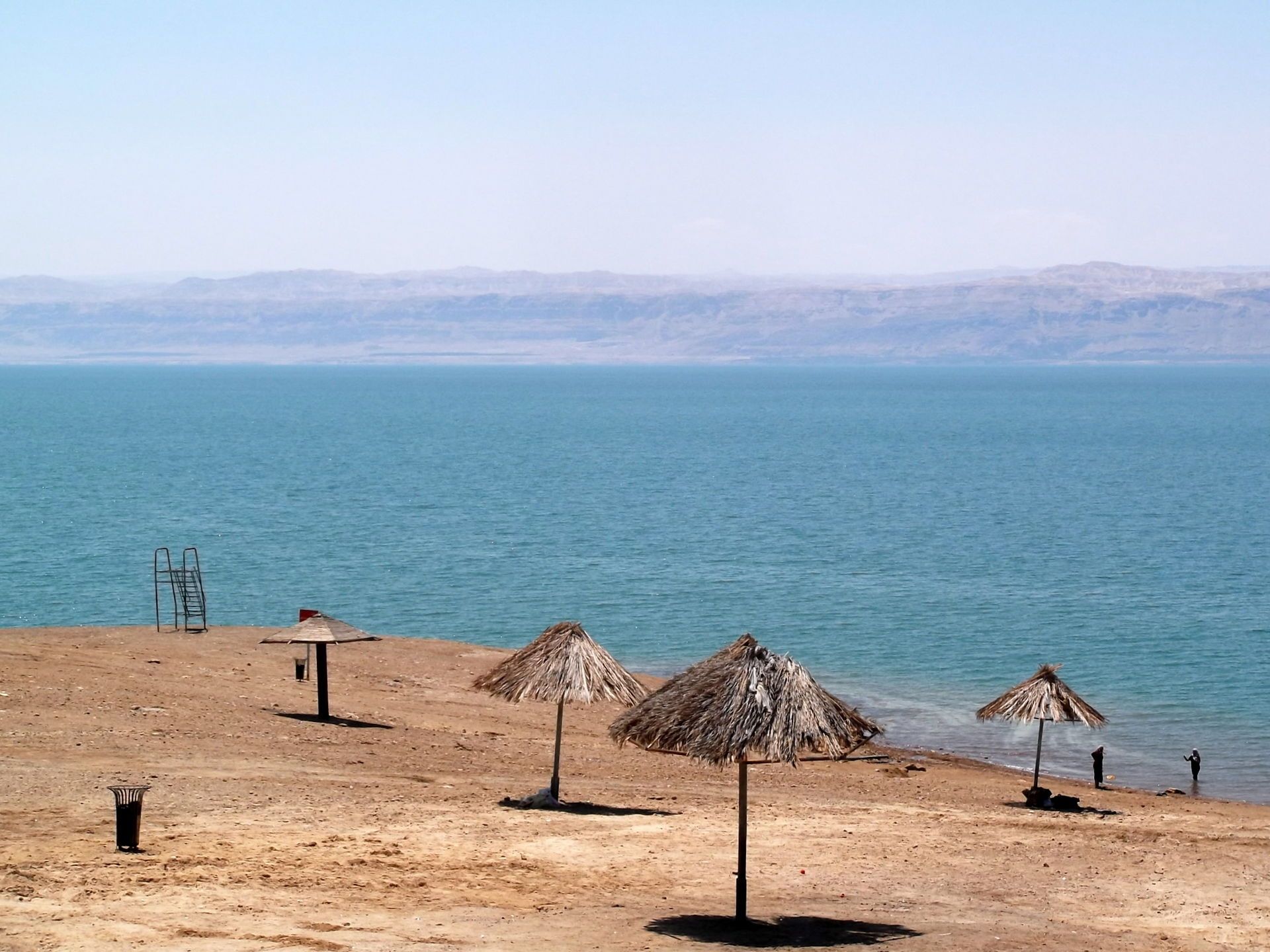
A salt lake about 430 metres below sea level and nearly ten times saltier than the ocean, where you lie back and float. Spring (March–May) and autumn (September–November) are the pleasant seasons. On the Jordanian shore a resort day pass buys showers and loungers; stay on established beaches, because the retreating shoreline has opened sinkholes, and keep the water out of your eyes and any cut.
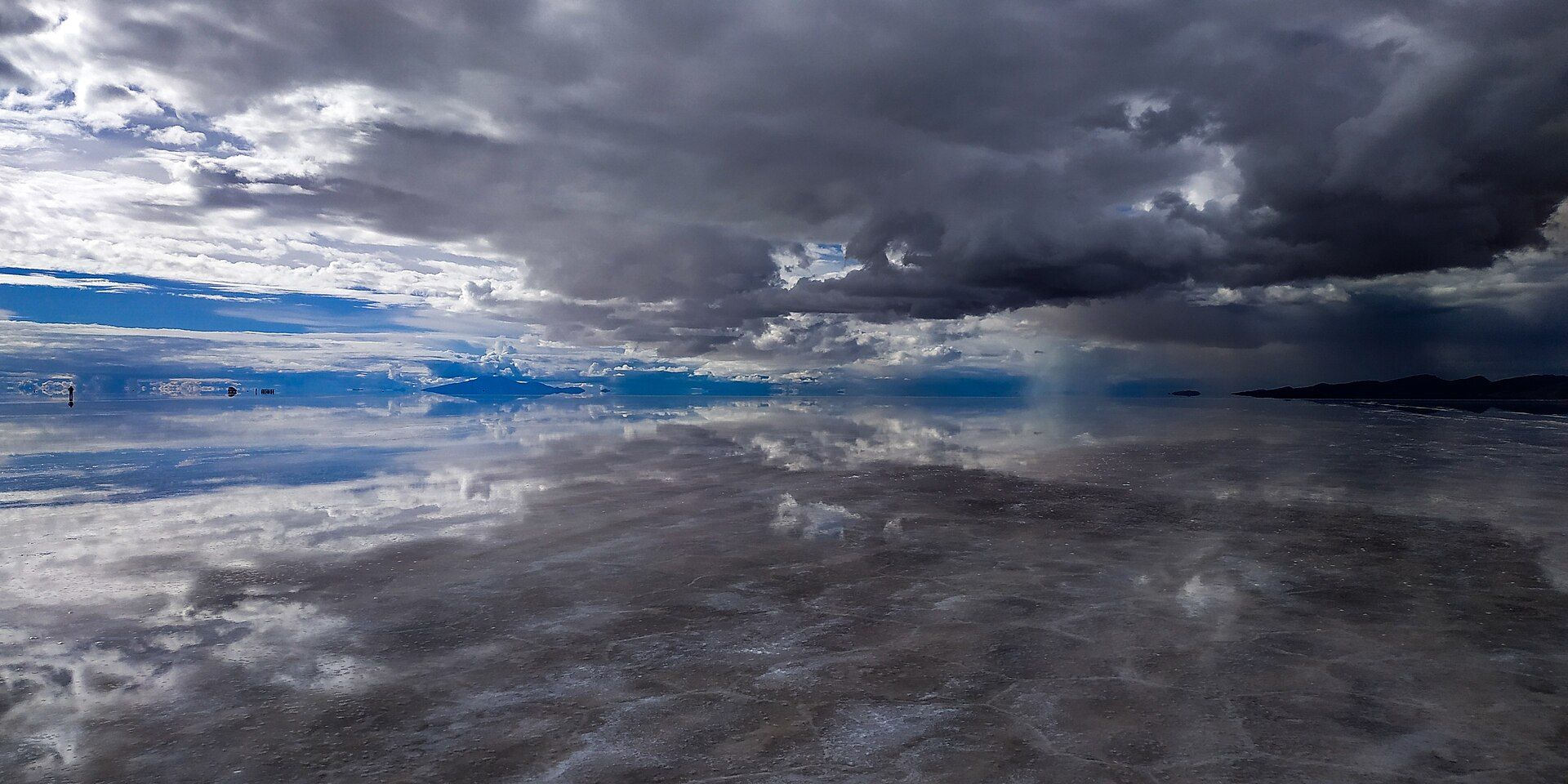
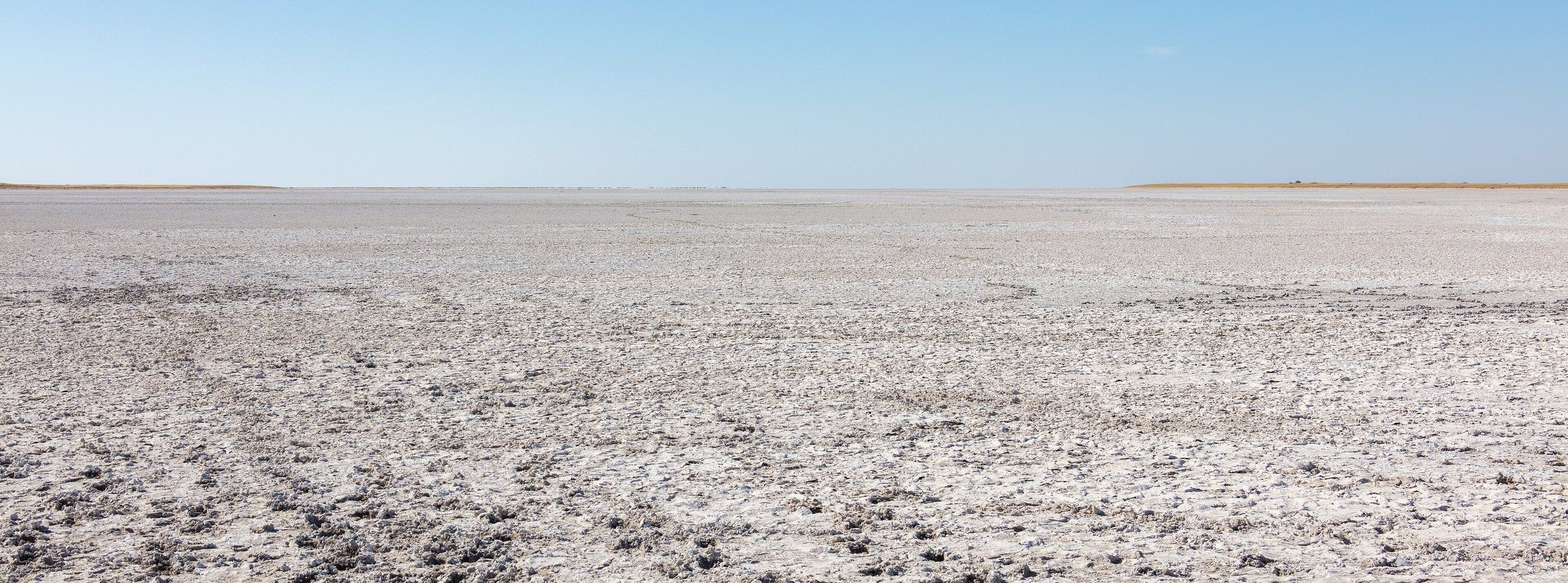

Choose by what you want to see. For the classic white crust, go in the dry season — Uyuni May to October, the Makgadikgadi May to October, Etosha June to October. For a mirror or a flooded pan full of animals and flamingos, go in the rains — Uyuni roughly December to April, the Makgadikgadi November to April. Badwater, the Danakil and Lake Assal are winter-only places: November to February or March, and even then carry your own water — Lake Assal has none on site.
Added