Wildlife · primates
The Best Places to See Primates in the Wild — Gorillas, Chimps, Orangutans, Lemurs and Snow Monkeys
10 places · every one real, mapped, and worth the trip
Ten places in the atlas where wild primates are the reason to go — from the mountain gorilla, which survives only in Bwindi and the Virunga volcanoes, to the snow monkeys that soak in a Japanese hot spring. They are grouped by animal, because the trips are very different: a capped one-hour gorilla visit on a named-date permit, a dawn chimp track, a river cruise, a night walk for mouse lemurs.
None of these is a zoo. The great-ape treks run on permits with daily caps, a minimum age and health rules — anyone visibly ill is turned back — because the animals can catch human diseases. Book those first and plan the rest of the trip around the date.
-
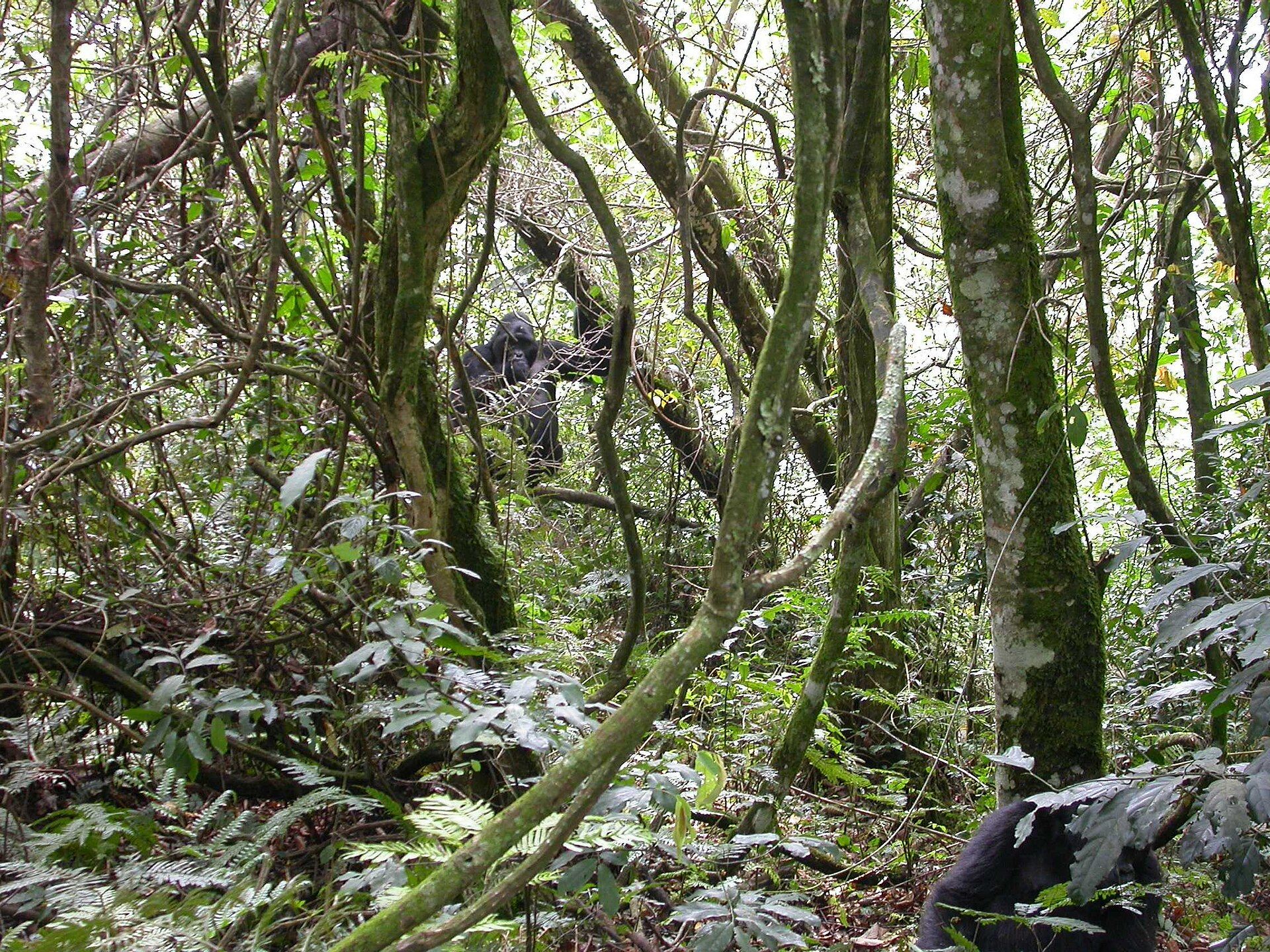
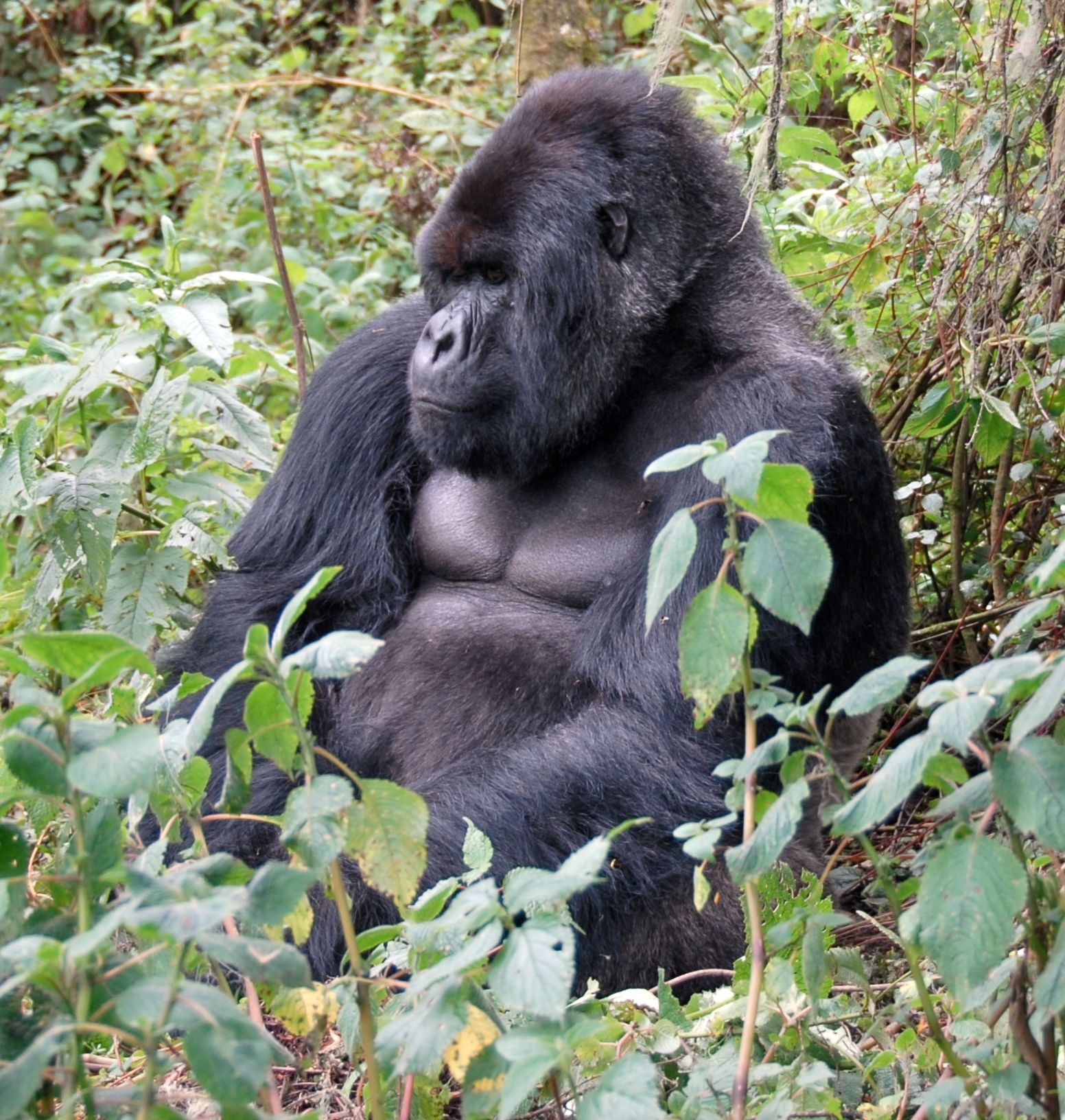
Bwindi Impenetrable Forest Mountain gorillas, Uganda
Southwestern Uganda
An ancient montane rainforest holding roughly half of all the mountain gorillas left on Earth. A Uganda Wildlife Authority trekking permit is mandatory and daily numbers are strictly limited, so book months ahead. Gorillas can be visited year-round; the drier seasons (roughly June–September and December–February) make the steep, muddy trekking easier. Roughly 8–10 hours by road from Kampala, or a light aircraft to Kihihi or Kisoro.
-
Volcanoes National Park Mountain gorillas and golden monkeys, Rwanda
Northwestern Rwanda (Virunga Mountains)
The forested Virunga volcanoes where Dian Fossey founded the Karisoke Research Centre in 1967. One small group per habituated gorilla family per day, for one hour; golden-monkey treks need their own permit. Permits come from the Rwanda Development Board, tied to a named date, and a face covering is required near the gorillas. About 2h30–3h on tarmac from Kigali to Kinigi; same drier seasons as Bwindi.
-
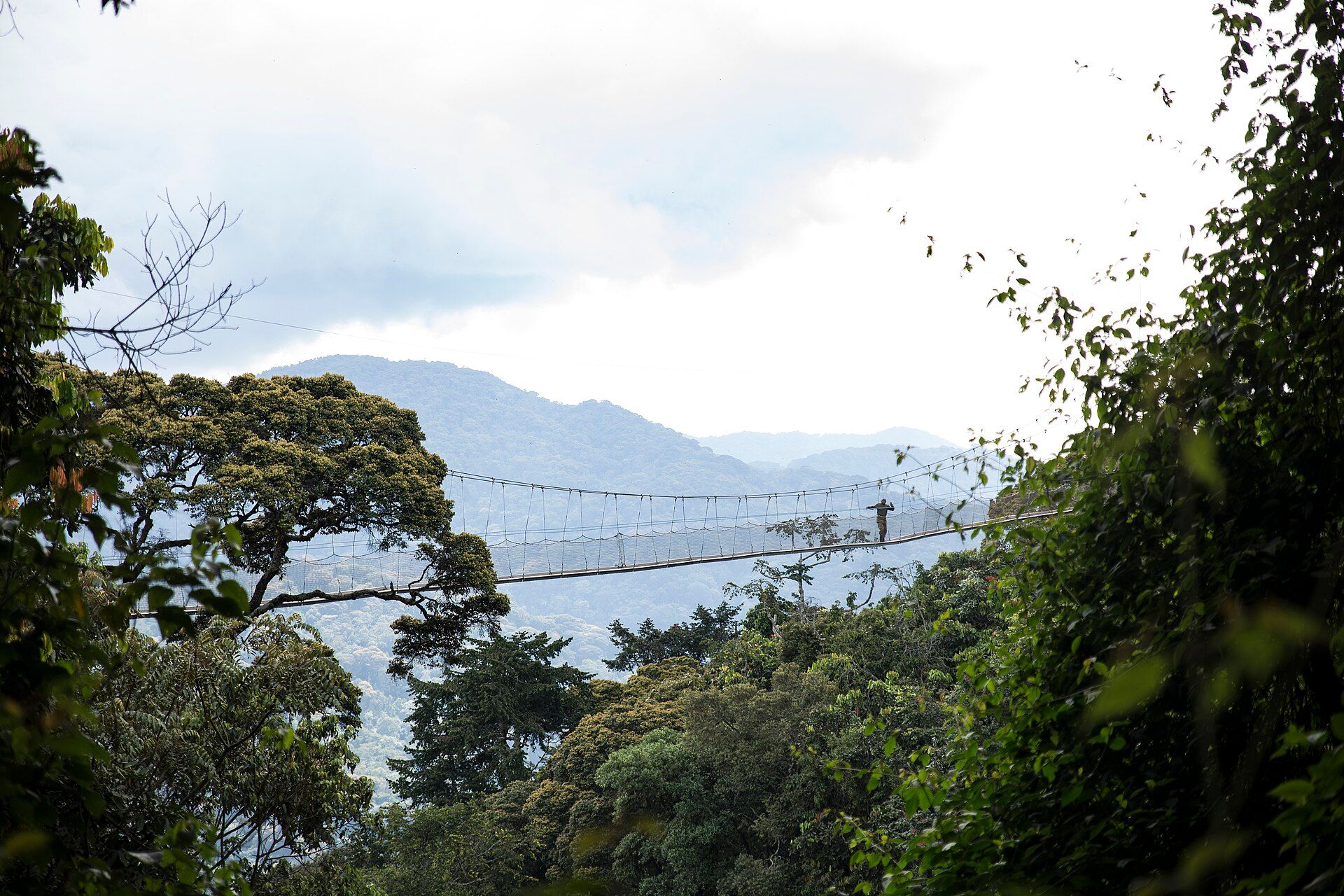
Nyungwe Forest Chimpanzees and colobus, Rwanda
Southwestern Rwanda
One of Africa's oldest montane rainforests, with around thirteen primate species — chimpanzees tracked at dawn and large, noisy troops of Angolan colobus — plus a canopy walkway. Chimp permits are capped and booked through the Rwanda Development Board. Drier months (roughly June–September and December–February) make the tracking easier; about 5–6 hours by road from Kigali, or shorter via Lake Kivu.
-
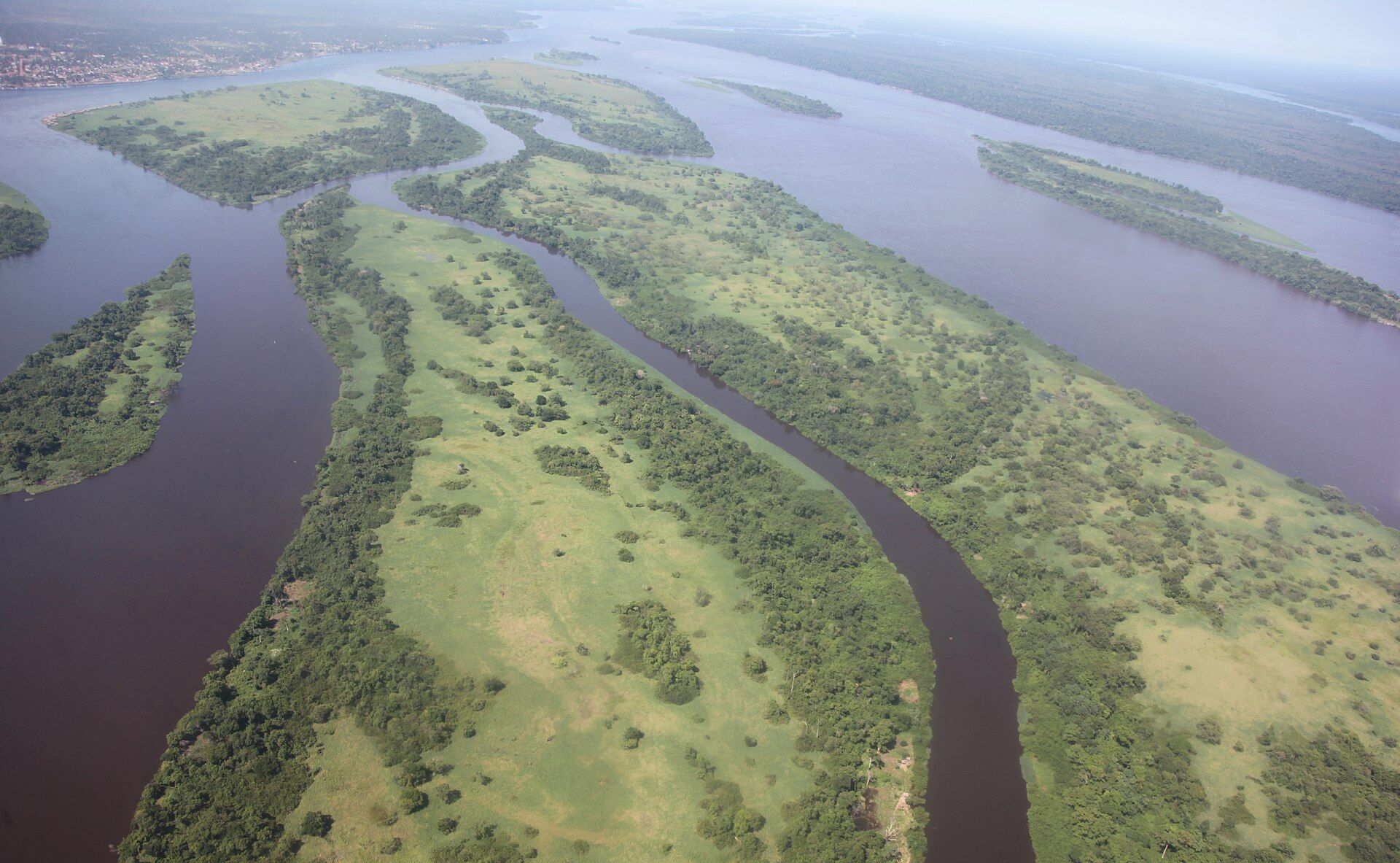
Congo Basin Rainforest Bonobos and lowland gorillas
Central Africa
The world's second-largest rainforest, and the only place bonobos live — south of the Congo River. Lowland gorillas and forest elephants are most dependably seen at the bais, natural forest clearings. This is not one destination: practical access is confined to a handful of managed reserves reached through specialist operators, and permits, visas and gorilla-tracking arrangements differ by country and change often.
-
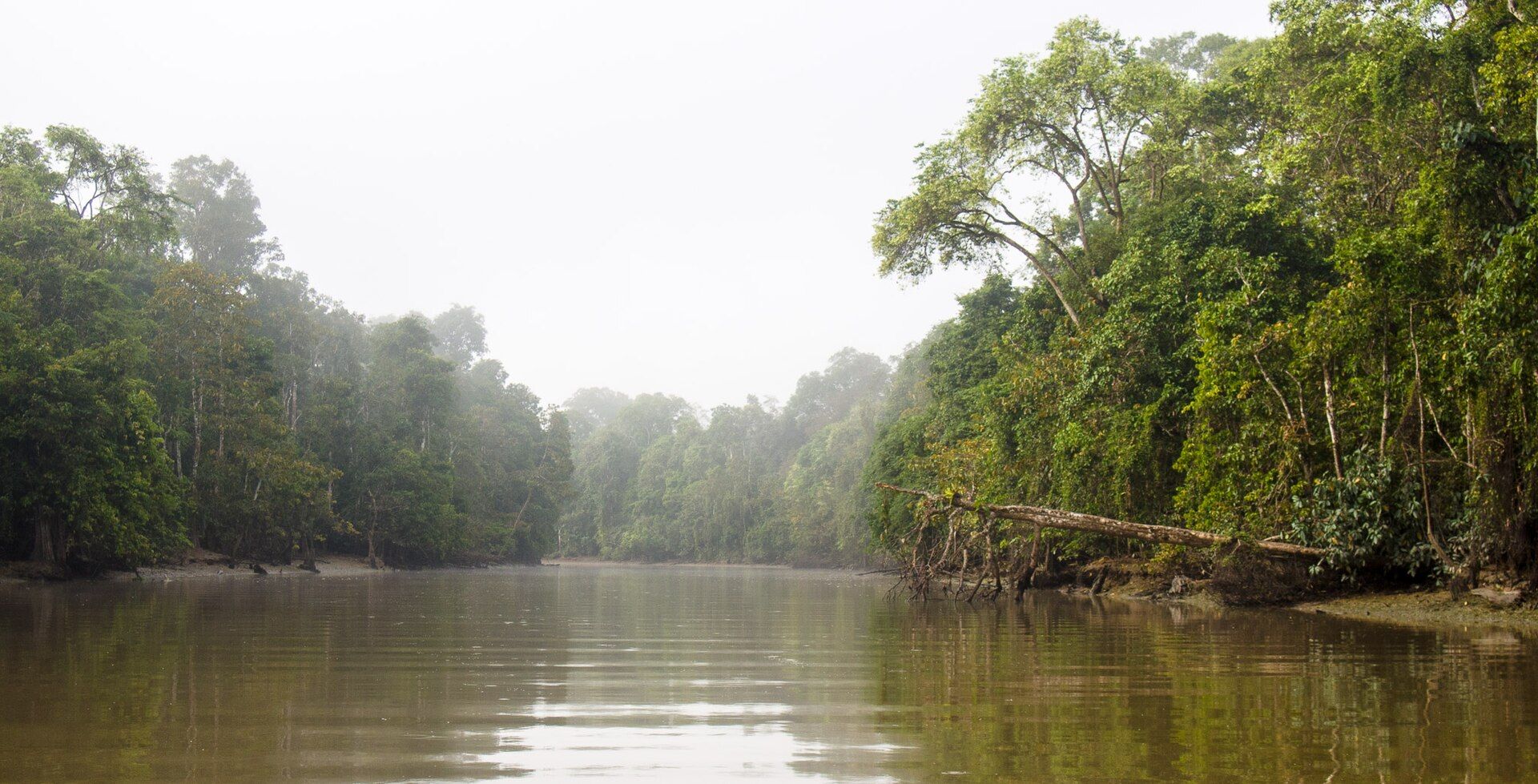
Kinabatangan River Orangutans and proboscis monkeys, Borneo
Sabah, Malaysian Borneo
One of only two places on Earth where ten primate species live together — wild Bornean orangutans, gibbons, silvered langurs and the big-nosed proboscis monkey, found nowhere but Borneo — seen from dawn and dusk boat cruises with pygmy elephants at the banks. Good year-round; the drier months from March to October concentrate animals along the river. About 2–2h30 by road from Sandakan to Sukau or Bilit, then by boat to a lodge.
-
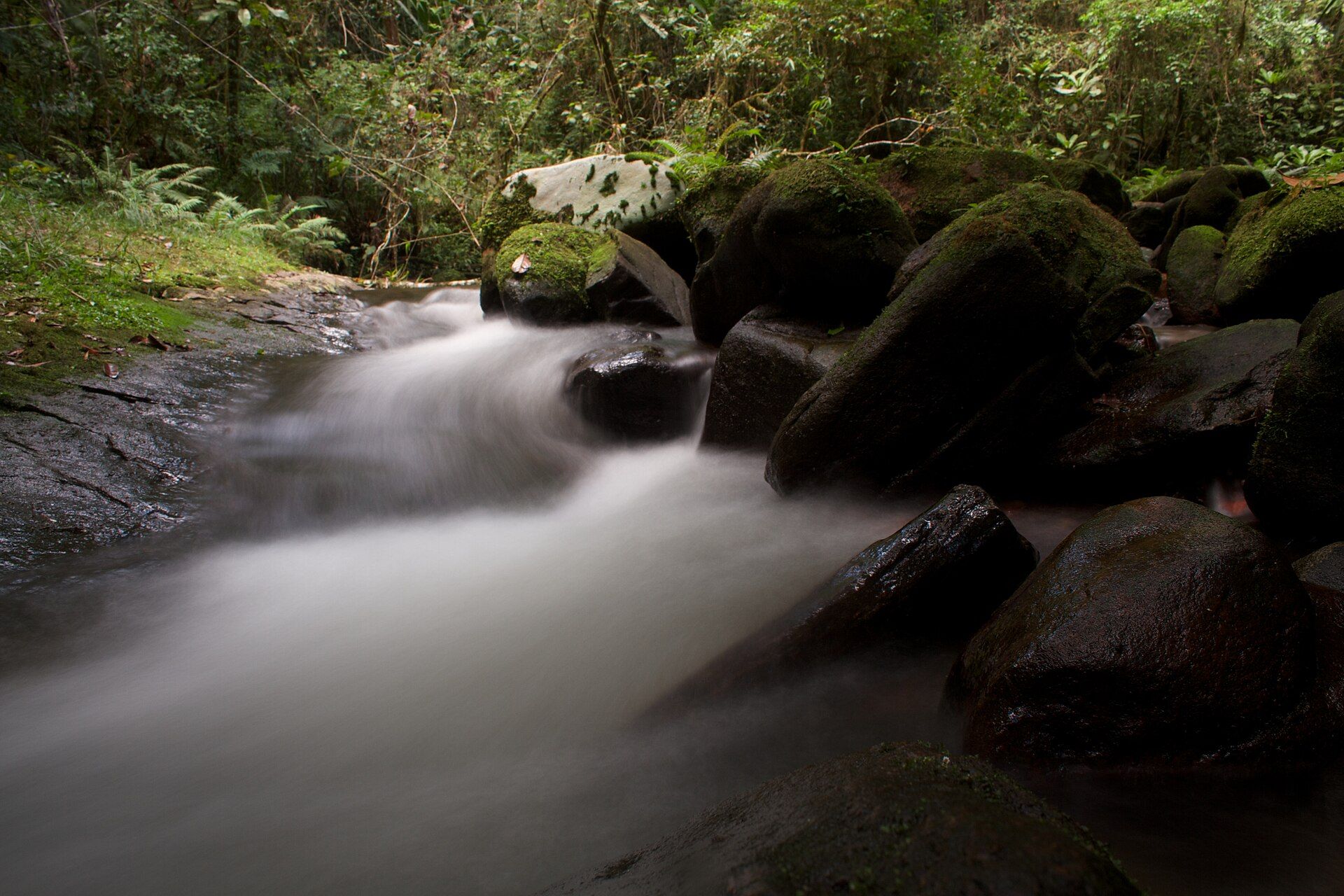
Ranomafana National Park Thirteen lemur species, Madagascar
Southeastern Madagascar, near Ranomafana town
Misty rainforest on Madagascar's eastern escarpment with thirteen lemur species — seven active by day, six at night — including the golden bamboo lemur. Walk with a guide booked at the park office and join a night walk for mouse lemurs. Wet in every season, so pack rain gear; about 65 km on National Road 25 from Fianarantsoa.
-
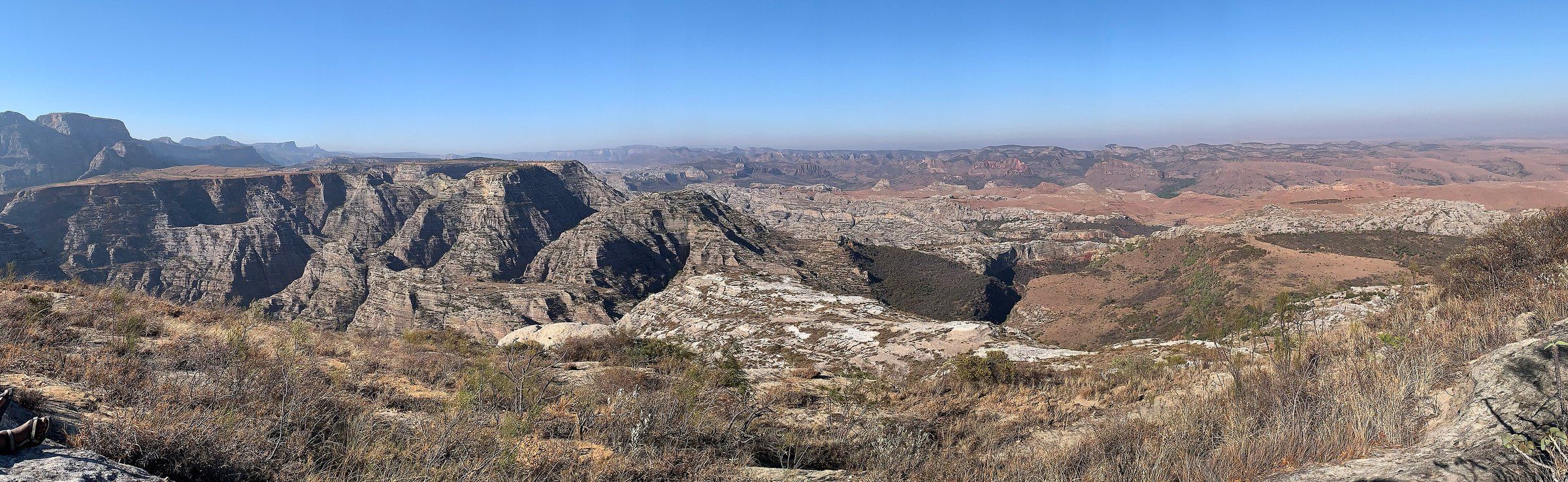
Isalo National Park Ring-tailed lemurs and sifakas
Ihorombe Region, southwestern Madagascar, near Ranohira
Sandstone canyons and natural swimming pools in southwestern Madagascar, where ring-tailed lemurs and Verreaux's sifakas move through by day. Walks go with local guides from Ranohira. The cooler, drier southern winter is best — June is the driest month. A long day by road from Toliara.
-
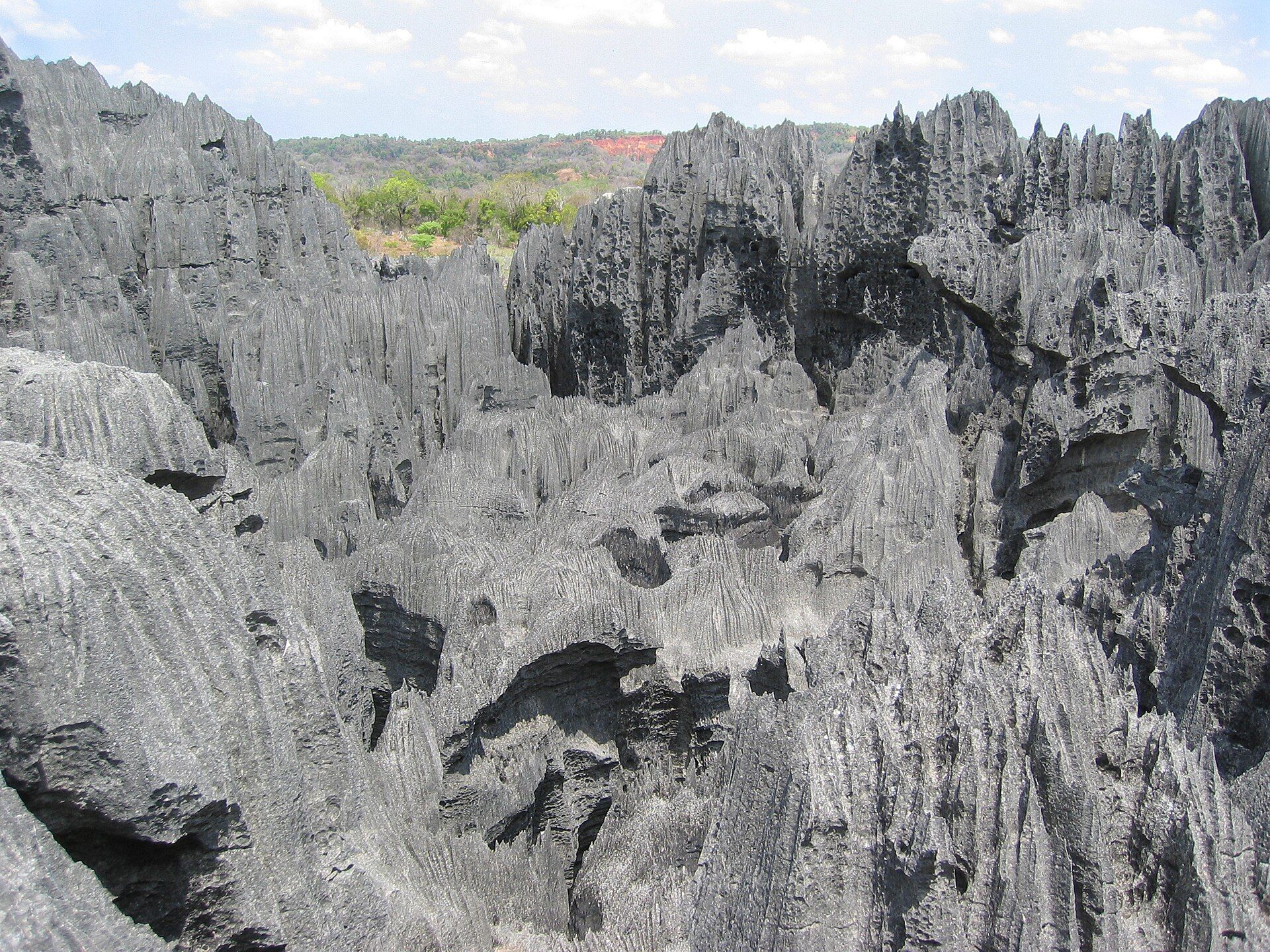
Tsingy de Bemaraha Lemurs among limestone blades
Melaky, western Madagascar
A cathedral of razor-edged limestone pinnacles crossed on bridges and ladders, with lemurs leaping between the spires. Open only in the dry season, roughly April–November — the park closes for the rains. A mandatory local guide, a harness for the Grand Tsingy circuits, and two days by road from Antananarivo via Morondava.
-
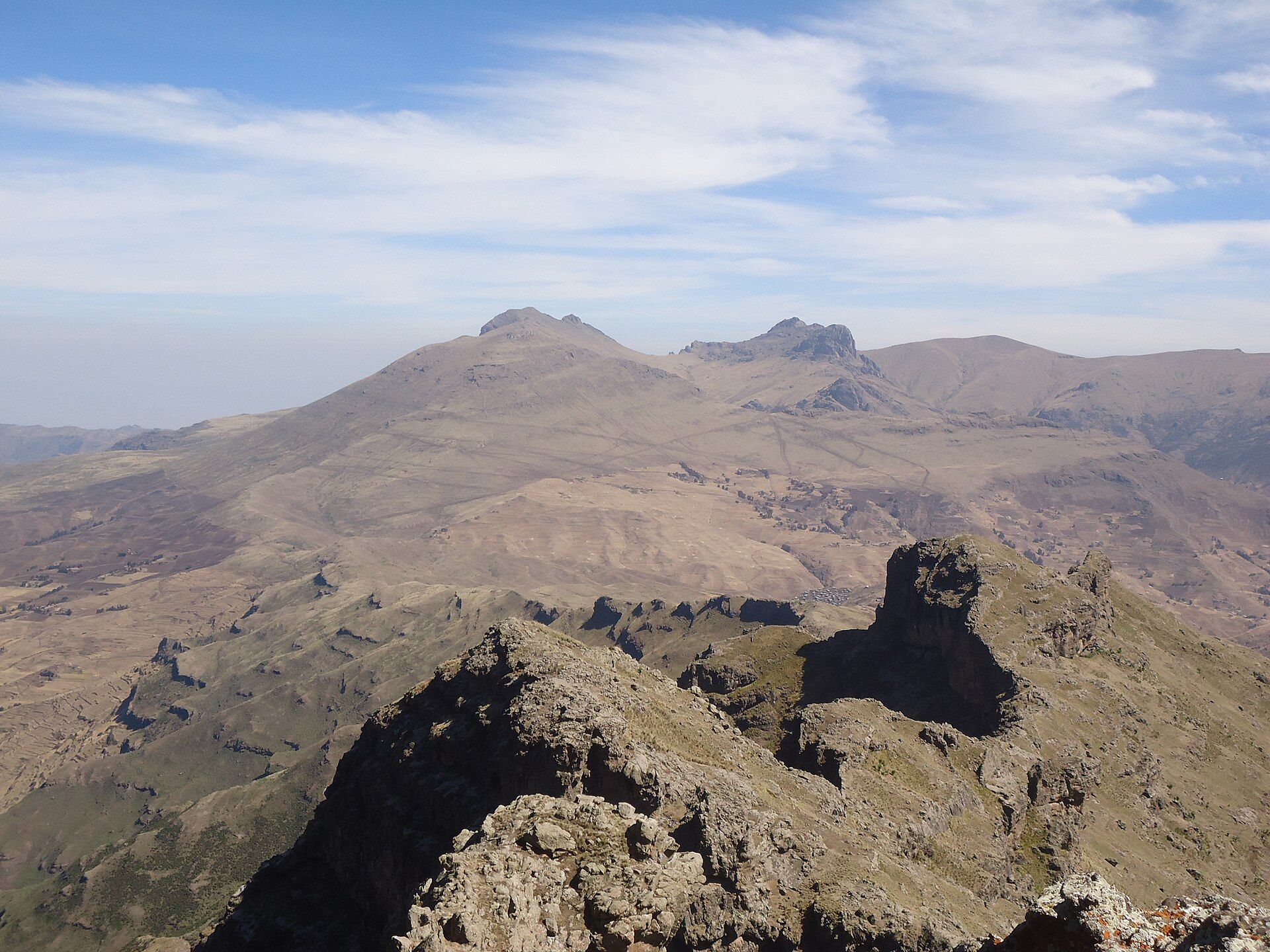
Simien Mountains Gelada, the grass-grazing primate
Amhara, northern Ethiopia
Hundreds of gelada — the only primates on Earth that graze grass — feed along the clifftops of Ethiopia's highland escarpment, habituated enough to let you sit close. Dry season (roughly October–March); an armed scout is mandatory for every visitor, hired at Debark. Access to northern Ethiopia has been disrupted in recent years, so confirm the current situation first.
-
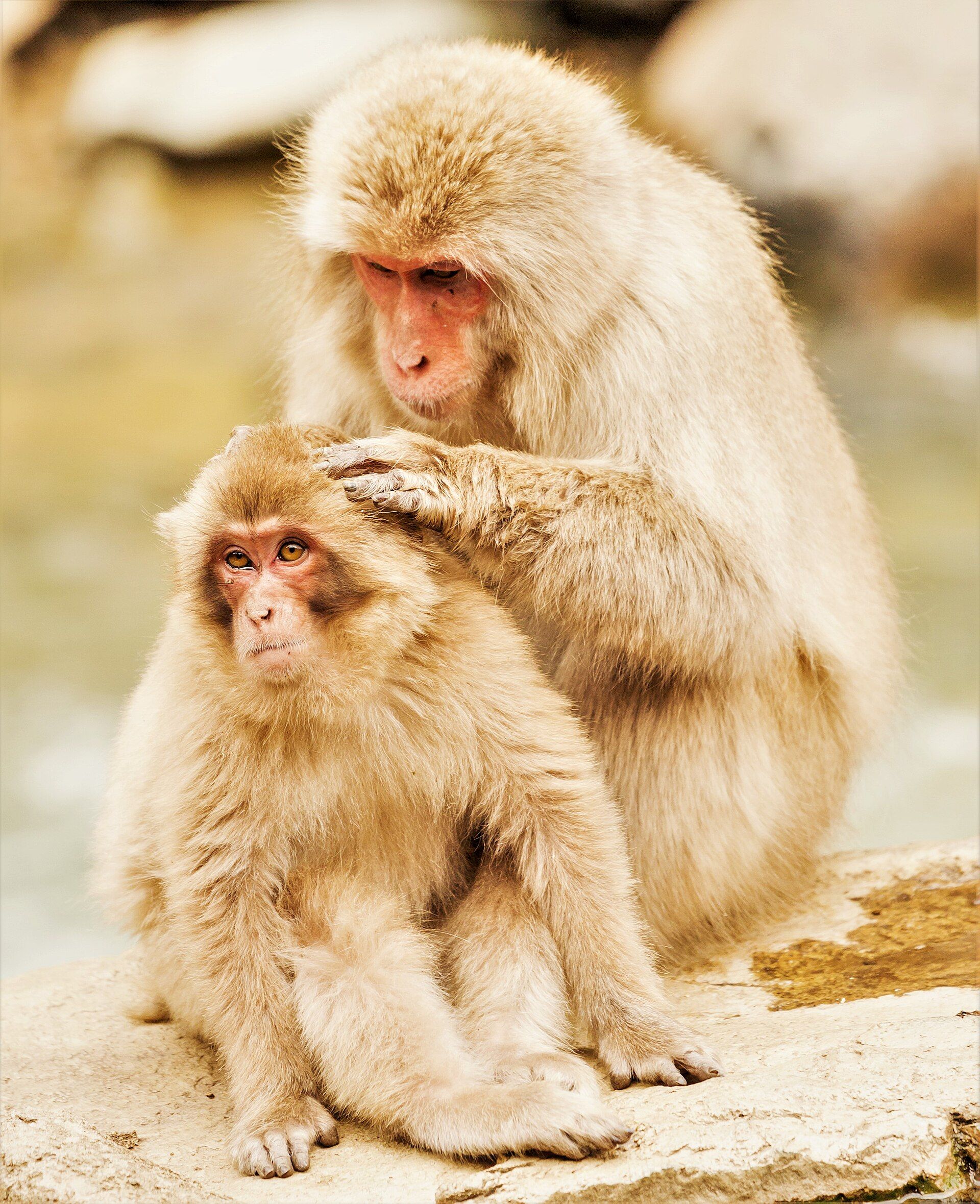
Jigokudani & the Snow Monkeys Snow monkeys in a hot spring, Japan
Yamanouchi, Nagano Prefecture, Japan
A troop of more than two hundred wild Japanese macaques — the northernmost monkeys in the world — that bathe in a natural hot-spring pool, the only place on Earth where wild monkeys soak in an onsen. Open year-round; best in winter, roughly December to March, in the morning. Bullet train from Tokyo to Nagano, then train to Yudanaka and a short bus to the trailhead.
The great-ape trips decide everything else: gorilla permits in Bwindi and Volcanoes, and chimp permits in Nyungwe, are capped and sell out, so book them first. Bwindi, Volcanoes and Nyungwe share the same drier seasons (roughly June–September and December–February); in Rwanda, the Lake Kivu shore towns sit between Volcanoes and Nyungwe. Madagascar's lemur parks work best in the dry southern winter — and the Tsingy is closed in the rains. Jigokudani is a winter trip; the Kinabatangan works year-round.
Added