Simien Mountains
📍 Amhara, northern Ethiopia
A dramatic highland escarpment of jagged pinnacles and mile-deep gorges — the 'Roof of Africa' — home to gelada monkeys, walia ibex, and Ethiopian wolves found nowhere else.
What makes it marvelous
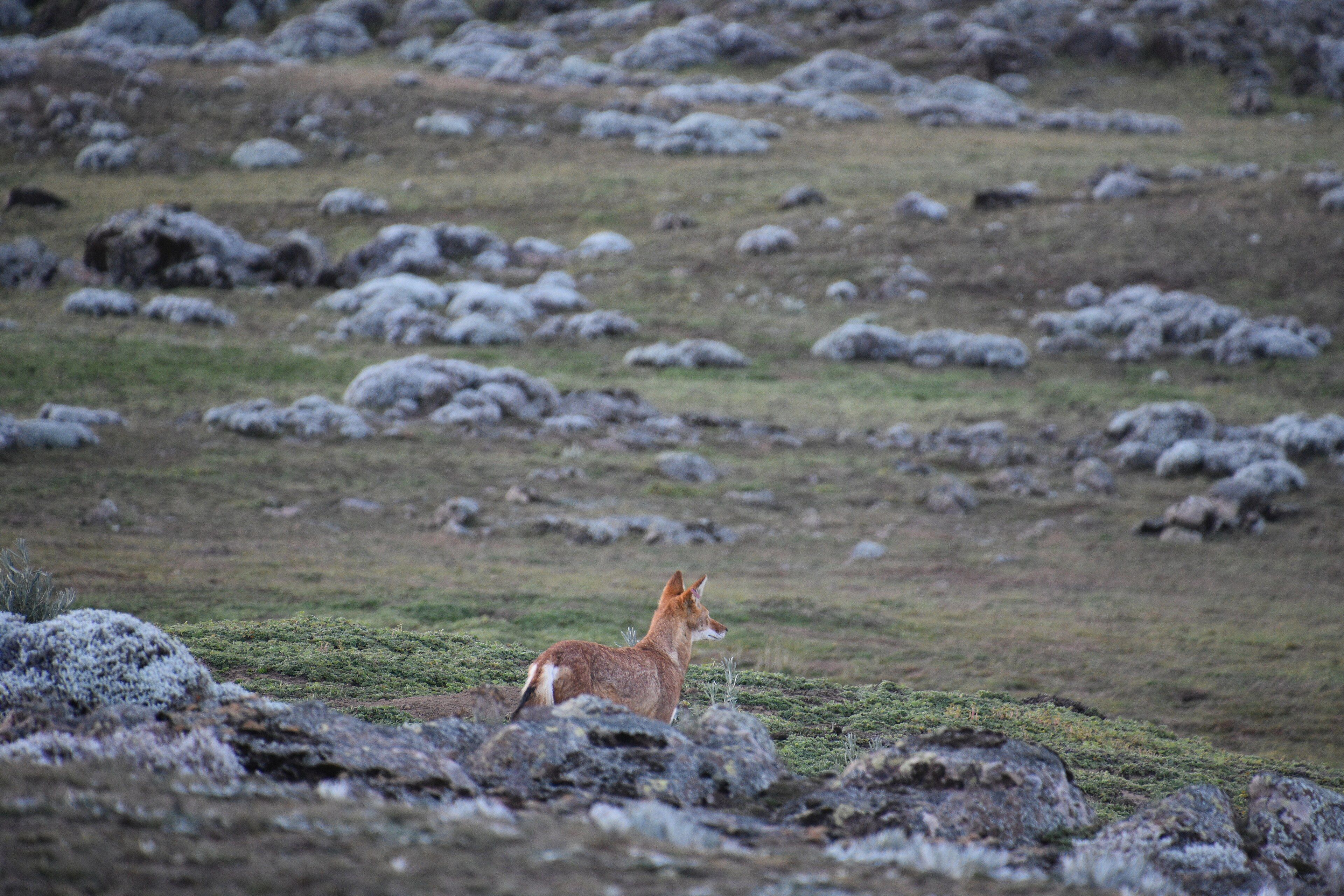
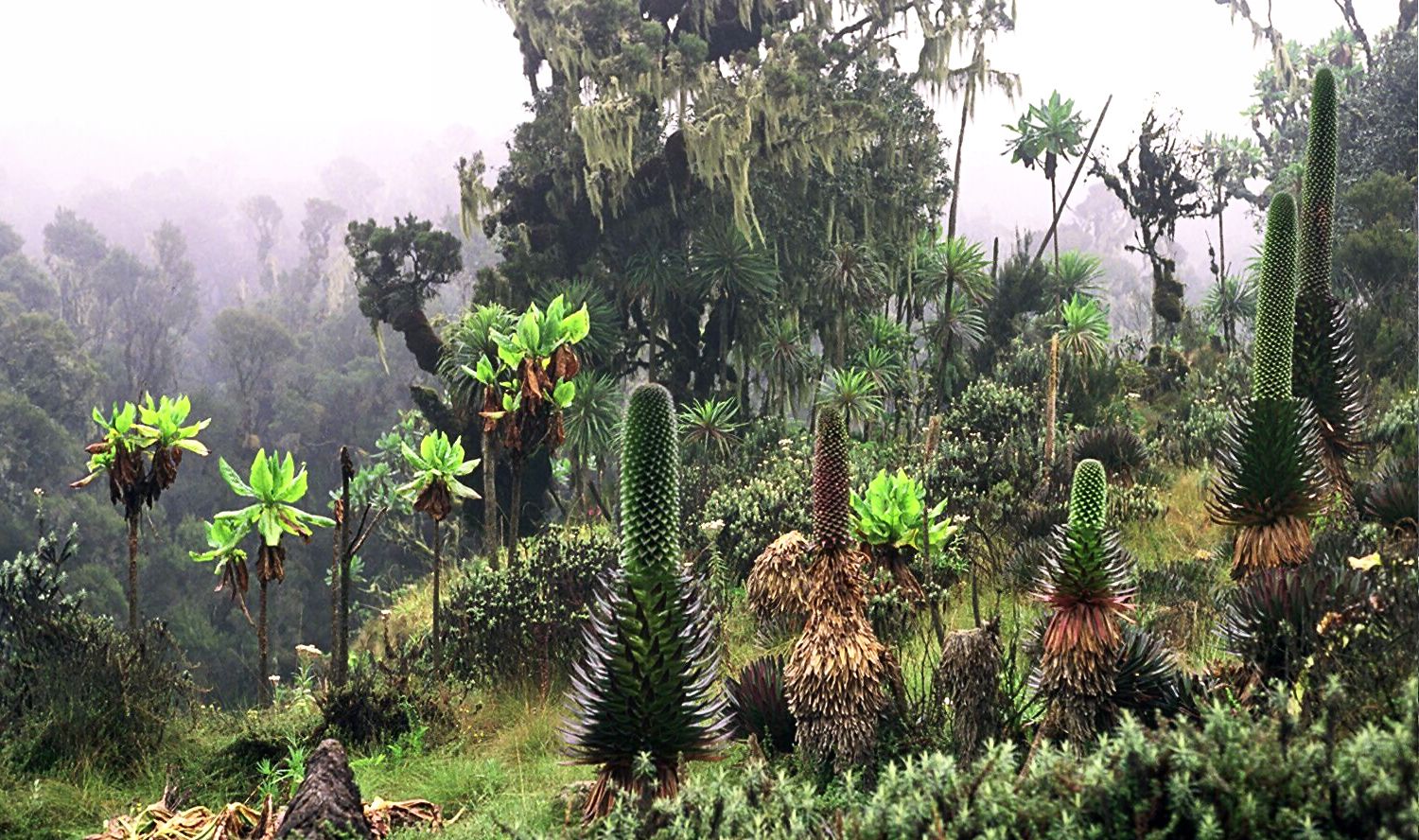
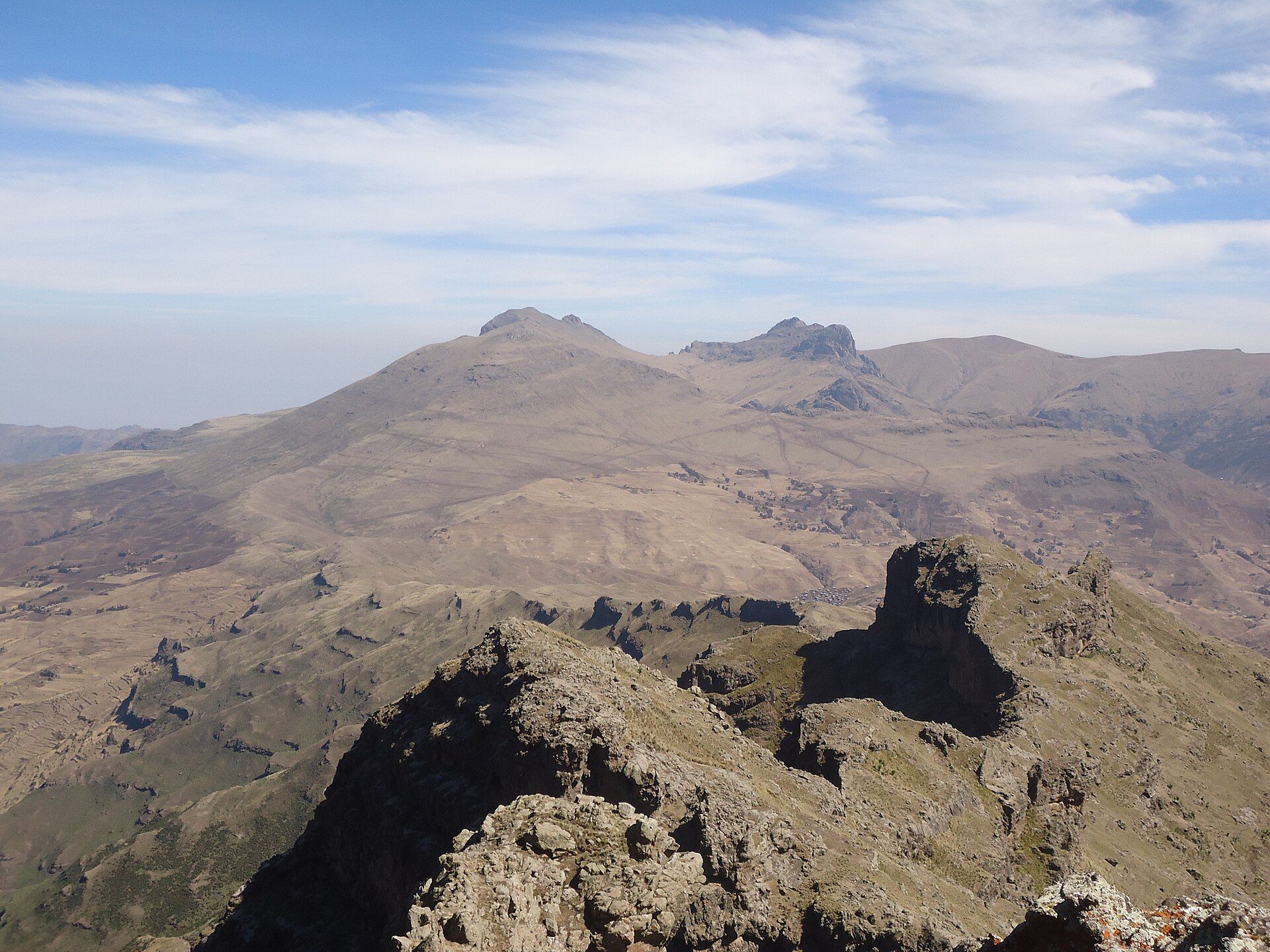
The Simien Mountains form one of the most spectacular escarpments on Earth: a great wall of eroded volcanic rock where the Ethiopian Highlands drop away in sheer cliffs over a kilometre high, broken into jagged pinnacles, buttresses, and mile-deep gorges. Rising above 4,500 metres at Ras Dashen — Ethiopia's highest peak and one of the tallest in Africa — this 'Roof of Africa' is a cool, thin-aired world of afro-alpine moorland and giant lobelias. It shelters wildlife found nowhere else: troops of gelada, the world's only grass-grazing primates, graze the clifftops in their hundreds; the rare walia ibex picks along the ledges; and the Ethiopian wolf, Africa's most endangered carnivore, hunts the high meadows. It is a UNESCO World Heritage Site.
Why visit
Trekking the escarpment among hundreds of unbothered gelada, with the land falling away a vertical kilometre to gorges far below, is one of Africa's great highland adventures — raw scenery and unique wildlife in equal measure.
What to know before you go
🗓️ Best time
The dry season (roughly October–March) for clear views and firm trekking; the wet season brings mist, mud, and green but harder-going trails.
🧭 Getting there & access
In northern Ethiopia, reached via Gondar and the town of Debark at the park gate; treks and scenic drives run along the escarpment, arranged with guides and scouts as required.
Good to know
- Trek in the dry season for clear escarpment views.
- Acclimatize to the altitude — much of the park lies above 3,000 m.
- Hire the required local guide and scout, supporting the park community.
Plan your visit
Strenuous🧭 Getting there
From Gondar (GDQ), then Debark
- Fly Addis Ababa → Gondar — roughly 1h30
- Road Gondar → Debark — about 2h–3h
- Park headquarters and scout hire are at Debark; trailheads and viewpoints a further 1–2h
- Total travel
- Most of a day from Addis Ababa
- Time at site
- 3–5 days for a trek; two days for the road viewpoints alone
- Access
- National park entry, and an armed scout is mandatory for every visitor — a park rule arranged at Debark, not something to negotiate around. Guides and mules are hired separately. Access to northern Ethiopia has been disrupted in recent years, so confirm the current situation with the park and check your government's travel advice before booking anything.
🎒 What to bring & consider
- Proper cold-weather gear and a warm sleeping bag — camps sit above 3,200m and nights drop below freezing, which regularly catches out people who packed for "Africa"
- Acclimatisation time, since trekking routes climb above 4,000m
- Sun protection for thin highland air that burns much faster than it feels
- Boots with grip for rocky escarpment paths beside very large drops
- Cash in birr for scouts, guides, muleteers and community fees — all of it cash-only
👁️ What to expect
- Crowds
- Few visitors. Mostly you will meet your own party and the farmers who live here.
- Conditions
- High-altitude trekking along an escarpment with serious exposure, cold nights, and basic camps.
- Facilities
- Lodges near the escarpment road. Trekking camps have little beyond a shelter and a toilet.
- The view
- Gelada troops are habituated and will let you sit close, which makes them the most reliable wildlife photography in the country. The escarpment itself is best in early light, before haze builds through the day.
Times and requirements are approximate and change with season, weather, and local rules — confirm permits, fares, and schedules with operators before you travel.
Natural riches of the area
- A kilometre-high eroded volcanic escarpment and deep gorges
- Ras Dashen (4,550 m), among Africa's highest peaks
- Endemic gelada, walia ibex, and Ethiopian wolf
- Afro-alpine moorland with giant lobelias
Local food
- Injera
- Ethiopia's spongy sourdough flatbread, eaten with spiced stews (wat).
- Doro wat & shiro
- Spiced chicken stew and a chickpea-flour stew, highland staples.
- Ethiopian coffee
- Coffee's birthplace — a rich ceremonial tradition in the highlands.
The Simien Mountains are the Roof of Africa. Across northern Ethiopia, the highlands break off in one of the planet’s most spectacular escarpments — a wall of eroded volcanic rock falling away in sheer cliffs over a kilometre high, shattered into jagged pinnacles, buttresses, and gorges that plunge into blue haze. Above it all rises Ras Dashen at 4,550 metres, one of the highest peaks in Africa, in a cool, thin-aired world of afro-alpine moorland and giant lobelias.
What truly sets the Simiens apart is their wildlife. Troops of gelada — the only primates on Earth that graze grass — feed along the clifftops in their hundreds, unbothered by trekkers; the rare walia ibex balances on the ledges; and the Ethiopian wolf, the continent’s most endangered carnivore, hunts the high meadows. To walk this escarpment, with the land dropping a vertical kilometre at your feet, is one of Africa’s great mountain adventures, and the reason it is a UNESCO World Heritage Site.
Simien Mountains: common questions
How do you get to Simien Mountains?
From Gondar (GDQ), then Debark: Fly Addis Ababa → Gondar — roughly 1h30; Road Gondar → Debark — about 2h–3h; Park headquarters and scout hire are at Debark; trailheads and viewpoints a further 1–2h. Total travel time: Most of a day from Addis Ababa.
When is the best time to visit Simien Mountains?
The dry season (roughly October–March) for clear views and firm trekking; the wet season brings mist, mud, and green but harder-going trails.
How long should you spend at Simien Mountains?
3–5 days for a trek; two days for the road viewpoints alone. Total travel time: Most of a day from Addis Ababa.
What should you bring to Simien Mountains?
Proper cold-weather gear and a warm sleeping bag — camps sit above 3,200m and nights drop below freezing, which regularly catches out people who packed for "Africa" Acclimatisation time, since trekking routes climb above 4,000m Sun protection for thin highland air that burns much faster than it feels Boots with grip for rocky escarpment paths beside very large drops Cash in birr for scouts, guides, muleteers and community fees — all of it cash-only
Do you need a permit or guide for Simien Mountains?
National park entry, and an armed scout is mandatory for every visitor — a park rule arranged at Debark, not something to negotiate around. Guides and mules are hired separately. Access to northern Ethiopia has been disrupted in recent years, so confirm the current situation with the park and check your government's travel advice before booking anything.
Is Simien Mountains crowded, and what are conditions like?
Few visitors. Mostly you will meet your own party and the farmers who live here. High-altitude trekking along an escarpment with serious exposure, cold nights, and basic camps. Facilities: Lodges near the escarpment road. Trekking camps have little beyond a shelter and a toilet.
Added
More wonders to explore